





Introduction
Female participation in organized athletics has increased substantially over recent decades, leading to improved physical fitness and competitive opportunities for women. The growth of athletic involvement has been accompanied by unique health concerns that are associated with physically active females. One concern in particular is the Female Athlete Triad, a medical syndrome that is composed of three separate but connected conditions; low energy availability, menstrual dysfunction and decreased bone mineral density. If these interconnected conditions are not identified or addressed appropriately, they may cause serious limitations in athletic performance as well as adverse effects on long-term health for the female athlete.
The last ten years have seen an improvement in the diagnosis and understanding of the Female Athlete Triad, yet it is still vastly underdiagnosed. This is due in part because many athletes who experience the Female Athlete Triad do not realize that their experiences represent a medical problem. Menstrual irregularity and fatigue, which are two of the most common symptoms, are commonly viewed by athletes as typical or normal responses to training and therefore are not recognized by athletes as symptoms of a medical problem. The original definition of the Female Athlete Triad stated that there were three interconnected factors: disordered eating, menstrual dysfunction, and low bone mineral density. However, as a result of subsequent research, it was determined that low energy availability is the single most important factor that links all three components. The Female Athlete Triad has had problems with variability in clinical manifestations and the failure to diagnose this condition appropriately as well. Therefore, in 2014, the International Olympic Committee developed the terms “Relative Energy Deficiency in Sport” (RED-S), to refer to the multiple system effects of chronic energy deficiency in athletes, to replace the previous triad model for describing the clinical manifestations of chronic energy deficiency in athletes.1 As a result, RED-S is now recognized as a multisystem syndrome affecting metabolic rate, menstrual and bone health, cardiovascular and gastrointestinal function, immune response, and psychological well-being.2
Athletes who have inadequate diets to meet their energy needs to sustain themselves through both athletic activities and their overall physiological needs are said to be experiencing low energy availability. There are many reasons why an athlete may experience low energy availability depending on the individual athlete, but common reasons include having a very restrictive diet, being involved with excessive volume of training, and having too little time to consume sufficient amounts of food and nutrients. Once low energy availability is experienced over a long period of time, the body will develop adaptive conservation mechanisms in order to preserve its energy stores. These adaptive conservation mechanisms will conserve energy by suppressing physiologic processes that require a lot of energy such as neuroendocrine, reproductive, metabolic and immune functions, and may also affect bone health, insulin sensitivity and lipid metabolism as a method to survive from the prolonged energy deficiency.3
Disturbances in menstrual cycles are indicative of physiological stress in the female athlete and occur as amenorrhea (absent menses), or oligomenorrhea (infrequent menses). The estrogen deficiency associated with menstrual cycle disruptions has implications that extend far beyond reproductive function for the female athlete; it also affects bone metabolism. However, menstrual irregularities are often ignored or dismissed within the athletic environment by coaches, athletic trainers and healthcare professionals. Prolonged menstrual cycle dysfunction can lead to infertility, hormonal imbalances, and an increased incidence of musculoskeletal injuries. Menstruation provides an essential marker of overall health status for the athlete, and athletes who experience menstrual irregularities should be evaluated clinically. Research has demonstrated that Gynecologists and Pediatricians report significantly less knowledge and confidence in the management of RED-S than Orthopedic Surgeons and Physical Medicine and Rehabilitation Physicians.1
The most significant long-lasting consequence of the Female Athlete Triad is reduced bone mineral density. As mentioned earlier, chronic suppression of estrogen resulting from the low energy availability of the Female Athlete Triad results in an increase in the resorption of bones and a decrease in the strength of the bones; thus increasing the likelihood that the athlete will experience stress fractures, osteopenia and early onset osteoporosis. Additionally, adolescence and early adulthood are both important periods of skeletal growth since nearly 90% of peak bone mass is established by the age of 18. Although this period provides the largest potential for establishing optimal bone density, it also represents the highest degree of susceptibility. The failure to achieve peak bone mass during these years as a result of poor nutrition, hypoestrogenism, or insufficient calcium may have resulted in irreversible skeletal impairment and have led to negative effects on the long term bone health of the athlete.4
The diagnosis of the Female Athlete Triad is difficult because it presents clinically in a variety of ways and there is an increasing normalization of fatigue and menstrual irregularity by young female athletes. The clinical evaluation process assesses the athlete’s dietary intake, menstrual history, training volume and may also include assessments of the athlete’s bone mineral density if necessary. It is crucial to identify the Female Athlete Triad early on in order to prevent the negative consequences. Nutrition education provided to young athletes through interprofessional collaborations with their healthcare providers, family members, registered dietitian and coaches will play a significant role in the prevention and management. Providing young athletes with education on whole food based nutrition, how to align their dietary intake with their training needs, and identifying barriers to maintaining healthy eating habits will enable them to develop a foundation of healthy development, improve performance, and develop life-long health-promoting behaviors.5
Methods
A bibliometric analysis was conducted to examine research trends related to the Female Athlete Triad and RED-S6. Data were obtained from the Web of Science (WOS) Core Collection database and PubMed database, which are widely recognized for comprehensive coverage of peer-reviewed scientific literature and citation indexing. The literature search was performed using the following keywords within the “Topic” field: Female Athlete Triad, female athlete triad syndrome, RED-S, relative energy deficiency in sport, and relative energy deficiency in sport RED-S. Boolean operators were applied to ensure inclusion of all relevant publications.
There was no restriction imposed regarding publication date or language in order to reflect the large amount of research currently available regarding the topic. Each record returned by the previously described search strategy was downloaded in full with associated citation information from Web of Science. The export of the bibliographic data returned from the Web of Science download was then imported into Microsoft Excel for organizing and analyzing the data. Various variables including authors, institutional affiliations, funding sources, journals, countries of origin, languages of publication, and publication years were extracted from the dataset. The top 25 entries within each category were determined, ranked, and illustrated graphically using graphic images developed in Excel in an effort to determine trends in research productivity.
In addition to identifying collaborative relationships between researchers and research organizations, the Web of Science data files were also imported into VOSviewer.6 Bibliometric maps that represent co-authorship relationships among authors and organizations were created using the author/organization co-authorship data from the Web of Science data files. Visualizations are provided depicting research networks through node size and link strength representing publication frequency and the level of collaboration occurring within the field.
Results

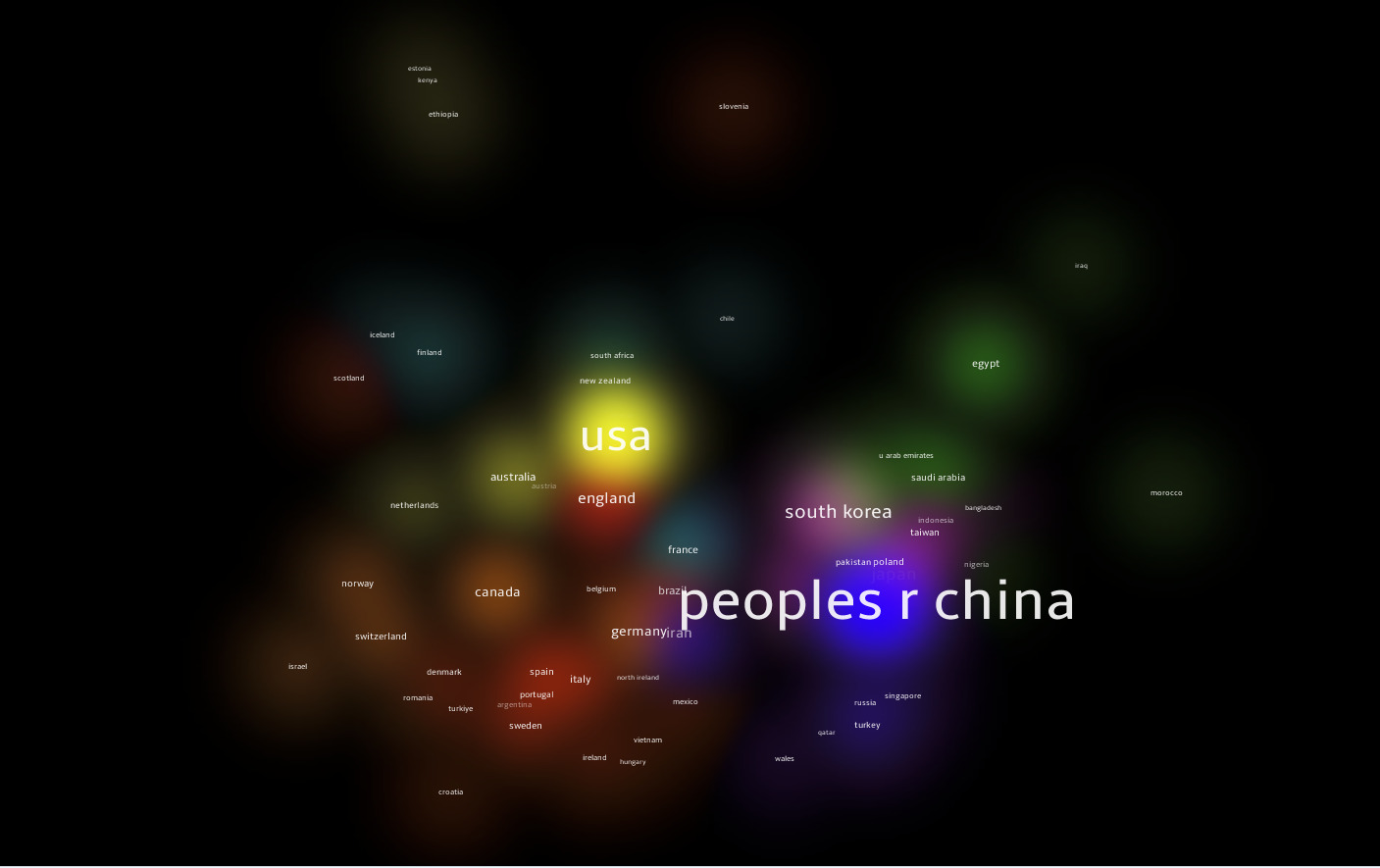
The global distribution and collaboration of the countries publishing research regarding the Female Athlete Triad and RED-S are depicted using a VOSviewer map shown in Figure 1. The size of each node represents the number of publications from that country, and the relative position of each node from other nodes represents the degree of collaboration between those countries.
China is identified as the leading publisher of research regarding the Female Athlete triad and RED-S, due to its large node size and central position in the network. The U.S. also has a high volume of publications represented by the second largest node and forms a major grouping of countries with visible connections to many countries. Other significant publishers of research include South Korea, England, Canada and other European countries represented by medium sized nodes within an interconnected grouping of nodes.
Smaller numbers of publications were observed for countries such as Australia, France, Germany, Italy, Spain and the Netherlands and they demonstrated some degree of collaboration with other countries within the dataset. Conversely, several geographic areas, including parts of Africa, the Middle East and South America have small or no node representation suggesting low levels of publication and few international collaborations with other countries within the dataset.

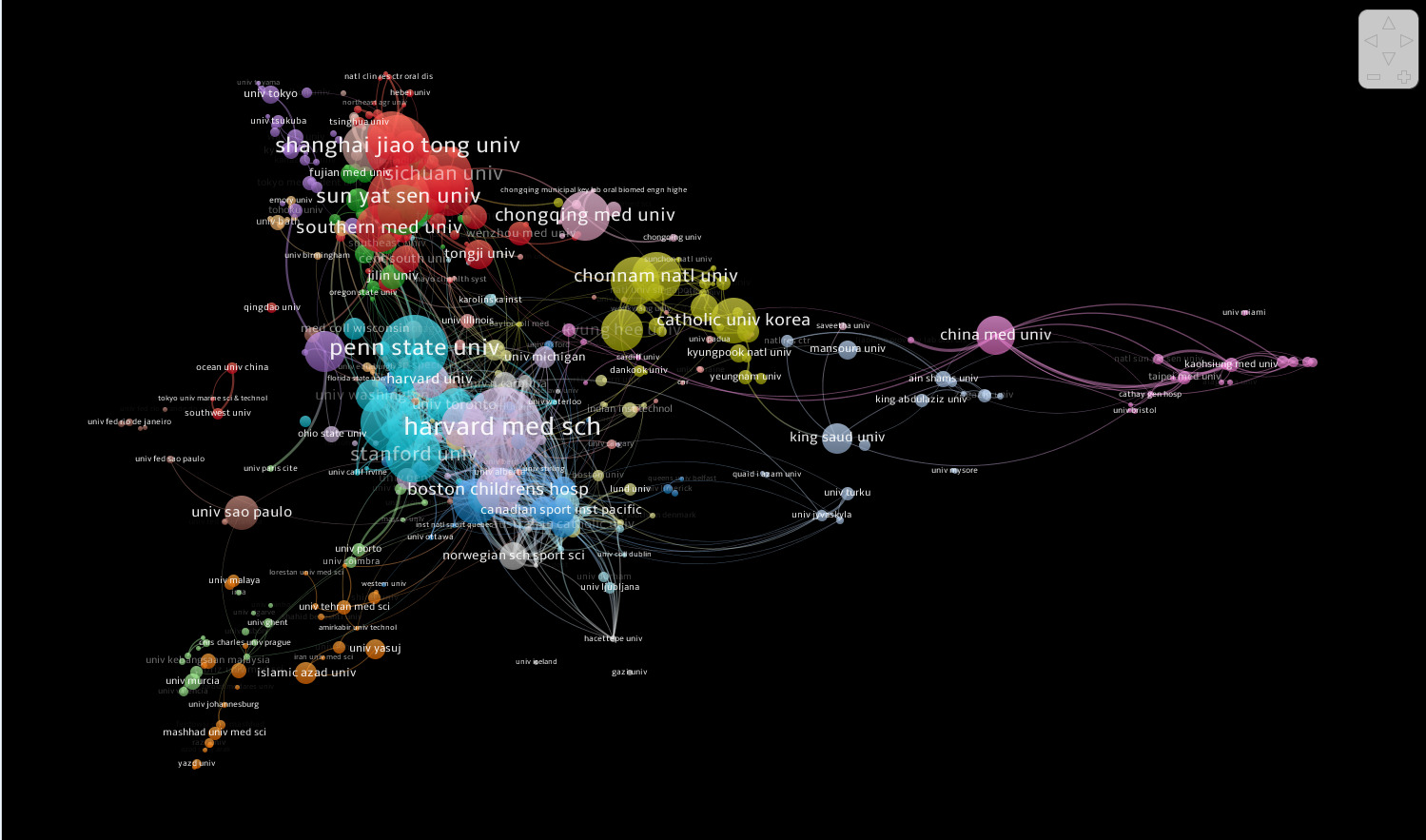
Figure 2 displays the institutional collaboration network for publications related to the Female Athlete Triad and RED-S, generated using VOSviewer. In this visualization, node size reflects the volume of publications attributed to each institution, while connecting lines indicate collaborative relationships between organizations.
Several institutions appear as central and highly connected nodes within the network. Harvard Medical School, Stanford University, and Pennsylvania State University demonstrate substantial research output and extensive collaborative ties, as evidenced by their larger node sizes and dense interconnections. Boston Children’s Hospital also emerges as a prominent contributor, closely linked to other major academic and medical institutions.
International institutions form additional collaborative clusters within the network. Universities such as Shanghai Jiao Tong University, Sun Yat-sen University, Chongqing Medical University, and Southern Medical University represent significant contributors within Asian research clusters. Catholic University of Korea and Chonnam National University also appear as key nodes, indicating active participation in research related to energy deficiency and athlete health.
Several institutions are positioned more peripherally with fewer connections, suggesting more localized research efforts or limited international collaboration. Overall, the network demonstrates that research on the Female Athlete Triad and RED-S is concentrated within established academic and medical centers, with collaborative links spanning multiple countries and regions.

The Co-Authorship Network is a visual representation of authors who have published articles regarding the Female Athlete Triad and RED-S, generated by VOSviewer. The authors depicted by circles are representative of authors who contributed to the literature, circle size is directly related to number of publications. The connecting lines between the circles are indicative of the collaboration between authors. Color gradations were used to represent time trends in the authors’ publications.
A small number of authors are located at the center of the network, and they are all very interconnected. This suggests that these authors have made significant contributions to the literature and collaborate often. De Souza, Mary Jane; Ackerman, Kathryn E.; Tenforde, Adam S.; and Nichols, Jeanne F. are among the most prominent authors in the network and suggest they have been instrumental in developing the field.
Central authors, and those that connect to multiple clusters in the network, demonstrate the interdisciplinary and multi-institutional nature of the research being conducted.
Collaborative clusters can be identified in the network, and indicate groups of authors who frequently co-publish. Although many of the clusters display high levels of interconnectivity, there are also many that are relatively isolated from one another, and therefore may represent areas of specialization or independent research efforts. Authors who are located peripherally to the network, and have few connections, may represent new contributors to the literature or authors with smaller publication records.
In general, the network provides evidence of a collaborative research environment consisting of established authors and new contributors to the literature, which indicates both stability and growth in the literature pertaining to the Female Athlete Triad and RED-S.
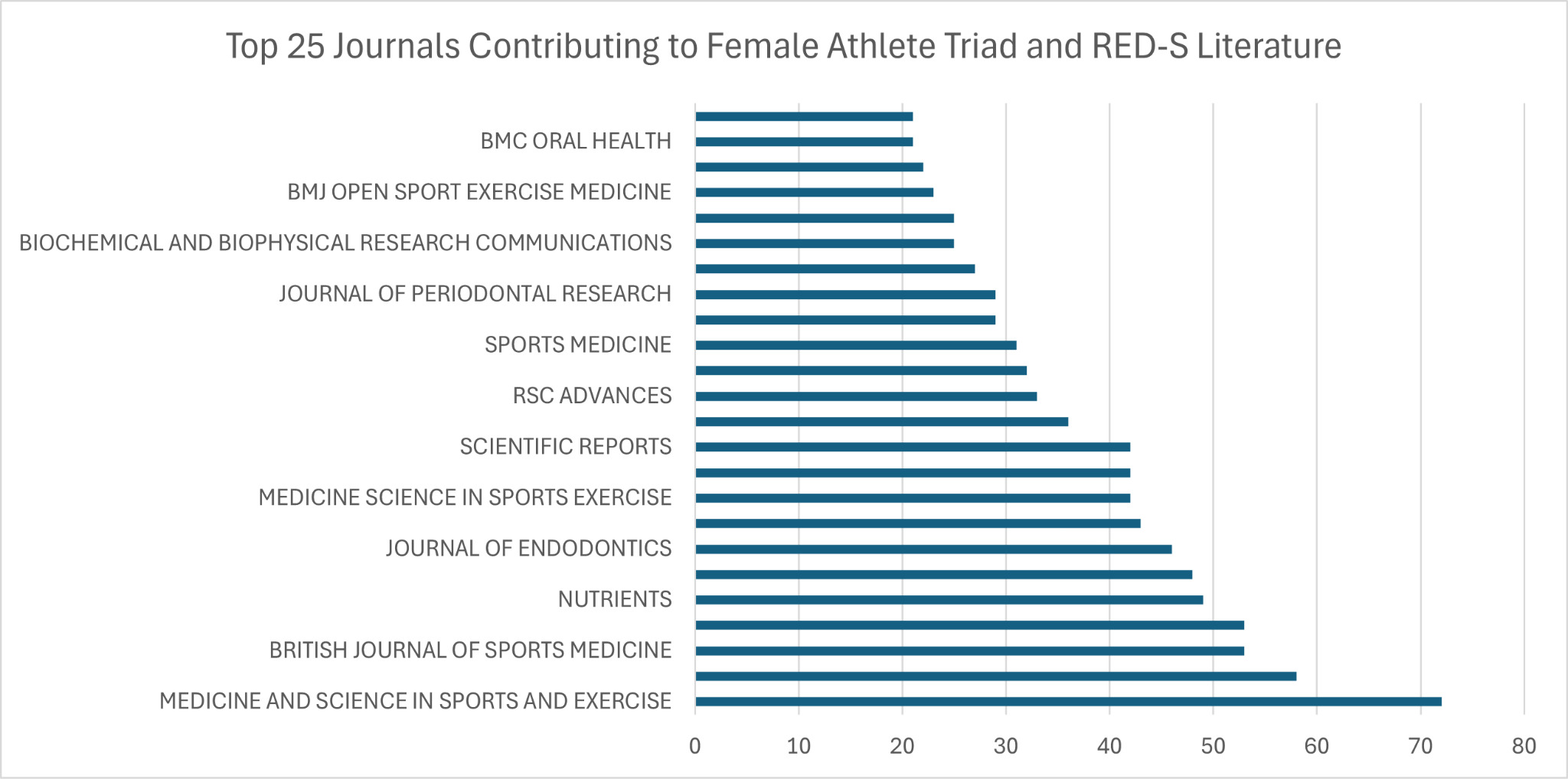
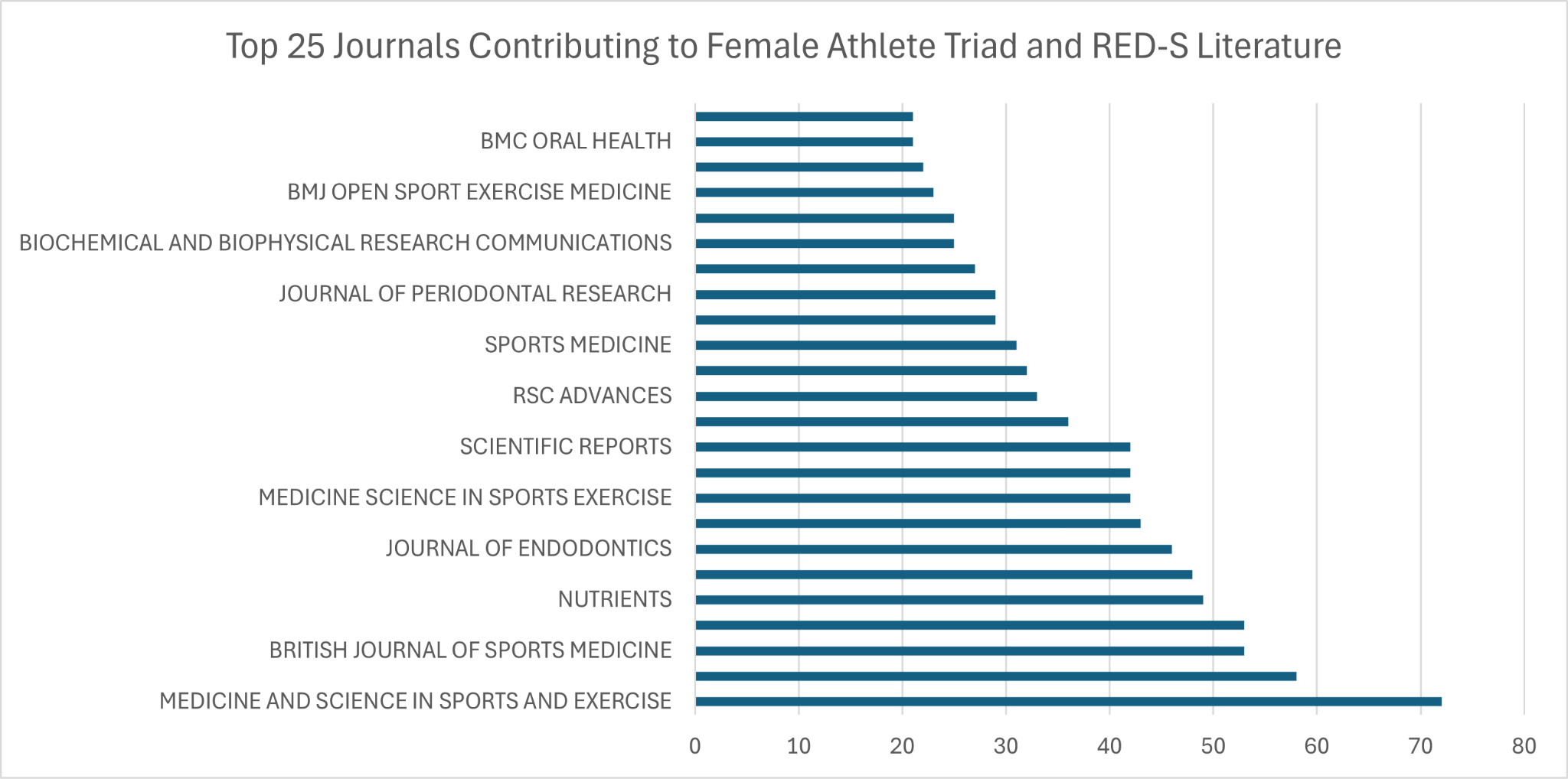
The top 25 journals that have contributed to the literature on the Female Athlete Triad and RED-S are shown in Figure 4. The quantity of journal publications varies, but a few journals account for most of the overall publications.
Medicine and Science in Sports and Exercise has published the most articles in this area, therefore it is likely the most important outlet for research about the health of athletes and their energy levels. There are also other highly productive outlets, including the British Journal of Sports Medicine, Nutrients, Journal of Endodontics, and Medicine Science in Sports and Exercise. These four journals combined publish an enormous amount of literature concerning the Female Athlete Triad and RED-S.
Journals like Scientific Reports, RSC Advances, Sports Medicine and the Journal of Periodontal Research produce a lesser number of publications than the above mentioned, and they demonstrate the variety of disciplines interested in sports medicine, nutrition and biomedical sciences.
Some journals at the end of the list produce fewer publications. This suggests that there are some new and/or more specific areas of study in this research field.
The results show that the majority of the literature on the Female Athlete Triad and RED-S comes from sports medicine and exercise science journals, while additional literature is provided by more general biomedical and nutritional journals.
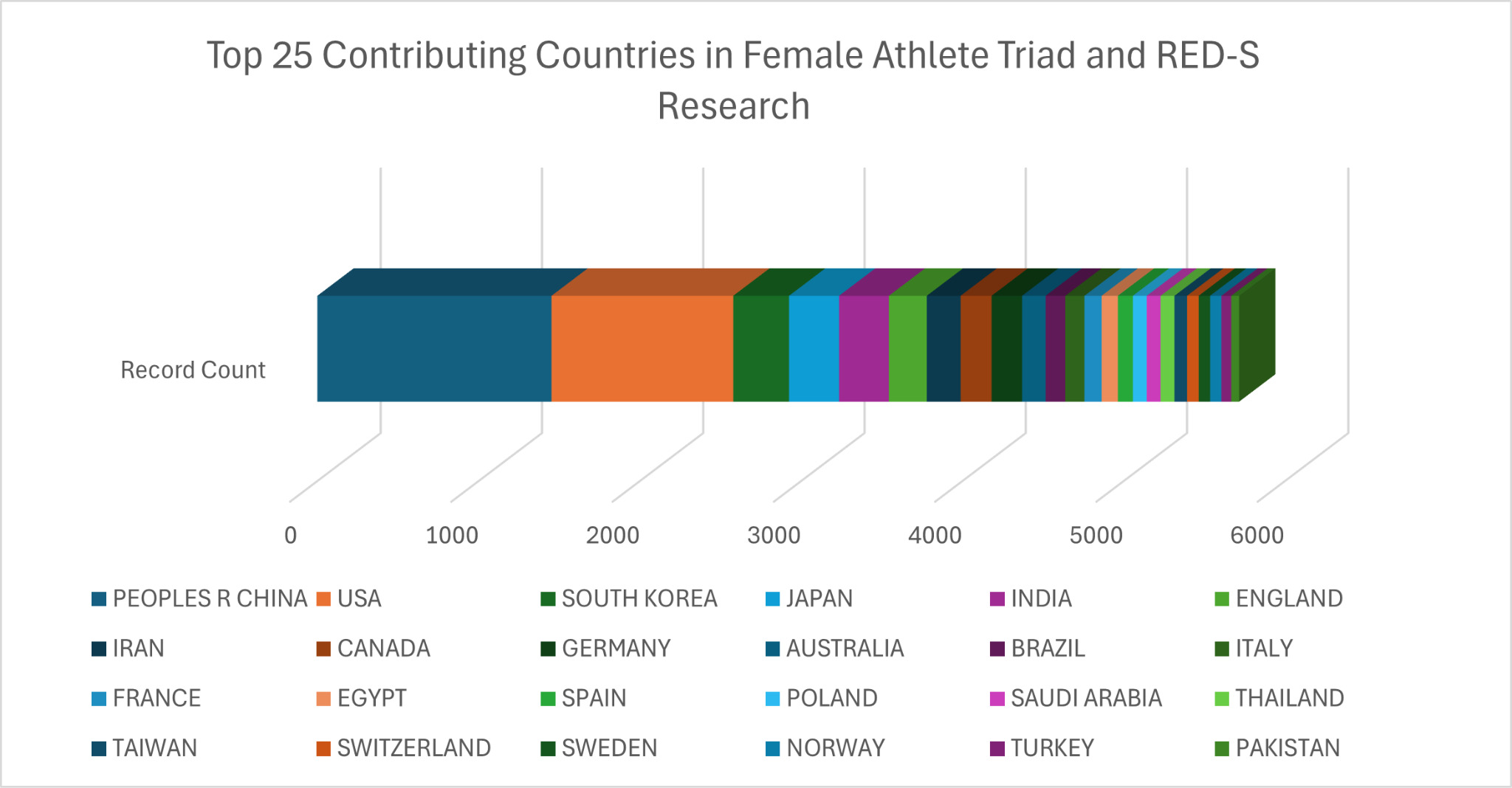
Figure 5 shows which of the top 25 most publishing countries contributed to studies on the Female Athlete Triad & RED-S. The country distribution is indicative of how a few top-25 countries produce an overwhelming majority of the total publications found in this data set.
China has produced the greatest number of publications. This is followed very closely by the United States. A good number of other countries have made significant contributions to the literature, including South Korea, Japan, India and England, representing research activity from both the Western and Eastern parts of the world. Research in Europe has been similarly active, and several European countries are represented among the top countries producing publications in Germany, Italy, Spain, France and Switzerland.
Several of the remaining countries, including Canada, Australia, Brazil and Iran, have shown moderate publication output. Other countries such as Saudi Arabia, Poland, Sweden, Norway, Turkey, Thailand, Pakistan, and Taiwan have each demonstrated some level of contribution to the overall body of literature at a much lower rate than the top 10 or 15 countries. Overall, it is evident that the literature of the Female Athlete Triad & RED-S is a global effort, with the bulk of the publication activity located in a relatively limited number of countries.
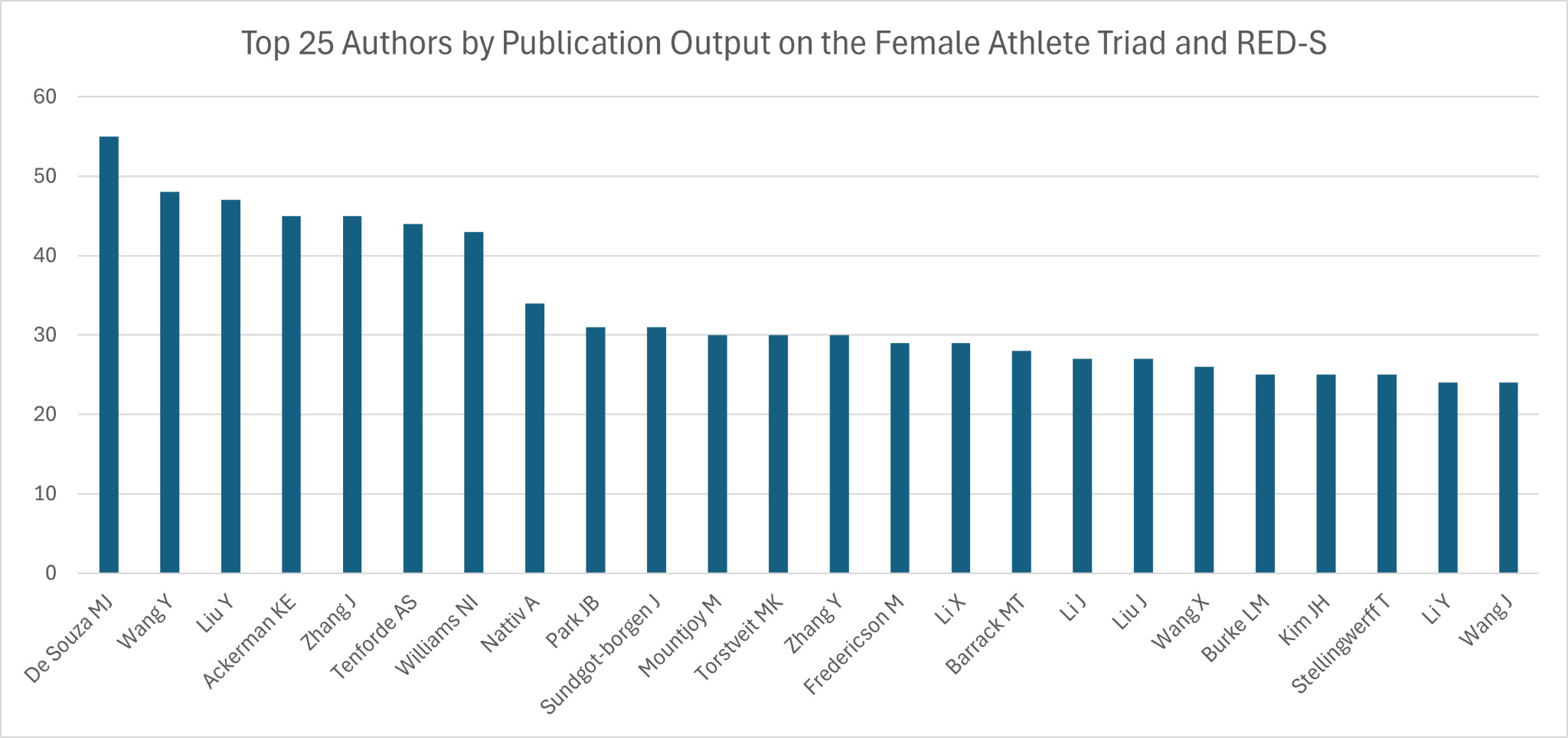
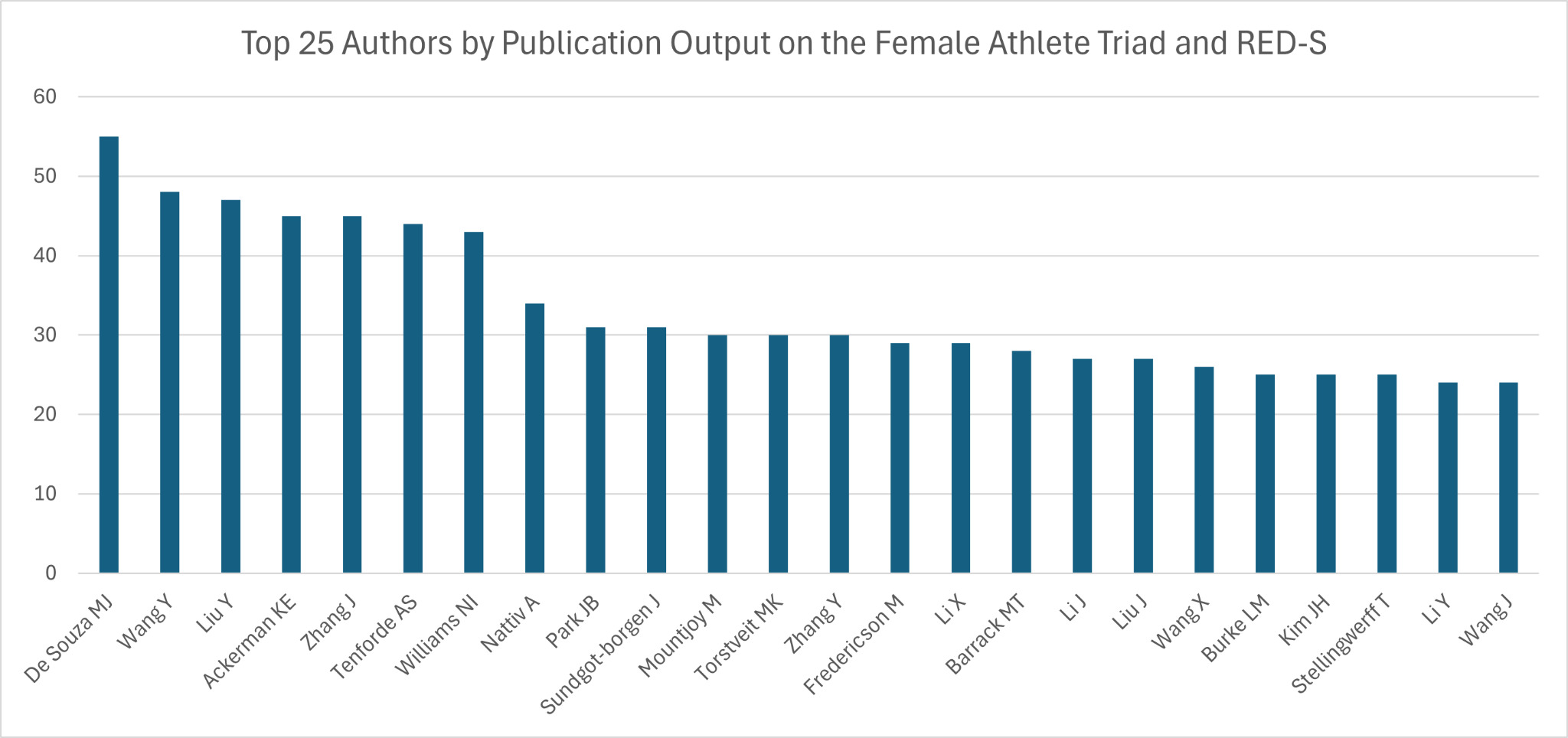
A small subset of authors dominate the majority of the publications within the dataset as is depicted in Figure 6, which provides a list of the top 25 authors based on their overall publication output relative to research concerning the Female Athlete Triad and RED-S
The top 25 authors, by publication output, in the research area of the Female Athlete Triad and RED-S are illustrated in Figure 6. The data show that the majority of publications were written by a relatively small group of authors. The author with the greatest number of publications was Dr. Mary Jane De Souza, a Professor of Kinesiology and Physiology at Penn State University whose research has focused on the physiological effects of low energy availability in physically active women, including menstrual dysfunction and poor bone density. Other high volume authors were Wang, Y; Liu, Y; Ackerman, Kathryn E.; and Zhang, J. The next level of authors included Tenforde, Adam S.; Williams, Nancy I.; Nattiv, Aurelia; and Park, K.B. Authors listed above are the most consistent contributors in areas of sports medicine, endocrinology, and exercise physiology. In comparison, the remaining authors in the top 25 have similar numbers of publications indicating an even distribution of research output among established investigators. Overall, these results illustrate a group of leading investigators that are central to the advancement of the literature on the Female Athlete Triad and RED-S.
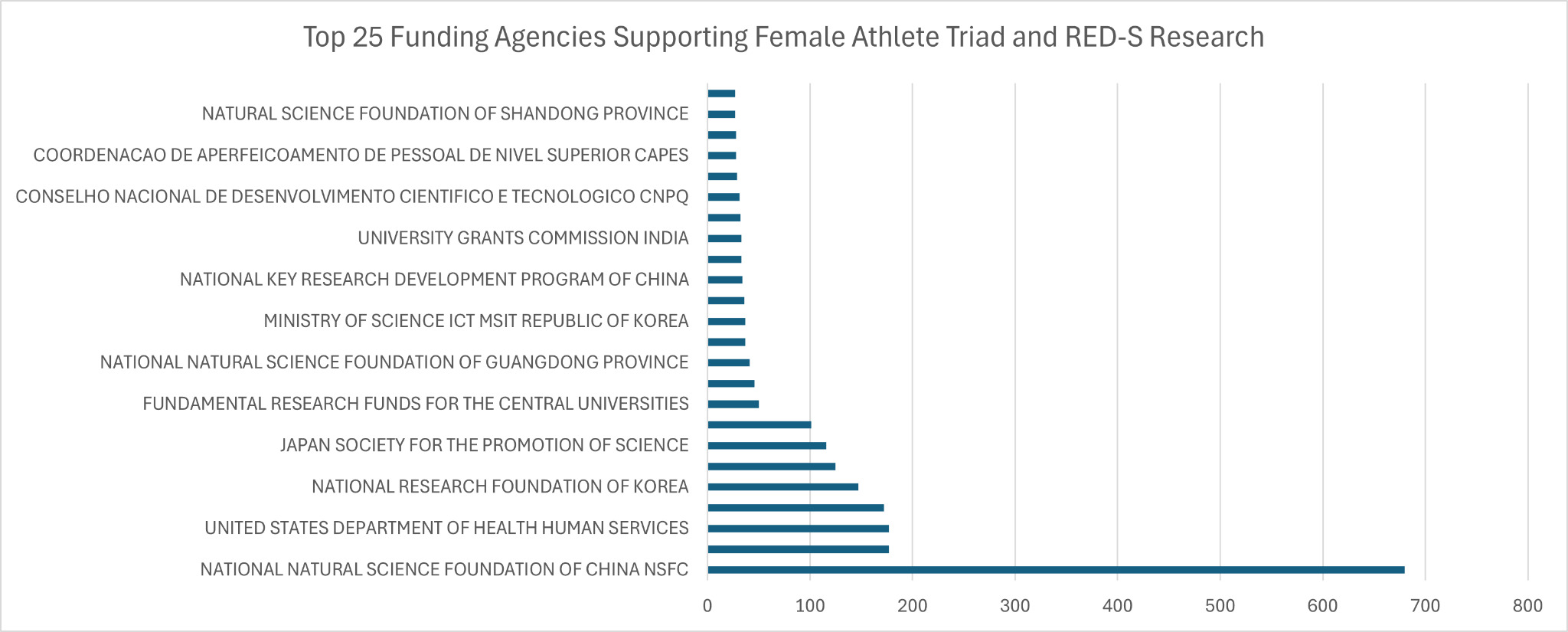
A total of 25 funding organizations were identified as the primary supporters of research into Female Athlete Triad and RED-S, and Figure 7 illustrates this through a graphic display of these funders and their corresponding shares of all publications in the data set.
It is clear from this distribution that while there are many funding sources represented in this list, they represent a very small number when compared to the proportionate share of total publications that each has supported. The NSFC is clearly the predominant funder, far exceeding every other funder in terms of the number of publications it has supported.
Additionally, other significant funders include the U.S. Department of Health and Human Services and the NRFK, which reflect a commitment to funding research associated with athlete health and energy deficit, at least to some extent, from both North America and South Korea. The JSPS also stands out as a significant funder, illustrating continued support for RED-S/Female Athlete Triad related research in East Asia.
In addition, provincial natural science foundations in China, the Ministry of Science and ICT of the Republic of Korea, the University Grants Commission of India and funding agencies in Brazil provide additional but fewer publications than those previously mentioned. In conclusion, the distribution of funding is highly concentrated among national government agencies, with an especially high level of participation from institutions in East Asia and North America.
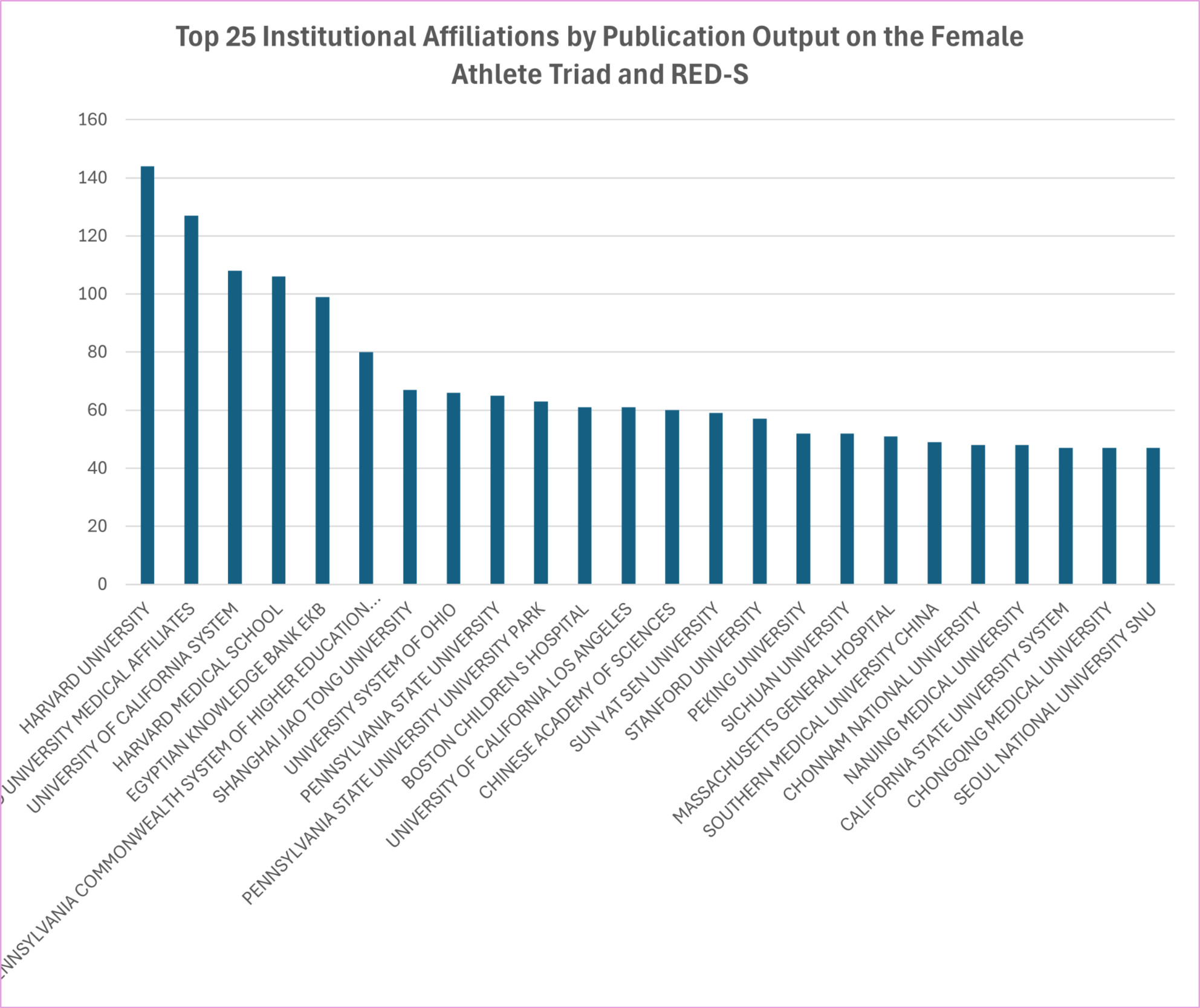
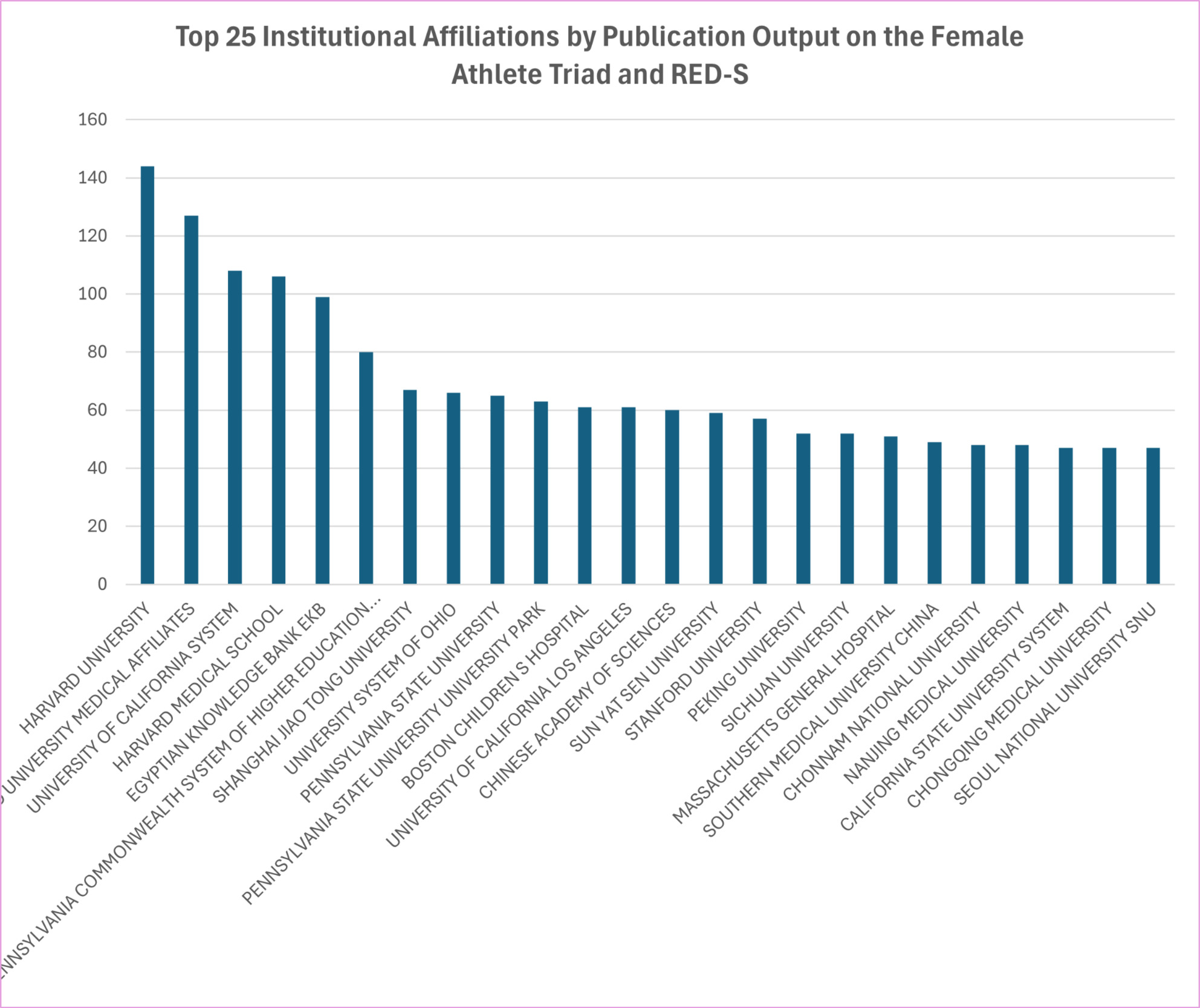
The figure shows the top 25 institutional affiliations for publications regarding Female Athlete Triad and RED-S, and it shows that the majority of the research has been conducted at a small number of academic and medical institutions.
Research output is being produced by an extremely small number of institutions, the largest being Harvard university followed by Harvard Medical affiliates and the University of California system. The other top producing institutions are; Harvard Medical school, Egyptian knowledge bank, and Shanghai Jiao Tong University. This reflects the significant amount of research activity occurring in North America, Asia, and the Middle East.
Additional top producers include Pennsylvania State University, University System of Ohio, and Pennsylvania State University Park which represents continuous engagement from large public research universities.
Boston Children’s hospital, University of California Los Angeles, and Chinese academy of sciences all show high levels of publication output, and reflect the level of engagement from medical and research focused institutions.
Additionally several international institutions have made appearances in the list of top contributors, including; Sun yat-sen university, Stanford university, Peking university, Sichuan university, and Seoul national university, which indicates the global nature of institutional participation in this research field.
In general, the results indicate that the driving force behind research on the Female Athlete Triad and RED-S is the major academic and medical institutions with existing research infrastructures.
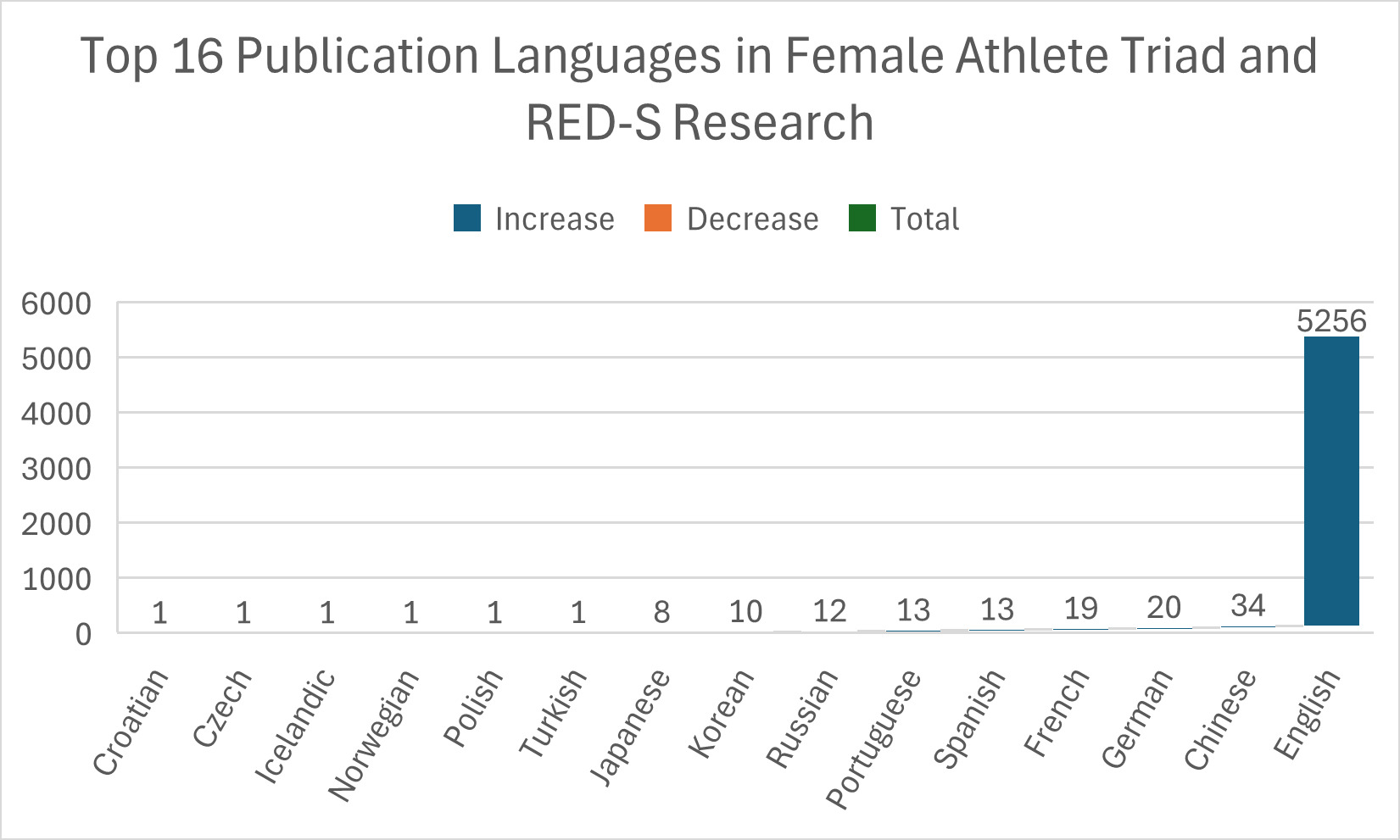
As demonstrated in Figure 9, the top 16 publication languages shown for research relating to the Female Athlete Triad and RED-S show an overwhelming representation of English.
The figure clearly shows English is the dominant publication language with a significantly greater number of publication records than all other languages shown in the figure. The second most frequent publication language was Chinese, followed by German and then French. Other languages such as Spanish, Portuguese, Russian, Korean and Japanese are also present at decreasing rates of publication frequency.
Other languages which were identified in this analysis include; Turkish, Polish, Norwegian, Icelandic, Czech and Croatian, each representing very low numbers of publication records. Therefore, it can be concluded, although research on the Female Athlete Triad and RED-S has been conducted across the world, the vast majority of the dissemination of this research has been through English Language Journals.
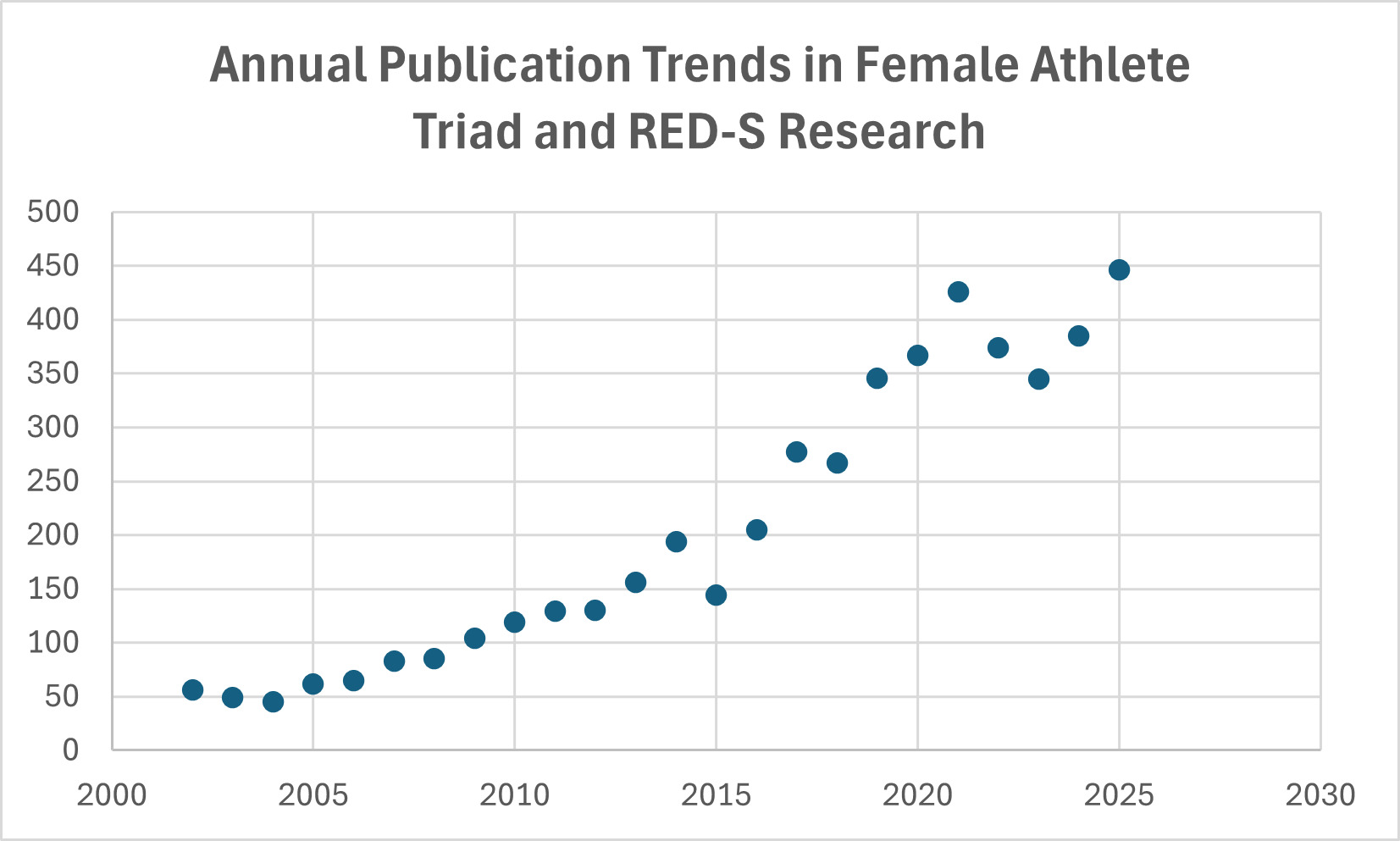
A consistent and sustained upward trend in the number of yearly publications that address the Female Athlete Triad and RED-S can be seen from Figure 10.
The data show a general upward trend in publication numbers from very low numbers per year during the early 2000s (less than 100), into a moderate level of publication from about 2010 on, and then an even larger increase in publication numbers after 2015.
Publication numbers continued to increase through the late 2010s and into the early 2020s, with the largest numbers of publications in the last couple of years in the dataset.
There are some slight variations in the number of publications among different years, however, the overall pattern is one of growing interest in this area as well as a strong commitment to scholarship.
Discussion
The results of this bibliometric analysis show a consistent rise in publications on RED-S and Female Athlete Triad, along with a marked trend toward increasing concentration of such publications from a small subset of nations, universities, researchers and funders.
Growth of Research Over Time
Increased annual publication production for RED-S since 2015 likely relates to the expansion of RED-S from the Female Athlete Triad into a full spectrum of health issues; including reproductive, bone, metabolic, cardiovascular, and mental health as well as performance related issues.7 The increasing interest by both clinicians, athletes and their teams, as well as by researchers into early identification, treatment and management of RED-S, may be attributed to increased awareness about the issue.8 While there are some minor variations between years, the trend is upwards indicating that the interest in researching this area will continue.
Geographic and Institutional Concentration of Research
Research in the Female Athlete Triad and RED-S has great worldwide significance but the productivity in this area of study continues to be concentrated among a few countries. In terms of the number of publications, the People’s Republic of China and the United States lead all other nations. This concentration can be attributed to the many established research infrastructures in these two countries; they have strong national funding mechanisms and the majority of their top-level academic and medical institutions are large enough to support multidisciplinary research studies. Although there are significant contributions from Europe and East Asia, the lower productivity rates from developing regions of the world indicate possible gaps in the geographic representation of the population and also the diversity of populations represented in the literature.9 The disparity among the production of research in different parts of the world further emphasizes the need for increased international collaborations so that research findings will be applicable in various cultural, nutritional and athletic environments.
This concentration is further demonstrated by institutional data which indicate that leading academic and medical centers such as Harvard University, the University of California System, and Pennsylvania State University produce the highest volume of publications related to Female Athlete Triad and RED-S. The fact that both universities and affiliated medical institutions dominate the production of this body of literature indicates the multi-disciplinary nature of this research area that combines aspects of exercise physiology, endocrinology, sports medicine and nutrition. Universities and medical institutions that have established collaborative research networks and provide access to the specific populations being studied appear to have the greatest ability to maintain high levels of productivity in this area of study.
Influential Authors and Collaborative Networks
A subset of contributors to the literature have produced an overwhelming majority of the published works on the topic of low energy availability in physically active women; Dr. Mary Jane De Souza is the most prolific author and has been instrumental in establishing a foundation of knowledge about low energy availability and its physiological effects in physically active women. The other prominent authors such as Kathryn E. Ackerman and Adam S. Tenforde demonstrate the interdisciplinarity and collaborative nature of this area of study where research and clinical practices are merged.
The co-authorship network shows that there is a high level of interconnectedness (or “density”) between the senior investigators and their affiliated institutions which indicates a robust and cohesive research core. In addition, there are several smaller, less connected groups (“peripheral clusters”) of authors that indicate potential collaborations and/or inclusion of new investigators. Enhancing the links between these networks could enhance dissemination of the body of knowledge regarding the topic of low energy availability in physically active women and stimulate innovations based on different methodologies and populations.
Funding Patterns and Research Support
The analysis of the funding sources showed that most funding was from national government agencies; with the largest being the National Natural Science Foundation of China, and other agencies were located in South Korea, Japan and the USA. The fact that the majority of the funding came from these sources shows that the Female Athlete Triad and RED-S are being seen as Public Health issues, which could have long term implications for both athlete performance and their overall health. While this is good news, it does show that the reliance on government funding can limit where research is conducted, the topics that will be researched, and create inequities in terms of the regions that have less funding to explore regional specific issues.
Language of Publication and Accessibility
A vast majority of the literature is written in the English language because it is a primary mechanism to facilitate the distribution of science globally; while this makes literature more accessible to a larger number of academic readers, it also may hinder the ability of clinicians, athletes and researchers who do not speak English from having access to the same body of literature.10,11 Providing greater access to literature that has been published in other languages or implementing broader translation efforts could provide better access to literature world-wide and potentially increase the use of evidence-based prevention and treatment strategies.
Limitations and Future Directions
There are several potential issues with the way the data were analyzed that could limit their interpretation. The data were limited to articles published in journals that have been indexed in the Web of Science database; therefore it is possible that other articles have been missed that have also reported similar data.12 In addition, while it is assumed that authors accurately report the information that is required to be included in the article (for example the name of each author, his/her affiliation with an institution, etc.), there can be inaccuracies and/or discrepancies in this reporting. Therefore, the accuracy of some of the results may be influenced by inaccuracies in the reporting of the authors’ names, the institutions they are affiliated with and/or any funding sources that supported their work. Counts of publications should be viewed as an indicator of the quantity of research that has been conducted rather than an indicator of the quality of the research or its impact clinically.
The findings would likely be enhanced by future studies being conducted through collaborations across countries, particularly those that have historically contributed little to studies of female athletes with RED-S and/or the Female Athlete Triad; such collaborations would help increase the generalizability of the study’s findings. Long-term and intervention studies are also warranted to convert the increasing body of knowledge about RED-S and the Female Athlete Triad into effective interventions for prevention and treatment. Further studies incorporating multiple disciplines will be important for understanding and addressing the many physiological, psychological and sociological factors associated with the Female Athlete Triad and RED-S.
Conclusion
The present bibliometric analysis demonstrates a substantial and sustained growth in scholarly output related to the Female Athlete Triad and Relative Energy Deficiency in Sport, reflecting increasing recognition of low energy availability as a significant clinical and performance-related concern. Despite the global relevance of RED-S, research productivity remains concentrated among a relatively small number of countries, institutions, and investigators, highlighting both the strength of established research hubs and the need for broader international engagement.
Collaborative networks identified through co-authorship mapping illustrate a cohesive research core that has driven much of the scientific advancement in this field. However, the presence of peripheral author clusters suggests emerging areas of investigation and opportunities for expanding interdisciplinary collaboration. The predominance of English-language publications and reliance on national government funding sources may also influence the accessibility and geographic distribution of research efforts.
As awareness of RED-S continues to grow, future work should emphasize diverse population representation, longitudinal and interventional studies, and stronger integration between sports science research and clinical practice. Expanding collaboration across underrepresented regions and specialties will be essential to improving prevention, early identification, and management strategies for athletes at risk of energy deficiency and its associated health consequences.