
Introduction
Knee osteoarthritis (OA) is one of the most prevalent degenerative joint disorders worldwide, characterized by progressive cartilage loss, synovial inflammation, and alterations in subchondral bone. It occurs when the cartilage in the knee joint, which connects the femur to the tibia, gradually deteriorates, resulting in bone-on-bone contact that produces pain, stiffness, and functional limitation.1 Osteoarthritis of the knee represents a leading cause of disability globally and contributes substantially to healthcare expenditures and reduced quality of life among older adults.2
The pathophysiology of knee OA is multifactorial, involving mechanical stress, inflammatory mediators, and metabolic changes that ultimately result in cartilage degradation and joint remodeling.3 Epidemiologic studies estimate that symptomatic knee osteoarthritis affects nearly 10% of men and 13% of women over the age of 60, with prevalence expected to rise due to aging populations and increasing rates of obesity.4
Conventional management strategies include lifestyle modification, physical therapy, analgesics, corticosteroid injections, hyaluronic acid injections, prolotherapy, and non-steroidal anti-inflammatory drugs (NSAIDs).2 While these therapies may reduce symptoms, they do not halt disease progression and largely focus on temporary symptom relief rather than structural repair of joint tissues.5 Consequently, there has been increasing interest in biologic and regenerative approaches to treating osteoarthritis.
In recent years, platelet-rich plasma (PRP) injections have emerged as a promising biologic intervention for knee OA. The procedure involves drawing a patient’s blood and processing it via centrifugation to concentrate platelets within plasma. The platelet-rich plasma fraction is then injected into the affected joint.3 PRP contains numerous bioactive molecules, including platelet-derived growth factor (PDGF), transforming growth factor-β (TGF-β), vascular endothelial growth factor (VEGF), and insulin-like growth factor-1 (IGF-1), which may promote tissue repair and modulate inflammatory pathways.6
One advantage of PRP injections is its autologous nature, which reduces the risk of immune rejection or disease transmission.4 Experimental and clinical studies suggest that PRP may stimulate chondrocyte proliferation, enhance extracellular matrix synthesis, and inhibit inflammatory mediators implicated in osteoarthritis progression.7 Several randomized controlled trials and meta-analyses have reported improvements in pain and functional outcomes among patients with KOA treated with PRP compared with placebo or hyaluronic acid injections.8–10
However, there remains a lack of standardization in PRP preparation protocols. Variability in platelet concentration, leukocyte content, centrifugation techniques, and activation methods may contribute to inconsistent clinical outcomes across studies.⁵ Furthermore, PRP preparation is individualized and cannot be mass produced, which contributes to higher costs and limited accessibility in some clinical settings.
Given the rapid growth of research in this field, bibliometric analysis can provide valuable insights into publication trends, leading authors and institutions, and emerging research networks. Bibliometric approaches have increasingly been used to map scientific development within orthopedic and regenerative medicine research.11 Accordingly, this study aims to analyze the global scientific landscape of platelet-rich plasma research in knee osteoarthritis.
Methods
This bibliometric study was conducted and is reported in accordance with the BIBLIO (Bibliometric Reporting Guidelines for Bibliometric Analyses in Biomedical Research) framework. The BIBLIO guidelines provide recommendations for transparent reporting of bibliometric methodology, including database selection, search strategy documentation, data extraction procedures, and visualization methods.12 Consistent with these recommendations, this study reports the database source, search query, date of retrieval, bibliometric software used, and variables analyzed to facilitate reproducibility and transparency of the analysis.
A comprehensive bibliometric analysis was conducted using the Web of Science Core Collection database to identify publications related to platelet-rich plasma (PRP) in the treatment of knee osteoarthritis (KOA). Web of Science was selected due to its extensive indexing of peer-reviewed biomedical literature and its compatibility with bibliometric analysis software.
In accordance with BIBLIO reporting standards, the complete search strategy used for this bibliometric analysis is reported to ensure reproducibility. The search query was:
(“platelet-rich plasma” OR “PRP”) AND (“knee osteoarthritis” OR “knee OA”)
No restrictions were applied to publication year or document type in order to capture the full evolution of the research field. The database was queried on a single date to ensure consistency in the dataset and avoid changes due to database updates. Bibliographic records were exported with full metadata including authors, affiliations, titles, journals, publication year, citations, and funding information. Records were screened for duplicates and formatting inconsistencies prior to analysis. Author names and institutional affiliations were standardized where possible to improve the accuracy of collaboration network visualization. Search results were exported in batches of up to 1,000 records as text-delimited files containing full records and cited references. Extracted variables included:
-
Author names
-
Institutional affiliations
-
Country of origin
-
Journal titles
-
Funding agencies
-
Publication year
The combined dataset was imported into Microsoft Excel (Version 16.106.2, Redmond, Washington, USA) for organization, cleaning, and descriptive statistical analysis. Duplicate records were reviewed and removed where identifiable.
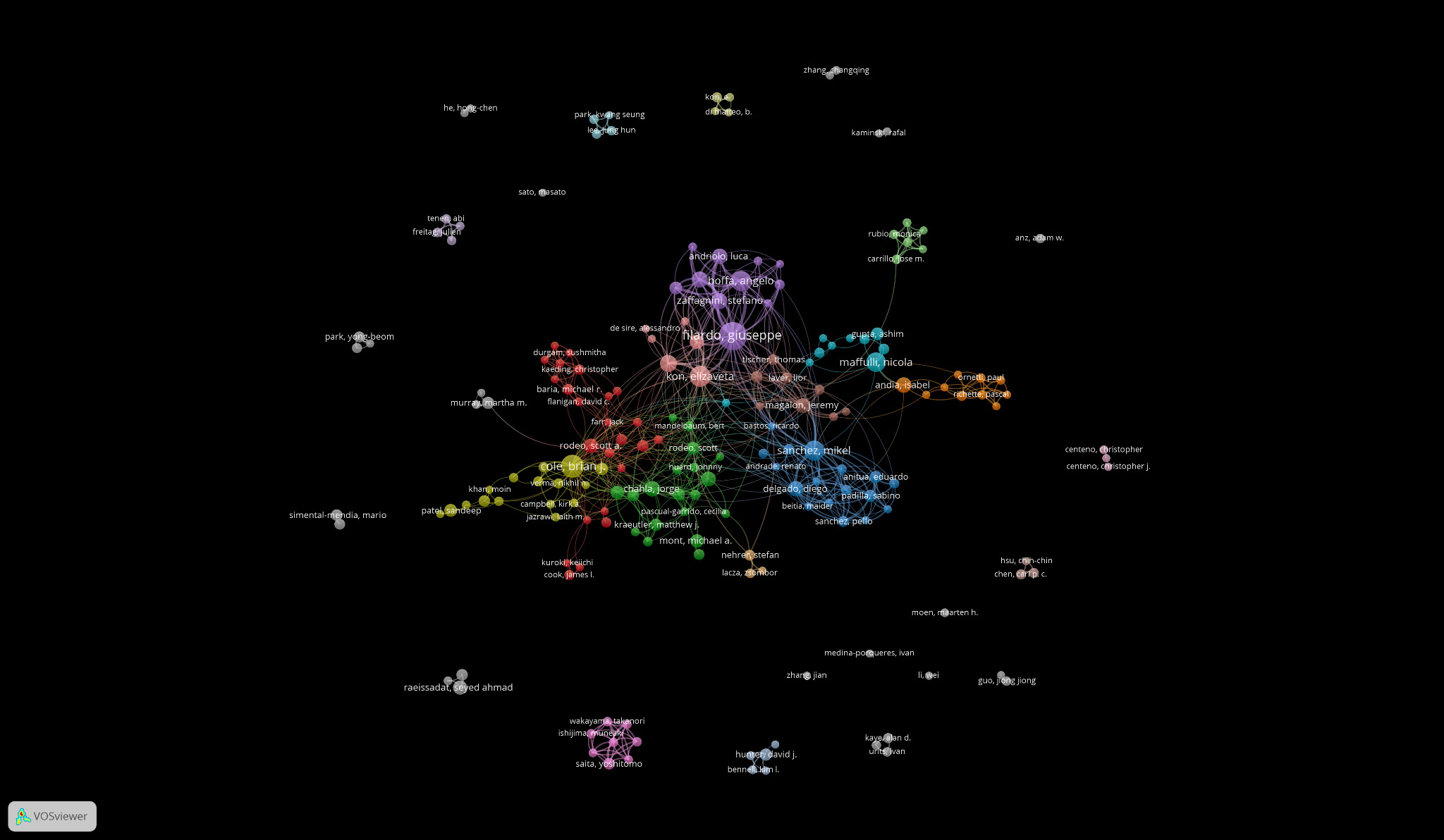
Bibliometric network analysis was conducted using VOSviewer (version 1.6.20; Leiden University, Netherlands). VOSviewer is widely used for mapping bibliometric networks and allows visualization of relationships between authors, institutions, and keywords.13 In the co-authorship network analysis, nodes represent individual authors and links represent collaborative relationships between authors. Node size corresponds to the number of publications, while link thickness reflects the strength of collaboration.
Descriptive statistics were used to summarize publication output by journal, country, institution, and funding organization. Graphical visualizations were generated in Microsoft Excel to illustrate publication trends and distribution patterns.
Results
_treatment_in_knee_oste.png)
Figure 1 displays the collaborative network among authors publishing on platelet-rich plasma (PRP) treatment for knee osteoarthritis. Nodes represent individual authors, while connecting lines indicate co-authorship relationships. Larger nodes correspond to authors with a higher number of publications, and thicker connecting lines reflect stronger collaborative relationships. The network emphasizes the significance of authors such as Filardo, Kon, Cole, and Boffa, who appear as large, central nodes within the network. Notably, there are many disconnected, smaller clusters, suggesting that PRP research in knee OA is still in an early developing stage, with many isolated investigators or groups.

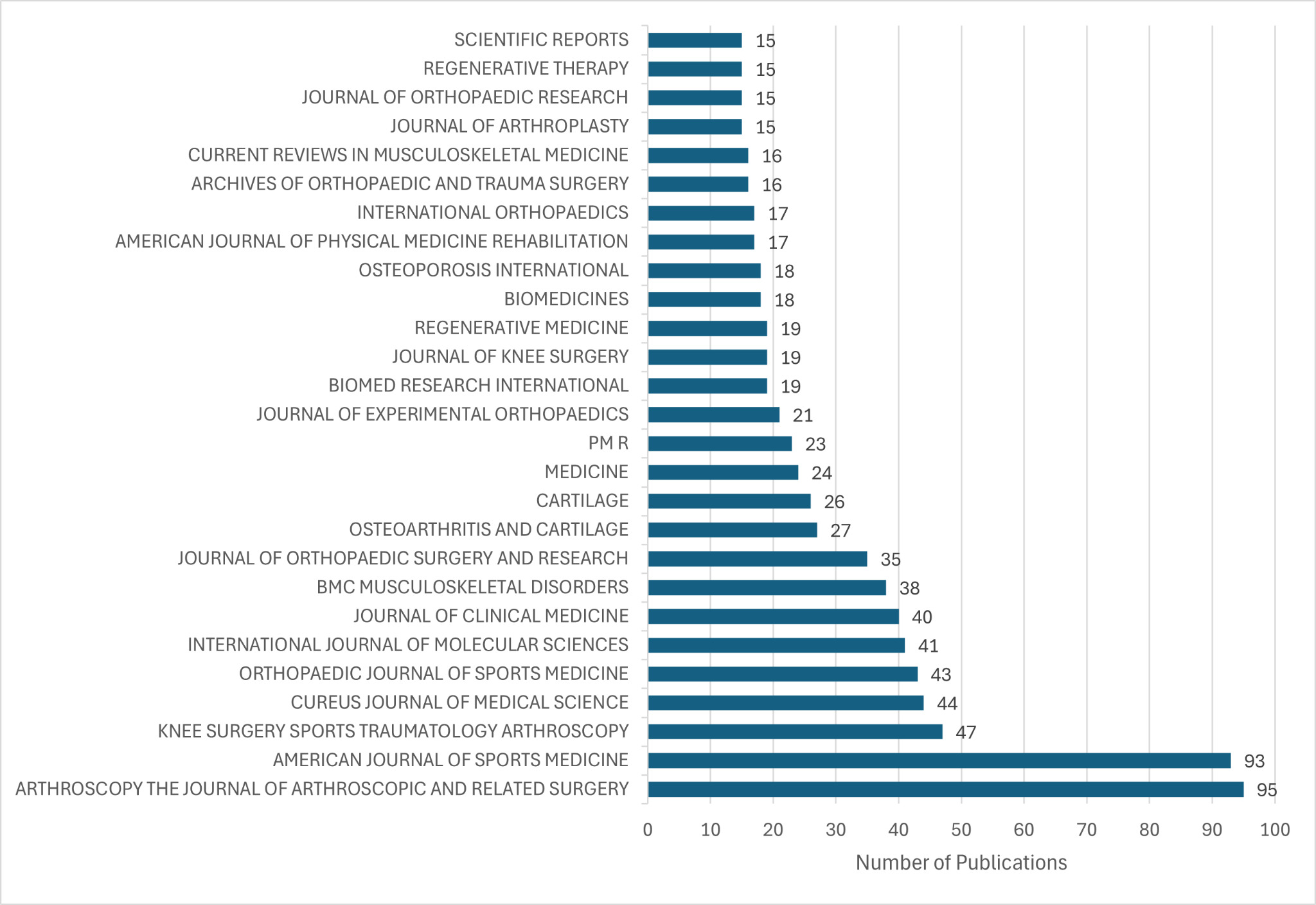
Figure 2 illustrates the distribution of publications across academic journals. Arthroscopy: The Journal of Arthroscopic and Related Surgery and the American Journal of Sports Medicine lead with 95 and 93 publications, respectively. This figure shows 816 publications out of a total of 2116.

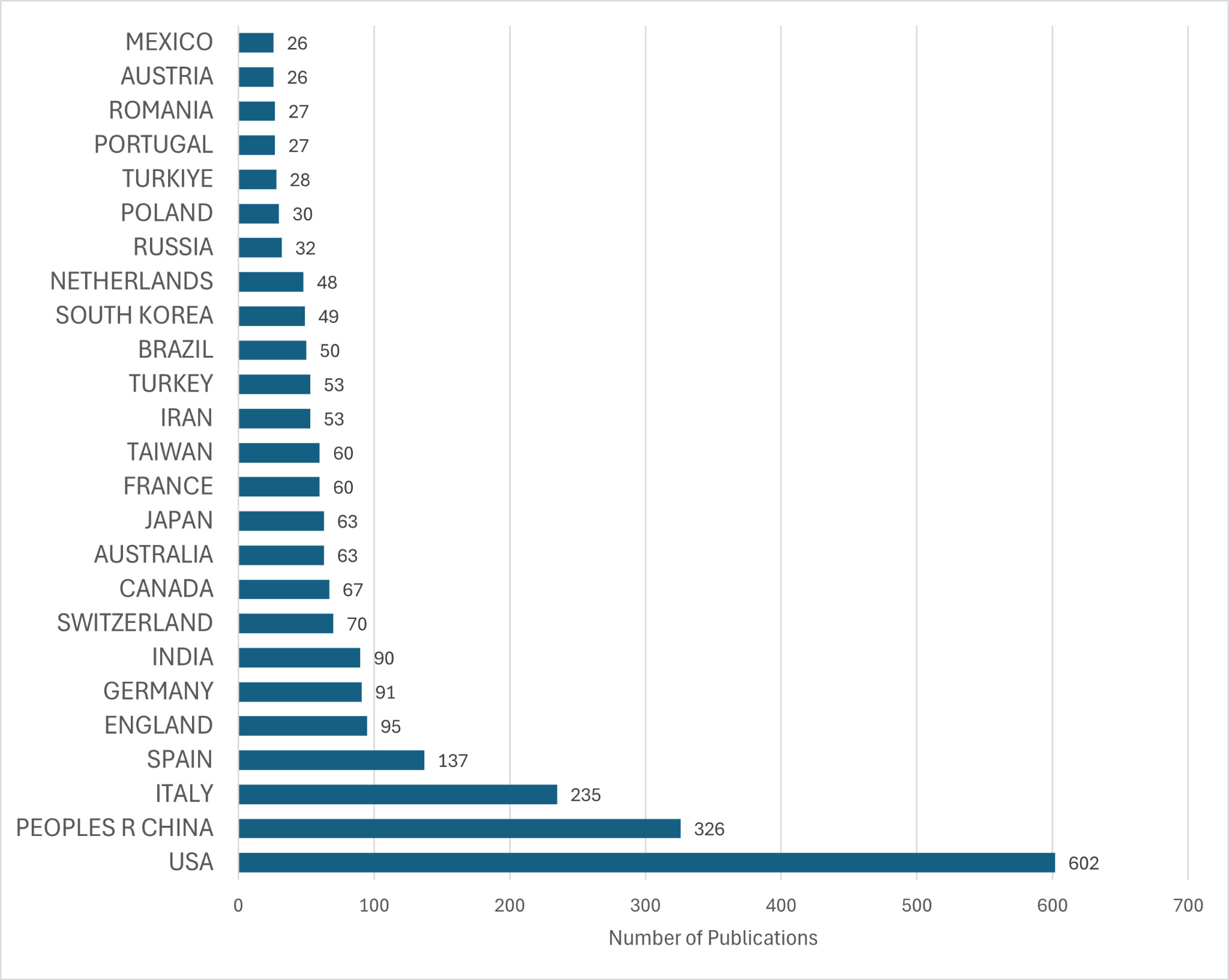
Figure 3 presents the distribution of publications by country. Most publications originate from the United States, with 602 publications, with substantial contributions from the People’s Republic of China, Italy and Spain. This likely reflects their strong orthopedic research communities and growing investment in regenerative medicine.

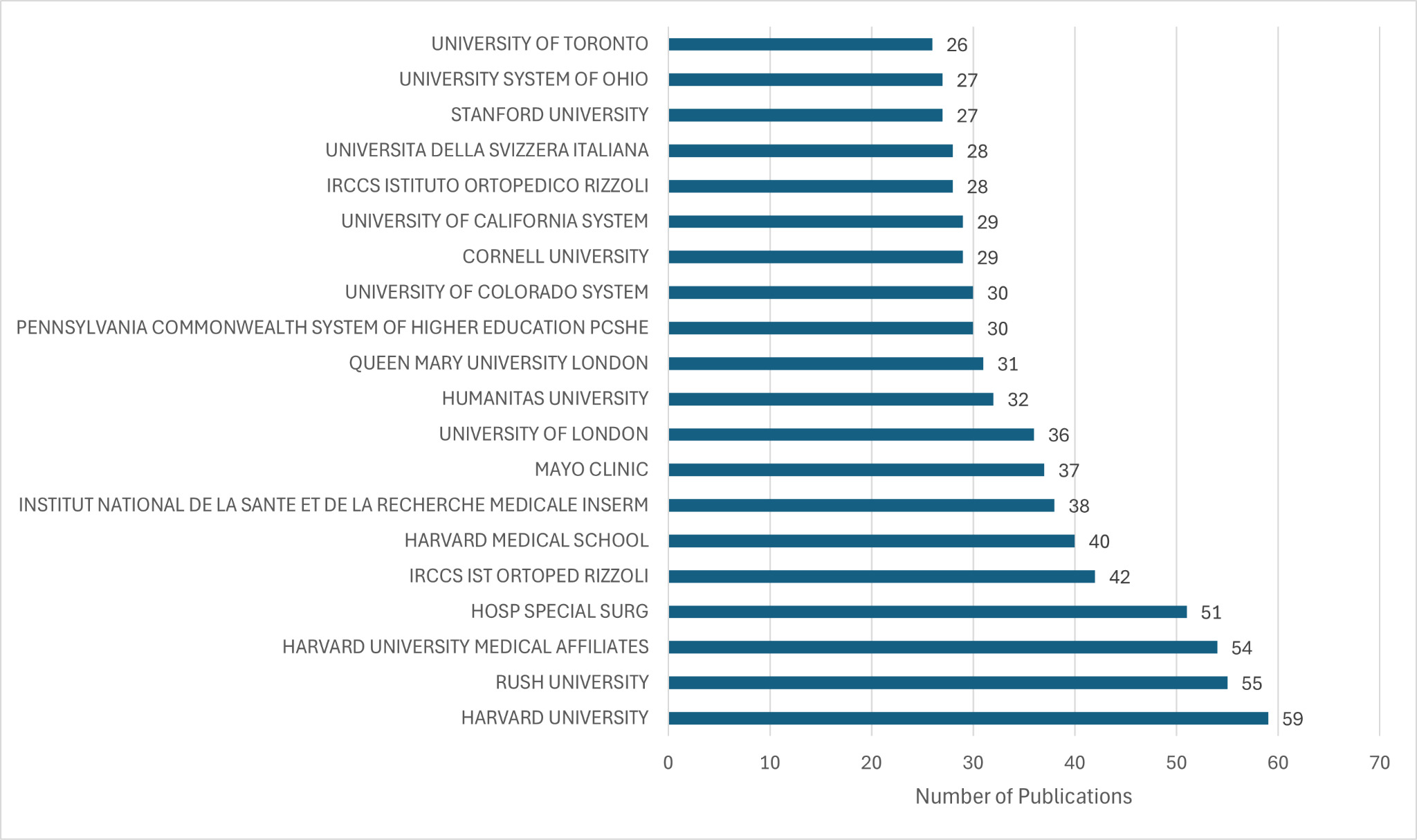
Figure 4 identifies leading institutions contributing to PRP research in knee osteoarthritis. Harvard University and Rush University demonstrate the highest publication counts with 59 and 55, respectively. Research appears to primarily be concentrated in the United States. Institutions in Italy, France, and England also make notable contributions.

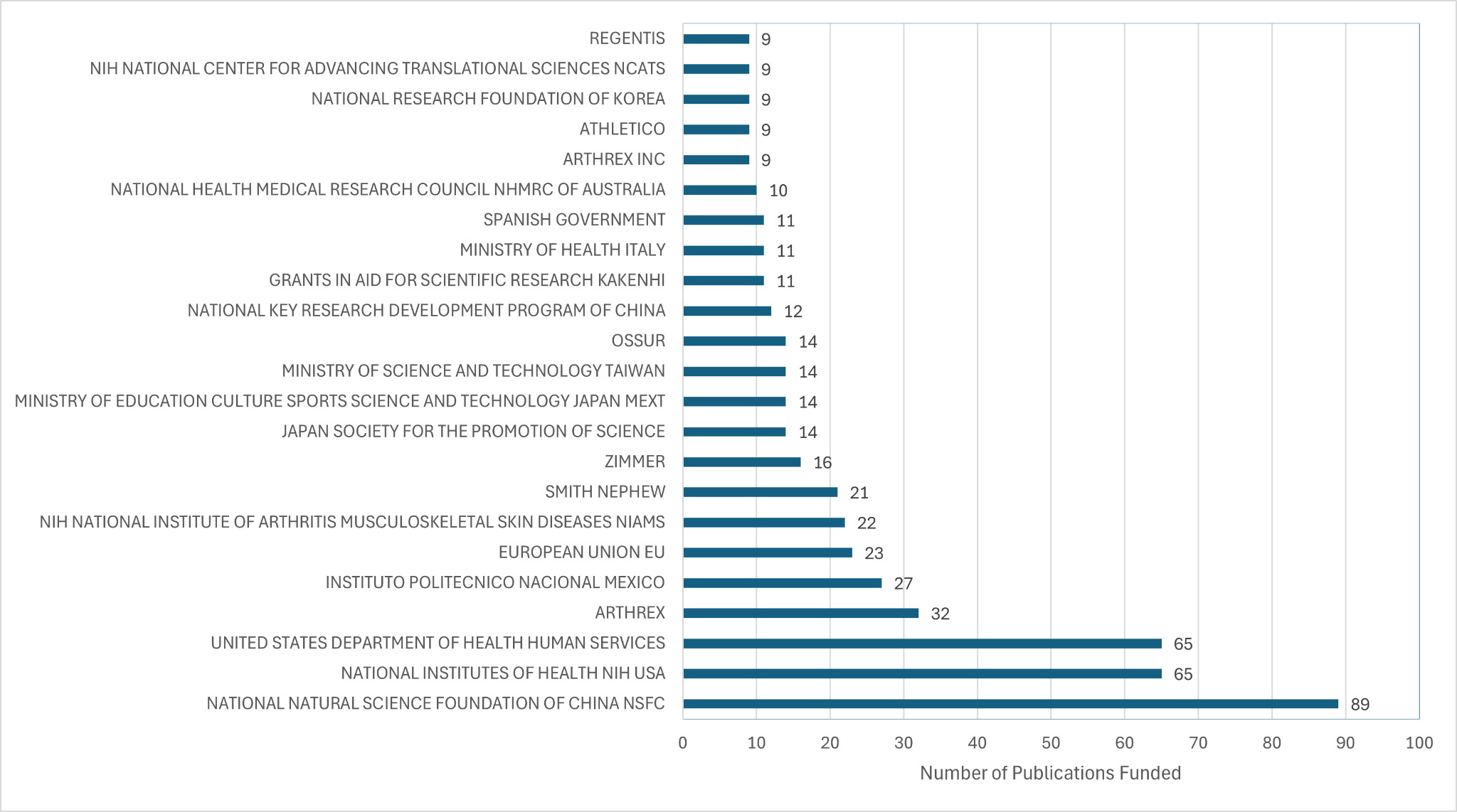
Figure 5 outlines the major funding bodies supporting research in this field. The National Natural Science Foundation of China (NSFC) leads with 89 publications funded, followed by the National Institutes of Health (NIH) and the US Department
Discussion
The findings of this bibliometric analysis demonstrate a substantial increase in scientific publications evaluating platelet-rich plasma for knee osteoarthritis over recent years. This growth reflects increasing global interest in regenerative medicine approaches aimed at addressing the underlying pathophysiology of osteoarthritis rather than simply managing symptoms.
The author collaboration network identified several highly influential researchers within the field, including Filardo, Kon, Cole, and Boffa. These investigators have contributed extensively to clinical trials and systematic reviews examining PRP for cartilage repair and osteoarthritis management. Prior clinical studies led by these groups have demonstrated promising improvements in patient-reported pain scores and functional outcomes following intra-articular PRP injections.14
Despite the presence of several major research hubs, the co-authorship network revealed multiple smaller, disconnected clusters. This suggests that while strong collaboration exists within certain research groups, broader international collaboration remains somewhat limited. Increased global collaboration may help harmonize PRP preparation protocols and improve the reproducibility of clinical findings.
Publication title analysis revealed that the majority of PRP-related knee OA research is published in orthopedic and sports medicine journals, particularly Arthroscopy and the American Journal of Sports Medicine. This reflects the clinical relevance of PRP within sports medicine and orthopedic practice, particularly among patients seeking minimally invasive treatments for degenerative joint conditions.
Geographic analysis demonstrated that the United States produced the highest number of publications, followed by China, Italy, and Spain. The prominence of these countries likely reflects strong orthopedic research infrastructure, access to funding, and active clinical research programs in regenerative medicine. China’s strong presence may also reflect increasing governmental support for biomedical innovation through organizations such as the National Natural Science Foundation of China.
From a clinical perspective, the growing research interest in PRP reflects the limitations of traditional osteoarthritis therapies. Corticosteroid and hyaluronic acid injections may provide short-term pain relief but do not address underlying cartilage degeneration.15 PRP, by contrast, contains growth factors capable of modulating inflammation and promoting tissue regeneration. Experimental studies suggest that PRP may enhance chondrocyte proliferation and reduce inflammatory cytokine activity within the osteoarthritic joint.16
Several randomized controlled trials and meta-analyses have reported improved functional outcomes and reduced pain following PRP injections compared with placebo or hyaluronic acid.17 However, results remain heterogeneous due to variability in PRP preparation methods, injection protocols, and patient populations. Consequently, further high-quality clinical trials are necessary to establish standardized protocols and identify patient populations most likely to benefit from PRP therapy.
Limitations
Several limitations should be considered when interpreting the findings of this bibliometric analysis. First, the study relied solely on the Web of Science database. Although Web of Science provides extensive coverage of peer-reviewed literature, relevant publications indexed in other databases such as Scopus or PubMed may not have been captured. Second, bibliometric analyses are dependent on the accuracy of database indexing and author affiliation information, which may introduce minor inaccuracies in institutional or country classifications.
Additionally, duplicate publications or variations in author name formatting may influence bibliometric network analysis despite attempts to clean the dataset. The analysis also evaluates publication quantity rather than study quality; therefore, highly cited or methodologically rigorous studies cannot be distinguished from lower-quality publications within the dataset. Finally, the study reflects the literature available at the time of database retrieval and does not account for publications released subsequently.
Conclusion
Overall, while PRP demonstrates promising regenerative potential, the bibliometric trends indicate that the field is still evolving. Greater methodological standardization and increased international collaboration may help strengthen research and clarify the therapeutic role of PRP in knee osteoarthritis management.