
Introduction
Total knee arthroplasty (TKA) is a standard surgical procedure for end-stage knee osteoarthritis, aimed at relieving pain and restoring knee function.1 Effective postoperative pain management is crucial for early mobilization and rehabilitation, enhancing patient satisfaction, and minimizing opioid consumption and hospital stays.2 In recent years, nerve block techniques have gained prominence due to their superior pain control and targeted analgesic effects.3 Over the past decade, research on nerve block techniques in TKA has expanded, leading to advancements in regional anesthesia approaches such as the adductor canal block (ACB) and femoral nerve block (FNB).4 Bibliometric analysis has emerged as a powerful approach to evaluate research trends, academic contributions, and emerging hotspots within a specific field.5 Despite the growing body of literature on nerve blocks in TKA, no comprehensive bibliometric analysis has been conducted to map research developments and identify key contributors. To bridge this gap, this study aims to conduct a bibliometric and visualized analysis of global research on nerve block techniques in TKA, utilizing data from the Web of Science database. The findings will provide researchers and clinicians with deeper insights of the academic landscape surrounding nerve block techniques in TKA, guiding future investigations, optimizing pain management protocols, and enhancing patient outcomes.
Methods and Materials
Search Strategies and Data Acquisitions
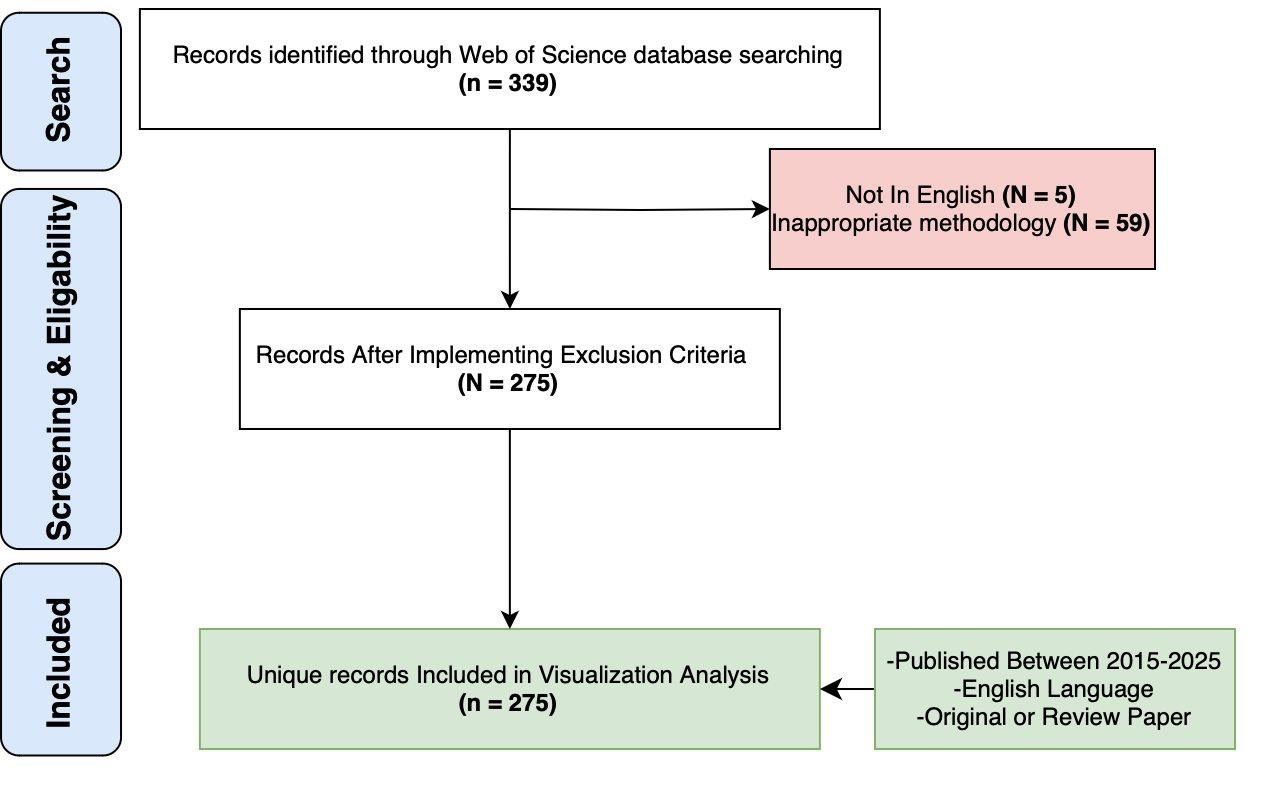
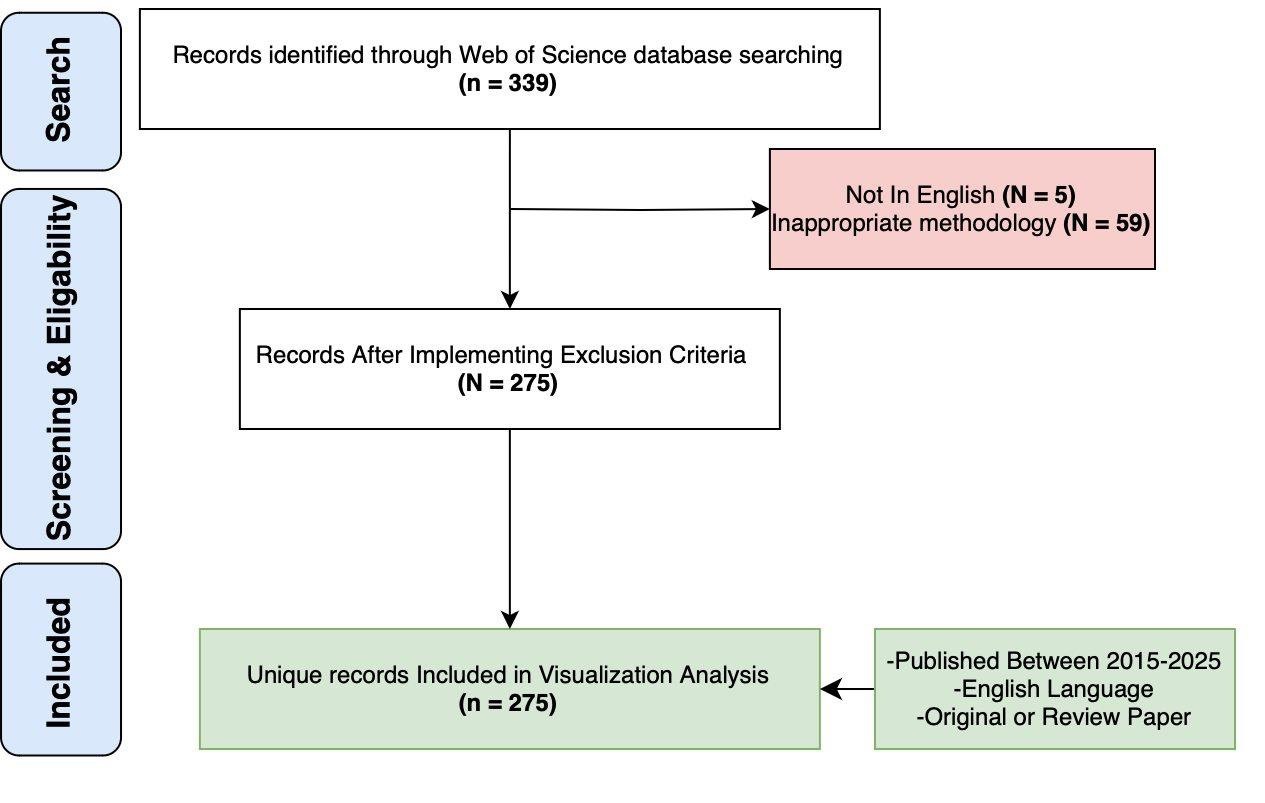
This study was conducted on the Web of Science database, over a 10-year period from January 1, 2015, to January 1, 2025, with the search executed on January 7, 2025. The keyword search strategy combined terms related to nerve block techniques and knee replacement procedures, specifically “(nerve block) AND (knee arthroplasty OR knee replacement),” yielding an initial set of 339 records. Exclusion criteria were rigorously applied to refine the dataset: five non-English articles and 59 studies with inappropriate methodology (e.g., non-clinical studies, insufficient data) were removed, resulting in 275 articles for final analysis.
Data extraction and management were performed using Excel software to organize bibliometric metadata, including authorship, citations, and publication trends. VosViewer was utilized for network construction, and further analyzed using Excel for quantitative metrics. Conceptual diagrams illustrating emerging trends were generated with Draw.io software.
Bibliometric Analysis
This bibliometric analysis utilized VOSviewer 1.6.18 to systematically evaluate 275 articles retrieved from the Web of Science database spanning the period from 2015 to 2025. Bibliographic metadata (e.g., authors, citations, keywords) were exported from the Web of Science as a .txt file, and imported into VOSviewer for analysis of co-authorship, keyword co-occurrence, and thematic clustering. VOSviewer’s network mapping capabilities facilitated the visualization of research hotspots and academic collaborations. The size of nodes represented the number of publications, while the thickness of connecting lines indicated the strength of associations. Different colors were used to distinguish thematic clusters, aiding in identifying emerging trends and research focus areas.
Results
An Overall Literature Findings
A total of 339 records were initially identified through the Web of Science database search. Following the application of exclusion criteria, 5 records were excluded for being published in a non-English language, and an additional 59 records were excluded for having inappropriate methodologies. Consequently, 275 records were retained for further analysis. All included records were published between 2015 and 2025, written in English, and classified as either original research articles or review papers. These 275 unique records formed the basis for the visualization analysis, providing a focused dataset for the study. For a detailed illustration of the characteristics of desired publications, see (Figure 1)
The Regional Distribution of Global Publications Output
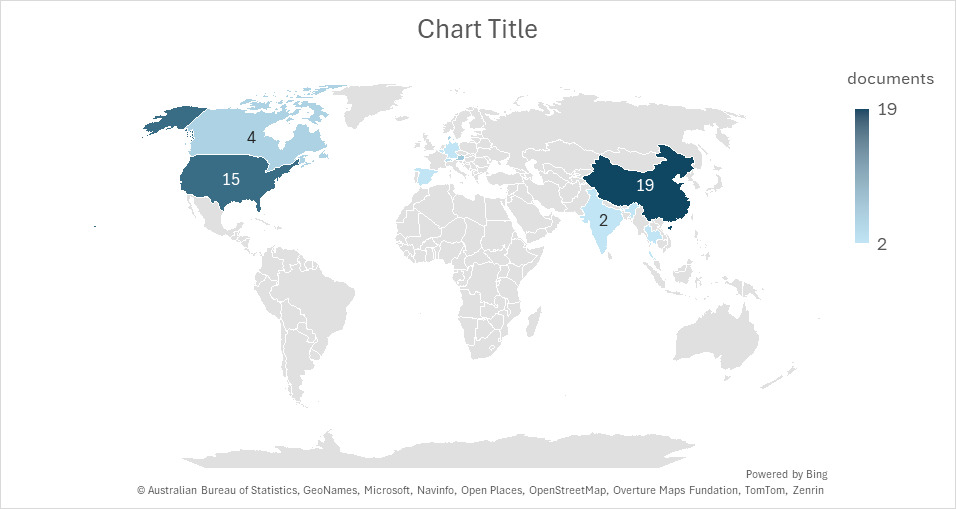
All publications were distributed among several countries, and the annual publication output of the ten most productive countries is shown in Figure 2 and detailed further in Table 1. China had the highest output, with 19 publications (30.15% of 63 publications), followed by the USA (23.80%, with 15 publications), Austria (7.93%, with 5 publications), Denmark (6.34%, with 4 publications), and Canada (6.34%, with 4 publications).
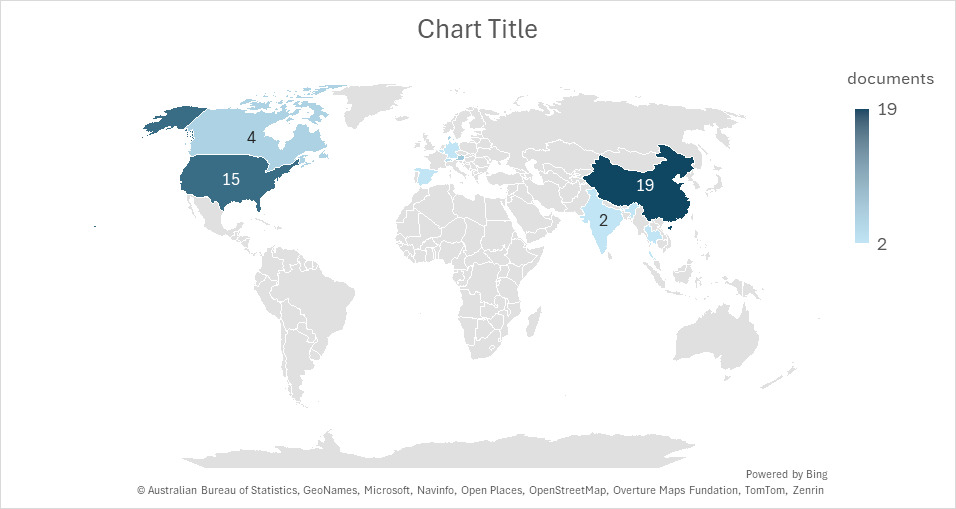
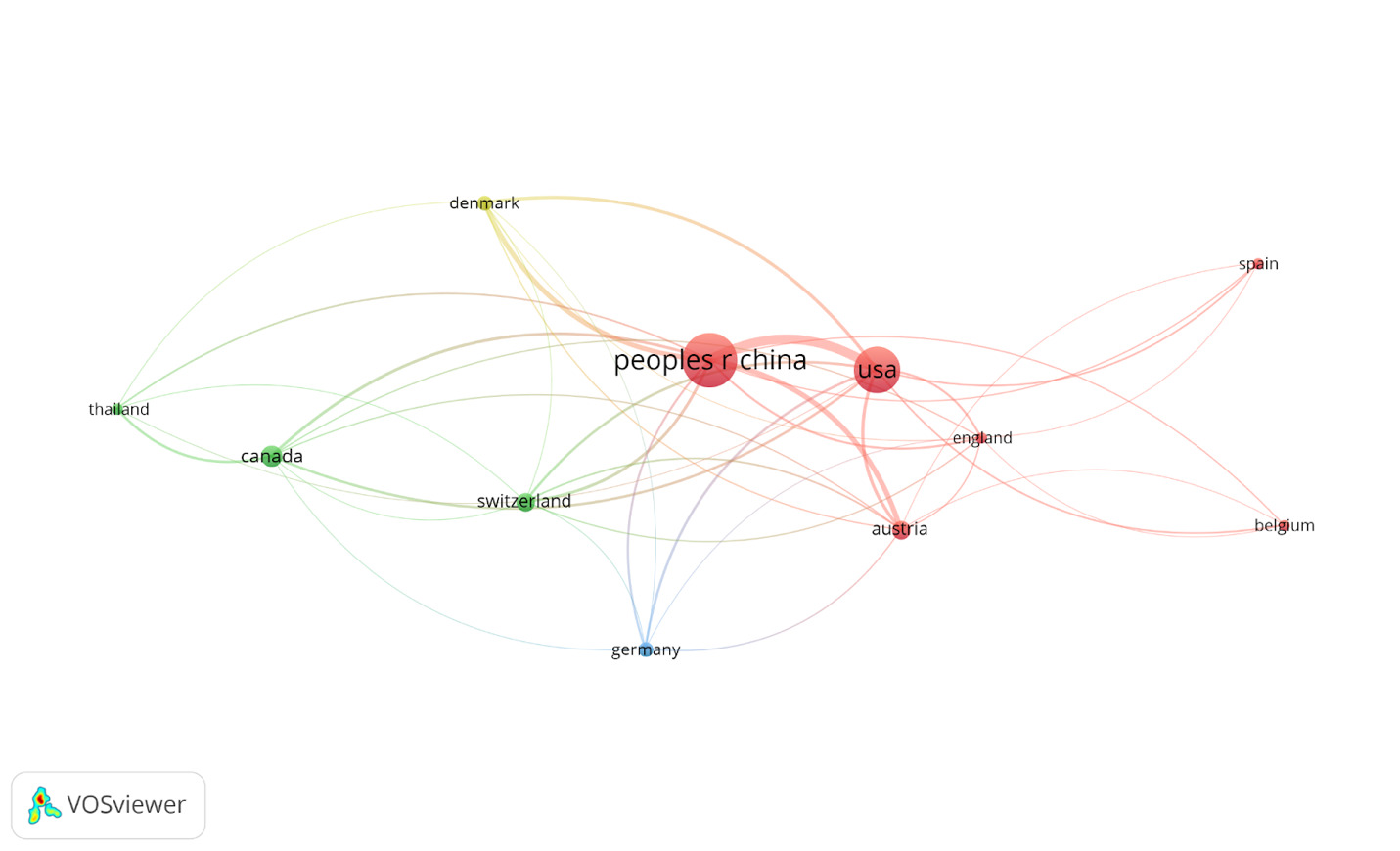
The international collaboration network analysis is shown in Figure 3. The nodal size indicates the number of publications issued in a specific country, and the lines between nodes represent the frequency of cooperation between countries. Several clusters were obtained based on this information. As shown in Figure 3, China was the main driving force with a high academic reputation in this research field, which was confirmed by the following characteristics: number of publications (19), total number of citations (893), and total link strength (83). Denmark had the highest number of citations per publication (CPP: 70.50). The total number of research publications from other countries, such as the USA, Austria, Canada, and Switzerland, was relatively low. However, their publication output still reflected the considerable progress made by these countries in this field, which was closely related to their collaborations with China.

Analysis of Institutional Output
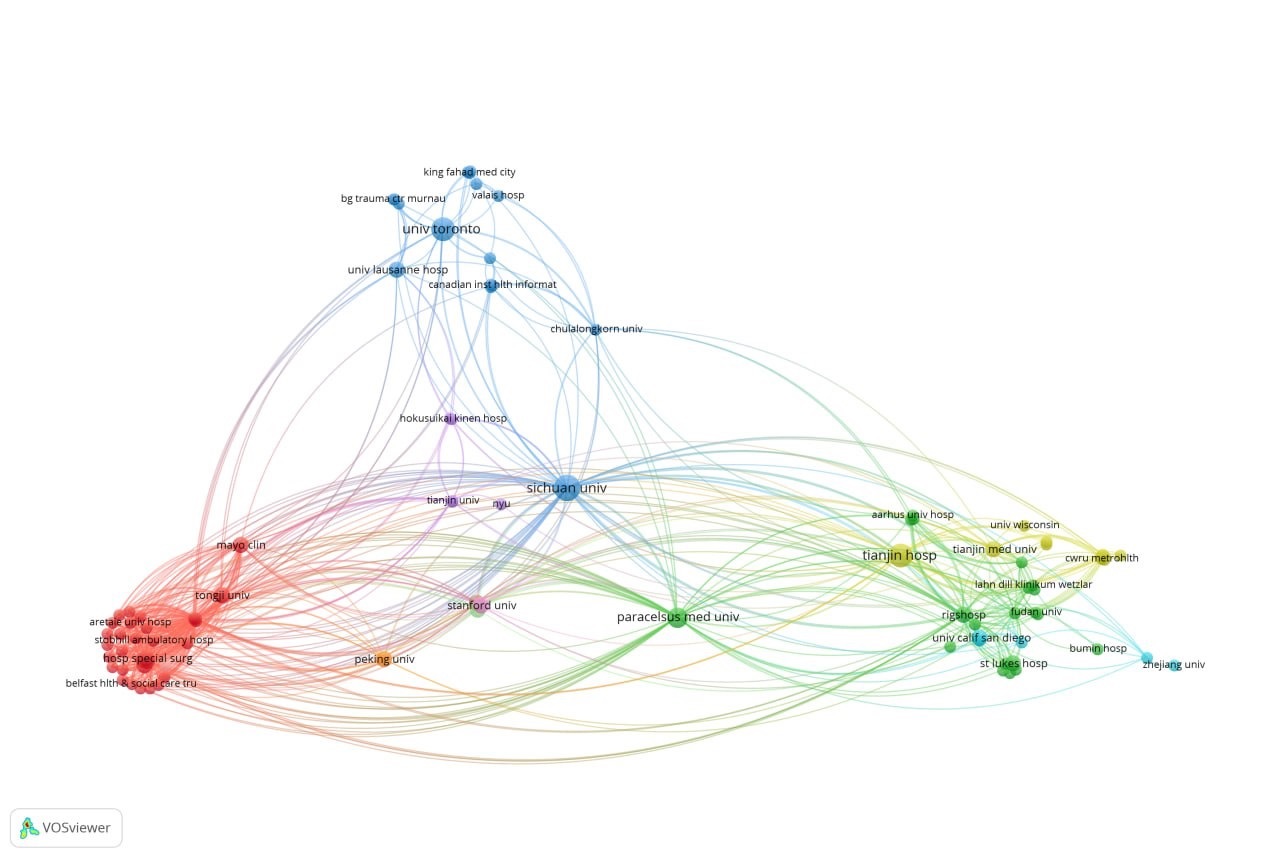
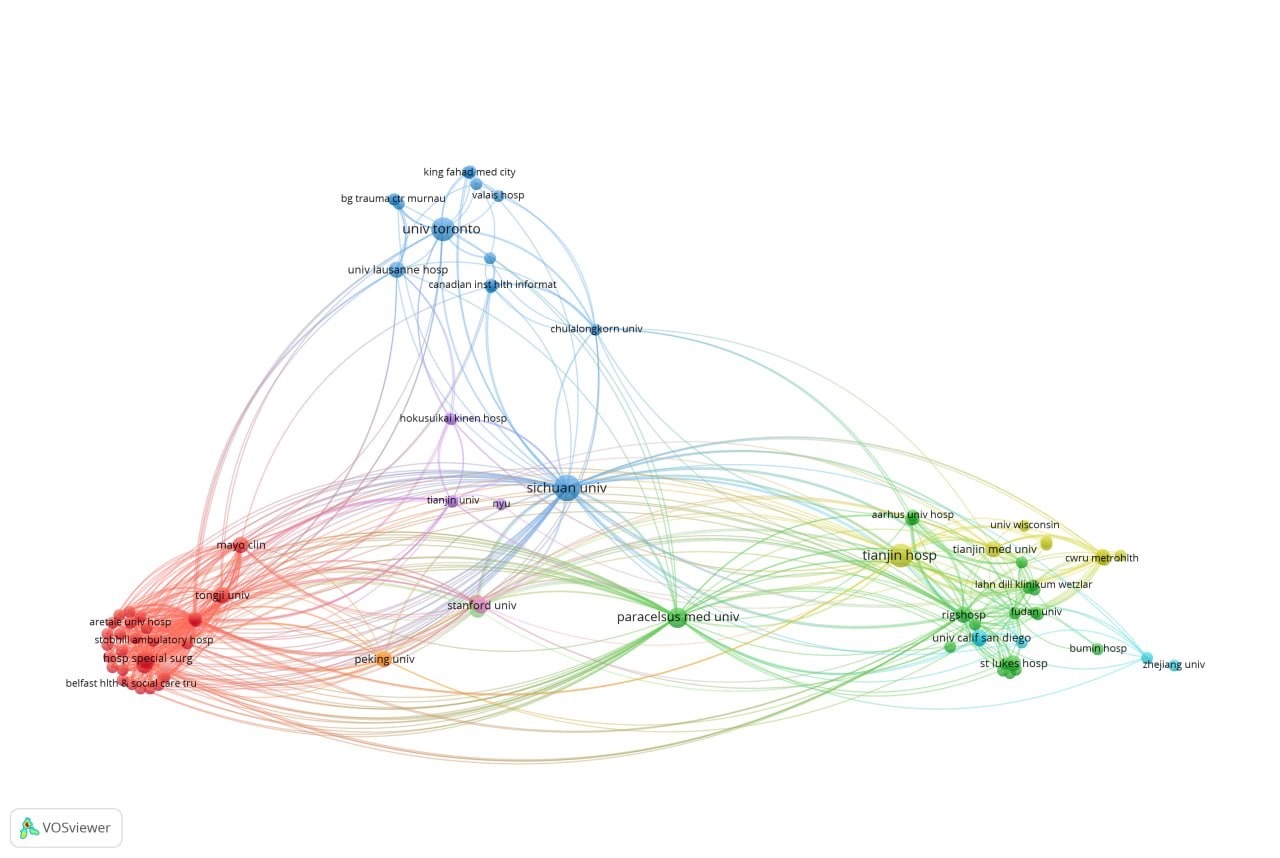
All publications were distributed among various institutions, with the top 10 most productive institutions ranked based on their research publications, citations, and total link strength. The most productive institution was Sichuan University, with 5 publications (18% of the total analyzed articles), while most other institutions produced between 2 to 4 publications each. The institution with the highest overall citation count was the University of California, San Diego (UCSD), with 158 citations. UCSD also had the highest citations per publication (79), underscoring the strong influence of its research. Other institutions with high citations per publication include Weill Cornell Medical College and the University of Pittsburgh, each with 44 citations per publication, demonstrating that their research is well-cited despite fewer publications. Additionally, Paracelsus Medical University also stands out with 88 citations, averaging 29.3 citations per publication.
In terms of collaboration, the total link strength analysis highlights UCSD as having the strongest research collaborations, with a Total Link Strength of 43. Paracelsus Medical University, Weill Cornell, and the University of Pittsburgh also show strong collaborative networks, with a Total Link Strength of 13. In contrast, the University of Pennsylvania has the lowest total link strength (0), suggesting it may be working more independently. The institutional collaboration networks depicted in Figure 2 further support these findings. The network map illustrates the strength of connections between institutions, with UCSD positioned centrally, indicating strong research influence and collaboration.
Analysis of Journals and Co-cited Journals
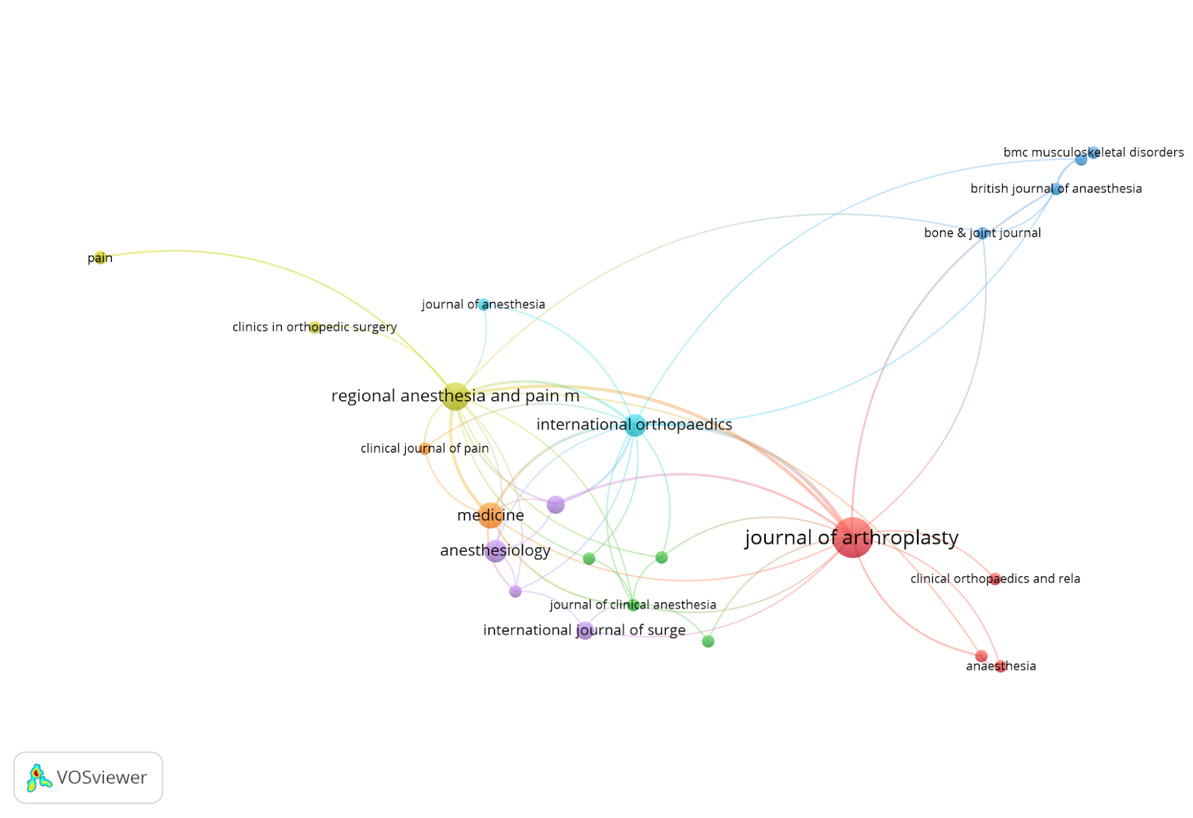
The bibliometric study examines the most productive and co-cited journals in the field of nerve block in knee replacement surgery, based on data retrieved from the Web of Science. By analyzing journal citations and co-citation networks, we can identify influential sources, determine research trends, and assess the interdisciplinary nature of this topic. Understanding these patterns is crucial for recognizing the leading contributors to the field and guiding future research efforts. To determine the most productive and co-cited journals, we identified those most frequently cited within the dataset. Table 3 presents the top 10 productive and co-cited journals, ranked based on total citations and total link strength, which measures the frequency of co-citations. This ranking provides insight into which journals serve as the primary sources of knowledge dissemination within this research area. The journal co-citation network was analyzed using VOSviewer, and a network visualization graph was generated to illustrate citation relationships between journals. In this network, nodes represent journals with size indicating total citations, edges represent co-citation links showing connections between frequently cited journals, and clusters indicate thematic groupings based on research focus. The Journal of Arthroplasty emerged as the most cited journal, reinforcing its role as a central knowledge hub in knee replacement surgery. Anesthesiology, Regional Anesthesia & Pain Medicine, and International Orthopaedics formed a closely linked cluster, emphasizing the interdisciplinary nature of nerve block research. Orthopedic and anesthesia-related journals exhibited strong co-citation relationships, indicating that pain management and surgical techniques are deeply interconnected.
The strong interdisciplinary collaboration observed in this analysis underscores the importance of cross-specialty contributions, as advancements in nerve block techniques rely on both surgical expertise and anesthetic innovations. This aligns with the study’s objective of mapping the key research sources in the field, as evidenced by the structured data in Table 3 and the network visualization of co-cited journals. These insights highlight the central role of leading journals in shaping clinical practices and academic discourse, offering a comprehensive overview of publication trends that can inform future research directions.
Analysis of Authors and Co-cited Authors
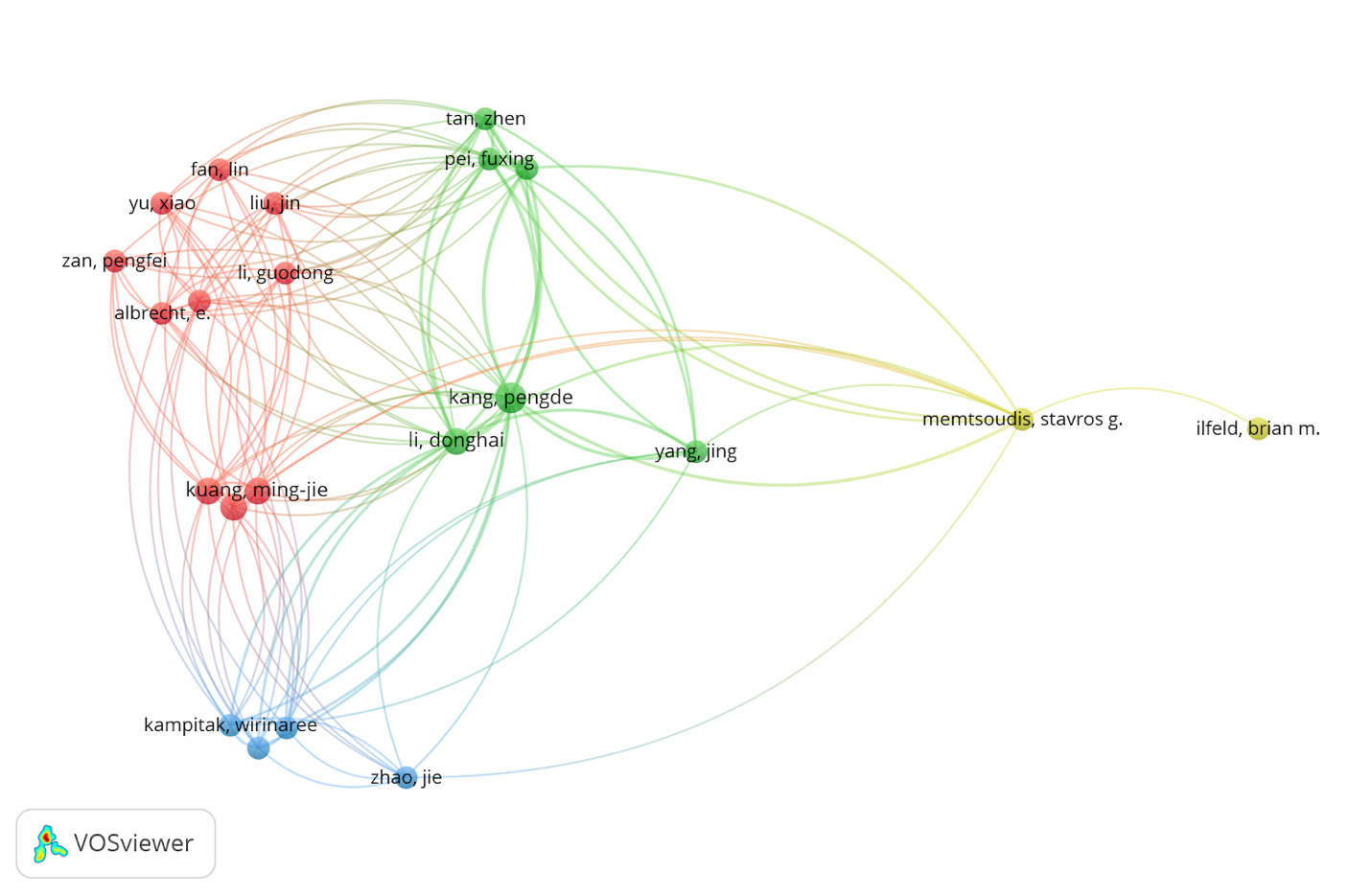
A total of 277 authors have published papers on nerve block in knee replacement. The ten most productive authors and the ten top co-cited authors are shown in the Table. Kang, Pengde (4 publications, 15.3%) published the most publications, followed by Li, Donghai (3 publications 12.5%), Kuang, Ming-Jie (3 publications, 12.5%), Ma, Xin-Long (3 publications, 12.5%), Pei, Fuxing (2 publications, 7.7%), Shen, Bin (2 publications, 7.7%), Tan, Zhen (2 publications, 7.7%), Memtsoudis, Stavros G Zhen (2 publications, 7.7%), Yang, Jing (2 publications, 7.7%).


The network visualization map of the co-cited authors is shown in Figure 6. Four clusters were obtained from the analysis. The largest nodes were associated with the most frequently co-cited authors, including Kuang, Ming-Jie (143 citations, TLS 16, cluster 1), Kang, Pengde (202 citations, TLS 42, cluster 2), Zhao, Jie (115 citations, TLS 9, cluster 3), and Memtsoudis, Stavros G. (132 citations, TLS 17, cluster 4).
Analysis of Funding Agencies
Analysis of acknowledgments within publications enabled the identification of key funding institutions in the field and their contributions to the overall research output. The National Natural Science Foundation of China (NSFC) is the most prominent funder, supporting 15 articles, which account for 45.45% of the total. Other institutions, such as the American Association of Hip and Knee Surgeons (AAHKS) and Pacira Pharmaceuticals Inc., contributed to 9.09% of the articles each.
While smaller contributors such as the City of Graz Cultural Office, the Department of Anesthesiology (Clinique Medipole), the National Institutes of Health (NIH) in the USA, the Science and Technology Program of Sichuan Province, and the United States Department of Health and Human Services supported 6.06% of the articles each. Their funding reflects a broad international collaboration in this research field.
Interestingly, minimal representation was noted from institutions such as the 135 Project of Sichuan University West China Hospital and the A.P. Moller and Chastine McKinney Moller Foundation, each funding only 1 article (3.03%). Despite this diversity in funding, there is no evidence of significant contributions from large industry or pharmaceutical companies, likely reflecting the field’s clinical and research focus.
Such funding trends highlight the role of national and academic organizations in supporting research, with NSFC standing out as the leading contributor in this dataset.
Analysis of References
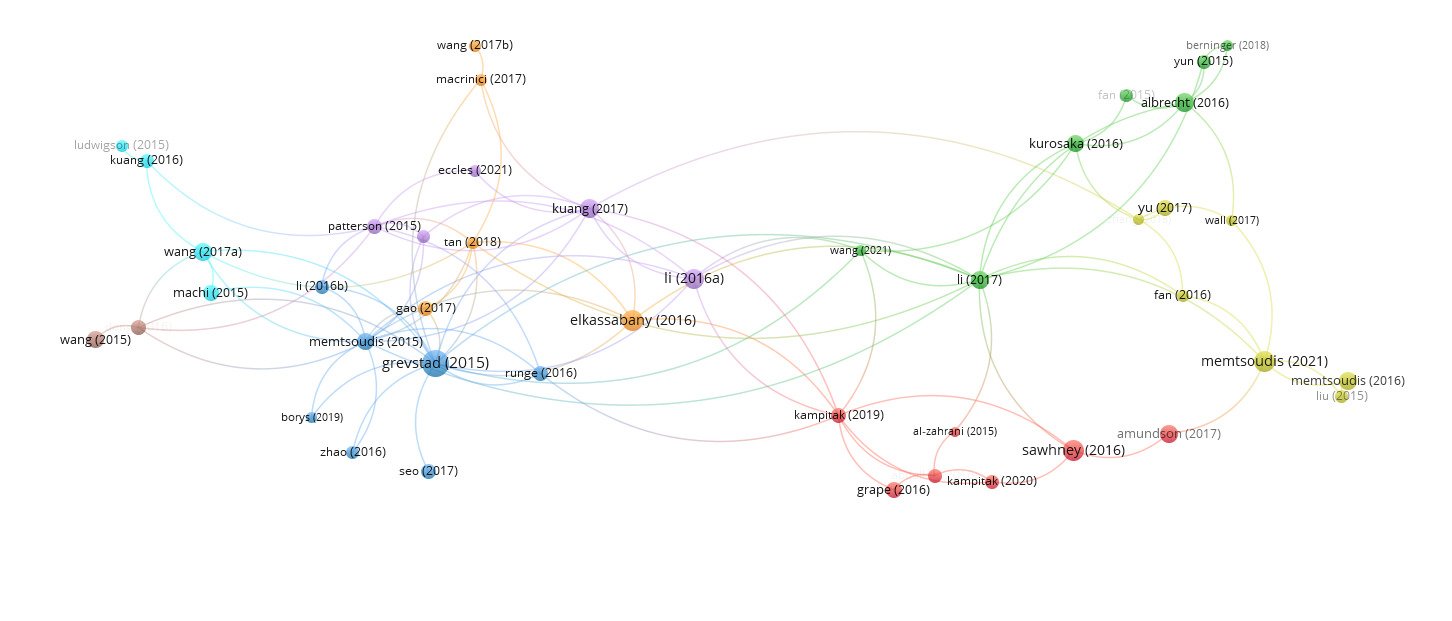
Figure 7 is a visual network map of co-cited references in this field, with 44 nodes, 8 different colored clusters, and 99 links. According to Figure 8, the node size represents the number of publications’ citations. The more the literature is cited, the wider the node diameter. Table 6 summarizes the top 35 most-cited references according to the number of citations, including the titles, authors, journals, impact factors, and publication years. According to the top 35 most-cited references, the title of “Effect of adductor canal block versus femoral nerve block on quadriceps strength, mobilization, and pain after total knee arthroplasty: A randomized, blinded study” published in Regional Anesthesia & Pain Medicine (IF: 5.1) authored by Grevstad et al. and co-cited 149 times was the most-cited article.6 The second most-cited article was “Sawhney et al., 2016, Anesthesia & Analgesia,”7 followed by “Elkassabany et al., 2016, Anesthesia & Analgesia ,”8 “Memtsoudis et al., 2021, Regional Anesthesia & Pain Medicine,”9 “Li et al., 2016, International Orthopedics,”10“Qudsi-Sinclair et al., 2017, Pain Practice,”11 “Albrecht et al., 2016, British Journal of Anaesthesia,”12 “Kuang et al., 2017, The Journal of Arthroplasty,”13 “Memtsoudis et al., 2016, Pain,”14 and “Amundson et al., 2017, Anesthesiology.”15 Most cited articles were published after 2014. We noticed that the research hotspots included the following four aspects: nerve block comparisons and combination approaches (Cluster 1, red zone), local infiltration analgesia (LIA) vs. nerve blocks (NB) (Cluster 2, green zone), impact on quadriceps strength in adductor canal block (ACB) vs. femoral nerve block (FNB) (Cluster 3, blue zone), and postoperative functional outcomes beyond pain control (Cluster 6, orange zone).


Analysis of Keywords and Keyword Co-occurrence Clusters
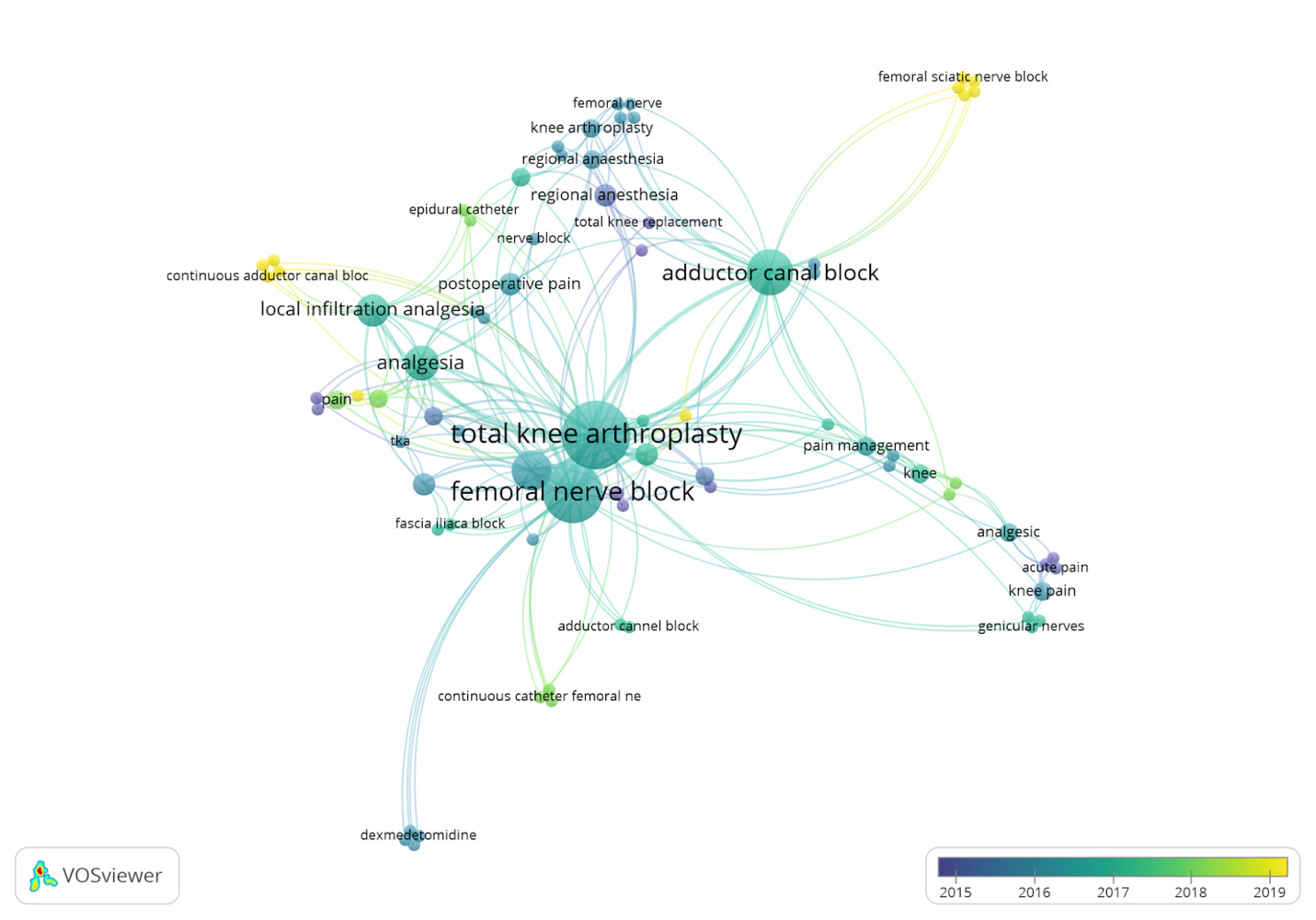
A total of 275 publications were analyzed to explore emerging research trends in knee replacement studies. The analysis utilized 81 keywords that occurred at least once. The network visualization (Figure 8) brings together frequently occurring keywords, mapping their connections and highlighting key themes in the literature. Each node in the visualization represents a keyword, with its size reflecting its frequency in the literature and the thickness of the connections indicating the strength of associations. According to Figure 8, the most frequently occurring keywords include “total knee arthroplasty” (26 occurrences, TLS: 102), followed by “femoral nerve block” (20 occurrences, TLS: 81) and “adductor canal block” (12 occurrences, TLS: 48). Other significant keywords encompass “meta-analysis” (9 occurrences, TLS: 37) and “analgesia” (7 occurrences, TLS: 30). The color-coded keyword clusters represent key research themes in knee replacement studies. The first cluster, which focuses on surgical aspects, includes key terms like “total knee arthroplasty.” The second cluster centered on regional anesthesia techniques, featuring terms such as “femoral nerve block,” “adductor canal block,” and “nerve block.” The third cluster emphasizes postoperative pain management, incorporating keywords such as “analgesia,” “ropivacaine,” and “periarticular injection.” The fourth cluster pertains to pharmacological adjuncts, including terms like “dexmedetomidine” and “perineural dexmedetomidine dose.” The fifth cluster highlights evidence-based practices, including “meta-analysis” and “randomized controlled trial.” These five clusters reflect the various focus areas in knee replacement research, from evidence-based enhancements to pain management and surgical breakthroughs. The time-series analysis in Figure 8, located in the lower right corner, provides beneficial insights into emerging research trends. Keywords closer to yellow indicate research interests that have increased in recent years, particularly in regional anesthesia and postoperative pain management. This suggests a significant shift towards multimodal pain management approaches and improved recovery after knee arthroplasty. Overall, this analysis highlights the evolving landscape of knee replacement research, underscoring key thematic developments and pointing to critical areas for future investigation.
Discussion
The Most-Contributing Authors and the Most-Cited Papers
Peripheral nerve block is a commonly used modality for managing postoperative pain following total knee arthroplasty.30 Its use provides patients with superior postoperative analgesia, accelerates their recovery, decreases postoperative mortality and morbidity by improving early mobilization, and decreases hospital stays.39 The aim of this study was to identify the top contributing authors, institutions, countries, and most cited papers on the topic of nerve block in knee arthroplasty. During the past decade, from 2015 to 2025, China was the country with the highest contributions in the field of nerve blocks in knee replacement. Moreover, The Journal of Arthroplasty was the most cited and active journal in the field; however, Anesthesiology, Regional Anesthesia and Pain Medicine, and International Orthopaedics were close and contributed highly to this topic. Furthermore, Kang, Pengde affiliated with Sichuan University in China, contributed to most publications in the field (4 Publications, 202 citations, TLS 42). His most cited article was “Topical Application of Tranexamic Acid in Primary Total Hip Arthroplasty: A Randomized Double-Blind Controlled Trial”19 While Kuang, Ming-Jie (3 publications, 143 citations, TLS 16) was ranked first as the most co-cited author in the field of nerve block in knee replacement, and his most cited article was “Efficacy and Safety of Intraarticular Hyaluronic Acid and Corticosteroid for Knee Osteoarthritis: A Meta-analysis”44 with 167 citations.
Research HotSpots
As presented in the network map of co-cited references (Fig. 8), the research hotspots included the following four aspects: nerve block comparisons and combination approaches, local infiltration analgesia (LIA) vs. nerve blocks (NB), impact on quadriceps strength in adductor canal block (ACB) vs. femoral nerve block (FNB), and postoperative functional outcomes beyond pain control.
“Nerve block comparisons and combination approaches” (Cluster 1) indicated that combining nerve block with periarticular infiltration (PI) resulted in better pain relief than performing nerve block or PI alone.23 Administering a combination of double or triple peripheral nerve blocks (e.g., femoral nerve block (FNB) with sciatic nerve block (SNB), or obturator nerve block (ONB) with tibial nerve block (TNB) and adductor canal block (ACB)) was superior to administering two different solutions for periarticular injections (liposomal bupivacaine-based or ropivacaine-based local anesthetic solutions) and to a single or double nerve block techniques regarding pain control.24
“Local infiltration analgesia (LIA) vs. nerve blocks (NB)” (Cluster 2) evaluated the analgesic effect, functional outcomes, and complication rates between LIA and different nerve blocks. According to the seventh and thirty-fourth most-cited articles, both LIA and NB techniques were equivalent in terms of pain relief and rates of complications.40 However, Li D et al., Kurosaka K et al., and Yun X et al. noted that LIA had better pain relief in terms of lower visual analog scale score and opioid consumption as well as better muscle strength (up to 20%) and higher mobilization (up to 26%) in the early postoperative period.46 “Impact on quadriceps strength in adductor canal block (ACB) vs. femoral nerve block (FNB)” (Cluster 3) demonstrated the effect of ACB on functional muscle strength in comparison to FNB. The number one most-cited article by Grevstad U et al. showed that ACB provided an early mobilization ability and a statistically significant increase in quadriceps muscle strength by 193% of baseline value, defined as the quadriceps maximum voluntary isometric contraction (MVIC), with similar analgesic effects.47 This result is consistent with the twenty-first most-cited article by Seo S et al., the twenty-seventh by Li D et al., and the thirty-third by Zhao X et al.48 A possible explanation is that ACB predominantly blocks sensory nerves, sparing major motor branches of the femoral nerve. As a result, it reduces quadriceps weakness while providing effective pain relief.37 In 2019, Borys M et al. concluded that FNB led to lower perceived pain after TKR with significantly lower morphine consumption during the first postoperative day (1114 in the FNB group vs 2642 in the ACB group), while ACB promoted earlier mobility recovery.43 “Postoperative functional outcomes beyond pain control” (Cluster 6) included articles evaluating functional recovery, fall risk, and rehabilitation ability beyond the scope of analgesic effect. A conclusion was brought by Elkassabany N et al. in the third most-cited article that the proportion of “high fall risk” patients was similar between ACB and FNB based on the Tinetti score for gait and balance.49 However, ACB yielded better ambulation postoperatively as demonstrated in the thirty-fifth most-cited article.16 When evaluating early rehabilitation, ACB outperformed FNB, showing advantages in quadriceps strength, postoperative range of motion, and length of hospital stay with comparable results regarding patient satisfaction score, inpatient falls, readmission rate, wound breakdown, and acute deep periprosthetic joint infection.45
Research Trends
According to keyword analysis, the latest research trends in nerve block techniques for knee replacement surgery emphasize optimizing pain management strategies. Among the most extensively studied approaches, FNB and ACB have emerged as central themes in recent literature.
FNB has been pivotal in enhancing pain management following TKA. Research suggests that administering FNB preoperatively reduces postoperative morphine consumption without affecting pain scores or rehabilitation outcomes.50 This is particularly significant as opioids are linked to a range of adverse effects, such as respiratory depression, nausea, vomiting, and other side effects.51 When FNB is combined with epidural analgesia, it provides superior pain relief and lowers patient-controlled analgesia requirements.52 Both high-dose and low-dose continuous FNB contribute to lower pain levels, higher patient satisfaction, and reduced morphine use immediately after surgery. However, two years post-TKA, no significant differences in functional outcomes are observed between patients who received continuous FNB and those who did not.53 Recent research has explored the efficacy of ACB in comparison with other analgesic approaches for TKA. ACB is reported to provide relief comparable to FNB but with substantially reduced quadriceps weakness, presumably allowing early mobilization.31 By preserving quadriceps strength, ACB also minimizes complication risks and might contribute to reduced hospital stays and healthcare costs.54 However, despite its advantages, ACB may be less effective than FNB in maintaining catheter stability for continuous nerve blocks.54 However, according to the latest evidence, ACB is recommended as a primary regional analgesic technique for TKA, providing effective pain management while maintaining motor function.54
Limitations, Strengths, Future Recommendations
Despite the significant findings, this bibliometric analysis has some limitations. First, it may have overlooked relevant studies in other languages or databases because it merely includes English language publications from the Web of Science database. Second, recently published but highly relevant studies may have been underreported because of lower citation counts. Finally, although co-citation and keyword analyses provide useful research trends, they do not assess different nerve block techniques’ direct clinical impact or effectiveness. This study provides an overview of the research landscape on nerve block techniques in knee replacement surgery. It utilizes bibliometric analysis and network map visualization to offer a structured perspective on the evolution of this field. Future research should include non-English publications and data from multiple databases to ensure broader representation. Additionally, integrating clinical outcomes with bibliometric findings would enhance the practical relevance of identified research trends.
Conclusion
This bibliometric analysis and visualized review thoroughly examines evolving research trends in nerve block techniques for knee replacement surgery. Our findings highlight an increasing focus on regional anesthesia strategies, with FNB and ACB emerging as central research themes. Notably, Sichuan University leads in research productivity, while the University of California, San Diego (UCSD) exhibits the biggest impact factor and collaborative influence. These findings reinforce the shifting landscape of postoperative pain management in knee arthroplasty and the evolving preference for ACB over FNB, given its ability to provide effective pain relief while preserving quadriceps function, potentially improving early mobilization, and shortening hospital stays. The strong collaborations between anesthesiologists and orthopedic specialists highlight the interdisciplinary nature of nerve block advancements. Future research should focus on comparative effectiveness studies of nerve block techniques, long-term functional outcomes, and the integration of multimodal pain management approaches to optimize recovery in knee arthroplasty. The insights from this analysis will play a crucial role in shaping clinical guidelines and improving postoperative care for knee replacement patients.
Conflict of interest
The authors do not have any conflict of interest or source of funding to declare
Acknowledgement
Special thanks to Dr. Nawaf Alhindi for his support, guidance, and motivation throughout the process of preparing this paper.
Authors’ contributions
Abdullah K. Althagaf conceived and designed the study.
Sarah S. AlQuwayz, Zainab Saeed Alwusaybie, and Zaid A. Dajan contributed to data collection.
Yazan Jumah Alalwani and Talal K. Alassa performed data analysis and interpretation.
Aseel F. Ashri and Lena M. Afif drafted the manuscript.
Ali Hassan Alsquor critically revised the manuscript for important intellectual content.
Dhafer Ali Alshehri served as the principal investigator, supervised the study, and provided overall scientific oversight. All authors reviewed and approved the final manuscript and agree to be accountable for all aspects of the work.