
Introduction
The distribution of orthopaedic-related research output varies considerably across the United States and is shaped by several factors including institutional resources, academic infrastructure, and regional research priorities.1 In recent years, diversity, equity, and inclusion (DEI) topics have been increasingly examined in orthopaedic research, addressing aspects such as differences in representation, access to care, and patient outcomes.2–6 These relationships remain under study, with prior analyses examining issues such as demographic representation within residencies and among orthopaedic surgeons.7 Additional existing DEI-related investigation into research output has been shown to vary by journal and institution name, but the geographic distribution of publications on the topic has yet to be formally characterized.6
The field of orthopaedics has also started to investigate and implement initiatives as an additional avenue to improve patient outcomes. For example, fueled by prior research showing both enhanced information-sharing and improved treatment adherence when patients share the same demographic makeup as their doctor, the American Academy of Orthopaedic Surgeons (AAOS) launched the IDEA grant program to address differences between patient and surgeon populations.8–11
Despite these initiatives and the increased research on demographic trends within orthopaedic surgery, a gap remains in understanding the geographical distribution of research output and categorical publication trends specifically focused on DEI topics. Examining regional patterns in DEI-related orthopaedic publication trends and their correlation with state demographic factors may offer insights into drivers of research focus and distribution of what is being explored. Consequently, the goal of this focused review is to examine geographic trends in orthopaedics-specific DEI publications over the past decade within the United States, identifying regional variations in research activity and potential contributing factors.
Methods
Study Identification and Inclusion
A search for orthopaedic articles primarily focused on DEI and directly related terminology was conducted using PubMed. Search criteria were constructed using terms from the US Census and the AAMC DEI glossary.12–14 These terms included orthopaedic/orthopaedic surgery and any of the following: diversity, equity, inequity, disparity, underserved, Discrimination, Black, African American, Hispanic, Latinx, LGBTQ+, Trans, Gender Identity, AAPI, Asian, Pacific Islander, Native Hawaiian, Native American, American Indian, Alaska Native, White, Gender, Sex, Underrepresented, Minority, URM, Nonwhite, Non white, Intersectionality, and Race. A literature search of research published between the ten-year period of January 1st, 2014 to April 30th, 2024 was performed and the resulting articles were obtained.
Study Procedures
Abstract screening of initial sample of 564 publications was performed by two separate reviewers (L.A., E.O., or W.R.). Full text screening was then performed by two reviewers, with a third reviewer enlisted to resolve disagreements. Exclusion criteria included the following: 1) Papers published outside of the specified date range; 2) publications in a language other than English; 3) publications in orthopaedics that did not mention or consider DEI; and 4) any duplicate publications. After exclusion screening, the metadata of the remaining 424 publications were collected and the date of publication and first author institution affiliation recorded. First author institution was then analyzed to determine primary geographic location. Publications with first author affiliations outside of the United States (n=46) were then excluded and the remaining US-based publications (n=378) were further analyzed for primary affiliation state. The 378 remaining studies were reviewed and individually sorted into the specific DEI categories established for this study (race/ethnicity, sex, LGBTQ+, and socioeconomic status (SES)) based on their respective focus. Studies were categorized by predominant focus, as several may mention multiple categories.
Data Analysis
State total population analysis was conducted using data from the US Census.14 The number of practicing orthopaedic surgeons was obtained using data from Becker’s Healthcare.15 The number of orthopaedic post-graduate-year-1 (PGY-1) positions offered per state were obtained from the AAMC ERAS directory.16 Figure development and computations were performed using R Statistical Software (v4.1.2; R Core Team 2021, Vienna, Austria). A chi-square goodness of fit test was performed to evaluate if the distribution of publications across the 50 states (plus the District of Columbia) deviated from the expected uniform distribution. Additionally, a log-linear regression was utilized to establish a relationship between year and number of DEI-focused orthopaedics publications (with the latter log-transformed). The estimated coefficient β was then utilized to determine the multiplicative factor by which the annual number of publications is estimated to increase each subsequent year. A standard significance cutoff of 0.05 was used for all statistical analyses.
Results
Publications by Year
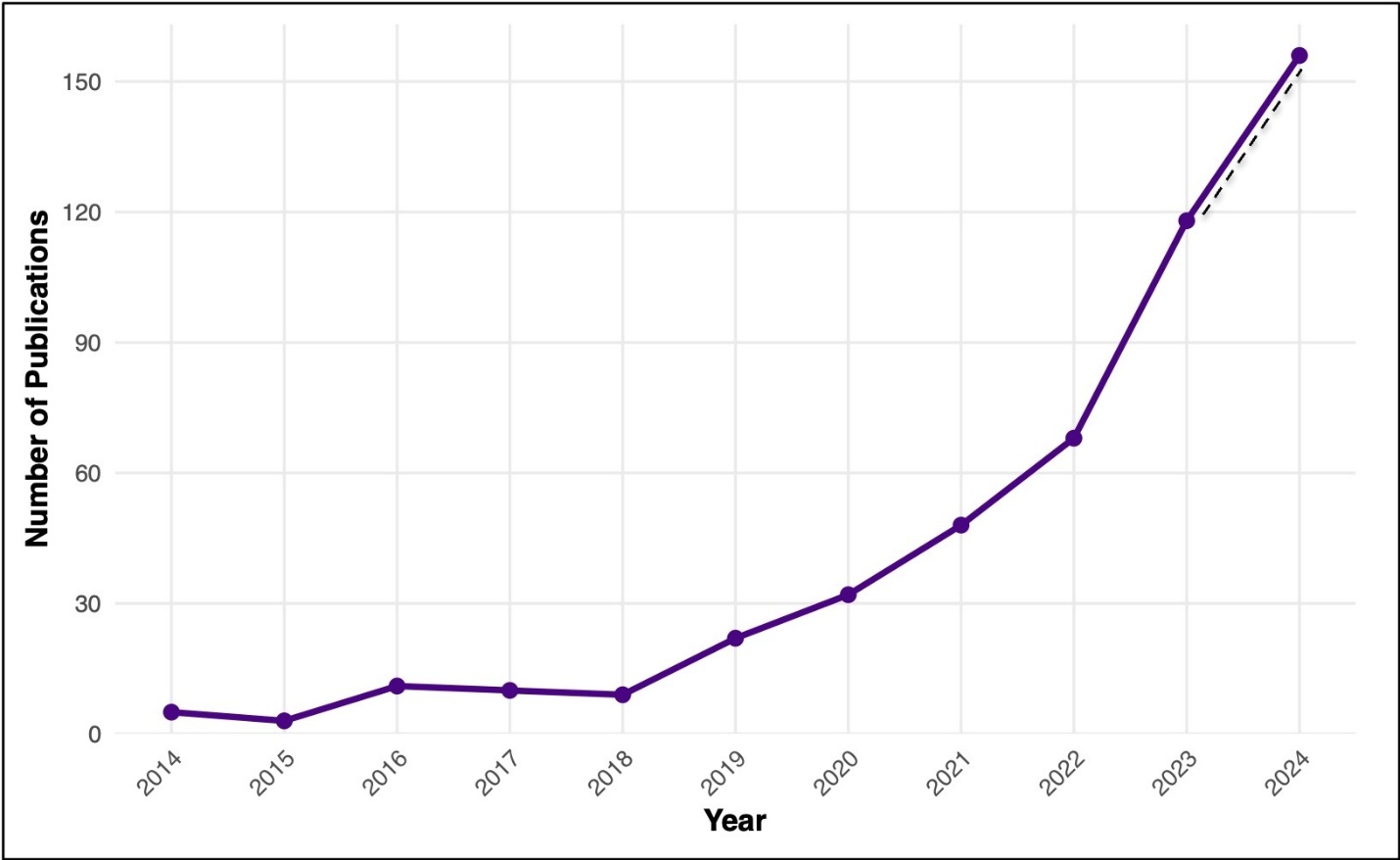
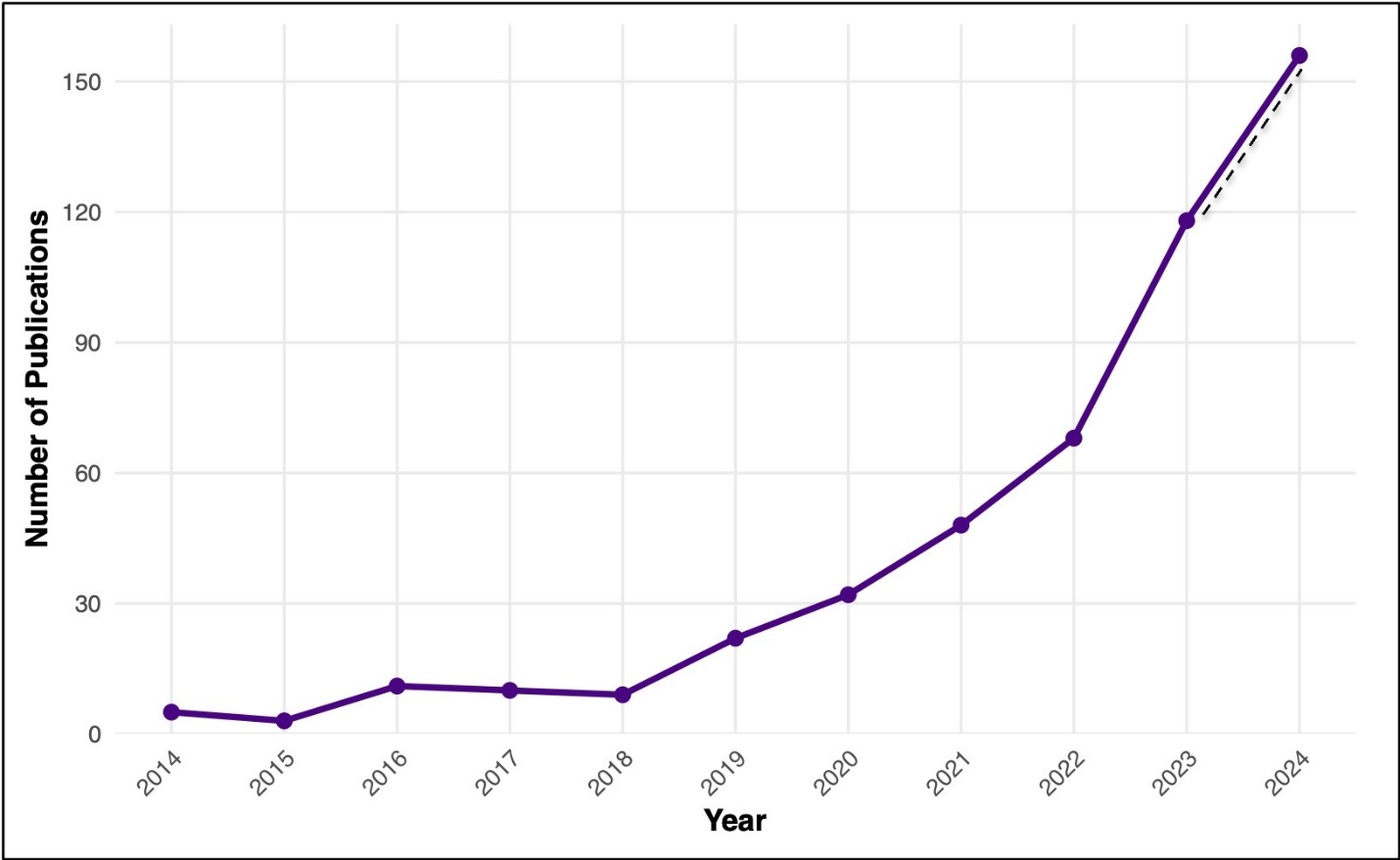
In examining the trend of publications with a primary focus on investigating DEI topics in orthopaedics, the period of 2014 to 2018 saw a relatively constant publication rate – ranging from 5 to 11 publications per year. From 2018 to 2022 however, publications began to steadily increase, starting at 9 introduced in 2018 to 68 in 2022, and 118 in 2023. This upward trend continued in 2024 with 52 new publications on this topic through April 30th, 2024; with a projection of approximately 150 new publications during 2024 (Figure 1). Utilizing a log-linear regression evaluating publication data from 2014 to 2023, calendar year and the natural log of annual DEI-centered orthopaedics publication demonstrated a significant positive relationship (R²=0.93, p<0.05) with this published research increasing exponentially over the past decade. Utilizing the estimated regression coefficient of 0.38, for every increase in year, annual DEI-related orthopaedics publications are projected to continue increasing by a factor of 1.46.
Geographic Analysis
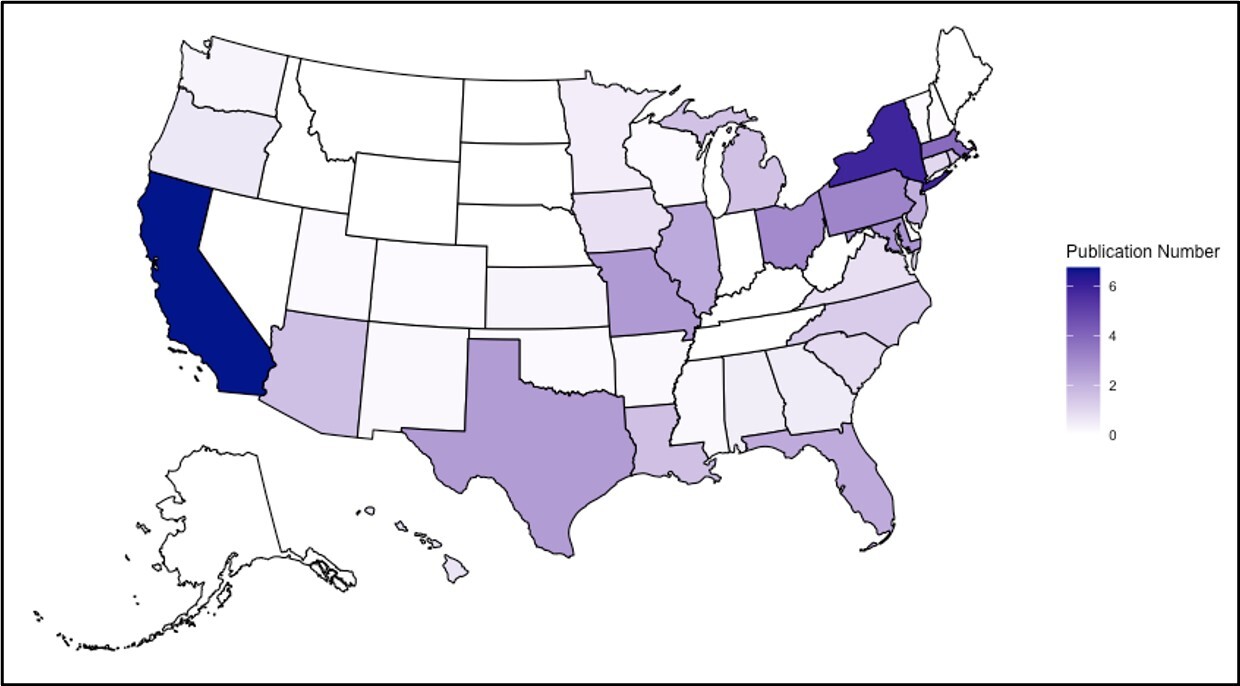
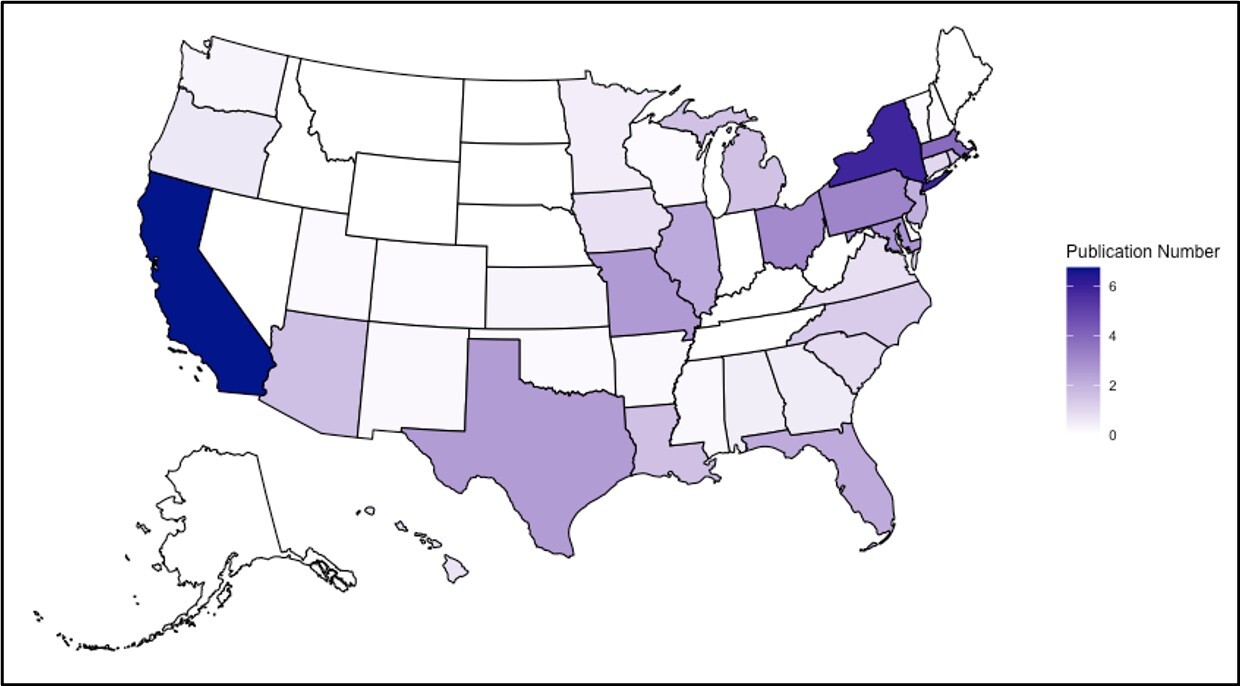
Total publication number for studies with first author affiliation within the United States was 378. Utilizing a chi-square goodness of fit test, it was determined that the distribution of publications across states is significantly different than the expected uniform pattern (p<0.05). The states with the most publications and highest contributions to the overall chi-square statistic were California (n=41), New York (n=41), Massachusetts (n=32), Pennsylvania (n=24), Ohio (n=23), and Maryland (n=22). Nine states had between 10 and 20 publications and included Arizona (n=10), Florida (n=14), Illinois (n=14), Louisiana (n=12), Michigan (n=11), Missouri (n=19), New Jersey (n=15), Rhode Island (n=12), and Texas (n=14) while the remaining states had under 10 publications each. States without any associated publications were Alaska, Idaho, Indiana, Kentucky, Maine, Montana, Nebraska, Nevada, North Dakota, South Dakota, Tennessee, West Virginia, and Wyoming. When controlled for the number of orthopaedic surgeons per 100,000 people, the five states with the greatest number of publications were California (7), New York (6), Massachusetts (4), Pennsylvania and Ohio (each with 3) (Figure 2).
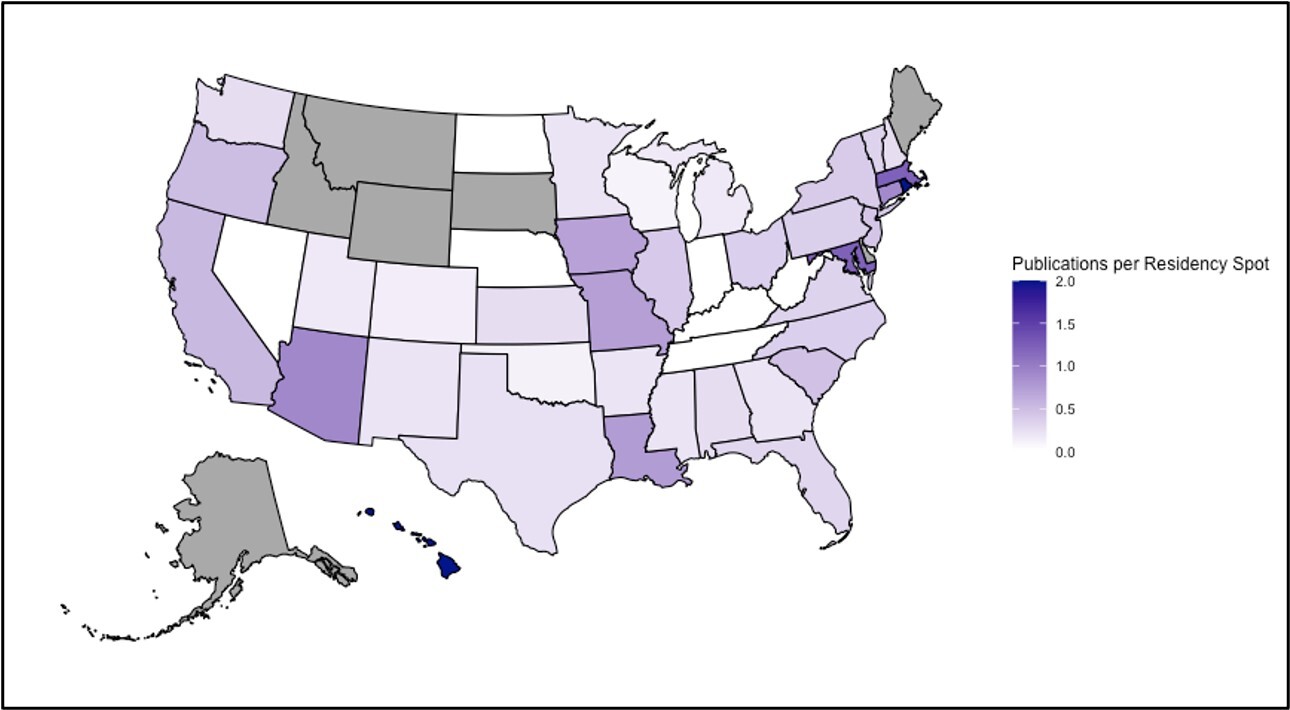
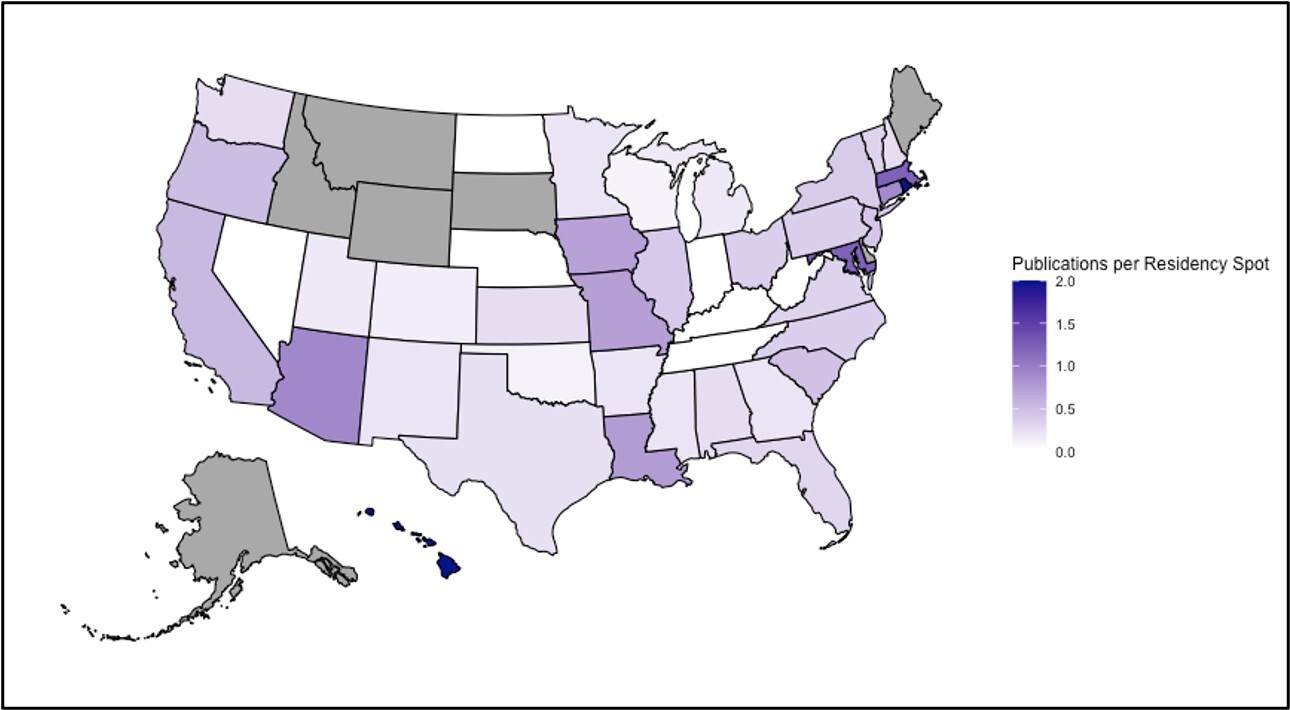
When accounting for the number of orthopaedic PGY-1 residency spots offered per state, the states with the highest number of DEI-focused publications per residency positions were Rhode Island (2.00), Hawaii (2.00), Massachusetts (1.23), Maryland (1.22), and Missouri (0.73). Among states offering more than 20 residency positions, Massachusetts and Maryland demonstrated the greatest relative publication output. For states offering more than 50 residency positions, California produced the most DEI-focused publications per position (0.53), followed by New York (0.39) and Ohio (0.36) (Figure 3).
Categorical Analysis
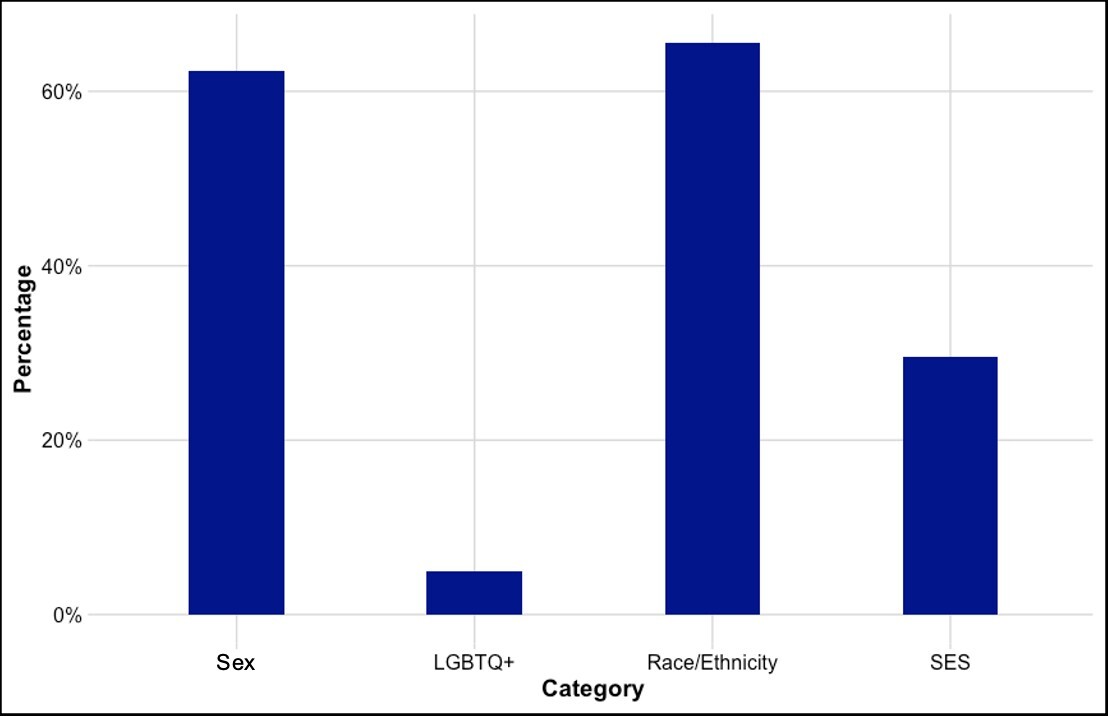
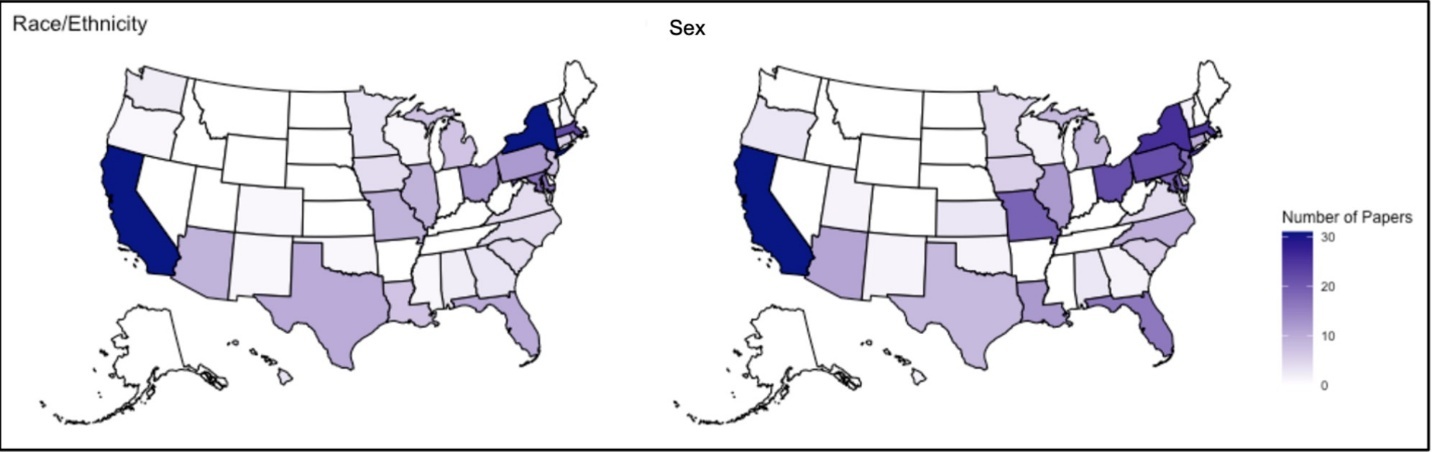
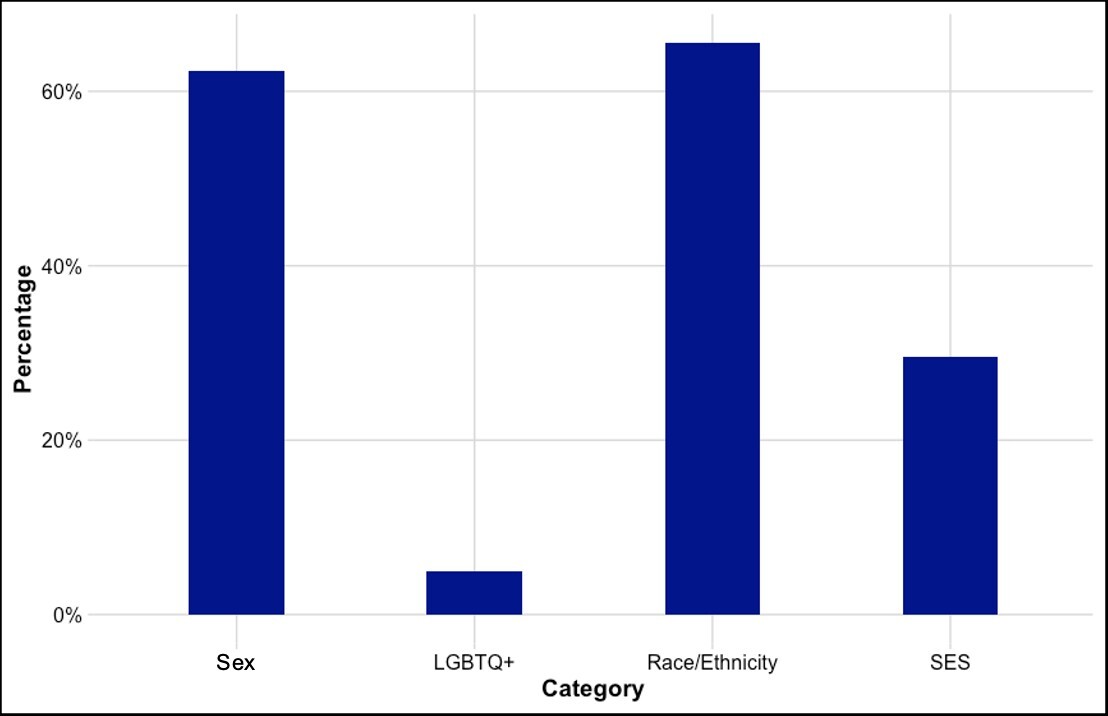
On categorical analysis of the 378 publications, 65.6% (n=248) had race/ethnicity and 62.4% (n=236) had sex as at least one of their major focuses. Socioeconomic status was a primary topic in 29.6% (n=112) of the manuscripts, while only 5.0% (n=19) placed an emphasis on LGBTQ±related issues. (Figure 4).
Geographic analysis of the publication of these central themes shown in Figure 5 illustrates a similar national distribution between the major categories of race/ethnicity and sex. Of the 19 total publications that mentioned LGBTQ+ topics, 5 were published from Massachusetts. (Figure 4).
_and_or_s.jpeg)
Discussion
Our study provides a comprehensive analysis of the geographic distribution with subject categorization of DEI-related orthopaedics research from 2014 to 2024. We found differences in both number of publications and thematic focus between different regions of the United States.
Temporal Trends in Publication Output
Publication output increased exponentially over the study period, with the shift from 9 in 2018 to 118 in 2023 representing an astounding 1300% (p<0.05) increase in research output. These metrics reflect a growing attention to DEI within orthopaedics.17 The rise in publications could have been influenced by increased institutional extramural research funding, policy initiatives, and grant opportunities addressing this topic, such as the AAOS IDEA Grant Program started in 2022.8,9 Notably, in the time this project has been developed, scientific research funding nationwide has been reduced with political shifts in the US. We have yet to fully see the implications of this on orthopaedic DEI research output long term, and future investigation could focus on characterizing the magnitude of impact in due time.
Geographic Distribution
The data show large geographic differences where DEI-related orthopaedic research was conducted. This may be due to a variety of factors, including numbers of orthopaedic residency programs, location-specific population demographics, and overall emphasis on DEI initiatives within a given state. The top five states identified in this study for publishing the most DEI-related research were home to nine of the top ten institutions that received the most NIH funding to support clinical orthopaedic research as of 2024.18 This association may suggest that access to research funding, even when not directed solely towards DEI initiatives, may reflect increased attention to this topic. The study also identified 13 states with no publications on DEI-related research. Of those states, none were in the top ten for NIH orthopaedic research funding – a finding not completely unexpected. Importantly, the uneven distribution of DEI-focused scholarship may have downstream implications for patient care. Prior work has demonstrated that geographic disparities in healthcare delivery and patient outcomes persist across orthopaedic subspecialties, and a lack of regionally relevant DEI research may exacerbate these inequities by limiting the development of context-specific interventions.19 Thus, the uneven distribution of DEI-focused research may contribute to persistent disparities in access and outcomes within underrepresented regions.
Residency Programs and Research Output
This study hypothesized that a substantial portion of DEI-related orthopaedic research would originate from residency programs, which are traditionally more research-productive than other clinical settings. Accordingly, it was expected that states offering a greater number of graduate medical education (GME) opportunities would demonstrate higher DEI-related research output. When accounting for the number of orthopaedic PGY-1 residency spots offered per state, the greatest publication output per position was observed in Rhode Island and Hawaii (2.00). Among states offering more than 50 residency spots, California and New York demonstrated the highest publication densities (0.53 and 0.39) per position. The relatively high DEI-focused publication rates in smaller states such as Rhode Island and Hawaii may reflect concentrated institutional priorities, while higher-output in more populous states suggest a broader statewide emphasis on advancing DEI within orthopaedic research and training.
Categorical Classification
Within the orthopaedic literature examined in this study, much of the emphasis surrounding demographic reporting centered on sex and race/ethnicity. This pattern suggests that these demographic factors have been prioritized more than other DEI-related subjects. However, despite the frequency with which sex and race/ethnicity are addressed, broader DEI-related topics remain understudied. For example, the relatively low percentage of LGBTQ+ (5%) related publications highlights how specific institutions or researchers have emphasized some subtopics more than others. This imbalance could illustrate that while sex and race/ethnicity have been increasingly examined within orthopaedics, the concept of DEI as a whole has likely been underexplored. Consequently, there remain specific areas within the field where potential for further investigation persists.
Practical Significance
Expanding DEI-related research has important implications for both physicians and patients. Racial concordance between minority patients and physicians has been linked to improved outcomes, greater satisfaction, and even increased life expectancy.20–22 Despite this, only 5-10% of orthopaedic surgeons identify as underrepresented minorities.23,24 Our analysis of DEI-focused orthopaedic publications highlights where such efforts have been concentrated and where future initiatives could be strengthened, especially as overall racial and ethnic diversity continues to grow across the country – thereby uniquely shaping patient populations. Identifying these geographic and thematic gaps can guide progress toward more equitable orthopaedic care.
Limitations
Our study has several inherent limitations. First, solely analyzing first-author affiliations may theoretically overlook collaborative contributions that influence geographic distribution. Because first authors are often trainees who may relocate after publication, any resulting misclassification is likely random and non-differential. Second, we did not assess the quality or bibliometric impact of included studies; future research should explore these factors to better characterize the influence of DEI-focused work. Finally, despite comprehensive search methods, some relevant publications may have been missed due to variations in DEI terminology. Broader inclusion of related terms, such as community health or health literacy, could further expand future analyses.
Conclusion
The results of this review illustrate that the increase in orthopaedic publication output may underscore a broader shift in the field toward incorporating DEI initiatives, potentially influenced by funding opportunities, institutional policies, and broader advocacy efforts among healthcare professionals and researchers. Despite the considerable growth in the past decade as reflected in our composite results, these findings also emphasize certain areas where DEI research has received less attention than others – potentially serving as a guide for future exploration. Our findings suggest opportunities to strengthen efforts in regions where additional focus may yield meaningful benefits for patient outcomes.
Author Contributions
L.F.A. led study design, data collection, analysis, and manuscript drafting. E.O. and W.R. assisted with data collection/verification, manuscript drafting and revision. S.O. contributed to study design, interpretation, and critical revision. D.S. supervised the project and provided critical revisions. All authors approved the final manuscript and accept accountability for the work.
Conflict of Interest Disclosures
The authors declare that they have no conflicts of interest relevant to this work.
Further Information
No external funding was received for this study. This work has not been previously published and is not under consideration elsewhere. Portions of this study have not been presented at any scientific meetings or conferences.