

Introduction
Stress fractures are among the most common overuse injuries encountered in athletic populations, resulting from repetitive submaximal loading that exceeds the bone’s capacity for remodeling and repair.1 These injuries account for approximately 10-20% of all sports medicine-related conditions and are particularly prevalent in high-impact activities such as running,2 track and field, and military training.3 The mechanisms behind stress fractures involve an imbalance between bone resorption and formation, which leads to the accumulation of microdamage and eventual structural failure if repetitive stress persists without adequate recovery.4,5
There are many causes of stress fractures, spanning both intrinsic and extrinsic risk factors. Intrinsic factors include sex, hormonal imbalances, bone mineral density, and biomechanical alignment, while extrinsic factors involve training intensity, sudden increases in activity, or footwear.6 Despite extensive research, variability in study design and population characteristics have limited the establishment of universal risk profiles or standardized prevention strategies. Additionally, certain subpopulations, such as female athletes and endurance runners, demonstrate disproportionately higher risk, highlighting the need for more targeted investigation.1
Over the past several decades, advances in imaging methods, particularly magnetic resonance imaging, have improved the early detection and classification of stress fractures. By being able to detect fracture lines quickly, MRI’s help reduce the risk of progression to complete fractures. Additionally, increased global participation in organized sports and recreational physical activity has contributed to a rising number of overuse injuries, further emphasizing the clinical and public health importance of stress fractures in athletes and the need for broader prevention strategies.4
Along with these novel clinical developments, the volume of scientific literature of stress fractures has expanded substantially. However, the growth of research output has made it increasingly difficult to identify key trends, influential publications, and emerging areas of focus within the field. Bibliometric analysis provides valuable insights into the structure and evolution of scientific research by examining publication patterns, citation networks, and collaborative relationships. Bibliometric approaches have increasingly been used to map research landscapes and guide future investigations in orthopedics and sports medicine research.7 Accordingly, this study aims to analyze the global scientific landscape of stress fractures in athletes.
Methods
To facilitate reproducibility and transparency of the analysis, this study reports the database source, search query, date of retrieval, bibliometric software used, and variables analyzed. A comprehensive bibliometric study was conducted using the Web of Science Core Collection database. Publications related to stress fractures in athletes were retrieved using topic-based search terms and Boolean operators: “stress fracture” or “fatigue fracture” and “athlete” or “sport” or “runner” or “physical training”. Web of Science was chosen due to its extensive indexing of peer-reviewed biomedical literature and its compatibility with bibliometric analysis software.
No restrictions were applied to document type or publication year to ensure the full evolution of the research field could be captured. The database was examined on a single date to avoid possible changes to due database updates and ensure the dataset remained consistent. All retrieved records were exported in plain text format. Extracted information included publication title, authors, year of publication, country of origin, institutional affiliation, journal, keywords, and citation count. Duplicate records were identified and removed prior to analysis. Search results were exported in batches of up to 1,000 records as text-delimited files containing full records and cited references. The combined dataset was then imported into Google Sheets for organization, cleaning, and descriptive statistical analysis.
Bibliometric network analysis was conducted using VOSviewer (version 1.6.20; Leiden University, Netherlands). This software was chosen because of its ability to map bibliometric networks and allow visualization of relationships between authors, institutions, and keywords.8Co-authorship, co-citation, and keyword co-occurrence networks were generated to illustrate relationships among authors, institutions, and research topics. In these maps, nodes represent individual items, while links indicate relationships or collaborations. The size of each node reflects its relative frequency or influence, and clusters represent groups of closely related items.
Descriptive statistical analysis was performed to summarize publication trends by journal, country, institution, and funding organization. Publication trends and distribution patterns were graphically illustrated using Google Sheets.
Results
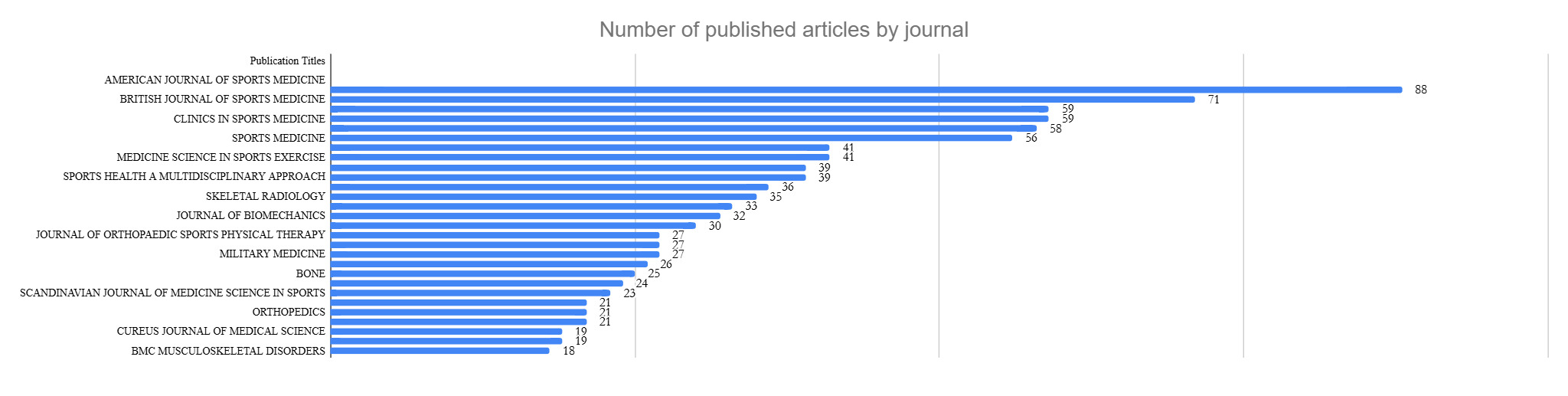
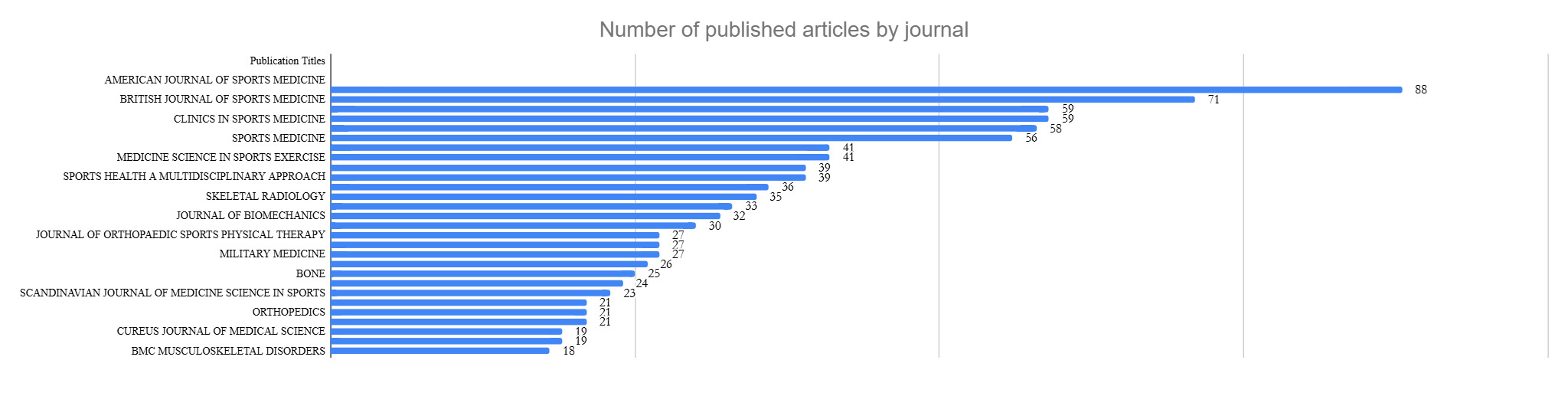
Figure 1 illustrates the distribution of publications across academic journals. The American Journal of Sports Medicine and the British Journal of Sports Medicine lead with 88 and 71 publications, respectively. This figure shows 1015 publications out of a total of 2547.
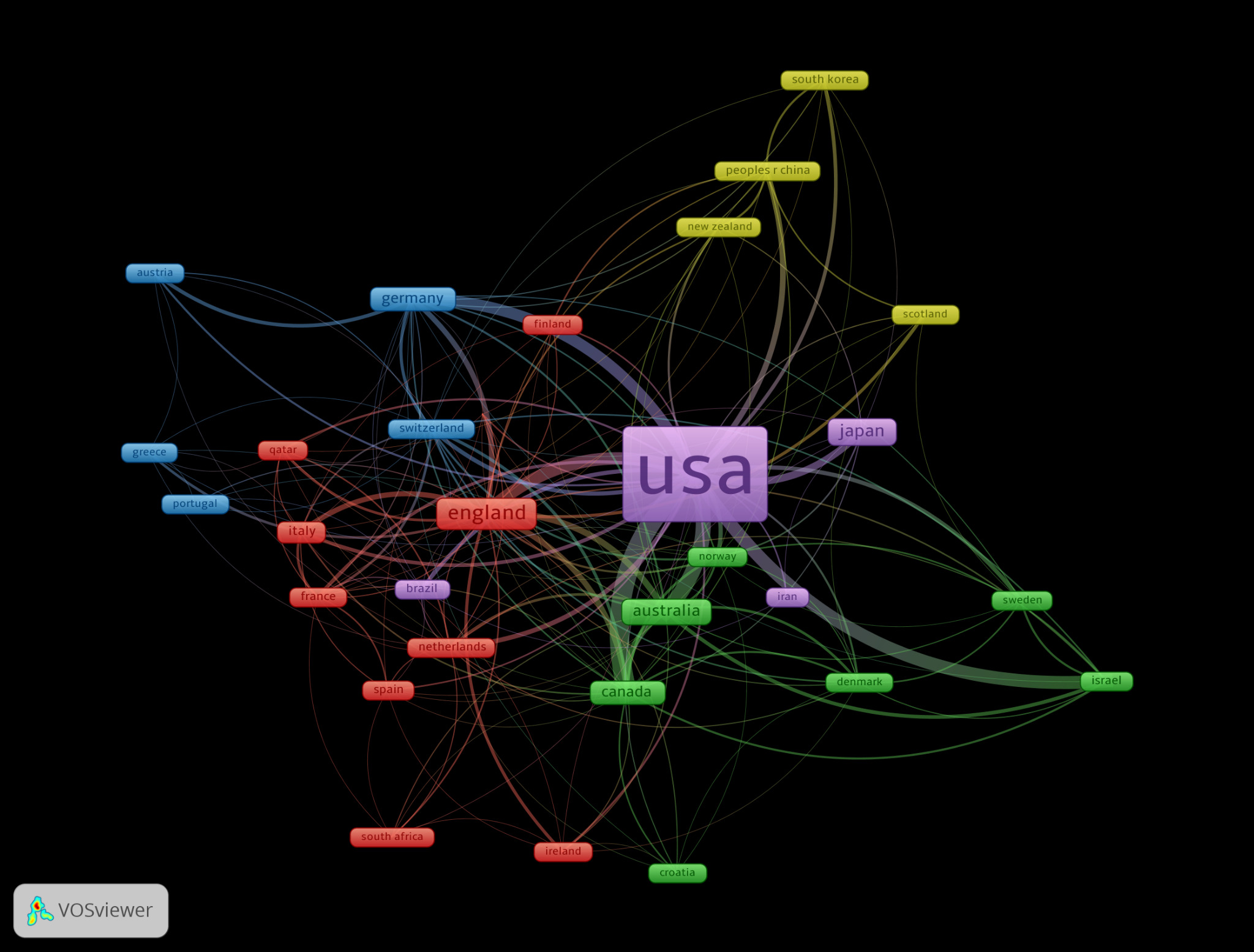
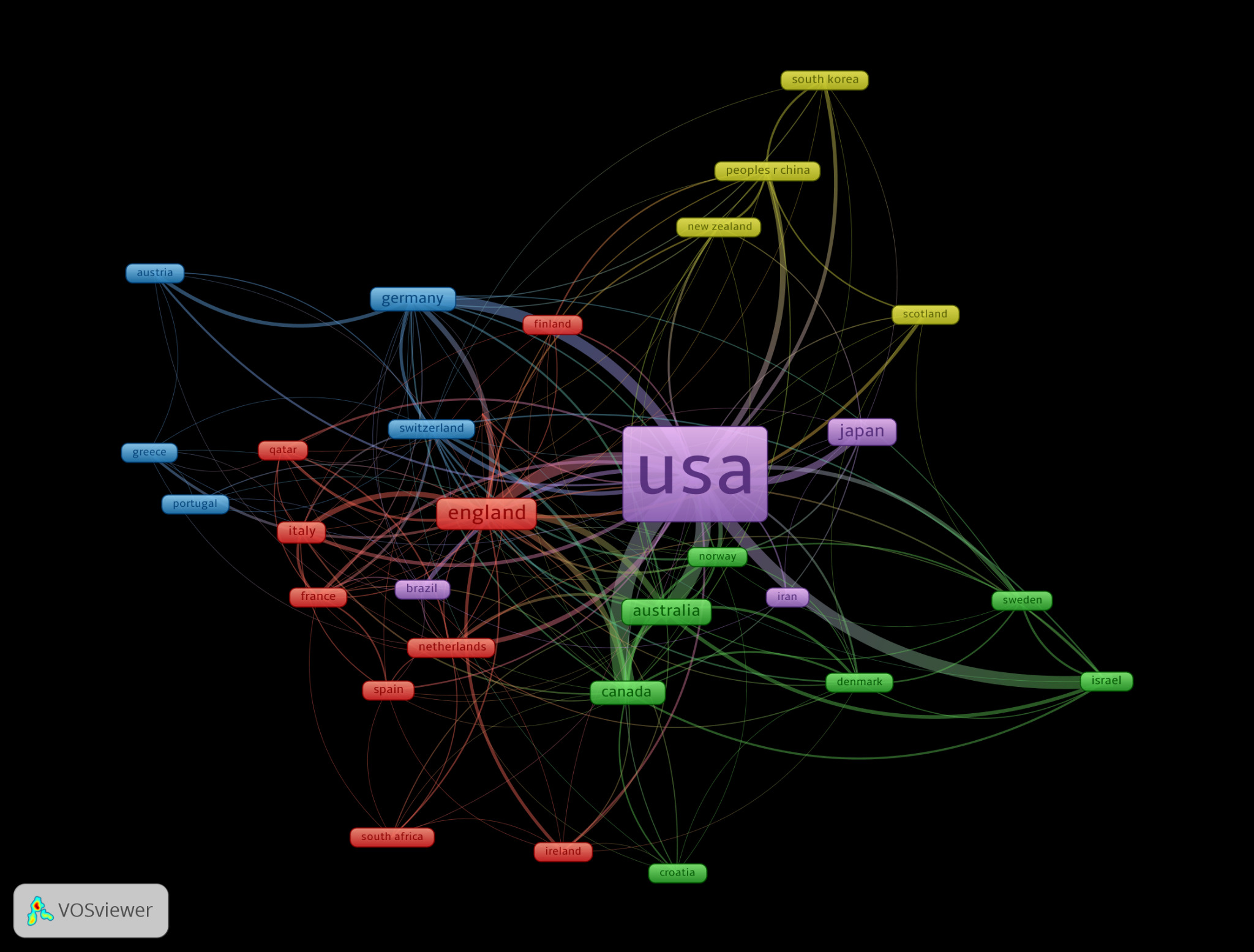
The international collaboration network of the top 30 contributing countries, visualized using VOSviewer, demonstrates a highly interconnected global research landscape with several dominant hubs. The United States occupies a central position within the network, exhibiting the highest number of collaborations and the strongest link strengths with multiple countries such as Australia, Canada, Japan, and England. Distinct regional clustering patterns are evident. For example, European countries including Germany, Switzerland, and Austria form a closely connected cluster, while another cluster includes France, Italy, Spain, and Netherlands. A separate cluster comprising China, South Korea, and New Zealand highlights growing contributions from Asia-Pacific regions. Additionally, countries such as Sweden, Denmark, and Israel demonstrate strong interconnections within a smaller collaborative network. Overall, the visualization reveals that research on stress fractures in athletes is driven by a core group of highly collaborative, high-income countries, with the United States acting as the primary hub facilitating international research partnerships.
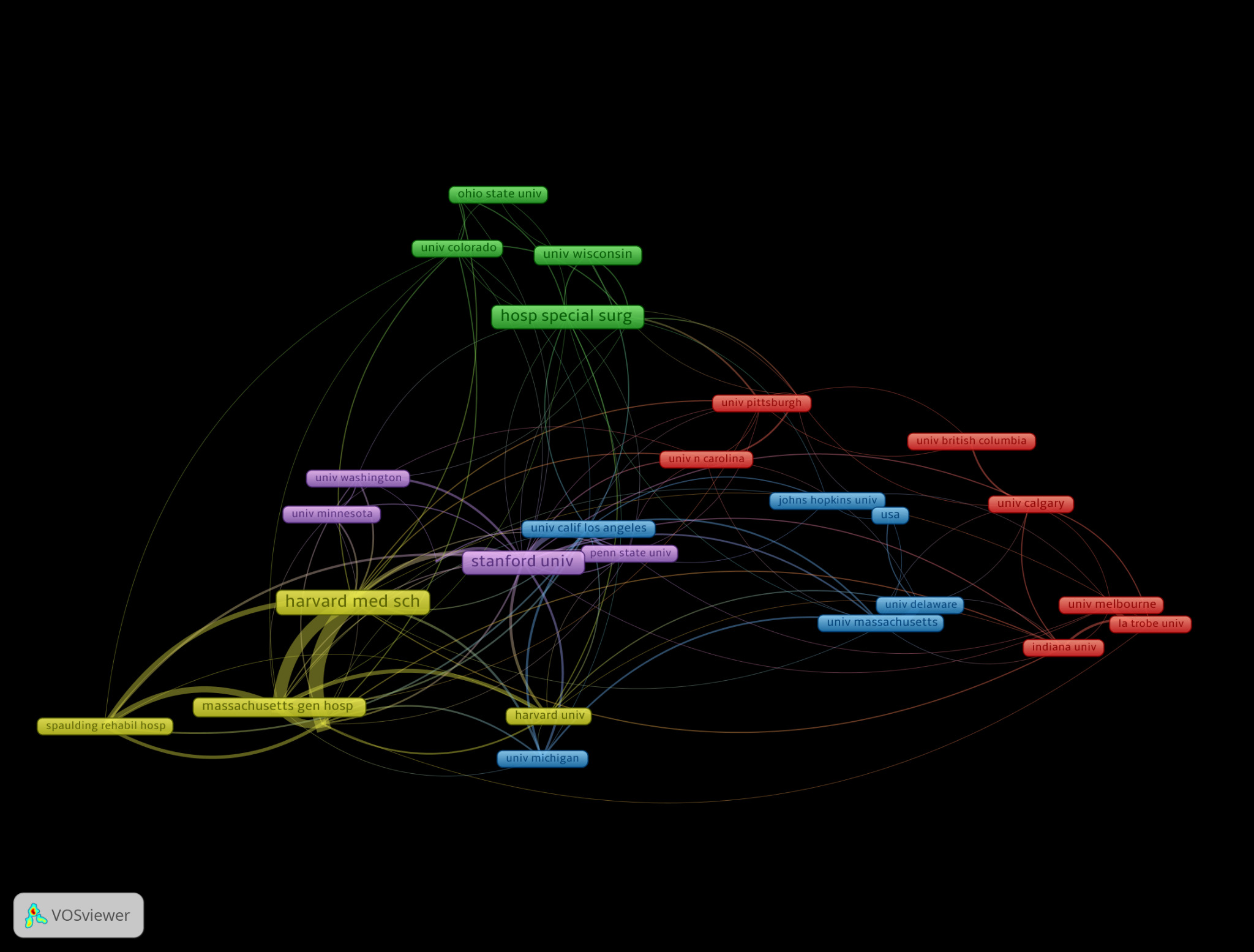
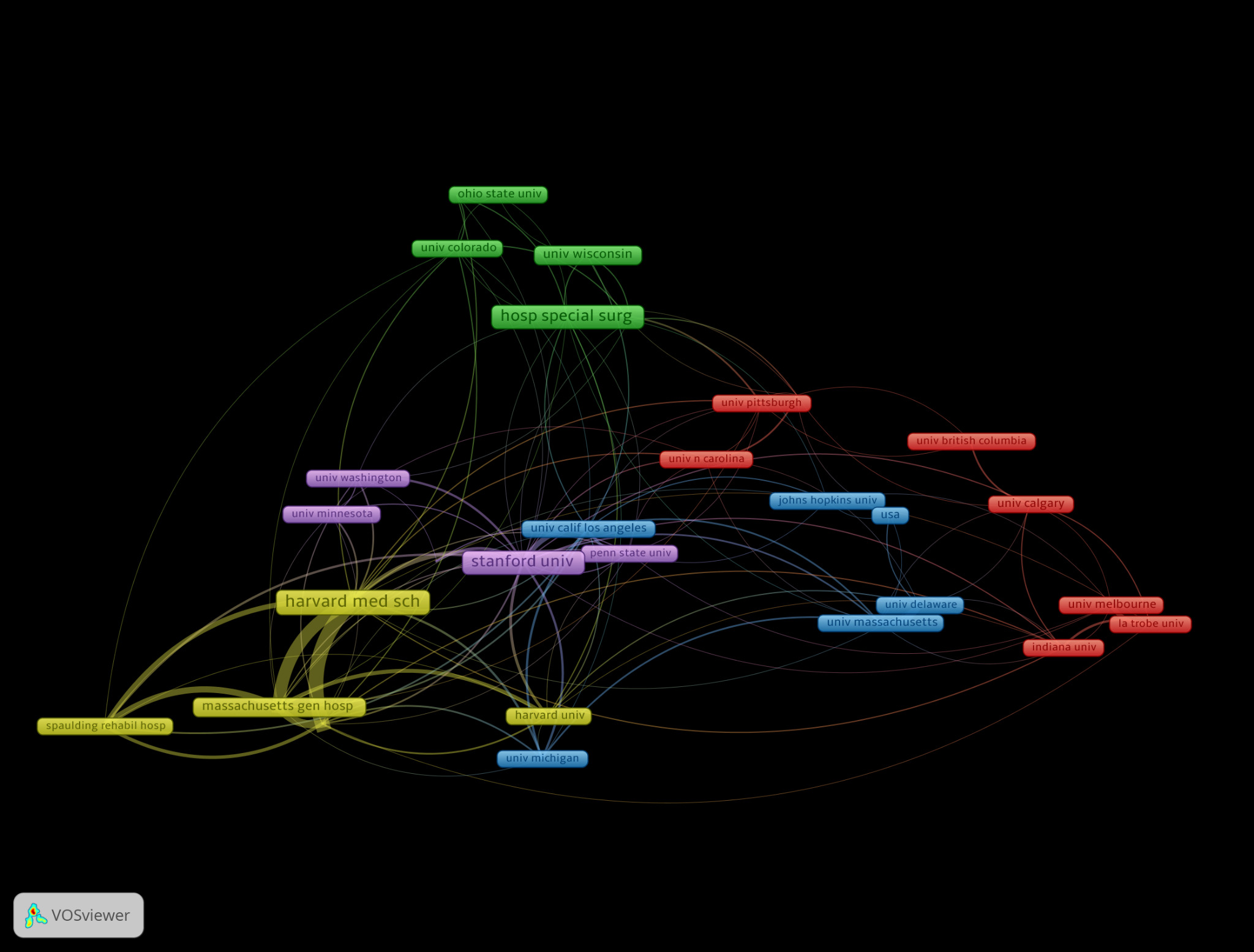
The institutional collaboration network of the top 30 contributing organizations, visualized using VOSviewer, demonstrates a highly interconnected research landscape. Harvard Medical School appears as the most central institution, exhibiting the highest number of collaborations and strongest link strength, particularly with affiliated centers such as Massachusetts General Hospital and Spaulding Rehabilitation Hospital. Other prominent institutions, including Stanford University, Hospital for Special Surgery, University of California, Los Angeles, and Johns Hopkins University, also demonstrate strong connectivity within the network.
Distinct clustering patterns reflect both geographic and collaborative relationships. For example, institutions such as University of British Columbia, University of Calgary, and University of Melbourne form an internationally connected cluster, while Indiana University and University of North Carolina are part of a predominantly domestic collaboration group. Overall, the network highlights the concentration of research activity within a core group of highly collaborative institutions, with major U.S.-based centers playing a central role in driving global research efforts.

Figure 4 outlines the major funding bodies supporting research in this field. The United States Department of Human Health Services leads with 70 publications funded, followed by the National Institutes of Health (NIH) USA and the US Department of Defense, with 68 and 28 publications funded, respectively.
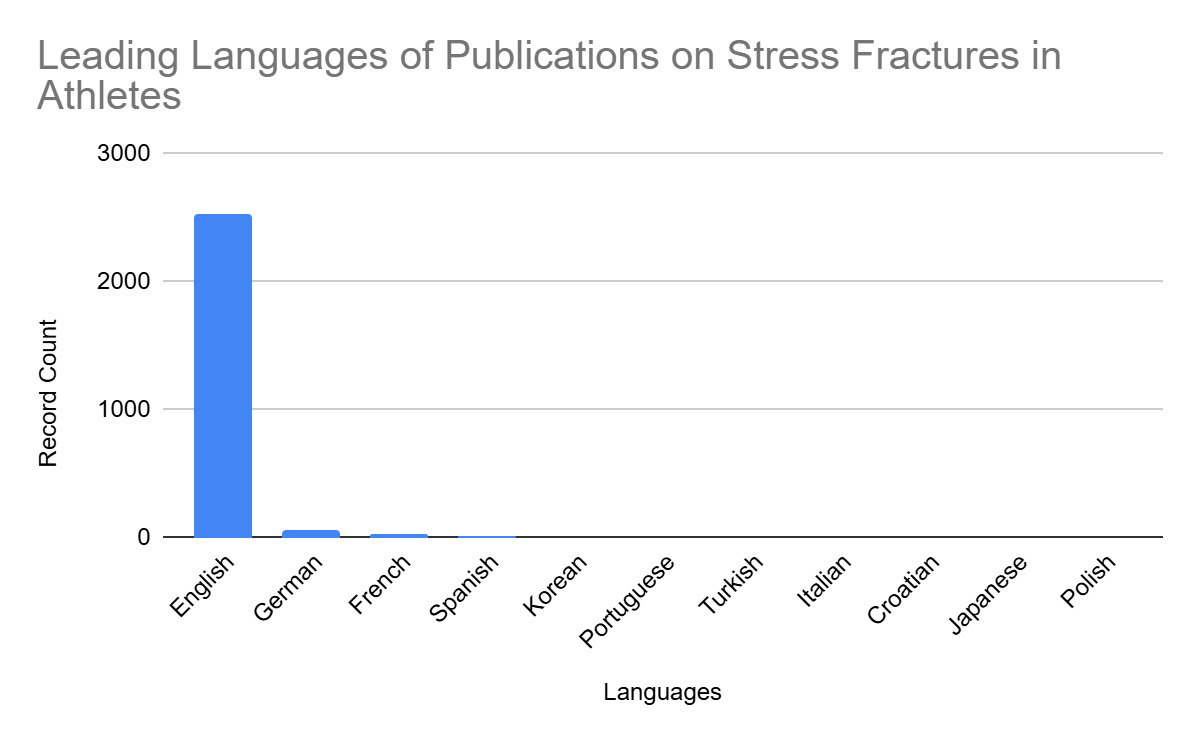
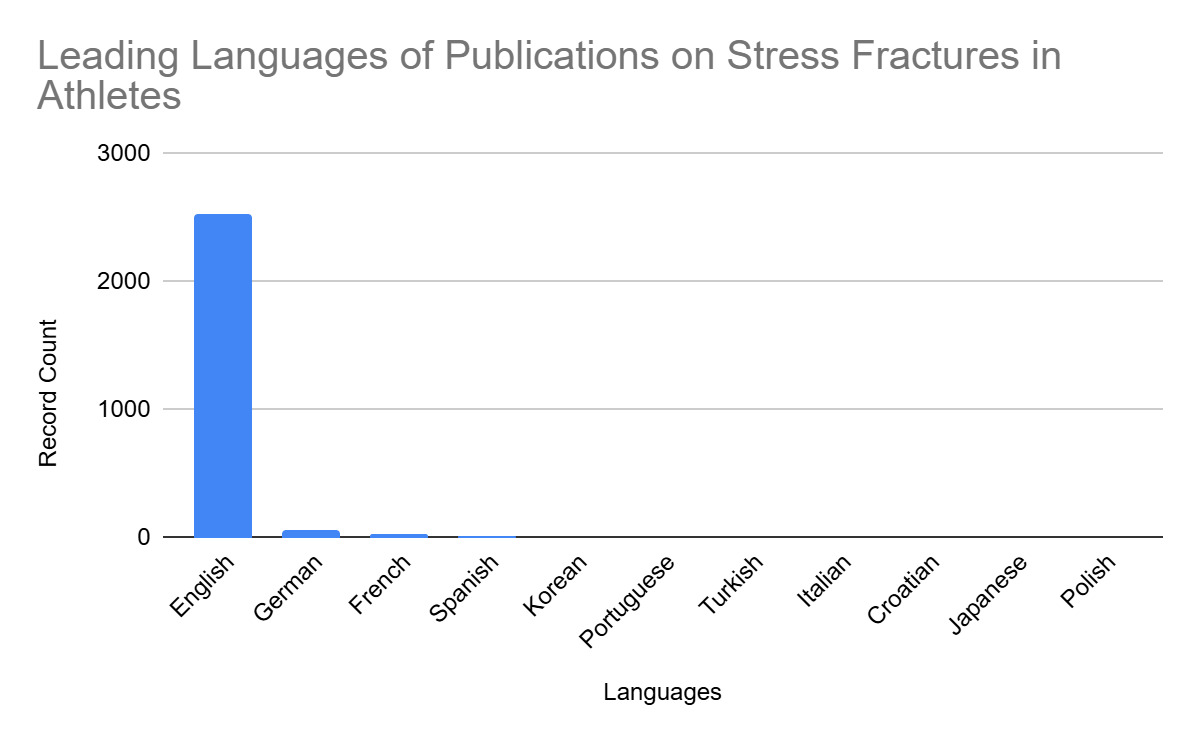
Figure 5, which demonstrates the top 13 publication languages shown in research relating to stress fractures in athletes, shows an overwhelming representation of English. The second most frequent publication language was German, followed by French and then Spanish. The presence of other languages, including Korean, Portuguese, Turkish, Italian, Croatian, Japanese, and Polish, proves that research regarding stress fractures in athletes has been conducted globally, although the vast majority has been published through English language journals.
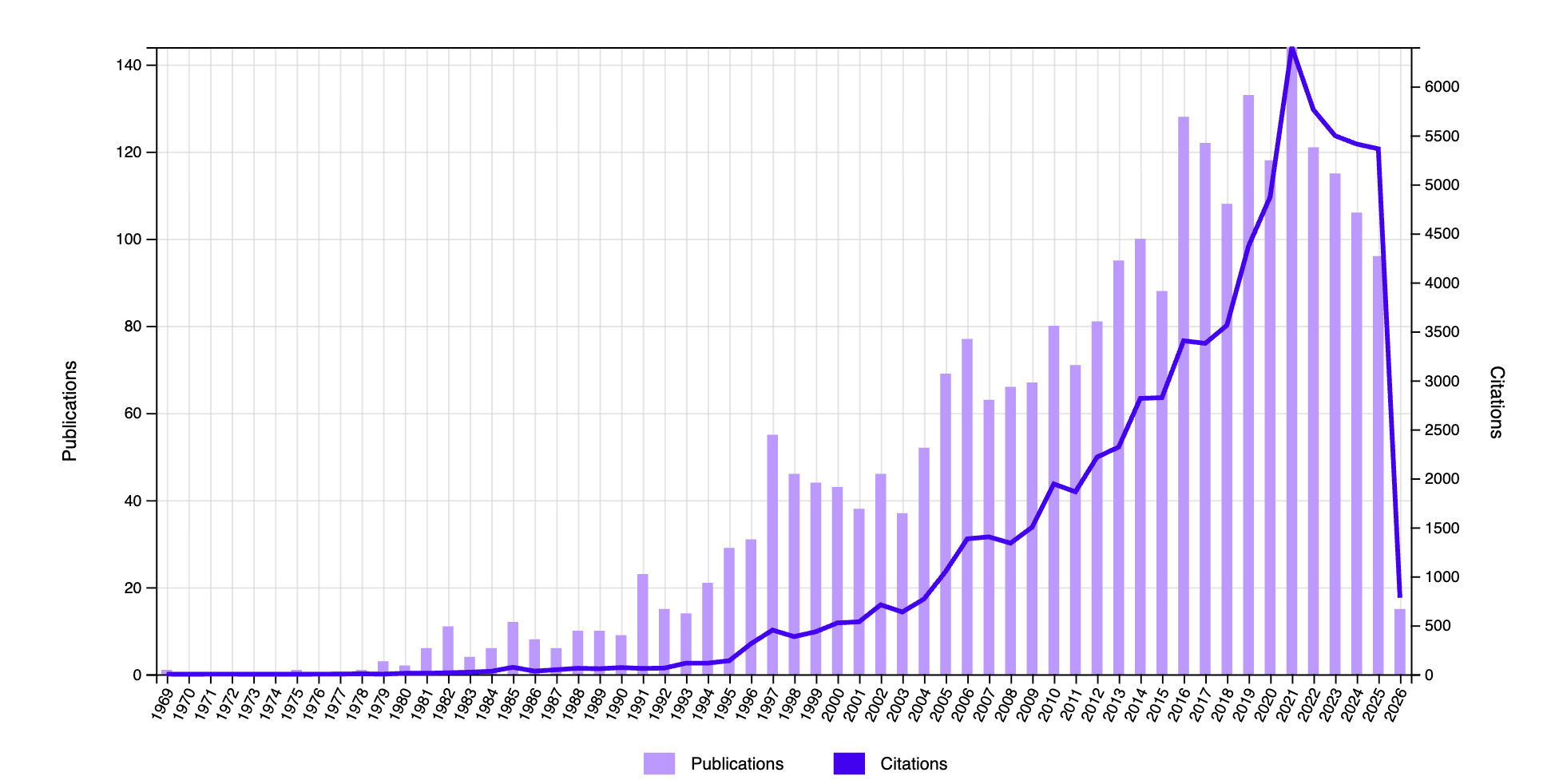
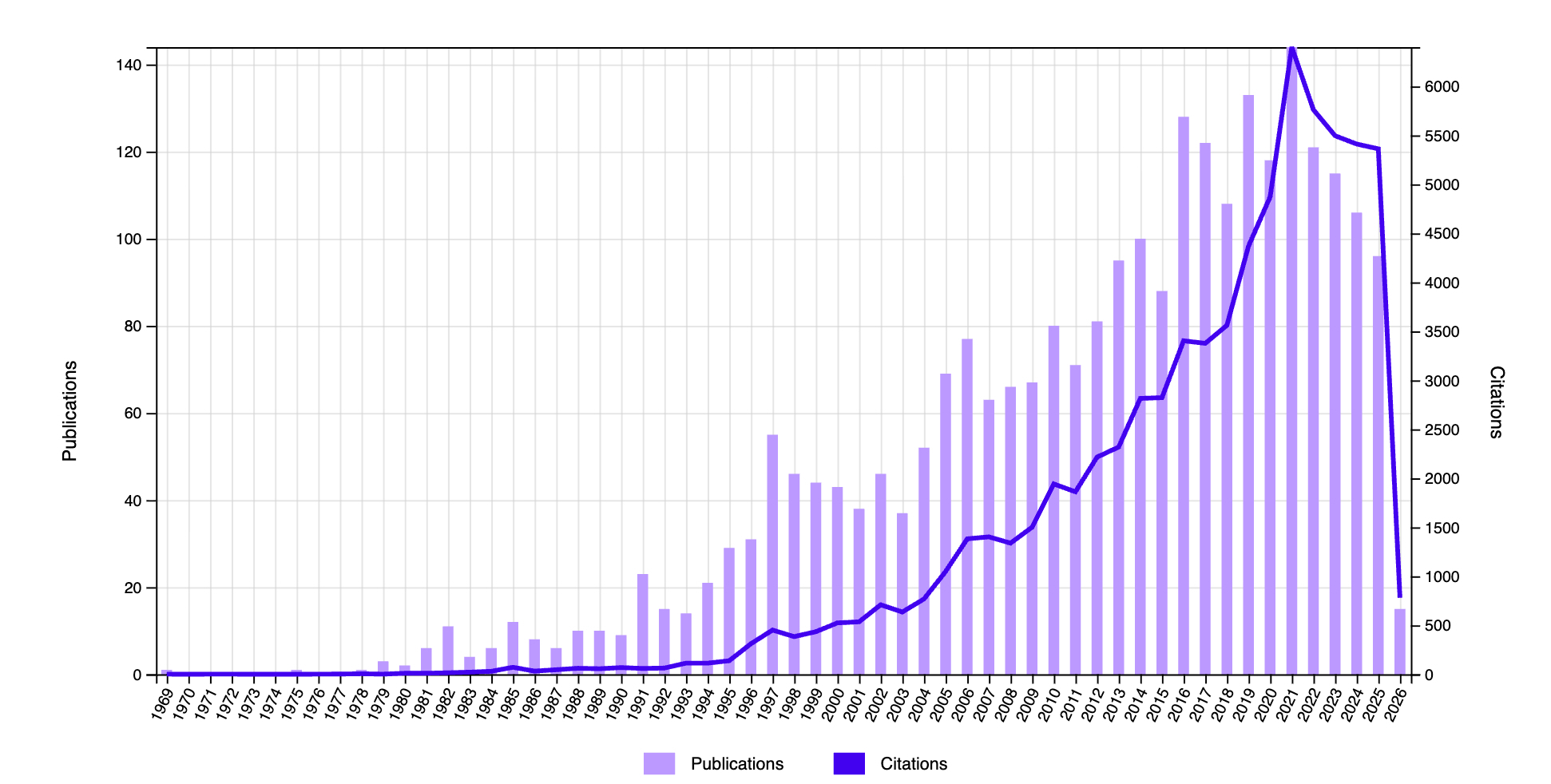
As can be seen from Figure 6, there has been an exponential increase in the number of yearly publications that address stress fractures in athletes. The data shows a general upward trend in publication numbers, with very low numbers per year until the early 2000s, when publication numbers began to rapidly increase. Although there are some slight variations in the number of publications among different years, the overall pattern is a growing interest in this area of research.
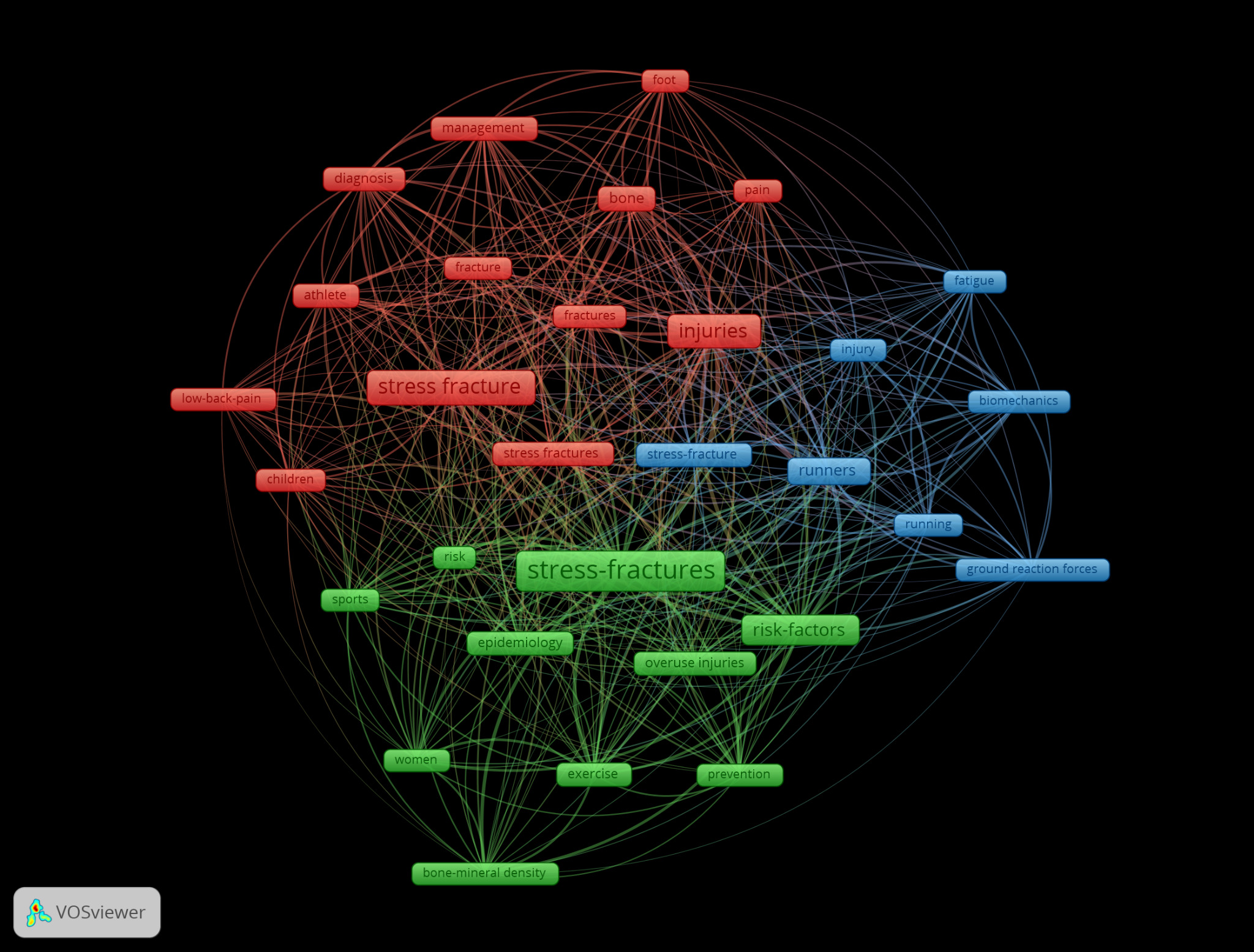
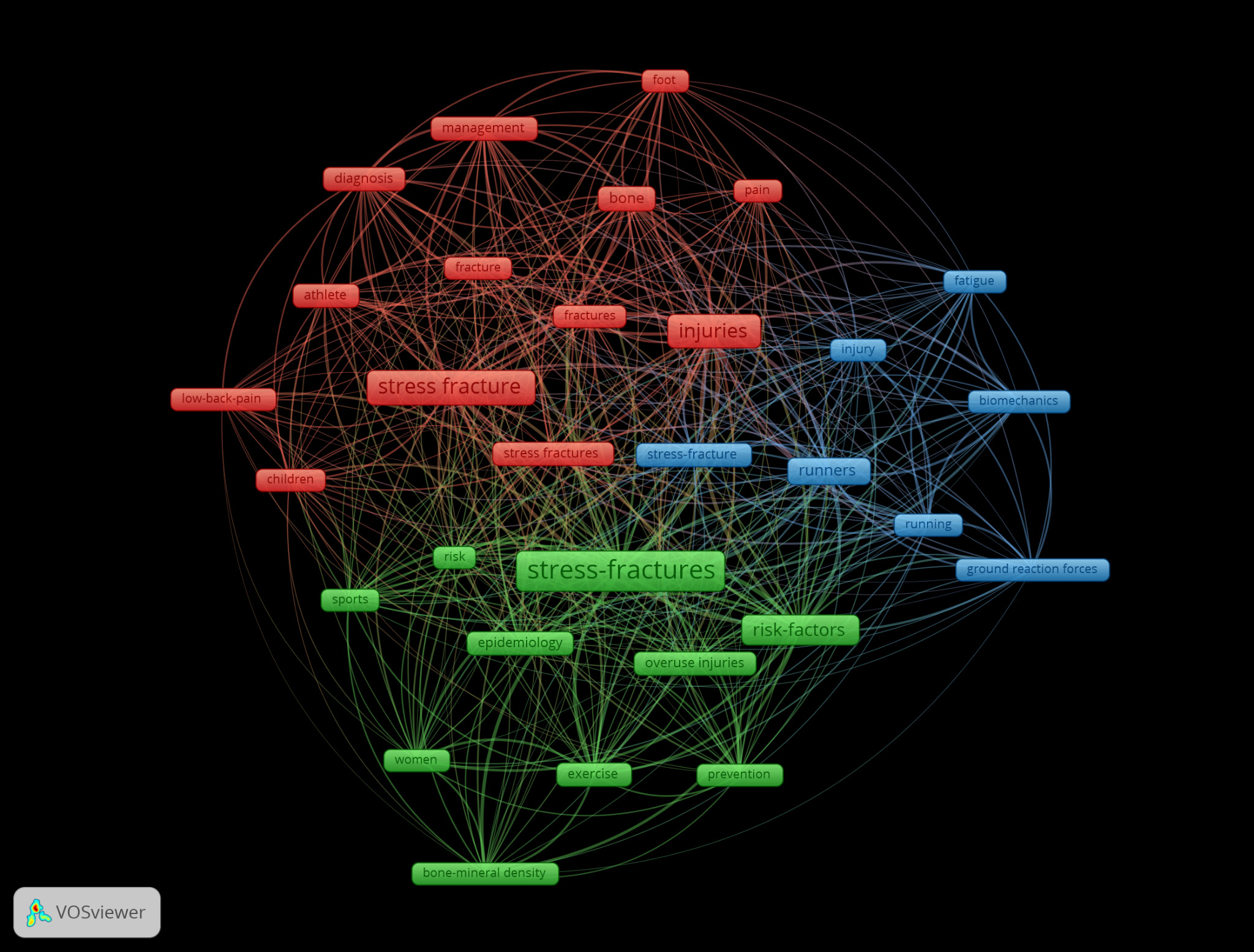
Figure 7 displays the keyword co-occurrence network, identifying three primary research clusters.
-
Cluster 1 (Clinical focus): Includes terms such as “stress fracture,” “diagnosis,” “management,” “pain,” and “injuries,” reflecting emphasis on clinical presentation and treatment.
-
Cluster 2 (Epidemiology and prevention): Includes “risk factors,” “epidemiology,” “exercise,” “prevention,” and “bone mineral density,” highlighting research on risk assessment and injury prevention.
-
Cluster 3 (Biomechanics): Includes “biomechanics,” “running,” “ground reaction forces,” and “fatigue,” indicating a focus on mechanical mechanisms and running-related injuries.
These clusters demonstrate that the field is structured around three major themes: clinical management, prevention and risk factors, and biomechanical mechanisms.
Discussion
This bibliometric analysis demonstrates that research on stress fractures in athletes has undergone substantial expansion, with a notable inflection point in the early 2000s.9 Rather than reflecting a purely academic trend, this increase likely corresponds to parallel developments in clinical orthopedics, including heightened awareness of overuse injuries and the widespread adoption of advanced imaging modalities. Magnetic resonance imaging (MRI) has enabled earlier detection of bone stress injuries, often prior to radiographic changes, thereby shifting clinical focus toward early diagnosis and intervention.10 This evolution has important implications for orthopedic practice, as timely identification may prevent progression to complete fractures and reduce time away from sport.
A central finding of this study is the geographic concentration of research output within high-income countries, with the United States serving as the dominant contributor and collaborative hub. While this reflects the availability of funding and institutional infrastructure, it raises important concerns regarding the external validity of current evidence. Orthopedic injury patterns, including stress fractures, are influenced by population-specific variables such as training practices, nutrition, and access to care. The underrepresentation of low- and middle-income regions may therefore limit the applicability of existing prevention and management strategies.11 Similar disparities have been described in global musculoskeletal research, where economic resources strongly influence research productivity.12 From a clinical perspective, expanding international collaboration will be essential to developing more generalizable and equitable orthopedic guidelines.
The thematic structure of the literature—comprising clinical management, epidemiology/prevention, and biomechanics—reflects the multidimensional nature of stress fractures. Notably, the prominence of prevention-focused research suggests a shift in orthopedic practice toward proactive injury mitigation. This aligns with increasing recognition of modifiable risk factors, including training errors, bone mineral density, and hormonal influences.9 However, despite extensive investigation, the absence of standardized predictive models highlights a persistent challenge in translating epidemiologic findings into clinical decision-making tools. This gap underscores the need for more uniform study designs and prospective validation studies.
The biomechanics cluster further illustrates the growing integration of engineering principles into orthopedic research. Advances in gait analysis, ground reaction force measurement, and computational modeling have enhanced understanding of stress distribution and fatigue failure in bone. These approaches are particularly relevant for high-risk populations such as runners and military recruits, where repetitive loading patterns are central to injury pathogenesis. Importantly, the emergence of wearable technologies and data-driven modeling offers potential for individualized risk assessment, although current bibliometric patterns suggest that such innovations remain concentrated within select academic centers.
Another important observation is the predominance of English-language publications, which, while facilitating dissemination, may introduce publication bias and limit the visibility of region-specific data. This linguistic centralization reinforces the influence of Western academic systems on the direction of orthopedic research and may further contribute to the underrepresentation of diverse populations.
From a clinical orthopedic standpoint, one of the most significant gaps identified is the relative paucity of longitudinal outcome data. While diagnostic and acute management strategies are well described, there is limited high-quality evidence addressing recurrence, long-term functional outcomes, and return-to-play optimization. This is particularly relevant given the association of stress fractures with underlying conditions such as Relative Energy Deficiency in Sport (RED-S), especially among female athletes.13 The lack of longitudinal data limits the ability of orthopedic surgeons to provide evidence-based prognostic guidance.
Future research directions should therefore emphasize: (1) standardized definitions and reporting frameworks to improve comparability across studies; (2) prospective and interventional designs to evaluate prevention and rehabilitation strategies; (3) expansion of global research participation to enhance generalizability; and (4) integration of multidisciplinary approaches combining orthopedics, endocrinology, and biomechanics. These priorities are essential to advancing both the scientific understanding and clinical management of stress fractures.
In summary, this bibliometric analysis highlights a rapidly evolving field characterized by increasing specialization and technological integration. However, persistent disparities in global representation and limitations in longitudinal evidence remain significant barriers. Addressing these gaps will be critical to optimizing prevention, diagnosis, and management strategies within contemporary orthopedics.
Limitations
This study has several limitations inherent to bibliometric methodology. First, the analysis was limited to the Web of Science Core Collection database, which, although comprehensive, may not capture all relevant publications indexed in other databases such as PubMed, Scopus, or regional repositories.14 This may result in underrepresentation of certain journals, particularly those from low- and middle-income countries.
Second, the use of predefined search terms introduces the possibility of selection bias, as relevant studies that did not explicitly include the chosen keywords may have been excluded. Variability in terminology across studies (e.g., “bone stress injury” versus “stress fracture”) may further contribute to incomplete retrieval.15
Third, bibliometric analyses emphasize publication and citation metrics rather than study quality or clinical relevance. As such, highly cited articles are not necessarily indicative of higher methodological rigor or stronger evidence, limiting the ability to draw conclusions regarding best clinical practices.16
Fourth, citation-based metrics are subject to temporal bias, favoring older publications that have had more time to accumulate citations. Additionally, recent declines in publication counts may reflect indexing delays rather than true reductions in research activity.
Finally, the analysis does not account for patient-level data, clinical outcomes, or heterogeneity in study populations, limiting the direct translational applicability of findings to orthopedic practice.17
Conclusion
Overall, research on stress fractures in athletes has expanded substantially over the past several decades, the bibliometric trends indicate that the field is still evolving. Despite recent progress, important gaps remain. Future research emphasis representing diverse populations, longitudinal and interventional studies, and stronger integration between sports science research and clinical practice. Expanding collaboration across underrepresented regions and specialties will be essential to improving prevention, early identification, and management strategies for athletes.
Addressing these gaps will be essential to improving.