
Introduction
Pain catastrophizing is defined as a magnified negative mental set brought to bear during actual or anticipated painful experience.1 The mental set comprises three components: rumination, or persistent focus on pain; magnification, or amplification of the threat value of pain; and helplessness, or the perceived inability to cope effectively with pain.1,2 Since the development and validation of the Pain Catastrophizing Scale (PCS), catastrophizing has become one of the most frequently studied psychological predictors of pain-related outcomes.
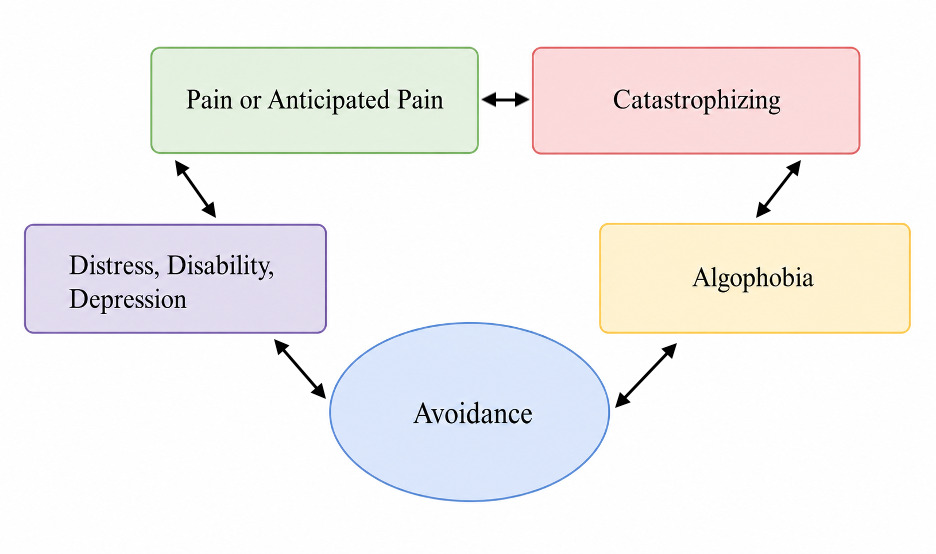
The theoretical roots of catastrophizing are closely tied to the fear-avoidance model of chronic musculoskeletal pain (Figure 1).
.png)
Figure 1 shows this fear-avoidance model, where pain, or even expecting pain, can lead someone to catastrophize, meaning they think about the pain in an overly fearful or negative way. That catastrophizing can then create fear of pain (algophobia) and cause the person to avoid movement or activity. Over time, that avoidance can worsen disability, depression, and distress, which then feeds back into the pain cycle.3,4 Subsequent reviews have generally supported the view that catastrophizing is associated with higher pain severity, greater emotional distress, and worse functional outcomes, although the strength of these associations varies across populations and study designs.5
Neurobiological literature points to catastrophizing being linked with atypical processing in brain regions concerned with salience, affect, and pain modulation, such as the anterior cingulate cortex, anterior insula, thalamus, and dorsolateral prefrontal cortex.6 Goodin et al. (2009) associated catastrophizing with a deficit in endogenous pain-inhibitory processing. Other studies have, however, suggested that individuals with higher levels of catastrophizing tend to report higher levels of nociceptive pain response for fixed levels of nociceptive input.5 Edwards et al. (2008) observed that interleukin-6-mediated responses to immediate pain were amplified in individuals exhibiting higher levels of catastrophic thinking. In other words, there is an association between maladaptive pain cognitions and pro-inflammatory stress responses.7–9
Across orthopedic populations, higher level of preoperative catastrophizing have been associated with worsened post-operative pain, poorer function, lesser satisfaction, and poor patient-reported outcome measures.10 Specifically, surgery presents a vital context to examine catastrophizing because the success of post-operative recovery relies on more than just simply the technical success of surgery. This is the case for persistent pain, dissatisfaction, poor function, or delayed rehabilitation reported in some patients after surgeries that on average, have
efficacy. Burns et al. (2015) found moderate evidence for pain catastrophizing as an independent predictor of chronic post-operative pain in total knee arthroplasty, and Patel et al. (2022) demonstrated that interventions focused on combating catastrophizing after knee replacement remain an actively investigated topic despite the currently available studies being methodologically heterogeneous.11,12
The same trend is observed in other orthopedic subspecialties. Lumbar spine surgery the same pattern in findings has been noted across orthopedic subspecialties, where pain catastrophizing and pain sensitivity were reported to be associated with persistent pain and disability after surgery,13 whereas more recently Kumar et al. (2024)14 evaluated pain catastrophizing scale thresholds as a potential basis for referral to perioperative pain psychology in spinal surgery patient populations. In further mixed orthopedic surgical populations with spine and lower-extremity surgeries, Rhon et al. (2022)15 found that presurgical catastrophizing predicted subsequent opioid use and surgery-related healthcare use.
Arthroplasty and hip-preservation studies further support the clinical relevance of this construct. In a systematic review of total hip arthroplasty outcomes, O’Connor and colleagues found that preoperative psychological factors, especially depression and anxiety, were relevant to postoperative pain and function.16 In pre-arthritic hip disease and hip arthroscopy, elevated catastrophizing has been linked to poorer postoperative patient-reported outcomes, and recent literature on femoroacetabular impingement has emphasized both catastrophizing and resilience as psychosocial determinants of recovery.17–19
Trial data have shown that targeted cognitive behavioral approaches have been able to reduce catastrophizing in some orthopedic populations and improve some aspects of recovery, but only when the interventions are designed for the high-risk populations.10,20
With pain catastrophizing in orthopedic surgery spreading across neurology, anesthesiology, rehabilitation, psychology, pain medicine, and surgery, the bibliometric approach best studies its growth.
Methods
Data Source and Search Strategy
A bibliometric analysis was conducted using the Web of Science (WoS) Core Collection database, selected for its comprehensive indexing of high-impact, peer-reviewed literature and compatibility with bibliometric mapping software. A structured Boolean search strategy was developed to capture publications related to pain catastrophizing within orthopedic and musculoskeletal surgery:
TS = (“pain catastrophizing” OR “pain catastrophization” OR “pain catastrophisation”)
AND
TS = (“orthopedic” OR “orthopaedic” OR “musculoskeletal” OR “joint replacement” OR “arthroplasty” OR “spine surgery” OR “fracture” OR “sports injury”)
The search encompassed publications from January 1, 2001 through December 31, 2026. Results were limited to English-language records. All document types indexed in WoS were eligible for initial inclusion.
Eligibility Criteria and Screening
Studies were included if they (1) addressed pain catastrophizing as a primary or relevant secondary construct and (2) were situated within the context of orthopedic or musculoskeletal surgery. Publications were excluded if they were unrelated to surgical orthopedic practice or did not substantively evaluate pain catastrophizing.
Duplicate records were removed prior to screening. Two-stage screening (title/abstract followed by full-text review when necessary) was performed to ensure relevance and methodological consistency. Clearly irrelevant studies were excluded during this process.
Data Extraction and Bibliometric Analysis
Bibliographic data were exported from WoS in a compatible format and analyzed using VOSviewer (version 1.6.20) for network visualization and mapping. The following bibliometric indicators were assessed:
-
Annual publication output
-
Document types
-
Web of Science subject categories
-
Leading journals
-
Most productive institutions and countries
-
Co-authorship networks
Network Mapping and Thresholds
To ensure meaningful visualization and reduce noise, predefined thresholds were applied:
-
Author co-authorship analysis: minimum of 5 publications per author, yielding 135 qualifying authors included in the final network
-
Keyword co-occurrence analysis: minimum occurrence threshold of 10, with a secondary sensitivity analysis at 20 occurrences
-
Country and institutional collaboration networks: minimum of 5 publications per entity
Network maps were generated using VOSviewer’s fractional counting method, with clustering based on association strength to identify thematic and collaborative structures within the literature.
Sensitivity Analysis
A sensitivity analysis was performed by increasing the keyword co-occurrence threshold from 10 to 20 to evaluate the robustness and stability of identified thematic clusters.
Results
Annual output
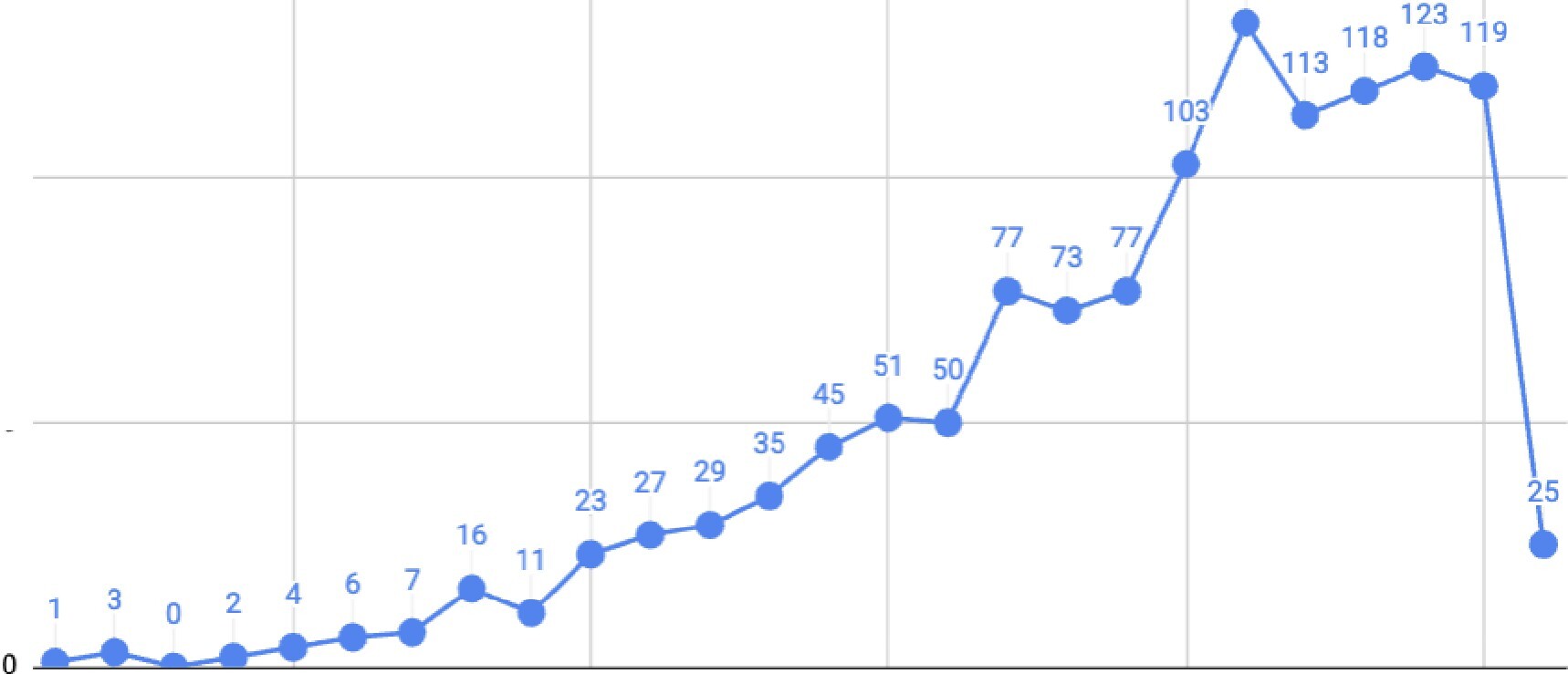
The annual output suggests a field that has been growing gradually during the observed periods. Lower publication counts observed in 2026 likely reflect incomplete indexing of an ongoing publication year (Figure 2).
.jpeg)
Document Type
The document-type tree map (Figure 2) shows that the field is dominated by original articles (1,173 visible records), followed by review articles (95). More smaller categories include early access records (16), editorial materials (7), meeting abstracts (7), proceedings papers (6), letters (2), corrections’ publications (2), and retracted ones (2). Commentary and pre-conference or conference-based records are less driving in total visible literature than original empirical research. This figure also indicates that the field has developed a substantial enough evidence base to sustain growing body of review literature.
Subject Category
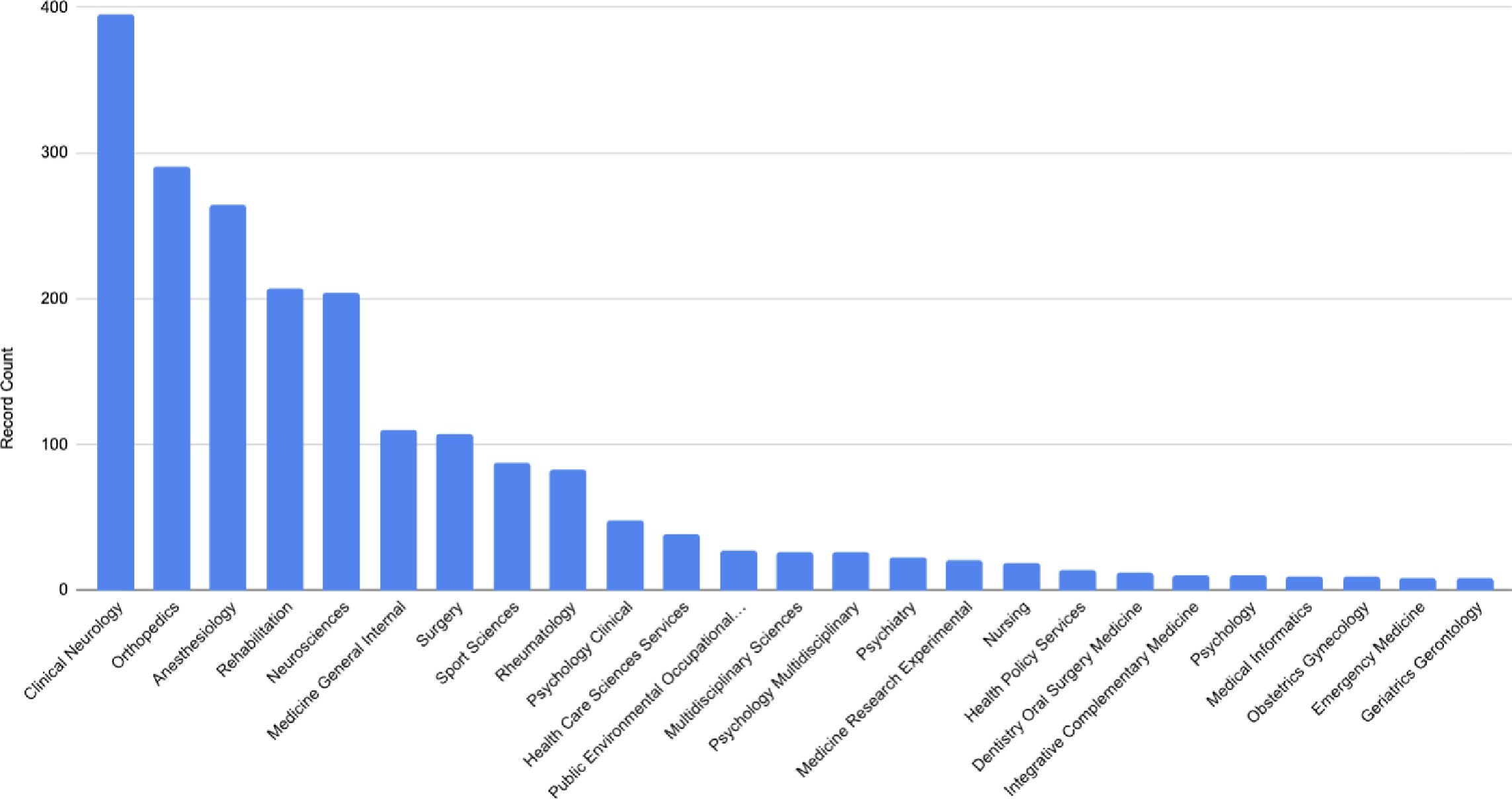
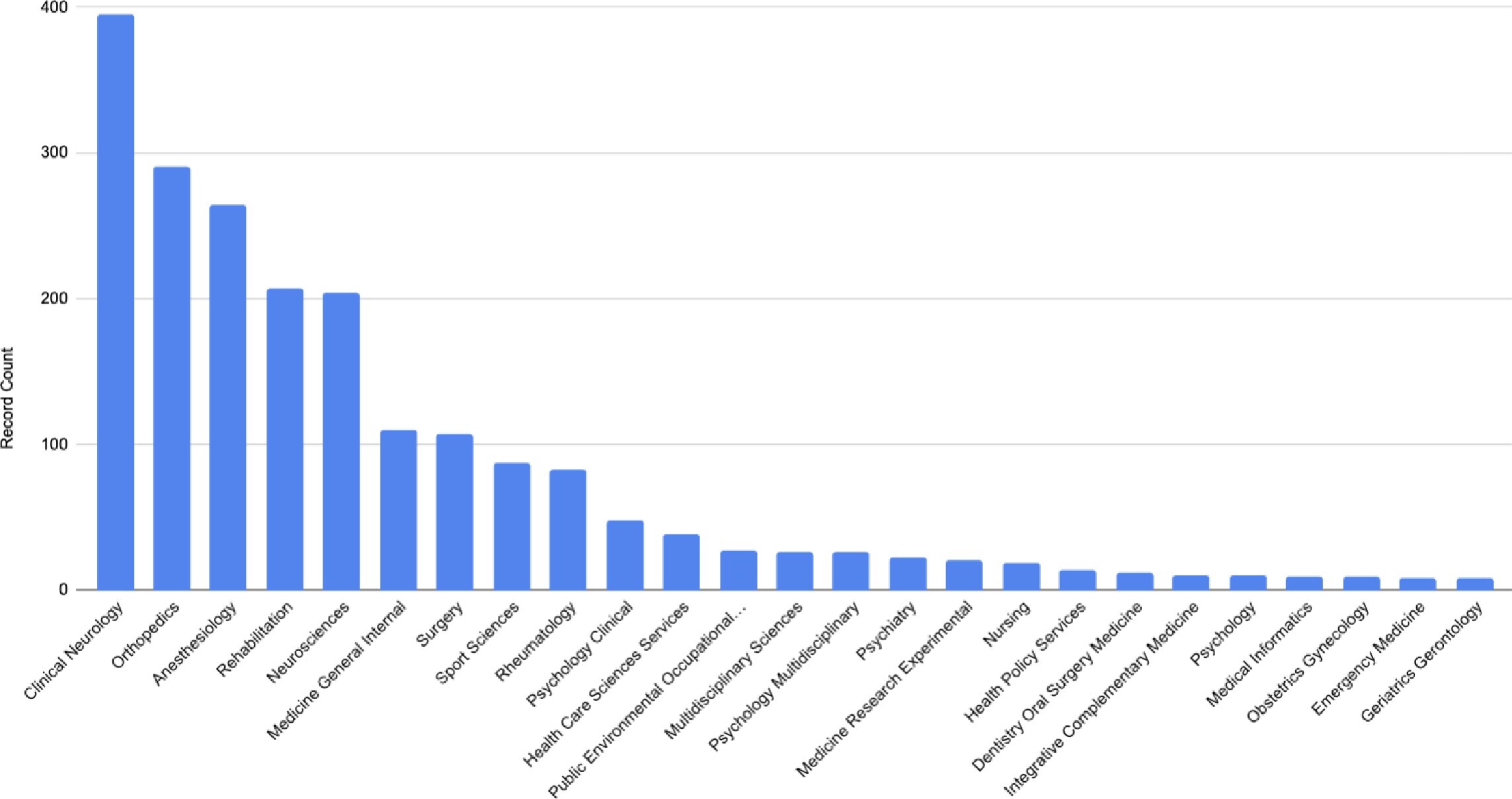
The subject-category figure shows that the literature is interdisciplinary to a great extent (Figure 3). The highest bar is “Neurosciences Neurology”, followed by “Orthopedics”, “Anesthesiology”, “Rehabilitation”, and “General Internal Medicine”. General/Internal Medicine, Surgery, Sport Sciences, Rheumatology, Psychiatry and Clinical Psychology are comparatively minor, yet still present.
Publications, Authors & Institutions
The journal tree map identified Pain (59 publications) and Journal of Pain (58) as the most prominent outlets in the uploaded dataset. They are followed by Clinical Journal of Pain (55), European Journal of Pain (45) and Pain Medicine (42). This pattern suggests that the topic is more often published in pain-based journals rather than only in orthopedic journals.
In terms of institutions, Harvard University and its affiliates hold first place. Table 1 lists the top 10 most cited articles.
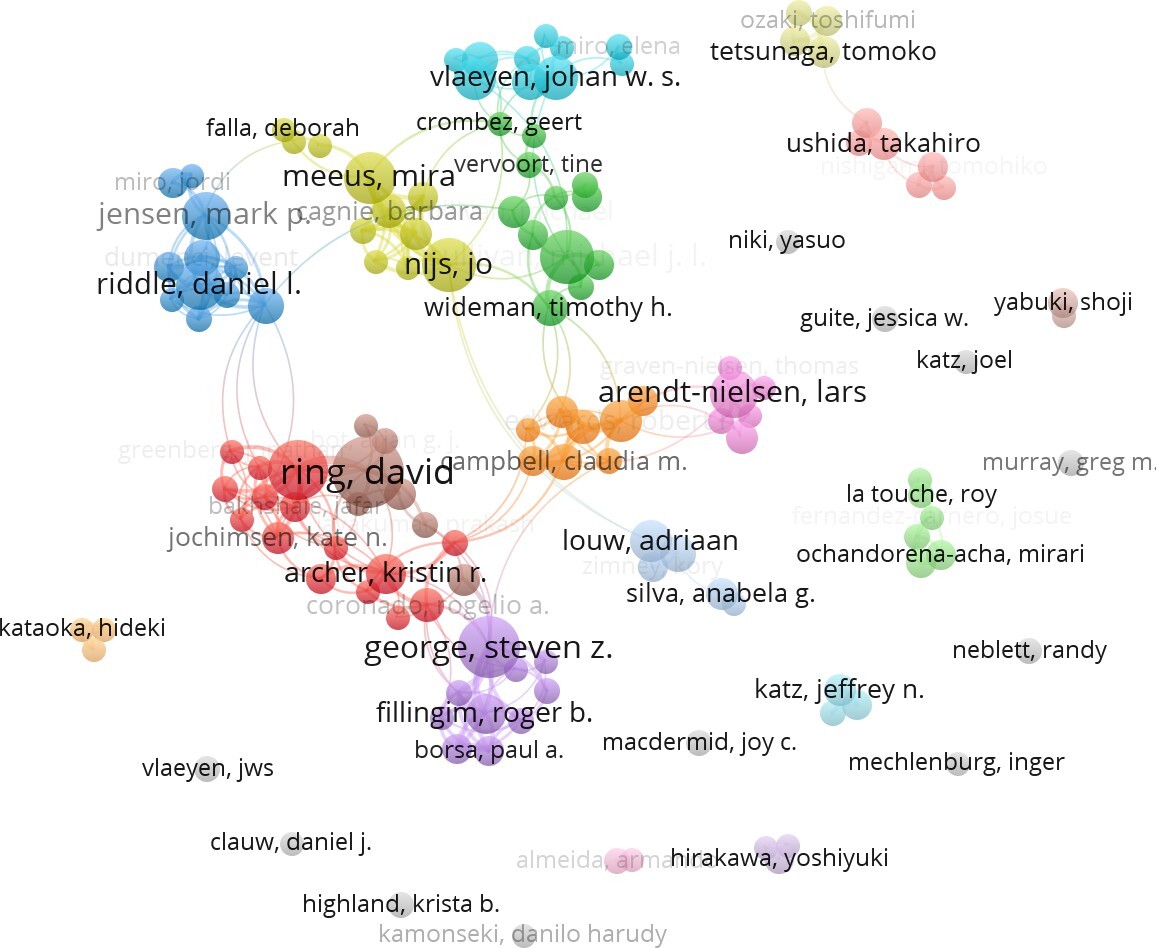
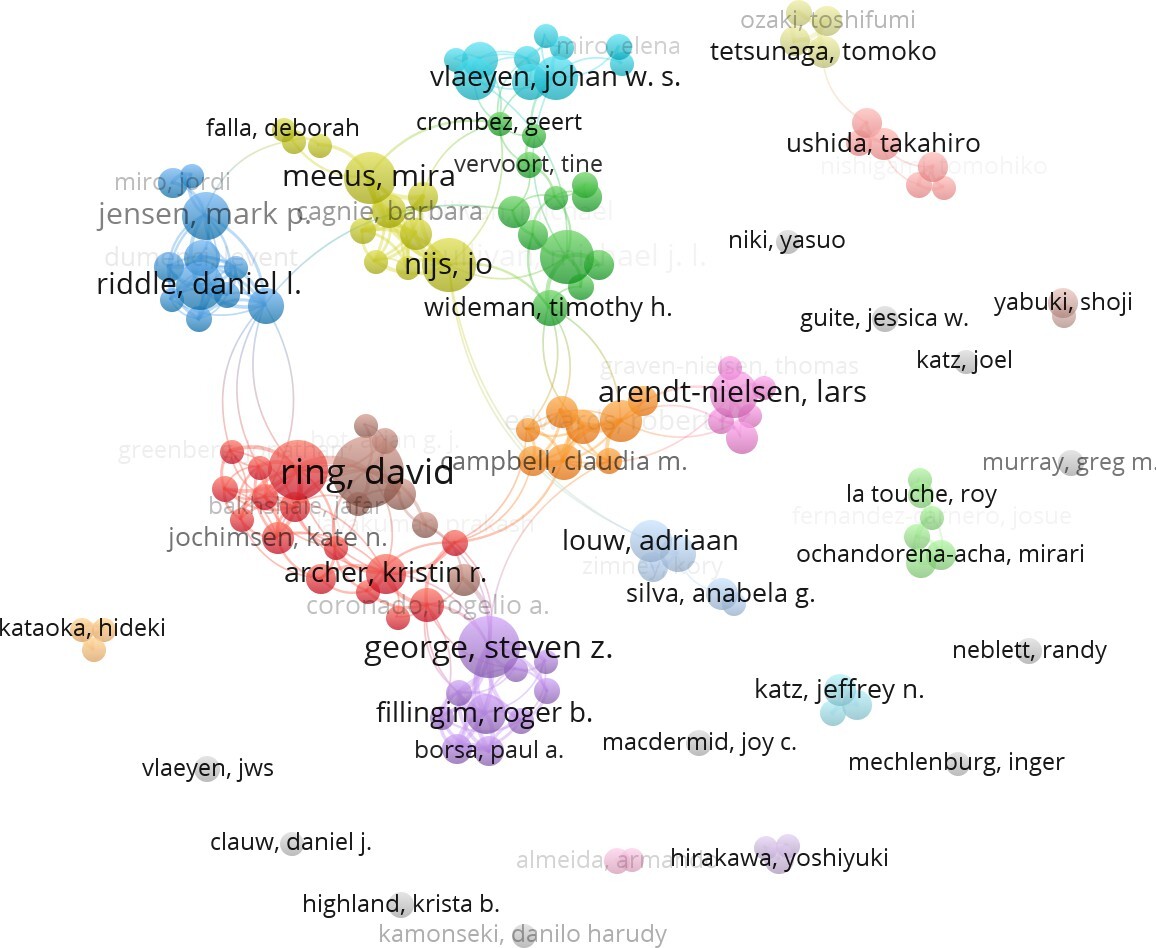
Prominent authors in the author network are David Ring, Steven Z. George, Michael JL Sullivan, Johan WS Vlaeyen, Mira Meeus, Jo Nijs, Mark P Jensen, Robert R Edwards, Claudia M Campbell, Francis J Keefe, and Lars Arendt-Nielsen (Figure 4).
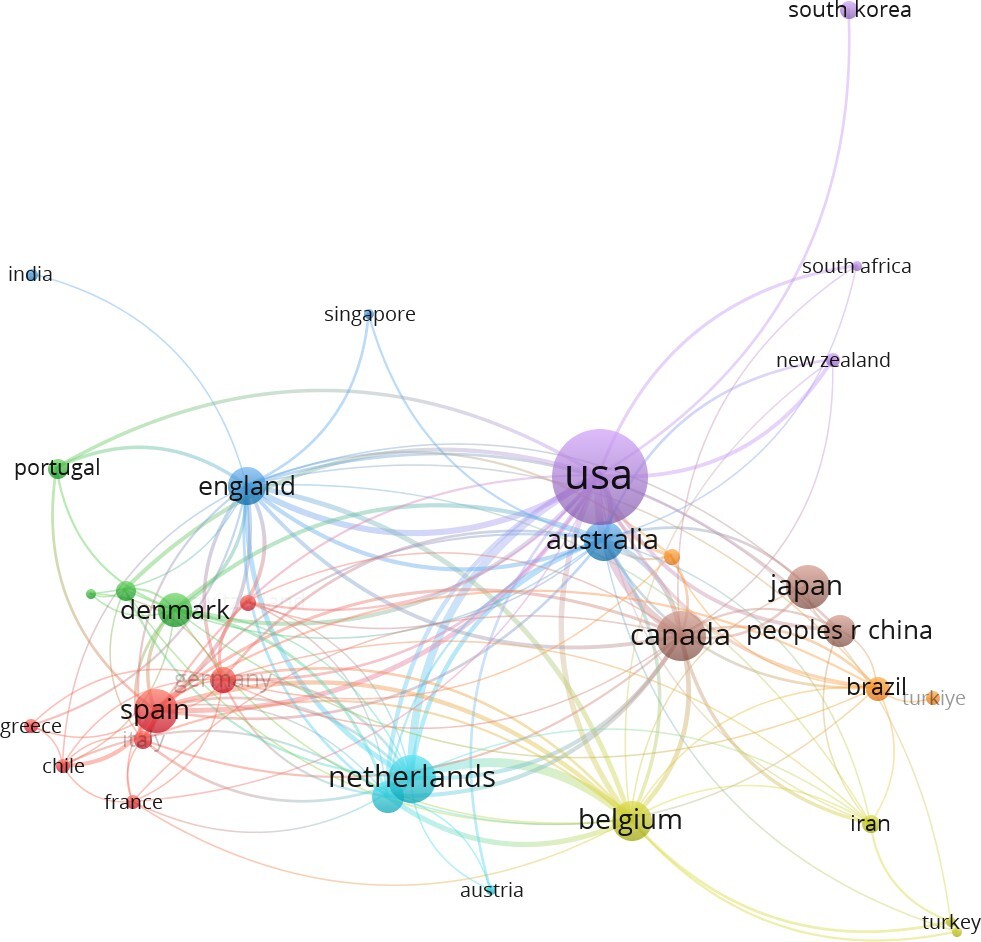
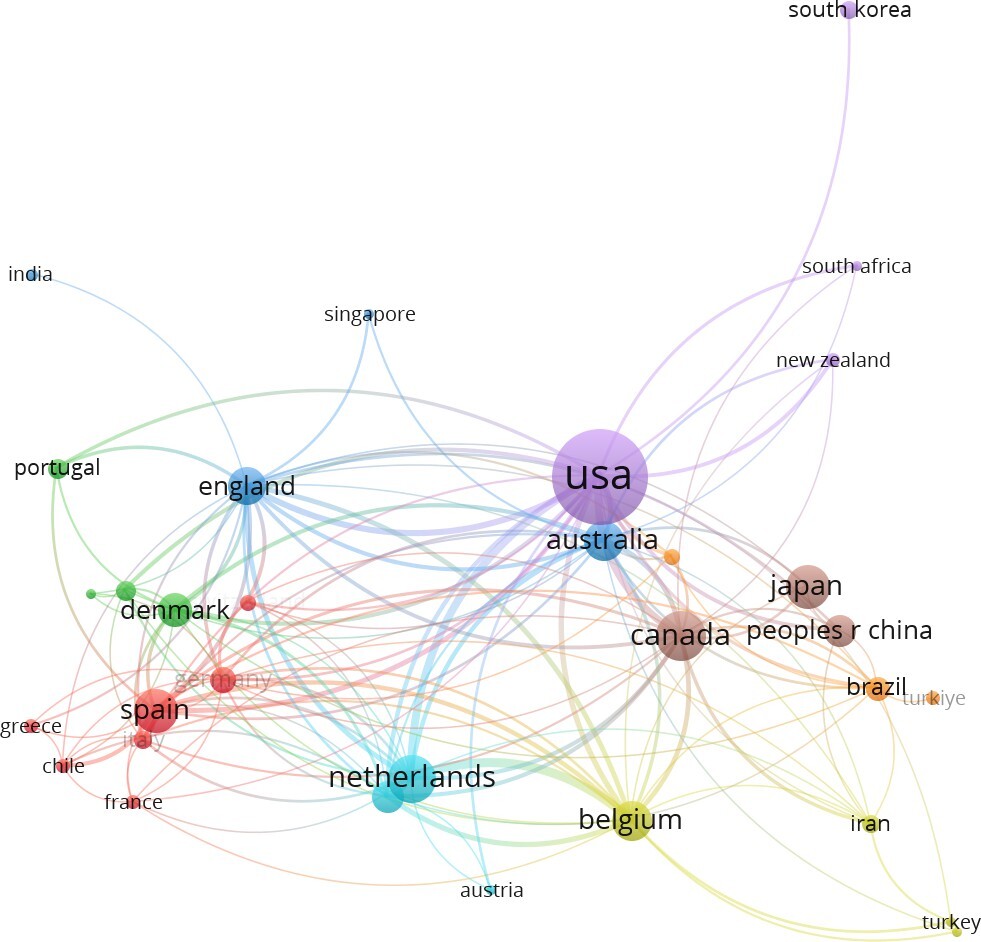
The country collaboration map shows the United States as the largest visible node, with links to Australia, Canada, the Netherlands, England, Belgium, Denmark, Spain, and other countries (Figure 5). This pattern suggests that the research is international.
Keyword analysis
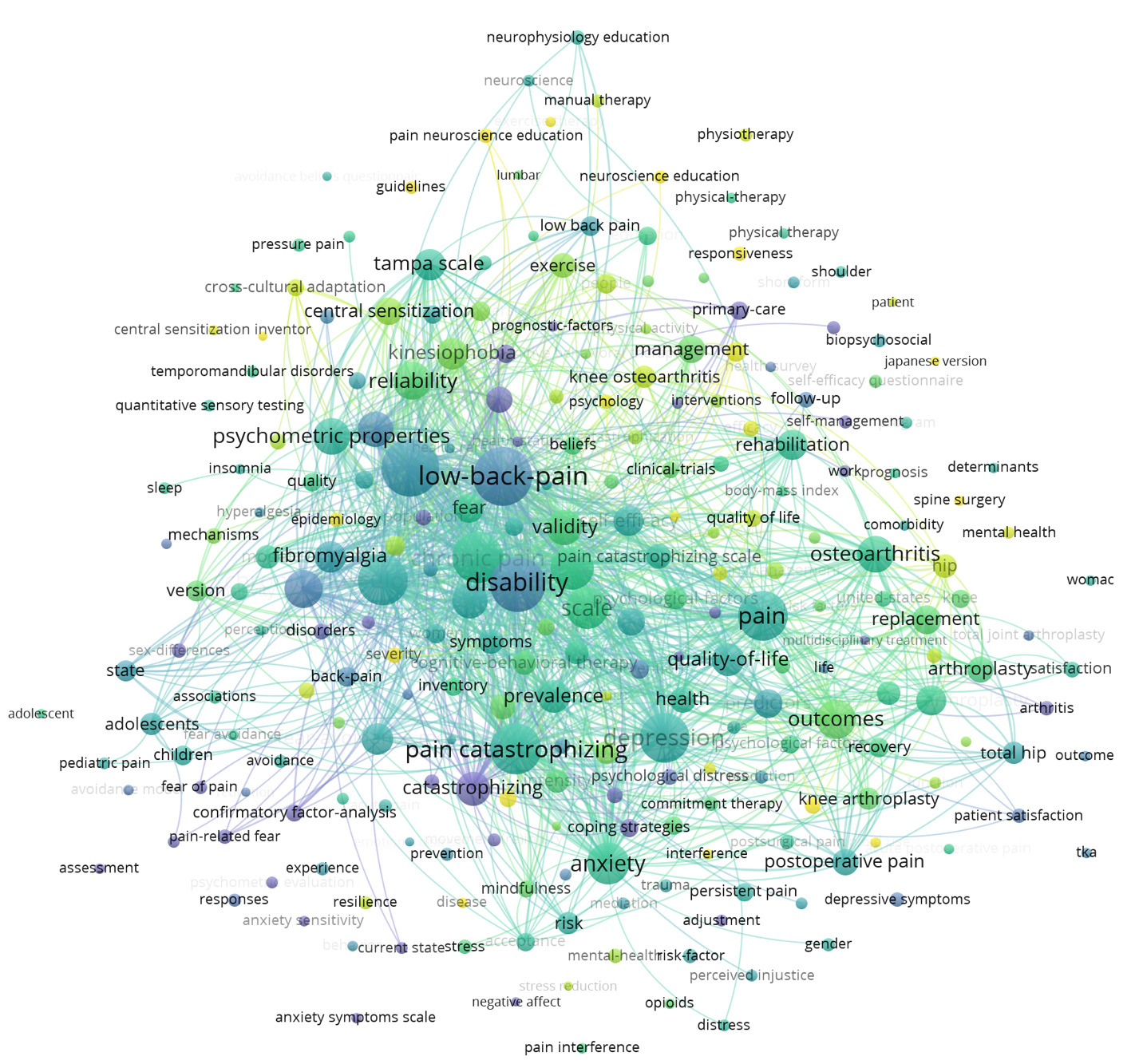
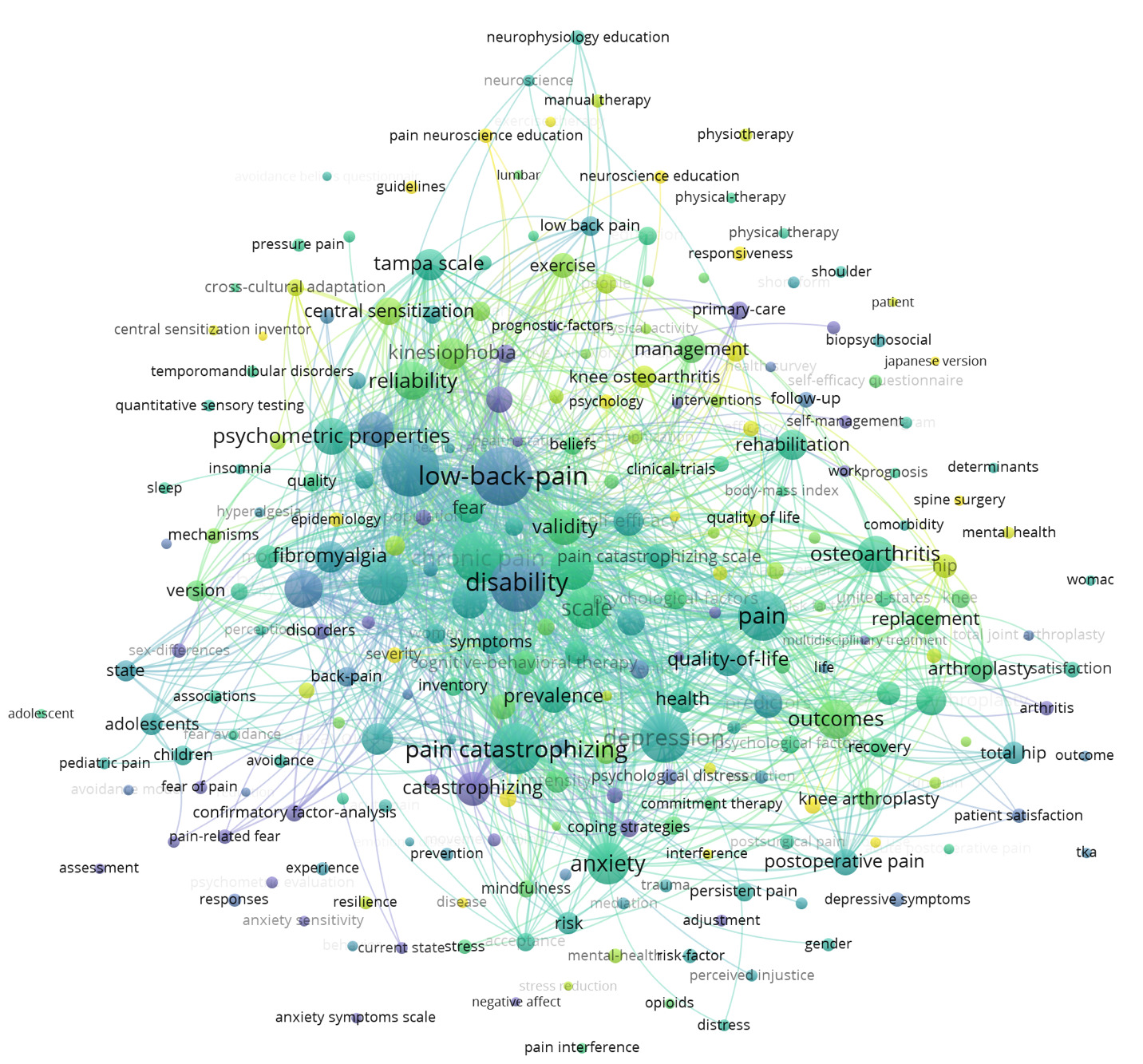
The keyword co-occurrence map revealed several interconnected thematic clusters within the pain catastrophizing literature. A central cluster was dominated by terms such as pain catastrophizing, disability, low back pain, chronic pain, anxiety, and depression, highlighting the strong relationship between catastrophizing and psychological distress, functional impairment, and chronic musculoskeletal pain conditions. A second cluster centered on rehabilitation, exercise, kinesiophobia, central sensitization, and management, reflecting the growing emphasis on behavioral and rehabilitation-based approaches to pain recovery. A third cluster focused on orthopedic outcomes, with prominent terms including osteoarthritis, arthroplasty, knee arthroplasty, replacement, postoperative pain, quality of life, and patient satisfaction, demonstrating the increasing integration of pain catastrophizing into perioperative and joint replacement research. Additional clusters involved psychometric evaluation and measurement science, characterized by terms such as Pain Catastrophizing Scale, validity, reliability, psychometric properties, and cross-cultural adaptation, indicating substantial efforts to validate catastrophizing assessment tools across diverse populations. Collectively, these findings suggest that contemporary research on pain catastrophizing has evolved from a primarily psychological construct toward a multidisciplinary field encompassing pain neuroscience, rehabilitation medicine, and orthopedic surgical outcomes.
Discussion
The first major finding of this analysis is that research on pain catastrophizing in orthopedic surgery appears to have experienced sustained expansion rather than episodic growth. This is clinically plausible; psychological and psychiatric realities have been more frequently studied over the last decade. Within this larger movement, evidence increasingly recognizes catastrophizing as one of the most relevant pain-specific constructs.5,10
The second major finding is that the field is structurally anchored in pain science rather than in clinical psychology alone. The strongest categories are Clinical Neurology, Anesthesiology, Rehabilitation, and Neurosciences, with Psychiatry and Clinical Psychology being relatively minor but still present. Catastrophizing refers to more than just emotional distress in the literature; it also relates to central sensitization, fear of movement, opioid consumption, and the consumption of healthcare services.9,15
From a psychiatric perspective, this is an important opportunity. Catastrophizing is not the same thing as depression or anxiety, but it commonly exists in the same clinical realm. Pain can worsen recognition and treatment of depression,21 and orthopedic teams should therefore view high PCS scores as a signal for support. Preoperative pathways that include brief screening, expectation-setting, and referral to pain psychology or psychiatry may make the literature more actionable.
The collaboration map is in line with this perception. Some leading investigators are in rehabilitation, pain neuroscience, perioperative pain, and behavioral medicine, so the hubs visible are not all orthopedic surgeons. This also helps explain why journals such as Pain, Journal of Pain, Clinical Journal of Pain, European Journal of Pain, and Pain Medicine are so prominent in the dataset.
Notably, the prominence of keywords such as osteoarthritis, arthroplasty, postoperative pain, and quality of life suggests that pain catastrophizing has become increasingly relevant within value-based orthopedic care, where patient-reported outcomes and recovery trajectories are now considered essential measures of surgical success.
A further implication is for intervention-based research. The field is evidently large enough now to warrant moving beyond observational prognostic studies. Systematic review evidence for total knee replacement suggests that interventions that target catastrophizing remain promising but methodologically uneven.12 This suggests the next phase of the literature may rely on better intervention timing, standardized outcome measures, and integrated pain-psychology and psychiatry expertise into orthopedic pathways, rather than merely demonstrating that catastrophizing matters.20
The prominence of arthroplasty, spine, and hip preservation literature suggests that pain catastrophizing has become increasingly relevant to modern orthopedic practice. As value-based care increasingly emphasizes patient-reported outcomes, psychological constructs such as catastrophizing may represent modifiable risk factors that influence postoperative satisfaction, rehabilitation adherence, opioid utilization, and return to function.
Limitations
At the record level, some of the visible counts in Web of Science figure outputs, including document types and subject categories, overlap. That is a known limitation of bibliometric reporting and one reason why these counts should never be naively summed to infer unique publication totals. The second limitation is methodological, as the project is limited to a single database, which is Web of Science. That is common in bibliometric research, but it excludes records indexed to Scopus, PubMed-only sources, Embase, Dimensions, or regional databases. A third limitation is temporal, whereby the 2026 counts are partial-year and hence not comparable outright to completed years. Bibliometric analysis, therefore, can provide information about productivity, structure, and visibility only, but not evidentiary quality or risk of bias.