
Introduction
Three-dimensional (3D) printing, also termed additive manufacturing, constructs physical objects layer by layer from digital models. In orthopedics, the technology spans anatomic models for education and preoperative planning, patient-specific surgical guides and instrumentation, custom implants, orthoses and prostheses, and bone or cartilage tissue-engineering applications.1,2
The appeal of additive manufacturing is particularly strong in musculoskeletal care because orthopedic procedures frequently involve complex three-dimensional anatomy and a need for precise restoration of alignment, implant fit, or bone geometry. Clinical reviews have described growing use in trauma, oncology, arthroplasty, spine surgery, and deformity correction, while randomized and comparative evidence suggests potential advantages for selected applications in operative time, blood loss, fluoroscopy exposure, and procedural accuracy.3–5
At the same time, clinical adoption remains heterogeneous. Patient-specific implants and guides may be especially useful in anatomically complex cases, but the evidence base varies by subspecialty and device type, and questions remain regarding long-term outcomes, cost-effectiveness, manufacturing standards, regulatory oversight, and scalability.2,5,6
The rapid expansion of this multidisciplinary field has also generated interest in mapping its scientific development. A 2025 bibliometric study restricted to publications indexed in the Web of Science Orthopedics category identified 412 eligible records through 2024 and demonstrated substantial recent growth and strong contributions from China.7
The present analysis takes a broader topic-based approach by combining 3D-printing terminology with orthopedic clinical and procedural terms across the Web of Science Core Collection. The objective was to characterize publication volume, geographic and institutional contributions, author collaboration, and keyword patterns in the wider research landscape of 3D printing in orthopedics.
Methods
Ethical Considerations
This study analyzed bibliographic metadata and did not involve human participants, identifiable patient information, animal subjects, or intervention. Institutional review board approval and informed consent were therefore not required.
Study Design and Reporting
A descriptive bibliometric analysis was performed. Reporting was guided by the BIBLIO recommendations for bibliometric reviews of biomedical literature.8
Database and Search Strategy
The Web of Science Core Collection was searched on June 16, 2026. The search was conducted in the Topic field using the following query:
TS=((“3D printing” OR “three-dimensional printing” OR “additive manufacturing” OR “rapid prototyping”) AND (orthopedic* OR orthopaedic* OR arthroplasty OR “joint replacement” OR “bone reconstruction” OR “spinal fusion” OR “fracture fixation”)) AND DT=(Article OR Review)
The search yielded 3,070 records. Bibliographic fields exported for analysis included publication year, authors, institutional affiliations, countries, citation counts, and author keywords. Only articles and reviews were included by the document-type filter. No additional language restriction was documented in the supplied search methodology.
Bibliometric and Network Analysis
VOSviewer was used to construct bibliometric maps and quantify network relationships.9
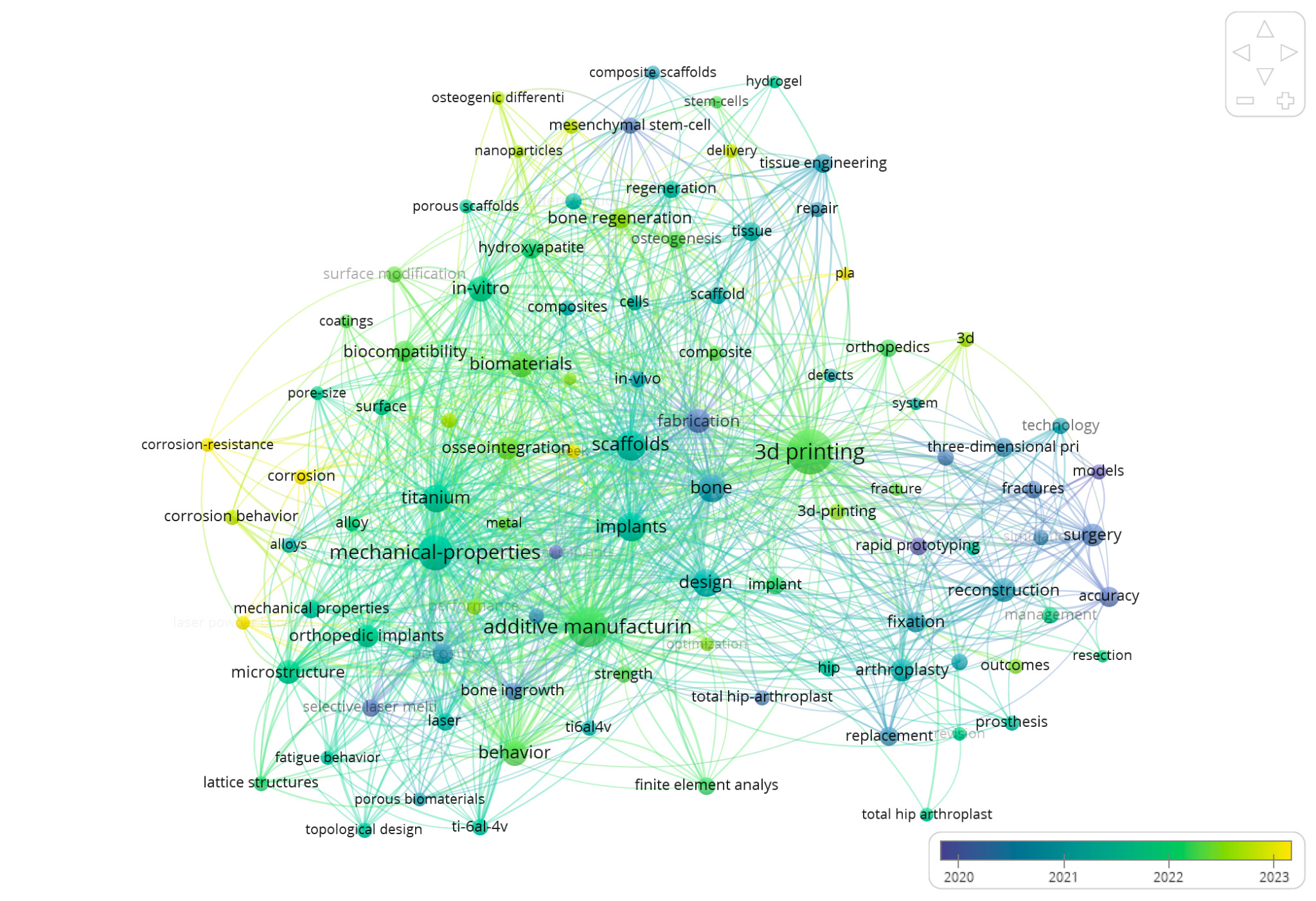
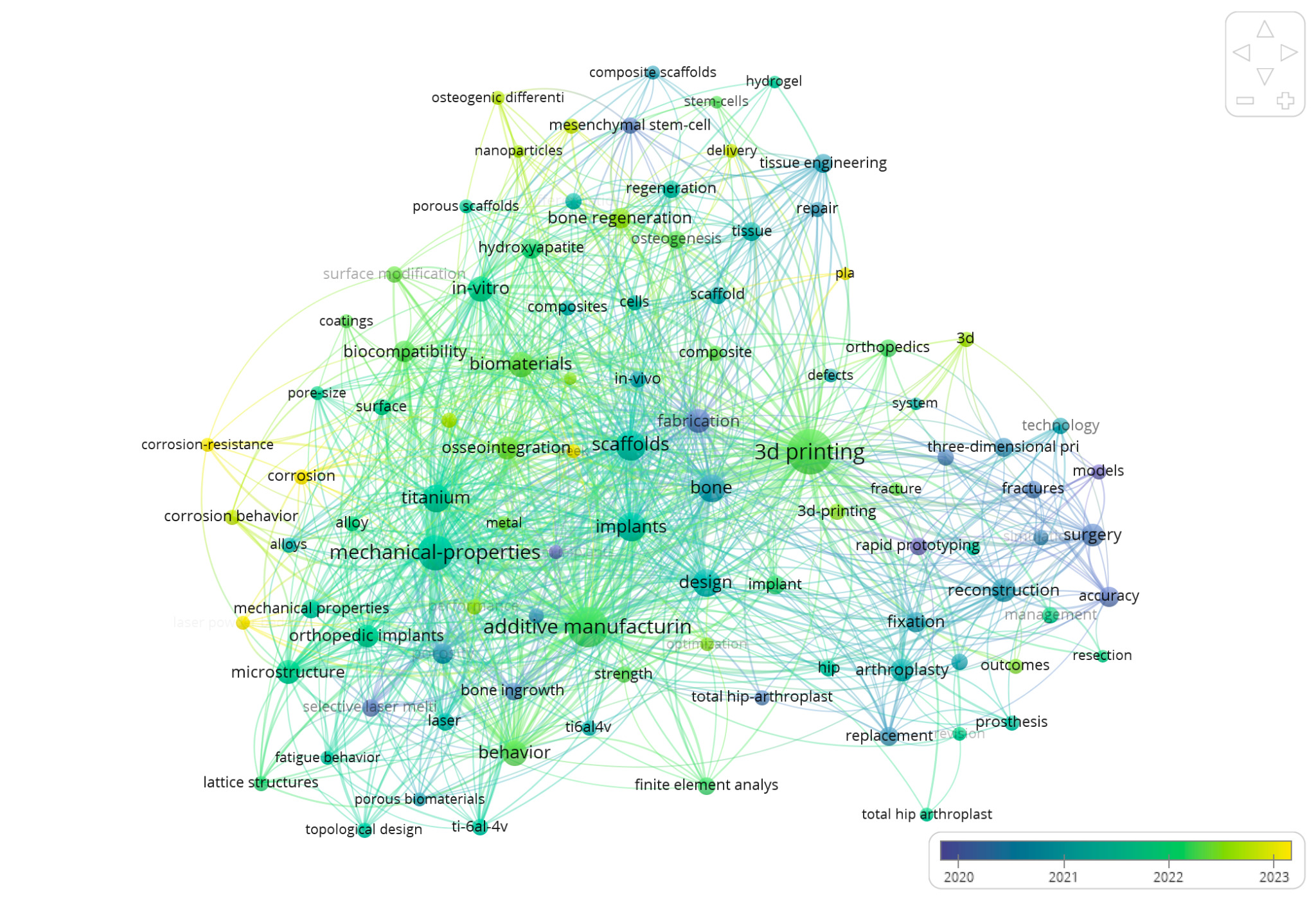
Author co-authorship analysis was used to characterize collaboration patterns. Total link strength was interpreted as a measure of network connectivity rather than publication productivity, citation impact, or research quality. Keyword co-occurrence analysis was performed with a minimum occurrence threshold of 42 and association-strength normalization. In the keyword overlay visualization, node size represents keyword frequency, links represent co-occurrence relationships, and color represents the average publication year associated with each term.
Microsoft Excel was used for descriptive tabulation and preparation of publication-count graphics. The archived source manuscript did not document the exact minimum-document threshold used for the author co-authorship map or the counting method applied in VOSviewer; these parameters are therefore not reconstructed here and are acknowledged as a reproducibility limitation.
Results
Overall Publication Volume and Geographic Distribution
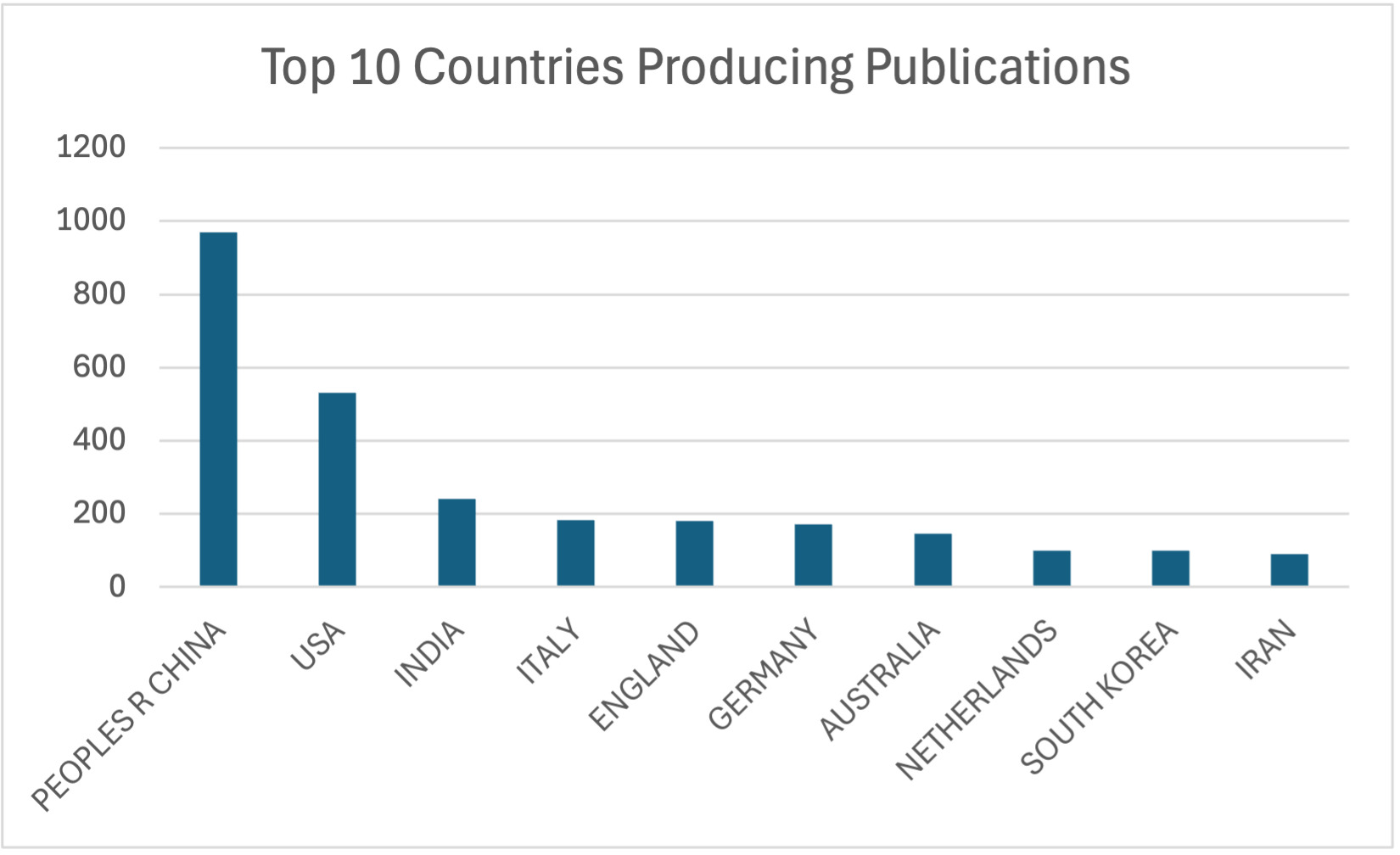
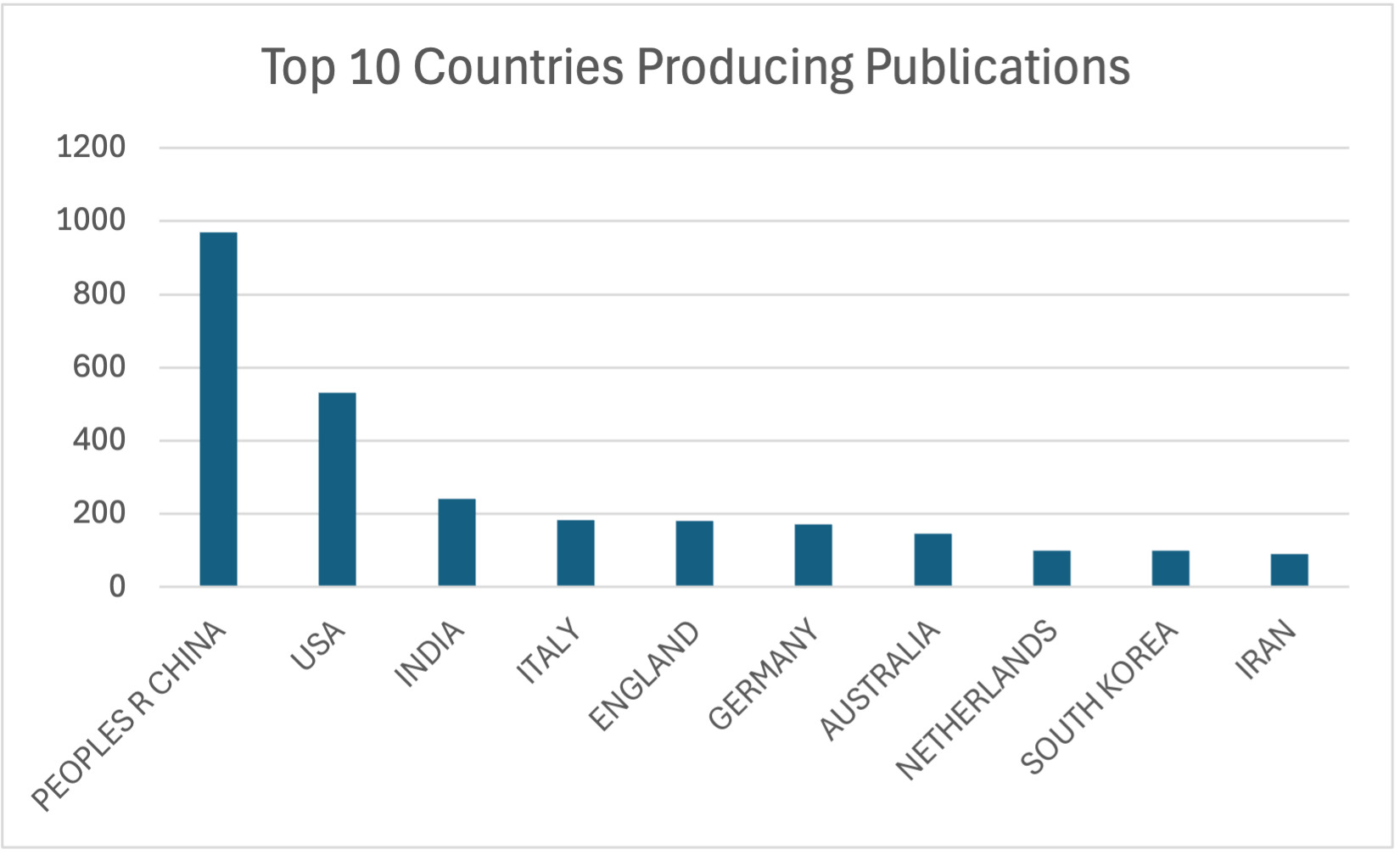
The search identified 3,070 publications spanning 1965 through June 2026. China produced 968 publications (31.6% of the corpus), the largest national contribution, followed by the United States with 531 publications (17.3%). The remaining leading countries are shown in Figure 1. Because the search included broad engineering and clinical terminology, country totals should be interpreted as contributions to the retrieved Web of Science corpus rather than a complete census of all orthopedic 3D-printing research.
Author Collaboration
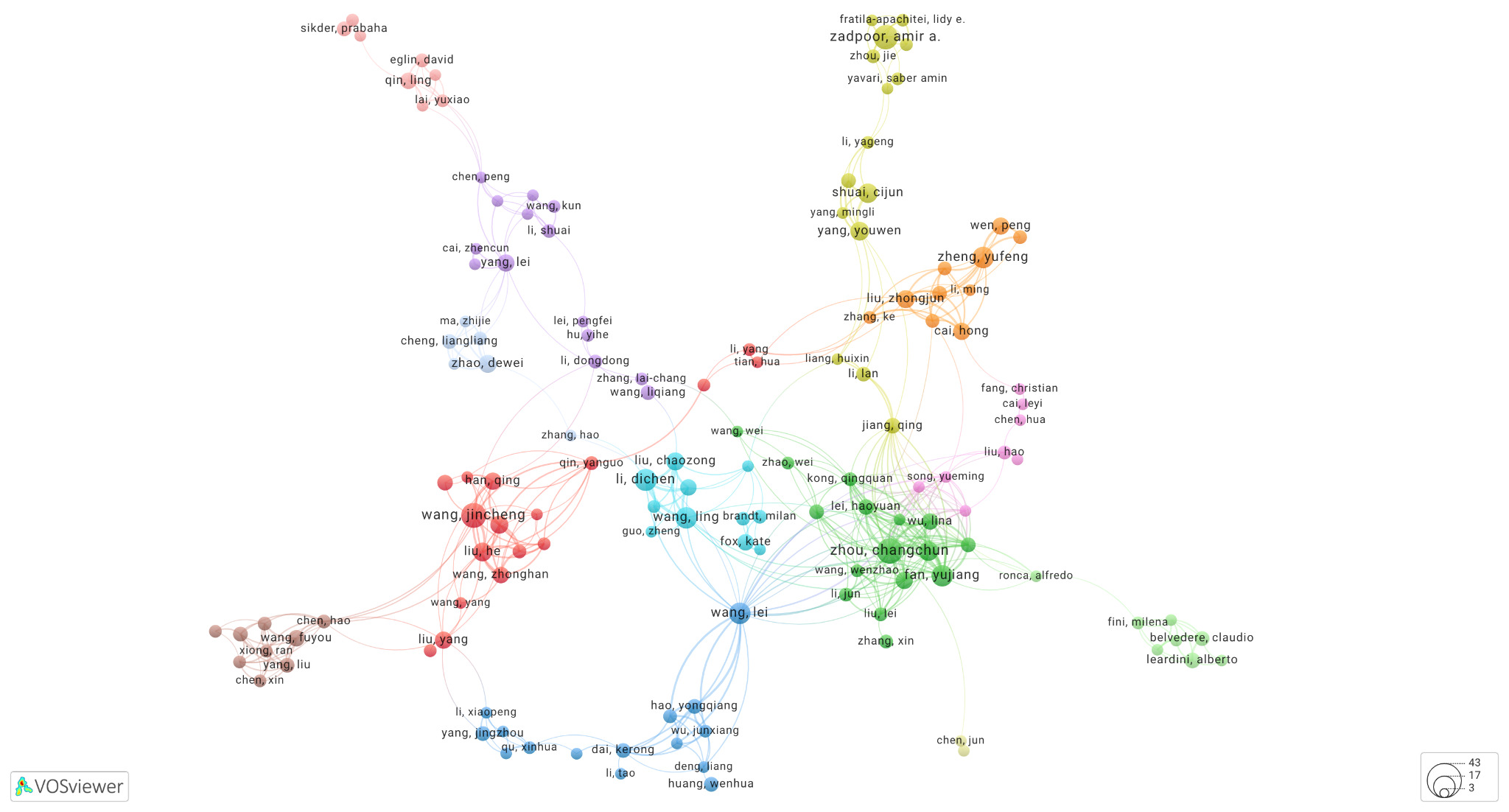
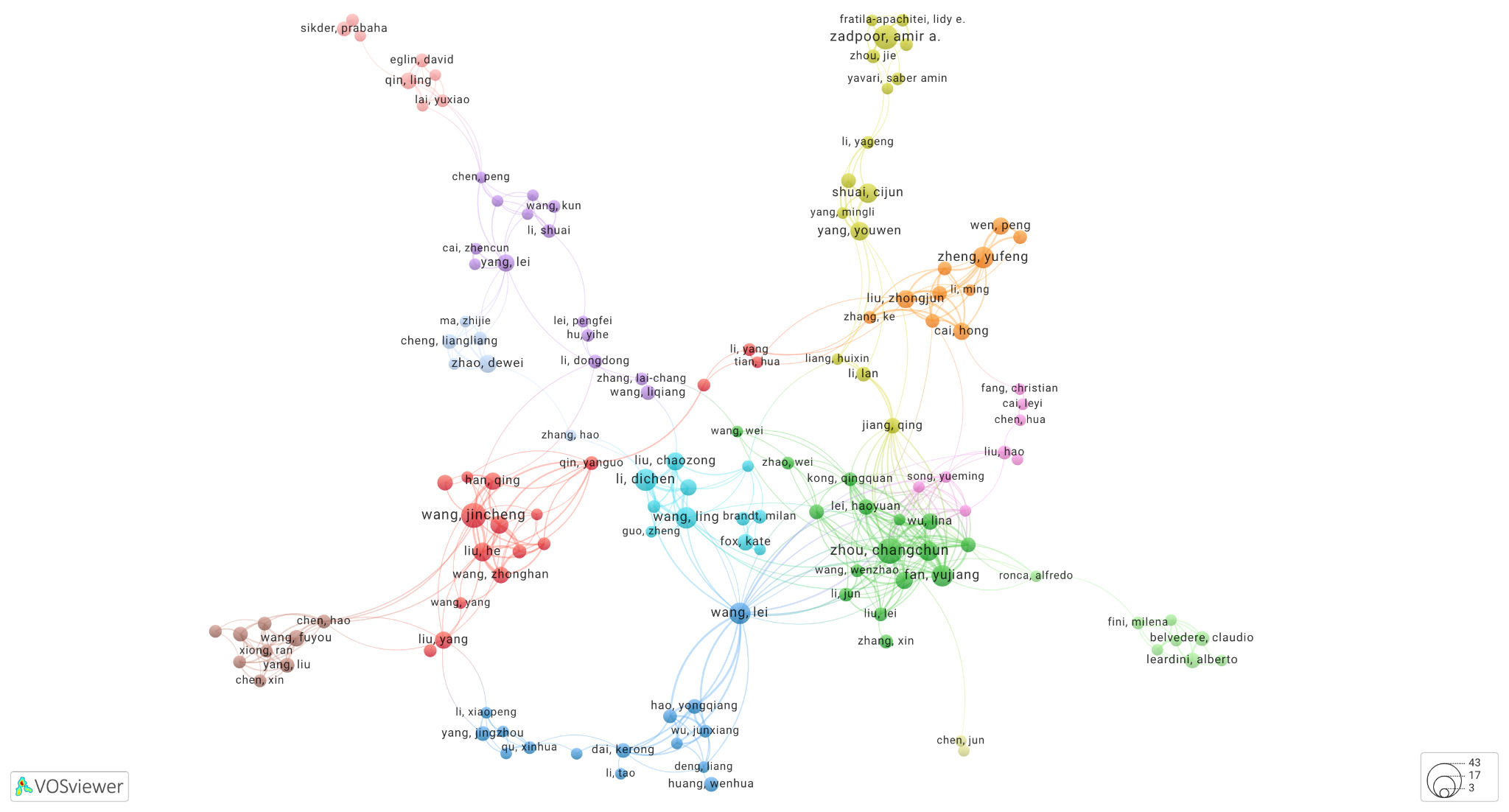
The co-authorship network demonstrated multiple connected author clusters (Figure 2). Changchun Zhou had the highest reported total link strength (116), followed by Yujiang Fan (94) and Lei Wang (68). These values indicate connectivity within the mapped co-authorship network and do not by themselves establish greater scientific impact or clinical influence.
Institutional Contributions
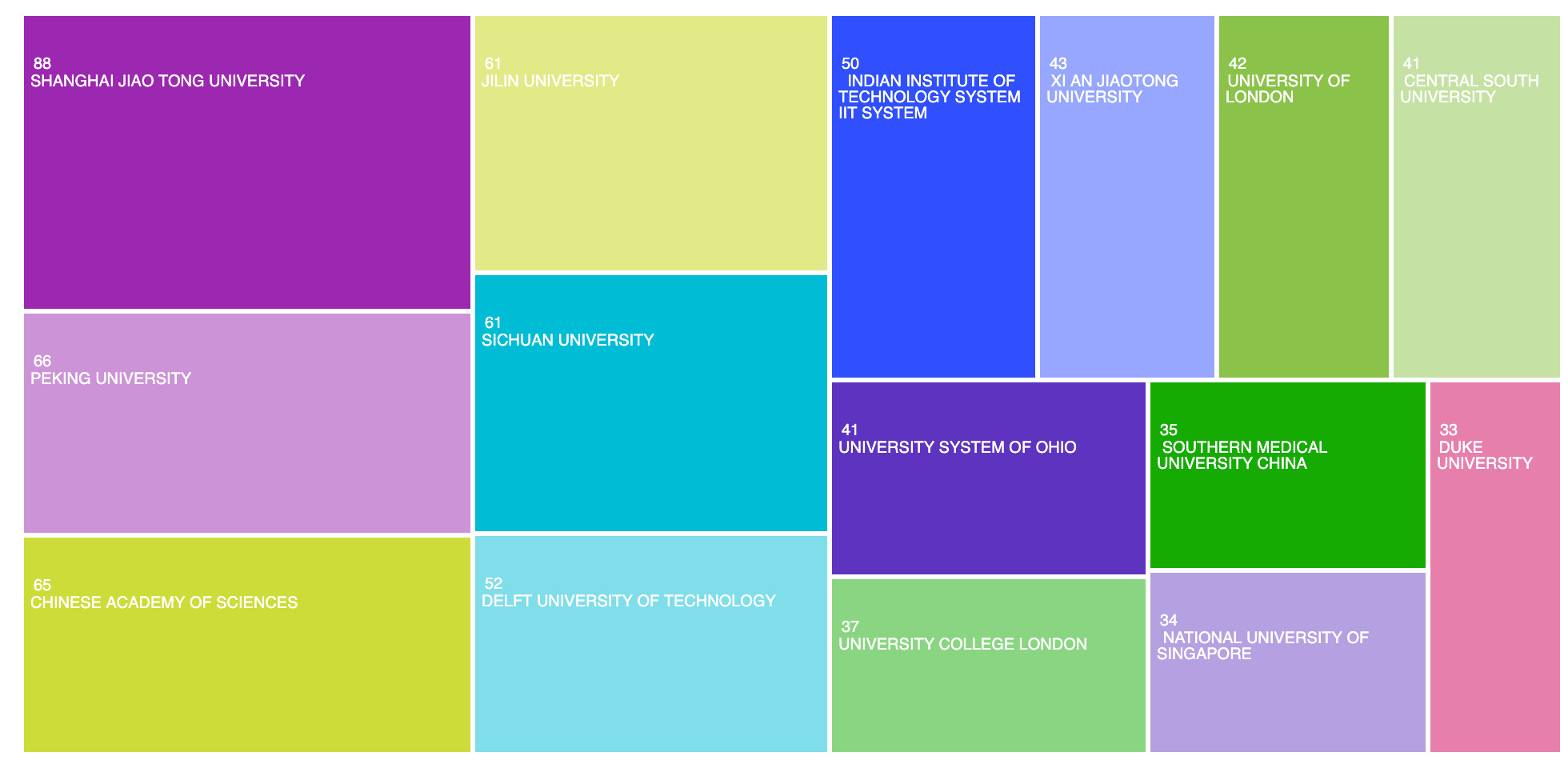
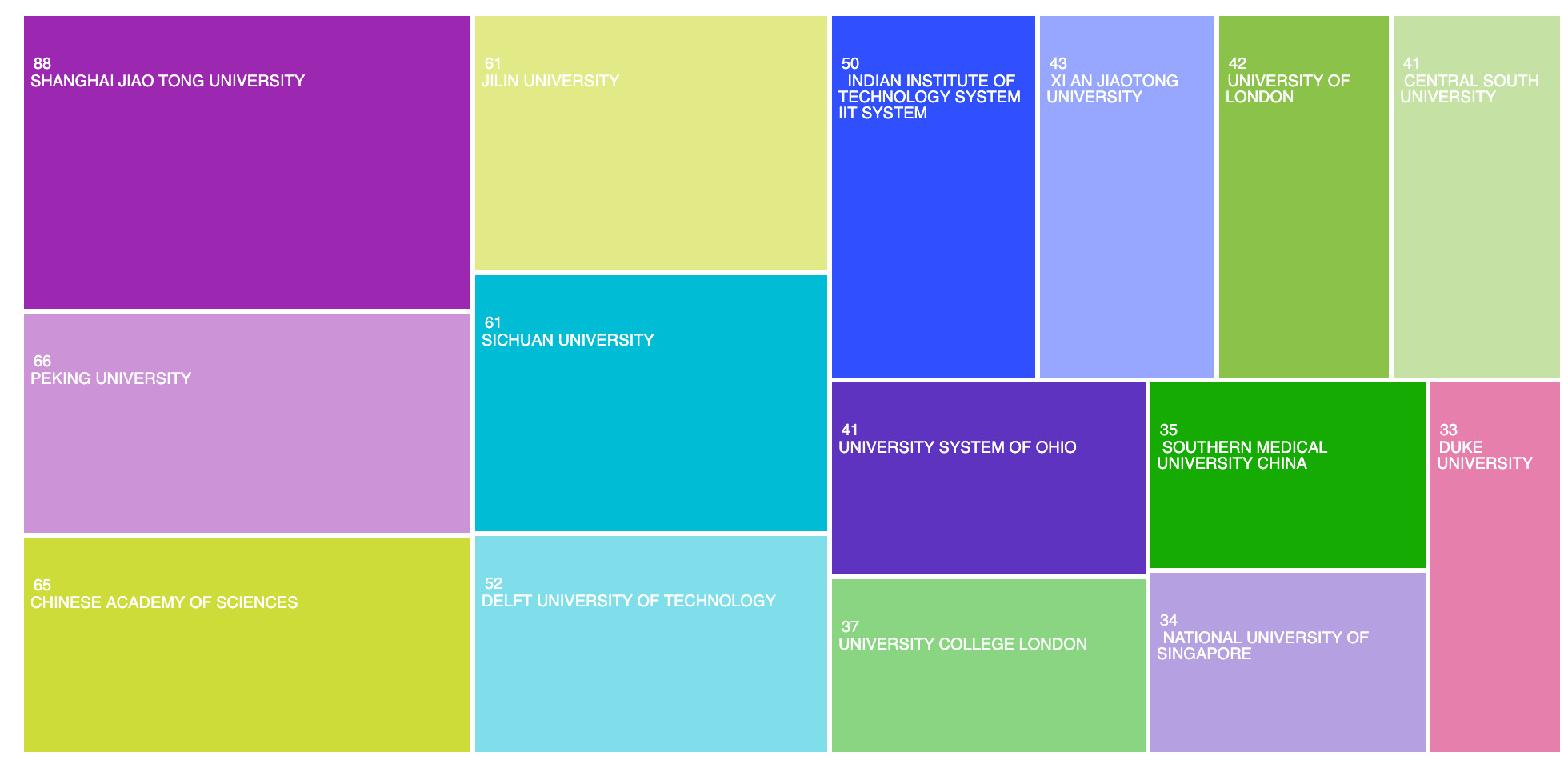
A total of 293 institutions were represented in the retrieved records. Shanghai Jiao Tong University had the largest publication count with 88 publications (2.9%), followed by Peking University with 66 (2.1%) and the Chinese Academy of Sciences with 65 (2.1%). The distribution of leading institutions is summarized in Figure 3 and demonstrates concentration among a relatively small group of high-output centers.
Temporal Trends
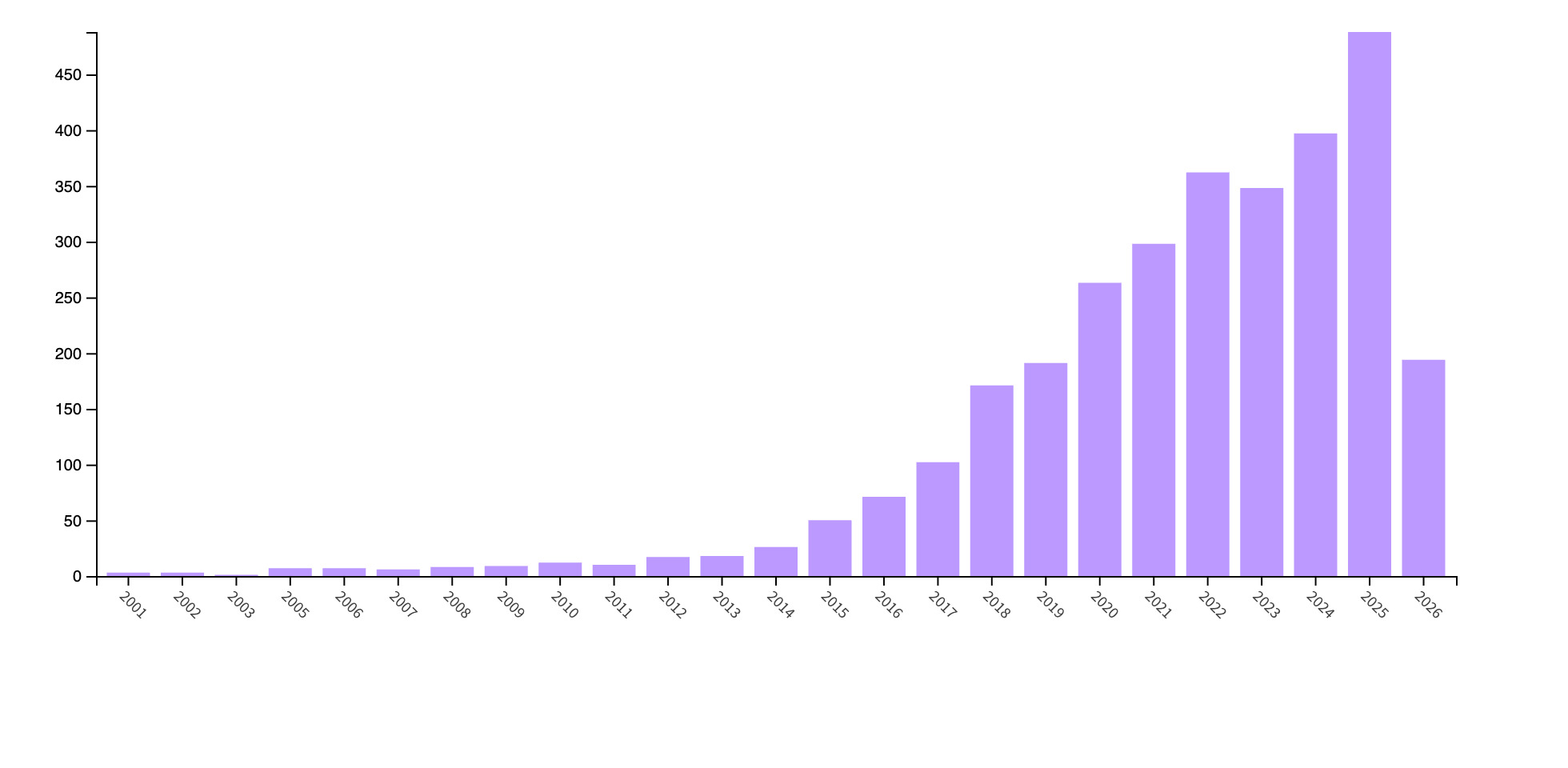
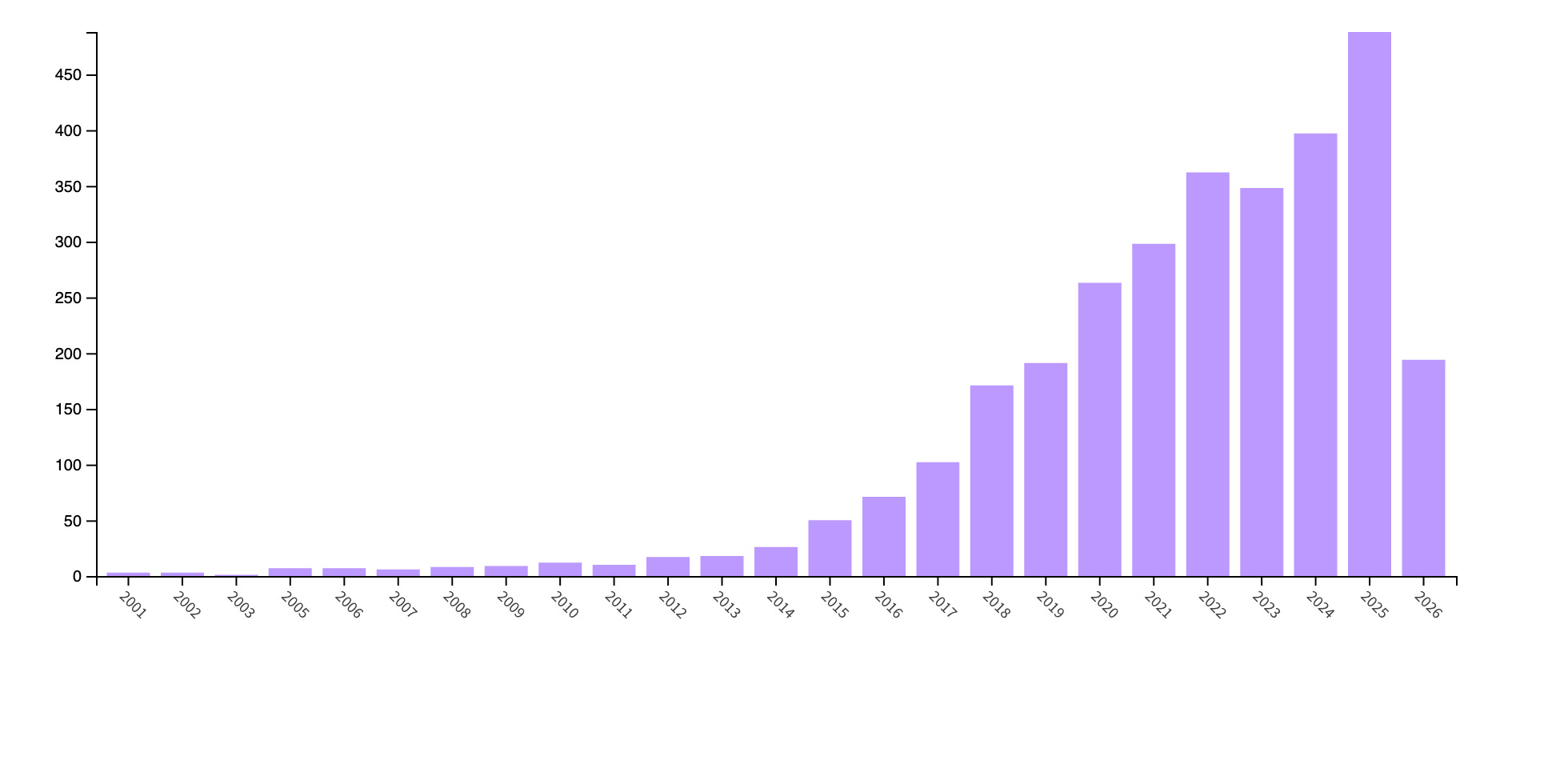
Publication output remained low through the early years of the dataset and increased markedly beginning around 2013-2014 (Figure 4). Overall, 91.7% of the retrieved publications were published from 2017 through 2026, and 2025 alone accounted for 15.9% of the corpus. The 2026 count is incomplete because the search was conducted on June 16, 2026 and should not be compared directly with complete calendar years.
Keyword Co-occurrence and Temporal Overlay
The most frequent keywords were “3d printing” (1,010 occurrences), “additive manufacturing” (738 occurrences), and “mechanical-properties” (558 occurrences). The keyword overlay map (Figure 5) shows a dense interdisciplinary network connecting 3D-printing terminology with materials, scaffolds, mechanical properties, orthopedic applications, and surgical concepts. Terms such as “corrosion-resistance” and “pla” appeared at later average publication years, whereas terms including “surgery” and “models” were associated with earlier average publication years in the displayed overlay. These color differences describe timing within the retrieved literature and do not by themselves establish a directional evolution of clinical practice.
Discussion
Principal Findings
This analysis demonstrates rapid growth and increasing interdisciplinarity in the literature linking 3D printing with orthopedic care. Three findings are particularly notable: publication activity accelerated sharply after 2013-2014; China and several Chinese institutions contributed a large proportion of the retrieved literature; and the keyword network links clinical orthopedic concepts with biomaterials and engineering terms. Together, these patterns portray 3D printing in orthopedics as a field situated at the interface of surgery, materials science, manufacturing, and regenerative medicine.
Growth of the Orthopedic 3D-Printing Literature
The sharp rise in publication activity is consistent with the broader expansion of 3D printing in orthopedic practice. Contemporary reviews describe applications in preoperative planning, surgical education, patient-specific guides, custom implants, and tissue engineering, with increasing accessibility of digital modeling and printing technologies facilitating broader investigation.1–3
Importantly, publication growth should not be interpreted as evidence of clinical effectiveness. A scoping review of randomized trials reported favorable pooled findings for several perioperative outcomes, while a recent systematic review of patient-specific surgical guides found that accuracy varies across procedures and that the strongest role may be in selected complex cases.4,5
The bibliometric trajectory therefore reflects scientific activity and attention, not the degree of routine adoption or the magnitude of patient benefit. Those questions require procedure-specific clinical studies and health-economic analyses.
A Broader Landscape Than Orthopedic Specialty Journals Alone
A recent bibliometric analysis focused on journals categorized as Orthopedics in Web of Science identified 412 publications through 2024.7
By contrast, the present topic-based search retrieved 3,070 records because it was designed to capture literature at the intersection of orthopedic terminology with additive manufacturing, biomaterials, and engineering. This broader scope helps explain why highly connected keywords include mechanical properties, scaffolds, and materials concepts rather than exclusively clinical procedure terms. It also underscores an important methodological point: bibliometric estimates depend strongly on database selection, category filters, search syntax, and screening rules. The two approaches are therefore complementary rather than directly interchangeable.
Geographic and Institutional Concentration
China accounted for nearly one-third of the retrieved corpus, and the three highest-output institutions were all based in China. Previous reviews of clinical orthopedic 3D-printing studies have likewise reported substantial Chinese representation, and the recent specialty-focused bibliometric analysis also identified China as a leading contributor.3,7
These findings establish geographic concentration in the indexed literature but do not identify its cause. National research investment, manufacturing capacity, clinical volume, institutional specialization, collaboration networks, and database indexing may all contribute. The current analysis did not evaluate funding sources, gross domestic research expenditure, author mobility, or national normalization metrics; causal explanations for country-level differences would therefore be speculative. Future bibliometric studies could examine publication output relative to research expenditure, population, or orthopedic procedure volume and could quantify international co-authorship directly.
Collaboration Networks
The author network identified Changchun Zhou, Yujiang Fan, and Lei Wang as highly connected contributors by total link strength. This metric is useful for describing collaboration structure but should not be conflated with productivity, citation impact, or scientific quality. A highly connected author may collaborate broadly without necessarily being the most prolific or most cited, and the reverse may also occur. Future analyses could report publications, citations, normalized citations, and total link strength as separate metrics and apply standardized author-name disambiguation.
From Models and Surgery Toward Materials and Functional Performance
The keyword overlay provides a useful view of the field’s interdisciplinary emphasis. Early orthopedic applications of 3D printing were strongly associated with anatomic models, surgical planning, guides, and custom manufacturing, whereas contemporary research increasingly addresses implant architecture, porous metals, scaffold design, mechanical properties, and biologic integration.1,2,10–15
This interpretation is also consistent with current work extending additive manufacturing toward osteochondral repair and multifunctional scaffolds for bone regeneration and oncologic reconstruction.16,17
The appearance of later-average-year terms such as corrosion resistance and PLA should not be interpreted simply as proof of “research gaps.” Rather, their position in the overlay suggests areas of more recent attention. Determining whether any topic is genuinely under-studied requires targeted evidence synthesis that considers clinical need, study quality, and the maturity of existing evidence—not keyword frequency alone.
Clinical Relevance and Future Research
The clinical literature suggests that 3D-printed technologies are most compelling when patient-specific anatomy creates challenges that conventional instrumentation or implants cannot easily address. Reviews of spinal implants and orthopedic surgical guides, for example, describe promising applications but also emphasize the limited long-term evidence and the need for stronger comparative studies.5,6
Future work should therefore move in two parallel directions. Bibliometric studies should use prospectively specified search strategies, reproducible thesaurus files, explicit VOSviewer settings, author and institution disambiguation, and multiple databases where feasible. Clinical research should prioritize long-term implant durability, complication and revision rates, comparative effectiveness, cost-effectiveness, regulatory and quality-control pathways, and multicenter evaluation of point-of-care manufacturing. These priorities are proposed from the broader orthopedic context and should not be interpreted as trends proven by the present maps.
Limitations
This study has several limitations. First, the analysis used only the Web of Science Core Collection; Scopus, PubMed/MEDLINE, Embase, regional databases, and other sources differ in journal coverage and citation indexing, so the retrieved corpus is database-dependent. Second, the topic-based search was intentionally broad. Terms such as “rapid prototyping,” “bone reconstruction,” and materials-related terminology can retrieve multidisciplinary or marginally orthopedic records, while relevant papers using unanticipated terminology may be missed. The presence of records dating to 1965 should be interpreted cautiously because early indexing may reflect legacy terminology rather than modern additive manufacturing as currently understood. Third, 2026 data are incomplete because the search was performed in June. Fourth, no English-language restriction was documented, but Web of Science coverage itself can introduce language and regional indexing bias. Fifth, citation measures are affected by publication age, field differences, and citation practices. Finally, the source analysis did not preserve all VOSviewer parameter details, including the exact minimum-document threshold for the author map and the counting method; this limits full reproducibility. Network position, node size, and total link strength should therefore be interpreted descriptively and not as measures of clinical importance or causal influence.
Conclusion
The Web of Science literature linking 3D printing and orthopedics has expanded rapidly, particularly since the mid-2010s. China was the largest national contributor, and several Chinese institutions ranked among the highest-output centers. Collaboration and keyword mapping demonstrate a multidisciplinary research environment connecting orthopedic surgery with additive manufacturing, biomaterials, mechanical properties, and scaffold technologies. These bibliometric findings describe the structure and trajectory of the literature rather than the clinical effectiveness of 3D-printed interventions. More reproducible bibliometric analyses and higher-quality clinical studies are needed to define where patient-specific printing, implants, and engineered biomaterials provide durable and cost-effective value in orthopedic care.