
1. Introduction
Pregnancy-related low back pain and pelvic girdle pain are prevalent musculoskeletal conditions that affect a substantial proportion of women during pregnancy. A recent systematic review and meta-analysis of cross-sectional studies estimated the pooled prevalence of pregnancy-related lumbopelvic pain at approximately 63%, with variation across trimesters, geographic regions, and population characteristics.1 Beyond pain itself, affected women frequently report impaired mobility, difficulty performing activities of daily living, disturbed sleep, reduced occupational participation, and diminished health-related quality of life, with symptoms persisting into the postpartum period in a subset of patients.2
Pregnancy-related lumbopelvic pain should not be regarded merely as a transient obstetric complaint, but rather as a multifactorial musculoskeletal disorder with important implications for orthopedic rehabilitation and conservative spine care. Its pathophysiology reflects complex interactions between biomechanical adaptation, hormonal influences, and neuromuscular dysfunction. Progressive gestational weight gain increases axial loading across the lumbar spine and pelvic structures, while anterior displacement of the maternal center of mass alters posture, gait mechanics, and lumbopelvic load distribution.3 Hormonal adaptations may further contribute to ligamentous laxity and impaired sacroiliac stability.4 Altered activation of deep stabilizing musculature and disrupted neuromuscular control may additionally compromise force closure and load transfer through the pelvic ring, thereby perpetuating pain and functional impairment.5 The European guidelines for pelvic girdle pain similarly recognize this multifactorial biomechanical framework as central to clinical classification and management.6
Pharmacological pain management during pregnancy is constrained by maternal and fetal safety considerations, limiting routine reliance on systemic analgesic strategies. Consequently, nonpharmacologic interventions have become a central component of conservative management for pregnancy-related lumbopelvic pain. Therapeutic approaches investigated in this setting include acupuncture, transcutaneous electrical nerve stimulation, kinesio taping, exercise-based rehabilitation, manual therapy, spinal manipulation, and osteopathic manipulative treatment.7 These interventions target different mechanistic domains, including pain modulation, biomechanical support, neuromuscular restoration, and functional rehabilitation.
Despite increasing clinical interest in these interventions, the evidence base remains fragmented and difficult to interpret. Randomized controlled trials evaluating conservative therapies vary substantially in intervention design, treatment dosage, comparator selection, gestational timing, follow-up duration, and outcome measurement methodology. Functional disability has been assessed using heterogeneous validated instruments capturing overlapping but nonidentical constructs, while pain outcomes have similarly been measured using differing scales and assessment intervals.8 A systematic review of conservative therapy for pregnancy-related low back pain concluded that the available randomized evidence was insufficient to confidently recommend any specific therapeutic approach because of methodological limitations and small study sizes.9 A modality-specific meta-analysis evaluating kinesio taping similarly identified substantial heterogeneity in pooled pain and disability outcomes, underscoring the limitations of narrow intervention-specific syntheses.10 Consequently, the overall magnitude and consistency of nonpharmacologic intervention effects across the broader spectrum of pregnancy-related lumbopelvic pain remain insufficiently defined.
A synthesis restricted to randomized controlled trials is therefore warranted to provide the most methodologically rigorous estimate of treatment effects in this population.
Pain intensity and functional disability represent the most clinically relevant patient-centered outcomes in musculoskeletal rehabilitation, and their quantitative synthesis is essential for informing evidence-based conservative management. Therefore, this systematic review and meta-analysis aimed to synthesize randomized controlled trial evidence evaluating the effects of nonpharmacologic interventions on pain intensity and functional outcomes in pregnancy-related low back and pelvic pain.
2. Methods
2.1. Study Design and Reporting Standards
This study was conducted as a systematic review and meta-analysis of randomized controlled trials evaluating conservative musculoskeletal interventions for pregnancy-associated low back and pelvic pain. The review focused on nonpharmacologic therapeutic modalities intended to improve pain intensity and functional disability in symptomatic pregnant populations. Reporting was performed in accordance with the Preferred Reporting Items for Systematic Reviews and Meta-Analyses (PRISMA 2020) statement. No prospectively registered review protocol was available.
2.2. Eligibility Criteria
Study eligibility was defined according to the PICOS framework. The target population included pregnant women with pregnancy-associated low back pain, pelvic girdle pain, or mixed lumbopelvic pain syndromes. Eligible interventions included conservative musculoskeletal therapeutic modalities such as acupuncture, transcutaneous electrical nerve stimulation, kinesio taping, spinal manipulation, osteopathic manipulative treatment, manual therapeutic approaches, and Tui Na therapy. Comparator groups included usual obstetric care, standard care, sham interventions, physiotherapy comparators, medication-supported conservative care, and other active comparator interventions.
The primary outcomes were post-intervention pain intensity and functional disability measured using validated continuous assessment instruments, including the Visual Analog Scale, Numeric Pain Rating Scale, Roland Morris Disability Questionnaire, Oswestry Disability Index, Pelvic Girdle Questionnaire, and Disability Rating Index.
Only randomized controlled trials were eligible for inclusion. Observational studies, quasi-experimental studies, case reports, conference abstracts without extractable numerical outcome data, narrative reviews, systematic reviews, duplicate publications, and studies involving nonpregnant populations or mixed cohorts without pregnancy-specific extractable data were excluded.
2.3. Literature Search and Information Sources
A systematic electronic literature search was performed across PubMed/MEDLINE, Scopus, and Web of Science from database inception through February 28, 2026. The search strategy combined controlled vocabulary and free text terms related to pregnancy-associated low back pain, pelvic girdle pain, mixed lumbopelvic pain syndromes, conservative musculoskeletal interventions, and randomized trial methodology.
Representative search terms included: (“pregnancy associated low back pain” OR “pregnancy related low back pain” OR “pelvic girdle pain” OR “lumbopelvic pain”) AND (“acupuncture” OR “transcutaneous electrical nerve stimulation” OR TENS OR “kinesio taping” OR “manual therapy” OR “spinal manipulation” OR “osteopathic manipulative treatment” OR “Tui Na”) AND (randomized OR randomised OR “randomized controlled trial” OR RCT) Search syntax was adapted according to the indexing structure and technical requirements of each database. Duplicate records were removed before screening.
2.4. Study Selection
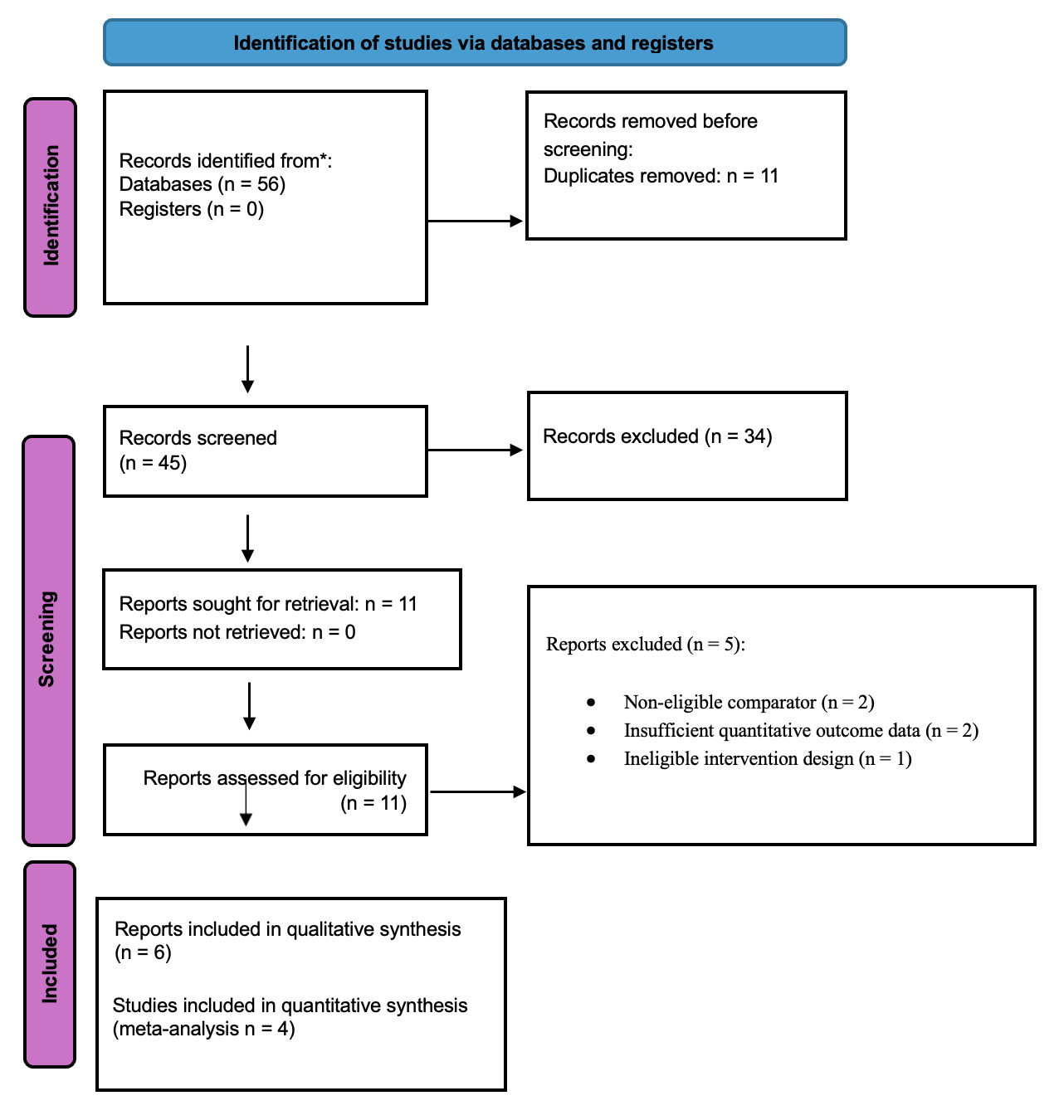
Study screening was conducted in two sequential stages. Titles and abstracts were initially assessed against predefined eligibility criteria, followed by full-text review of potentially relevant studies. Screening decisions were performed by a single investigator using standardized eligibility criteria applied consistently throughout the selection process. The complete study selection pathway was documented using a PRISMA flow diagram.
2.5. Data Extraction
Data extraction was performed using a predefined structured extraction framework. Extracted variables included publication year, country, study design, participant characteristics, gestational stage, intervention details, comparator characteristics, sample size, follow-up duration, outcome definitions, and continuous numerical outcome data required for quantitative synthesis.
For studies reporting multiple post-intervention assessment points, the earliest post-intervention assessment considered clinically comparable across studies was selected to improve consistency across pooled analyses. For multi-arm randomized trials, comparator handling was performed carefully to avoid unit-of-analysis errors and duplicate participant contribution.
2.6. Risk of Bias Assessment
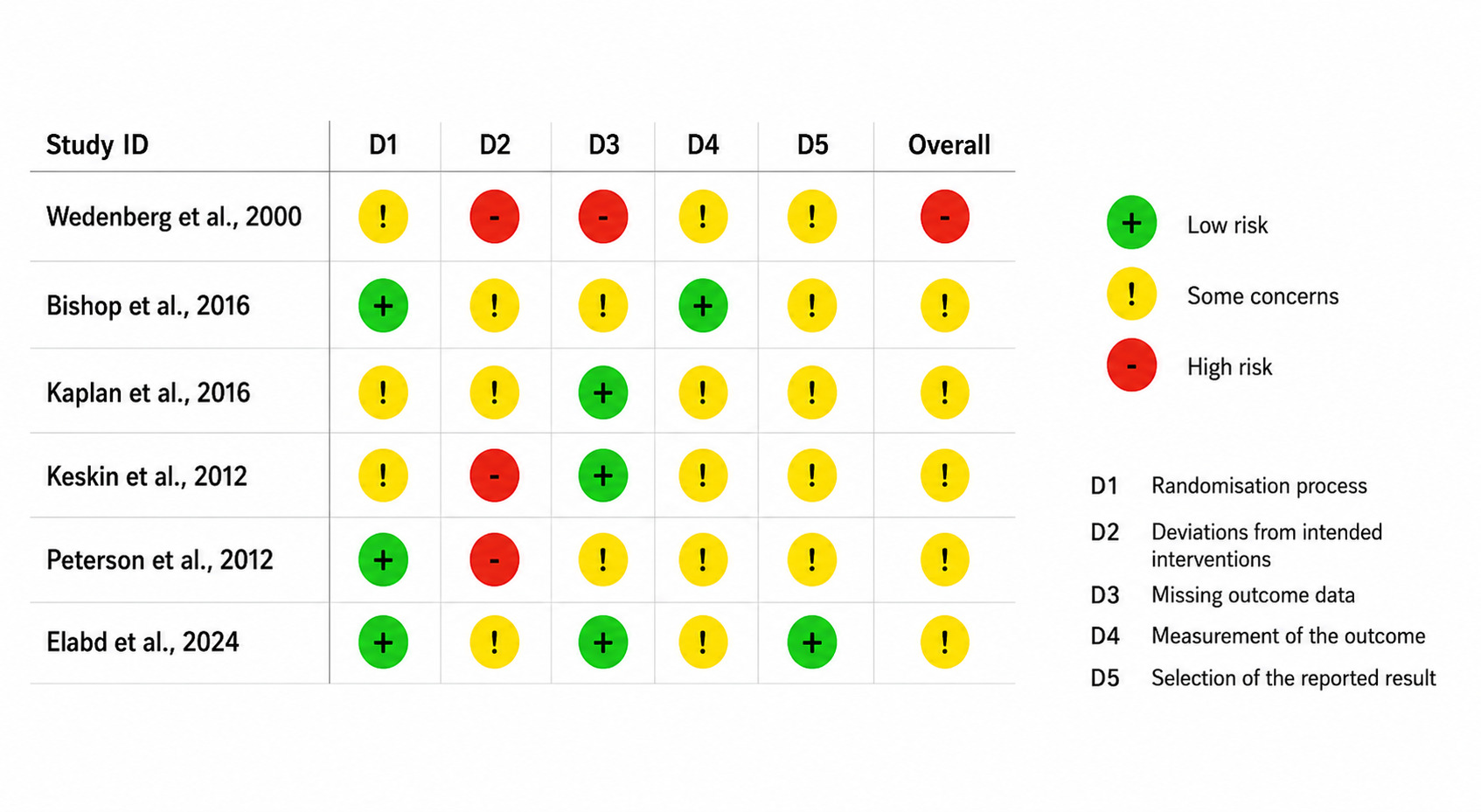
Methodological quality was assessed using the Cochrane Risk of Bias 2 tool for randomized controlled trials. Assessment domains included bias arising from the randomization process, bias due to deviations from intended interventions, bias resulting from missing outcome data, bias in outcome measurement, and bias in selection of the reported result. Overall study judgments were categorized as low risk of bias, some concerns, or high risk of bias according to established RoB 2 guidance.
2.7. Statistical Analysis
Quantitative synthesis was undertaken when at least two randomized controlled trials reported sufficiently comparable continuous outcome data suitable for pooling. Because pain intensity and functional disability were assessed using different validated measurement instruments across studies, pooled treatment effects were calculated as standardized mean differences using Hedges g with corresponding 95% confidence intervals. Studies lacking directly extractable or methodologically comparable post-intervention continuous outcome data for the primary pooled analyses were retained for qualitative synthesis and, where appropriate, exploratory subgroup interpretation.
Random-effects meta-analysis was used because clinical and methodological heterogeneity across intervention modalities was anticipated. Pain intensity and functional disability were analyzed as separate quantitative endpoints. Negative effect estimates favored active intervention.
Between-study heterogeneity was assessed using Cochran’s Q statistic, the I² statistic, and between-study variance expressed as τ². I² values of approximately 25%, 50%, and 75% were interpreted as low, moderate, and substantial heterogeneity, respectively. Exploratory subgroup analysis was performed for pain outcomes according to intervention class, including acupuncture-based interventions, device-assisted interventions, and manual or manipulative therapeutic approaches.
Formal assessment of publication bias was not performed because fewer than ten studies contributed to each pooled quantitative analysis, limiting interpretability of funnel plot-based methods. All statistical analyses were performed using Review Manager (RevMan), version 5.4.
3. Results
3.1. Study Selection
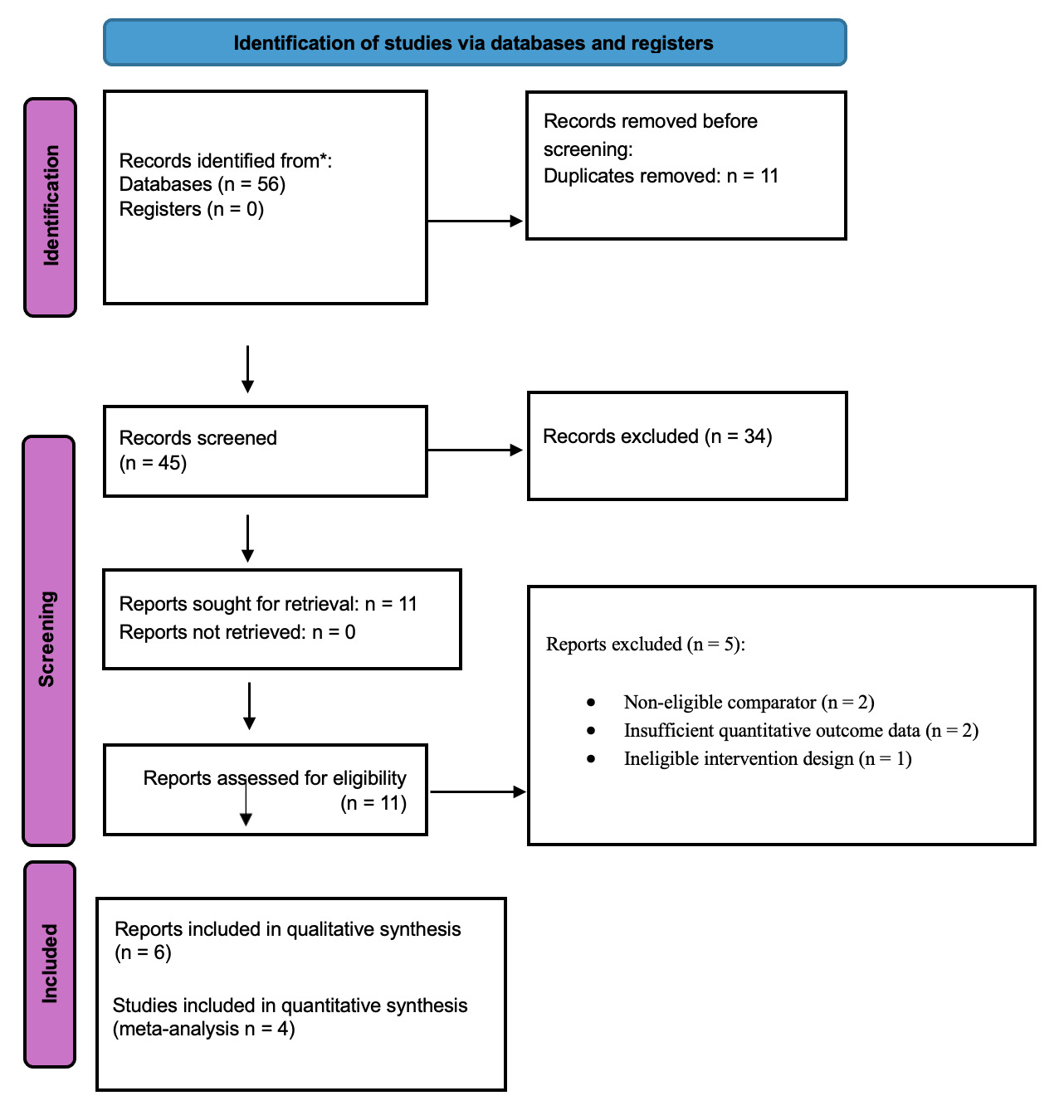
A systematic search across the selected electronic databases identified 56 records (Figure 1). After removal of 11 duplicate records, 45 studies remained for title and abstract screening. Of these, 34 records were excluded because they did not meet the predefined eligibility criteria, including non-randomized study designs, non-pregnancy populations, irrelevant intervention types, pharmacological interventions without an eligible conservative comparator, review articles, conference abstracts, and studies unrelated to pregnancy related low back or lumbopelvic pain. A total of 11 full text articles were assessed for eligibility. Following full text review, 5 studies were excluded for the following reasons: non-eligible comparator design (n = 2), insufficient extractable quantitative outcome data (n = 2), and ineligible intervention design (n = 1). Ultimately, six randomized controlled trials met the inclusion criteria and were included in the qualitative synthesis. Of these, four studies provided sufficiently complete and directly extractable post-intervention outcome data for inclusion in the primary quantitative meta-analyses of pain intensity and functional disability. The remaining studies contributed to qualitative synthesis and exploratory subgroup interpretation where methodologically appropriate.
3.2. Study Characteristics
A total of six randomized controlled trials comprising 436 participants were included in the qualitative synthesis. The included studies were published between 2000 and 2024, representing both early and contemporary randomized evidence on conservative interventions for pregnancy related low back pain and lumbopelvic pain. Studies were conducted across geographically diverse healthcare settings, including Sweden, the United Kingdom, Turkey, the United States, and Egypt, enhancing contextual diversity across the evidence base.
The included interventions demonstrated substantial clinical heterogeneity and encompassed several conservative therapeutic approaches. For structured interpretation, interventions were conceptually grouped into acupuncture-based interventions, device assisted interventions, and manual or manipulative interventions. Acupuncture based approaches included traditional acupuncture protocols, device assisted interventions included transcutaneous electrical nerve stimulation and kinesio taping, while manual interventions included spinal manipulation, osteopathic manipulative treatment, and Tui Na based therapy. Comparator conditions varied and included physiotherapy, exercise-based care, sham intervention, standard care, usual obstetric care, and medication supported conservative management.
Pain intensity was the most consistently reported outcome and was assessed using validated but heterogeneous instruments, primarily the Visual Analog Scale (VAS) and Numeric Pain Rating Scale (NPRS). Functional disability was also commonly evaluated using validated instruments, including the Roland Morris Disability Questionnaire (RMDQ), Oswestry Disability Index (ODI), Pelvic Girdle Questionnaire (PGQ), and Disability Rating Index (DRI). Follow up durations ranged from short term post intervention assessment to longitudinal monitoring until delivery, depending on study design.
Most studies enrolled women during the second or third trimester of pregnancy, although eligibility criteria and intervention timing varied across trials. Sample sizes ranged from 50 to 115 participants, reflecting the relatively modest scale of the available randomized evidence. Detailed study level characteristics are summarized in Table 1.
3.3. Quantitative Synthesis of Pain Intensity
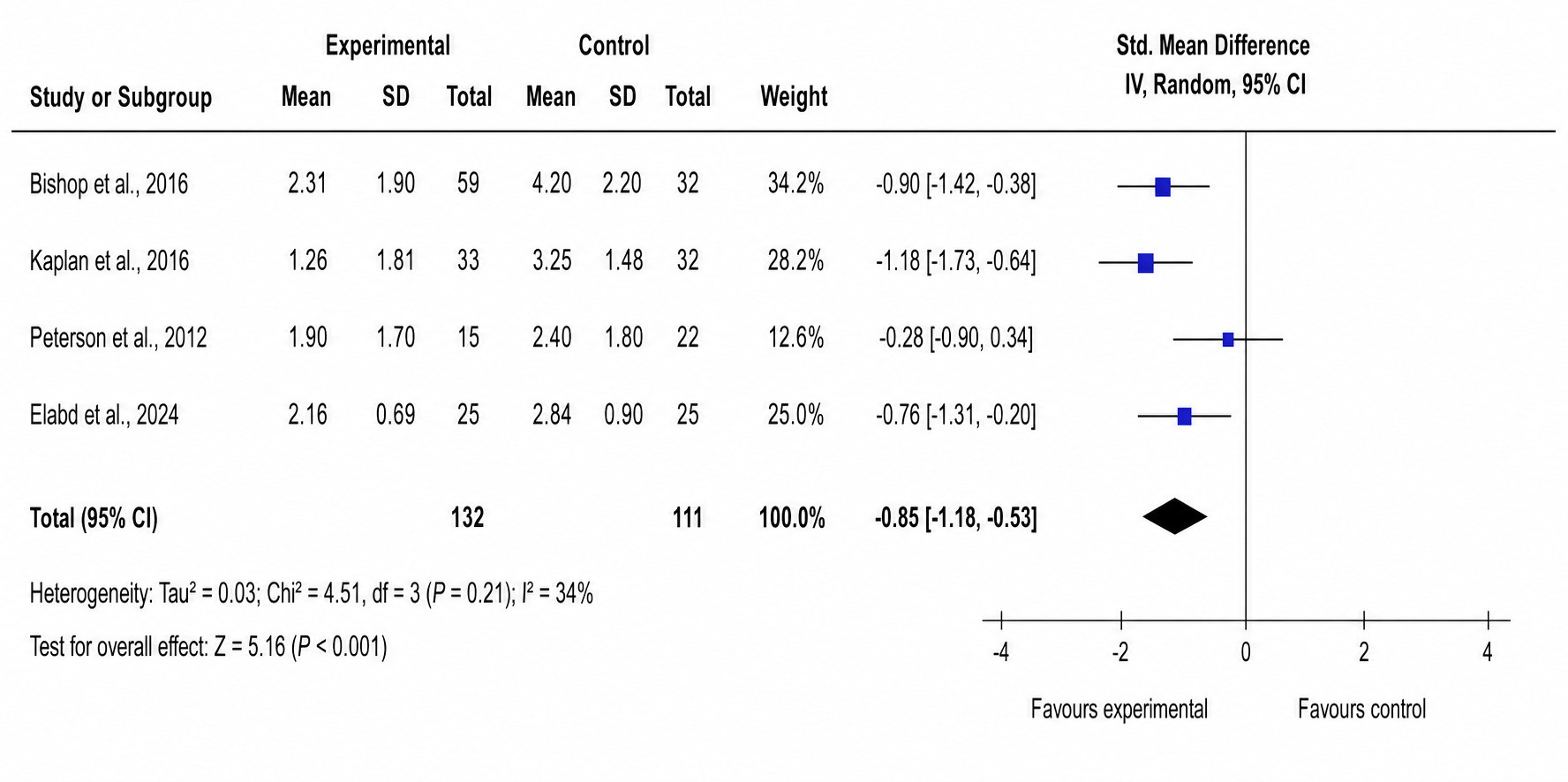
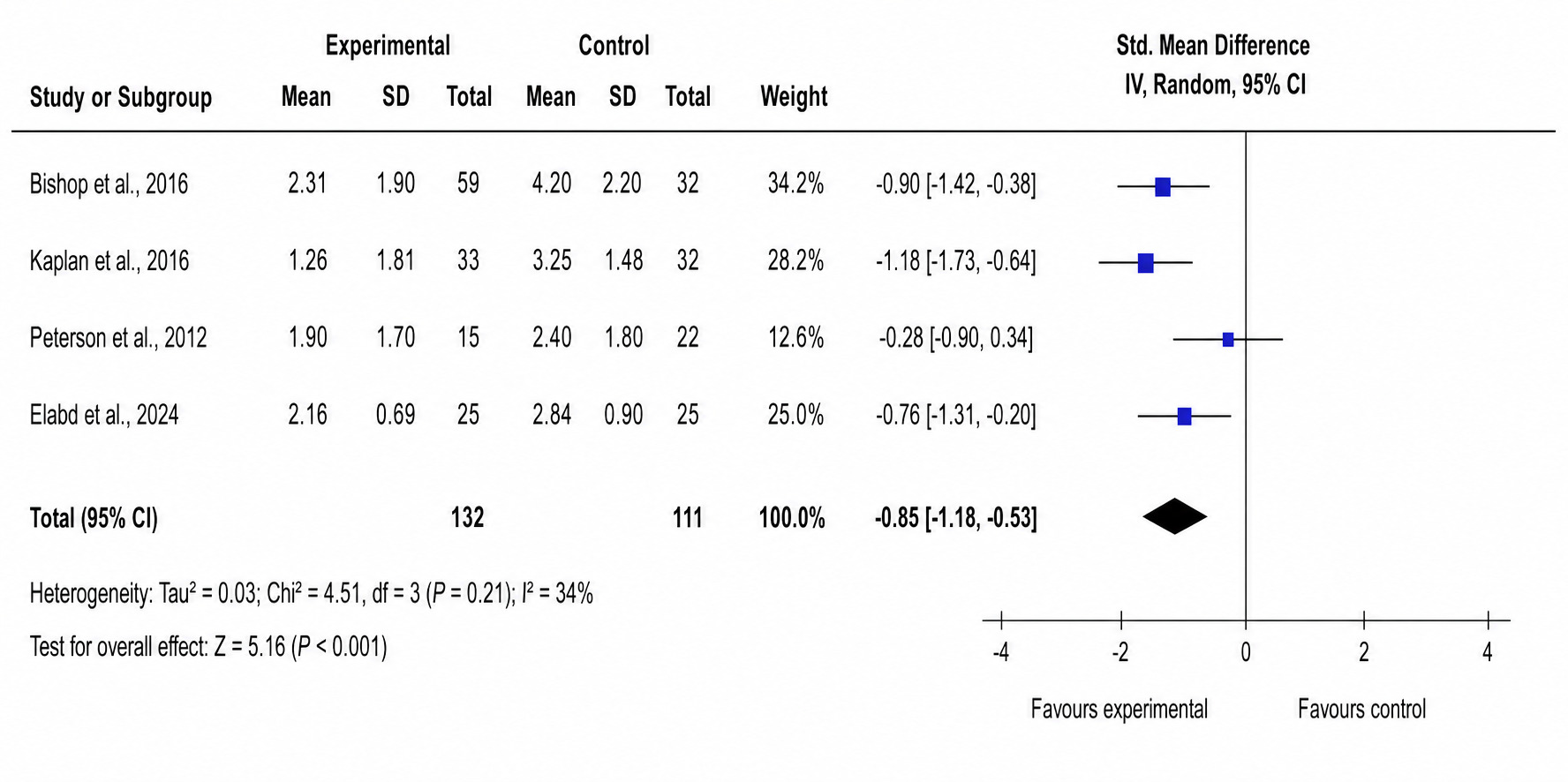
A random effect meta-analysis using Hedges g standardized mean differences was performed to quantify differences in pain intensity between active rehabilitation interventions and control conditions. Four randomized controlled trials contributed directly extractable quantitative pain data and were included in the primary meta-analysis. Active rehabilitation interventions were associated with a statistically significant reduction in pain intensity compared with control groups (pooled SMD = −0.85, 95% CI −1.18 to −0.53; Z = 5.16, P < 0.001) (Figure 2). Between study heterogeneity was moderate and not statistically significant (I² = 34%, τ² = 0.03; χ² = 4.51, df = 3, P = 0.21). These findings indicate a consistent overall treatment effect favoring nonpharmacologic rehabilitation interventions for reducing pregnancy related lumbopelvic pain.
3.4. Quantitative Synthesis of Functional Disability Outcomes
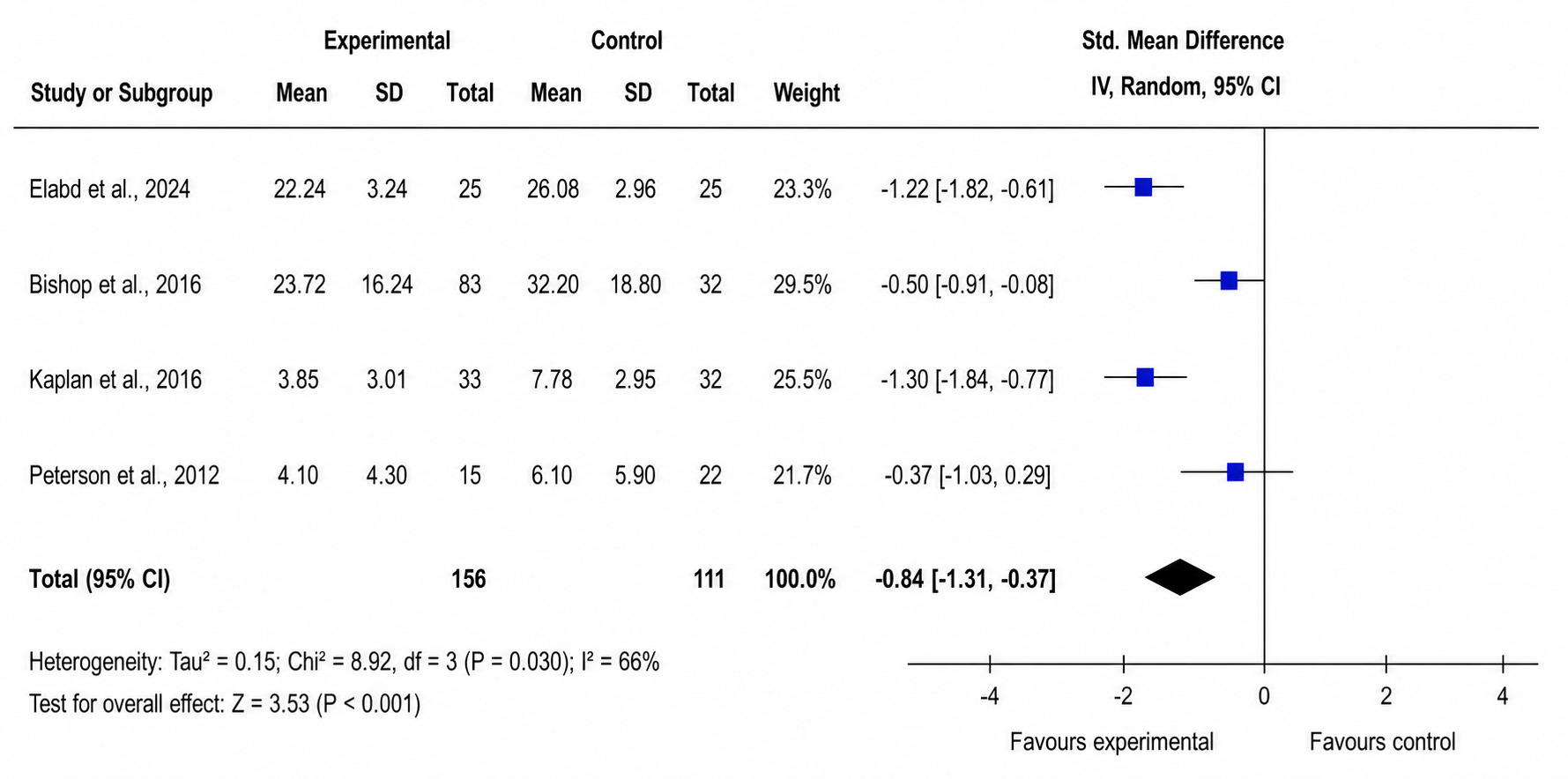
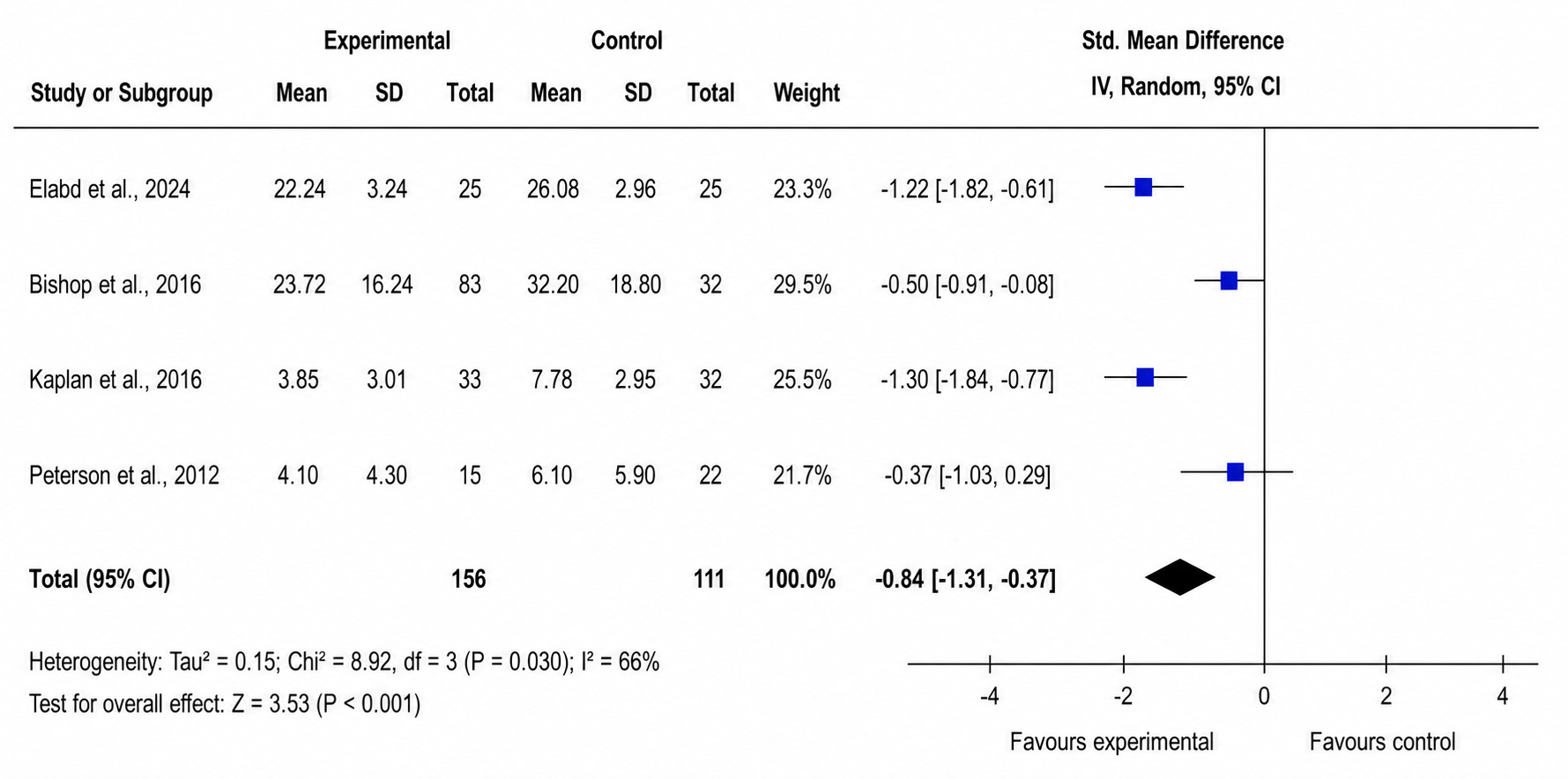
A random effects meta-analysis using Hedges g standardized mean differences was performed to evaluate functional disability outcomes across randomized controlled trials, given the use of different validated disability instruments, including the Roland Morris Disability Questionnaire and Oswestry Disability Index. Four trials contributed directly extractable post intervention disability data and were included in the quantitative synthesis. Active rehabilitation interventions were associated with a statistically significant reduction in functional disability compared with control conditions (pooled SMD = −0.84, 95% CI −1.31 to −0.37; Z = 3.53, P < 0.001) (Figure 3). Between study heterogeneity was substantial (I² = 66%, τ² = 0.15; χ² = 8.92, df = 3, P = 0.03), indicating notable variability across intervention approaches and outcome measurement instruments. Nevertheless, the pooled estimate favored active rehabilitation interventions, suggesting an overall beneficial effect on disability related outcomes in pregnancy related lumbopelvic pain.
3.5. Subgroup Analysis of Pain Outcomes by Intervention Class
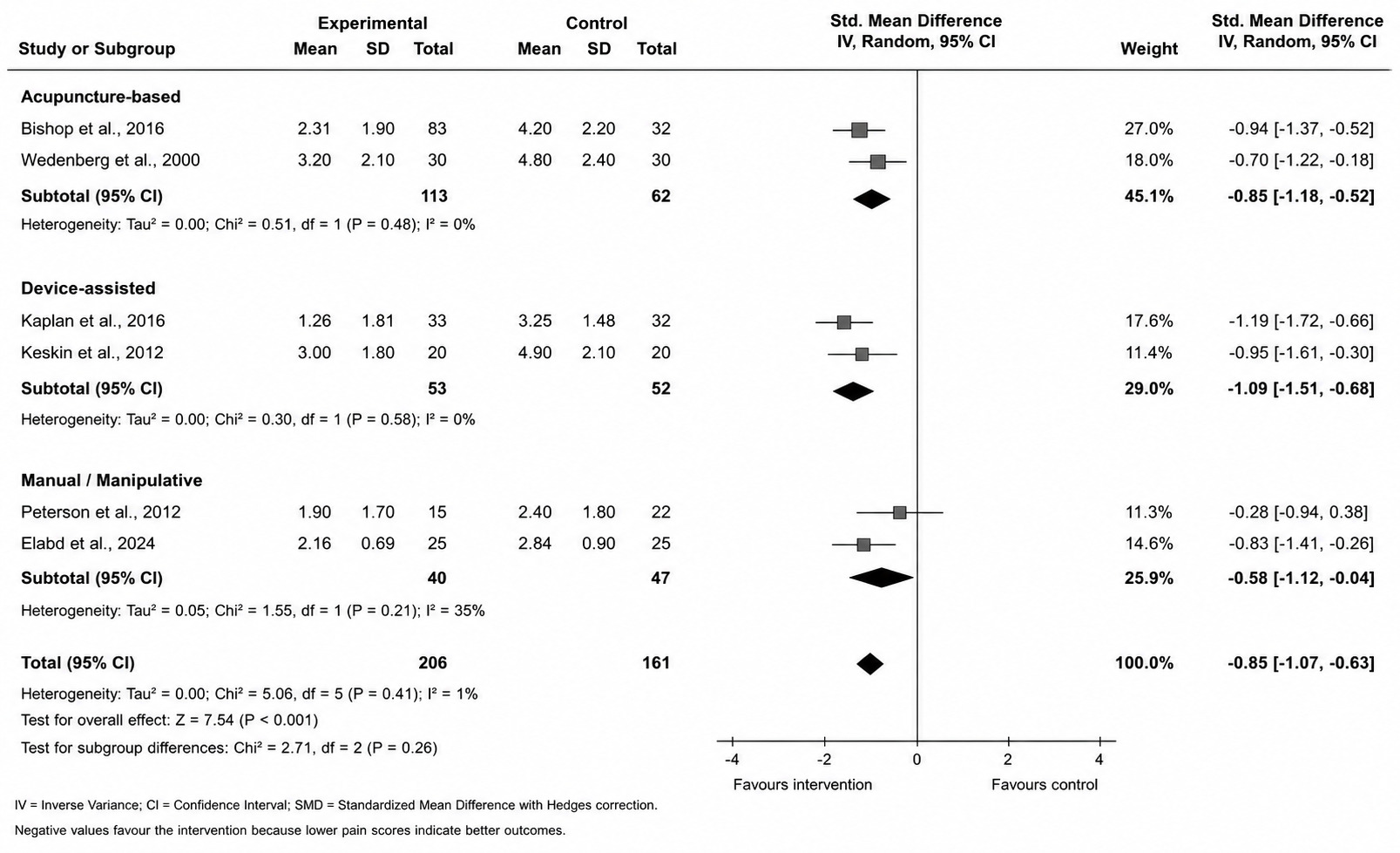
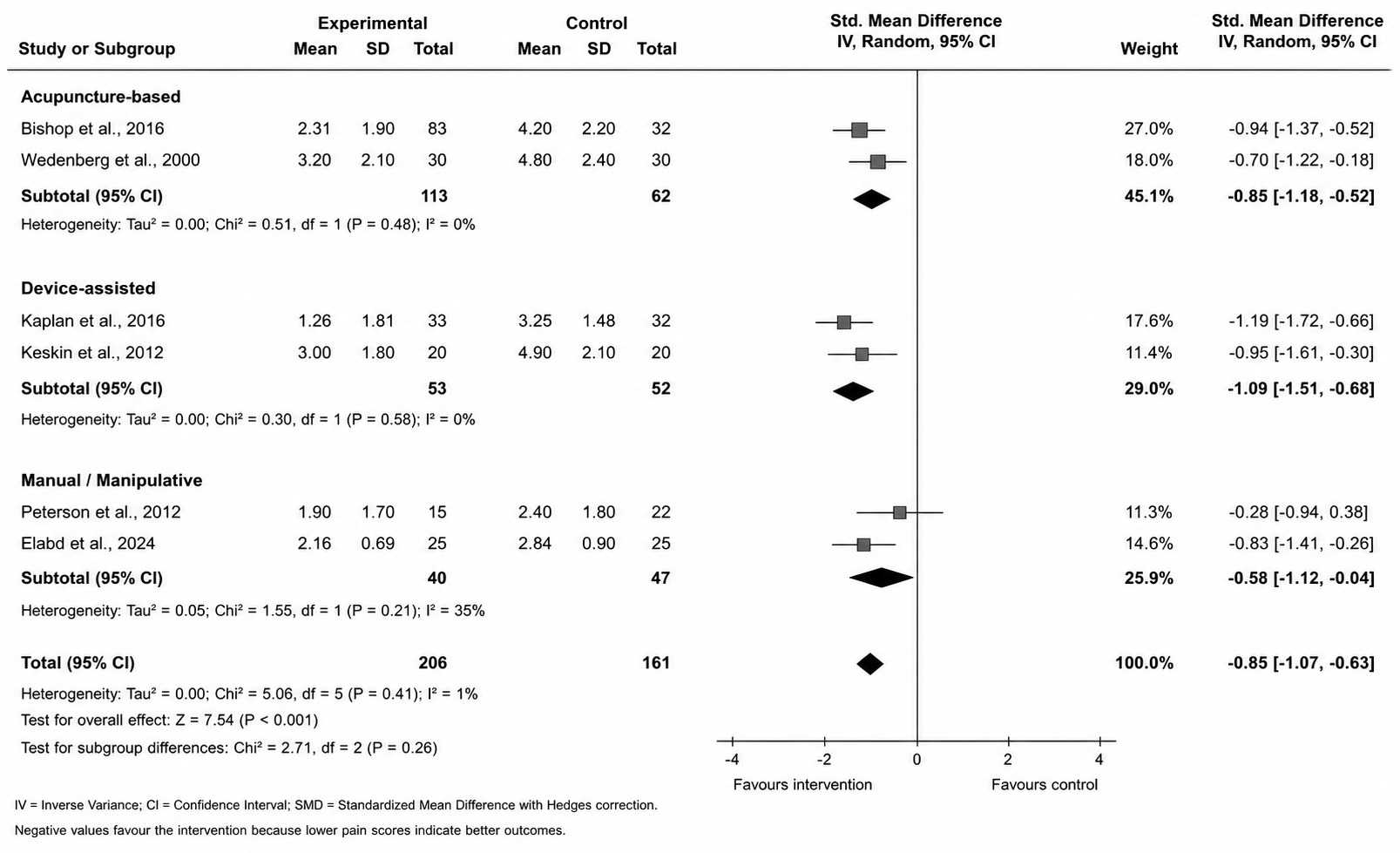
Subgroup analyses were performed to examine whether intervention class influenced pooled treatment effects on pain intensity across the included randomized controlled trials. Random effects models were applied within the predefined intervention categories, including acupuncture based, device assisted, and manual or manipulative interventions. All subgroup pooled estimates favored intervention over control conditions (Figure 4).
The largest effect was observed in the device assisted subgroup (SMD = −1.09, 95% CI −1.51 to −0.68), followed by acupuncture based interventions (SMD = −0.85, 95% CI −1.18 to −0.52) and manual or manipulative interventions (SMD = −0.58, 95% CI −1.12 to −0.04). The test for subgroup differences was not statistically significant (χ² = 2.71, df = 2, P = 0.26), indicating no clear evidence that intervention class materially influenced the pooled treatment effect.
Overall heterogeneity across all included studies was negligible (I² = 1%), suggesting high consistency in effect estimates despite differences in intervention modality.
3.6. Risk of Bias Assessment
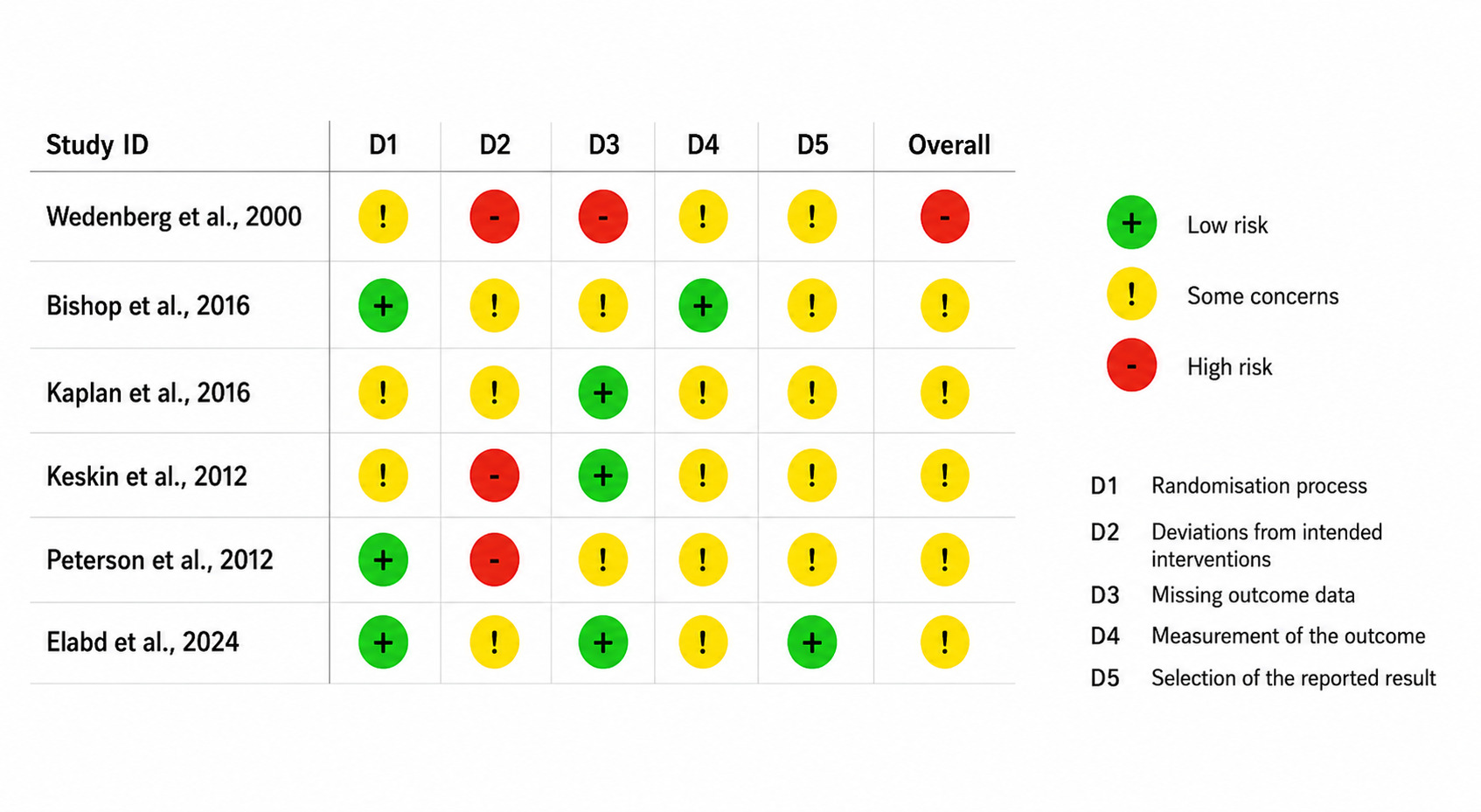
Risk of bias was assessed using the Cochrane Risk of Bias 2 tool for randomized controlled trials across five methodological domains: bias arising from the randomization process, bias due to deviations from intended interventions, bias due to missing outcome data, bias in measurement of the outcome, and bias in selection of the reported result (Figure 5). Overall methodological quality was variable across the included studies. One study was judged to be at high overall risk of bias, primarily due to substantial attrition, incomplete reporting of allocation concealment procedures, and increased susceptibility to performance bias related to the impracticality of participant blinding. The remaining studies were judged to present some concerns, most commonly related to deviations from intended interventions and the subjective assessment of self reported pain and functional outcomes. More recent trials generally demonstrated improved methodological reporting, including clearer randomization procedures and stronger transparency in outcome reporting, although blinding remained inherently challenging given the nature of the nonpharmacological interventions evaluated.
4. Discussion
This systematic review identified six randomized controlled trials evaluating conservative musculoskeletal interventions for pregnancy associated low back and pelvic pain, of which four provided sufficiently comparable data for quantitative pooling, representing a total of 254 participants in the meta-analysis. Conservative interventions were associated with statistically significant reductions in both pain intensity and functional disability. The pooled standardized mean difference for pain intensity was −0.85 (95% CI −1.18 to −0.53; Z = 5.16; P < 0.001), with low to moderate heterogeneity (I² = 34%), suggesting a reasonably consistent treatment effect across pooled studies. Functional disability demonstrated a pooled standardized mean difference of −0.84 (95% CI −1.31 to −0.37; Z = 3.53; P < 0.001), although between study heterogeneity was substantially higher (I² = 66%), reflecting greater methodological and outcome variability. The two additional trials included in qualitative synthesis supported the overall direction of benefit. These findings suggest that conservative musculoskeletal interventions may offer clinically meaningful symptom improvement in this population, although methodological limitations prevent definitive treatment specific conclusions.
The observed reduction in pain is biologically plausible across several conservative intervention classes. Acupuncture may exert analgesic effects through modulation of peripheral nociceptive input, activation of descending inhibitory pathways, and endogenous neurochemical responses relevant to pain regulation.11 Transcutaneous electrical nerve stimulation may reduce pain through spinal segmental gating mechanisms and activation of endogenous analgesic pathways via afferent stimulation.12 Manual and osteopathic approaches may improve lumbopelvic mechanics through soft tissue mobilization, reduction of myofascial restriction, and restoration of segmental mobility.13 Tui Na therapy may plausibly exert related effects through structured soft tissue stimulation, mechanoreceptor activation, and neuromuscular relaxation. Kinesio taping may provide proprioceptive support and partial mechanical unloading, potentially improving symptom perception without direct structural correction. Collectively, these mechanisms provide a coherent physiological basis for the pain reductions observed, although the relative contribution of individual mechanisms cannot be determined from pooled clinical data alone.
Functional disability improved to a similar magnitude as pain, although heterogeneity was substantially greater. This likely reflects both clinical and methodological variation across included studies. Functional outcomes were assessed using multiple instruments, including the Roland Morris Disability Questionnaire, Oswestry Disability Index, Pelvic Girdle Questionnaire, and Disability Rating Index, each of which captures overlapping but distinct dimensions of physical limitation, pain related restriction, mobility impairment, and condition specific disability.14 Variability in gestational timing, intervention duration, and comparator intensity likely further contributed to between study inconsistency. One included trial used an active comparator, positional release therapy, rather than a passive or sham control condition, which would be expected to attenuate between group effect estimates and may partially explain the smaller pooled effect within the manual intervention subgroup.
Subgroup analysis demonstrated numerically different pooled pain effects across intervention classes. Device assisted interventions demonstrated the largest pooled effect (SMD −1.09), followed by acupuncture-based interventions (SMD −0.85) and manual or manipulative approaches (SMD −0.58). However, the test for subgroup differences was not statistically significant (P = 0.26), and between subgroup heterogeneity was negligible (I² = 1%). Accordingly, these numerical differences should not be interpreted as evidence of true comparative superiority. Apparent variation is more plausibly explained by differences in comparator intensity, treatment duration, blinding feasibility, and outcome timing rather than inherent differences in therapeutic potency. Current evidence supports cautious interpretation of intervention class comparisons.
Existing literature broadly supports the potential role of conservative care in pregnancy related musculoskeletal pain, although conclusions regarding comparative efficacy remain limited. A randomized clinical trial evaluating auricular acupuncture demonstrated significant reductions in pregnancy related lumbopelvic pain and functional limitation, supporting the plausibility of acupuncture related benefits observed in the present synthesis.15 A systematic review of osteopathic manipulative treatment similarly reported beneficial effects for pregnancy associated low back and pelvic girdle pain, aligning directionally with the manual intervention findings reported here.16 A systematic review examining chiropractic and manipulative approaches in pregnancy related low back and pelvic pain also concluded that conservative manual strategies may provide symptomatic benefit, although evidence quality remained constrained by methodological inconsistency and small study sizes.17 The present study extends this literature by quantitatively synthesizing multiple conservative intervention classes within a unified musculoskeletal framework while evaluating both pain and disability outcomes.
Several strengths should be acknowledged. Restricting inclusion to randomized controlled trials reduced confounding and improved internal validity relative to broader observational evidence. Quantitative synthesis enabled pooled effect estimation across clinically relevant interventions. The use of standardized mean differences with Hedges g was methodologically appropriate given the modest sample sizes and differing validated outcome instruments. Included populations were directly relevant to orthopedic, spine, and musculoskeletal rehabilitation practice. Exploration of intervention class specific subgroup effects provided additional clinical interpretive value while remaining appropriately hypothesis generating.
Several limitations warrant consideration. Only four trials were eligible for quantitative pooling, resulting in a relatively limited evidence base. Sample sizes were modest, increasing susceptibility to imprecision and small study effects. Interventions, comparator conditions, treatment durations, and follow up intervals varied substantially across studies. Functional outcome heterogeneity was particularly pronounced because of differences in measurement instruments and clinical constructs assessed. Screening and data extraction were conducted by a single investigator, increasing potential risk of selection or extraction error. Risk of bias concerns were present across all included studies, with one trial judged at high overall risk and the remainder classified as having some concerns, largely related to allocation concealment limitations, performance bias, attrition, and self reported outcomes. Formal publication bias assessment was not feasible because fewer than ten studies contributed to pooled analyses.
5. Conclusion
This systematic review and meta-analysis found that conservative musculoskeletal interventions were associated with significant improvements in both pain intensity and functional disability among women with pregnancy-associated low back and pelvic pain. These findings support a potential role for nonpharmacologic conservative care within musculoskeletal and spine rehabilitation practice for this population. However, the limited number of randomized trials, modest sample sizes, clinical heterogeneity, and methodological limitations, including risk of bias concerns, preclude definitive conclusions regarding comparative efficacy across intervention classes, particularly given the absence of statistically significant subgroup differences. Larger, methodologically rigorous randomized controlled trials using standardized outcome measures, clearly defined intervention protocols, and clinically comparable follow-up intervals are needed to enable higher-confidence treatment-specific recommendations.
Author Contributions
The author was responsible for conceptualization, methodology, literature search, study selection, data curation, formal analysis, interpretation of results, and drafting and revising the manuscript. The author approved the final version of the manuscript.
Ethics Approval
Not applicable. This study is a systematic review of previously published trials and did not involve new studies with human participants or animals.
Clinical Trial Number
Not applicable
Consent to Participate
Not applicable.
Funding
The author declares that no funding was received for this study.
Conflicts of Interest
The author declare no financial or non-financial interests that are directly or indirectly related to the work submitted for publication.
Consent for Publication
Not applicable.
Availability of Data and Materials
All data generated or analyzed during this study are included in this published article and its supplementary information files.
Code Availability
Not applicable.