
Introduction
In recent decades, endurance sports such as marathon running, cycling, triathlon, and ultra-endurance events have experienced significant global growth. As a result, there has been more scientific interest in cardiovascular adaptations that occur in response to continued high-volume aerobic training.
These physiologic cardiac adaptations are collectively called athlete’s heart. Athlete’s heart is caused by high volume aerobic/endurance training and includes bradycardia, increased vagal tone, ventricular remodeling, and atrial remodeling. Resting bradycardia in endurance athletes reflects several adaptations, including increased stroke volume and intrinsic and autonomic changes in sinus-node function.1 Increased vagal tone is a result of a strengthened parasympathetic nervous system caused by regular cardiovascular training,2 which also allows the heart to pump with fewer beats per minute at rest.
The precise physiologic basis of this training-induced bradycardia remains an area of active investigation. Some work has emphasized autonomic, rather than purely structural, contributions to the resting heart rate reduction seen in trained individuals,3 while more recent molecular studies have localized this phenotype to downregulation of the cardiac pacemaker funny channel HCN44 and to genetic ablation of G protein–gated inwardly rectifying potassium (GIRK) channels,5 suggesting an intrinsic sinoatrial remodeling component that operates alongside, rather than instead of, autonomic adaptation. This reversibility has itself been used as a benchmark for distinguishing benign adaptation from disease, with detraining studies demonstrating that many of these cardiorespiratory and metabolic adaptations regress once training stimulus is removed.6,7
Ventricular remodeling is caused by regular aerobic exercise, and this remodeling is what causes bradycardia in endurance athletes.1,8 Atrial remodeling due to aerobic exercise has multiple forms. Atrial dilation is when the atria stretch to allow high volumes of blood returning from the veins back into the atria. Atrial wall thickening is a response to increased contraction demand and chronic atrial stretching. Electrical remodeling can shorten atrial refractory periods and is caused by exercise-induced changes in ion channel expression.9 Electrical remodeling can also cause exercise-related atrial fibrillation. Lastly, atrial fibrosis, which also causes atrial fibrillation, can be caused as a result of left atrial (LA) remodeling.10 Although it may not impair atrial function or have any symptoms, it should still be monitored due to possible worsening or development of atrial fibrillation.
There is ongoing controversy among researchers on whether physiologic adaptations progress toward potential pathologic remodeling. Physiologic adaptations are the heart and cardiovascular system’s ability to adjust its structure and function because of changes in stimuli, such as exercise. In this case, aerobic exercise makes the left ventricular wall thicker and the left ventricle itself larger,11 which allows for greater ventricular filling and more powerful contractions.12 This results in increased stroke volume both during exercise and at rest, which improves endurance performance and oxygen delivery. Therefore, this enhanced cardiac efficiency results in a reduced resting heart rate, also known as bradycardia.1,13 On the other hand, pathologic remodeling is abnormal functional and structural changes in the heart. Pathologic remodeling is a maladaptive response to injury, disease, or chronic stress and often leads to arrhythmias, pumping inefficiency, and eventually heart failure. Physiologic adaptations can be reversed if exercise or other stimuli are removed.6 However, pathologic remodeling is mostly irreversible. As a result, it is recognized that athlete’s heart increases the risk of atrial fibrillation14 and other conduction abnormalities.15
Differentiating genuine physiologic remodeling from pathologic phenocopies has become its own distinct line of inquiry. Echocardiographic comparisons between athlete’s heart and hypertrophic non-obstructive cardiomyopathy,16 cardiac MRI-derived normative reference values for biventricular size and function in athletes,17 and meta-analytic work comparing concentric versus eccentric hypertrophy across strength and endurance disciplines18 have each aimed to establish imaging benchmarks capable of separating benign adaptation from early disease. These benchmarks matter clinically: without them, clinicians evaluating an athlete’s echocardiogram or MRI have no principled way to decide whether a given degree of chamber enlargement or wall thickening falls within the expected range for training volume or instead warrants further cardiac workup.
In order to guide future investigations, one must understand how this research has evolved as well as research trends. Although there is a significant amount of research on exercise-induced cardiac adaptations, few bibliometric evaluations have completely evaluated influential contributors, global publication patterns, and emerging research ideas.
This bibliometric evaluation aims to evaluate the global scientific landscape of cardiac adaptation research in endurance athletes and identify influential publications, major contributors, collaboration networks, emerging research hotspots, and priorities within the field.
Methods
Bibliometric analysis enables quantitative characterization of publication patterns, citation impact, collaboration networks, and thematic relationships within a body of literature.19,20 It is a scientometric method used to quantitatively assess patterns within published literature, including publication growth, country-level and institutional contributions, citation impact, and keyword relationships, by applying mathematical and statistical techniques to bibliographic data.20,21 The main modes of analysis include the number of published works by country and organization, the number of publications from inception to June 11, 2026, the number of citations, and keywords relating specifically to cardiac adaptations in endurance athletes.
The data from this bibliometric analysis was obtained from the Web of Science Core Collection database, utilizing the following search: TS=((“endurance athlete*” OR marathon* OR cyclist* OR triathlete*) AND (bradycardia OR “athlete’s heart” OR “cardiac remodeling”)). This search resulted in 754 results. Web of Science was also used for illustrating trends in publication numbers over time, and Microsoft Excel was used to create tables to portray data in an organized way.
VOSviewer was the primary tool for analysis, aiding in the visualization of data from Web of Science and providing clear associations and trends between various data points. Network analyses included country collaboration relationships, institutional collaboration relationships, and keyword co-occurrence patterns. This analysis provides a clear visual of the patterns and trends within a research topic and organizes them to simulate the relationships within the literature.
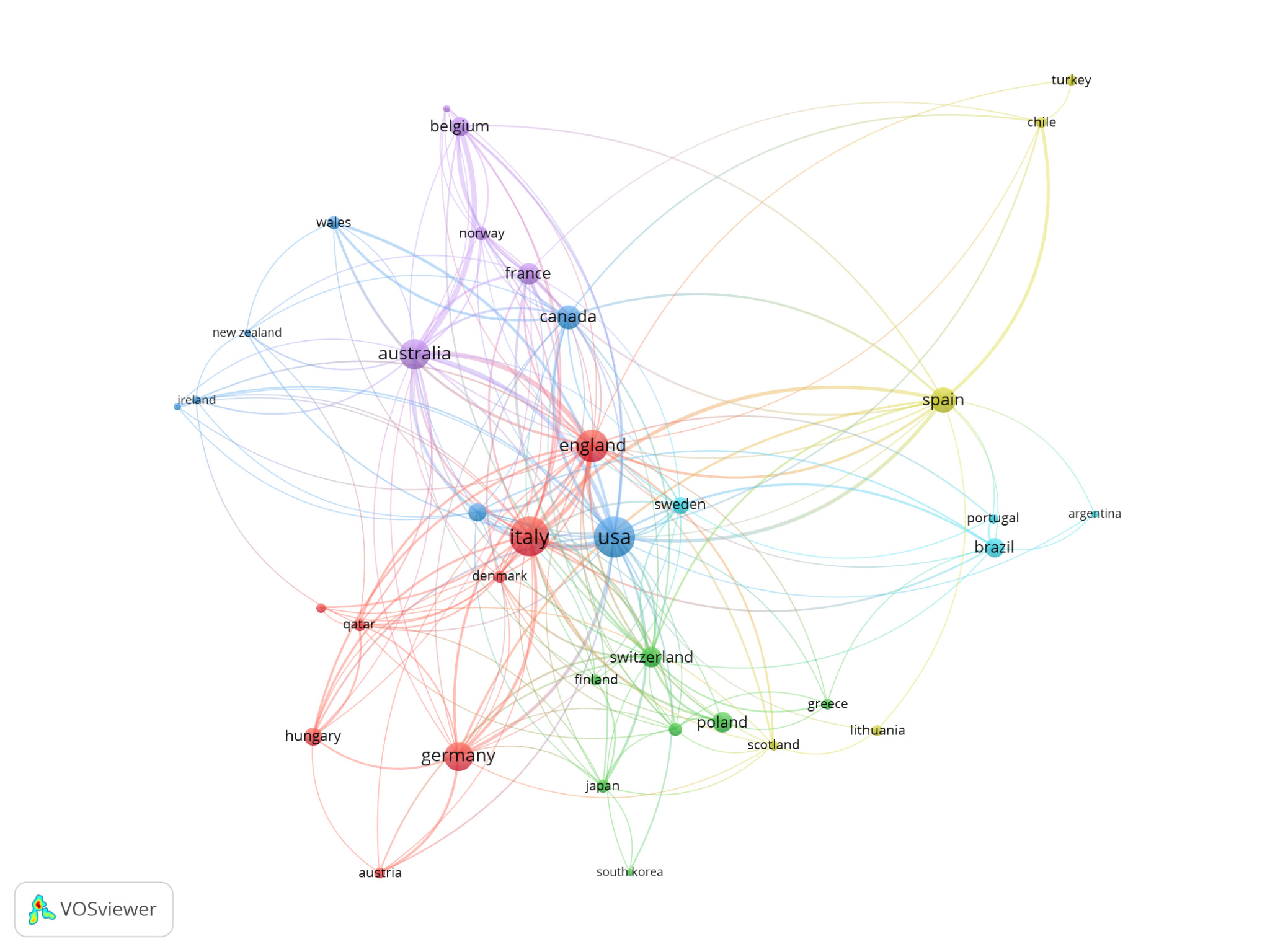
To improve interpretability and reduce visual clutter, minimum inclusion thresholds were applied to VOSviewer maps. The keyword co-occurrence network was limited to words that occurred at least 30 times for the final visualization, yielding 45 keywords that met the threshold. Country and institutional network maps were restricted to the most relevant countries and organizations based on publication activity, with thresholds of at least 5 and 10 publications respectively, yielding 36 countries and 22 institutions included in the final visualizations.
Results
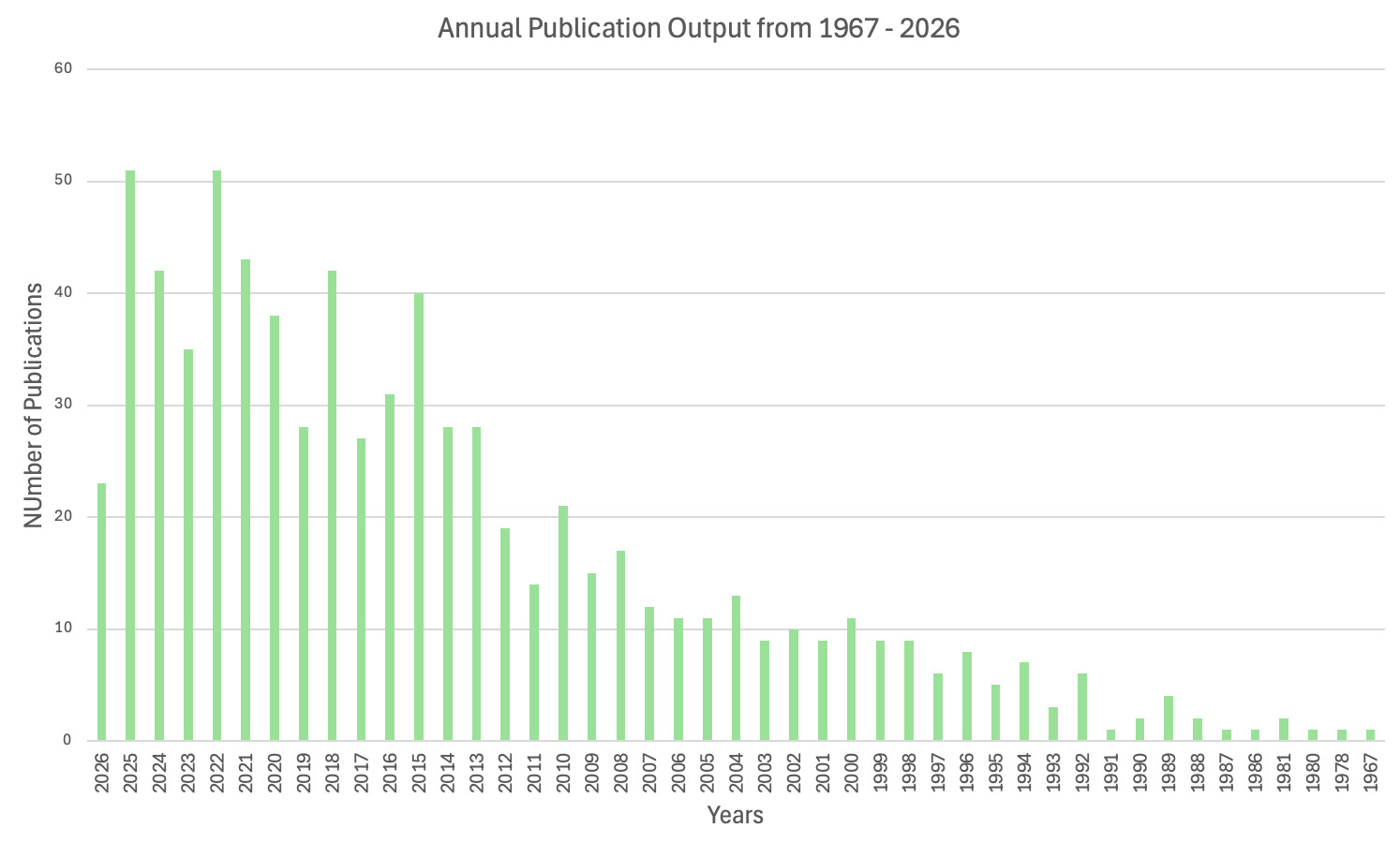
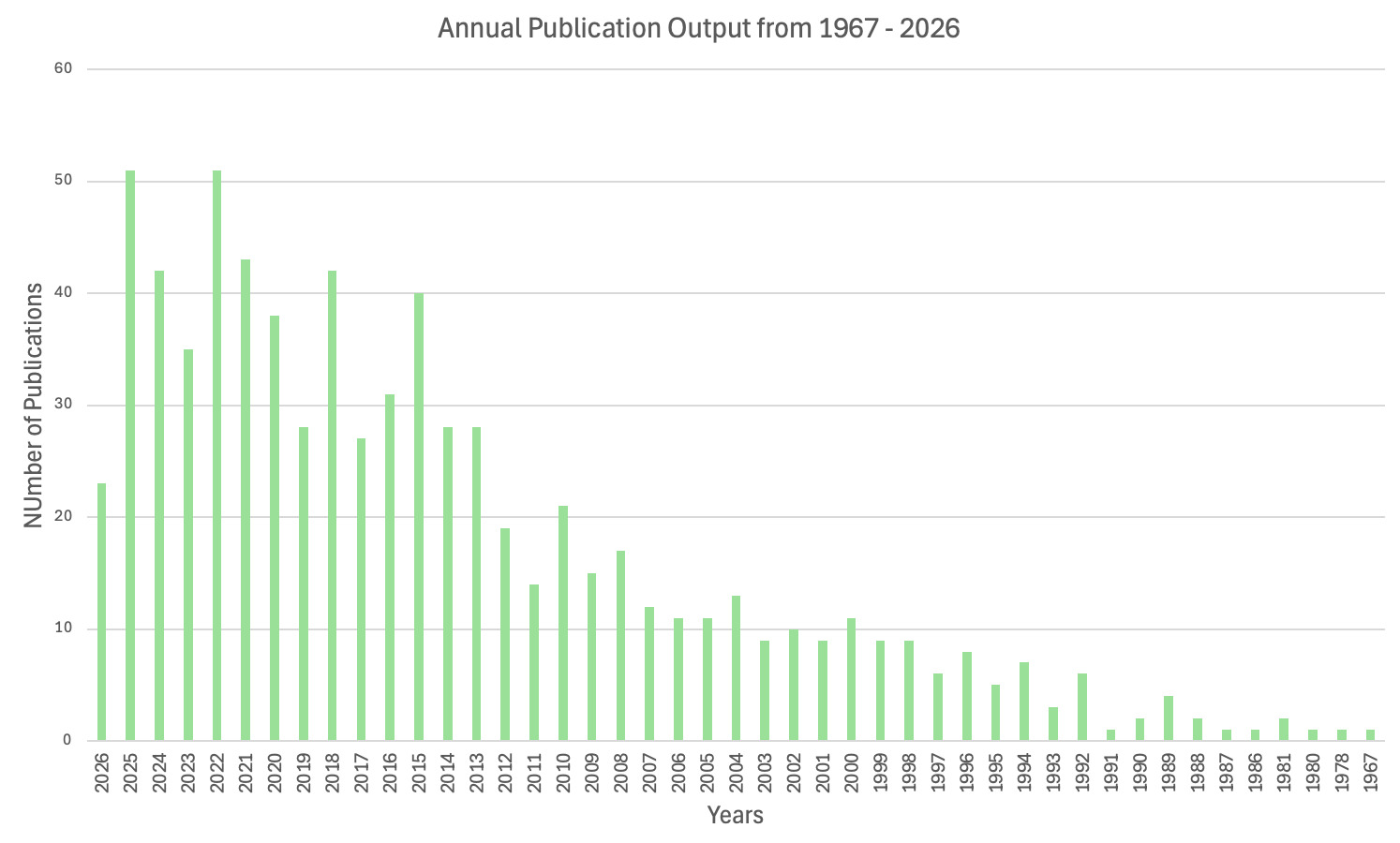
Figure 1 illustrates the annual publication trends for research on cardiac adaptations in endurance athletes from 1967 to 2026. Publication output was minimal prior to the 1990s, with most early years producing only one to a handful of articles. Output increased gradually through the 1990s and 2000s, reaching 21 publications in 2010 before climbing further to 28 in 2013 and 40 in 2015. From 2015 onward, annual output stabilized at a substantially higher level, generally ranging between 27 and 51 publications per year, with peak years occurring in 2022 and 2025 (51 publications each). The 2026 count (23 publications) should be interpreted cautiously, as indexing for the year is still ongoing. Overall, the figure demonstrates a long-term expansion of this literature, with output rising roughly tenfold from the foundational decades to the current era.
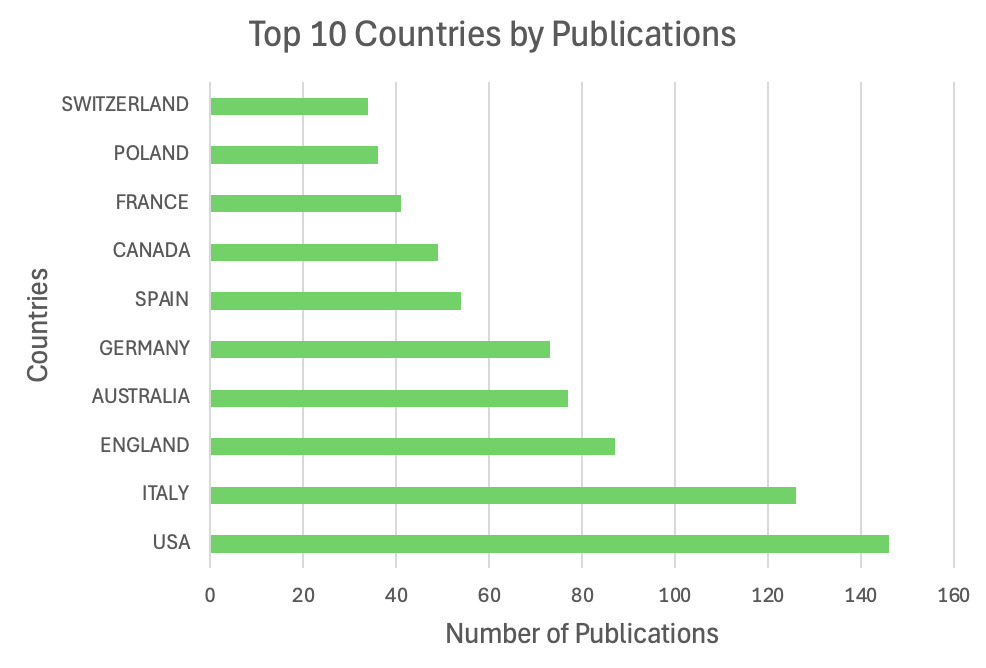
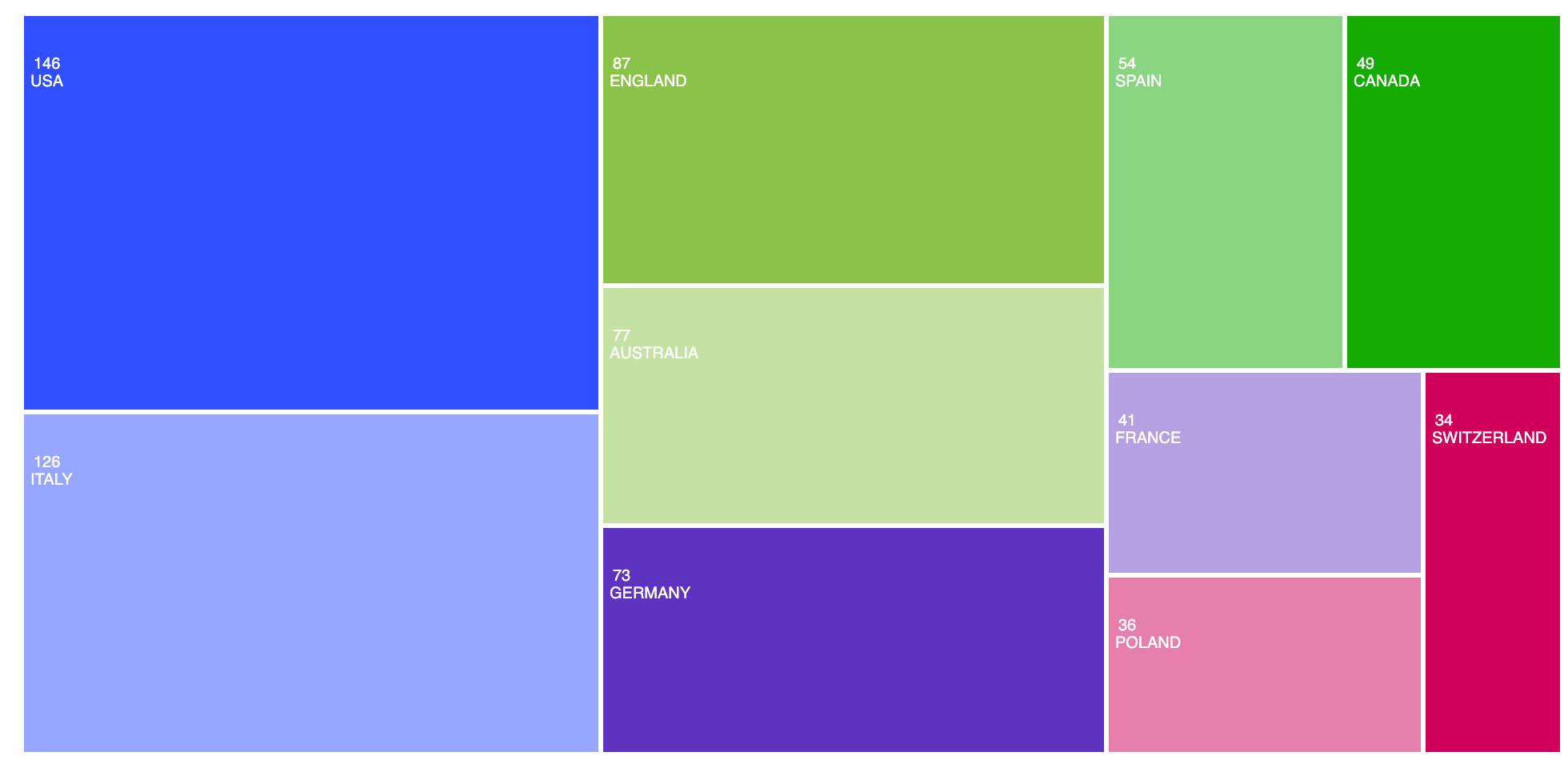
Figures 2 and 3 show the top 10 countries by number of publications. The United States contributed the highest number of publications (146), followed by Italy (126), England (87), Australia (77), and Germany (73). Spain (54), Canada (49), France (41), Poland (36), and Switzerland (34) rounded out the top 10.
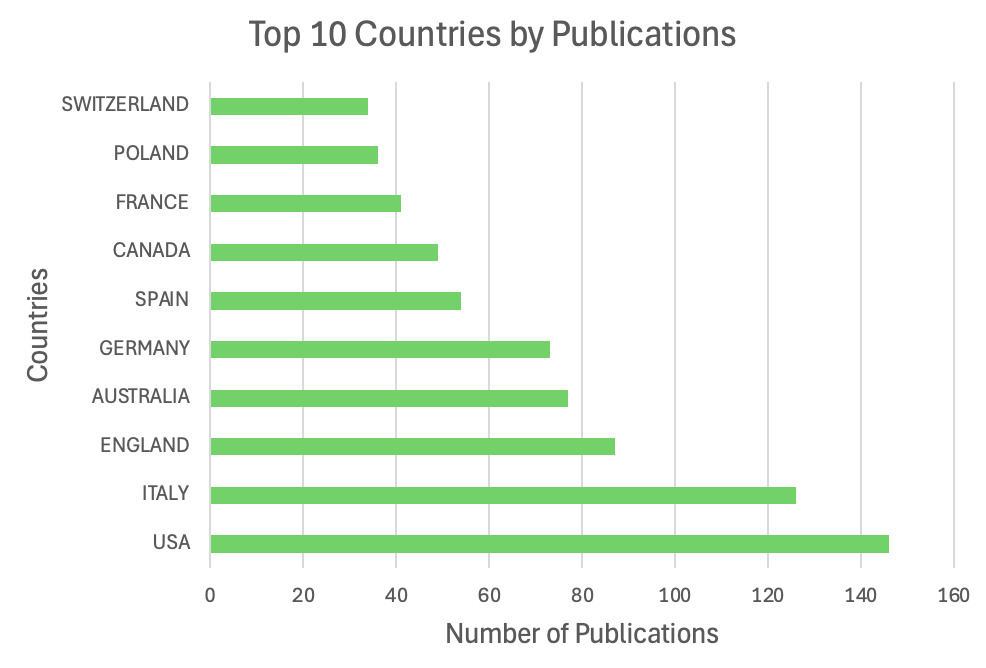
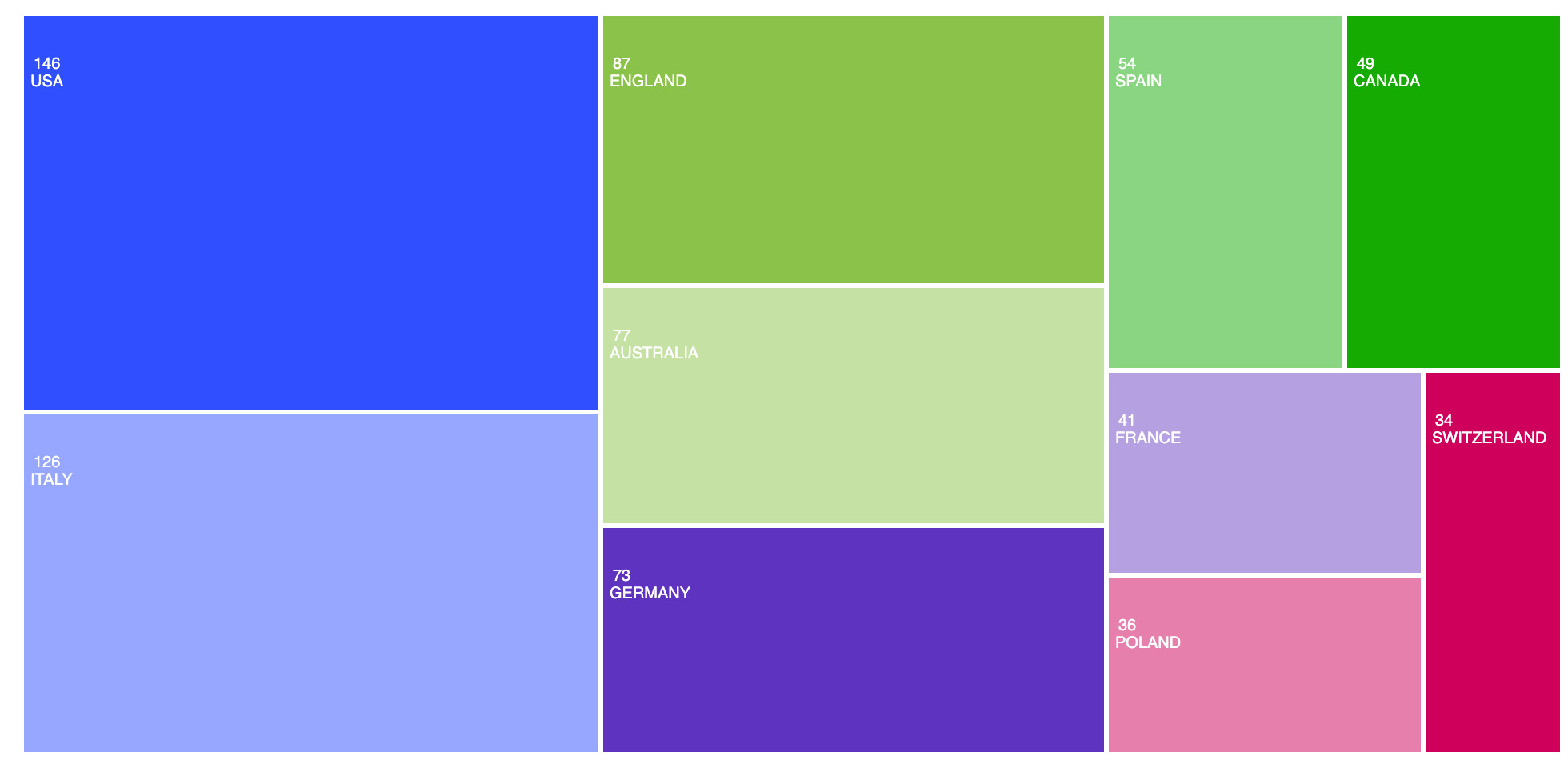
Figure 4 further illustrates the collaboration network among countries involved in publishing on cardiac adaptation in endurance athletes. Based on a cutoff of 5 publications, 36 countries were included in the network. The United States and Italy emerged as the most prominent and highly connected nodes, with 146 and 126 documents and 6,853 and 4,408 citations, respectively. England (87 documents, 3,238 citations), Australia (77 documents, 2,491 citations), and Germany (73 documents, 2,014 citations) were also prominent contributors, with additional meaningful activity from Spain, Canada, France, Switzerland, Belgium, and the Netherlands.
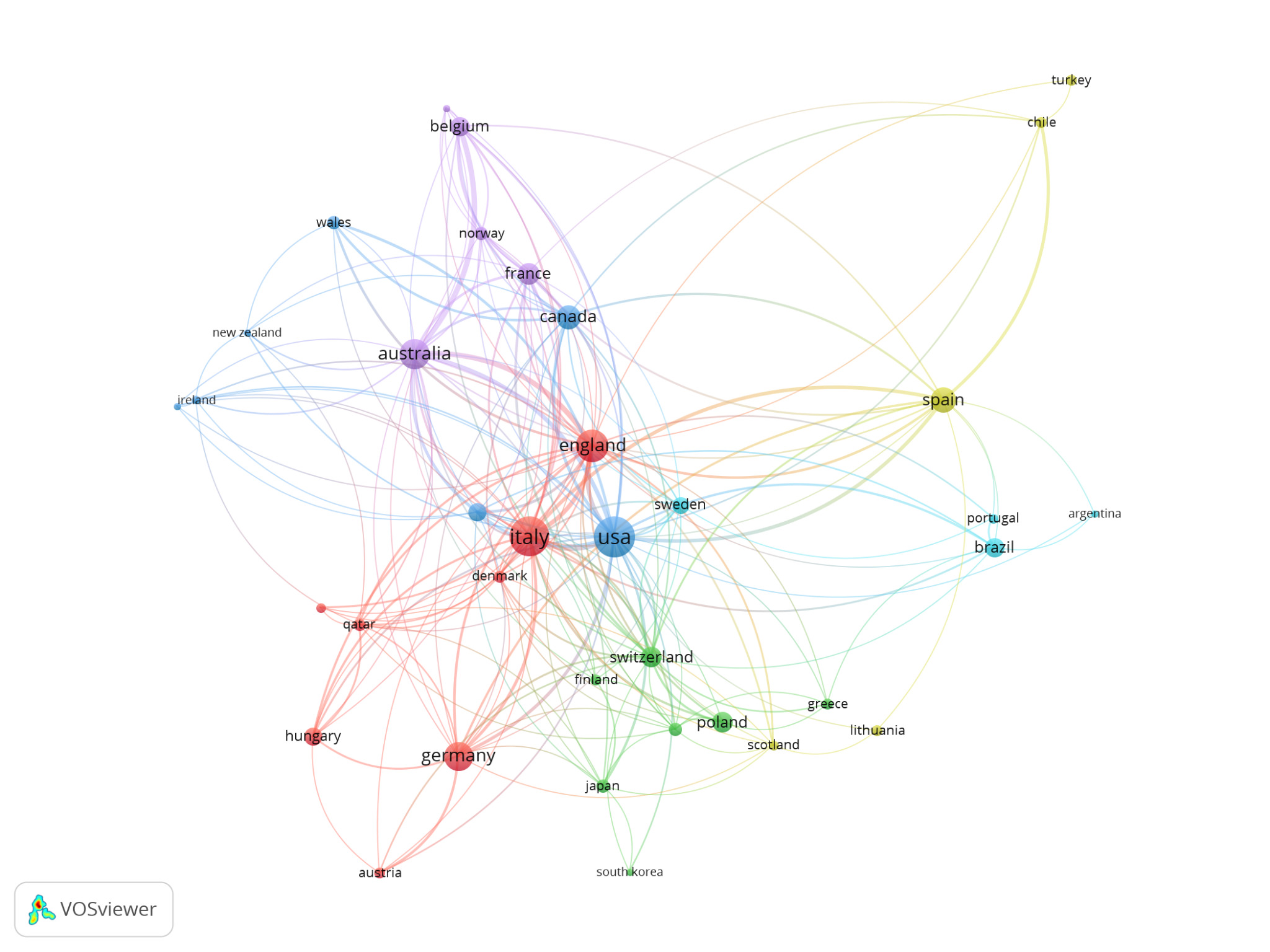
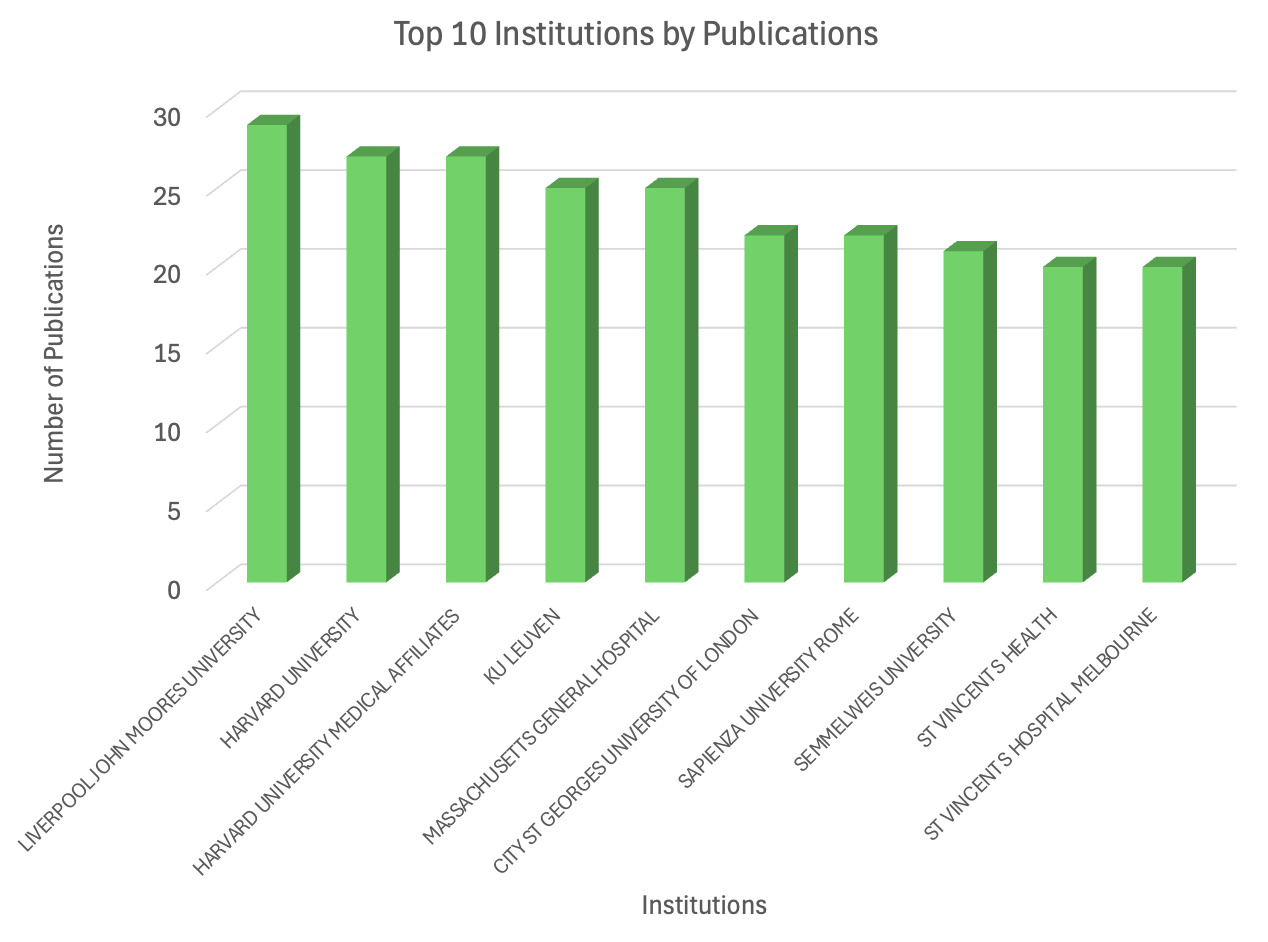
Figure 5 illustrates the top 10 institutions by publication output. Liverpool John Moores University led with 29 publications, followed closely by Harvard University (27) and Harvard University Medical Affiliates (27). KU Leuven and Massachusetts General Hospital each contributed 25 publications, while City St. George’s University of London and Sapienza University of Rome each contributed 22. Semmelweis University (21), St Vincent’s Health, and St Vincent’s Hospital Melbourne (20 each) completed the top 10. Unlike the steep institutional concentration seen in some adjacent fields, output here is comparatively distributed across the top 10, with only a six-publication spread separating the first- and tenth-ranked institutions.
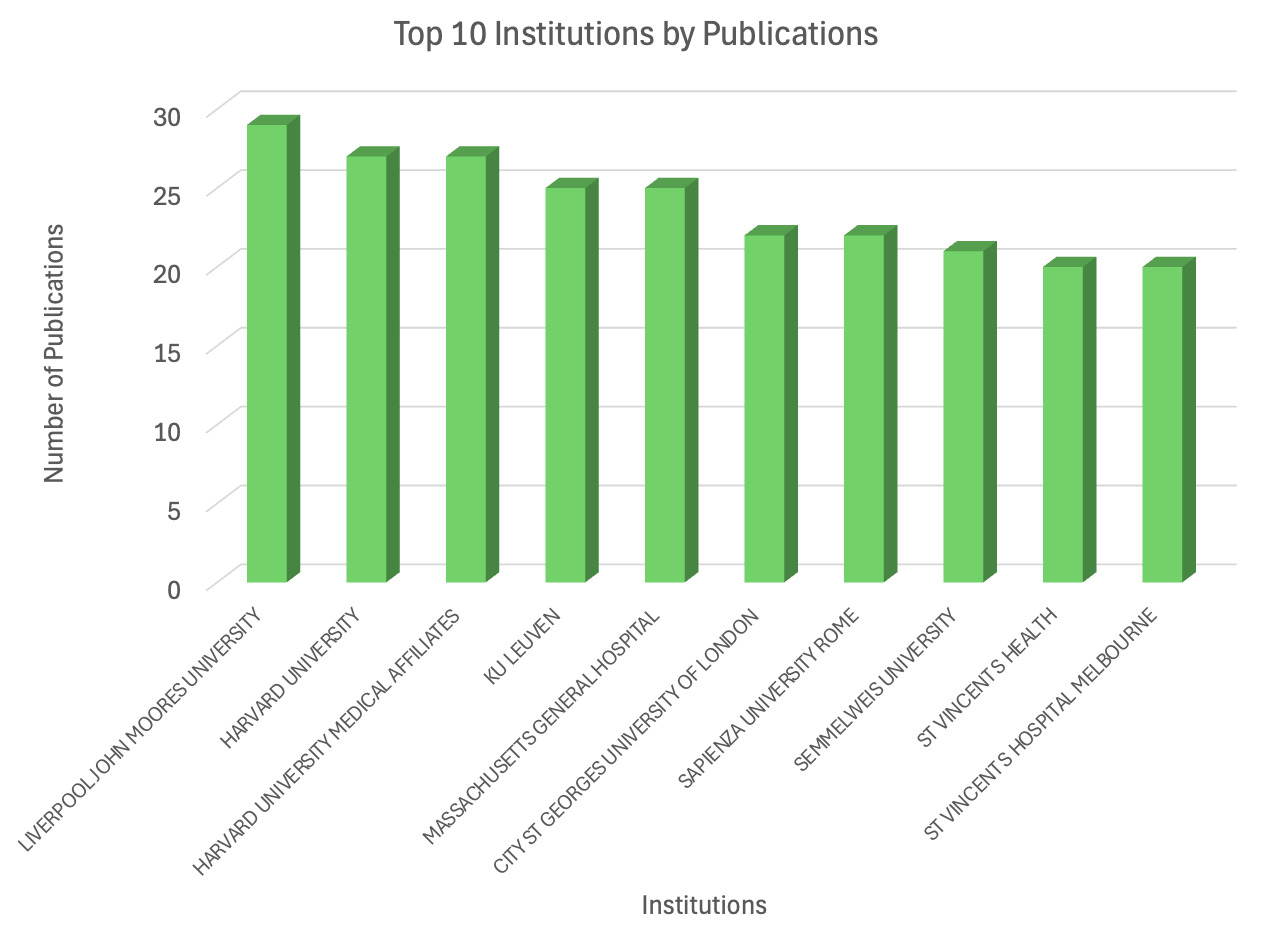
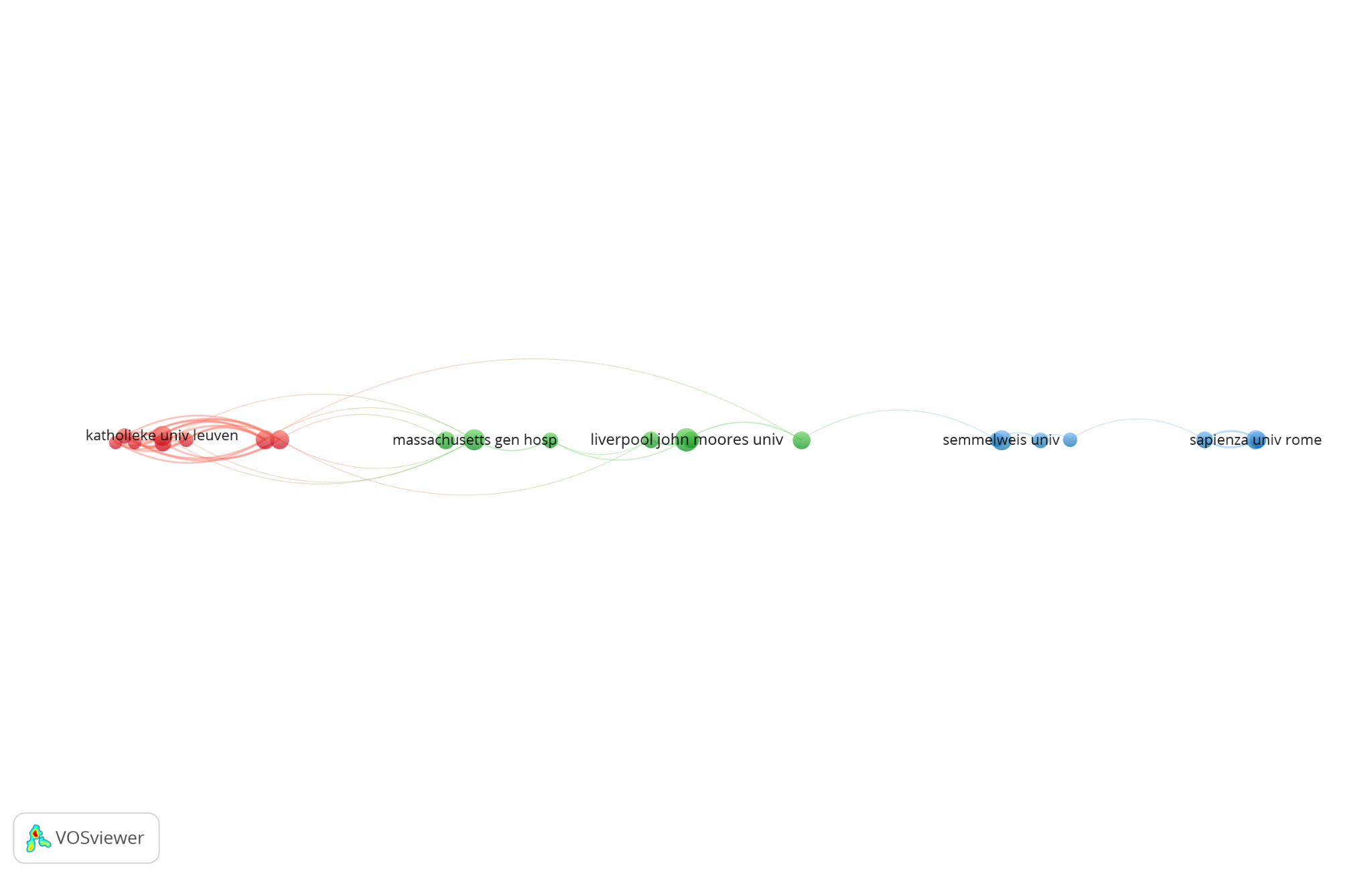
Figure 6 presents the institutional collaboration network. Based on a cutoff of 10 publications, 22 institutions met the inclusion threshold. Katholieke Universiteit Leuven exhibited the greatest link strength (25 documents, 584 citations), followed by the University of Melbourne (19 documents, 631 citations) and the Baker Heart and Diabetes Institute (19 documents, 487 citations). University Hospital Leuven (400 citations) and the University of Antwerp (291 citations) formed a tightly interconnected Belgian cluster with KU Leuven, while Sapienza University of Rome (18 documents, 105 citations), the National Italian Olympic Committee (14 documents, 57 citations), and the University of Rome Foro Italico (15 documents, 67 citations) formed a distinct Italian sports-medicine cluster.
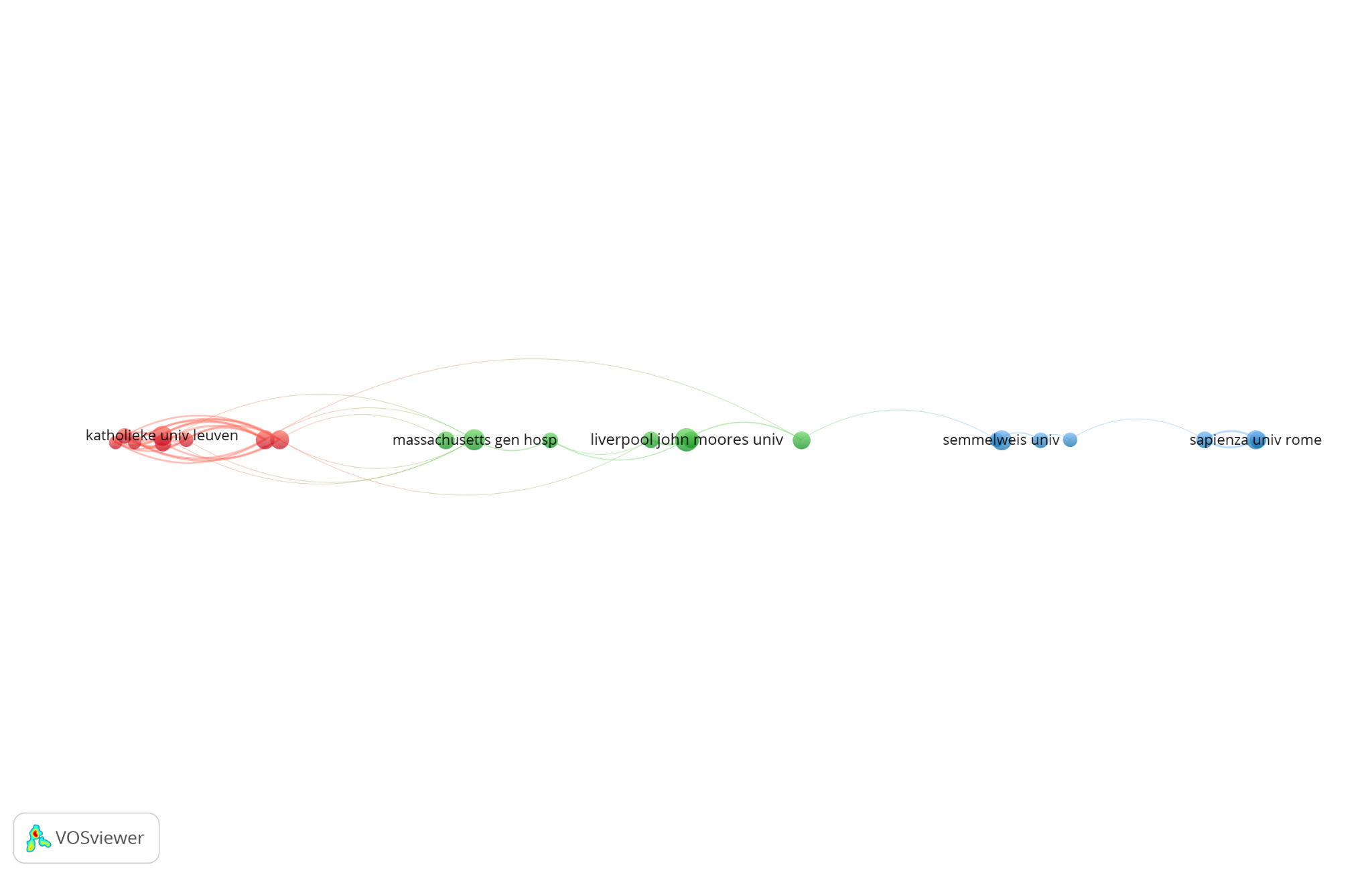
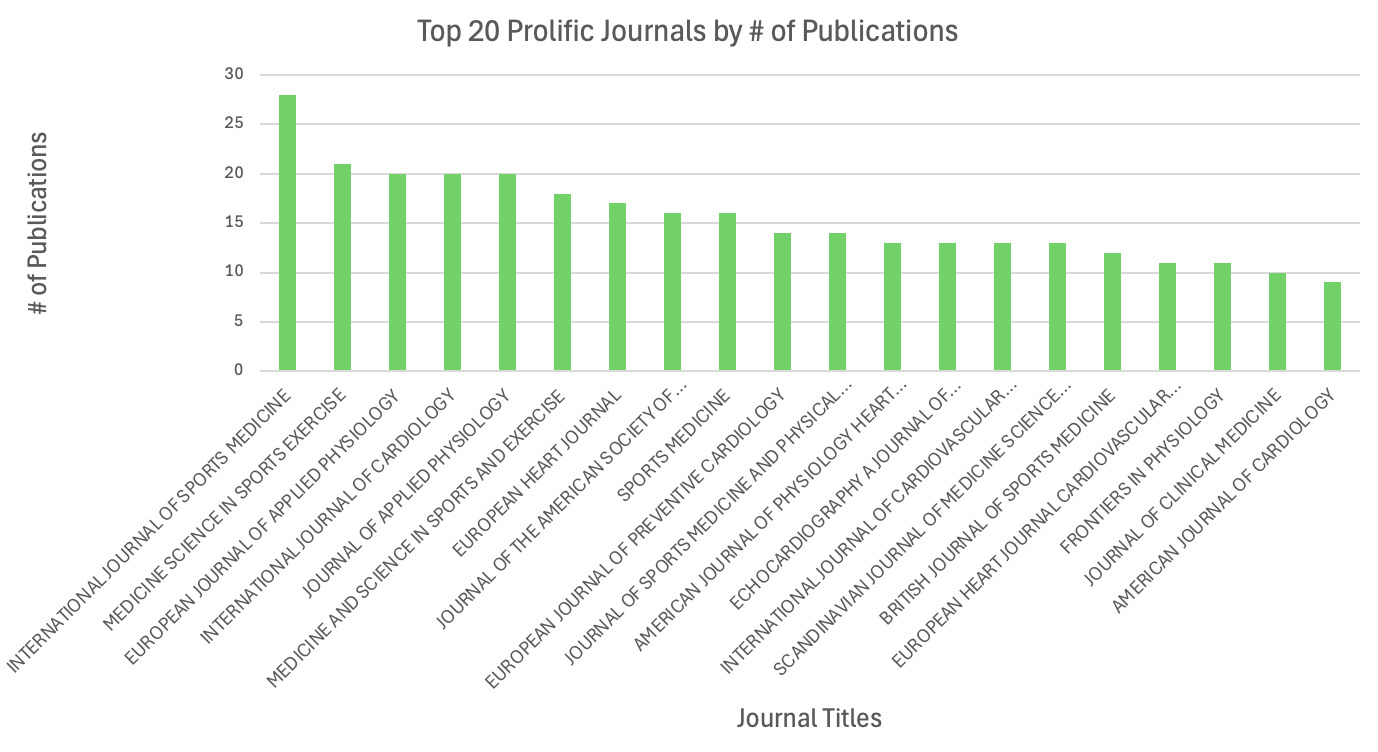
Figure 7 demonstrates the distribution of publications among the top 20 journals contributing to this literature. The International Journal of Sports Medicine led with 28 publications, followed by Medicine & Science in Sports & Exercise (21), and a cluster of journals (the European Journal of Applied Physiology, the International Journal of Cardiology, and the Journal of Applied Physiology) each with 20 publications. The European Heart Journal (17), the Journal of the American Society of Echocardiography (16), and Sports Medicine (16) also ranked among the most prolific outlets. Overall, publication activity is concentrated across a mix of sports-medicine and cardiology-focused journals rather than a single dominant outlet.
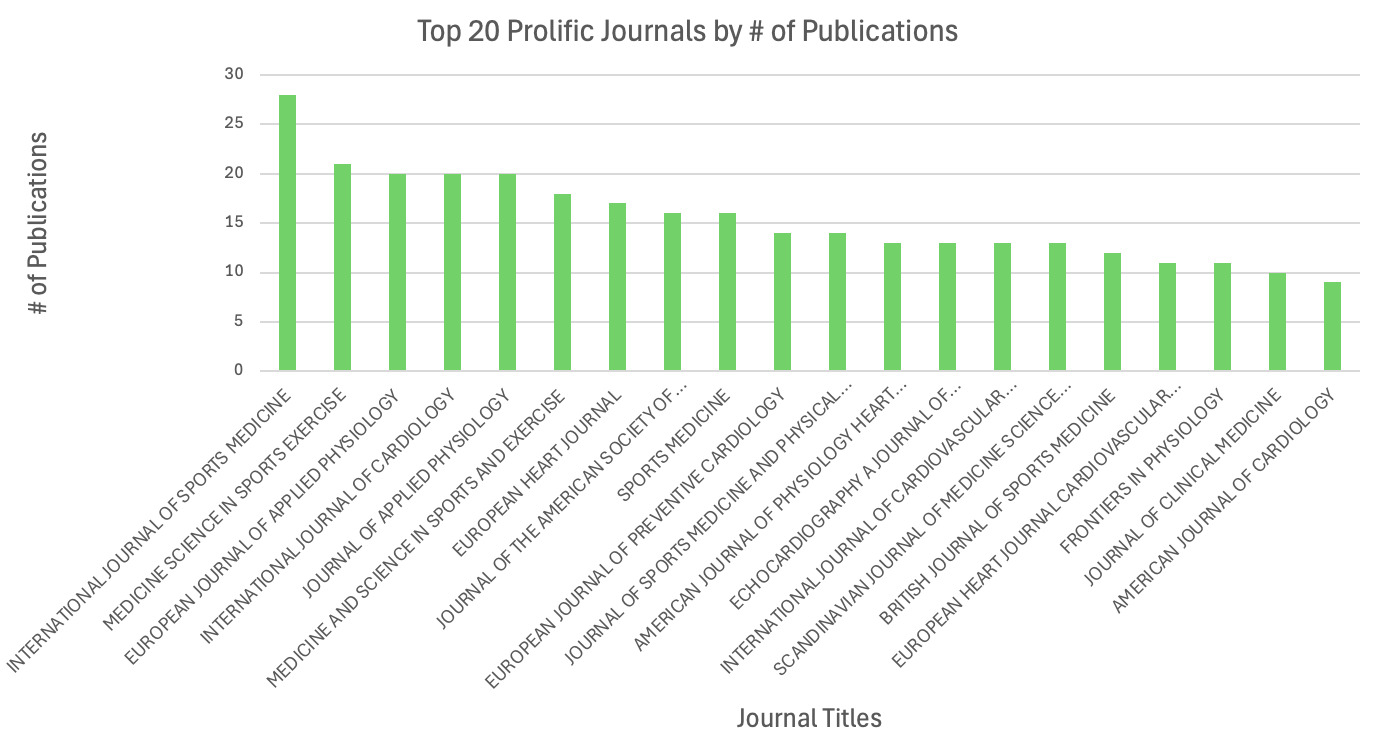
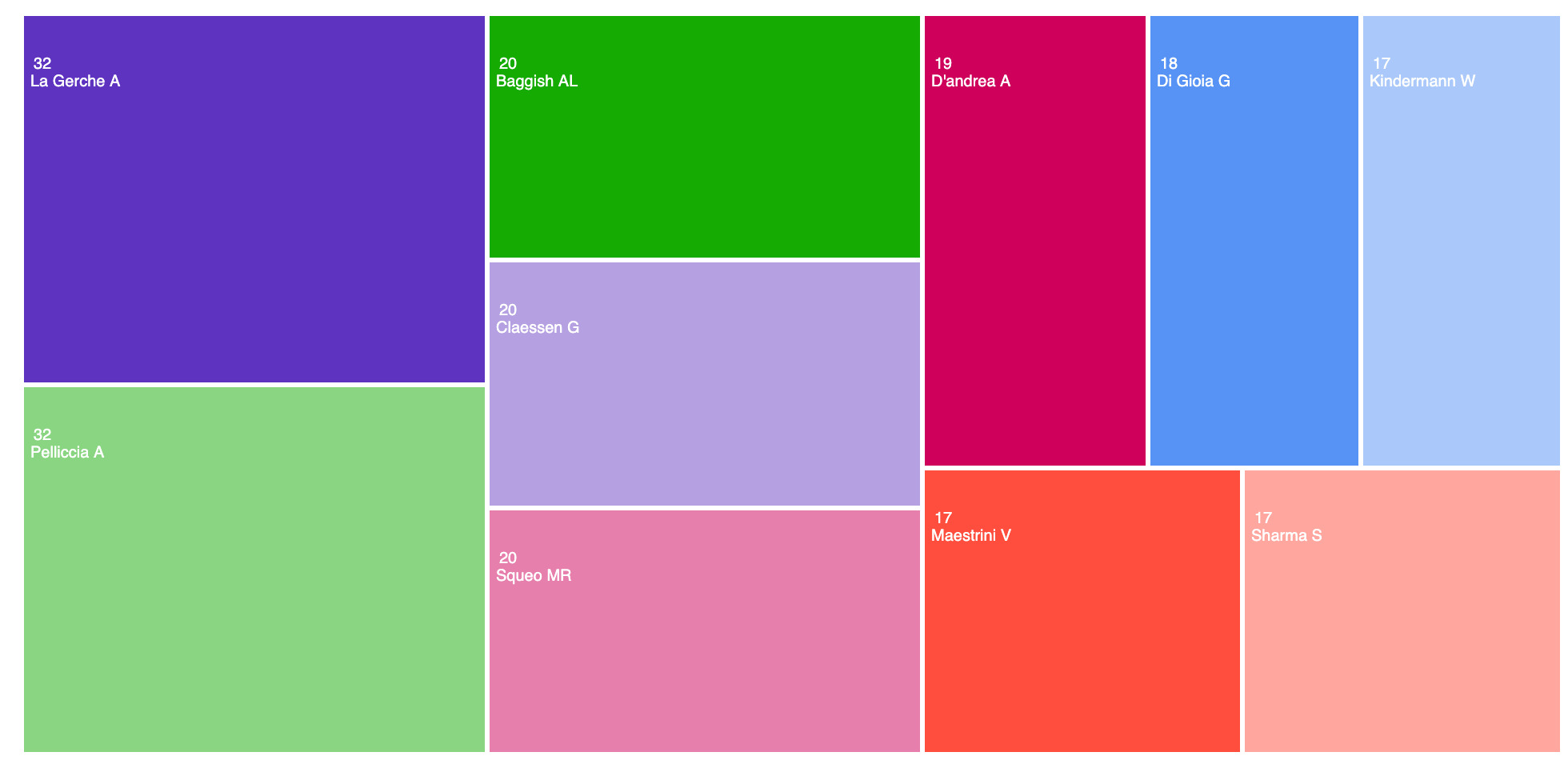
Figure 8 shows that authorship is similarly distributed across a moderate number of prolific contributors, led by La Gerche A and Pelliccia A (32 publications each), followed by Baggish AL, Claessen G, and Squeo MR (20 publications each).
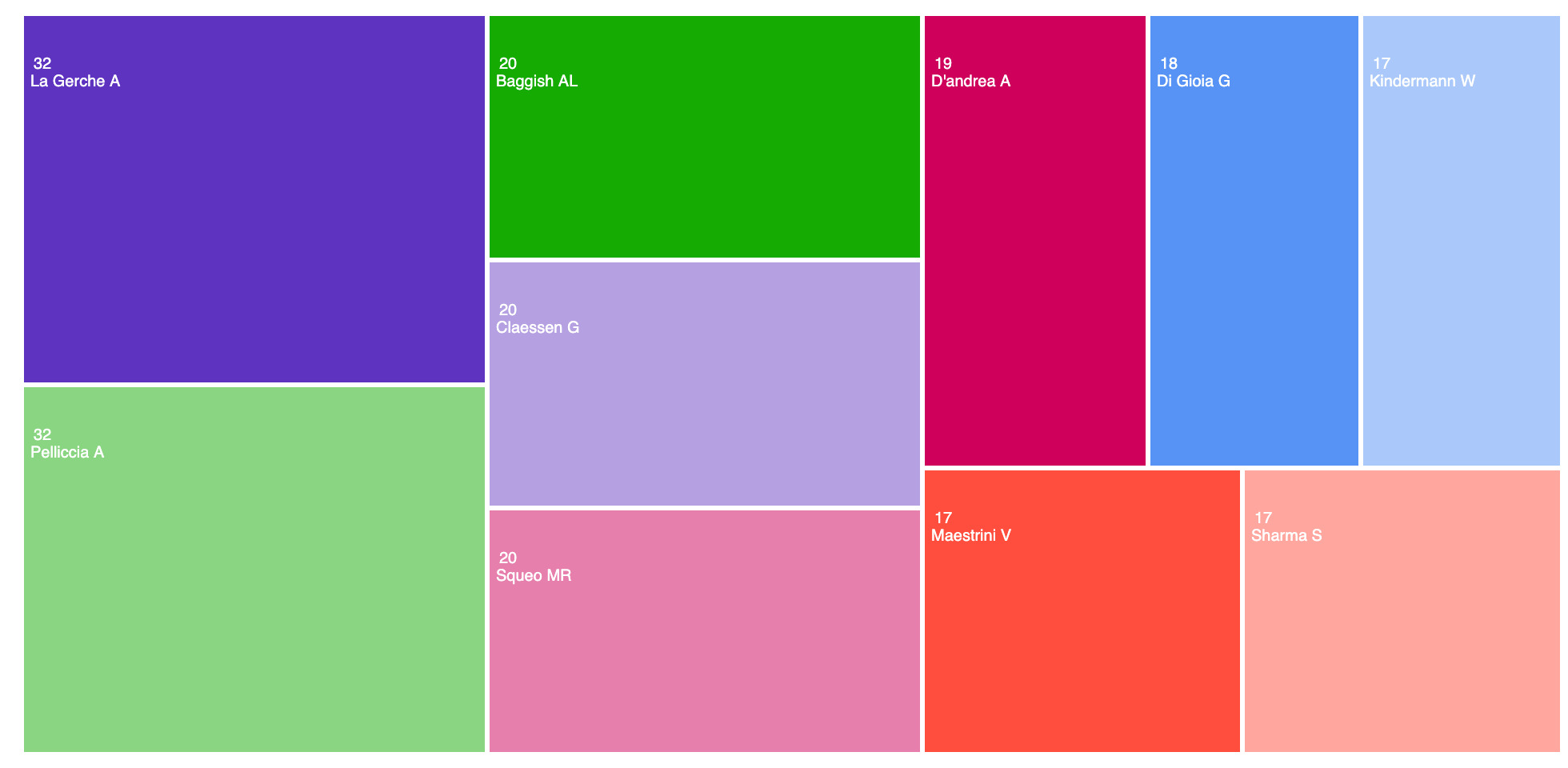
Table 1 summarizes the top 10 most cited publications in this field. The highest citation impact was observed in Bassett and Howley’s 2000 article on limiting factors for maximal oxygen uptake, with 1,662 total citations, followed by Pluim et al.'s 2000 meta-analysis of athlete’s heart structure and function (880 citations) and Mujika and Padilla’s 2000 review on detraining (556 citations). Several of the most-cited works, including Pelliccia et al.'s 1999 and 1996 studies and Spirito et al.'s 1994 echocardiographic survey of elite athletes, predate the 2000s, indicating that the field’s foundational, most-cited contributions were established early and have continued to accumulate citations over a long horizon rather than clustering around a single recent inflection point.
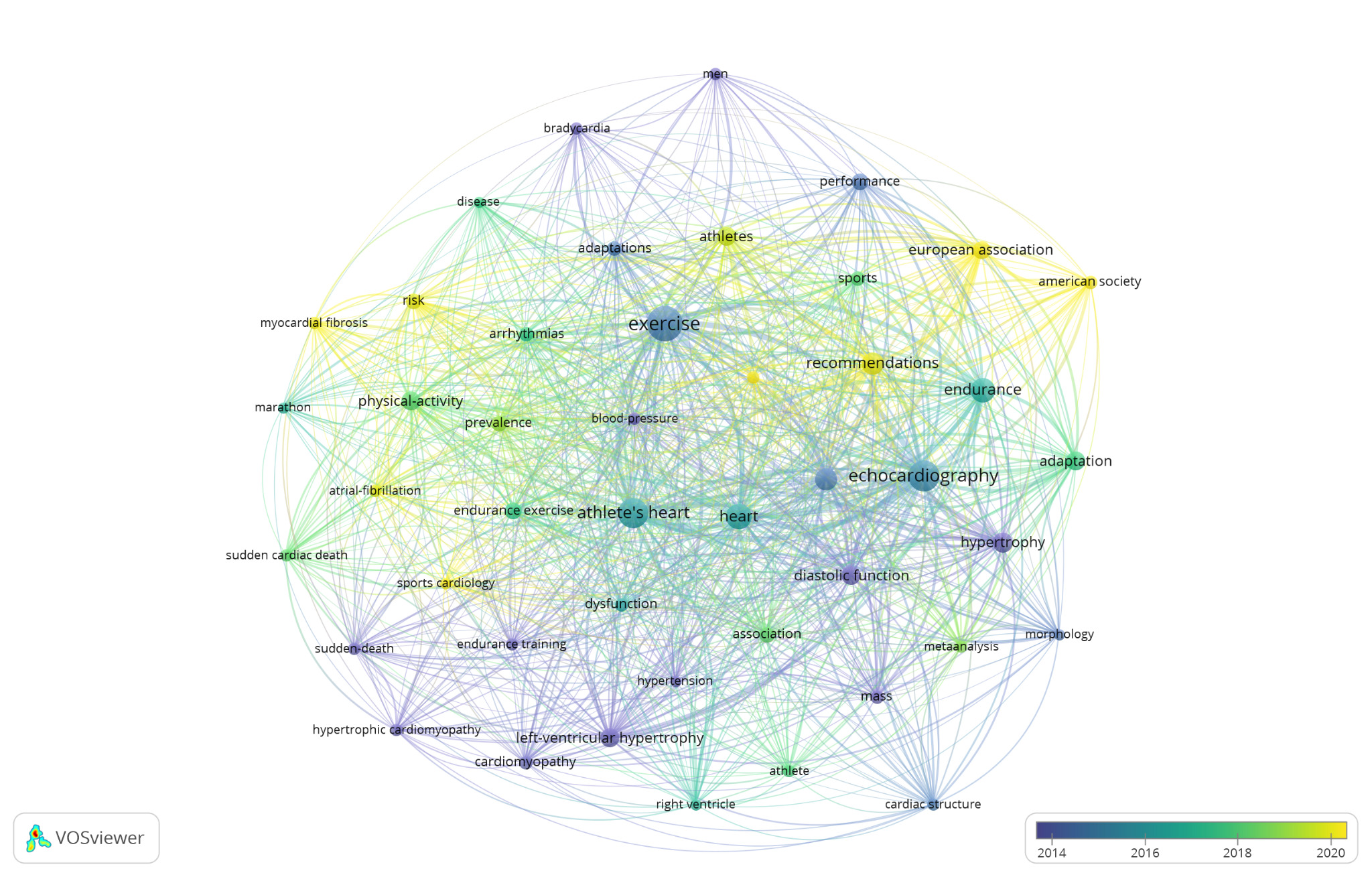
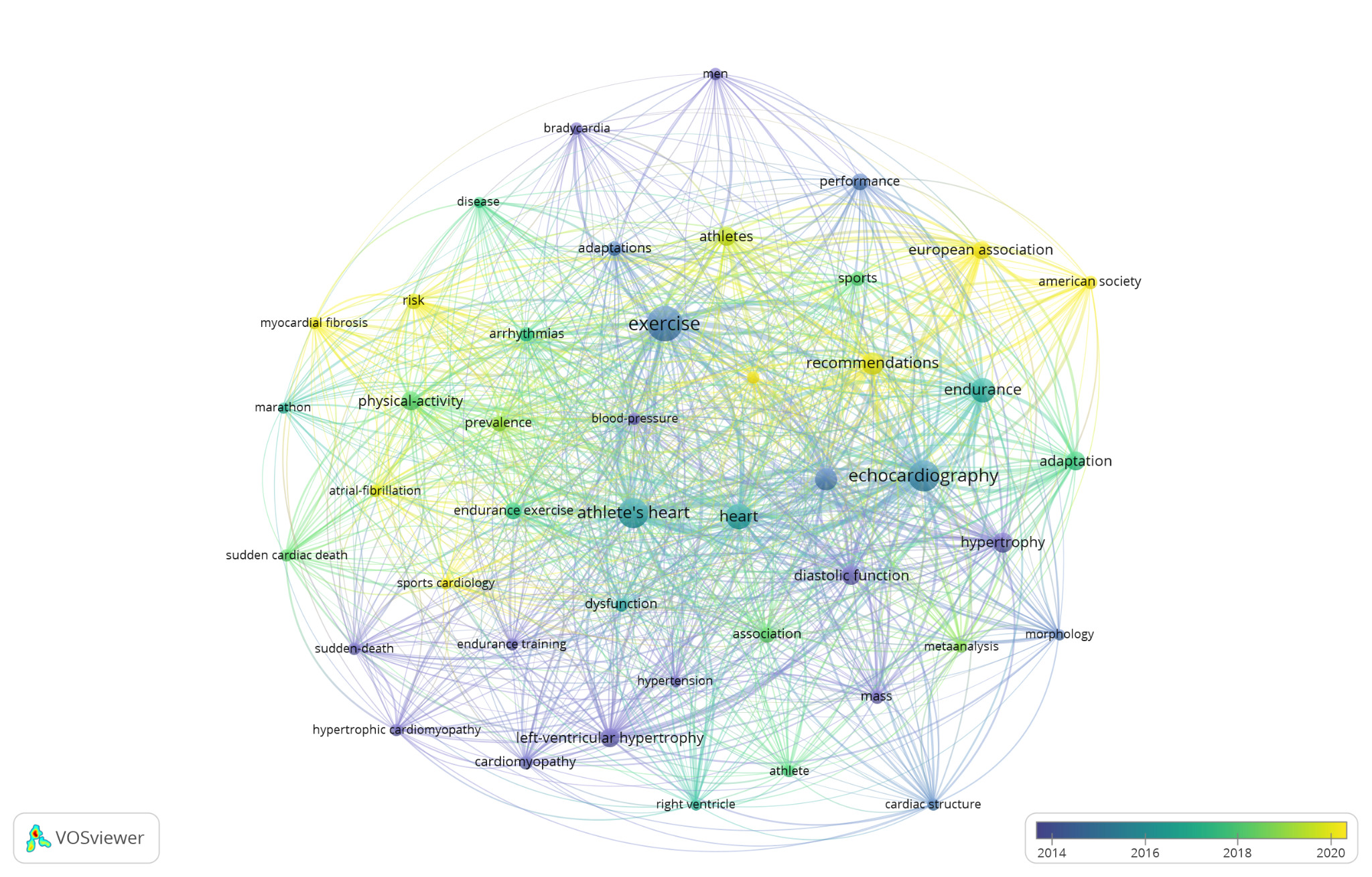
Figure 9 presents the keyword co-occurrence network. A total of 45 keywords met the minimum occurrence threshold of 30 occurrences. The most prominent keywords included “exercise” (n = 282), “echocardiography” (n = 214), “athlete’s heart” (n = 202), “heart” (n = 148), “endurance” (n = 136), and “recommendations” (n = 106), suggesting that exercise physiology, structural cardiac imaging, and athlete’s heart remain the dominant and most interconnected themes within the literature.
Discussion
Research on cardiac adaptations in endurance athletes has progressed from scattered physiologic observation to a substantial, multidecade literature spanning structural imaging, electrophysiology, and long-term outcomes research. We identified 754 publications indexed between 1967 and 2026, with output remaining minimal through the 1970s before a steady climb through the 1990s and 2000s and a sustained plateau of elevated activity from roughly 2015 onward, with the field’s two highest-output years (2022 and 2025) both more than doubling the typical output of the early 2010s (Figure 1). Geographic analysis identified 36 countries meeting the 5-publication inclusion threshold for the collaboration network, with the United States and Italy emerging as the most prominent and highly cited nodes, followed by England, Australia, and Germany (Figure 4). Institutional output was comparatively distributed rather than concentrated at a single center, led by Liverpool John Moores University, Harvard University and its affiliated entities, KU Leuven, and Massachusetts General Hospital (Figure 5), while citation strength within the institutional network clustered around a Belgian hub (KU Leuven, University Hospital Leuven, University of Antwerp) and an Italian sports-cardiology hub (Sapienza University of Rome, University of Rome Foro Italico, National Italian Olympic Committee) (Figure 6). Keyword co-occurrence analysis identified exercise, echocardiography, athlete’s heart, and endurance as the field’s dominant and most interconnected themes (Figure 9). Unlike the citation landscape of more recently emergent fields, the most highly cited individual publications in this literature were established early, largely between 1994 and 2002, and have continued to accumulate citations over two to three decades rather than clustering around a recent technological inflection point (Table 1).
This trajectory reflects the field’s distinct intellectual history compared to more recently emergent areas of medical research. Where some adjacent literatures were catalyzed by a single discrete technological event, the growth observed here is better understood as the product of incremental methodological maturation layered onto a stable, decades-old physiologic question. Early work established the basic phenomenology of athlete’s heart: bradycardia, increased vagal tone, and ventricular and atrial remodeling,1,2,8,9 and proposed both autonomic and intrinsic cardiac mechanisms to explain it.2,3 Subsequent decades refined this picture considerably: longitudinal follow-up of former professional cyclists demonstrated that training-induced sinus node changes could persist and, in some cases, manifest as clinically relevant arrhythmia years after competitive retirement,13 while controlled training studies such as Arbab-Zadeh et al.'s year-long endurance intervention provided some of the first prospective evidence that cardiac remodeling tracks dose and duration of training exposure rather than reflecting a fixed athletic phenotype.22 This longitudinal, dose-response framing has proven more durable than any single technological advance in sustaining the field’s growth, since it reframes the athlete’s heart not as a static diagnosis but as a continuum that imaging and electrophysiology must track over time.
The central unresolved tension in this literature, and the one our keyword and citation findings most directly surface, is the question raised but not settled in our introduction: whether physiologic remodeling and pathologic remodeling represent genuinely distinct processes or points on a single continuum that can be crossed under sufficient training load. The bulk of the foundational, most-cited literature in this field (Table 1), work establishing normative limits for maximal oxygen uptake (Bassett and Howley, 1,662 citations), athlete’s heart structure and function (Pluim et al., 880 citations), and detraining reversibility (Mujika and Padilla, 556 citations), was framed around establishing what is normal and reversible, implicitly treating athlete’s heart as benign by default. Later work has complicated that framing considerably. La Gerche et al. demonstrated measurable biochemical and functional right and left ventricular abnormalities following ultra-endurance exercise that did not fully resolve in the immediate post-exercise period,23 and subsequent atrial remodeling studies found echocardiographic and electrophysiologic overlap between athlete’s heart and hypertrophic or hypertensive cardiomyopathy phenotypes substantial enough to complicate differential diagnosis in some individuals.18,24 This matters clinically because the imaging and electrophysiologic benchmarks built to distinguish physiologic from pathologic remodeling16–18 were largely validated against the same population assumed, by the field’s own earlier and more heavily cited work, to be at low cardiovascular risk. If a meaningful subset of high-volume endurance athletes instead sit further along a remodeling continuum than previously assumed, the diagnostic thresholds derived from decades-old normative data may need direct re-validation rather than incremental updating.
The keyword network reinforces that this shift in emphasis is already underway empirically, even if it has not yet been explicitly reconciled at the level of theory. Early-era terms such as bradycardia, vagal tone, and detraining sit alongside later-era terms such as fibrosis, sudden cardiac death, and atrial fibrillation in the same network (Figure 9). More recent research has shifted increasingly toward arrhythmia and long-term outcomes. Mechanistically, this shift is supported by work showing that atrial electrical remodeling and fibrosis are not incidental findings but plausible substrates for exercise-associated atrial fibrillation,10 and that the same training exposures responsible for beneficial bradycardia,1,4,13 may, at sufficient cumulative dose, predispose toward the very arrhythmic outcomes the field’s earliest literature treated as a separate, pathologic category.14,15,25 Notably, this is not simply a story of new findings overturning old ones: Bjørnstad et al.'s electrocardiographic survey across fitness and sport-activity levels25 and Mason and Lönnqvist’s caution against over-medicalizing bradycardia in the absence of symptoms26 both suggest that most training-related electrical changes remain benign, and that the field’s task is to identify the minority for whom this is not true rather than to reframe athlete’s heart wholesale as a risk state.
The institutional and geographic pattern observed here (Figures 4–6) plausibly relates to this same continuum question. Unlike fields concentrated around one or two dominant centers, the collaboration network here reflects multiple semi-independent hubs, a Belgian cardiology cluster, an Italian sports-medicine and Olympic-committee cluster, and Anglo-American academic medical centers, each historically associated with somewhat different subpopulations (clinical cardiology referrals, elite/Olympic athlete screening cohorts, and general academic sports medicine, respectively). This raises the possibility that some of the field’s apparent disagreement about where physiologic remodeling ends and pathologic remodeling begins reflects real differences in the populations each hub studies rather than a single underlying phenomenon being measured inconsistently, a hypothesis that orthostatic stress and diastolic function studies in trained cohorts27 and broader detraining-reversibility studies6,7 have begun to probe but not yet resolved across populations directly.
This analysis carries the limitations inherent to bibliometric methodology: reliance on a single database, citation lag that undercounts the influence of the most recent work, language restriction to English-indexed records, and sensitivity to the specific search terms used in retrieval. These caveats acknowledged, the clearest path forward suggested by this analysis is not simply continued descriptive characterization of athlete’s heart, but prospective, multi-cohort work that follows athletes longitudinally across the imaging and electrophysiologic benchmarks already established16,18,27 to determine which baseline characteristics predict eventual divergence toward pathologic remodeling versus stable, reversible adaptation.6,7,22 Given the hub structure observed in our institutional network (Figure 6), such work would benefit specifically from deliberate cross-hub collaboration, pairing clinical cardiology cohorts with elite-athlete screening cohorts, rather than continued parallel investigation within each tradition separately.
Conclusions
This bibliometric analysis demonstrates that research on cardiac adaptations in endurance athletes has matured along a markedly different trajectory than fields driven by a single disruptive technology. Rather than a sharp recent inflection, output has grown steadily since the 1990s and plateaued at a consistently elevated level since the mid-2010s, reflecting incremental refinement of a stable physiologic question rather than a single breakthrough. Output is led internationally by the United States and Italy, and institutionally by a comparatively distributed set of contributors rather than a single dominant center, with citation strength clustering around a Belgian cardiology hub and an Italian sports-medicine and Olympic-screening hub.
This structural distribution is itself a meaningful finding. Unlike literatures concentrated at one or two flagship institutions, this field’s evidence base has been built largely from clinical and elite-athlete screening cohorts studied in parallel, which may partly explain why consensus has remained elusive on the field’s central debate: whether physiologic remodeling and pathologic remodeling are genuinely separate processes or points on a shared continuum. The field’s most heavily cited work has tended to establish what counts as normal, expected, and reversible adaptation, implicitly treating athlete’s heart as benign by default. Yet our keyword network shows persistent co-occurrence of early terms like bradycardia and detraining alongside later terms like fibrosis and atrial fibrillation, suggesting the field’s empirical attention has already shifted toward identifying which athletes deviate from that benign default, even as its most-cited reference points have not caught up to that shift.
This may instead reflect a mismatch between the questions that are most readily studied and those that remain most clinically consequential. Reversibility has been established empirically because it is tractable: training stimulus can be removed and outcomes measured. Determining which athletes will not reverse, and why, is harder, since it demands longitudinal, multi-cohort designs that resist quick, citable findings. Closing that gap is the field’s actual task going forward, and the institutional hub structure identified here suggests a concrete starting point: deliberate collaboration that pairs clinical cardiology cohorts with elite-athlete screening cohorts, rather than continued parallel investigation within each tradition separately, is the most direct route toward resolving whether athlete’s heart is one phenomenon or several being studied under a single name.