
1. Introduction
Rotator cuff-related shoulder pain (RCRSP) constitutes one of the most prevalent and clinically consequential musculoskeletal disorders encountered in orthopaedic and rehabilitation practice. Shoulder pain affects a substantial proportion of the population across the lifespan, with rotator cuff disorders representing the most common diagnostic subgroup and contributing considerably to disability, reduced quality of life, work limitations, and healthcare utilization.1 Although many patients respond favorably to conservative exercise-based management, persistent symptoms remain common, and a subset ultimately progresses to surgical intervention. The substantial burden associated with both nonoperative and operative management highlights the need to optimize rehabilitation strategies capable of improving patient-important outcomes throughout the continuum of care.
The scapula functions as a dynamic biomechanical platform that facilitates efficient force transmission and coordinated movement throughout the shoulder complex. Scapulothoracic motion influences glenohumeral mechanics, subacromial space dimensions, rotator cuff loading patterns, and overall movement efficiency during arm elevation and functional activities.2 Alterations in scapular position or motion may modify the mechanical environment surrounding the rotator cuff tendons and affect the balance of force couples responsible for shoulder stability. Consequently, the scapula has emerged as a central therapeutic target within contemporary shoulder rehabilitation frameworks.
Scapular dyskinesis, commonly defined as an alteration in normal scapular motion or positioning during shoulder movement, is frequently observed in individuals with rotator cuff pathology. Altered scapular kinematics have been documented in patients with symptomatic rotator cuff tears, although substantial variability exists regarding the direction, magnitude, and consistency of these abnormalities.3 The clinical significance of dyskinesis remains controversial because abnormal scapular motion may represent a contributing factor, a compensatory response, or a normal biomechanical variation. Furthermore, prospective evidence suggests that scapular dyskinesis alone is not a reliable independent predictor of future shoulder injury, challenging purely causal interpretations of its role in shoulder pathology.4 Accordingly, the relationship between scapular motion abnormalities and clinical outcomes remains incompletely understood.
The theoretical rationale for scapular-targeted rehabilitation is founded on the premise that improving neuromuscular control of the periscapular musculature may optimize scapular positioning, enhance movement quality, improve force transmission, and reduce potentially adverse mechanical loading of the rotator cuff. Scapular-focused interventions commonly incorporate stabilization exercises, selective strengthening of the serratus anterior and trapezius musculature, neuromuscular retraining strategies, and movement re-education approaches. A previous systematic review and meta-analysis reported favorable effects of scapular-focused interventions on pain and function in individuals with subacromial pain conditions, supporting the biological plausibility of this rehabilitation strategy.5 Nevertheless, biomechanical improvements do not necessarily translate into meaningful improvements in pain, disability, or shoulder function, and the extent to which changes in scapular kinematics influence patient outcomes remains uncertain.
Recent evidence has continued to support the potential value of scapular-targeted rehabilitation while simultaneously highlighting substantial uncertainty. A contemporary meta-analysis of randomized controlled trials demonstrated improvements in pain and disability following scapular stabilization exercises in patients with subacromial pain syndrome, although considerable heterogeneity was observed across intervention protocols and study methodologies.6 Clinical practice guideline syntheses for rotator cuff disorders have likewise identified exercise therapy, including interventions directed at the periscapular musculature, as an important component of conservative management.7 Despite these findings, the overall evidence base remains fragmented, and uncertainty persists regarding the magnitude, consistency, and clinical relevance of treatment effects.
Existing evidence syntheses evaluating scapular-focused rehabilitation possess several important limitations. Most have focused on isolated diagnostic categories such as subacromial impingement syndrome without extending their scope to postoperative rotator cuff populations.8 Postoperative rehabilitation reviews following rotator cuff repair have primarily focused on immobilization duration, mobilization timing, and tendon protection strategies, with relatively limited emphasis on scapular-specific rehabilitation approaches.9 In parallel, the potential role of scapular dyskinesis in rotator cuff pathology has been discussed extensively within narrative literature, yet these publications do not provide quantitative estimates of treatment effectiveness.10 Consequently, the clinical value of scapular-targeted rehabilitation across both conservative and postoperative rotator cuff care pathways remains unclear.
To our knowledge, no previous evidence synthesis has comprehensively evaluated scapular-targeted rehabilitation across both conservative and postoperative rotator cuff care pathways while specifically focusing on patient-important outcomes such as pain, disability, and shoulder function. Therefore, the objective of the present systematic review and meta-analysis was to evaluate the clinical effectiveness of scapular-targeted rehabilitation interventions across the rotator cuff care continuum. We hypothesized that scapular-targeted rehabilitation would be associated with favorable effects on pain, disability, and shoulder function, although the magnitude and consistency of benefit may vary across stages of care.
2. Methods
2.1. Study Design and Reporting Standards
This study was conducted as a systematic review and meta-analysis to evaluate the effectiveness of scapular-targeted rehabilitation interventions in patients with shoulder disorders managed either conservatively or following rotator cuff repair surgery. The review was designed and reported in accordance with the Preferred Reporting Items for Systematic Reviews and Meta-Analyses (PRISMA 2020) statement.
2.2. Literature Search Strategy
A systematic electronic literature search was performed in PubMed/MEDLINE, Scopus, and Web of Science from database inception through May 2026. The search strategy combined controlled vocabulary terms and free-text keywords related to scapular rehabilitation, scapular stabilization, scapular-focused exercise, scapular mobilization, scapular dyskinesis, subacromial impingement syndrome, rotator cuff–related shoulder pain, rotator cuff tears, and postoperative shoulder rehabilitation.
The core search strategy included combinations of the following terms: (“scapular stabilization” OR “scapular rehabilitation” OR “scapular-focused exercise” OR “scapular training” OR “scapular mobilization”) AND (“shoulder pain” OR “subacromial impingement syndrome” OR “subacromial pain syndrome” OR “rotator cuff-related shoulder pain” OR “rotator cuff tear” OR “rotator cuff repair” OR “shoulder rehabilitation”).
Search syntax was adapted according to the indexing structure of each database. Reference lists of eligible studies were manually screened to identify additional relevant publications. Duplicate records were identified and removed before screening.
2.3. Eligibility Criteria
Eligibility criteria were defined according to the PICOS framework. The population included adults with conservative shoulder disorders, including subacromial impingement syndrome, subacromial pain syndrome, rotator cuff–related shoulder pain, and partial-thickness rotator cuff tears, as well as patients undergoing postoperative rehabilitation following rotator cuff repair.
The intervention of interest consisted of scapular-targeted rehabilitation approaches, including scapular stabilization exercises, scapular-focused exercise programs, scapular mobilization techniques, selective scapular muscle strengthening, and structured scapular rehabilitation protocols. Comparator interventions included conventional physiotherapy, standard rehabilitation programs, general shoulder exercise programs, or usual care.
Prespecified outcomes included pain, disability, shoulder function, range of motion, muscle strength, quality of life, and scapular kinematics. Randomized controlled trials were eligible for quantitative synthesis. Non-randomized comparative studies and single-group studies were included only in the qualitative synthesis when relevant. Studies without a scapular-targeted intervention, non-comparative designs, review articles, conference abstracts, study protocols without outcome data, animal studies, and duplicate datasets were excluded.
2.4. Study Selection and Data Extraction
Study selection was conducted through title and abstract screening followed by full-text eligibility assessment according to the predefined inclusion and exclusion criteria.
Data extraction was performed using a standardized data collection form. Extracted variables included study design, country, participant characteristics, sample size, intervention characteristics, comparator interventions, follow-up duration, outcome measures, and endpoint outcome data required for quantitative synthesis. For studies reporting multiple intervention arms, relevant scapular-targeted intervention groups were combined when appropriate according to Cochrane recommendations to avoid double-counting of participants. When multiple follow-up assessments were reported, the endpoint closest to completion of the intervention period was selected for quantitative synthesis.
2.5. Data Synthesis and Statistical Analysis
Meta-analyses were performed only when at least two independent comparative studies reported sufficiently homogeneous outcome data. Quantitative synthesis was conducted using random-effects models to account for anticipated clinical and methodological heterogeneity across studies.
Continuous outcomes measured using different instruments were pooled using Hedges g standardized mean differences (SMDs) with 95% confidence intervals. Outcomes measured using a common scale were pooled as mean differences (MDs) with 95% confidence intervals.
Pain and disability outcomes were synthesized using inverse-variance random-effects models with Hedges g standardized mean differences. Functional outcomes assessed using the Constant-Murley Score were pooled using random-effects mean difference models. Statistical heterogeneity was assessed using Cochran’s Q statistic, the I² statistic, and τ² estimates. Heterogeneity was interpreted using conventional thresholds, with I² values of approximately 25%, 50%, and 75% representing low, moderate, and high heterogeneity, respectively.
Because of the limited number of studies available for individual analyses, formal meta-regression, publication bias assessment, funnel plot analysis, and extensive subgroup analyses were not performed. Outcomes with insufficiently comparable reporting structures were synthesized narratively.
2.6. Risk of Bias Assessment
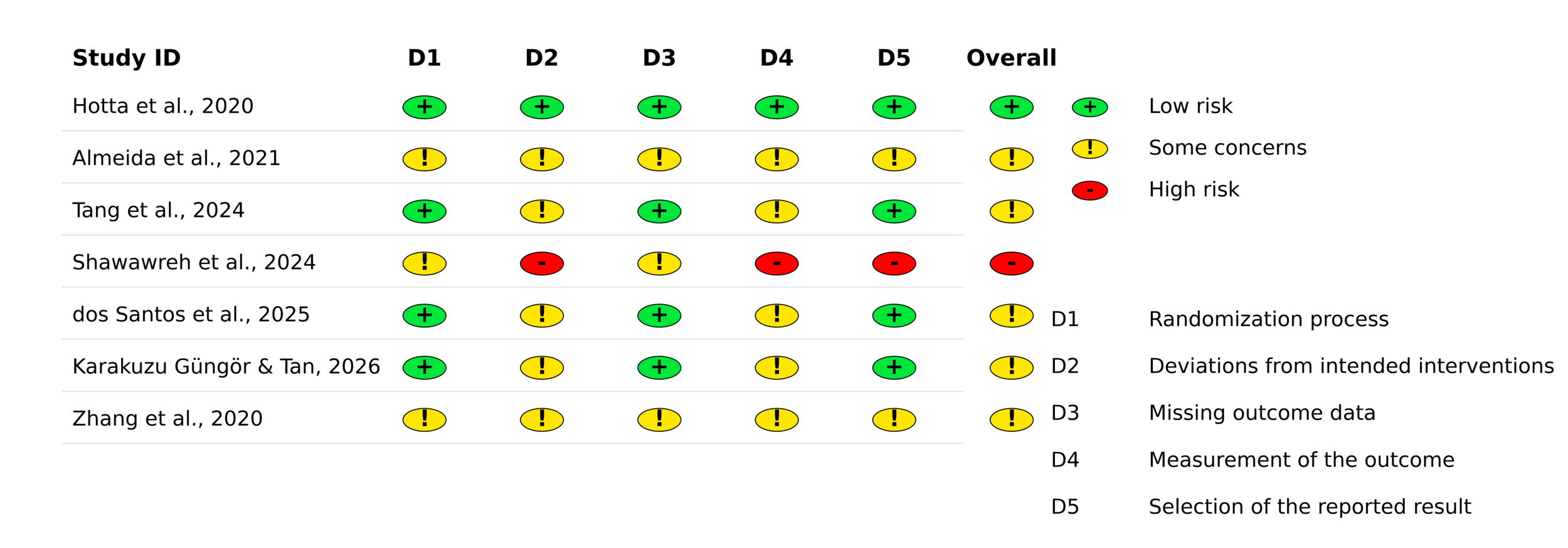
Methodological quality of randomized controlled trials was assessed using the Cochrane Risk of Bias 2 (RoB 2) tool. The following domains were evaluated: bias arising from the randomization process, bias due to deviations from intended interventions, bias due to missing outcome data, bias in outcome measurement, and bias in selection of the reported result. Each domain was judged as low risk of bias, some concerns, or high risk of bias according to RoB 2 guidance. Overall risk-of-bias judgments were derived from domain-level assessments and summarized using traffic-light visualizations.
3. Results
3.1. Study Selection
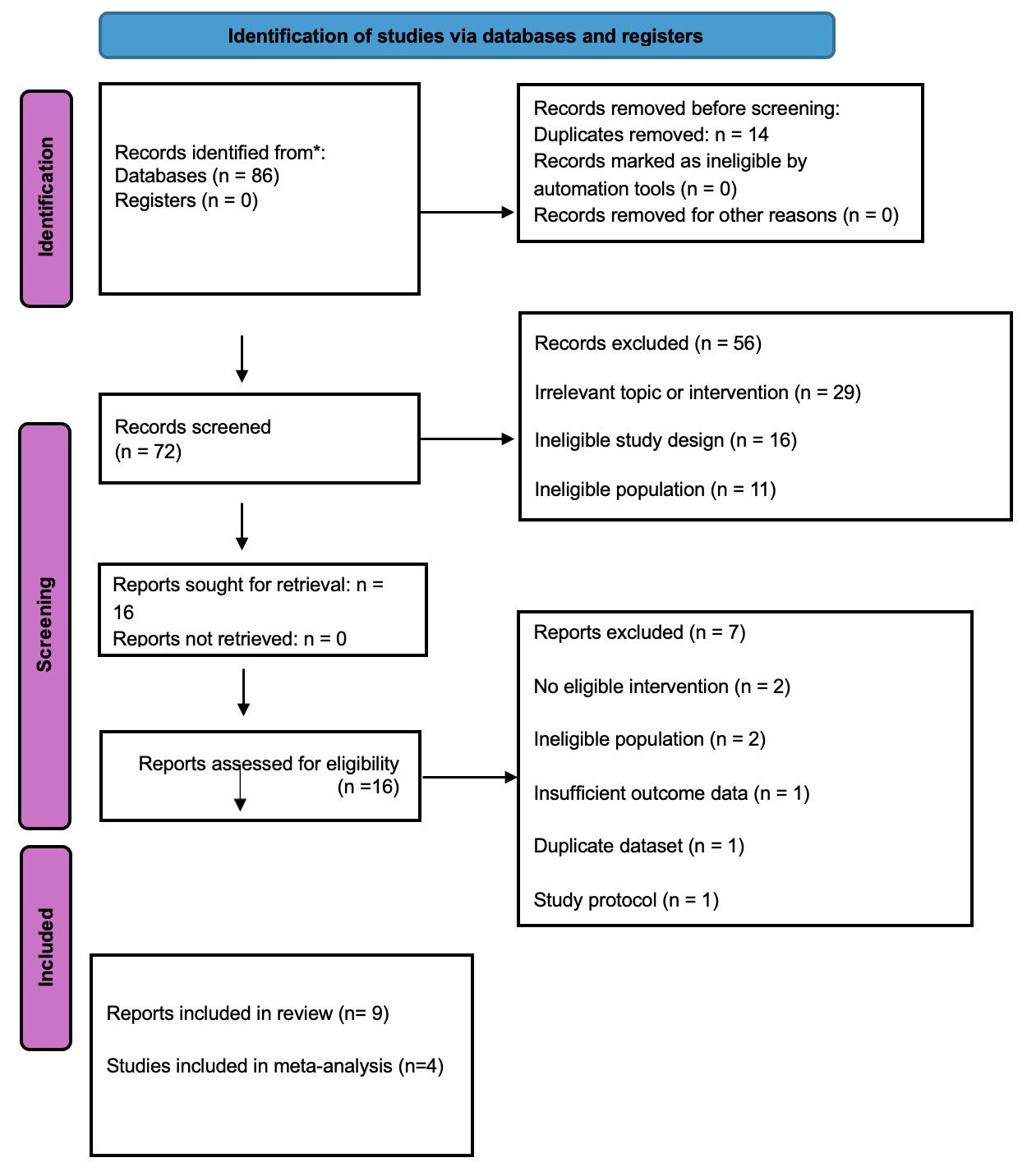
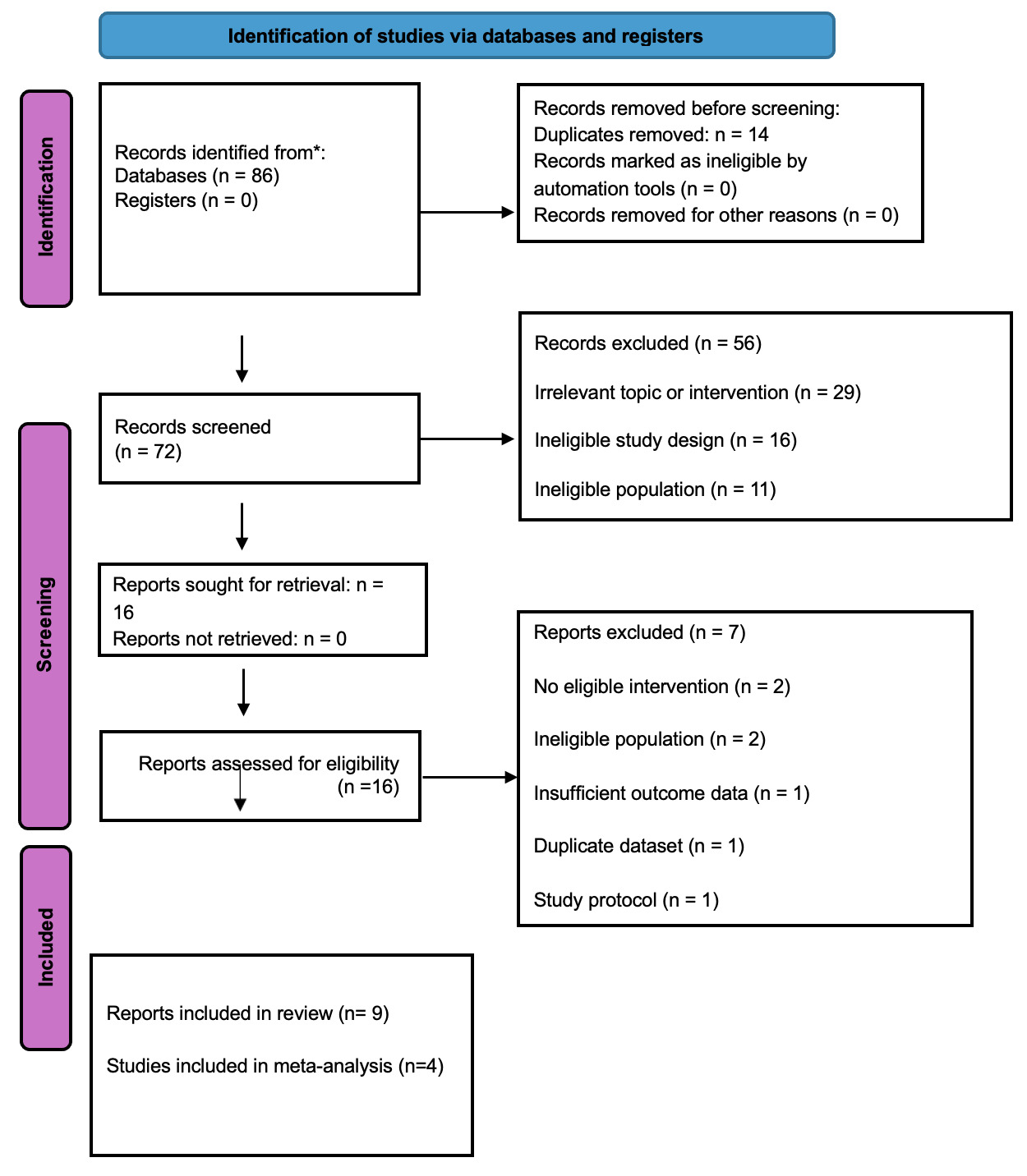
A total of 86 records were identified through database searching. After removal of 14 duplicate records, 72 citations remained for title and abstract screening. Following screening, 56 records were excluded because they did not meet the predefined eligibility criteria.
The full texts of 16 articles were assessed for eligibility. Of these, 7 reports were excluded for the following reasons: absence of an eligible scapular-targeted intervention (n = 2), ineligible population (n = 2), insufficient outcome data (n = 1), duplicate dataset (n = 1), and study protocol without outcome data (n = 1).
Ultimately, 9 studies met the inclusion criteria and were included in the systematic review. These comprised randomized controlled trials, a propensity score–matched controlled study, and a single-group pre–post study. Of the included studies, four randomized controlled trials provided sufficient endpoint data for quantitative synthesis and were included in at least one meta-analysis.
The study selection process is presented in Figure 1.
3.2. Study Characteristics
A total of nine studies were included in the systematic review, comprising seven randomized controlled trials, one propensity score matched controlled study, and one single-group pre-post study. Sample sizes ranged from 12 to 90 participants and included individuals with conservative shoulder disorders as well as postoperative rotator cuff repair populations. Interventions consisted of scapular-targeted rehabilitation approaches, including scapular stabilization exercises, scapular-focused exercise programs, scapular mobilization, selective scapular muscle strengthening, and preoperative or postoperative scapular rehabilitation. Comparator interventions included conventional physiotherapy, general shoulder exercise programs, standard rehabilitation protocols, or control therapy. Follow-up durations ranged from 4 weeks to 1 year.
The most frequently reported outcomes were pain, disability, shoulder function, range of motion, muscle strength, quality of life, and scapular kinematics. The detailed characteristics of the included studies are presented in Table 1.
3.3. Effects of Scapular-Targeted Rehabilitation
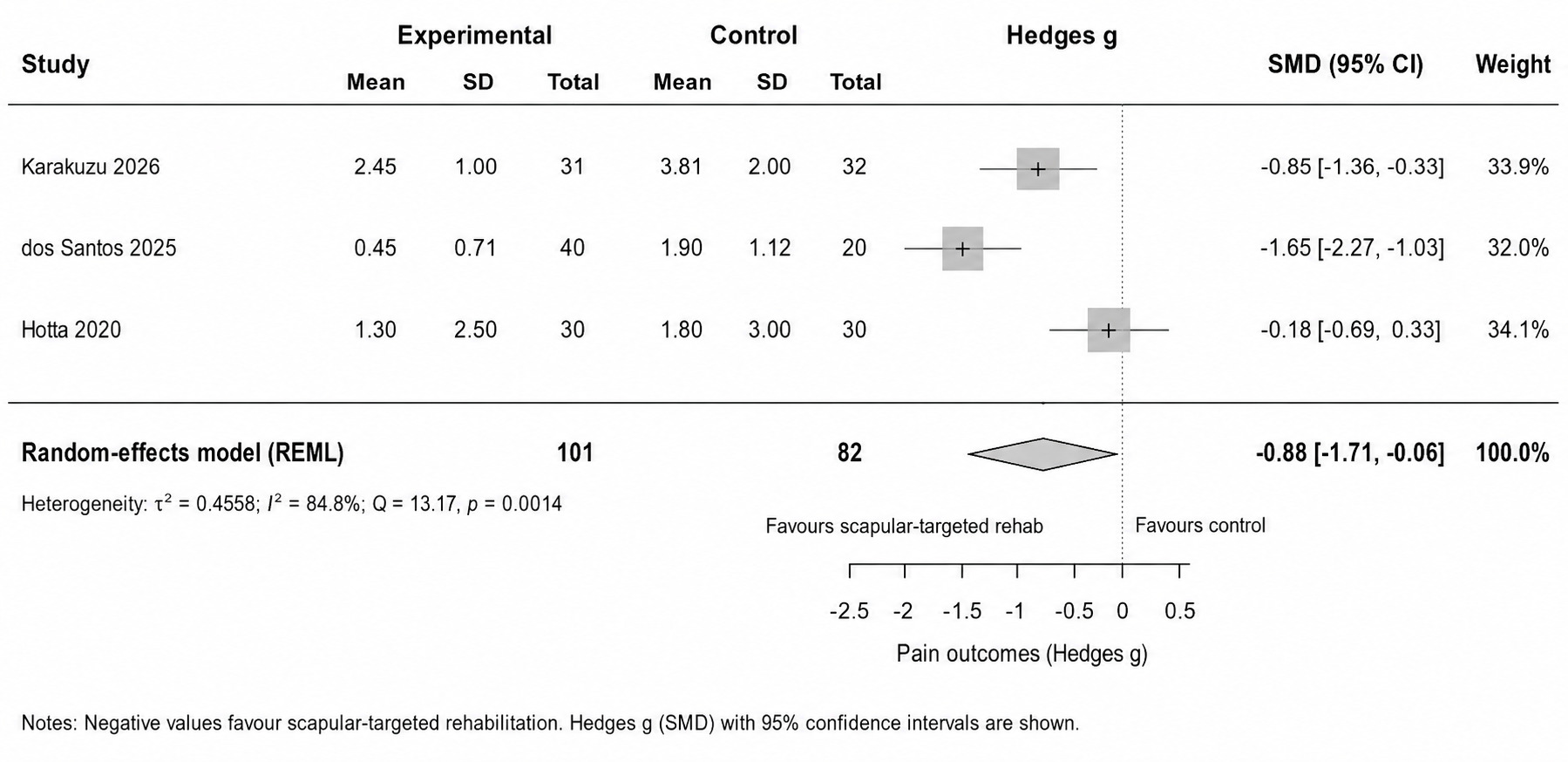
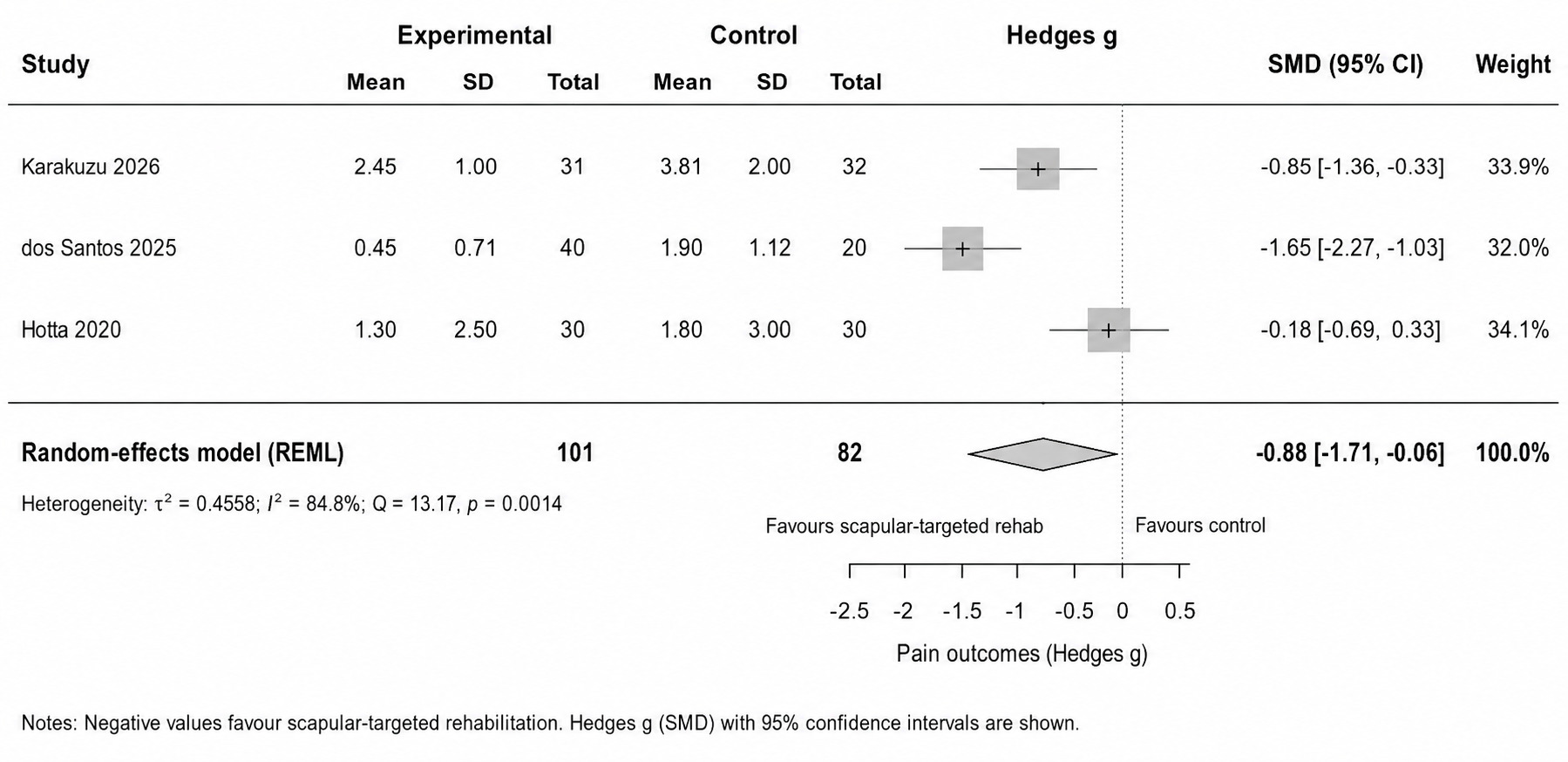
The pooled analysis included pain outcomes from three randomized controlled trials involving 183 participants. Pain was analyzed using endpoint values and pooled using a random-effects inverse-variance model with Hedges g standardized mean differences (SMDs), with negative effect sizes favoring scapular-targeted rehabilitation.
As shown in Figure 2, scapular-targeted rehabilitation was associated with a statistically significant reduction in pain compared with control interventions (SMD = −0.88, 95% CI −1.71 to −0.06).
Significant between-study heterogeneity was observed (I² = 84.8%, τ² = 0.456, Q = 13.17, p = 0.001). Among the individual studies, dos Santos et al. demonstrated the largest treatment effect (SMD = −1.65, 95% CI −2.27 to −1.03), followed by Karakuzu et al. (SMD = −0.85, 95% CI −1.36 to −0.33). In contrast, Hotta et al. showed no statistically significant between-group difference (SMD = −0.18, 95% CI −0.69 to 0.33). Overall, the pooled findings favored scapular-targeted rehabilitation for pain reduction; however, the findings should be interpreted cautiously given the substantial between-study heterogeneity.
3.4. Disability Outcomes
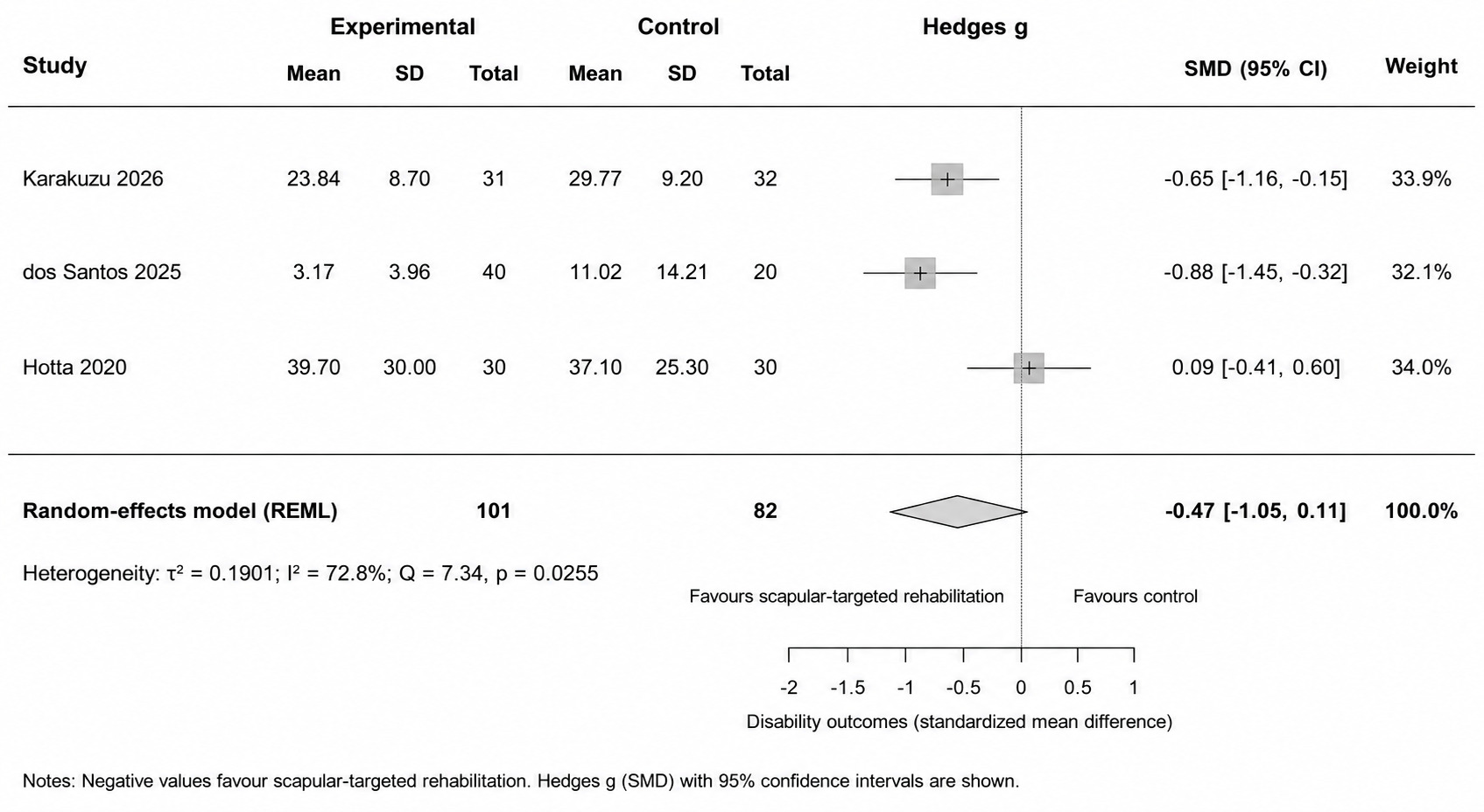
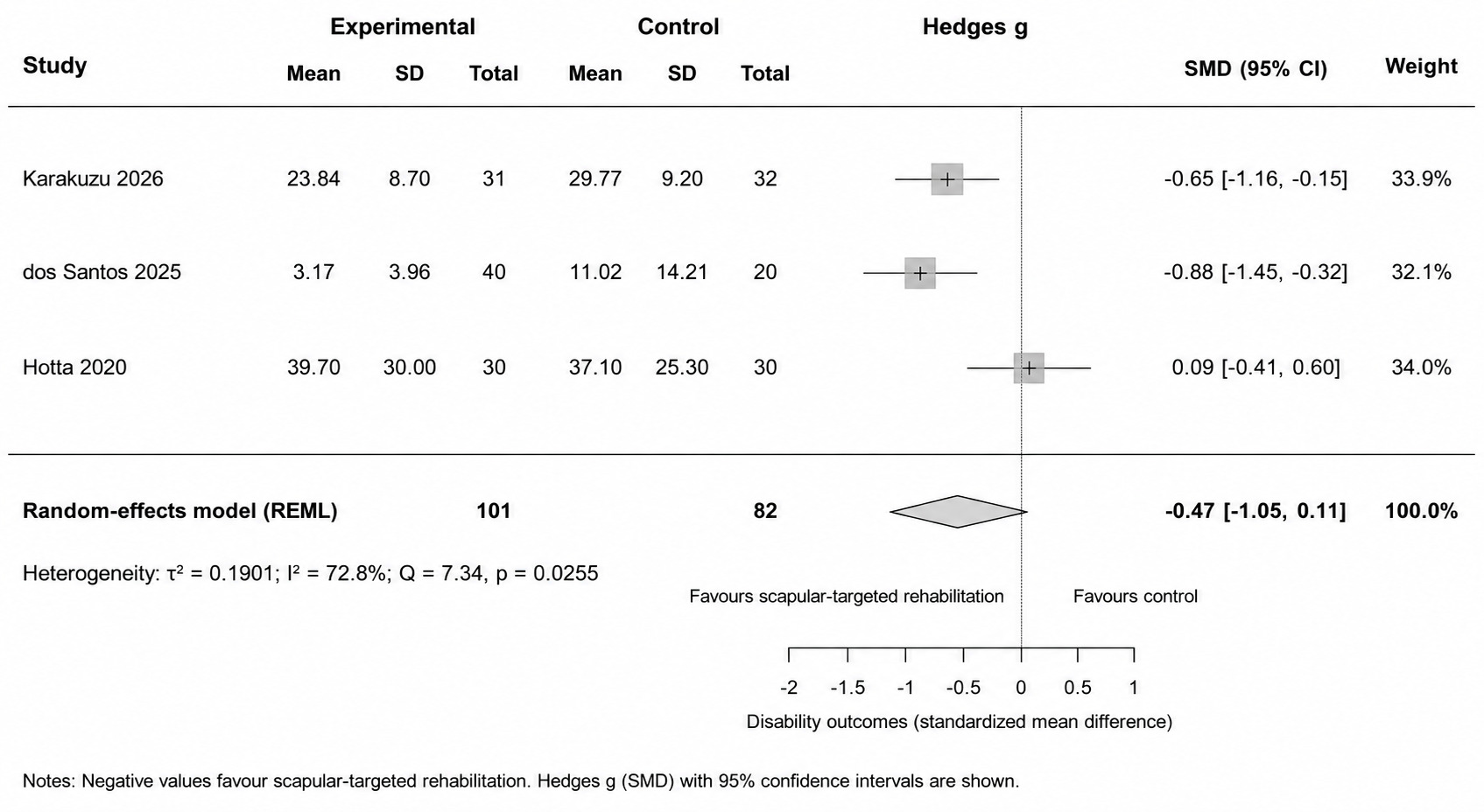
The pooled analysis included disability outcomes from three randomized controlled trials involving 183 participants. Disability was assessed using validated shoulder-specific disability measures (QuickDASH and SPADI) and pooled using a random-effects inverse-variance model with Hedges g standardized mean differences (SMDs), with negative effect sizes favoring scapular-targeted rehabilitation.
As shown in Figure 3A, scapular-targeted rehabilitation demonstrated a moderate effect favoring improved disability outcomes compared with control interventions (SMD = −0.47, 95% CI −1.05 to 0.11). However, the pooled effect did not reach statistical significance because the confidence interval crossed the line of no effect.
Substantial between-study heterogeneity was observed across the included trials (I² = 72.8%, τ² = 0.190, Q = 7.34, p = 0.026), indicating considerable variability in treatment effects. Among the individual studies, dos Santos et al. demonstrated the largest improvement in disability outcomes (SMD = −0.88, 95% CI −1.45 to −0.32), followed by Karakuzu et al. (SMD = −0.65, 95% CI −1.16 to −0.15). In contrast, Hotta et al. reported no statistically significant between-group difference (SMD = 0.09, 95% CI −0.41 to 0.60).
Overall, the pooled findings favored scapular-targeted rehabilitation for disability reduction; however, interpretation of the pooled estimate should be undertaken with caution because substantial heterogeneity was present and the overall effect did not achieve statistical significance.
3.5. Functional Outcomes
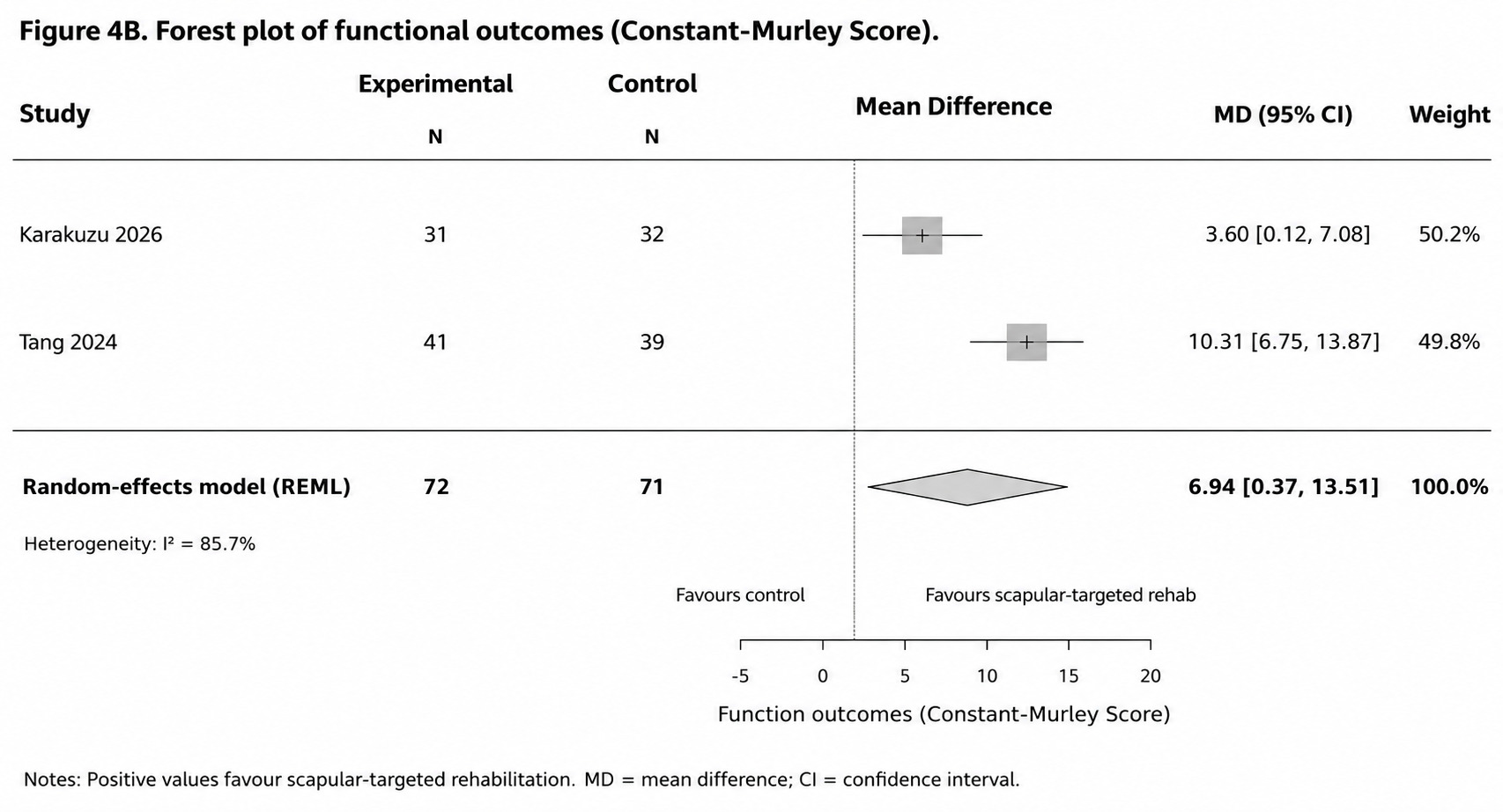
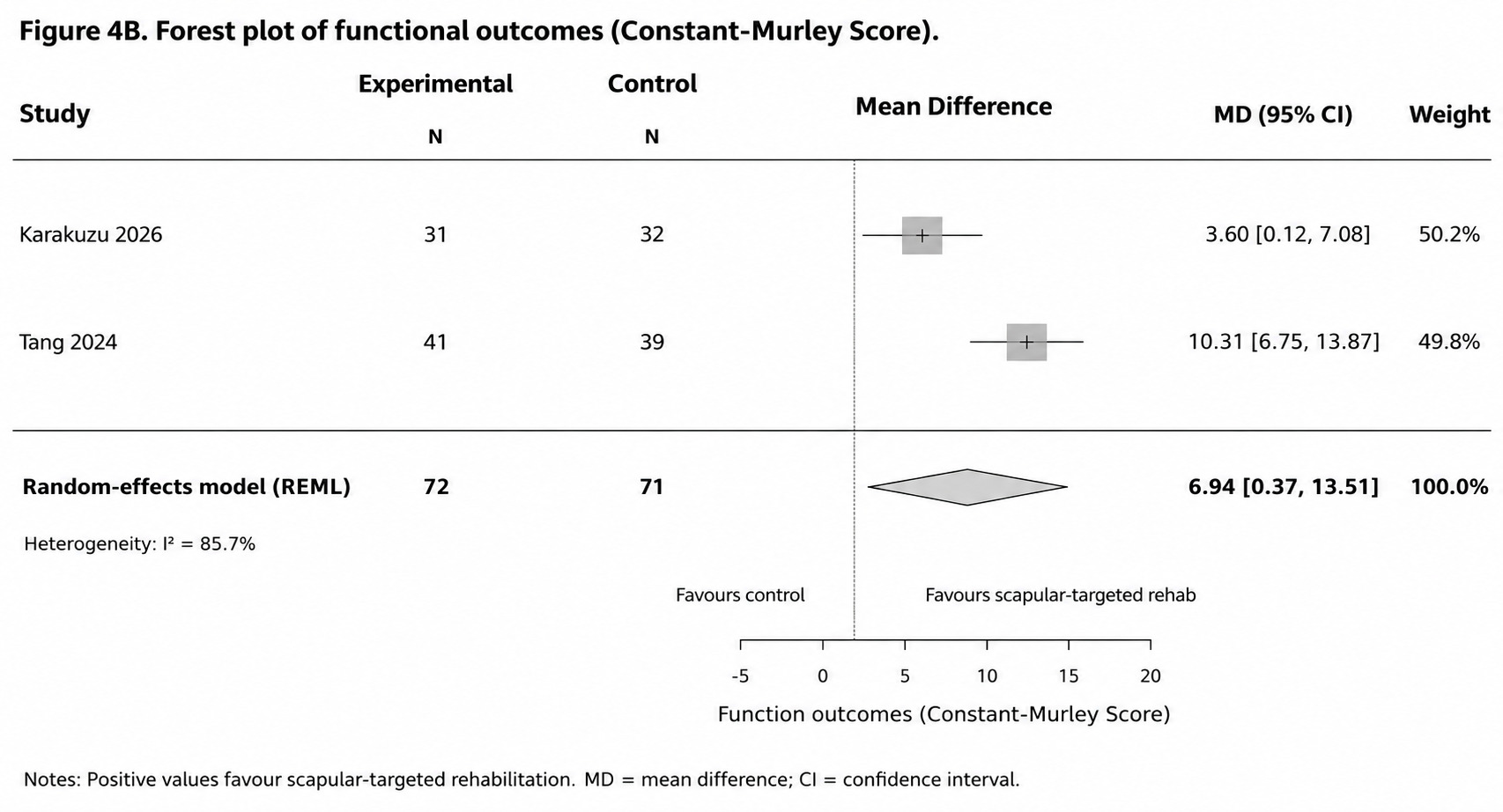
The pooled analysis included functional outcomes from two randomized controlled trials involving 143 participants. Functional performance was assessed using the Constant-Murley Score (CMS) and pooled using a random-effects inverse-variance model with mean differences (MDs), with positive values favoring scapular-targeted rehabilitation.
As shown in Figure 3B, scapular-targeted rehabilitation was associated with significantly greater improvements in shoulder function compared with control interventions (MD = 6.94 points, 95% CI 0.37 to 13.52). Substantial between-study heterogeneity was observed (I² = 85.7%), indicating considerable variability in treatment effects across studies. Both included trials favored scapular-targeted rehabilitation. The largest effect was observed in Tang et al. (MD = 10.31, 95% CI 6.75 to 13.87), whereas Karakuzu et al. reported a more modest but statistically significant improvement (MD = 3.60, 95% CI 0.12 to 7.08).
Overall, the pooled findings favored scapular-targeted rehabilitation for improving shoulder function. However, interpretation of the pooled estimate should be undertaken with caution because substantial heterogeneity was present between the included studies.
3.6. Risk of Bias Assessment
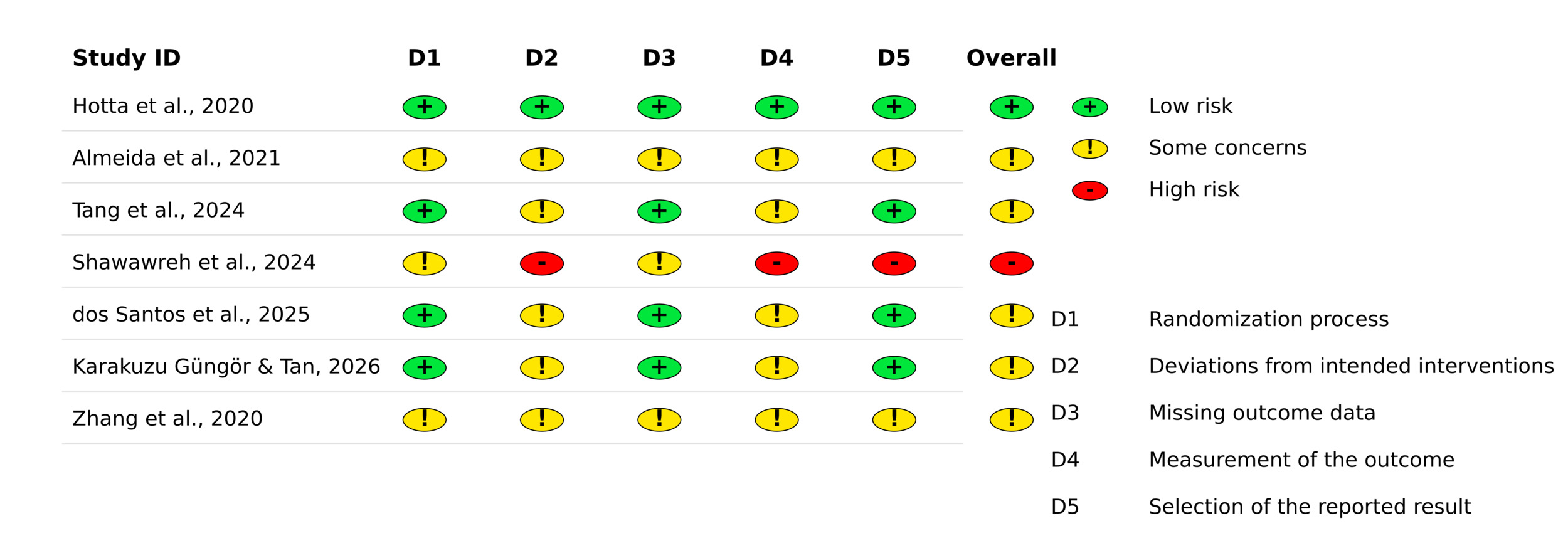
Risk of bias assessments for the included randomized controlled trials are presented in Figure 4. Overall, one study was judged as having low risk of bias, five studies were judged as having some concerns, and one study was judged as having high risk of bias. Most concerns arose from insufficient reporting of allocation concealment, lack of blinding of participants or outcome assessors, and potential deviations from intended interventions. High risk of bias was primarily related to limitations in the randomization process and outcome measurement. No study was excluded based on risk-of-bias assessment.
4. Discussion
The findings of this systematic review and meta-analysis support a clinically meaningful role for scapular-targeted rehabilitation in reducing pain and improving shoulder function among individuals with rotator cuff-related shoulder disorders, while simultaneously highlighting persistent uncertainty regarding disability outcomes and postoperative effectiveness. Overall, the pooled analyses demonstrated significant improvements in pain and Constant-Murley Score performance, whereas disability outcomes showed only a favorable non-significant trend. Importantly, these findings should be interpreted in the context of substantial between-study heterogeneity and varying methodological quality, both of which limit confidence in the precision and generalizability of pooled estimates.
The significant reduction in pain observed across randomized trials is consistent with the hypothesis that scapular-targeted rehabilitation may optimize scapulothoracic positioning, improve serratus anterior and trapezius coordination, and reduce potentially adverse loading patterns across the shoulder complex. Therapeutic interventions directed at scapular control have previously been associated with improvements in scapular kinematics and shoulder symptoms, supporting the biological plausibility of this treatment approach.11 Nevertheless, mechanistic plausibility should not be interpreted as evidence of causality. Improvements in pain may arise through multiple pathways, including exercise-induced analgesia, increased movement confidence, enhanced self-efficacy, and general exercise effects, rather than through correction of scapular dyskinesis alone. Consequently, the present findings support the clinical utility of scapular-targeted rehabilitation without establishing that altered scapular motion is itself the primary driver of symptom improvement.
The significant improvement in shoulder function, reflected by a pooled increase of approximately seven Constant-Murley Score points, is similarly noteworthy. Because the Constant-Murley Score incorporates strength, range of motion, and functional performance, it may be more responsive to improvements in movement quality and neuromuscular control than broader disability instruments. The magnitude of improvement observed in the present review approached values considered potentially clinically meaningful in several shoulder populations.12 In contrast, the non-significant pooled effect on disability (SMD −0.47; 95% CI −1.05 to 0.11), despite favoring scapular-targeted rehabilitation, suggests that disability recovery involves a broader trajectory than biomechanical retraining alone can modify within typical intervention windows. Disability instruments such as the DASH or WORC capture psychosocial burden, activity limitation, and participation restriction, all of which may require longer rehabilitation timelines or adjunctive strategies targeting behavioral and contextual factors beyond scapular muscle function.13 The divergence between pain, function, and disability outcomes therefore reinforces the importance of evaluating multiple outcome domains when assessing rehabilitation effectiveness.
A notable feature of the present review was the consistently high heterogeneity observed across pooled analyses. The included studies encompassed diverse clinical populations, including rotator cuff-related shoulder pain, subacromial pain syndrome, subacromial impingement syndrome, and shoulder disorders accompanied by scapular dyskinesis. Although these conditions share overlapping clinical characteristics, they may differ substantially in underlying pathophysiology, symptom behavior, and responsiveness to rehabilitation. Furthermore, intervention protocols varied considerably, ranging from selective muscle strengthening and neuromuscular retraining to EMG-guided exercise programs and scapular mobilization techniques. Comparator interventions also differed in content and intensity. Similar heterogeneity has been reported in previous syntheses of conservative shoulder interventions and remains a major challenge when interpreting pooled rehabilitation outcomes.14 Consequently, the pooled effects observed in the present review should be viewed as estimates of average treatment response rather than precise predictions for individual patients.
Compared with previous evidence syntheses, the present review generally supports the growing body of literature suggesting that targeted exercise interventions may provide meaningful benefits for shoulder pain and function. However, unlike broader reviews of exercise therapy that pooled diverse rehabilitation strategies, the present analysis specifically focused on interventions with an identifiable scapular-targeted component. This distinction may explain why the observed effect on pain appeared somewhat larger than that reported in some previous shoulder rehabilitation reviews. At the same time, the persistence of substantial heterogeneity and the lack of a statistically significant disability effect suggest that scapular-targeted rehabilitation should not be interpreted as a superior or universally effective strategy. Rather, the findings support its role as one potentially valuable component within a comprehensive rehabilitation framework.
The inclusion of postoperative evidence represents an important contribution of this review because rehabilitation following rotator cuff repair presents challenges that differ fundamentally from those encountered during conservative management. Tendon healing constraints, protective immobilization periods, pain-mediated motor inhibition, and the gradual restoration of scapulohumeral rhythm all influence rehabilitation progression after surgery. Consequently, interventions that appear beneficial in conservative populations may not demonstrate identical effects in postoperative settings. Previous postoperative rehabilitation reviews have similarly highlighted uncertainty regarding optimal rehabilitation strategies following rotator cuff repair.9 While the available postoperative studies generally favored scapular-targeted rehabilitation for pain, function, and range of motion, the evidence base remains limited, heterogeneous, and insufficient for robust quantitative synthesis. Findings from recent meta-analyses comparing rehabilitation strategies after rotator cuff repair further emphasize the need for cautious interpretation of postoperative rehabilitation evidence.15 Therefore, the postoperative findings of the present review should be regarded as encouraging but preliminary.
Several strengths and limitations should be considered when interpreting these findings. A major strength is the integration of conservative and postoperative evidence within a unified rotator cuff care continuum framework, allowing broader evaluation of scapular-targeted rehabilitation across different stages of management. Additional strengths include the quantitative synthesis of randomized controlled trials and the focus on clinically relevant patient-centered outcomes. However, the review was limited by the relatively small number of eligible studies, substantial clinical and methodological heterogeneity, variation in intervention protocols and comparator intensity, and limited postoperative evidence. Risk-of-bias concerns were present in most included trials, and the small number of studies precluded formal assessment of publication bias. Collectively, these limitations reduce certainty in the pooled estimates and support cautious interpretation of the findings.
Future research should move beyond determining whether scapular-targeted rehabilitation is effective and instead focus on identifying which patients are most likely to benefit, under what circumstances, and through which mechanisms. Standardized intervention protocols, transparent reporting of exercise dosage and adherence, longer follow-up durations, and adequately powered postoperative randomized trials are needed. Future investigations should also explore whether changes in scapular mechanics are directly associated with improvements in patient-important outcomes and whether specific clinical phenotypes demonstrate differential responsiveness to scapular-focused interventions.
5. Conclusion
Taken together, these findings suggest that scapular-targeted rehabilitation may provide meaningful clinical benefit when integrated within comprehensive rehabilitation programs across the rotator cuff care continuum. However, uncertainty remains regarding disability outcomes and postoperative effectiveness, and current evidence does not support universal application of scapular-focused interventions irrespective of patient presentation. Future research should determine which clinical subgroups, rehabilitation doses, and postoperative stages derive the greatest benefit from scapular-targeted rehabilitation and whether biomechanical adaptations translate into sustained patient-important outcomes.
Author Contributions
All authors contributed to the study conception, design, analysis, interpretation, and manuscript preparation. All authors reviewed and approved the final manuscript.
Ethics Approval
Not applicable. This study is a systematic review of previously published trials and did not involve new studies with human participants or animals.
Clinical Trial Number
Not applicable.
Consent to Participate
Not applicable.
Funding
The authors declares that no funding was received for this study.
Conflicts of Interest
The authors declare no financial or non-financial interests that are directly or indirectly related to the work submitted for publication.
Consent for Publication
Not applicable.
Availability of Data and Materials
All data generated or analyzed during this study are included in this published article and its supplementary information files.
Code Availability
Not applicable.