
1. Introduction
Competitive swimming is one of the most widely practiced sports worldwide, which involves the strokes of freestyle, backstroke, breaststroke, and butterfly performed across a range of pool and open-water events. Participation spans youth and age-group programs, collegiate competition, masters swimming, para swimming, and elite international competition, with many swimmers beginning intensive training at a young age. Swimming provides substantial health benefits, including cardiovascular fitness, muscular endurance, pulmonary function, and psychological well-being. Despite being known for a low-impact sport, competitive swimming requires exceptionally high training volumes. Many swimmers practice daily, 5 to 7 days per week, and often complete between 8,000 and 20,000 yards per day, which exposes the musculoskeletal system to repetitive movements. As a result, overuse injuries have become a significant concern in competitive swimmers.1,2
Research, including NCAA data reports 4.00 injuries per 1000 hours of exposure in men and 3.78 injuries per 1000 hours in women, with more than one-third of injuries resulting in lost training or competition time. The shoulder is the most injured region, accounting for about 40 to 91% of reported injuries. Other common sites of injuries are the hip adductors, ligaments of the knee, lumbar disc of the spine, and other musculoskeletal disorders have been reported across various age groups and competitive levels. These injuries can affect athlete’s performance as it can interrupt training, and it can lead to prolonged absence from competition.3–5
Injury patterns vary according to stroke mechanics. Freestyle and butterfly involve repetitive overhead motion, internal rotation, and high-volume loading of the rotator cuff and scapular stabilizers, which may contribute to shoulder pain, tendinopathy, impingement symptoms, and scapular dyskinesis. Butterfly also produces repeated lumbar extension, potentially increasing stress on the posterior elements of the lumbar spine. Breaststroke is more strongly associated with medial knee symptoms because of the valgus and rotational forces generated during the whip kick.5–7
Management of swimming-related musculoskeletal injury typically includes temporary modification of training volume, correction of stroke mechanics, targeted rehabilitation, and progressive return to sport. Rehabilitation commonly emphasizes rotator cuff and scapular stabilizer strengthening, core stability, flexibility, kinetic-chain function, and correction of muscular imbalance. Surgical treatment is uncommon but may be considered in athletes with structural pathology, instability, or persistent symptoms despite an adequate course of nonoperative management. Return-to-sport decisions remain heterogeneous and are frequently based on symptom resolution, restoration of strength and range of motion, correction of biomechanical deficits, and tolerance of progressive swimming workloads.4,8,9
Despite the growth of swimming-related research, the field spans several partially overlapping domains, including biomechanics, exercise physiology, injury epidemiology, rehabilitation, sports psychology, nutrition, and athlete monitoring. A bibliometric analysis can clarify how these domains have developed, identify influential contributors and collaboration networks, and reveal areas in which clinically relevant evidence remains limited. Therefore, this study aimed to characterize the global literature on competitive swimming sports medicine from 1969 through June 2026, with particular attention to publication trends, influential authors and institutions, geographic distribution, citation patterns, collaboration networks, and emerging research themes.10
2. Methods
2.1. Study Design and Reporting
This study was designed as a bibliometric analysis of published literature and did not involve human participants, identifiable patient information, or intervention assignment. Institutional review board approval was therefore not required. The analysis was conducted in accordance with established recommendations for bibliometric research.11,12
2.2. Database, and Search Strategy
The Web of Science Core Collection was searched on June 15, 2026. Web of Science was selected because it provides standardized bibliographic metadata, citation tracking, journal-category indexing, and compatibility with commonly used bibliometric software. The search was restricted to records indexed from database inception through the date of retrieval.
Bibliometric analysis was employed to evaluate publication trends, influential contributors, collaboration networks, and emerging research topics within competitive swimming sports medicine, following established reporting guidelines.11,12 Data were extracted from the Web of Science Core Collection, selected for its comprehensive coverage, standardized metadata, and citation-tracking capabilities, following standard bibliometric protocol.11,12
The following two-layer search strategy was applied:
TS=(“competitive swimming” OR “competitive swimmer*” OR “elite swimmer*” OR “master swimmer*” OR “collegiate swimmer*” OR “youth swimmer*” OR “age-group swimmer*” OR “junior swimmer*” OR “open water swimmer*” OR “synchronized swimming” OR “swimmer* shoulder” OR “swimmer* knee” OR “breaststroker* knee” OR “Paralympic swimming” OR “swimming biomechanics”)
AND WC=(“Sport Sciences” OR “Orthopedics” OR “Rehabilitation” OR “Pediatrics” OR “Nutrition Dietetics” OR “Psychology Applied”)
2.3. Eligibility Criteria and Record Selection
Records were eligible if they addressed competitive swimming, competitive swimmers, or the clinical, biomechanical, physiological, psychological, nutritional, or rehabilitation aspects of competitive swimming. Records focused exclusively on recreational aquatic exercise, nonhuman aquatic locomotion, marine biology, pharmacology unrelated to sport, or swimming as a general public-health activity were outside the intended scope. The analysis included all document types, and no language restrictions were applied. The final dataset contained 1,825 publications.
For each publication, data on authors, institutions, countries, journals, publication year, citation counts, and keywords were extracted. Network visualization and bibliometric mapping were performed using VOSviewer.
3. Results
3.1. Annual Publication Trend
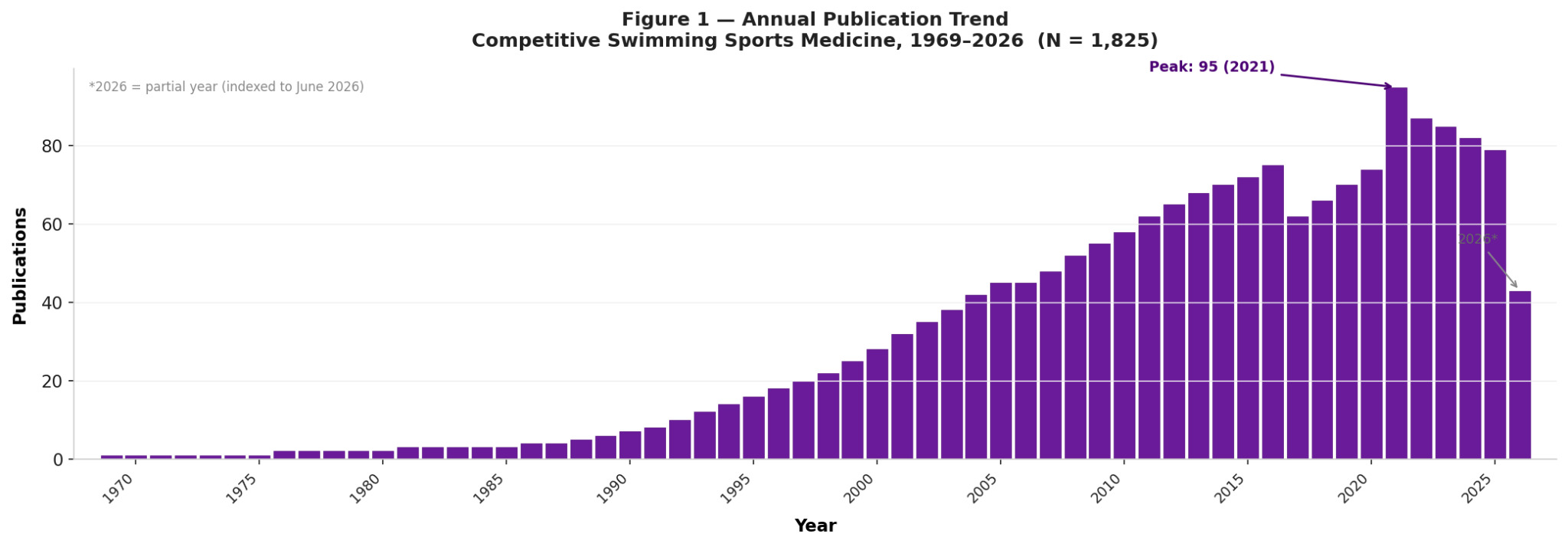
Research on competitive swimming has been an expanding area of study since 1969, with publication output crossing 50 publications per year for the first time around 2010, and has remained above that continuously. The output reached its peak at 95 publications in 2021. Despite the slightest decline from 2016 to 2017, the overall observed trend shows a continued interest in competitive swimming sports medicine. The 2026 figure of 43 publications likely indicates partial year indexing rather than a reduction in the research activity.
.png)
3.2. Web of Science Research Categories
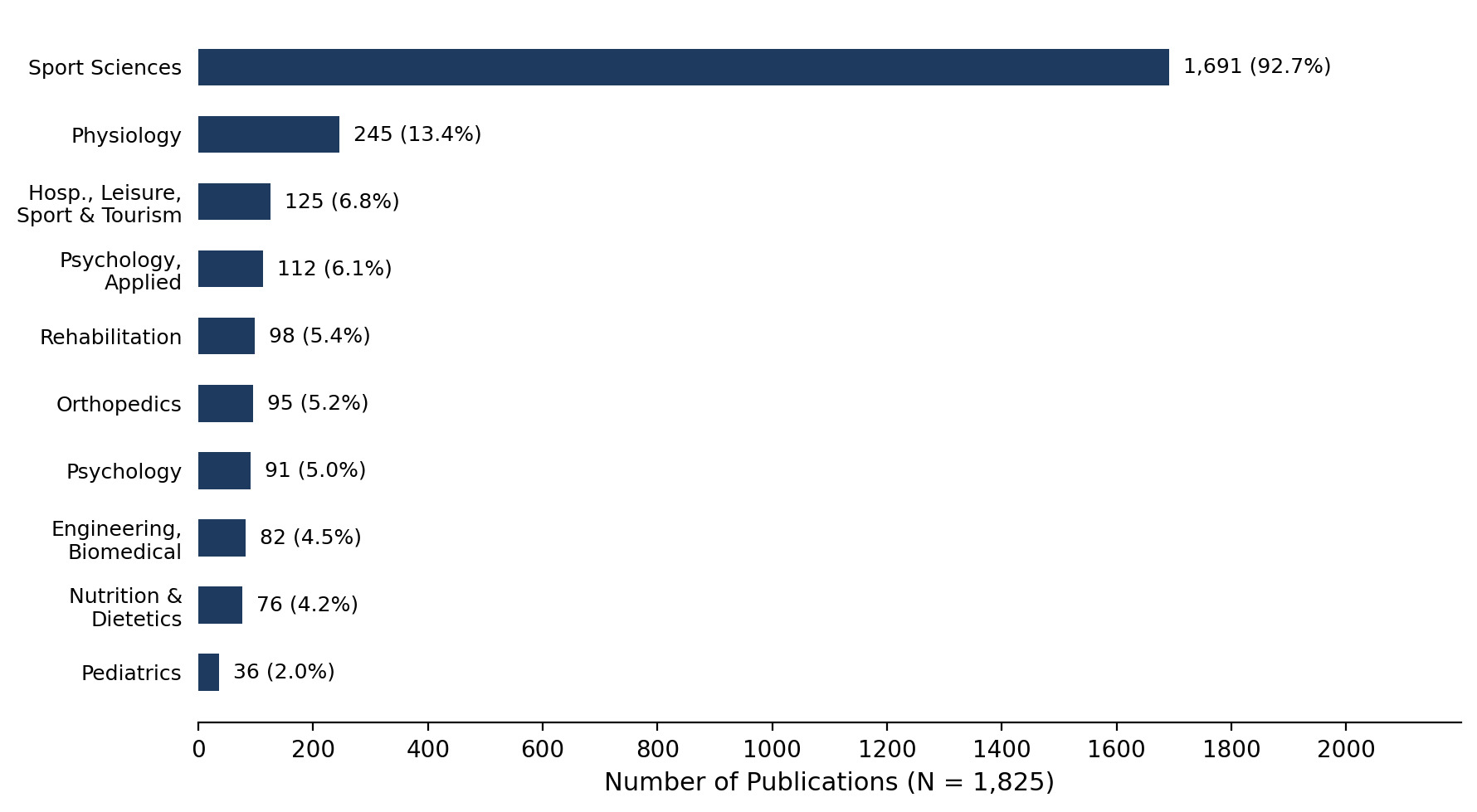
Comparing the publication patterns by category, sports sciences lead at 92.7%, with physiology at 13.4%. Orthopedics at 5.2%, and rehabilitation at 5.4%, which represents the clinical injury and return to sport literature. Engineering and biomedical at 4.5% together represent the increasing application of motion capture systems to stroke mechanisms research. Neuroscience, zoology, and pharmacology are notably absent from the top categories. Psychology at 6.1% indicates research on burnout, motivation, and mental skills in competitive swimmers.
._percen.png)
3.3. Most Productive Authors
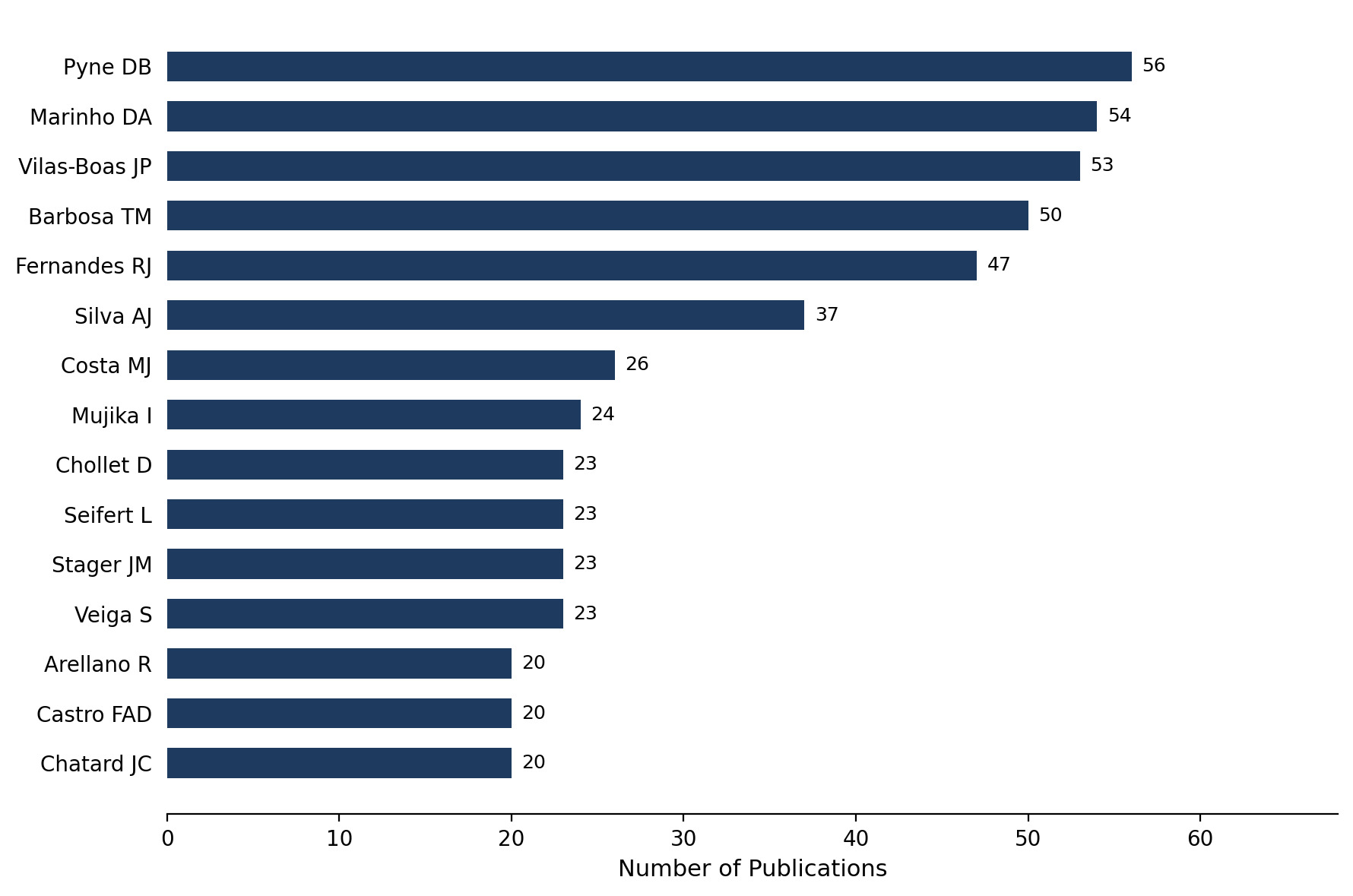
Analysis of authorship reveals the top author, Pyne DB, with 56 publications. His position at the Australian Institute of Sport established the standard for monitoring athletic loads and immune functions. This is followed by Marinho DA (54), Vilas-Boas JP (53), Barbosa TM (50), and Fernandes RJ (47), who together represent the Portuguese and Spanish cluster. Mujika I’s 24 publications show significant contributions to this field, as well as Chollet D and Arellano R.
.png)
3.4. Publication Outlets
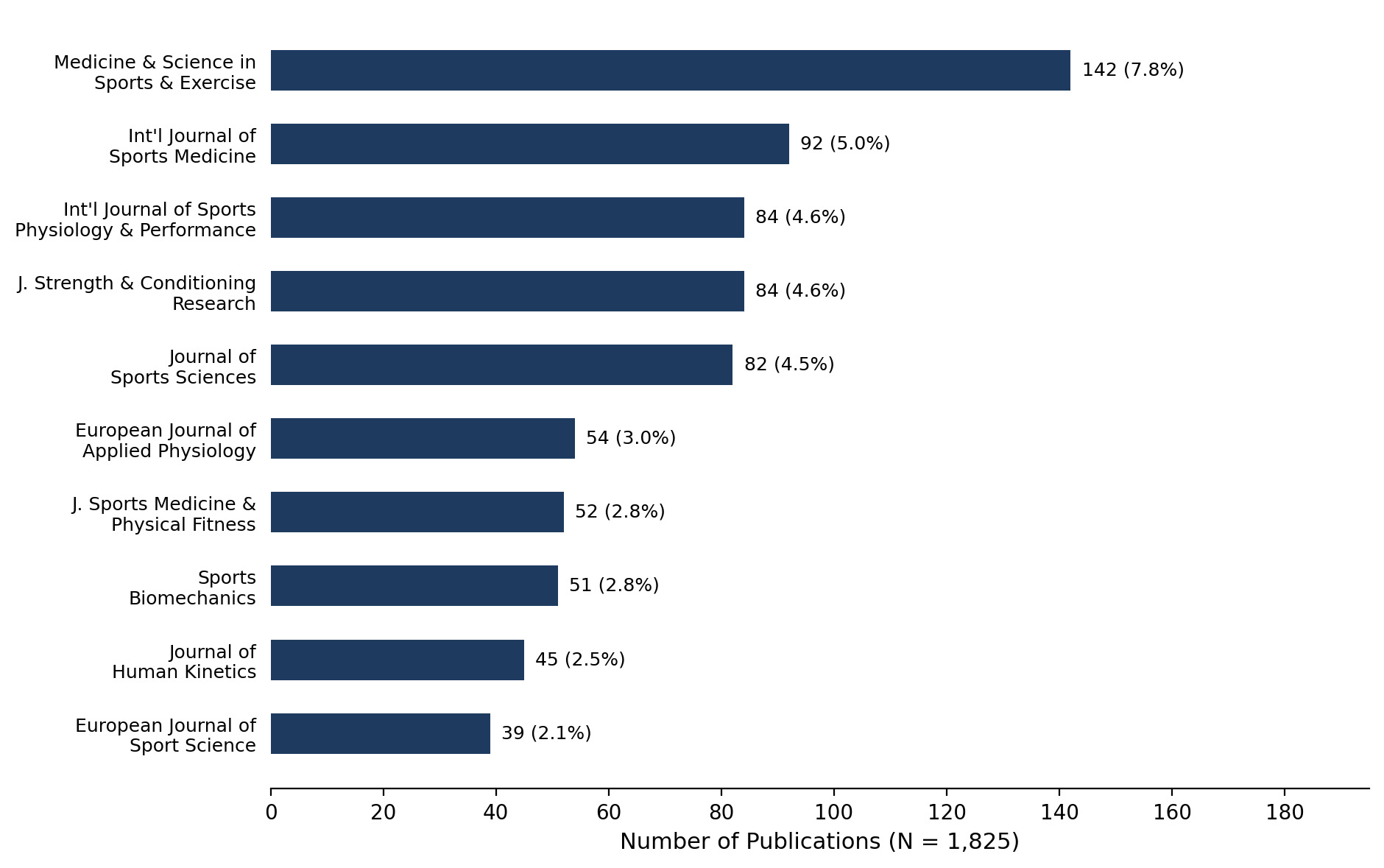
Figure 4 presents the ten journals publishing the largest number of records in the dataset. Medicine & Science in Sports & Exercise was the most productive outlet, with 142 publications (7.8%), followed by the International Journal of Sports Medicine with 92 (5.0%), the International Journal of Sports Physiology and Performance with 84 (4.6%), the Journal of Strength and Conditioning Research with 84 (4.6%), and the Journal of Sports Sciences with 82 (4.5%). Additional productive journals included the European Journal of Applied Physiology, Journal of Sports Medicine and Physical Fitness, Sports Biomechanics, Journal of Human Kinetics, and European Journal of Sport Science.
.png)
3.5. Geographic Distribution
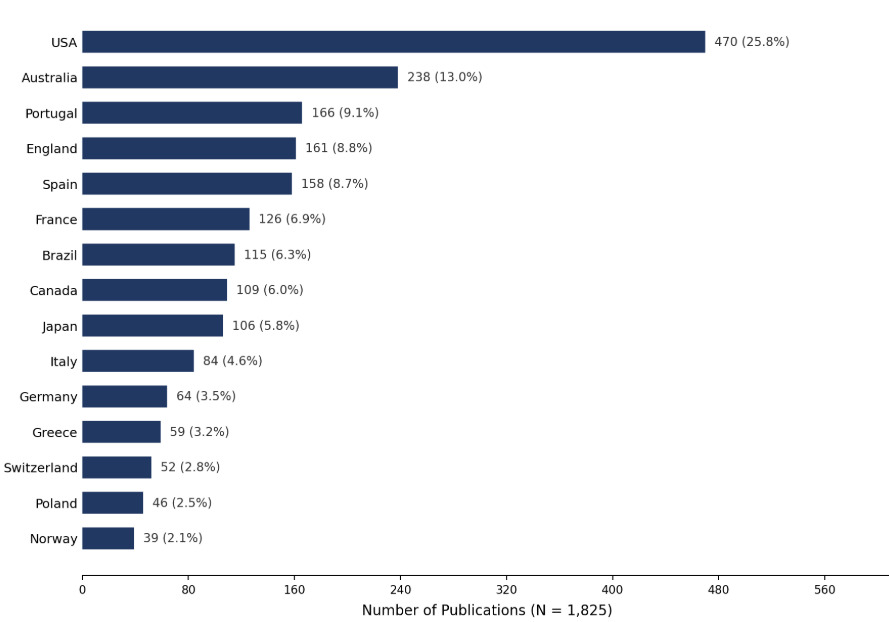
The United States was the leading contributing country, with 470 publications (25.8%), followed by Australia with 238 (13.0%), Portugal with 166 (9.1%), England with 161 (8.8%), and Spain with 158 (8.7%). France, Brazil, Canada, Japan, Italy, Germany, Greece, Switzerland, Poland, and Norway also ranked among the 15 most productive countries. Overall, publication output was concentrated in North America, Western Europe, Australia, and selected East Asian countries.
.png)
3.6. Most highly cited papers
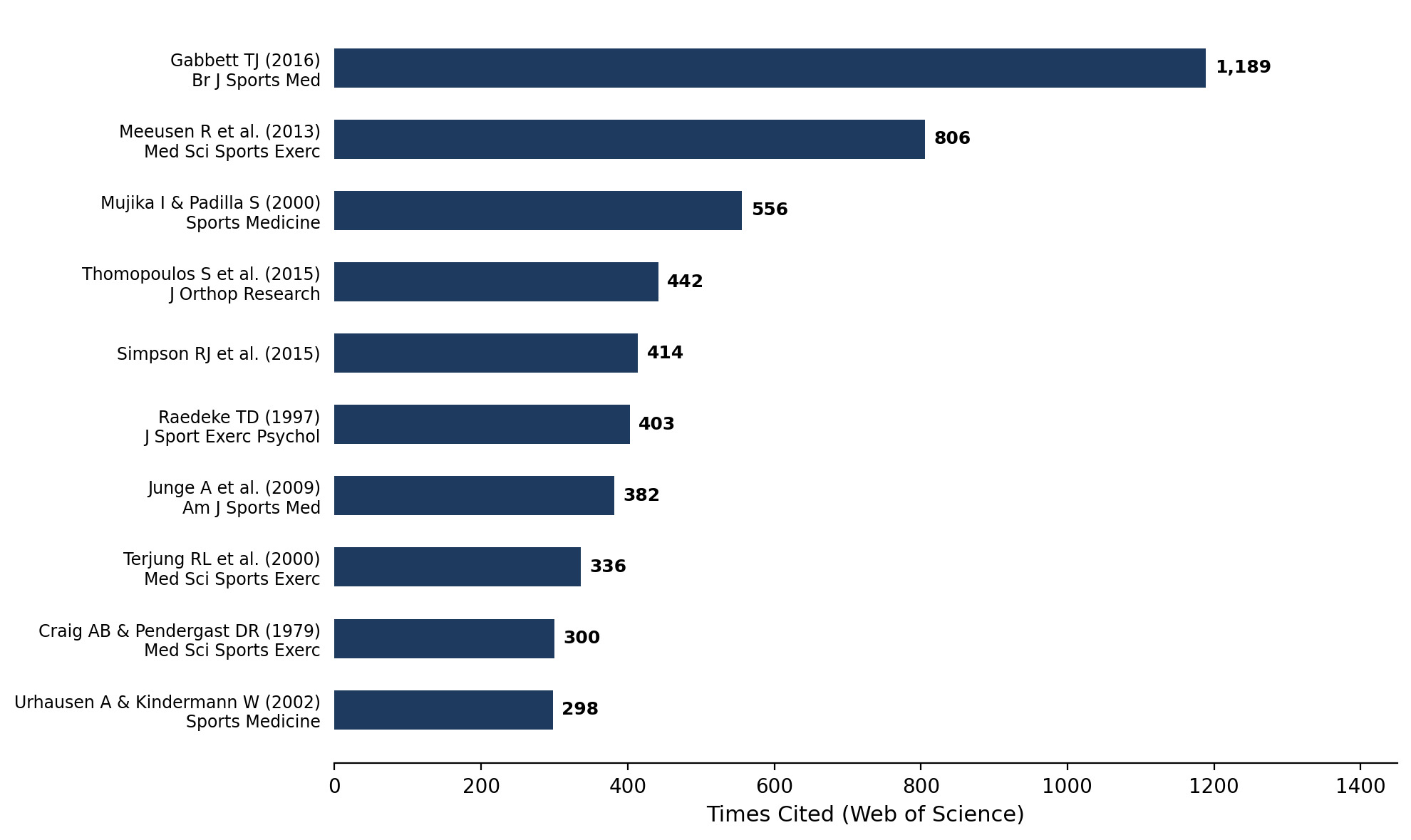
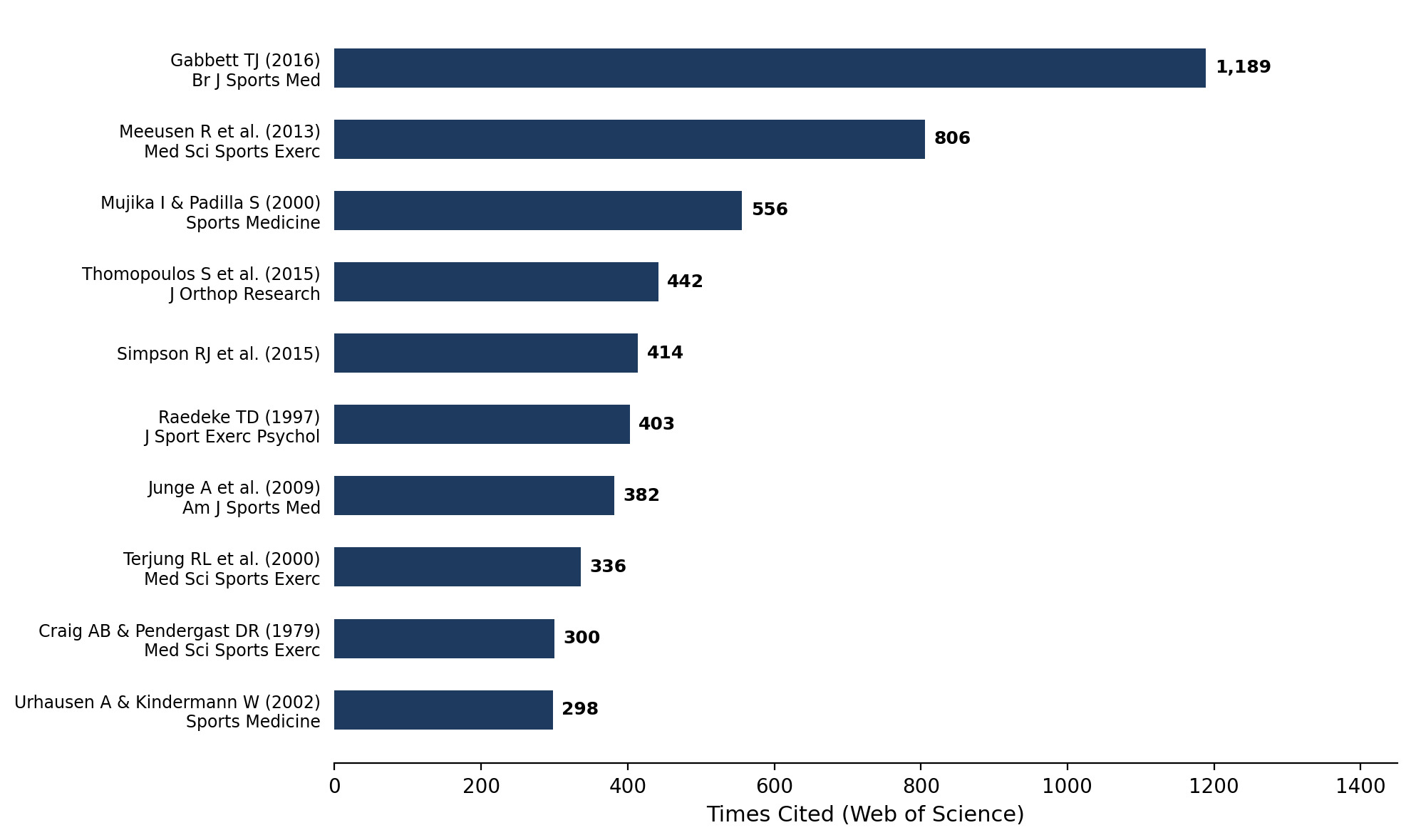
The results of the 10 most cited papers showed that Gabbett’s 2016 “training-injury prevention paradox” paper leads with 1189 citations. The second most cited paper was by Meeusen et al. published in 2013 about overtraining syndrome, had 806 citations. The third most cited paper was Mujika and Padillas paper published in 2000, which is the most cited paper about swimming specifically, had 556 publications. Raedeke’s paper about athletic burnout is the most cited paper on sport psychology research.
3.7. Co-authorship Network
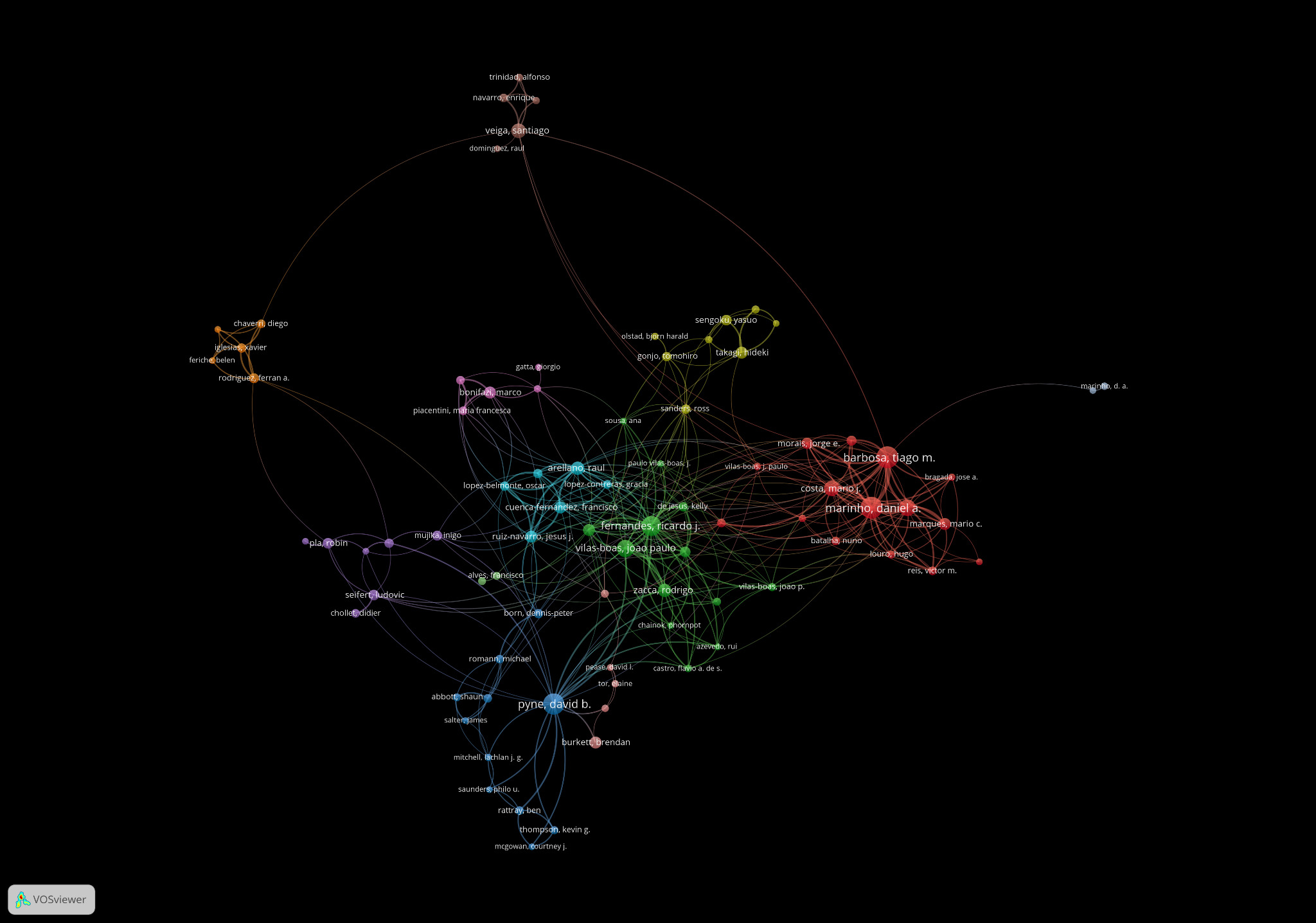
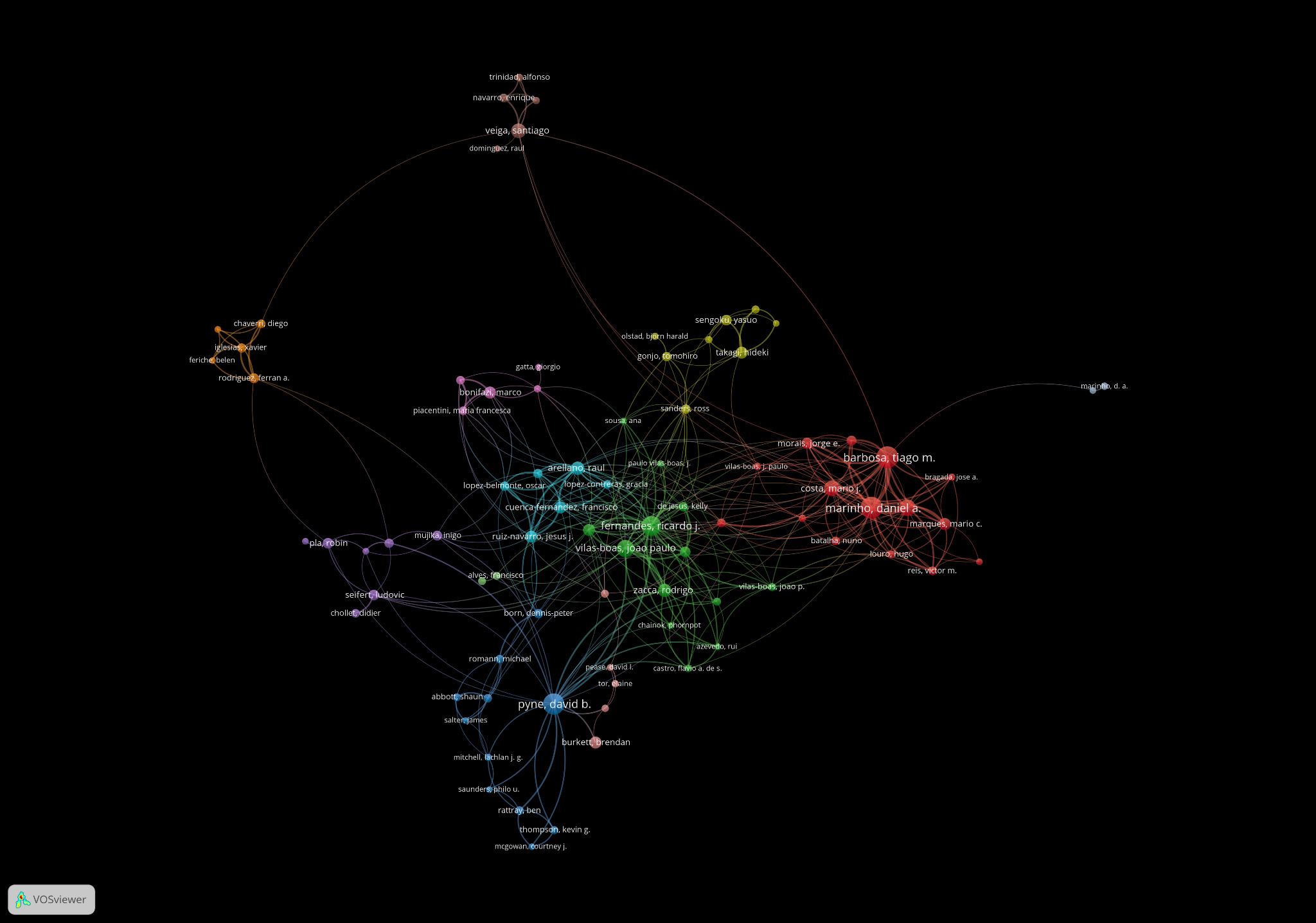
The co-authorship networks analysis reveals a collaboration structure organized around five geographically distinct but connected competitive swimming research groups. The largest and most densely connected is the Portuguese biomechanics group led by Barbosa, TM, and Marinho, DA. They are also collaborating with Costa MJ, Morais JE, and Marques MC. They have produced a significant volume of swimming biomechanics and physiology output. Adjacent to this cluster (Green) is the University of Porto group led by Fermandes RJ and Vilad-Boas JP, and their collaboration networks extend to international partners in Spain and Italy. The Australian cluster (blue) was led by Pyne DB at the Australian Institute of Sport. There are also European training science clusters and the Japanese cluster.
3.8. Keyword Co-occurrence Network
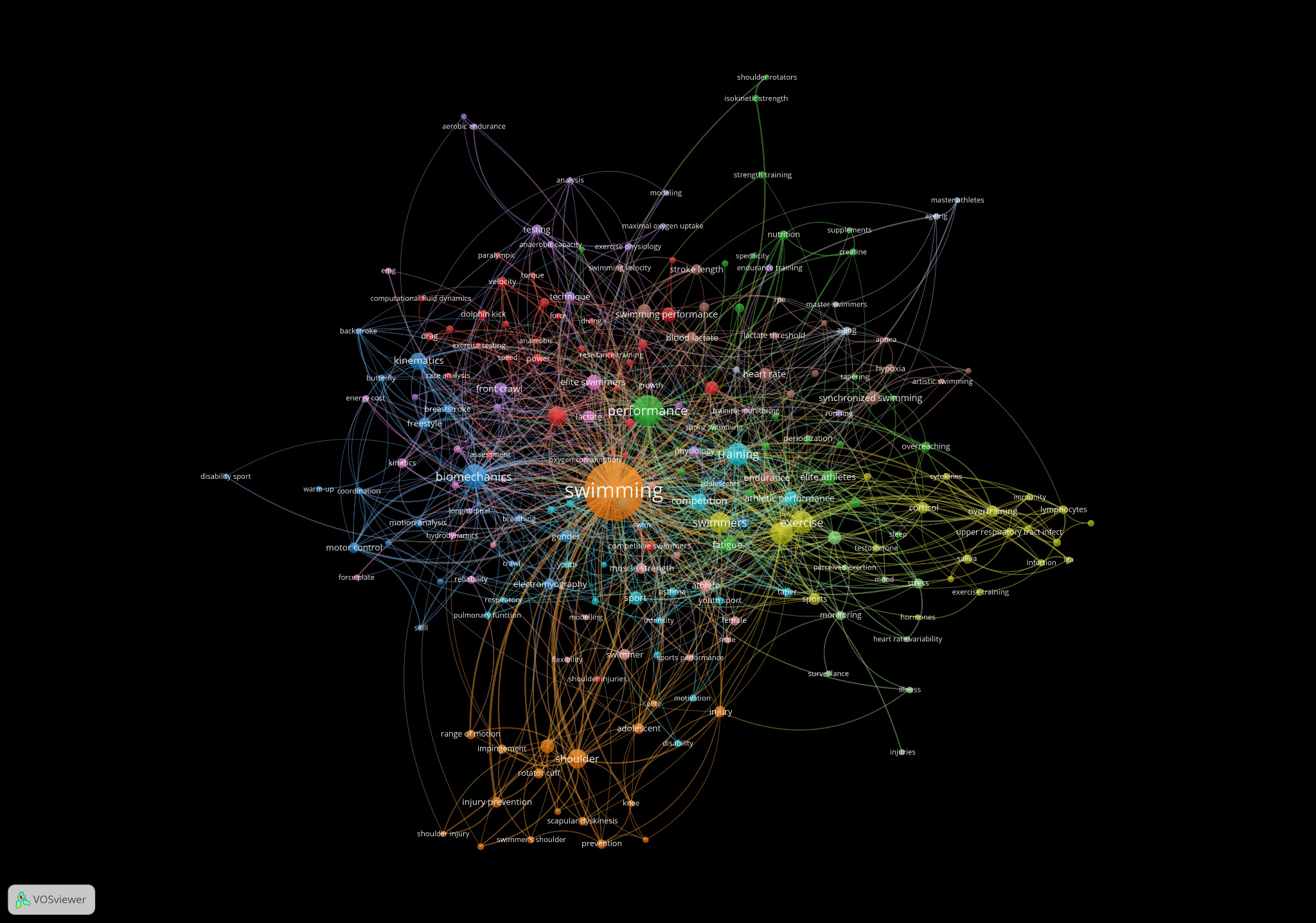
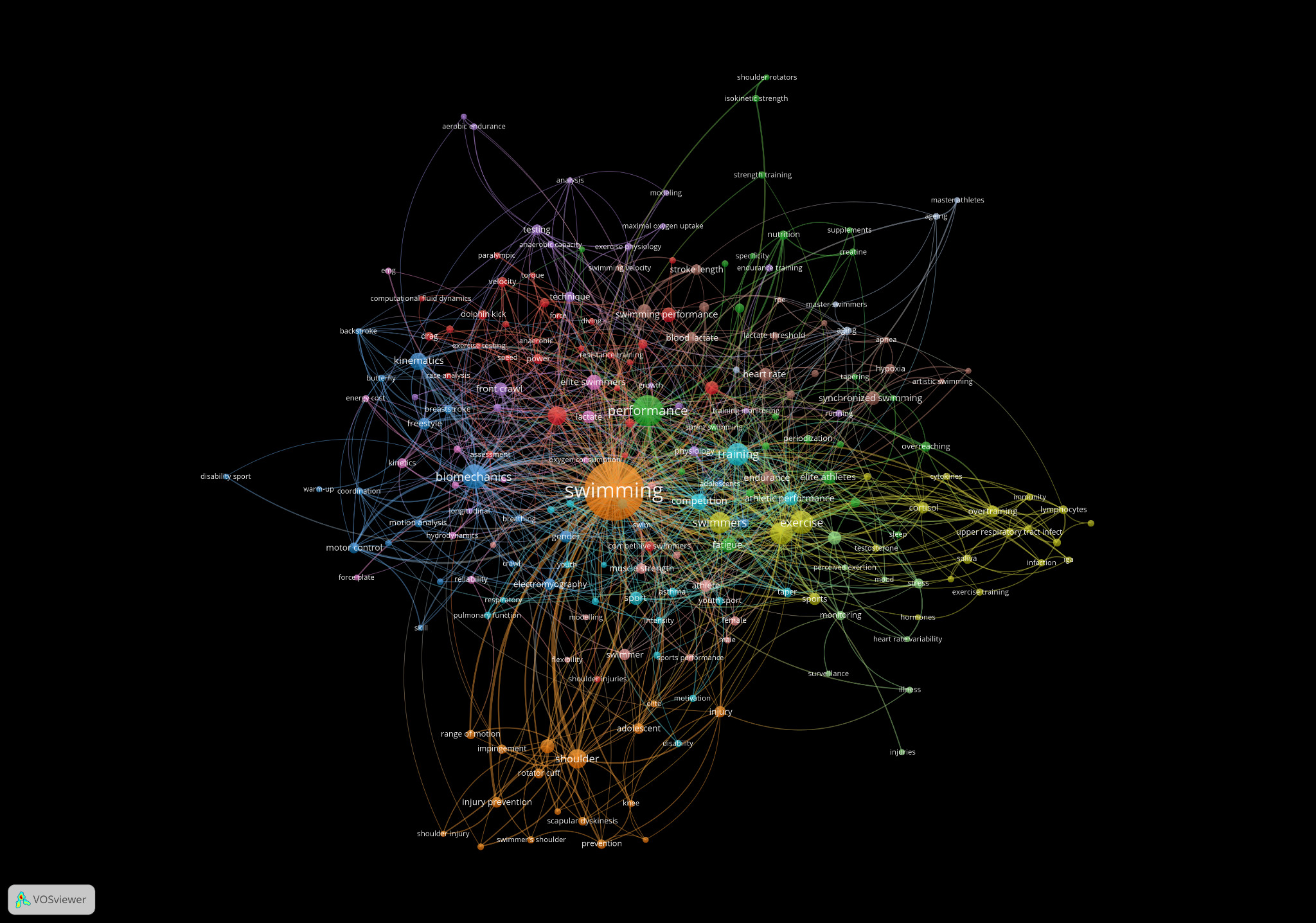
This overlay visualization reveals both the thematic structure of competitive swimming in sports medicine. Looking at figure 8a “Swimming” functions as the dominant central hub connecting three big three research areas: stroke biomechanics and performance science (centered on “performance”, “elite swimmer,” “Kinematics,” “velocity,” and “stroke length”), exercise physiology and training science (“blood lactate,” “lactate threshold,” “tapering,” “periodization,” and training monitoring"), and clinical sports medicine (“swimmer’s shoulder,” “impingent,” “rotator cuff,” and “scapular dyskinesis”). Looking at Figure 8b, the oldest later (dark blue) is dominated by biomechanics and fluid dynamics keywords, which are: “kinematics,” “motor control,” “hydromechanics,” “computational fluid dynamics,” and all four competitive strokes. The green layer includes the core performance and training physiology literature. The newest yellow layer is led by the immunology and overtraining cluster. The range of overlay visualization is only from 2005 to 2020 due to VOSviewer limitation, and since there are 5 more years’ worth of data, this can be a limitation for this research.
3.9. Cited References Co-citation Network
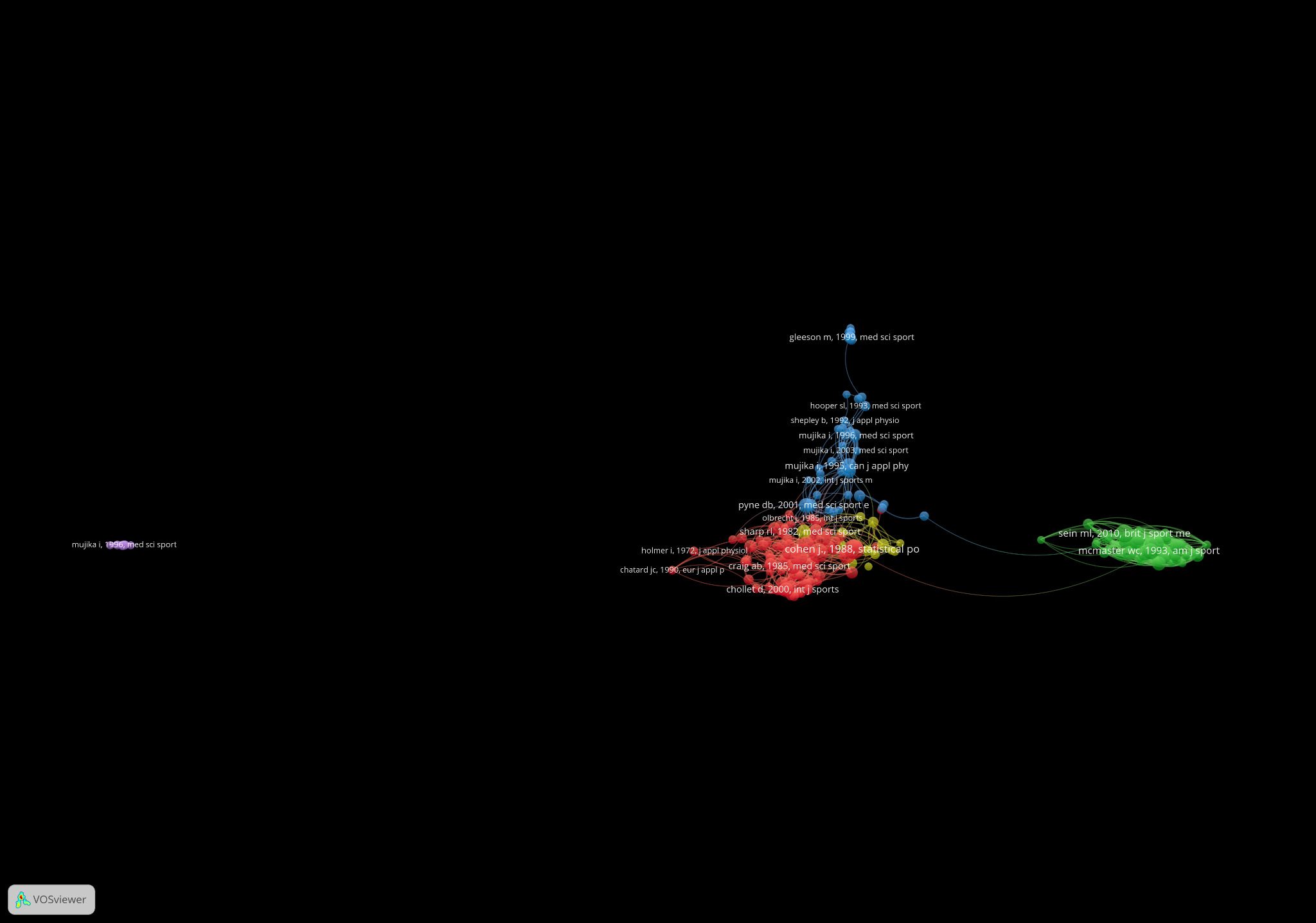
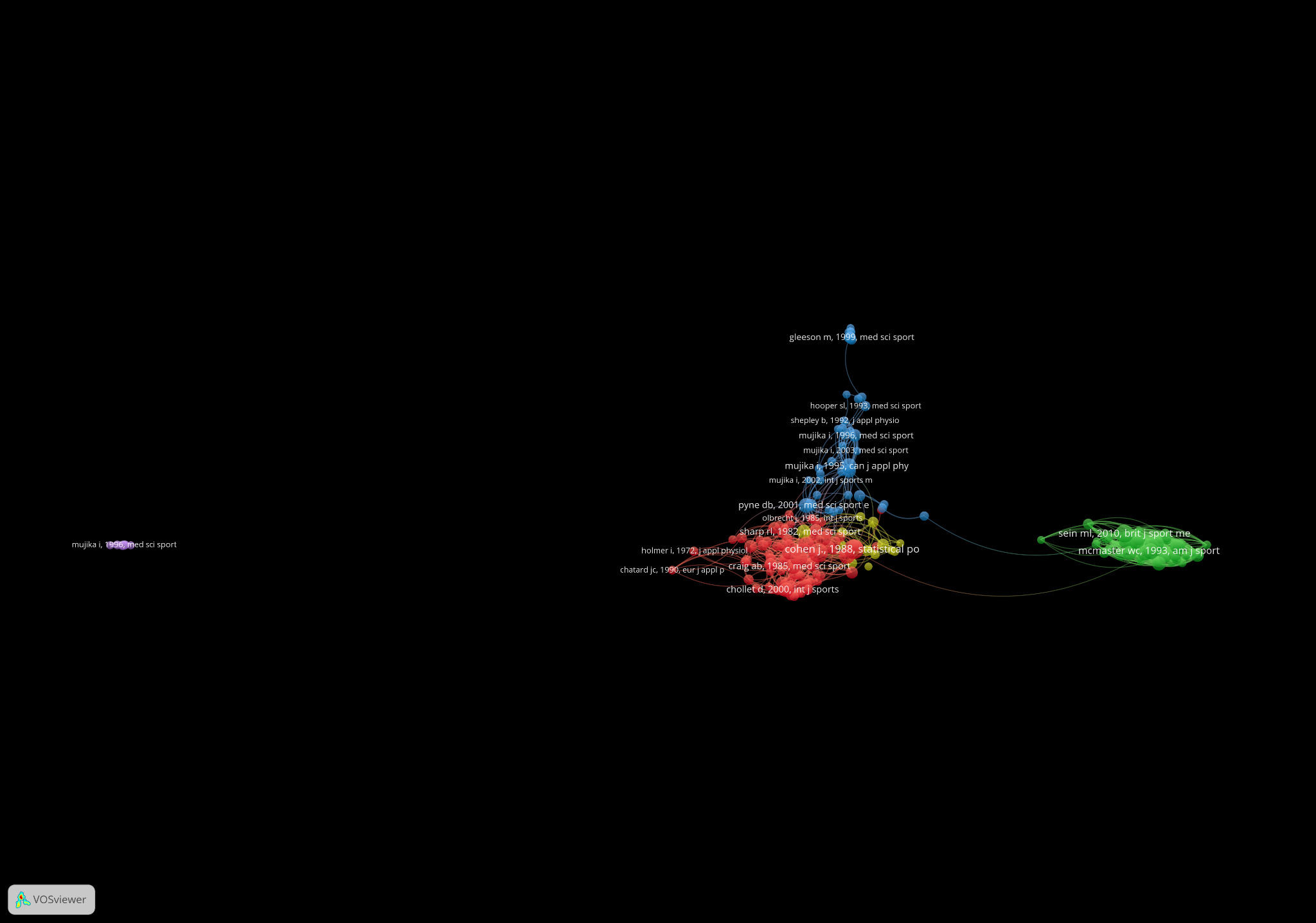
Cited reference co-citation analysis shows that Cohen J’s 1988 Statistical Power Analysis for the Behavioral Sciences, which his analysis cited universally across all subfields. Around his name in the red cluster is Craig AB and Pendergast DR’s 1985 paper on stroke rate, distance per stroke, and velocity relationships alongside Chollet D’s 2000 paper about the coordination index in freestyle. The blue cluster around Gleeson M and Hooper SL is cited in monitoring training loads and overtraining markers in swimming populations. The green shoulder cluster linking Sein ML and McMaster shows the relationship between swimmers’ shoulders and clinical medicine research.
4. Discussion
This analysis identifies 1,825 publications on competitive swimming sports medicine from 1969 to 2026. Publication output had three phases with a slow early period through the mid 1980s, a moderate growth period through the 1990s to 2000s, and a high output period from 2017 and onward, peaking at 95 publications in 2021. This overall growth may be linked to greater global participation in sports and greater investments, such as Olympic programs. The decline in the publication following 20221 may be due to the COVID-19 pandemic, which influenced athletes’ physical and emotional exhaustion, and funding cuts from federal research organizations. Overall, this reflects the progressive growth of competitive swimming as a rigorous scientific field.13
Looking at the geographic distribution of publications of the world countries, it is seen that 14 of the 15 biggest contributors were developed countries (United States, Australia, Portugal, United Kingdom, Spain, France, Canada, Japan, Italy, Germany, Greece, Switzerland, Poland, and Norway). Brazil was the only developing country. With these results it can be said that development of the counties and the economic size plays significant roles in the contributions of articles on swimming. USA was the leading country with publications at 25.8%, which may be due to massive funding, concentration of highly competitive academic culture, and the dominance of the English language in global science. Australia had the second most publications at 13.0%, which might be driven by Australia’s leading participation sport for children and its major cultural identity. Portugal had the third highest number of publication which may be from the significant publication volume from the Porto and Brangaca university groups. In fact, from the analysis of the co-authorship, we can see that the their cluster (red) showed the strongest link. This shows Portuguese researchers are also the most active researchers in this specific topic.
Comparing the publication patterns by category, sport sciences lead at 92.7%, with second category being physiology (13.4%) and this is seen in the results of publication outlets as well. The top 5 journals that published the most articles on swimming were Medicine & science in sports & exercise (142), International Journal of Sports Medicine (92), International Journal of Sports Physiology and Performance (84), Journal of Strength and Conditioning Research (84), and Journal of Sports Sciences (82). All five of them publish journals that are primarily classified in sports Sciences, but some of them are indexed in physiology as well. We can conclude from these data that swimming research focuses on athletes performance, exercise physiology, and the biomechanics of swimming.
Analysis of authorship shows research with specialization in competitive swimming. Pyne DB has 56 publication which show his dedication at the program at the Australian Institute of sport on training physiology and athlete monitoring. Marinho Da, vilas Boas JP, Barbosa TM and Fernandes RJ are all top authors and together they represent the Portuguese university swimming research axis which is a concentration the University of Porto and University of Braganca. The significance of these authors help explain Portugal’s unexpectedly high publication output. Co-authorship network analysis reveals six major clusters, with the green cluster (Fernandes RJ, Vilas BOas Jp, Zacca R, AlvesF, Arellano R, Cuenca Fernandes) in the center, connected to five surrounding clusters: red (Barbosa TM), yellow (Takagi H), blue (Pyne DB), cyan (Mujika I), and pink (Veiga S). The red and cyan cluster have the most connection. This may be due to because both clusters are located in Spain. We can conclude that geography plays a significant role in co-authorships.
The overlay visualization where the node color shows the average publication year from dark blue (around 2005) to yellow-green color (around 2020) shows that the oldest literature focuses on hydrodynamics, kinematics, motor control and computational fluid dynamics. These studies were mainly focused on the mechanical physics of the four competitive strokes. From 2010 to 2015, the publications were concentrated on core training science and performance literature centering on periodization, blood lactate thresholds, training monitoring and tapering strategies for elite swimmers. The newest area of research shifts towards sports medicine, immunology, and overall health. The chronological shift of thematic evolution from foundational physical principles to physiological care, sports nutrition, and recovery may reflect that as technology and advanced swim techniques become standardized, researchers optimize internal human biology.14,15
This analysis was conducted using a two-layer search strategy, with sport-specific topic phases with Web of Science Category filters to isolate the competitive swimming medicine from the aquatic locomotion neuroscience, pharmacological and aquatic biology literature that are irrelevant to this research. Within refined literature, there are several gaps. There is an absence of standardized injury surveillance protocols, which means that the field lacks consensus on injury definition, exposure metrics, and return to sport criteria, which complicates cross-study synthesis. Para swimming only appears as a small, distinct keyword cluster and remains underrepresented relative to its athletic and scientific importance. Similarly, the master’s swimming long-term health injury risks and training responses are still poorly understood. Geographically, output from North America, Western Europe, and East Asia dominates, with limited representation from other areas despite growing competitive swimming participation in those regions. As with all bibliometric analyses, findings are limited by restriction to Web of Science, keyword sensitivity, and citation lag for recent publications.16–18
5. Limitations
This study has several limitations. First, the analysis was restricted to the Web of Science Core Collection and may not include relevant publications indexed exclusively in Scopus, PubMed, SPORTDiscus, or other databases. Second, the findings depend on the selected search terms and Web of Science categories. Although category restriction improved specificity, it may have excluded relevant studies published outside the selected fields. Third, author and institutional names may be affected by spelling variants, changes in affiliation, or incomplete metadata. Fourth, citation counts favor older publications because they have had more time to accumulate citations and should not be interpreted as direct measures of scientific quality or clinical importance. Fifth, recent publications are subject to citation and indexing lag, and the 2026 count represents only a partial year. Sixth, keyword analyses depend on author terminology and database indexing; synonymous terms may divide conceptually related research unless manually harmonized. Finally, bibliometric analyses describe publication patterns and intellectual structure but do not assess study quality, risk of bias, or the effectiveness of clinical interventions.
6. Conclusion
The bibliometric study illustrates a thorough map of competitive swimming sports medicine and presents a growing discipline around health, performance, and injury prevention of competitive aquatic athletes, with 1,825 publications yielded using a specific search strategy. Key contributors include the Australian Institute of Sport physiology group, the Portuguese University of Porto and University of Braganca biomechanics axis, and North American university kinesiology departments. The journals with the highest publication rates are established sports science and exercise physiology outlets. Research gaps in emerging fields, including immunology, overtraining monitoring, masters swimming, and sports nutrition, offer opportunities for further study. Clinicians and researchers working with competitive swimmers may find this bibliometric map useful for identifying leading groups, foundational literature, and understudied areas where evidence-based practice is limited.