
INTRODUCTION
Psoriasis is a chronic inflammatory skin disease that affects approximately 2% of the world’s population. The clinical presentation of this condition is characterized by erythematous, scaly plaques that commonly involve the extensor surfaces and trunk. Psoriasis manifests in multiple subtypes, including psoriasis vulgaris, inverse psoriasis, guttate psoriasis, and pustular psoriasis.1 Despite being previously perceived primarily as a dermatologic condition, psoriasis is now recognized as a systemic inflammatory disease.2,3 One important extracutaneous manifestation is psoriatic arthritis (PsA), a chronic inflammatory musculoskeletal disease that occurs in a substantial proportion of patients with psoriasis. PsA may involve peripheral and axial arthritis, enthesitis, dactylitis, and psoriatic nail disease. If not identified and treated early, PsA may lead to permanent joint damage and substantial morbidity.4 Physical symptoms can include pain, fatigue, stiffness, loss of physical function, and associated skin symptoms.5 A 2025 systematic review and meta-analysis reported that fatigue is highly prevalent among individuals with PsA, affecting approximately half of patients studied.6 Psoriatic arthritis and its musculoskeletal manifestations can also contribute to psychological burden, including poor body image, anxiety, depression, and reduced quality of life.5 Patients with psoriasis and PsA also experience increased work absenteeism and disability, demonstrating a significant economic burden associated with the disease.7 Another major concern is delayed diagnosis. Because of the heterogeneous clinical manifestations of PsA, early recognition can be difficult and is often delayed.8 Because psoriasis frequently precedes psoriatic arthritis, patients with emerging musculoskeletal disease may remain underdiagnosed in dermatologic settings.9 This diagnostic gap is also reflected across specialties, as many patients with psoriasis and musculoskeletal symptoms have never been evaluated by a rheumatologist.10 The transition from psoriasis to PsA is not yet fully understood, although comorbidities, environmental factors, and genetic predisposition may contribute.11 This bibliometric analysis aims to characterize trends and research hotspots in the scientific literature pertaining to psoriasis, psoriatic arthritis, and musculoskeletal involvement by examining leading countries, authors, institutions, annual publication trends, and keyword co-occurrence patterns.
METHODS
A bibliometric analysis, a quantitative research technique used to evaluate trends and characteristics in scientific literature,12 was conducted using the Web of Science Core Collection (WoSCC). A focused literature search was performed on June 16, 2026. The title-based search query was: TI=(psoriasis AND (“psoriatic arthritis” OR enthesitis OR dactylitis OR spondylitis)) AND DT=(Article OR Review). These search terms were selected to identify publications explicitly focused on psoriasis and major musculoskeletal manifestations while maintaining a high-specificity dataset. Articles and reviews were included in the analysis. The search yielded a total of 1,263 publications. Bibliographic information, including publication year, authors, institutional affiliations, countries, citation counts, and keywords, was exported for further analysis. Keyword co-occurrence analysis was performed using a threshold of 20 occurrences to identify key research themes and trends within the field. This threshold was selected to produce a sufficiently dense network while maintaining interpretability. Because the search was restricted to article titles, relevant studies in which psoriasis or musculoskeletal manifestations appeared only in the abstract or keywords may not have been captured.
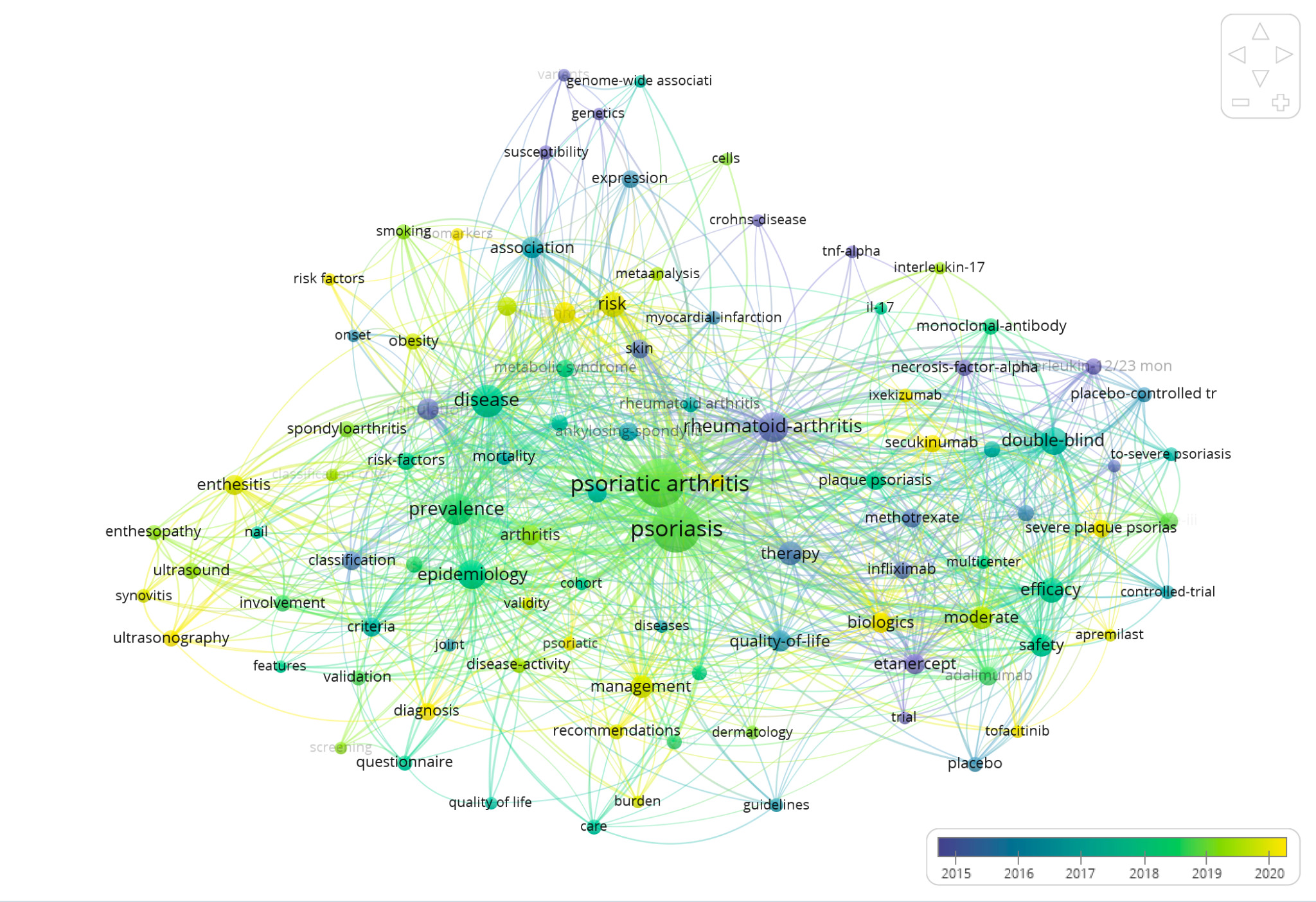
VOSviewer13 was used to create a keyword co-occurrence map based on the bibliographic data. Keyword co-occurrence analysis was utilized to identify major research themes, emerging subjects, and areas of scholarly focus. The association-strength normalization method was used to create the network visualization. In the map, node size reflected the frequency of a given term, connecting lines represented relationships between terms, and line thickness reflected the strength of those relationships. VOSviewer clustering algorithms were used to group closely related keywords into thematic domains. The overlay visualization was also used to examine the relative temporal emergence of research terms.
Microsoft® Excel (Redmond, WA) was used to organize data obtained from Web of Science and create visualizations of the countries, authors, and institutions producing the greatest number of publications, as well as overall annual publication trends.
RESULTS
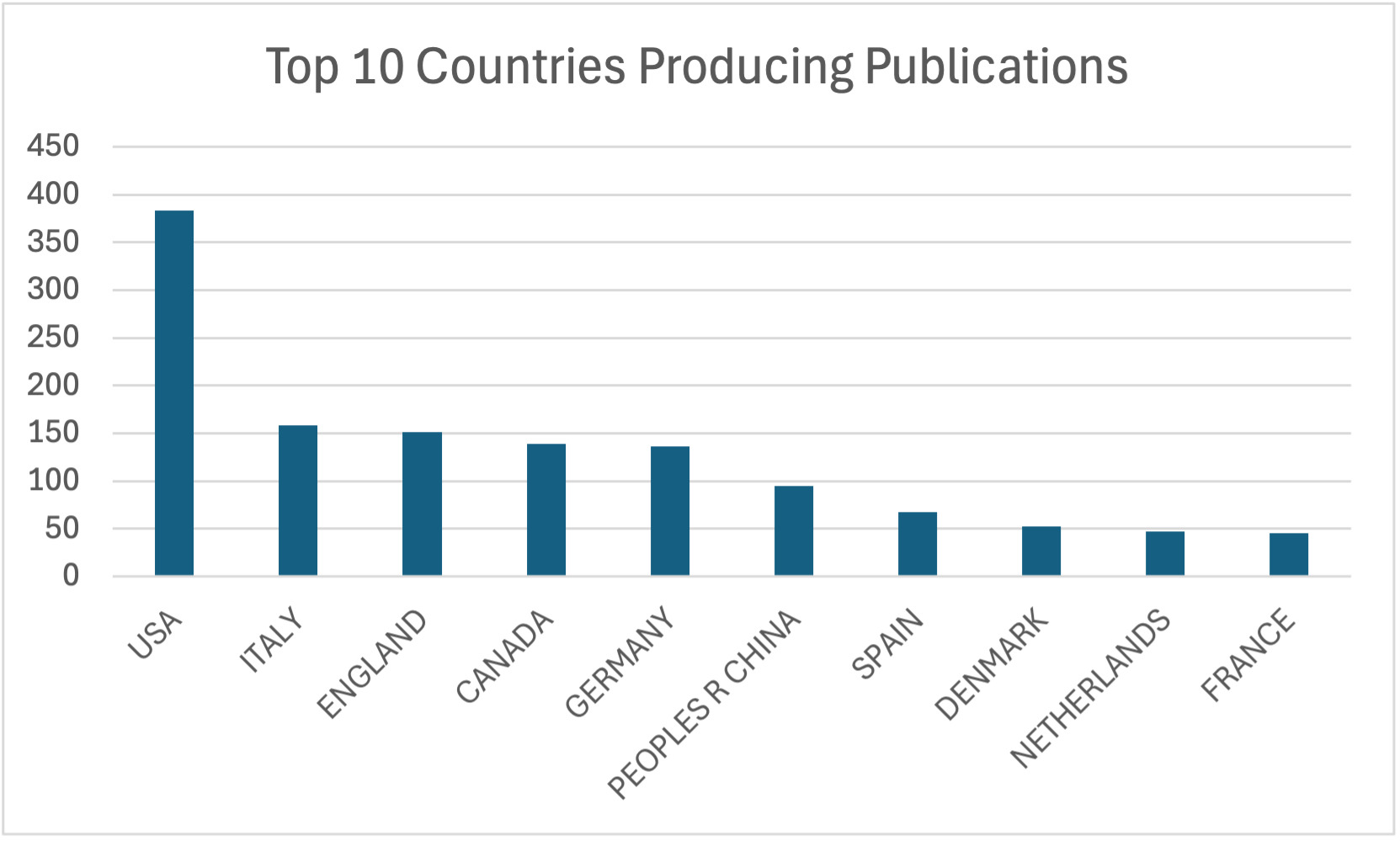
A total of 1,263 publications published between 1968 and 2026 were identified, with 97.0% written in English. More than 35.7% of all publications were published between 2021 and 2025, demonstrating rapid growth in the field. The United States accounted for the highest proportion of publications (30.3%), followed by Italy, England, and Canada. The University of Toronto was the most prolific institution represented in the dataset.
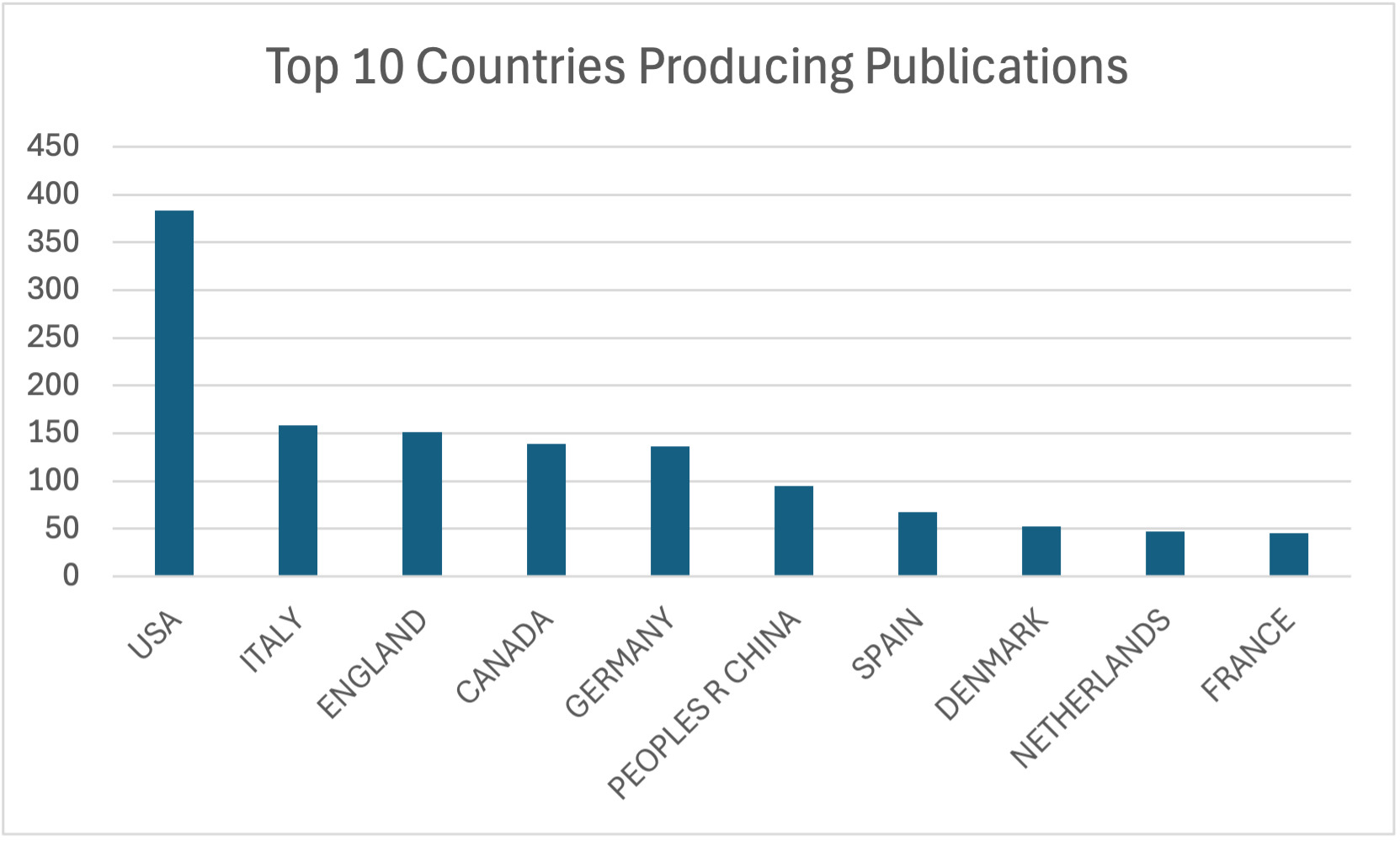
The United States produced the highest number of publications, contributing 382 articles (30.3%). Italy was the next country ranked with 158 publications (12.5%), followed by England with 151 (12.0%), Canada with 139 (11.0%), and Germany with 136 (10.8%). The People’s Republic of China contributed 94 publications (7.5%), followed by Spain with 67 (5.3%), Denmark with 52 (4.1%), the Netherlands with 47 (3.7%), and France with 45 (3.6%) (Figure 1).
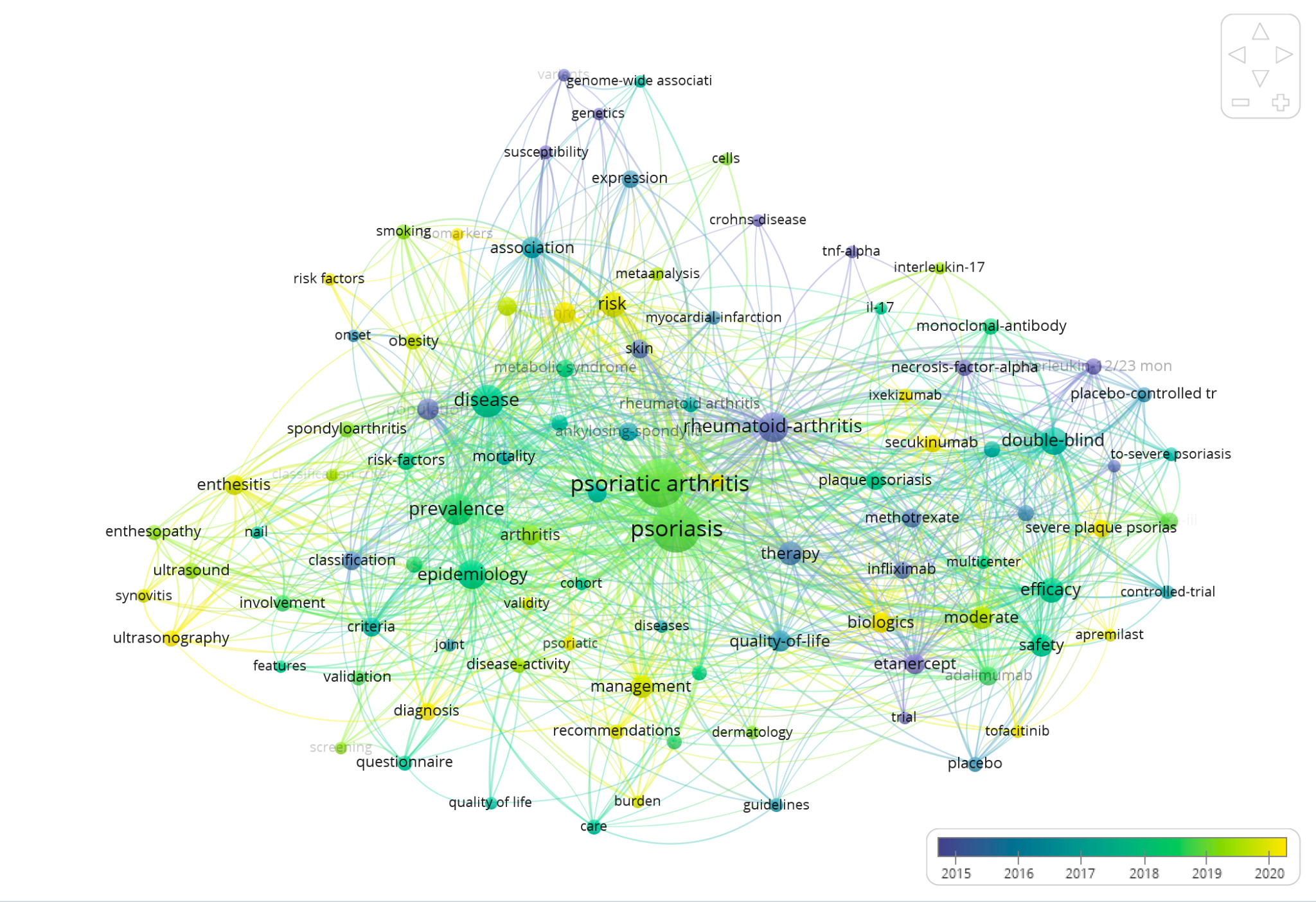
Keyword co-occurrence analysis identified several highly connected research terms within the literature (Figure 2). The most prominent keywords included psoriasis and psoriatic arthritis, which occupied central positions within the network. Other frequently occurring terms included rheumatoid arthritis, disease, prevalence, epidemiology, double-blind, efficacy, therapy, quality of life, biologics, management, and risk. The overlay visualization also demonstrated temporal differences among research themes, allowing more recently emphasized topics to be distinguished from earlier areas of focus (Figure 2).
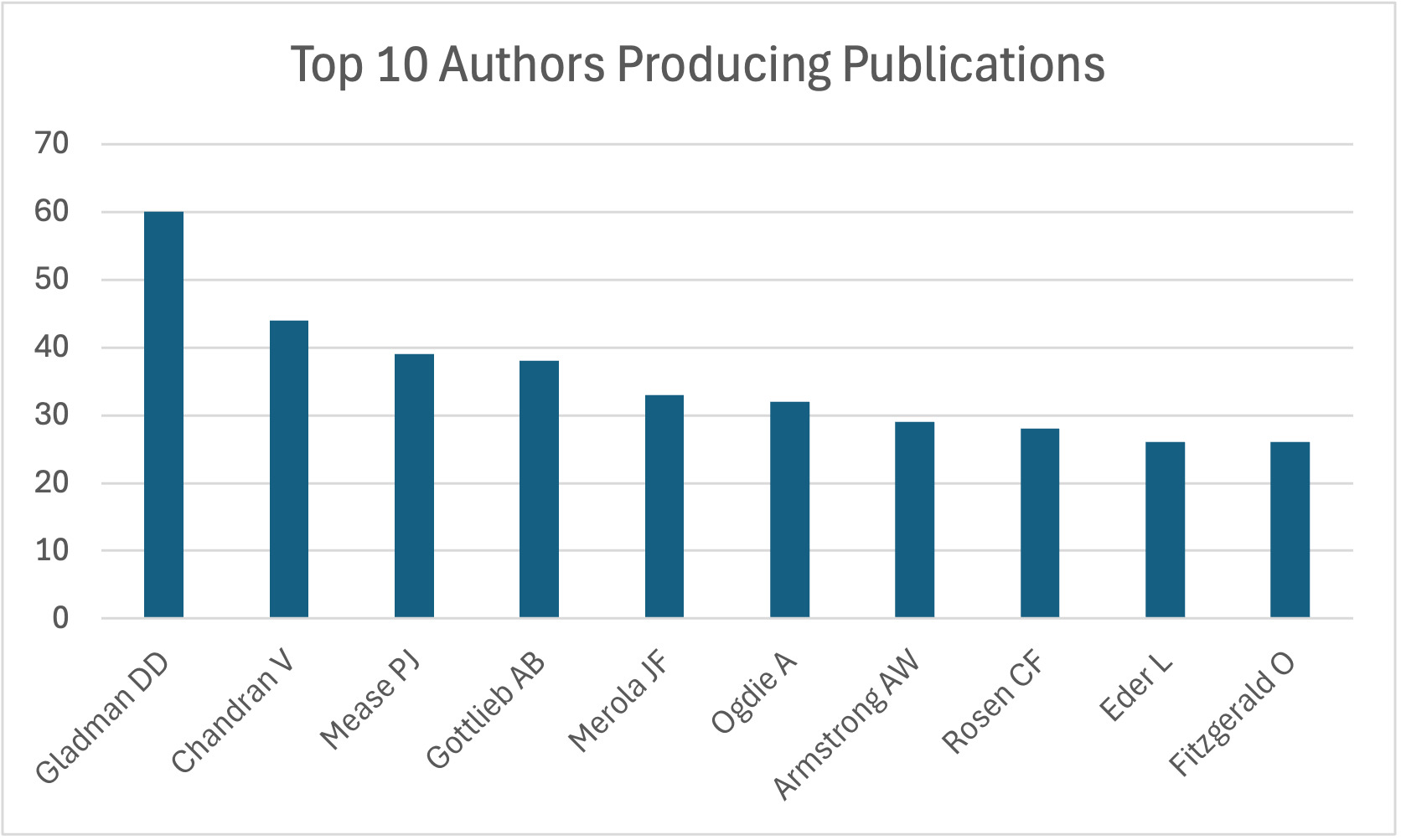
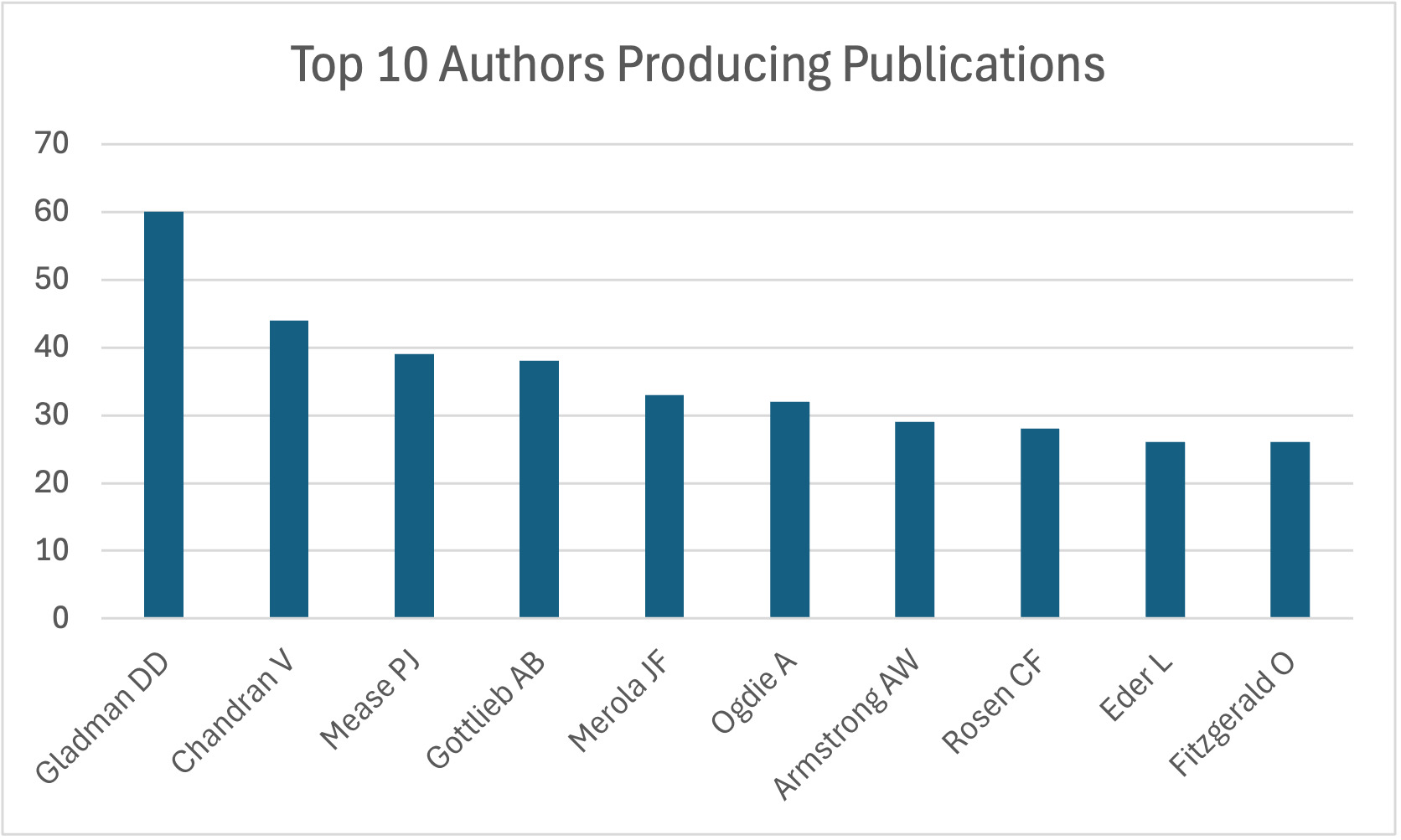
Gladman DD produced the highest number of publications with 60 articles, followed by Chandran V (44), Mease PJ (39), Gottlieb AB (38), Merola JF (33), Ogdie A (32), Armstrong AW (29), Rosen CF (28), and Eder L and Fitzgerald O with 26 publications each (Figure 3).
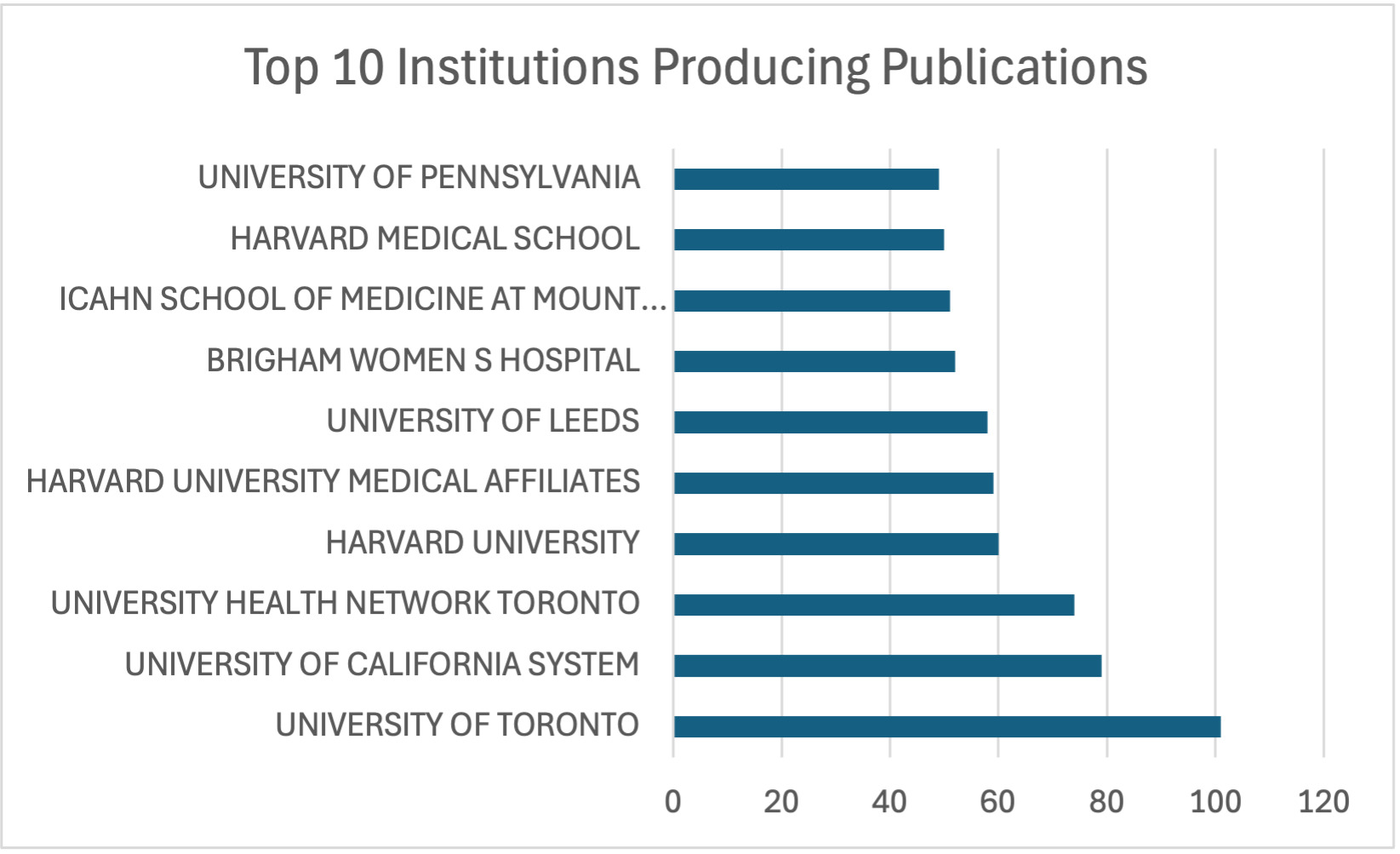
The University of Toronto produced the highest number of publications with 101 articles, followed by the University of California System (79), University Health Network Toronto (74), Harvard University (60), Harvard University Medical Affiliates (59), University of Leeds (58), Brigham and Women’s Hospital (52), Icahn School of Medicine at Mount Sinai (51), Harvard Medical School (50), and the University of Pennsylvania (49) (Figure 4).
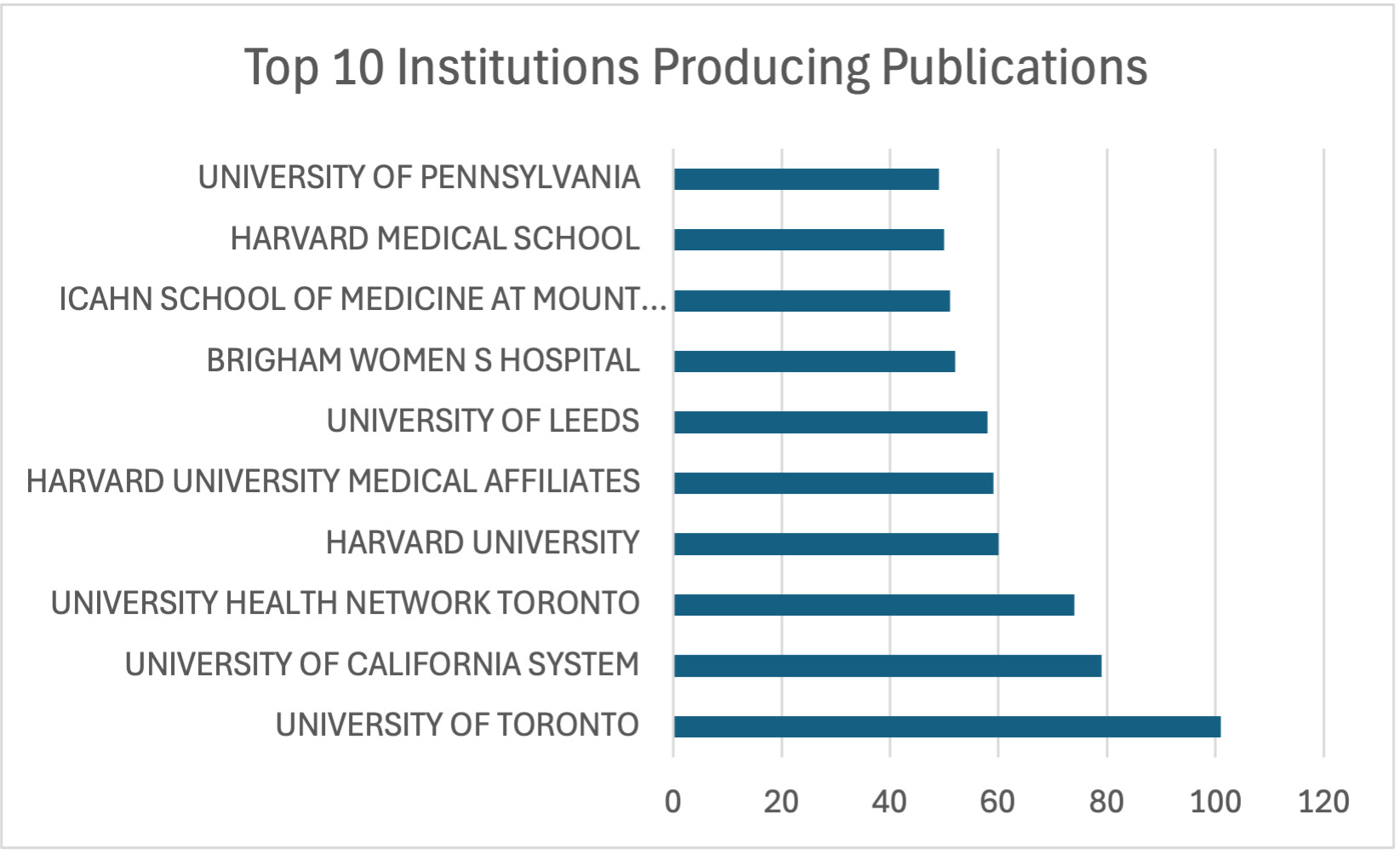
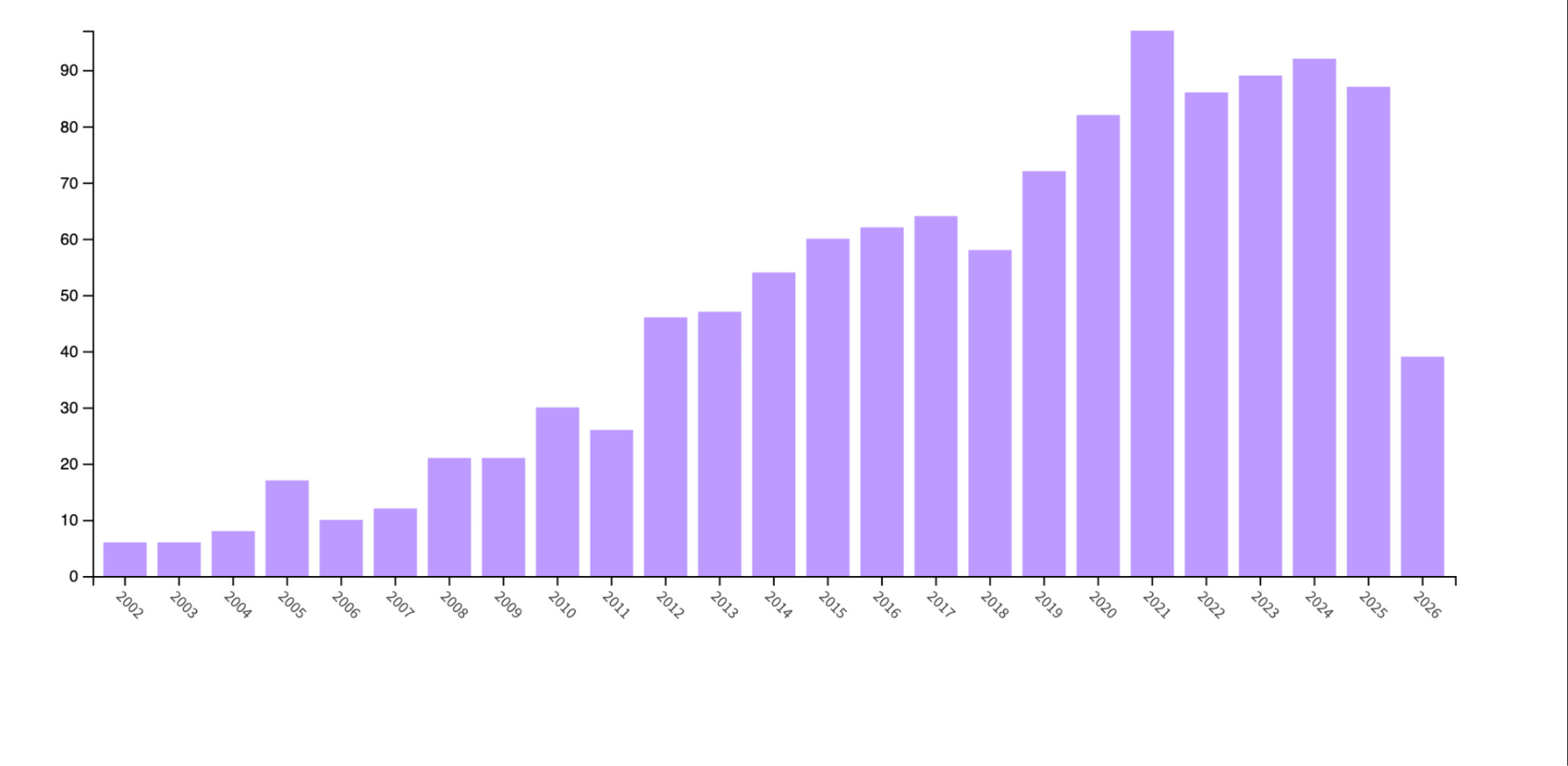
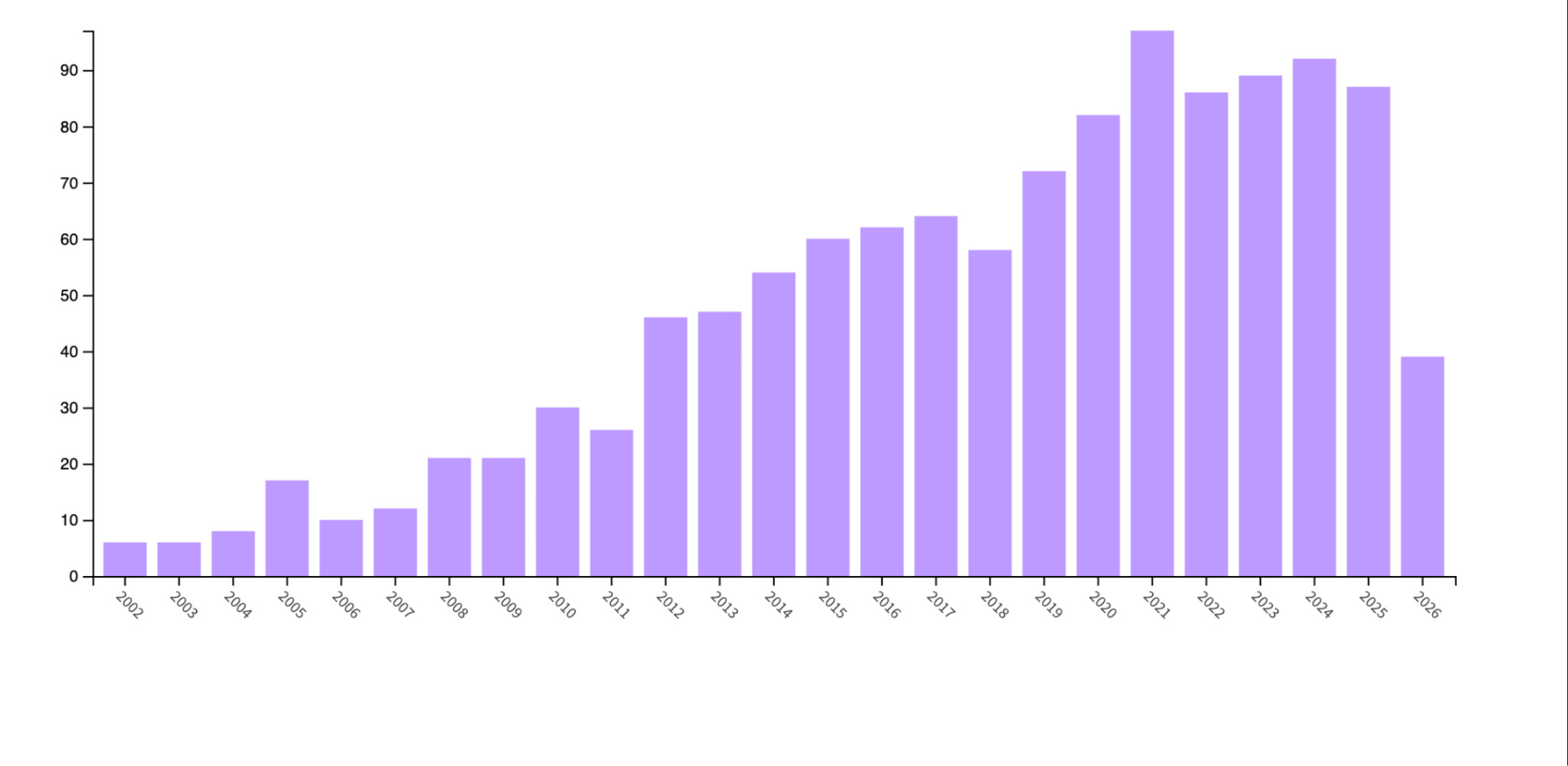
Figure 5 illustrates the annual publication trend from 2002 to 2026. Although publications on this topic were identified before 2002, only studies published between 2002 and 2026 are displayed to improve clarity and focus on recent publication trends. Annual publication output was relatively low from 2002 through 2011, followed by a steady increase beginning in 2012. Publication counts continued to rise over the following years and reached the highest annual output in 2021. Annual publication output remained consistently high from 2022 through 2025. The lower publication count observed for 2026 should not be interpreted as a decline in research activity because the database search was performed on June 16, 2026 and therefore represents only a partial publication year (Figure 5).
DISCUSSION
The findings of this bibliometric analysis suggest that psoriatic arthritis (PsA) and psoriasis-related musculoskeletal research have experienced substantial growth over the past decade and have become increasingly specialized in both scope and focus. Publication output increased substantially between 2018 and 2021 and remained relatively high thereafter, suggesting sustained scientific interest in this topic. This trend may reflect advances in treatment, including the emergence of new therapies and accumulating evidence regarding the efficacy and safety of existing medications.14 Previous bibliometric work examining influential PsA publications has similarly demonstrated substantial growth and scientific progress in the field.15 Although 2021 occurred during the COVID-19 pandemic, publication output continued to increase, coinciding with a period of rapid therapeutic advances in PsA. During this time, expanding evidence for biologic and targeted therapies was reflected in the updated 2021 GRAPPA treatment recommendations, illustrating the rapid evolution of the field.16
The geographic distribution of publications demonstrates a strong concentration of research within North America and Europe. While the United States produced the greatest number of publications, several European countries, including Italy, England, Germany, Spain, and France, also contributed substantially to the literature. This concentration may reflect the presence of well-established clinical and collaborative research networks in these regions. International organizations such as the Group for Research and Assessment of Psoriasis and Psoriatic Arthritis (GRAPPA) have helped establish treatment recommendations and research priorities, contributing to the continued development of PsA research.16 The geographic concentration identified in this analysis also highlights an opportunity for broader participation from regions that remain less represented in the literature.
The author and institutional analyses further support the influence of major research centers on the development of the field. Gladman DD produced the largest number of publications related to PsA in this dataset. This finding may reflect her foundational role in PsA research and her contributions during a period in which the disease became more widely recognized and investigators worked to better understand its diagnosis, progression, and management.17,18 Similarly, the University of Toronto and other Toronto-affiliated institutions ranked among the leading contributors to PsA research, which may relate in part to the longstanding University of Toronto Psoriatic Arthritis Clinic, established by Dr. Dafna Gladman in 1978.19
The keyword co-occurrence analysis suggests that PsA research has become increasingly specialized over time. Frequently occurring keywords related to epidemiology, prevalence, and disease reflect continued efforts to better characterize PsA and improve disease recognition. Progress in diagnosis and management has likely contributed to increasing research activity, as improved recognition and expanding treatment options have created new opportunities for clinical investigation.20 Advances in understanding PsA pathogenesis have also led to the development of biologic and targeted therapies, generating a growing body of research focused on improving disease outcomes and quality of life.21 The introduction of standardized classification criteria, including the CASPAR criteria, has further facilitated multicenter and international research collaborations.22 The overlay visualization in Figure 2 suggests a temporal evolution in research emphasis, with the literature progressing from foundational themes involving disease characterization and epidemiology toward increasingly treatment-focused and domain-specific investigation.
From a musculoskeletal perspective, these findings suggest that PsA research is moving toward a more clinically focused and domain-based stage. The prominence of enthesitis, dactylitis, spondylitis, imaging-related concepts, treatment, and quality-of-life themes reflects increasing attention to the diverse musculoskeletal manifestations of the disease. This shift is clinically important because diagnostic delay may contribute to poorer radiographic and functional outcomes.23 The increased prominence of treatment-related keywords indicates growing emphasis on improving outcomes rather than solely characterizing disease manifestations. At the same time, persistent themes involving prevalence, diagnosis, and risk demonstrate that important challenges remain in identifying patients early and preventing disease progression. Future research should continue to explore biologic and targeted therapies across the multiple clinical domains of PsA while further improving individualized, domain-based treatment strategies.16 Greater representation from regions outside North America and Western Europe may also broaden the global understanding of PsA and improve the generalizability of future findings.
This bibliometric analysis has several limitations that should be considered when interpreting the findings. First, the analysis was conducted using only the Web of Science Core Collection, which may have excluded relevant publications indexed in other databases such as Scopus, PubMed, or regional indexing services. Second, the title-based search strategy was intentionally designed to improve specificity but may have excluded relevant publications in which psoriasis, psoriatic arthritis, or individual musculoskeletal manifestations were discussed primarily in the abstract or keywords. The predefined search terms may also have omitted studies using alternative terminology. Third, bibliometric keyword analyses are dependent on the terminology assigned by authors and indexing systems, and differences in synonymous terms may affect network structure. Additionally, because the literature search was performed during the current publication year, recently published articles may not have been fully indexed at the time of data collection; therefore, the 2026 publication count represents only a partial year. Finally, although the majority of publications were written in English, studies published in other languages may have been underrepresented, introducing potential language bias.
CONCLUSION
This bibliometric analysis provides a focused overview of the scientific literature on psoriasis-related musculoskeletal involvement, highlighting the central role of psoriatic arthritis within this specific field. The findings demonstrated sustained growth in research activity, concentration among leading authors and institutions, and an evolving emphasis on treatment strategies, musculoskeletal disease domains, and long-term management. The literature remains concentrated within a limited number of countries and institutions, underscoring the need for broader global participation in future research. Although this study is limited by database selection and a high-specificity title-based search strategy, it offers insight into the development of major research themes and hotspots in psoriasis-related musculoskeletal disease. Continued international collaboration, greater geographic diversity, and ongoing research on early diagnosis and individualized management are important to further advance understanding and care of patients with psoriatic musculoskeletal disease.