
Introduction
Soccer is played globally across youth, amateur, collegiate, and professional levels and carries a substantial burden of musculoskeletal and head injury. Prior soccer-focused work has characterized overall injury patterns and training-related risks, while broader sports-injury bibliometrics have demonstrated how publication networks can reveal under-studied athlete populations and prevention priorities.1–3 Head injury is particularly important because soccer combines occasional concussive events with repeated lower-magnitude impacts, including purposeful heading and contact during aerial challenges.4–6
Purposeful heading should be distinguished from a concussion itself. Most diagnosed soccer concussions arise from unintended mechanisms such as player-to-player contact, head-to-head collisions, falls, or contact with the ground; heading is more often discussed as a source of repetitive subconcussive exposure.5,7 Neuroimaging studies have reported associations between high heading exposure and white-matter microstructural differences, with some evidence of sex-related variation.4,6,8 This distinction is clinically important because the prevention of acute concussion and the study of cumulative repetitive head impacts require related but not identical strategies.
Concern extends beyond the immediate post-concussive period. Studies of former professional players have associated greater heading exposure with later cognitive impairment, although causality, dose-response relationships, and the contribution of other exposures remain incompletely resolved.9,10 In parallel, the wider mild traumatic brain injury (mTBI) literature emphasizes that apparently mild initial presentations can still be associated with clinically meaningful imaging abnormalities, neurocognitive deficits, and persistent symptoms.11–15 These observations have helped shift research from simple injury recognition toward prognosis, recovery, and the biological consequences of repetitive exposure.
Concussion risk and recovery also vary by age, competitive level, and sex. Female soccer players have been reported to experience higher concussion rates than male players in comparable sports settings, and sex-related differences in symptom burden and neuroimaging findings have been described.8,16,17 Similar concerns about sex-specific evidence gaps have been identified in other soccer-related and orthopedic injury research, including ACL injury bibliometrics in female athletes.1 At the youth level, prevention also depends on recognition and reporting. Studies of coaches and middle-school students have demonstrated incomplete concussion awareness, supporting continued emphasis on structured education initiatives such as the CDC HEADS UP program.18,19
These findings have influenced both clinical guidance and sports policy. International consensus processes have standardized concussion recognition, removal from play, multimodal assessment, and graduated return-to-sport principles.20 Soccer organizations have additionally adopted or tested heading restrictions and concussion-substitution policies. From a clinical perspective, current mTBI research increasingly integrates symptom profiles, neurocognitive testing, ocular-motor findings, neuroimaging, and biomarkers rather than relying on a single bedside metric.11–15,19,21
The objective of this study was to characterize the scientific development of concussion and head-injury research retrieved by soccer/football terminology in the Web of Science Core Collection, with particular attention to publication growth, highly cited literature, disciplinary and journal distribution, authorship and collaboration networks, and emerging research themes.
Methods
Bibliometric analysis quantitatively evaluates patterns within a defined body of literature, including publication growth, citation influence, authorship, institutional and international collaboration, and thematic evolution. Web of Science Core Collection was selected because it provides standardized citation metadata and is widely used in bibliometric research. Similar approaches have been applied to sports-medicine and traumatic brain injury topics, including ACL injury in female athletes and neuroimaging in TBI.1,21
The search was performed on June 24, 2026 using the following strategy: ((soccer OR football OR futbol)) in the Title field AND ((concussion* OR “head injur*” OR “brain injur*” OR “traumatic brain injur*” OR TBI OR mTBI OR “mild traumatic brain injur*” OR “sport-related concussion” OR “sports-related concussion” OR “head trauma” OR “head impact*”)) in the Topic field, with animal terms excluded. The search yielded 2,134 records. Because the word “football” is used for both association football (soccer) and American football, the search can retrieve records from both sports. This ambiguity is treated as a major limitation of the present analysis and should be considered when interpreting citation and network findings.
Bibliographic records were exported from Web of Science and analyzed descriptively and with VOSviewer. Annual publication output, total citations, Web of Science research categories, journals, authors, institutions, and countries were summarized. VOSviewer was used to visualize author co-authorship, institutional and international collaboration, cited-reference co-citation, and keyword co-occurrence networks. In network maps, node size reflects the weight of an item and link structure reflects relationships among items; overlay visualizations were used to examine temporal patterns. The analysis was descriptive and did not attempt to assess study quality or clinical effect estimates.
Results
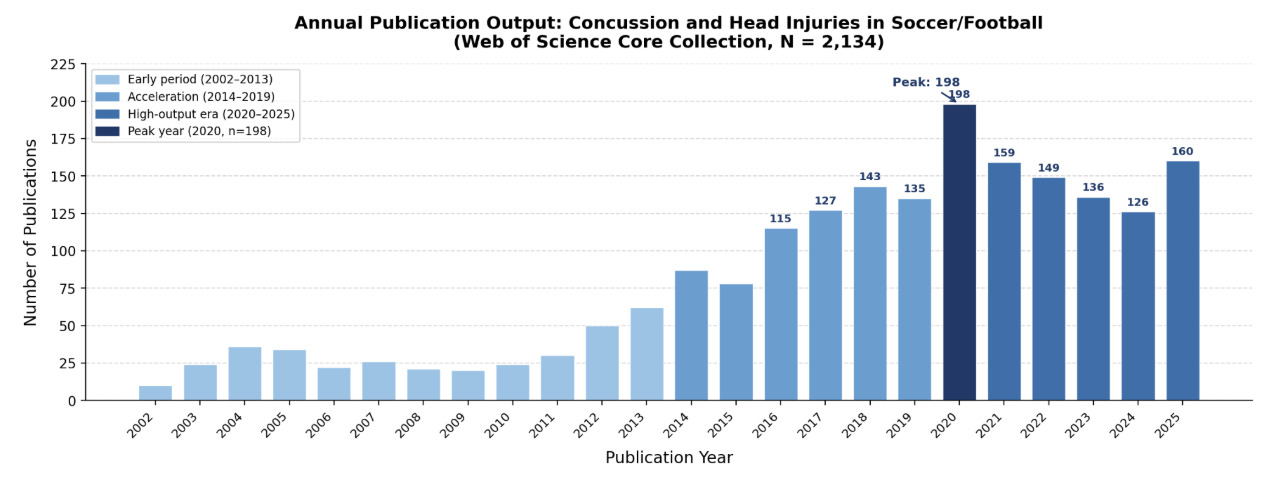
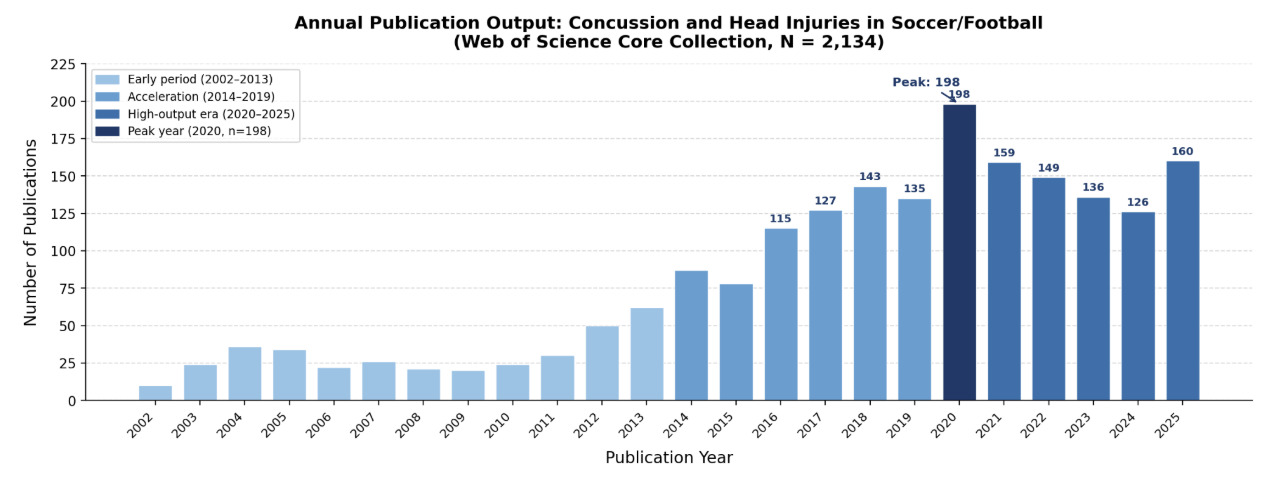
The retrieved literature increased substantially over time (Figure 1). Fewer than 30 publications were identified annually during most years from 2002 through 2011, followed by accelerated growth beginning in the early 2010s. Publication output reached a maximum of 198 records in 2020. Although annual output subsequently declined from that peak, it remained considerably higher than in the first decade of the study period. The temporal increase is consistent with the broader expansion of sports-concussion, neuroimaging, and repetitive-head-impact research; the bibliometric data alone, however, cannot establish the specific events responsible for year-to-year changes.
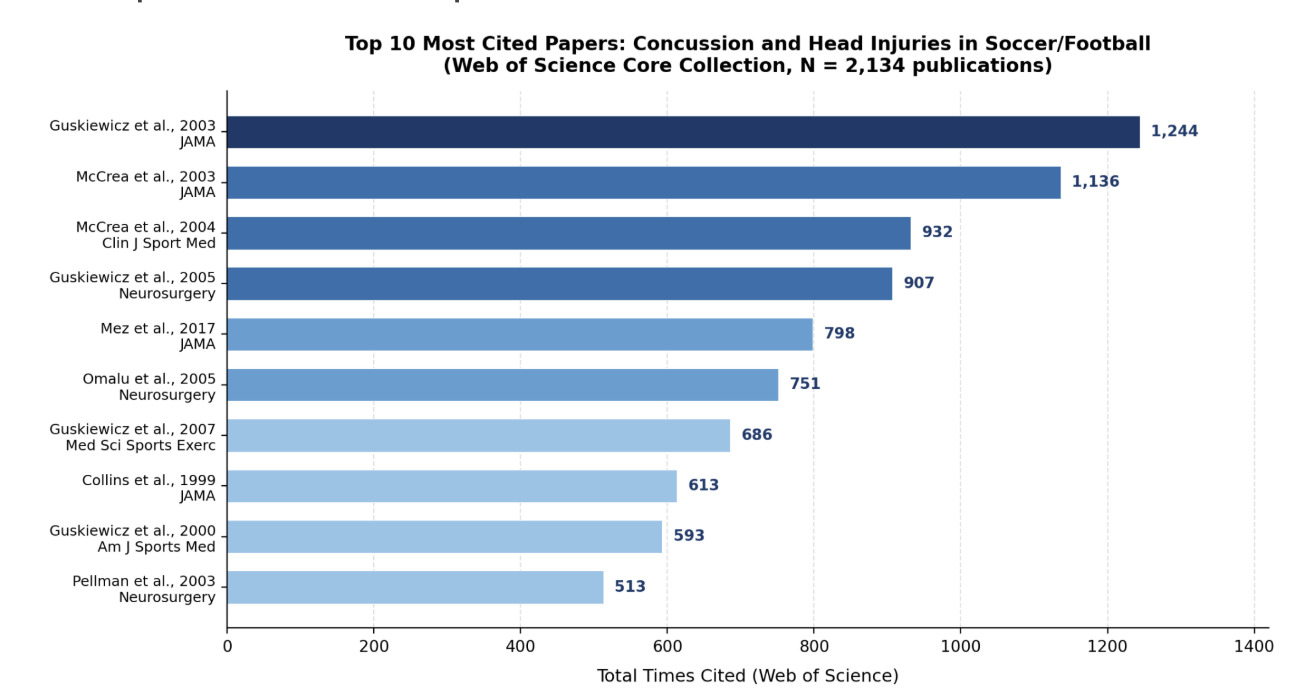
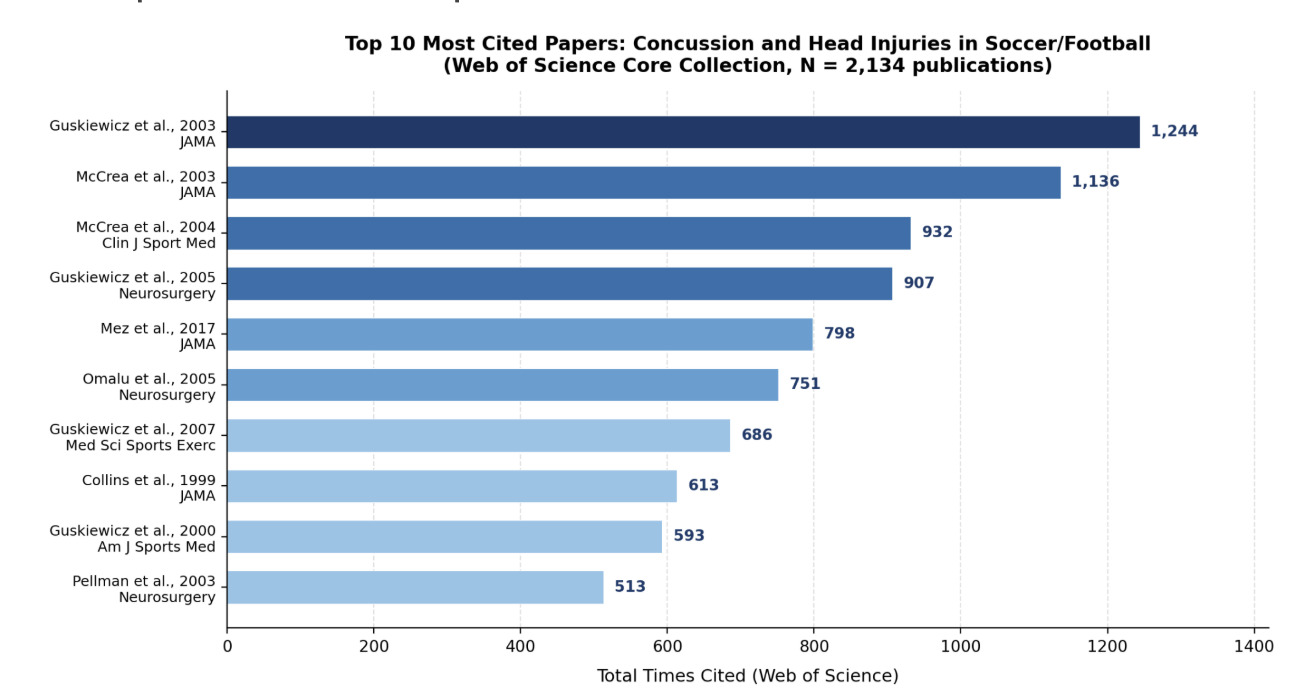
The 10 most-cited publications accounted for approximately 13.8% of all citations in the retrieved corpus (Figure 2), demonstrating substantial concentration of citation influence. Kevin M. Guskiewicz appeared as an author on five of the 10 highest-cited papers. Several top-cited publications addressed American football rather than soccer. This finding should be interpreted cautiously: it may reflect the historical influence of American-football concussion research, but it is also partly attributable to inclusion of the unqualified title term “football” in the search strategy. Accordingly, Figure 2 characterizes the citation structure of the retrieved soccer/football corpus rather than a purely soccer-specific evidence base.
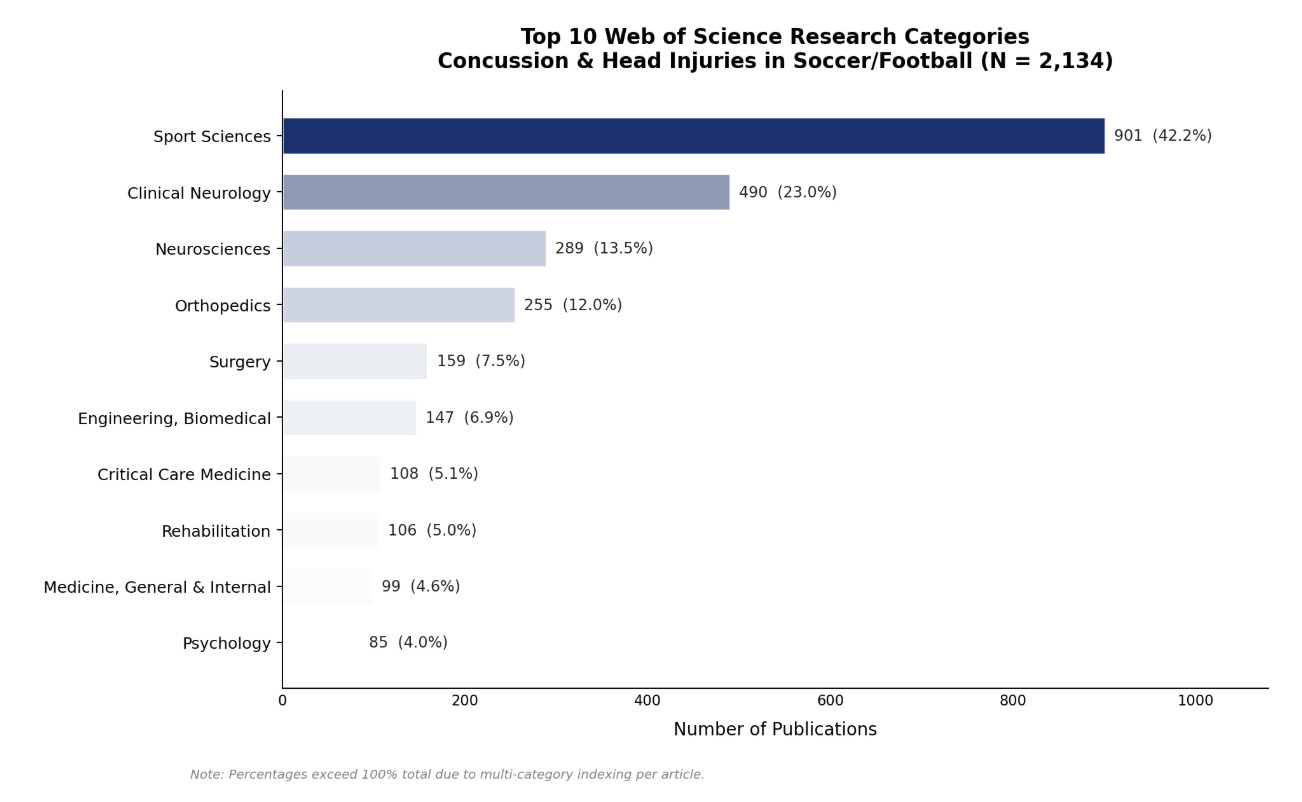
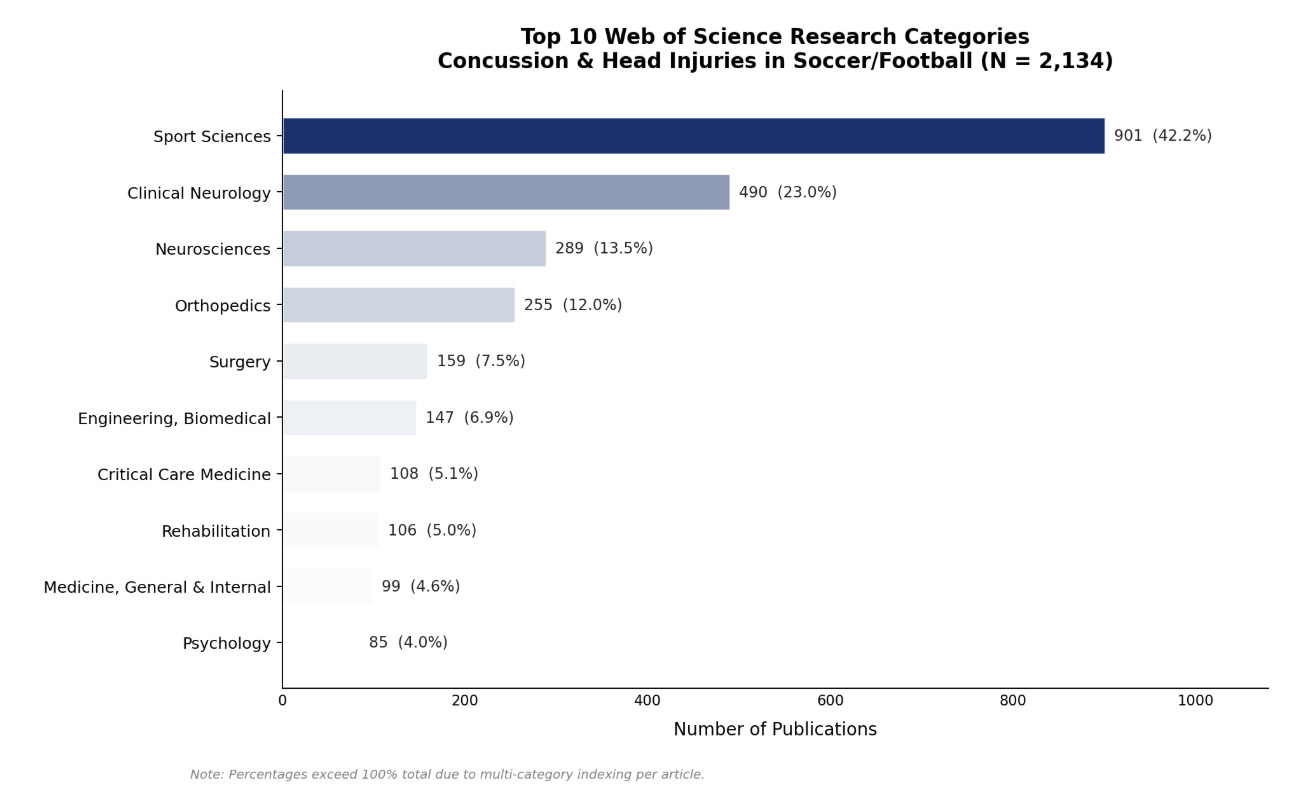
The literature was distributed across 107 Web of Science research categories (Figure 3), illustrating the multidisciplinary nature of head-injury research. Sports Sciences was the largest category, with 901 publications (42.2%), followed by Clinical Neurology, Neurosciences, Orthopedics, and Surgery. Representation in engineering, biomedical engineering, rehabilitation, general/internal medicine, critical care, and psychology further demonstrates that concussion research spans injury biomechanics, acute clinical assessment, imaging, rehabilitation, and longer-term neurological outcomes. The prominence of Orthopedics also supports the relevance of concussion to the broader sports-injury literature rather than treating head injury as an exclusively neurological topic.
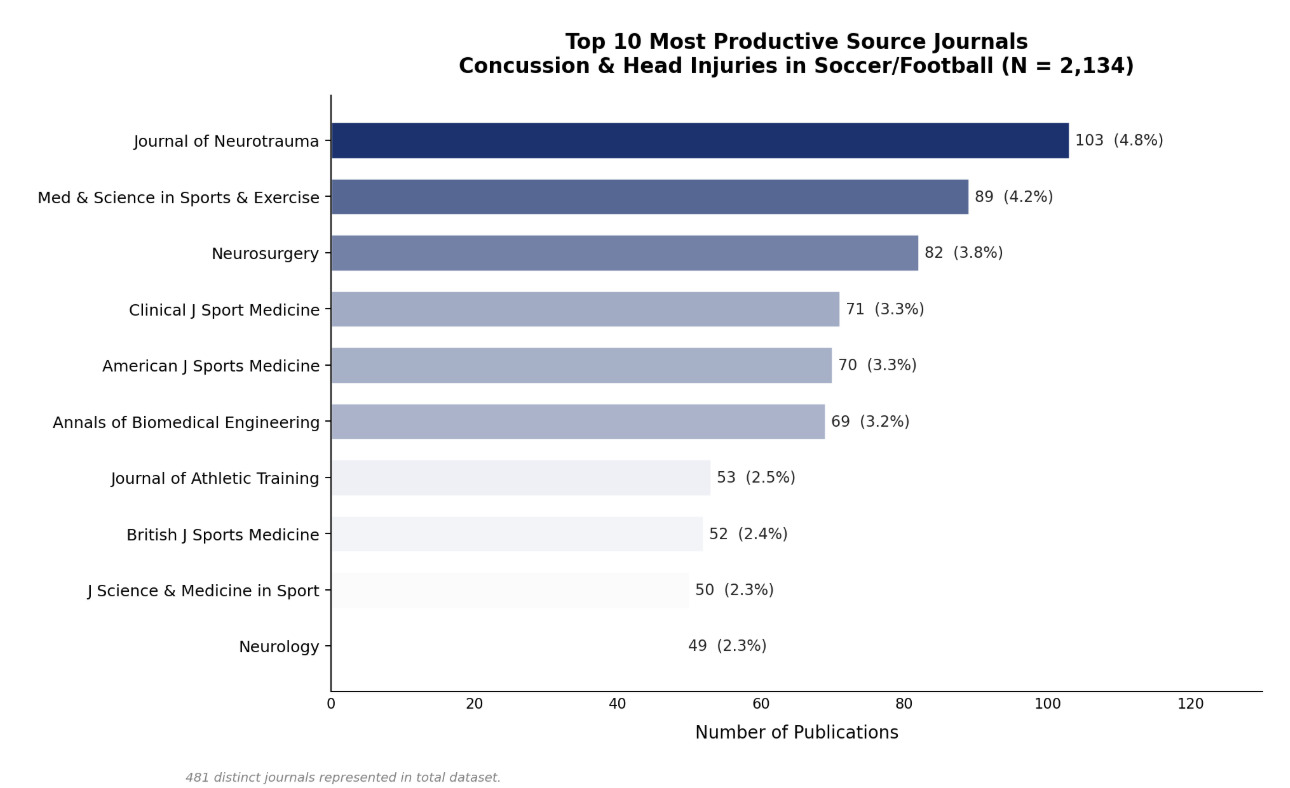
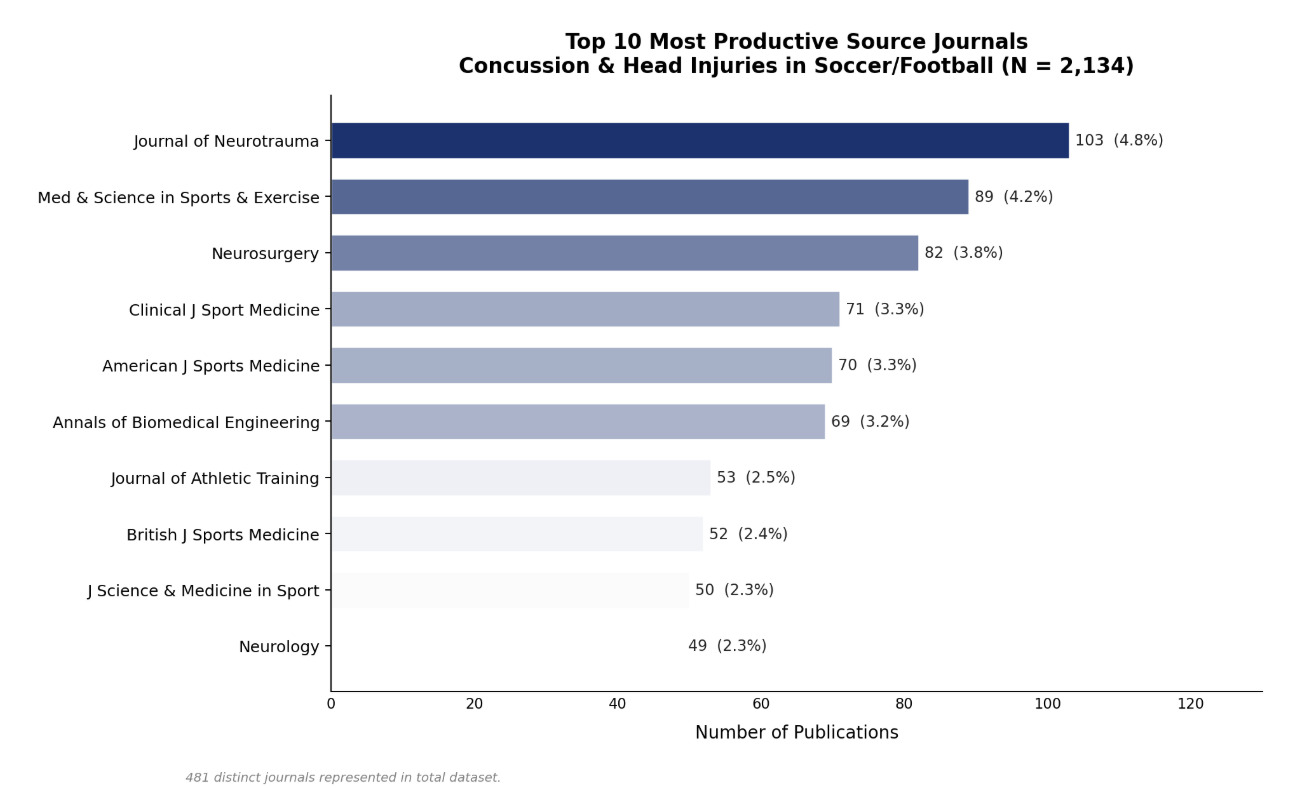
The 2,134 records were distributed across more than 480 source journals (Figure 4). The Journal of Neurotrauma was the most productive journal with 103 publications, followed by Medicine & Science in Sports & Exercise, Neurosurgery, Clinical Journal of Sport Medicine, and the American Journal of Sports Medicine. The presence of both clinical and engineering journals reflects the field’s dual emphasis on patient-centered outcomes and impact biomechanics. The top 10 journals together accounted for approximately one-third of the retrieved publications, indicating a recognizable core literature but substantial dispersion across specialties.
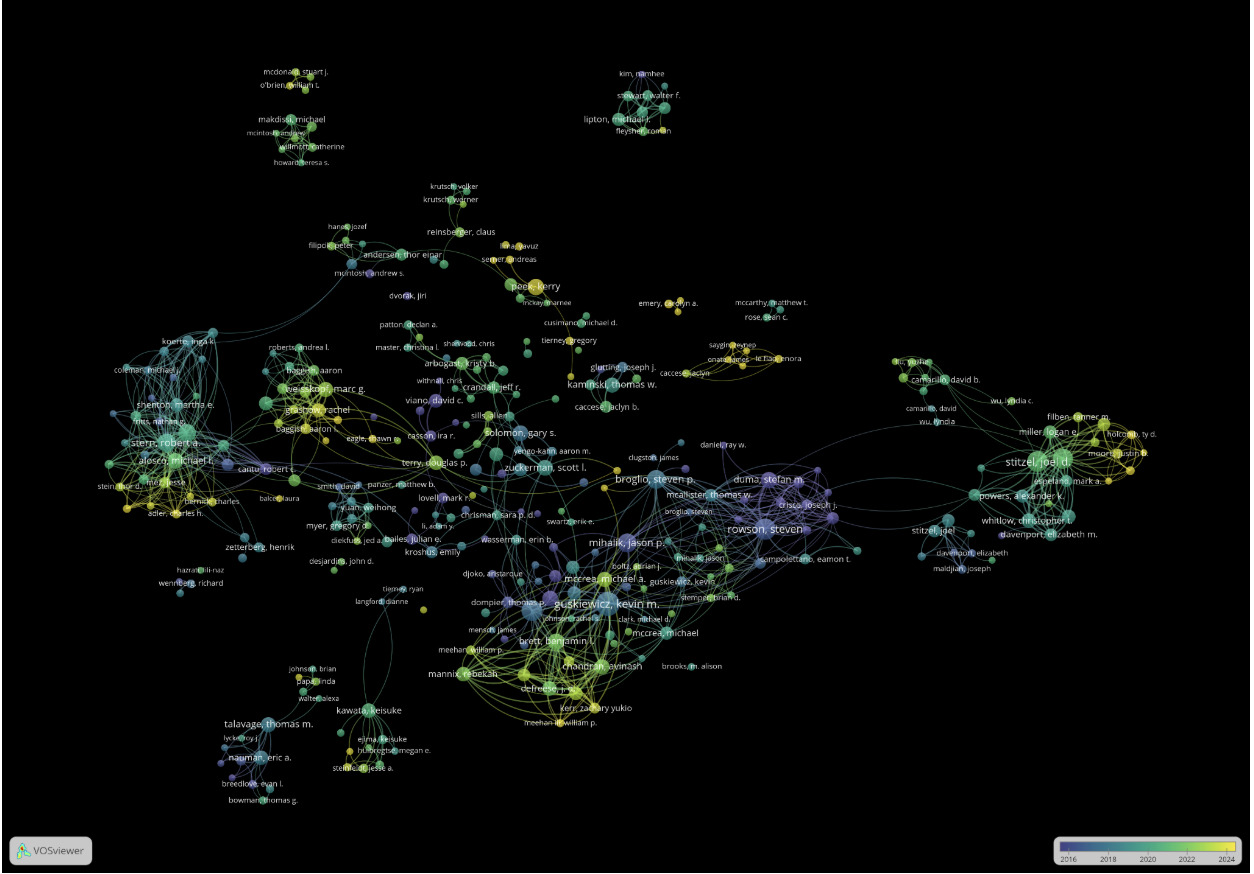
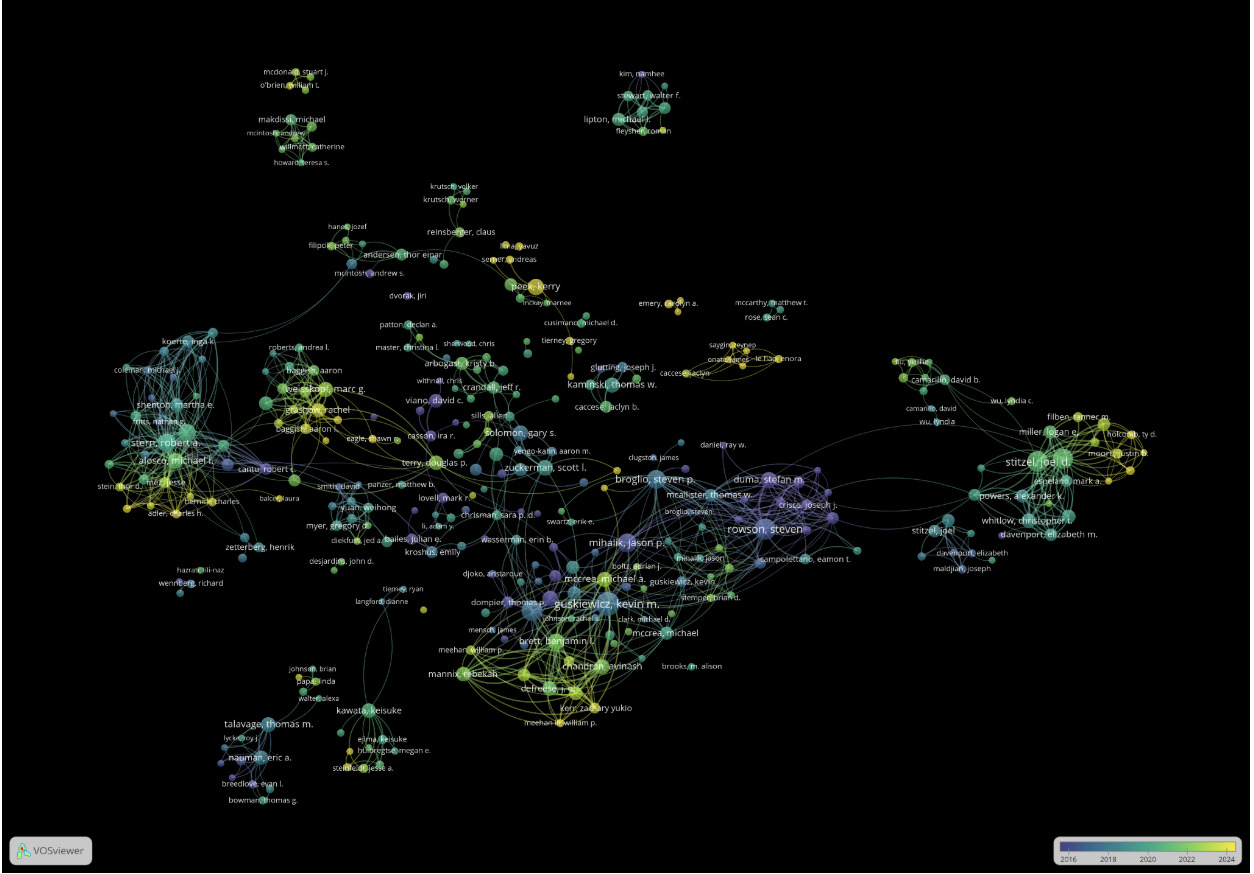
Author co-authorship mapping demonstrated multiple partially connected research clusters (Figure 5). A prominent cluster involving Guskiewicz and collaborators was associated with biomechanics and head-impact measurement, while groups including Nauman and Talavage contributed to work on repetitive or subconcussive exposure. Other clusters, including investigators such as Lipton and Stewart, were more directly focused on soccer heading, neuroimaging, and cumulative exposure. The network therefore reflects both sport-specific soccer research and broader concussion science that entered the retrieved corpus.
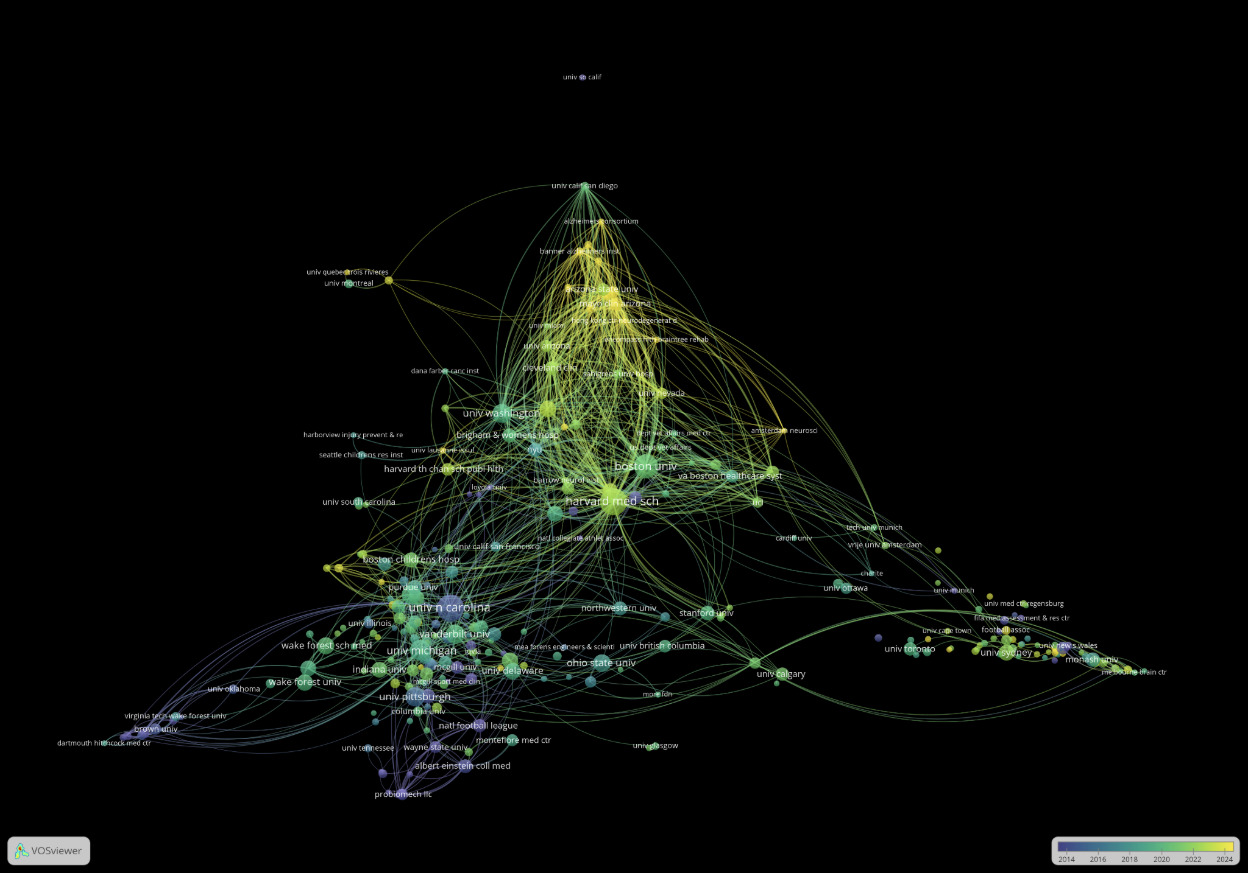
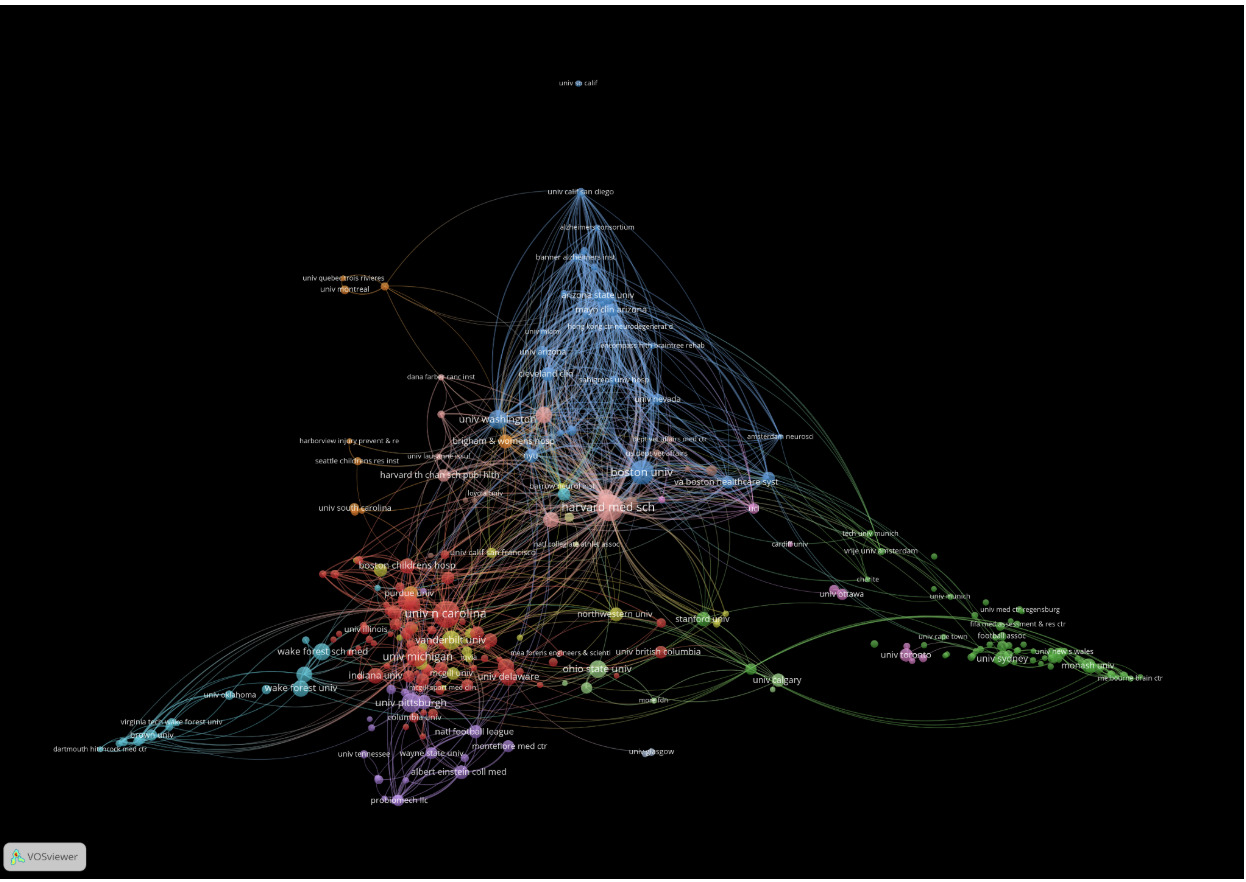
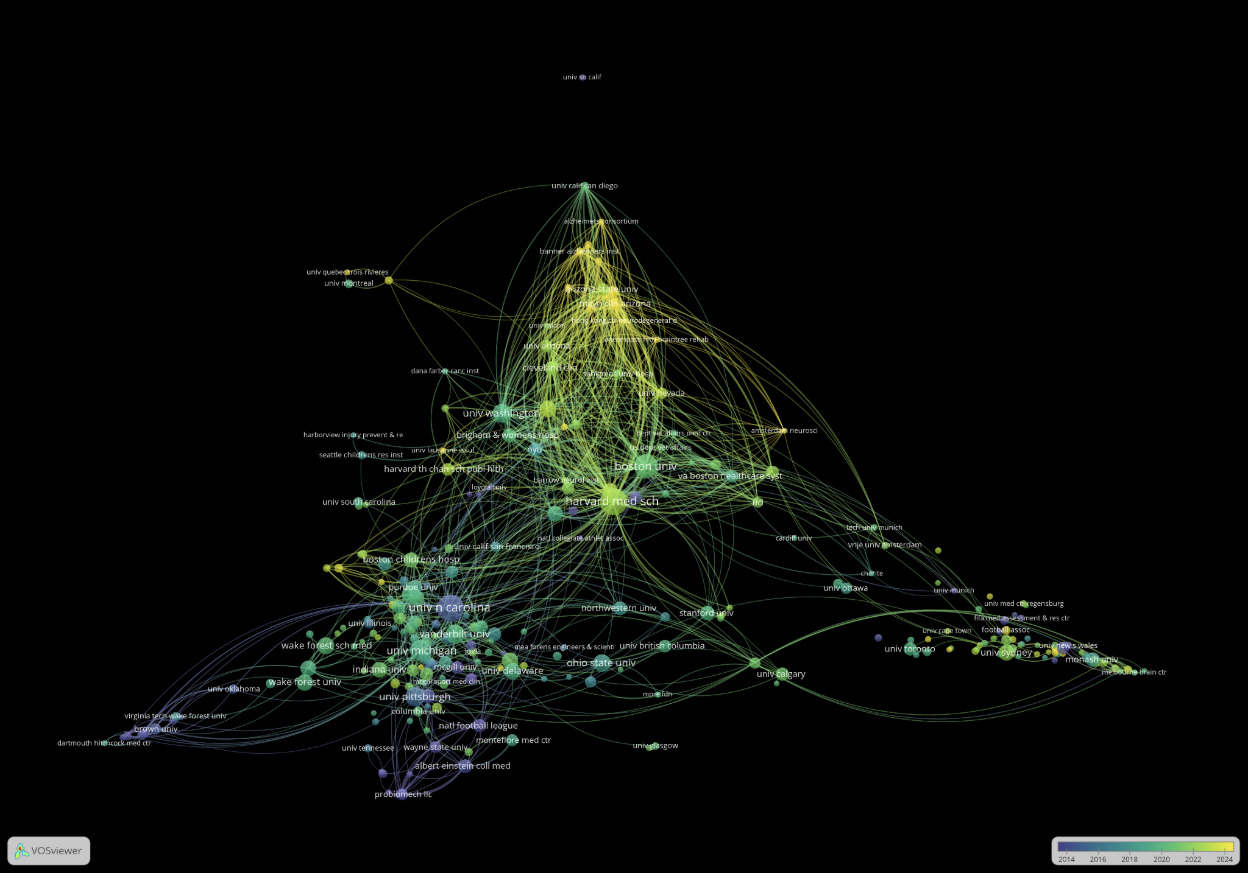
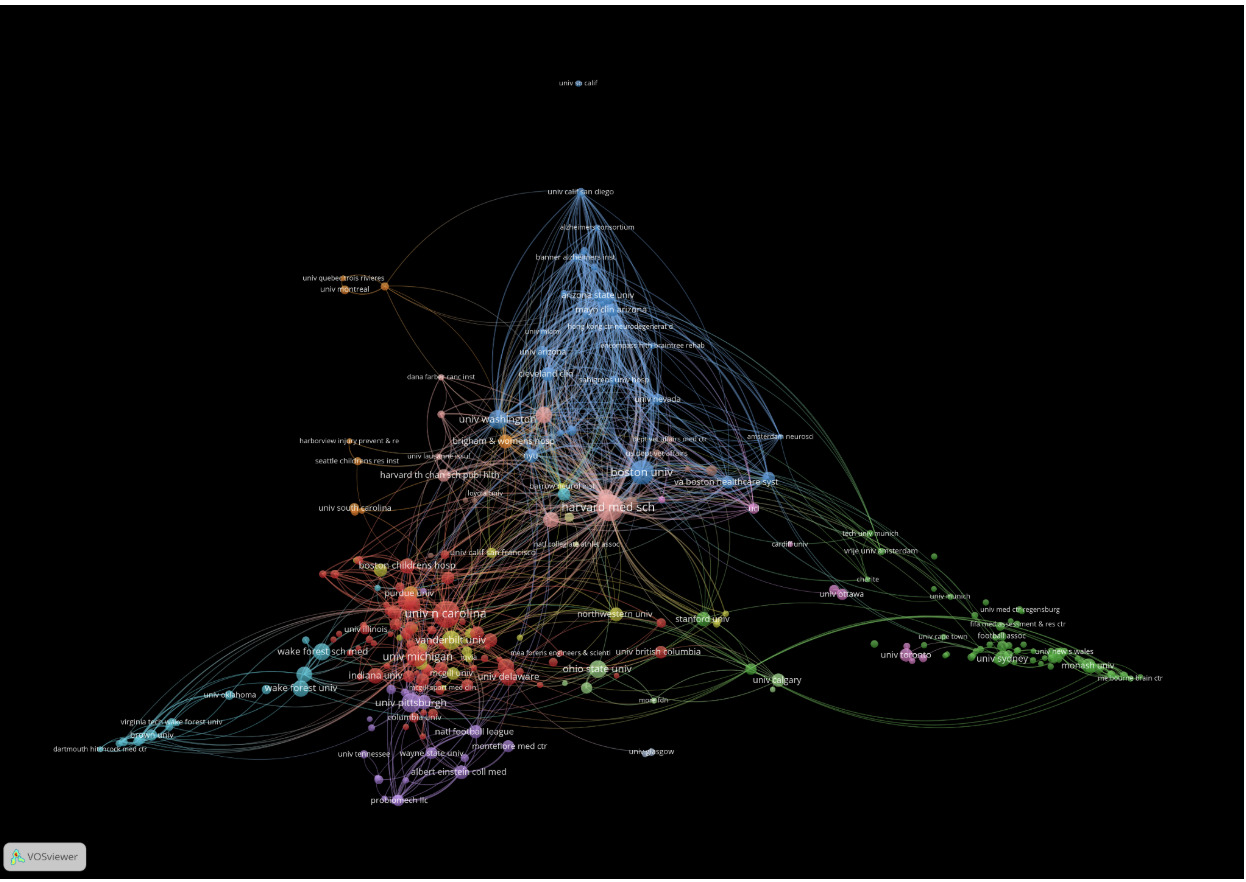
Institutional co-authorship networks also showed clustering by scientific emphasis rather than geography alone (Figure 6). The University of North Carolina and Wake Forest were prominent in biomechanics and head-impact research, whereas Boston University and Harvard-affiliated groups were associated with neurodegeneration and chronic traumatic encephalopathy research. More recent activity was visible among additional U.S. institutions, including Arizona-based programs. International links involving European universities and football-focused organizations were present but less central. These patterns reinforce the multidisciplinary organization of the field and the importance of cross-institutional collaboration for studies requiring large athlete cohorts, longitudinal follow-up, advanced imaging, or exposure monitoring.
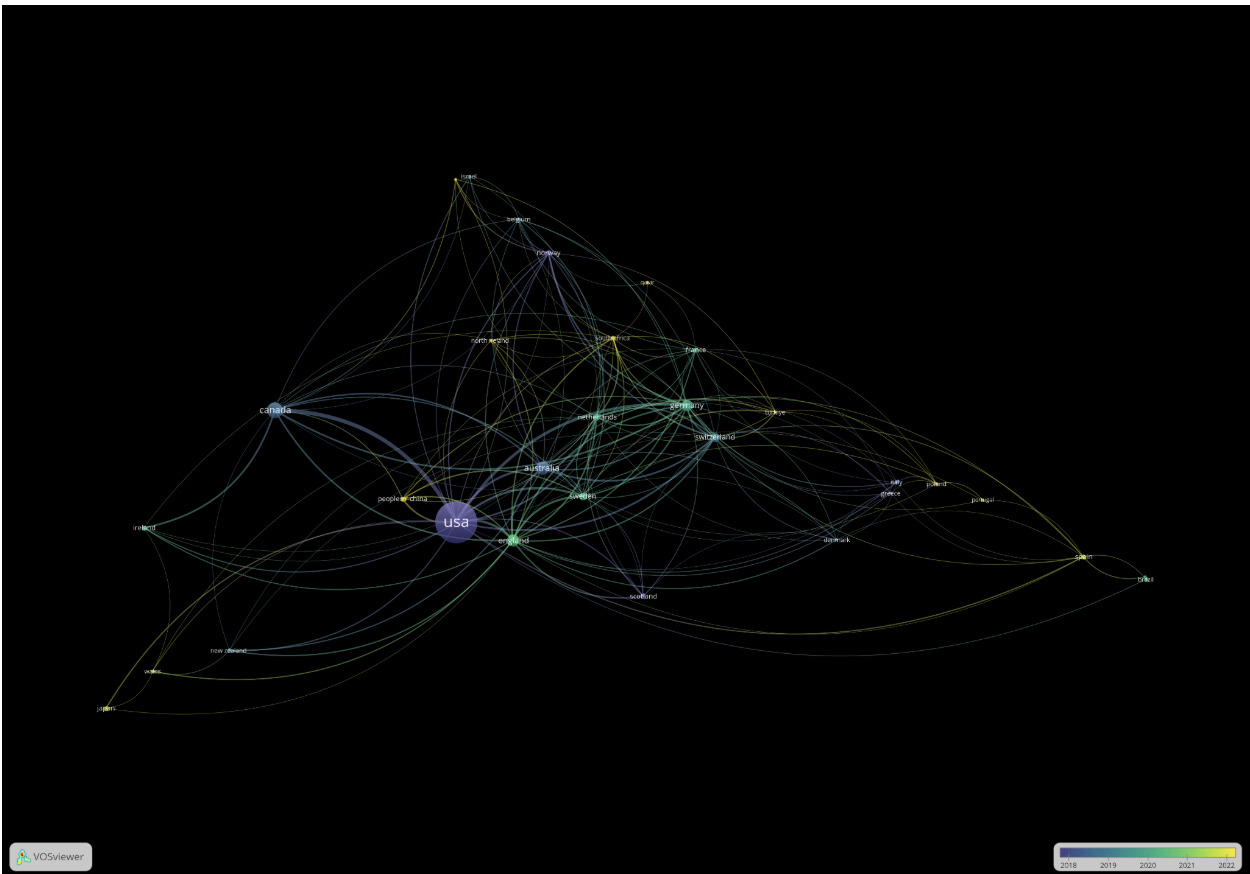
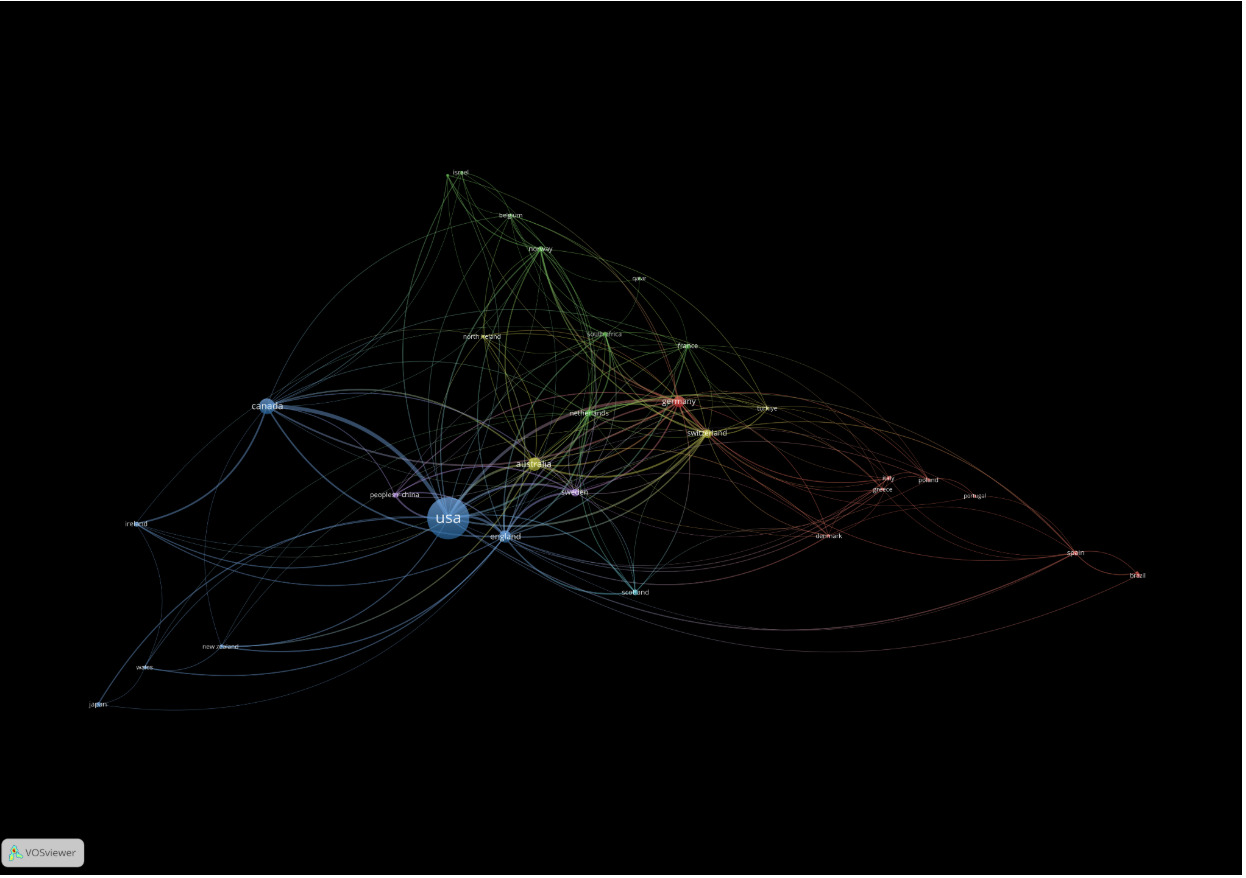
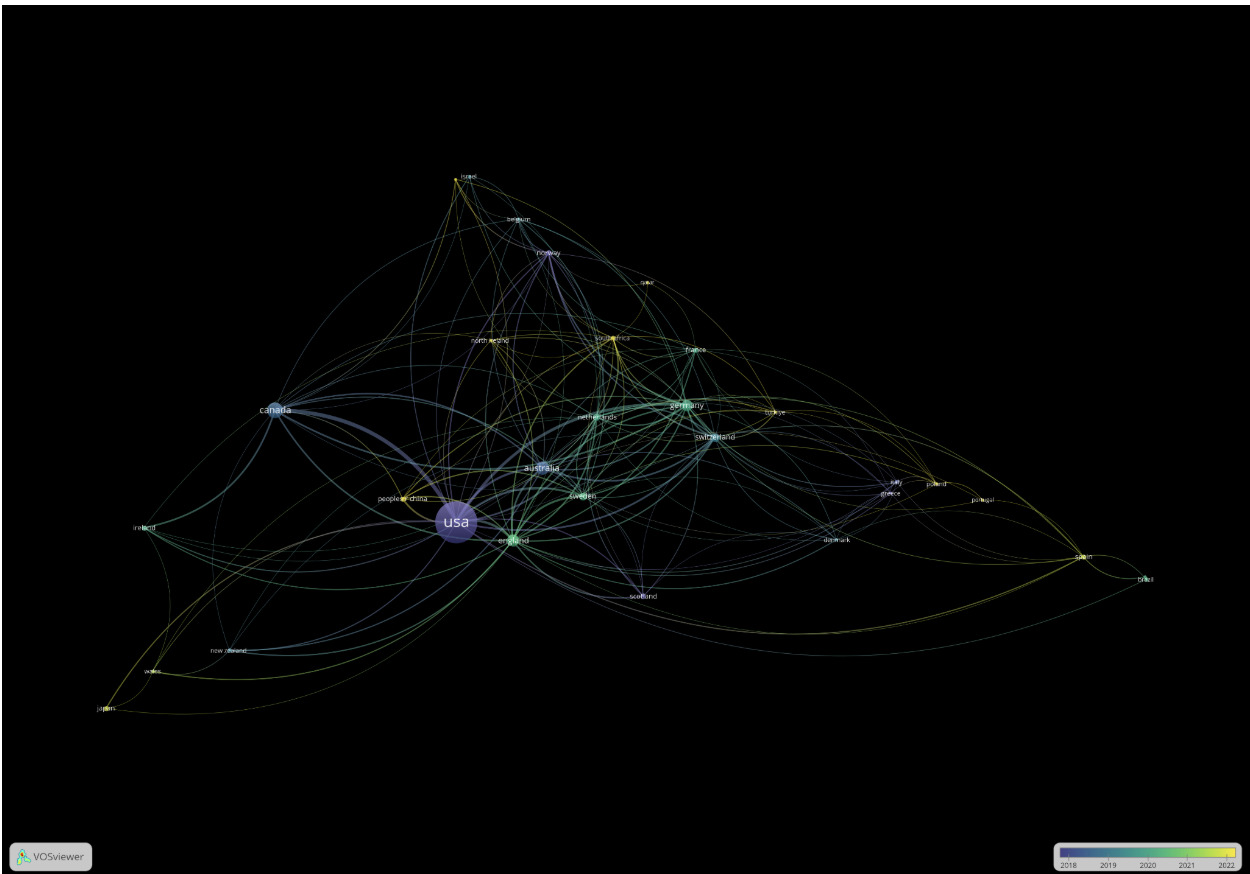
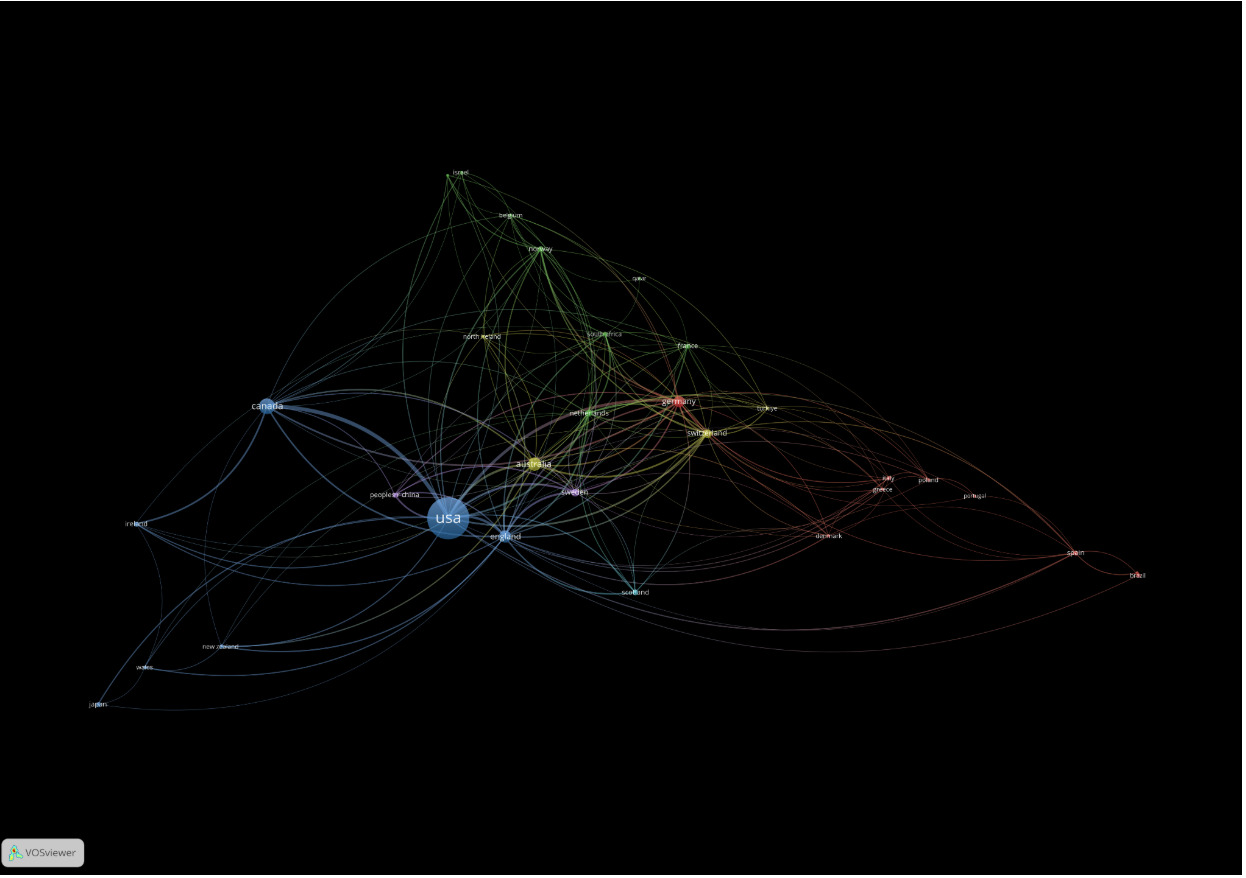
Country collaboration maps placed the United States at the center of the retrieved network (Figure 7). Strong links were observed among the United States, Canada, the United Kingdom, and Australia, with a distinct European collaborative structure involving countries such as Germany, the Netherlands, Norway, Switzerland, and Sweden. Brazil and Spain appeared more prominently in recent overlay mapping but remained relatively peripheral overall. This pattern suggests an opportunity for broader collaboration with soccer-dominant regions. However, because the search included the ambiguous term “football” and Web of Science coverage is not uniform across languages and journals, the relative position of countries should not be interpreted as a direct measure of their true soccer-concussion research capacity.
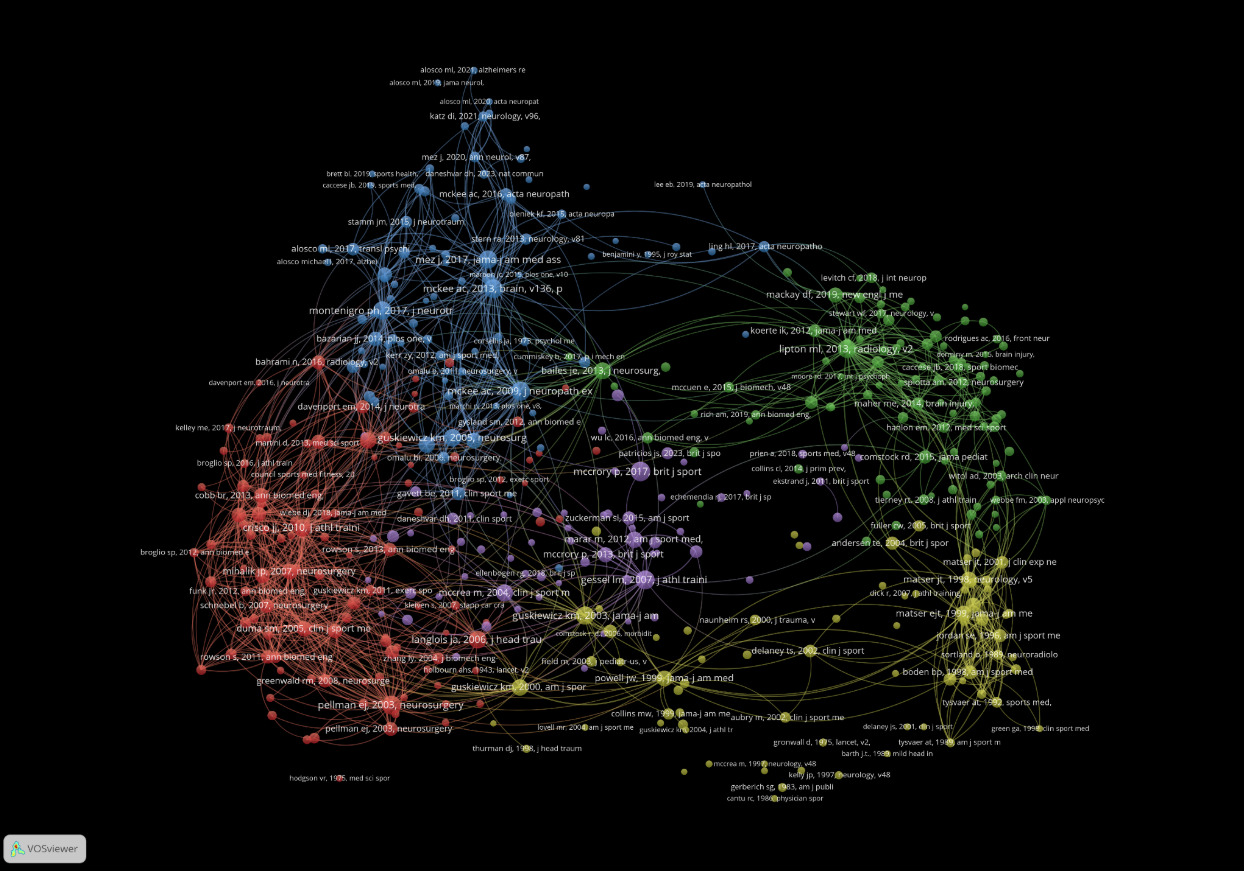
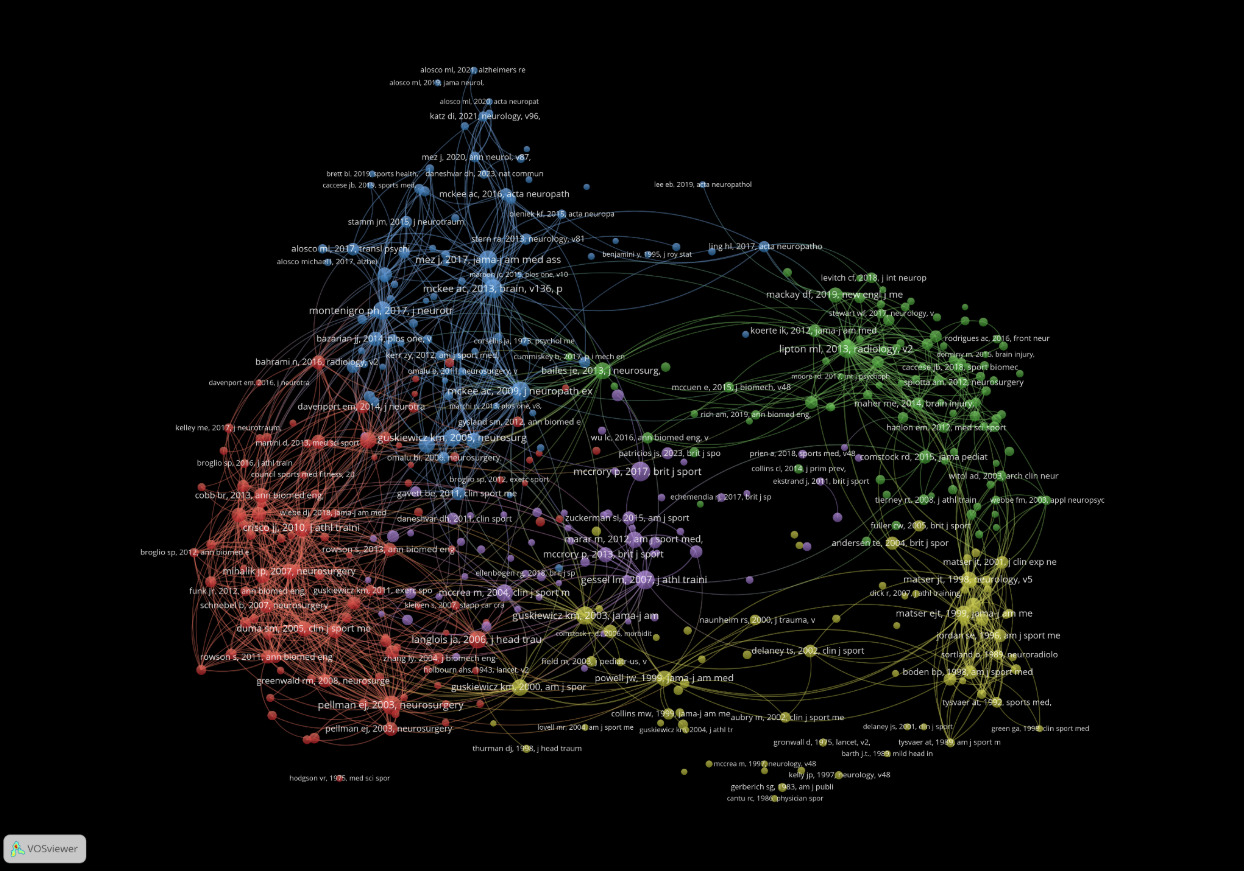
Co-citation mapping identified four broad intellectual domains (Figure 8): impact biomechanics and reconstruction of head impacts; epidemiologic and risk studies; clinical assessment and return-to-play guidance; and neurodegeneration/CTE. The relative prominence of American-football landmark papers in the first and fourth domains again reflects both genuine cross-sport scientific influence and the search strategy’s inclusion of American-football records. More recent TBI bibliometric work similarly identifies neuroimaging, biomarkers, prognosis, and individualized assessment as expanding areas of investigation.21
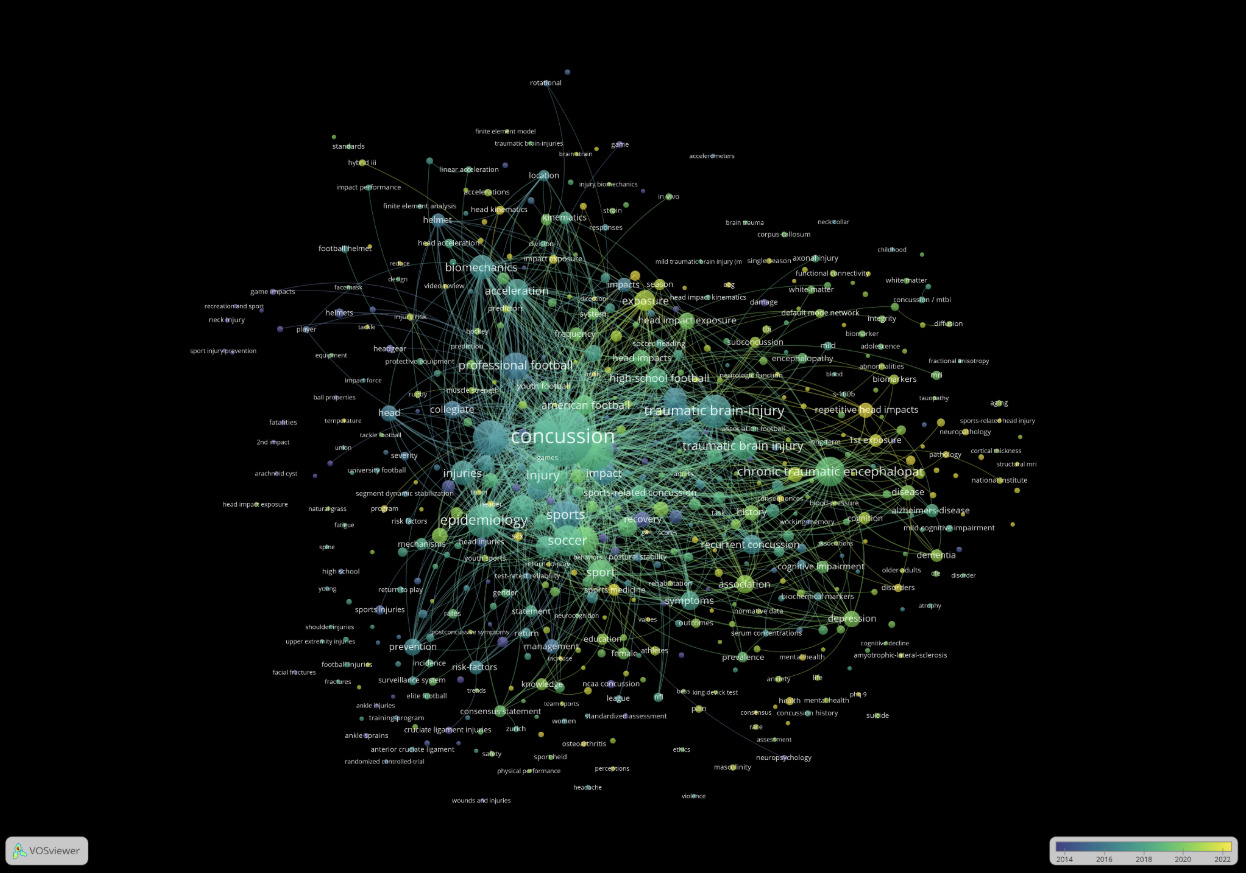
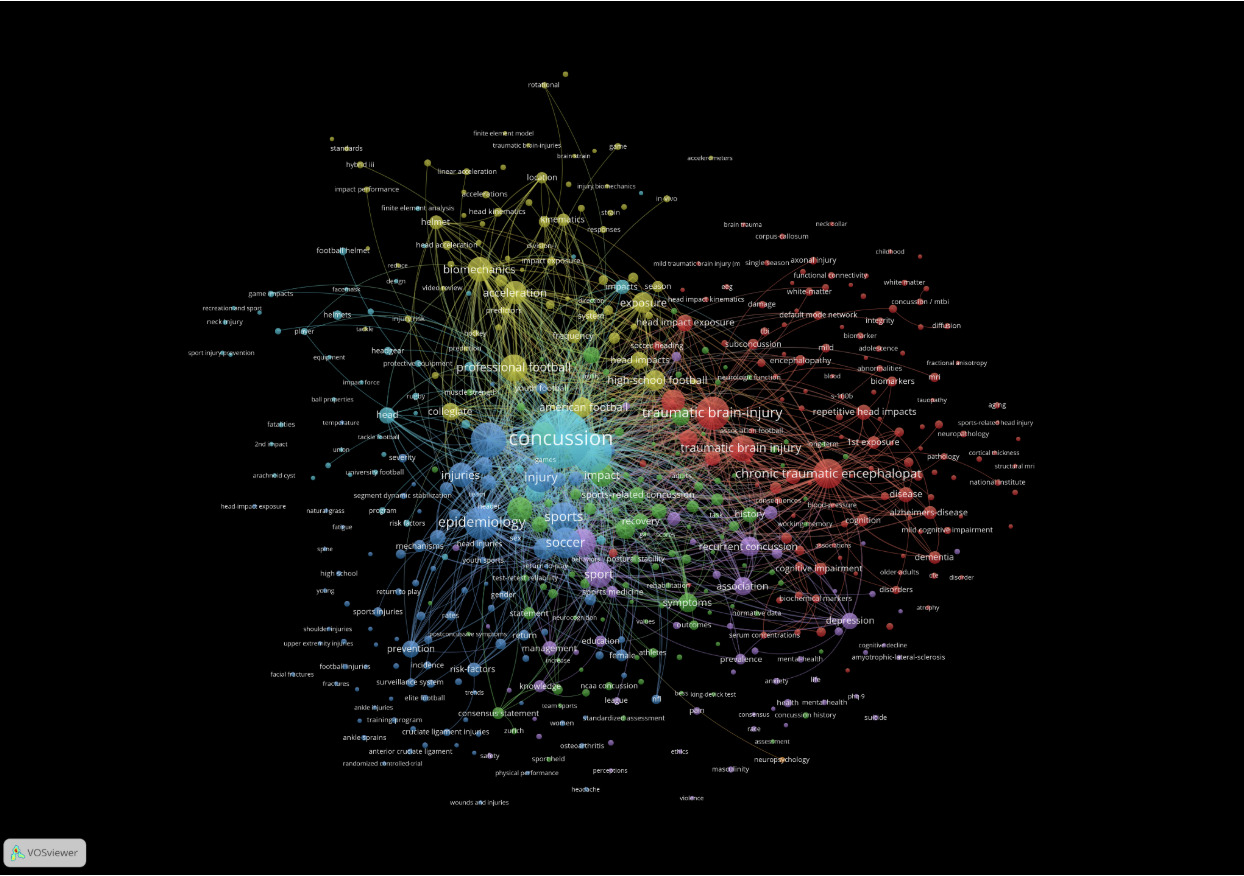
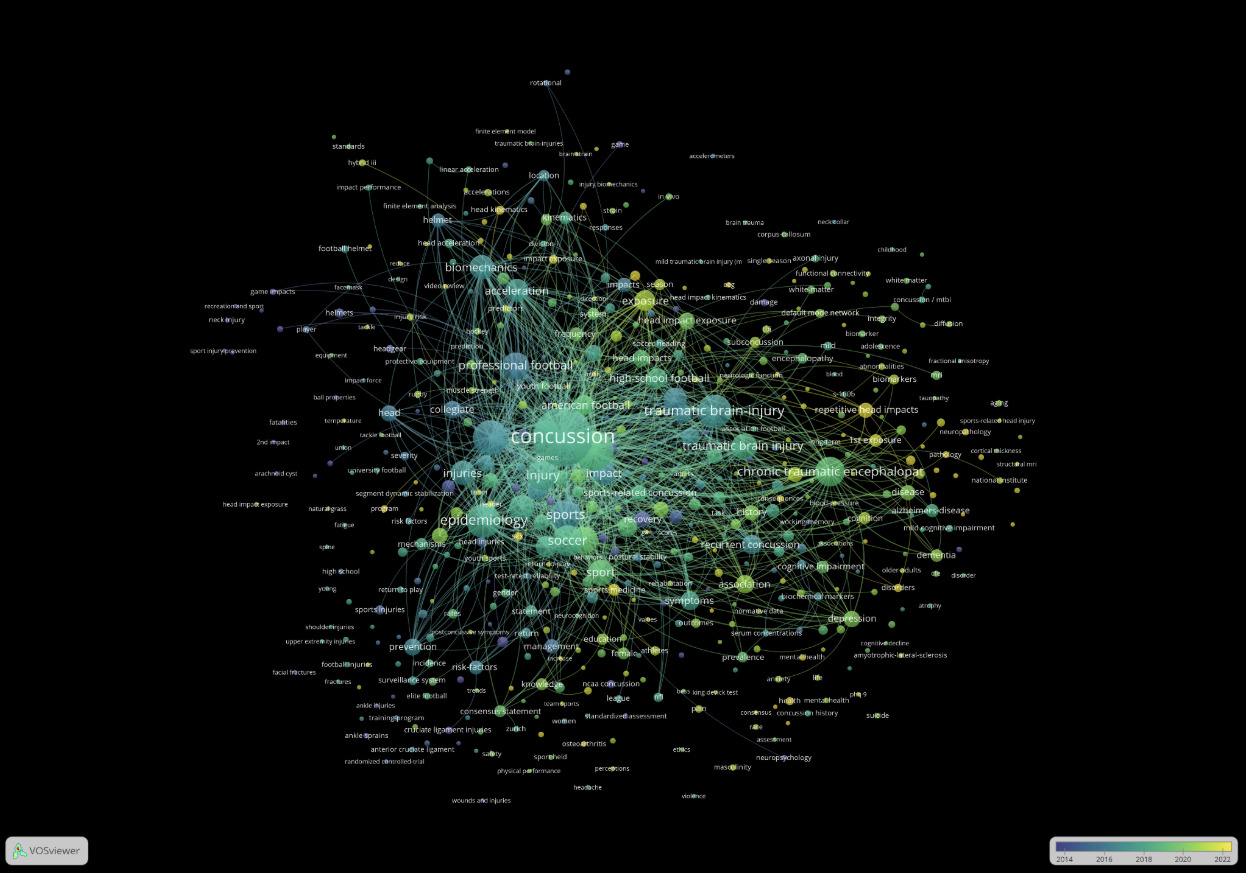
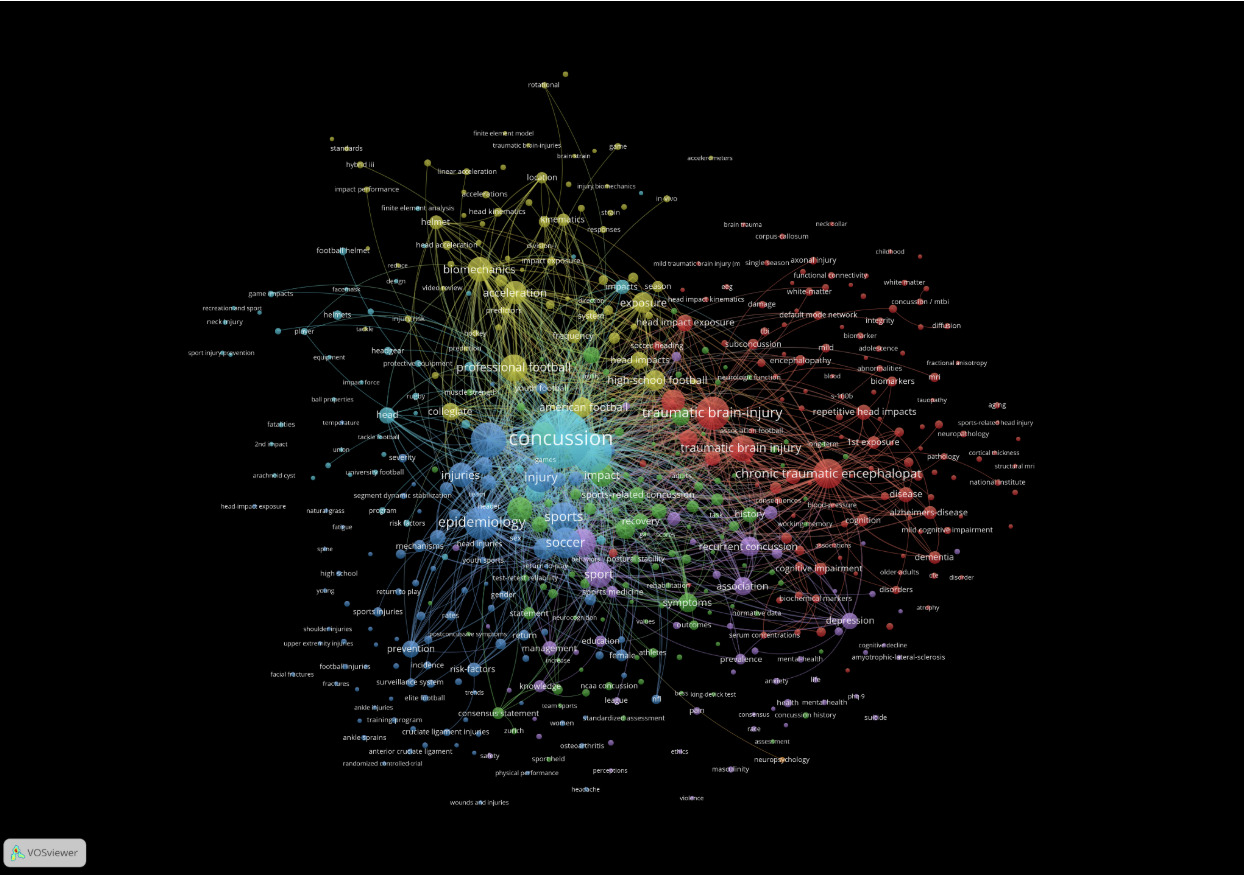
Keyword co-occurrence analysis demonstrated several interconnected thematic groups (Figure 9). Central terms included concussion, traumatic brain injury, soccer, and injury, with additional clusters focused on biomechanics, clinical management, repetitive head impacts, and neurodegeneration. Overlay mapping suggested increasing attention to mental health, anxiety, depression, biomarkers, and advanced assessment. These newer themes are consistent with a broader shift in mTBI research toward multidomain prognosis, including neurocognitive performance, ocular-motor dysfunction, neuroimaging, and biological markers.11–15,19,21
Discussion
The principal finding of this analysis is the marked growth and diversification of concussion and head-injury research associated with soccer/football terminology. The field now spans sports medicine, orthopedics, neurology, neuroscience, engineering, rehabilitation, and psychology. This development parallels the broader evolution of soccer injury research, which increasingly emphasizes injury surveillance, modifiable risk factors, and prevention rather than description alone.2,3 Bibliometric work in female ACL injury and TBI neuroimaging likewise demonstrates the value of mapping research communities to identify dominant themes and underrepresented populations.1,21
A second important finding is the strong presence of American-football literature among the most-cited records and network hubs. The original manuscript interpreted this pattern as evidence that soccer concussion science was largely built on American-football research. That conclusion is only partly supportable. There is genuine historical cross-fertilization between concussion research in collision sports, particularly in biomechanics, clinical assessment, and neurodegeneration. However, the present search also included “football” without requiring “soccer” or “association football,” which can directly retrieve American-football papers. Therefore, the dataset itself contributes to the observed dominance. A future soccer-specific analysis should repeat the search using terms such as soccer, futbol/fútbol, and “association football,” while excluding NFL, American football, and related terms, followed by manual validation of a sample of records.
The international collaboration network suggests that research leadership is concentrated in the United States and other high-output English-speaking research systems, while several countries in which soccer is culturally and professionally dominant remain less central. This may reflect differences in research infrastructure, funding, database indexing, language, and cross-national collaboration rather than differences in the underlying burden of injury. Web of Science is known to have selective journal coverage compared with other bibliographic databases.22 Consequently, future work should triangulate Web of Science results with Scopus and PubMed and, where feasible, consider non-English publications and region-specific football medicine literature.
Sex-specific evidence remains another important gap. Female soccer players have higher concussion incidence than male players in several comparable cohorts, and sex-related differences have been described in symptom burden and white-matter findings.8,16,17 Yet “female” was not among the dominant terms in the keyword network (Figure 9), suggesting that sex-specific questions remain less prominent than the overall concussion literature would warrant. This pattern parallels research gaps identified in female-athlete ACL literature, where a high clinical burden has not always been matched by proportionate study attention.1 Future soccer-concussion studies should prospectively stratify exposure, acute symptoms, recovery time, neuroimaging, and return-to-play outcomes by sex rather than treating sex as a secondary covariate.
The thematic maps also show a transition from acute concussion recognition toward a cumulative exposure, neurodegeneration, neuroimaging, biomarkers, and multidomain prognosis. This trajectory is clinically plausible but should not be overstated. CTE remains a neuropathologic diagnosis, and current tools cannot establish CTE in a living athlete. Neuroimaging and blood biomarkers are therefore best viewed as research tools for characterizing injury biology and prognosis rather than validated measures of cumulative brain damage in routine soccer practice. The wider mTBI literature illustrates the same need for multidimensional assessment: a normal or near-normal Glasgow Coma Scale score does not exclude clinically important injury, acute symptoms may help predict CT abnormalities, convergence insufficiency may identify patients at risk for poorer recovery, and neurocognitive testing can add information beyond routine examination.11–15 Pediatric TBI studies likewise underscore that clinically important intracranial pathology cannot be inferred from a single symptom or examination element.23
This study has several limitations. First, it relied on a single bibliographic database, and Web of Science coverage may favor English-language and highly indexed journals.22 Second, citation counts favor older publications because they have had more time to accumulate citations and do not directly measure methodological quality or clinical importance. Third, and most importantly, the unqualified title term “football” likely introduced American-football records into a corpus intended to characterize soccer. This affects the interpretation of the most-cited papers, authors, institutions, countries, co-citation clusters, and potentially annual output. Fourth, bibliometric networks are sensitive to author-name variants, institutional naming, indexing practices, threshold selection, and VOSviewer counting settings. Fifth, the analysis did not formally assess study quality, risk of bias, athlete level, sex distribution, age group, or whether individual records addressed diagnosed concussion versus repetitive subconcussive head impacts. Future work should repeat the analysis with a soccer-specific validated search, report full versus fractional counting choices and network thresholds, incorporate Scopus and/or PubMed, and consider longitudinal keyword-trend analyses using bibliometrix.24
Conclusion
The literature on concussion and head injury associated with soccer/football terminology has expanded substantially and now spans biomechanics, clinical sports medicine, orthopedics, neuroimaging, rehabilitation, and neurodegeneration. The field shows strong U.S. and Anglophone research centrality, growing interest in cumulative head-impact exposure and objective assessment, and persistent gaps in sex-specific and internationally representative evidence. The present analysis also identifies a critical methodological lesson: use of the unqualified term “football” limits soccer-specific interpretation because it captures American-football literature. A refined, soccer-specific search and multi-database validation would strengthen future bibliometric work and provide a more precise foundation for prevention, diagnosis, prognosis, and return-to-play research in soccer.