
1. Introduction
Impaired bone regeneration remains a major clinical challenge in orthopedic practice, particularly in patients undergoing complex limb reconstruction, distraction osteogenesis, or treatment for delayed union, where prolonged healing trajectories may substantially increase morbidity, treatment burden, functional limitation, and the likelihood of secondary intervention.1 Bone repair is a tightly regulated biological process requiring coordinated inflammatory signaling, angiogenesis, osteogenic differentiation, matrix deposition, and remodeling; disruption of these processes may compromise timely structural healing and predispose patients to delayed recovery.2 Population-level epidemiological data continue to demonstrate that nonunion and impaired healing remain clinically meaningful complications across fracture populations, while contemporary clinical evidence confirms that delayed union persists even following standardized fixation strategies, reinforcing the ongoing unmet need for effective adjunctive therapies that can enhance biological healing rather than relying solely on prolonged observation or revision surgery.3,4
Distraction osteogenesis represents a uniquely demanding regenerative model that differs fundamentally from conventional fracture healing. Rather than spontaneous repair following traumatic injury, successful regenerate formation depends on controlled osteotomy, preservation of local biology, stable fixation, and precisely regulated mechanical stimulation. The foundational biologic principles established by Ilizarov demonstrated that both fixation stability and the rate and frequency of distraction critically determine successful tissue genesis, forming the basis of modern limb reconstruction strategies.5,6 Despite these advances, prolonged external fixation remains associated with substantial patient burden, including pain, pin-site complications, delayed consolidation, and prolonged functional impairment, creating strong clinical interest in interventions capable of accelerating regenerative efficiency.
Adjunctive biophysical stimulation has emerged as a mechanistically plausible noninvasive strategy intended to enhance bone regeneration through modulation of osteogenic signaling pathways and cellular repair responses. Early randomized evidence suggested that pulsed electromagnetic field stimulation may favorably influence regenerate bone formation during limb lengthening, supporting biologic feasibility within distraction-based reconstruction settings.7 More broadly, continued therapeutic innovation in skeletal regenerative medicine, including biologically targeted interventions, reflects persistent recognition that improving bone healing remains a major translational priority, even though these therapeutic classes operate through distinct mechanisms and indications.8
However, the clinical evidence supporting adjunctive regenerative interventions remains fragmented. Even in comparatively defined orthopedic settings such as Jones fractures, variability in healing behavior and treatment pathways highlights the broader challenge of achieving predictable osseous union across musculoskeletal practice.9 Similarly, contemporary evidence syntheses evaluating orthobiologic strategies for delayed union and nonunion continue to report uncertainty regarding comparative effectiveness, patient selection, and translation into routine care.3 For adjunctive biophysical stimulation specifically, randomized studies across distraction osteogenesis, limb reconstruction, and delayed union populations have reported inconsistent findings, with substantial variation in intervention modality, comparator design, endpoint definition, and methodological rigor.
Although adjunctive biophysical stimulation has been investigated across broader fracture-healing contexts, evidence specific to distraction osteogenesis, limb reconstruction, and delayed union remains fragmented, and no focused quantitative synthesis has specifically restricted evaluation to randomized controlled evidence across these reconstructive orthopedic populations. To our knowledge, no prior meta-analysis has specifically synthesized randomized controlled trial evidence evaluating adjunctive biophysical stimulation across regenerative orthopedic reconstruction contexts encompassing distraction osteogenesis, limb reconstruction, and delayed union. Therefore, this systematic review and meta-analysis aimed to synthesize randomized controlled trial evidence evaluating adjunctive pulsed electromagnetic field stimulation and low-intensity biophysical stimulation strategies for enhancing bone regeneration in these settings, with quantitative assessment of healing-efficiency and radiographic bone-healing outcomes where clinically appropriate.
2. Methods
2.1. Study Design and Reporting Standards
This study was conducted as a systematic review and meta-analysis of randomized controlled trials evaluating adjunctive biophysical stimulation for bone regeneration in distraction osteogenesis, limb reconstruction, and delayed union. The review was conducted in accordance with the Preferred Reporting Items for Systematic Reviews and Meta-Analyses PRISMA 2020 statement.
2.2. Literature Search Strategy and Study Selection
A systematic literature search was performed in PubMed/MEDLINE, Scopus, and Web of Science from database inception to March 21, 2026. The search strategy combined controlled vocabulary and free-text keywords related to adjunctive biophysical stimulation and orthopedic bone regeneration. Core search terms included:
(“low-intensity pulsed ultrasound” OR LIPUS OR “pulsed electromagnetic field” OR PEMF OR “electromagnetic stimulation” OR “biophysical stimulation”)
AND (“distraction osteogenesis” OR “limb lengthening” OR “bone transport” OR “limb reconstruction” OR “delayed union” OR nonunion OR “fracture healing” OR “bone regeneration”) AND (randomized OR randomised OR “controlled trial”) Search syntax was adapted for each database.
Duplicate records were removed before screening. Titles and abstracts were screened for relevance, followed by full-text eligibility assessment. Study selection was documented using a PRISMA flow diagram.
2.3. Eligibility Criteria and Data Extraction
Studies were eligible if they met the following criteria: randomized controlled trial design, evaluation of adjunctive low-intensity pulsed ultrasound or pulsed electromagnetic field stimulation, inclusion of patients undergoing distraction osteogenesis, limb reconstruction, or treatment for delayed union, use of a comparative control group, and reporting of extractable bone-healing outcomes. Studies were excluded if they were non-randomized, non-comparative, review articles, case reports, conference abstracts without complete outcome reporting, protocol publications without reported outcomes, duplicate cohorts, or involved ineligible populations or interventions.
Data extraction was performed using a predefined structured framework. Extracted variables included study characteristics, patient population, intervention protocol, comparator, sample size, healing-efficiency outcomes, radiographic bone-healing outcomes, secondary treatment-burden outcomes, and reported complications or safety events. Numerical data required for quantitative synthesis were extracted directly from the original studies.
2.4. Data Synthesis and Statistical Analysis
Meta-analysis was performed when at least two studies reported clinically comparable outcomes with sufficient extractable numerical data. Given anticipated clinical and methodological heterogeneity across intervention modalities, patient populations, and outcome definitions, random-effects meta-analysis using the DerSimonian–Laird method was applied throughout.
Continuous fixation-normalized healing outcomes were pooled as mean differences with 95% confidence intervals using the inverse-variance method when studies reported comparable duration-per-length measures, including healing index and distraction consolidation index expressed as days per centimeter.
Continuous radiographic bone-healing outcomes were pooled as standardized mean differences with 95% confidence intervals using the inverse-variance method because studies reported non-identical but conceptually related imaging-based endpoints, including regenerate mineralization, fracture-gap reduction, and radiographic healing progression. Statistical heterogeneity was assessed using the I² statistic. Statistical significance was defined as a two-sided P value < 0.05.
Outcomes unsuitable for quantitative pooling because of incompatible definitions or insufficient extractable data were synthesized narratively. Secondary clinical burden and safety outcomes were not quantitatively pooled because reporting frameworks and event definitions differed substantially across studies. Leave-one-out sensitivity analysis was performed for the radiographic meta-analysis to assess the robustness of pooled estimates following sequential exclusion of individual studies.
Formal publication bias assessment was not performed because the number of pooled studies was insufficient for reliable interpretation.
All analyses were conducted using Review Manager (RevMan), version 5.4 (Cochrane Collaboration).
2.5. Risk of Bias Assessment
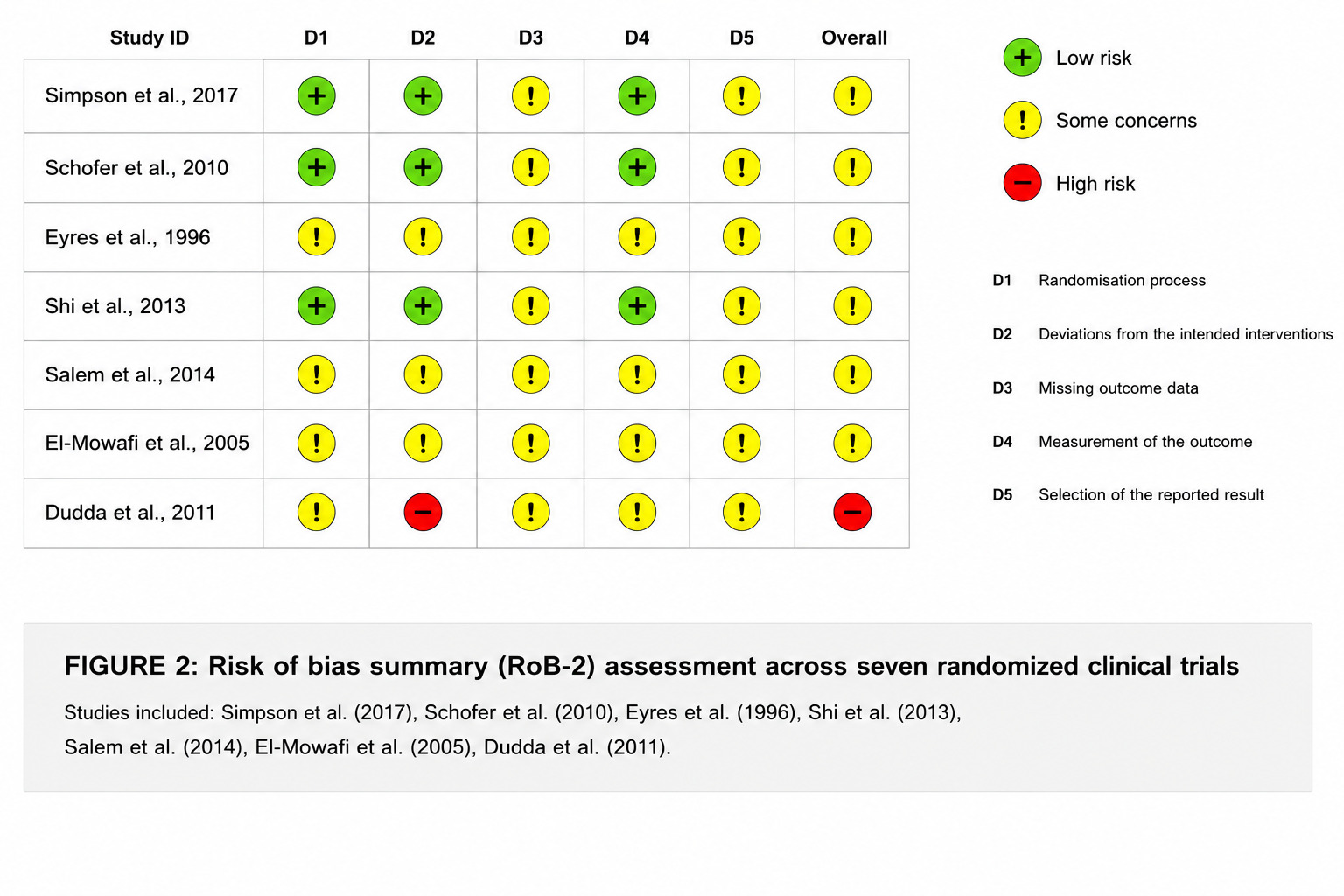
Risk of bias was assessed using the Cochrane Risk of Bias 2 tool for randomized controlled trials. Domains assessed included bias arising from the randomization process, deviations from intended interventions, missing outcome data, outcome measurement, and selection of the reported result. Studies were classified as low risk of bias, some concerns, or high risk of bias according to RoB 2 guidance.
Risk-of-bias judgments were considered during interpretation of pooled findings.
3. Results
3.1. Study Selection
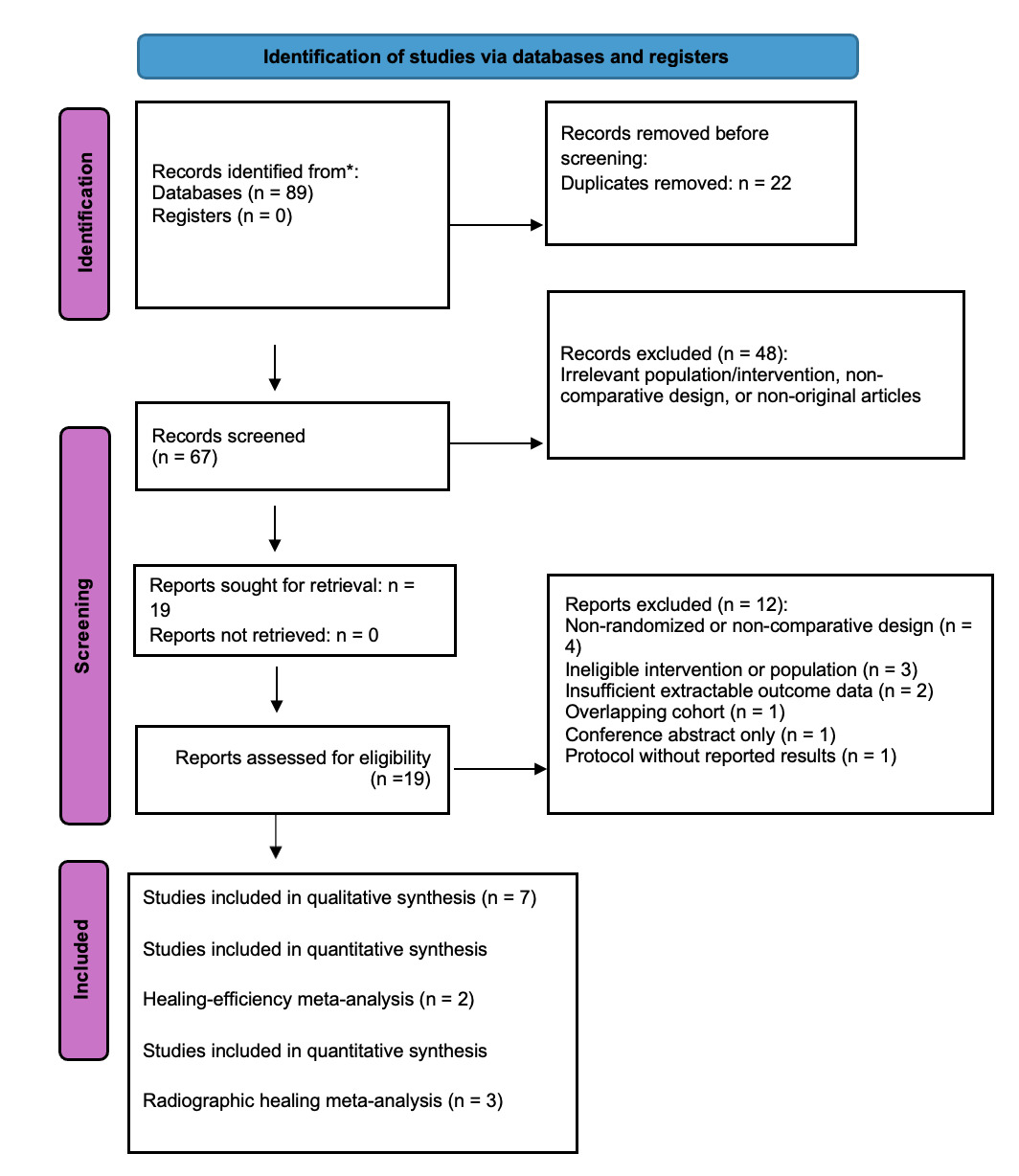
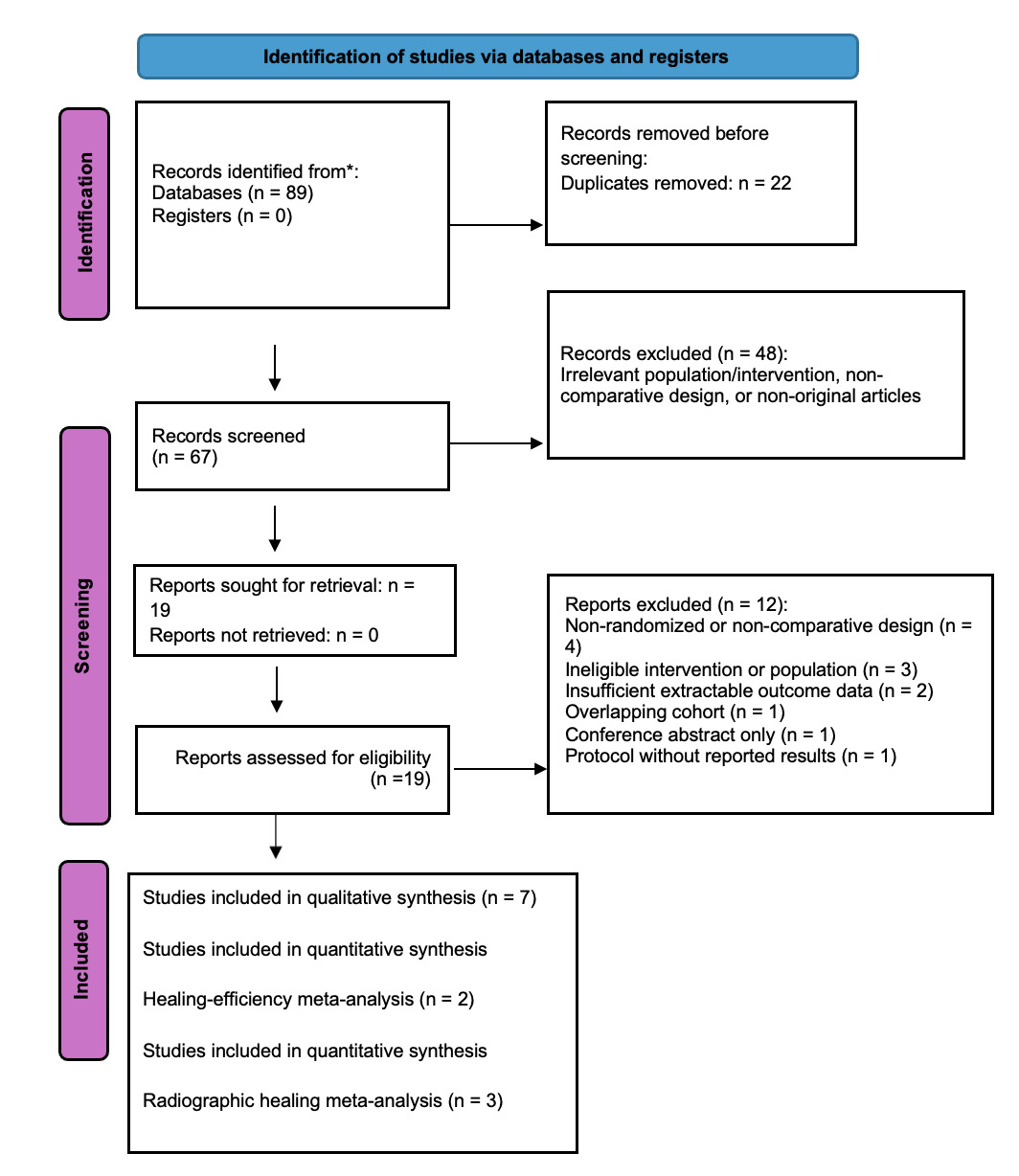
A systematic search of major electronic databases, including PubMed/MEDLINE, Scopus, and Web of Science, identified 89 records. After removal of 22 duplicate records, 67 studies remained for title and abstract screening. Of these, 48 records were excluded for clearly not meeting eligibility criteria, including non-randomized designs, irrelevant populations, non-comparative studies, review articles, and studies evaluating non-eligible interventions or outcomes.
Nineteen full-text articles were assessed for eligibility. Twelve studies were excluded following full-text review due to non-randomized or non-comparative design (n = 4), non-eligible population or intervention context (n = 3), insufficient extractable quantitative outcome data (n = 2), duplicate publication or overlapping cohort (n = 1), conference abstract without complete outcome reporting (n = 1), or protocol registration without published results (n = 1).
Ultimately, seven randomized controlled trials were included in the qualitative synthesis. Of these, two studies were eligible for quantitative pooling of fixation-normalized healing-efficiency outcomes, while three studies contributed to the radiographic bone-healing meta-analysis. Study selection is summarized in Figure 1.
3.2. Study Characteristics
Seven randomized controlled trials met the predefined eligibility criteria and were included in the systematic review, with eligible comparative outcomes contributing to quantitative synthesis. The included studies were published between 1996 and 2017 and originated from the United Kingdom, Germany, Egypt, and China, representing geographically diverse clinical settings.
Study designs ranged from prospective randomized controlled trials to multicentre double-blind placebo- or sham-controlled investigations, with more contemporary studies more frequently incorporating stricter methodological safeguards such as assessor blinding and sham-controlled comparators. Sample sizes varied substantially, ranging from 13 pediatric participants in early exploratory distraction osteogenesis studies to 101 adults in larger multicentre delayed-union trials.
Clinical populations were heterogeneous, although all studies examined adjunctive biophysical stimulation intended to enhance bone regeneration or fracture repair. Four trials primarily evaluated distraction osteogenesis or limb reconstruction procedures involving external fixation systems, including Ilizarov-based bone transport and callus distraction protocols, whereas three studies examined delayed union management following fracture fixation.
Adjunctive interventions included pulsed electromagnetic field (PEMF) stimulation and low-intensity pulsed ultrasound (LIPUS), with comparator groups receiving sham devices, inactive stimulation, or no adjunctive intervention. Reported outcomes were correspondingly heterogeneous and included fixation-normalized healing-efficiency metrics (e.g., healing index, distraction consolidation index, regenerate maturation index), radiographic and structural healing parameters (e.g., bone mineral density progression, fracture-gap reduction, callus maturation), union success rates, and treatment burden outcomes. A structured summary of study characteristics is presented in Table 1.
3.3. Fixation-Normalized Healing Outcomes in Distraction Osteogenesis and Limb Reconstruction
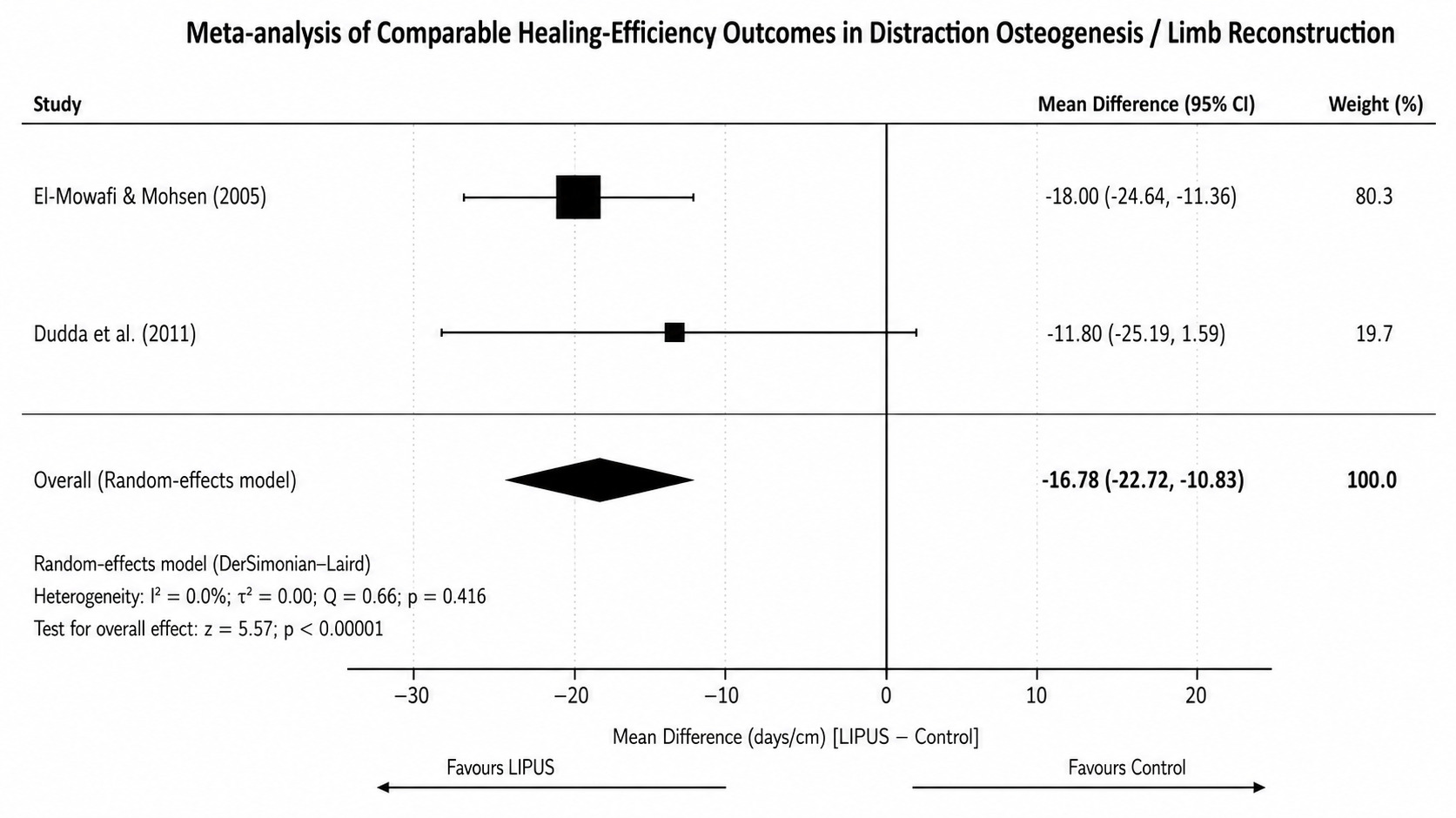
Pooled quantitative synthesis of randomized controlled trials reporting conceptually comparable fixation-normalized healing outcomes demonstrated a favorable effect of adjunctive low-intensity pulsed ultrasound (LIPUS) compared with control treatment. Although the pooled endpoints were not identical, included outcomes (e.g., healing index and distraction consolidation index) represented clinically related treatment-efficiency metrics expressed as days per centimeter.
The pooled random-effects analysis suggested shorter fixation-normalized healing duration with adjunctive LIPUS compared with control treatment (mean difference, −16.78 days/cm; 95% CI, −22.72 to −10.83; P < 0.001; Figure 2). Statistical heterogeneity was low (I² = 0%); however, heterogeneity estimates should be interpreted cautiously given that only two trials were directly eligible for quantitative pooling.
_comparing_a.png)
3.4. Radiographic Bone Healing Outcomes
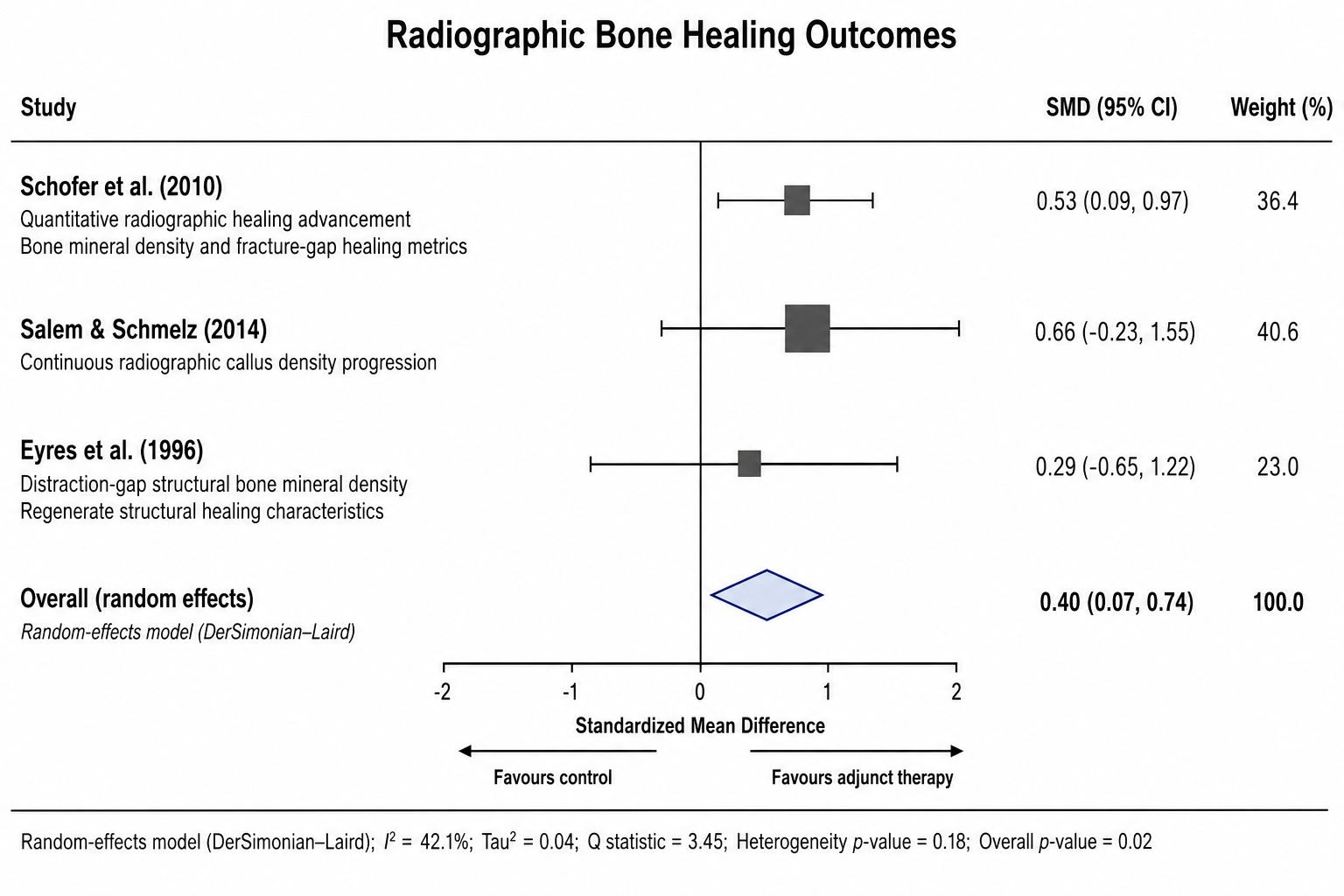
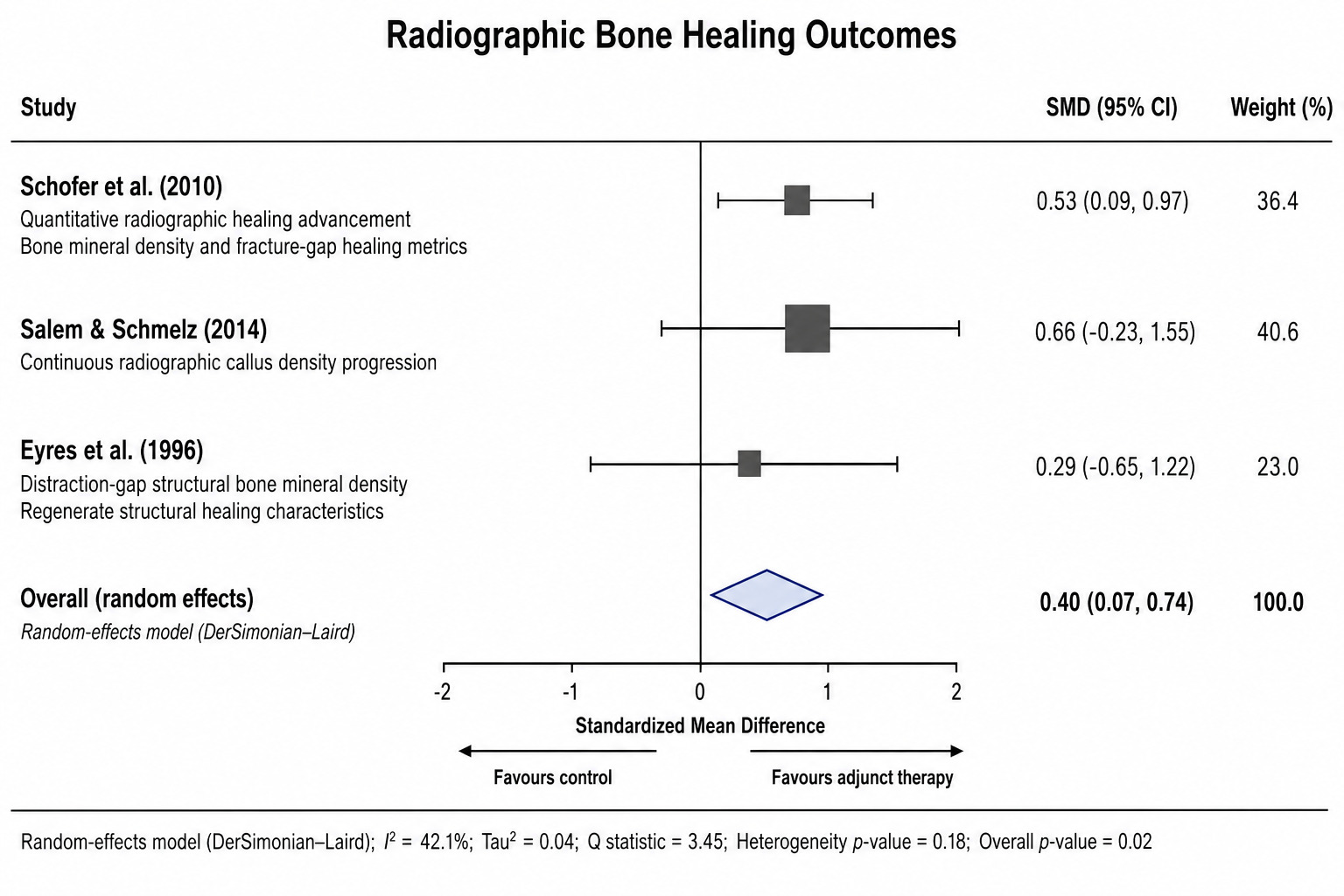
Quantitative synthesis of randomized controlled trials reporting continuous imaging-based bone-healing outcomes demonstrated a favorable effect of adjunctive biophysical stimulation compared with control treatment. Although outcome constructs differed across studies, all included trials reported surrogate radiographic measures reflecting structural progression of bone healing.
Pooled random-effects analysis demonstrated a significant overall benefit favoring adjunctive intervention (SMD, 0.40; 95% CI, 0.07–0.74; P = 0.02; Figure 3). Between-study heterogeneity was moderate (I² = 42.1%), consistent with expected methodological and clinical variation in imaging outcome definitions and measurement frameworks across trials.
3.5. Secondary Clinical Burden and Safety Outcomes
Secondary outcomes across the included randomized controlled trials reflected treatment-related burden and reported safety events associated with orthopedic bone-healing interventions and adjunctive biophysical stimulation protocols. Measures of clinical burden variably included external fixation duration, time to frame removal, overall treatment-course duration, and healing-burden metrics, although reporting frameworks were not standardized across studies. Several trials prioritized healing efficacy outcomes, limiting direct cross-study comparability for secondary burden endpoints.
Safety-event reporting was similarly heterogeneous. Reported complications included regenerate failure, docking-site complications, infection-related treatment failure, pseudoarthrosis, treatment nonresponse, and other protocol-specific adverse events where specified. However, formal adverse-event surveillance and complication definitions were inconsistently reported, particularly in earlier trials, precluding robust quantitative pooling. Accordingly, secondary clinical burden and safety outcomes were synthesized narratively to preserve methodological consistency and avoid inappropriate aggregation of clinically non-equivalent endpoints, with study-level reporting summarized in Table 2.
3.6. Sensitivity and Robustness Analyses
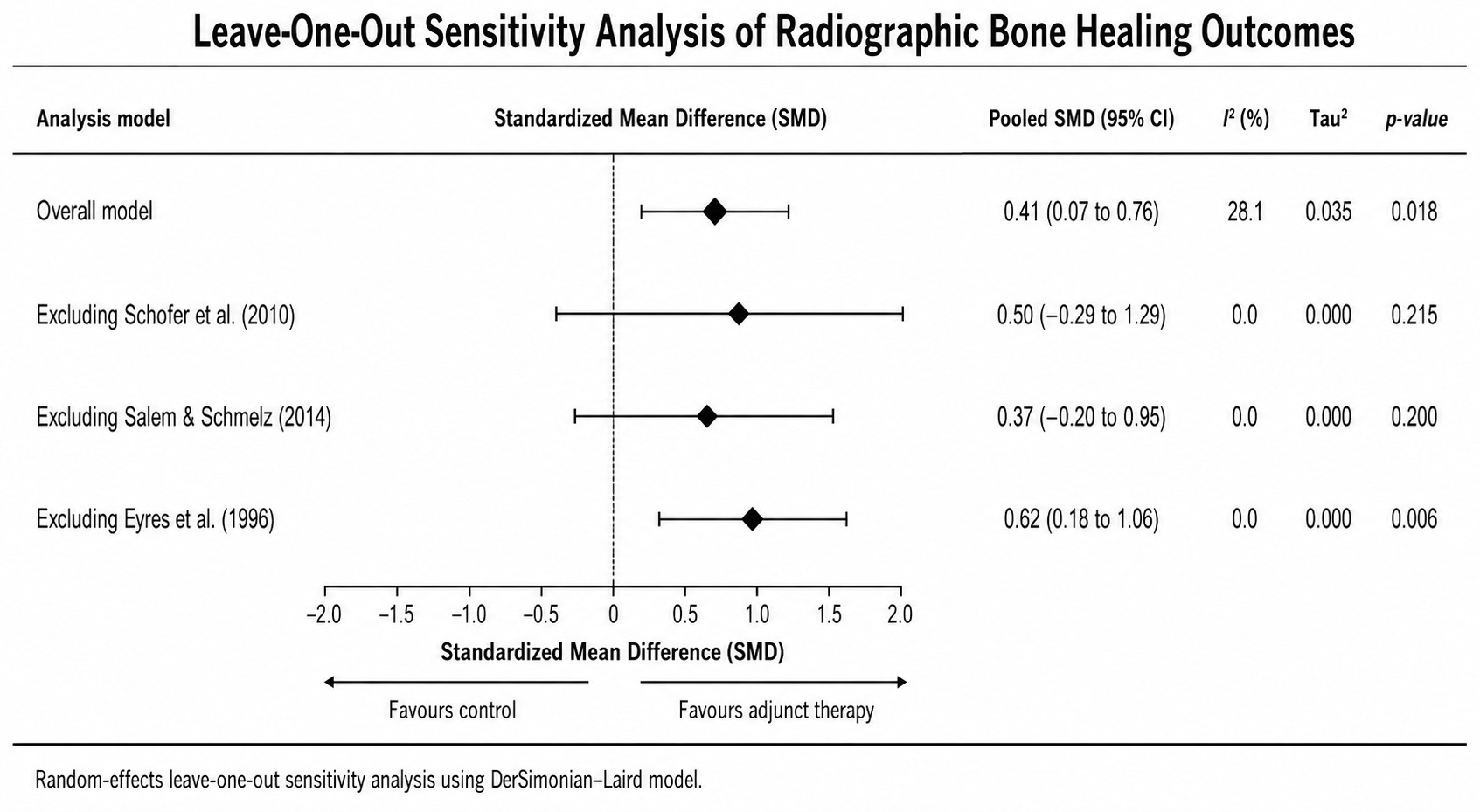
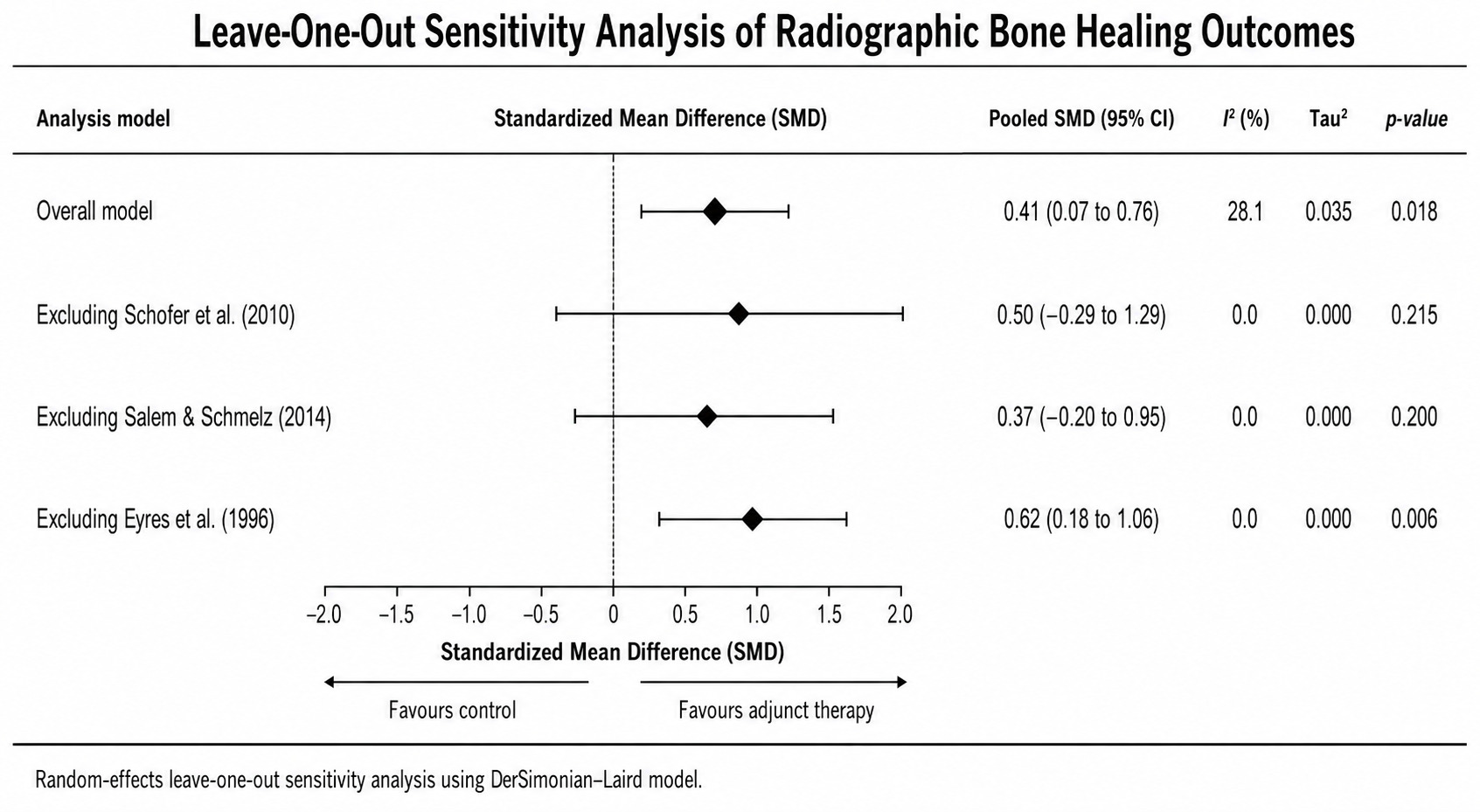
Leave-one-out sensitivity analysis was performed to explore the robustness of the pooled radiographic bone-healing effect estimate (Figure 4). Sequential exclusion of individual randomized trials demonstrated preservation of the overall directional trend favoring adjunctive intervention across all models. However, confidence intervals widened and statistical significance was not consistently maintained following omission of specific studies, reflecting the small number of pooled studies and the exploratory nature of this analysis.
3.7. Risk of Bias Assessment
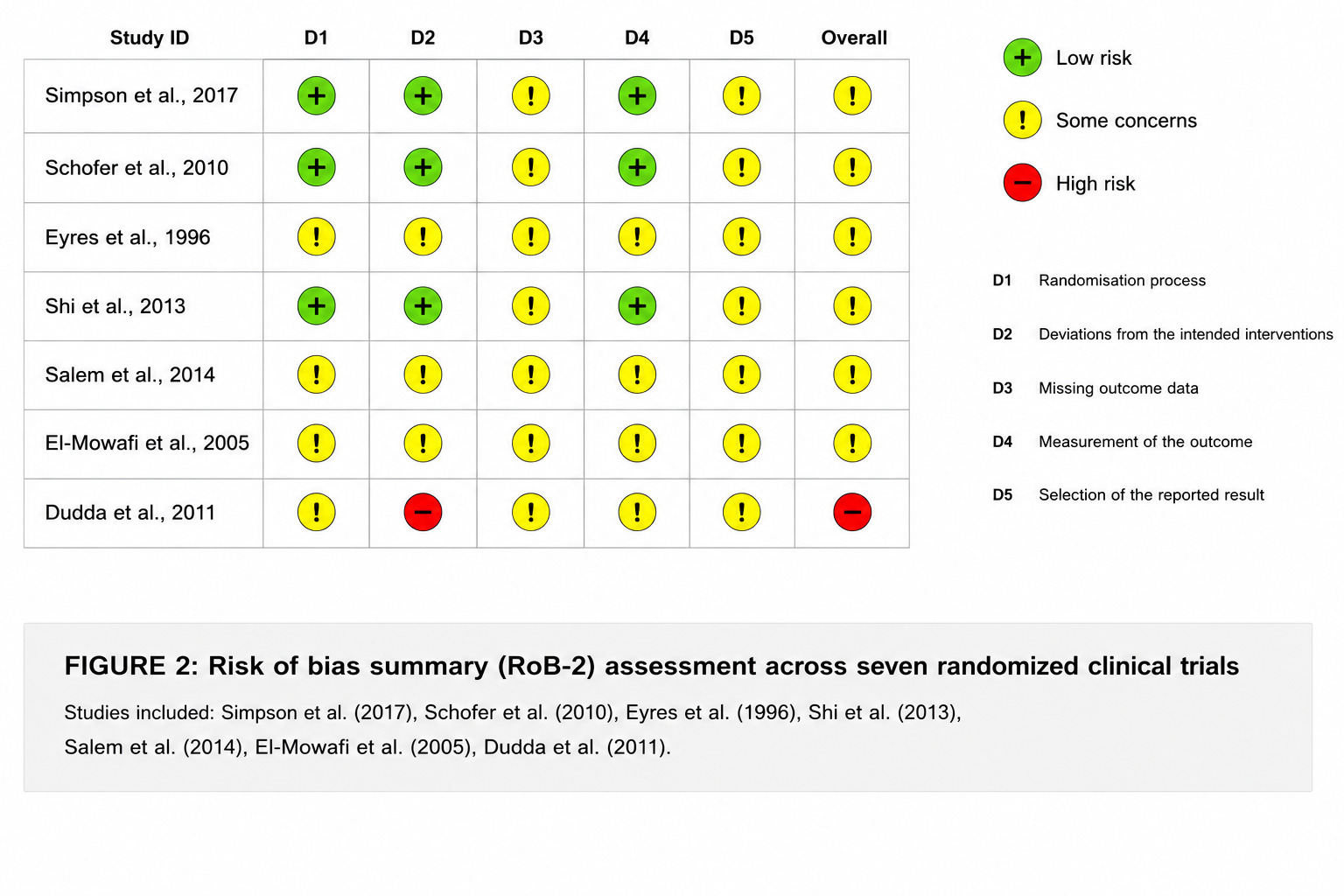
Risk of bias was assessed using the Cochrane Risk of Bias 2 (RoB 2) tool across five methodological domains. Overall, the included randomized studies demonstrated a predominantly moderate risk of bias, with methodological rigor varying substantially between older and more contemporary trials.
Several contemporary sham-controlled studies demonstrated low risk of bias in the randomization domain, reflecting adequate sequence generation and allocation procedures. In contrast, older trials frequently provided insufficient methodological detail regarding randomization methods and allocation concealment, resulting in judgments of some concerns.
Bias arising from deviations from intended interventions was generally low in blinded sham-controlled designs. However, Dudda et al. was judged at high risk in this domain because of its open-label design and absence of placebo control, introducing a meaningful risk of performance bias. Missing outcome data generated some concerns in several studies because of incomplete follow-up reporting, differential attrition, or insufficient detail regarding the handling of missing observations. Measurement bias was generally considered low when objective radiographic or imaging-based endpoints were assessed under blinded conditions, whereas some earlier studies lacked sufficient detail regarding assessor blinding or relied on less standardized outcome assessment methods.
Selective reporting was judged as some concerns in multiple studies because prospective protocol registration or clearly pre-specified statistical analysis plans were not consistently available.
Overall, six studies were judged as having some concerns, while one study was classified as high risk of bias, primarily due to lack of blinding and deviations from intended interventions. No included trial was judged as low risk of bias across all RoB 2 domains.
4. Discussion
This systematic review and meta-analysis synthesized randomized controlled evidence evaluating adjunctive biophysical stimulation for bone regeneration across distraction osteogenesis, limb reconstruction, and delayed union. The principal finding was that adjunctive biophysical stimulation was associated with more favorable healing-related outcomes, with the strongest quantitative signal observed in fixation-normalized healing efficiency. In pooled distraction osteogenesis and limb reconstruction trials, adjunctive low-intensity pulsed ultrasound was associated with shorter healing duration per centimeter, suggesting a potentially meaningful reduction in external-fixation exposure and overall treatment burden. The radiographic synthesis also favored adjunctive intervention, although the observed effect was more modest and less robust, with moderate heterogeneity and sensitivity analyses demonstrating that statistical significance was not consistently preserved following sequential exclusion of individual studies.
These findings are biologically plausible. Contemporary evidence suggests that low-intensity pulsed ultrasound may modulate mechanotransduction, osteoblastic activity, angiogenic signaling, and matrix mineralization, all of which are relevant to fracture repair and regenerate maturation.10 Similarly, pulsed electromagnetic field stimulation has been linked to molecular pathways involved in osteogenic differentiation, inflammatory modulation, and cellular repair signaling, providing a mechanistic rationale for therapeutic use in impaired bone-healing environments.11 The direction of effect observed in this review is therefore consistent with the biological premise that externally applied physical stimuli may augment endogenous regenerative responses, particularly in mechanically regulated reconstructive settings.
The clinical interpretation, however, requires caution. The most pronounced pooled effect was derived from only two randomized trials reporting conceptually comparable fixation-normalized healing metrics. Although the magnitude of effect is clinically attractive, particularly in the context of prolonged external fixation, the limited evidence base constrains precision and limits confidence in heterogeneity estimates. The radiographic synthesis incorporated three studies and demonstrated a statistically significant overall effect, but the pooled endpoints were not identical. Regenerate mineralization, fracture-gap reduction, and radiographic healing progression each reflect structural healing, yet they are not interchangeable clinical outcomes. This distinction is important because contemporary evidence evaluating adjunctive physical stimulation in bone healing remains heterogeneous, with variability in device protocols, comparator designs, patient populations, and endpoint selection.12,13
The findings are broadly aligned with the evolving orthopedic literature suggesting that biophysical stimulation remains a promising but incompletely standardized adjunctive strategy. Recent reviews indicate that electromagnetic and ultrasound-based interventions may support bone repair in selected settings, although clinical translation remains constrained by protocol inconsistency, variable study quality, and uncertainty regarding optimal patient selection.14 This is particularly relevant to the present review because included trials spanned distinct clinical contexts. Some evaluated distraction osteogenesis and limb reconstruction under external fixation, whereas others examined delayed union following fracture fixation. Although these populations share impaired or prolonged healing biology, their mechanical environments, baseline risks, and clinical trajectories differ substantially, which likely contributes to between-study variability. Emerging translational literature further supports continued scientific interest in biophysical stimulation as a regenerative strategy, although mechanistic progress has outpaced standardized clinical implementation.15
Several strengths support the relevance of this synthesis. First, the analysis was restricted to randomized controlled trials, reducing susceptibility to confounding compared with broader observational evidence. Second, the review focused specifically on high-burden reconstructive and delayed-healing populations rather than routine fracture healing more generally, improving clinical specificity. Third, fixation-normalized efficiency outcomes were analyzed separately from radiographic structural outcomes, reducing the risk of inappropriate pooling across clinically distinct constructs. Fourth, methodological quality was systematically assessed using the Cochrane RoB 2 framework, and sensitivity analysis was performed to examine the robustness of pooled radiographic findings.
The limitations are equally important. Only seven randomized trials met eligibility criteria, and most were small. Several studies were older and incompletely reported key methodological safeguards, including allocation concealment, missing-data handling, assessor blinding, and prespecified analytical approaches. Most studies were judged to have some concerns, with one classified as high risk of bias, limiting certainty in pooled estimates. Secondary clinical burden and safety outcomes could not be quantitatively synthesized because definitions, reporting structures, and follow-up frameworks were inconsistent across studies. Formal publication bias assessment was not performed because the number of pooled studies was insufficient for reliable interpretation. These limitations reinforce the importance of transparent reporting and cautious interpretation in musculoskeletal evidence synthesis.16
5. Conclusion
Adjunctive biophysical stimulation was associated with favorable healing-related outcomes across randomized studies involving distraction osteogenesis, limb reconstruction, and delayed union. The most consistent quantitative benefit was observed in fixation-normalized healing efficiency, suggesting potential reduction in treatment burden in reconstructive settings characterized by prolonged external fixation, while radiographic analyses suggested favorable structural healing effects. However, the current evidence base remains limited by small study numbers, methodological heterogeneity, inconsistent outcome definitions, and variable risk of bias. Accordingly, although adjunctive biophysical stimulation may represent a promising strategy in selected high-burden orthopedic reconstruction and delayed-healing contexts, the available evidence remains insufficient to support universal routine implementation. Larger contemporary randomized controlled trials with standardized endpoints, harmonized intervention protocols, and rigorous safety reporting are needed to better define its clinical role.
Acknowledgements
The author extends sincere gratitude to Shahad Almarghlani and Dr. Marwah Tarabishi for their invaluable support throughout this project, including assistance with the literature search, screening of eligible studies, data extraction, organization of study materials, and preparation of the manuscript. Their dedication and thoughtful contributions greatly facilitated the completion of this systematic review and meta-analysis.
Author Contributions
The author was responsible for conceptualization, methodology, literature search, study selection, data curation, formal analysis, interpretation of results, and drafting and revising the manuscript. The author approved the final version of the manuscript.
Conflicts of Interest
The author declare no financial or non-financial interests that are directly or indirectly related to the work submitted for publication.
Data Availability
All data generated or analyzed during this study are included in this published article and its supplementary information files.
Funding
The author declares that no funding was received for this study.
Ethics Statement
Not applicable. This study is a systematic review of previously published trials and did not involve new studies with human participants or animals.