
BACKGROUND
Height has always been linked to social, psychological and economic benefits in a variety of societies.1 Empirical studies have proved that there are correlations between stature and income level, perceived leadership ability, self-confidence and social desirability.2 Although height is genetically predetermined to a great extent, with the development of orthopedic surgery, elective height increase is now possible due to cosmetic stature lengthening (CSL).3
Initially used in the treatment of limb defects and leg shortage, distraction osteogenesis has earlier evolved to a great deal during the last 20 years.4 The use of magnetically controlled intramedullary lengthening devices has minimized the side effects of external fixators, eased patient comfort as well as increased accuracy during bone distraction.5 Modern methods permit lengthening of the femur by about 5 -8 cm and of the tibia by 3 -5 cm in a controlled manner.6
CSL is a significant surgical endeavour that takes long time to recover, undergo physiotherapy, and involves selection of patients notwithstanding the advances in technology.7 There has been an ethical concern in medicalizing normal height, psychological reasons behind surgery, and pressures that may be creating height bias in the society.8
A U.S.-based survey study conducted recently revealed that although most of the participants found cosmetic stature lengthening morally correct, only a small percentage of them showed their personal readiness to undergo the surgery.9 These results indicate a difference between abstract ethics approval and the individual decision.
The perception towards elective cosmetic procedures can be significantly affected by cultural, religious and socioeconomic background.10 The acceptance of cosmetic surgery is on the increase in the Middle East and the Gulf region, but no such published data studies the perspective of the cosmetic height augmentation, in particular.11 Knowledge about regional perceptions is needed to have effective ethical debates, healthcare policy and good surgical practice.12
Objective
The present study aims to:
-
Determine the level of awareness of the population on cosmetic stature lengthening.
-
Consider ethical perceptions about the procedure.
-
Establish the intensity of personal interest in CSL undergoing.
-
Determine demographic and psychosocial predictors of ethical acceptance and willingness.
-
Discover decision-making motivators and obstacles.
This study adheres to the Strengthening the Reporting of Observational Studies in Epidemiology (STROBE) guidelines for cross-sectional research.
METHODS
Study Design and Setting
This was a web-based cross sectional survey that was conducted between a periods of 4-6 weeks. The questionnaire was sent online via social media, community group of people, and academic networks. The response was voluntary and anonymous.
Participants
Inclusion Criteria
-
Age ≥ 18 years
-
Arabic-speaking participants
-
Able to provide electronic informed consent
Exclusion criteria
-
Incomplete responses
-
Duplicate submissions
-
Declined consent
Sample Size Determination
The minimum sample size for this study was calculated using the World Health Organization (WHO) sample size calculator for a single proportion. An expected prevalence of 12.8% for undergoing cosmetic surgery was taken from a previous cross-sectional study conducted in Iran, which examined public awareness and participation in elective cosmetic procedures.13 Using a 95% confidence interval and a 5% margin of error, the minimum required sample size was determined to be 172 participants. However, to ensure adequate representation and account for potential incomplete or duplicate responses, the study aimed to recruit a total of 255 participants.
Survey Instrument
Questionnaire: the questionnaire was based on already published survey tools that tested the perception of the population with respect to the lengthening of cosmetic stature. Contextual adaptation was made to the tool to make it culturally relevant. The survey consisted of five structured sections:
Section 1: Demographics
Participants reported: Age (years), Gender, Education level, Employment status, Income category, marital status, Objective height (cm) and Self-perceived height classification
Section 2: Cosmetic Surgery Experience
Questions assessed: Previous cosmetic procedures, Ethical views toward cosmetic surgery in general and general openness to elective cosmetic treatments
Section 3: Awareness of Cosmetic Stature Lengthening
Participants were asked: Whether they had prior knowledge of the procedure, Whether they considered CSL ethically comparable to other cosmetic surgeries and In which circumstances they believed the procedure is acceptable
Section 4: Personal Interest and Decision Factors
This section evaluated willingness to undergo CSL, desired height gains (minimum acceptable increase), willingness to pay out-of-pocket, effect of insurance coverage on decision, willingness to miss work or work remotely, motivators (e.g., self-confidence, career benefits) and hesitations (e.g., complications, cost, societal judgment).
Section 5: Risk Behavior
Participants rated their general risk-taking tendency on a 0–10 scale, where 0 indicated complete risk aversion, and 10 indicated high risk tolerance.
Variables
Primary Outcome Variables Were Ethical acceptance of cosmetic stature lengthening (binary: Yes/No) and Personal willingness to undergo CSL (binary: Yes/No)
Independent Variables Were Age (continuous), Gender (categorical), Objective height (continuous), Self-perceived height (categorical), Previous cosmetic surgery (Yes/No), Openness to cosmetic procedures (Yes/No), Income level (categorical) and Risk-taking score (continuous)
Data Management and Quality Control
The responses of the surveys were exported directly out of Google Forms into comma-separated value (CSV) and then imported into IBM SPSS Statistics to be analyzed. Before the statistical analysis, the data was systematically cleaned and checked so as to be accurate and complete. Response timestamps were used to identify duplicate entries and eliminate them, as well as demographic characteristics. The responses with high levels of missing data or primary outcome variables were excluded based on the preset exclusion criteria.
Checks on data integrity were done to identify inconsistencies in values which are out of range and logical consistencies. Frequency distribution and descriptive statistics were used to test plausibility of continuous variables such as age, height and risk-taking score. The extreme outliers were checked one by one to see either it was a valid response or a mistake in data entry. Standardization of categorical variables was done so that the coding was uniform. Multi-category variables were reclassified or dummy-coded as needed to be used in regression modeling (binary variables were coded numerically, 1 = Yes, 0 = No). Missing values were evaluated on patterns; where minimum and randomly located; complete-case analysis was carried out.
No identifying data were gathered and all the data were anonymized. The database was kept in password-secured files that will be accessed only by the research team. To guarantee methodological rigour and reproducibility, quality control procedures were used throughout the process before the analysis.
Statistical Analysis Plan
IBM SPSS Statistics (version 23) was used to perform the statistical analysis. The demographic features of the study population, awareness, and attitudes towards cosmetic stature-lengthening surgery were summarized with the help of descriptive statistics. Graphical and normality tests were applied to continuous variables to determine their normalcy i.e. age, height, weight and risk-taking score, median, and interquartile range (IQR) were used to summarize the variables.
Frequencies and percentages were used to show the categorical variables of gender, marital status, ethnicity, educational level, employment status, income level, awareness of stature-lengthening surgery, previous cosmetic procedures, and attitudes toward cosmetic surgery. Willingness to have stature-lengthening surgery was the most important outcome variable, which was assessed on a five-point Likert scale, assuming that this type of surgery is safe and affordable. To conduct inferential analyses, Chi-square test of independence was used to determine how willingness to undergo surgery is associated with categorical independent variables.
The Mann-Whitney U test was used to compare the continuous variables among the groups having varying levels of willingness to undergo surgery because the continuous variables of the studies were not normally distributed. The possible impediments to surgery such as contentment with the present height, fear of complications, fear of pain, money, lack of insurance cover, lengthy recuperation, missed work, and religion/culture issues were also analyzed with references to readiness to have surgery using the Chi-square test. All analyses had p-values that were less than 0.05 as being considered statistically significant.
RESULTS
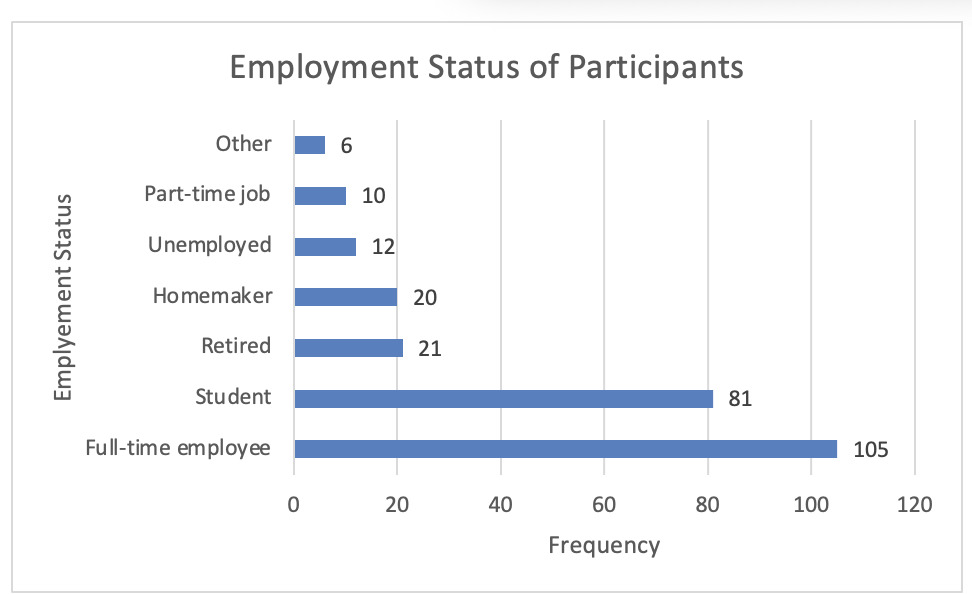
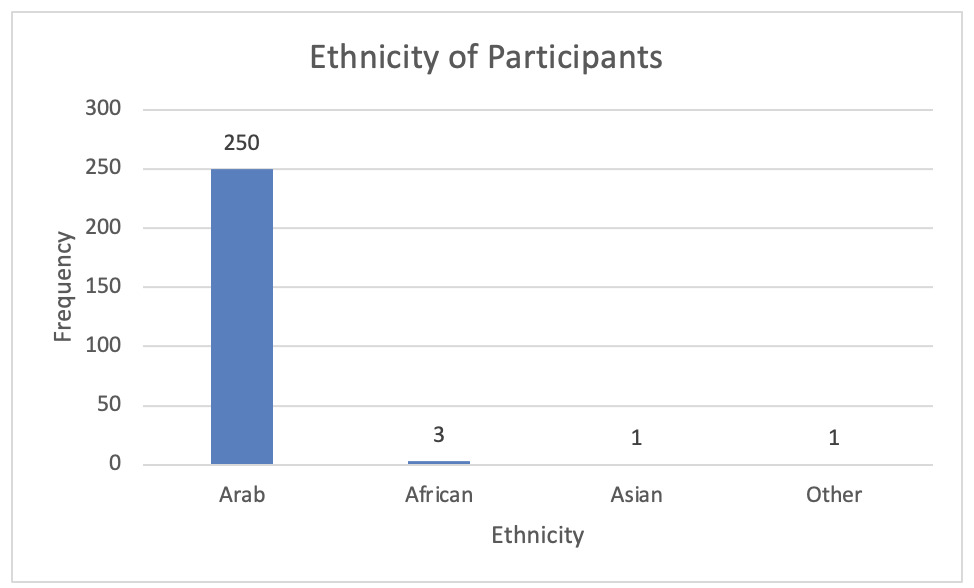
The participants in the study were 255. The median age was 27 years, an interquartile range of 2341 years, and the median height of 167 cm (IQR: 160175 cm). The body weight of the Participants, an average risk-taking score and other sociodemographic such as marital status, ethnicity employment type and status and income were also computed as presented in Table 1 and Figure 1 and 2
.png)
.png)
Awareness and Attitudes Toward Cosmetic Stature Lengthening
Majority of the participants knew about the idea of height-lengthening surgery meaning that the awareness level is rather high. The perception about cosmetic surgery was at both ends with a significant number of people being ambivalent about whether it was right or wrong, whereas those who had views on this topic were not so many that were categorical and definite about the morality of cosmetic surgery. The interest of an individual in cosmetic procedures was not that high, and only a small percentage of people had thought about or had some such procedures done.
There were also varying opinions about whether stature-lengthening surgery should be accepted: some participants supported it as a decent solution to those who are concerned about their short stature, but others discussed the safety and affordability of this surgery and the ratio between risks and benefits. In a wider sense, respondents were likely to perceive cosmetic surgery as a medically necessary service as opposed to being an aesthetic necessity, refer to table 2.
Factors Associated with Interest in Height-Lengthening Surgery
The willingness to have height-lengthening surgery was assessed using a direct question in the respondents (n=255) on whether they were willing to consider the surgery assuming that it was safe and affordable. On the whole, the participants showed attitudes of definite refusal to high willingness, which is why they have different personal predispositions to the surgery. In a bid to identify the possible factors that determine this interest, chi-square tests were done to determine the relationships with sociodemographic, perceived height, previous history of cosmetic procedures and awareness of height-lengthening surgery.
All the factors evaluated, such as marital status, ethnicity, level of education, work status, annual income, sex, perceived height, past experience of cosmetic surgery, previous awareness of the surgery did not have statistically significant correlations with willingness to undergo the procedure (all p > 0.05). These results imply that, demographic and socioeconomic, as well as previous cosmetic experience factors did not have a strong impact on interest in height-lengthening surgery in this sample as shown in Table 3.
Interest in Surgery
To test the relationship between demographic and anthropometric factors and willingness to undergo stature-lengthening surgery, Mann Whitney U tests were done to compare the participants that expressed, probably not to those that expressed, probably yes, whether they were interested in the surgery or not. The result showed that there was no statistically significant age, height, weight or risk-taking score difference between the groups. These findings do not indicate that the fundamental demographical variables and the willingness of the participants to take risks had any substantial impact on the reported probability to consider the procedure (Table 4).
Occupational and Financial Factors
The issue of the occupational and financial factors, which may impact the desire of participants to have cosmetic stature-lengthening surgery, was investigated. Although most of the respondents noted that their health insurance failed to cover such procedures, it seemed that this factor did not have much bearing on their decision-making. Contrastingly, work-related constraints became more eminent as a determinant. In particular, the respondents who felt the need to have more time off work as an inhibitor were much less inclined to have surgery which served to illustrate the influence of work-related considerations on the individual decision-making. These results indicate that although financial coverage might not provide a direct aid to uptake, logistical elements like flexibility in the workplace are significant limitations that might affect readiness to undergo elective cosmetic surgeries as shown in Table 5.
DISCUSSION
This paper examined the awareness, attitudes, and the determinants of interest in cosmetic stature lengthening surgery in 255 subjects. We find that there was high awareness of height lengthening surgery (73.3%), and low personal interest or utilization of cosmetic procedures (31.4% had thought about it, 9.8% had any cosmetic intervention procedure). These findings are reflective of a recent survey of U.S. general population, where a majority of respondents considered cosmetic stature lengthening morally right, but only 7% said that they would undergo the procedure themselves, indicating a strong pattern of conceptual acceptability but weak intent of many different populations.9
As compared to more general cosmetic trends recorded in plastic surgery as a whole, where societal exposure and normative consideration are the drivers of a growing appeal, invasive stature lengthening interest does not seem as rampant. As an example, a large mixed method study reported that self-perception of Being short and career prospect beliefs of height related to height in stature lengthening surgery were the most influential predictors of interest in surgery but beliefs about pain, complications, and recovery were the strongest deterrents.14 This concurs with our results that practical issues like time off at work were found to have a significant negative effect on intention to undertake surgery (p = 0.019).
We found no statistically significant relationships between the interest in height lengthening and demographic or socioeconomic variables age, gender, income, education, perceived height, and history of previous cosmetic procedures. This is opposed to the results of another survey of stature lengthening where objective height was found to be greatly associated with surgery interest, even in the absence of a subjective perception.15 Demographic predictors (e.g., gender differences, body image dissatisfaction) are often the determinants of interest in traditional cosmetic surgery research, e.g., in a study, it was found that female gender, body image dissatisfaction, and media exposure contribute to the higher interest in cosmetic surgery among young adults.11 Not existing of such associations in our sample could be indicative of the distinctiveness of stature lengthening as something more invasive and more burdensome than normal cosmetic surgeries.
The greater cosmetic literature also emphasizes on the psychological predictors being associated with aesthetic surgery acceptance. The studies of body image, social appearance anxiety, and self-esteem have found a significant connection between internalized appearance expectations and the interest in cosmetic procedures. Among the nurses who were women, social appearance anxiety and a willingness to be liked were notably connected with the acceptance of cosmetic surgery.16 Similarly, a systematic review of self-objectification indicates that attitudes that are higher in self-objectification are related to a high probability of pursuing aesthetic procedures especially in women and adolescents. Perhaps, it is also reasonable that stature lengthening interest could be similarly attributed to deeper psychosocial constructs that were not represented in our survey.17
The attitude to risks deserves consideration as well. One study established that more highly cosmetic surgery accepted individuals also showed a reduced loss aversion and increased risk taking, which shows that the psychological predispositions to risk affect the aesthetic choices.18 Nevertheless, risk taking scores did not statistically differ between those who were willing and doing stature lengthening surgeries, indicating that risk perception in our study setting might not act in a similar fashion as other cosmetic settings.
It has already been reported that environmental and societal factors, including the use of social media, are strong predictors of interest in cosmetic procedures. A recent massive study in Syria reported that high social media usage was closely connected with greater probability of considering cosmetic surgery because of impacts of influence and comparison, even though the question of skepticism about online beauty standards remained high.19 Likewise, studies concerning social media, body dissatisfaction, and desire to undergo cosmetic surgery in young women revealed that the high level of social media use led to a higher interest in the procedures.20 Although we did not directly measure social media exposure in our research, it is probable that media effects can affect attitudes of awareness and normativity on stature change.
Interestingly, cost and financial hindrances have also been noted to be discouraging in other cosmetic surgery groups, too. High costs of the procedures were often mentioned as factors leading to not wanting to undergo an aesthetic surgery among a group of UAE students, even in cases of high awareness.11 Although insurance coverage did not significantly predict a willingness to have surgery in our sample, the practical and economic barriers were a plausible area of application to affect the decision making process in the case of the occupational constraints.
Lastly, some of the larger psychosocial and clinical consequences of elective limb lengthening were examined or at least hinted at by the most recent orthopedic literature, where the perception of risk, recovery requirements, and cost are raised by the general public, despite the technical outcome suggesting the possibility of improvement.21
Collectively, our results indicate that multidimensional attitudes determine cosmetic stature lengthening decisions and are not limited by the mere presence or absence of simple demographic predictors, such as perceived invasiveness, occupational restrictions, and general aesthetic norms, as have been corroborated by previous studies that argue that the psychosocial environment that surrounds elective cosmetic surgical decisions is more complicated.
Limitations
This present study has a few limitations. The study is not causal in nature, which is why its cross-sectional structure does not allow making causal conclusions, and height, weight, and attitude self-reported, which could be biased. Its relative youth and the cultural context of the sample might not be quite representative, meaning that generalization is not possible. Moreover, no psychosocial variables that could affect the interest in cosmetic procedures (self-esteem, body image, and exposure to social media, etc.) were measured.
Future perspective
Longitudinal designs should be used in future studies to investigate the changes in attitude and intent with time. The use of established psychological and social scales would help in elucidating factors influencing the desire to have stature-lengthening surgery. To explore decision-making based on social norms and current or economic limitations, cross-cultural studies are justified. Lastly, qualitative studies would have the potential to give such details on the obstacles, their motivations and perceptions about invasive cosmetic surgeries.
Conclusion
Awareness that cosmetic stature-lengthening could be done was high in this cross-sectional study involving 255 participants but this willingness was low. There was no significant socio-demographic or anthropometric factor that predicted interest in surgery. Rather, job limitations, especially due to the long time off work, were also largely related to decreased desire to undergo surgery. These results indicate that despite the established idea of cosmetic height modification and its ethical acceptability by most people, the pragmatic obstacles and perceived danger are the significant determinants of individual choices.
Declaration of Conflicting Interests
The authors declare no conflicts of interest.
Human/Animal Rights
All procedures were performed in accordance with the ethical standards of the institutional and/or national research committee and with the Declaration of Helsinki.
Ethical Approval
Ethical approval was waived due to the anonymous and minimal-risk nature of this web-based cross-sectional survey.
Funding
The authors received no financial support for the research, authorship, and/or publication of this article.
Author Contributions
H.M.A. and R.A.A. conceptualized the study.
R.A.A., T.M.A., R.Y.A., N.M.A., H.M.R., A.M.A., M.Y.A., H.M.A. and B.M.A. collected the data.
R.A.A. and T.M.A. performed the statistical analysis.
All authors contributed to manuscript writing and approved the final version.
Informed Consent
Informed consent was obtained electronically from all participants prior to participation.
Confidentiality
No identifying data were collected, and all responses were anonymous.
Required Author Forms
Disclosure forms provided by the authors.
Acknowledgment
None