
Introduction
Dance is a physically demanding sport that individuals around the globe participate in either recreationally or professionally. Injuries associated with dance result from the usage of whole body movements, extensive range of motion, and intense training from an early age.1 As a result of the highly demanding technical and artistic aspects of the sport, pre-professional and professional dancers are often prone to musculoskeletal injuries.2 Studies have noted that injury prevalence for dancers ranges widely from 26% to 84%, with ballet dancers having the highest injury rates.3 Injury rates from dance can also be compared to other high-risk athletics like gymnastics and ice skating, highlighting the intense physical stress put on dancers in training and performance.4
Most dance-related injuries occur in the lower extremities, particularly in the ankle, foot, and lower leg.5 Studies have identified the ankle, which has injury prevalence ranging from 17% to 53%, as the most commonly injured body part in pre-professional dancers.6 Female dancers are most prone to overuse injuries such as Medial Tibial Stress Syndrome (MTSS) and Posterior Ankle Impingement Syndrome (PAIS), while male dancers were prone to traumatic injuries such as sprains and lumbar spine injuries.7 These differences are likely due to the different technical demands of male and female dancers, such as pointe work in females and increased jumping and lifting requirements in males. Additionally, ankle injuries are associated with extensive absence from dancing and can contribute to chronic ankle instability, which can compromise long-term performance and career longevity.6
The most common issue that dancers have is overuse injuries.8 Research shows that around 56% to 72% of injuries in pre-professional dancers are caused by excessive training and overwork from repetition.6 Training by dancing for extended periods of time will often lead to overuse injuries and physical overloading when sufficient recovery time is not allowed.6 Hypermobility, poor motor-control technique, muscle tightness, and previous injury history are all risk factors that have been found to be major predictors of injury occurrence. Dancers with abnormal joint mobility or multiple areas of muscle tightness were also found to have greater injury risk compared to dancers with more balanced physical characteristics. Given that previous injury is a significant indicator of future injury risk, the importance of early injury management and prevention strategies is further emphasized.9
Additionally, the lifestyle of a dancer including sleep affects risk of injury and recovery processes. Adequate sleep is required for physical recovery, cognitive abilities, and athletic performance.10 Unfortunately, professional dancers usually have poor sleep schedules due to periods of intense training and performances. More practice time correlates with inconsistent sleep habits, showing that busy schedules negatively affect recovery. Fatigue and increased injury susceptibility can result from bad recovery habits and excessive training.11
Injuries from dance affect dancers both physically and psychologically. The injury can cause severe pain, absence from training or performance, require medical attention, reduce dance participation, and even result in dancers being removed from the sport entirely.6 Research on time-loss injuries indicates that many dancers continue dancing despite worsening symptoms until they are no longer able to participate. This dance through pain culture contributes to the worsening of chronic injuries and increases the chance of developing long-term musculoskeletal problems.2 Moreover, it has also been shown that injury surveillance procedures and injury definitions are inconsistent across research, making it harder to compare findings.3 For example, while some researchers define injuries based on the need for medical attention, others define them based on time loss or a dancer’s perception of pain.6 Such inconsistencies highlight the need for standardized injury surveillance procedures and prospective study designs to better understand injury epidemiology in dancers and ultimately help develop strategies to reduce injury risk.3 This bibliometric analysis aims to characterize the global landscape of injury risks from dance movements.
Methods
This study was conducted as a bibliometric analysis to evaluate global research trends in dance
biomechanics and injury risk. The Web of Science Core Collection was selected due to its comprehensive indexing of high-impact journals and compatibility with bibliometric software.12 A structured boolean search strategy was developed incorporating three conceptual domains:
(1) dance, (2) biomechanics, and (3) injury risk. The search strategy was based on three conceptual domains: dance, biomechanics, and injury risk. The keywords used to conduct the search include dance* OR dancer* OR ballet OR "ballet dancer*"OR “contemporary dance*” OR “modern dance*” OR pointe AND biomechanic* OR kinematic* OR kinetic* OR “motion analysis” OR “movement analysis” OR “movement pattern*” OR “ground reaction force*” OR electromyograph* OR EMG OR “muscle activation.” The search was conducted on May 31, 2026, and all records available on that date were included. The search generated a list of 1,660 publications that met the inclusion criteria.
Data extraction included downloading bibliometric variables such as authors and affiliations, journal names, publication years, keywords, citation counts, and country of origin from the Web of Science. Descriptive bibliometric indicators were calculated, including annual publication trends, citation metrics, and top authors, institutions, and countries. Network analyses were performed using the software VOSviewer for publications by country, co-authorship networks, and keyword co-occurrence. Cluster analysis was conducted using VOSviewer’s modularity-based clustering algorithm. Microsoft Excel was also used to create visuals analyzing trends from data imported from Web of Science for the journal’s annual publication trend and top cited papers.
Results
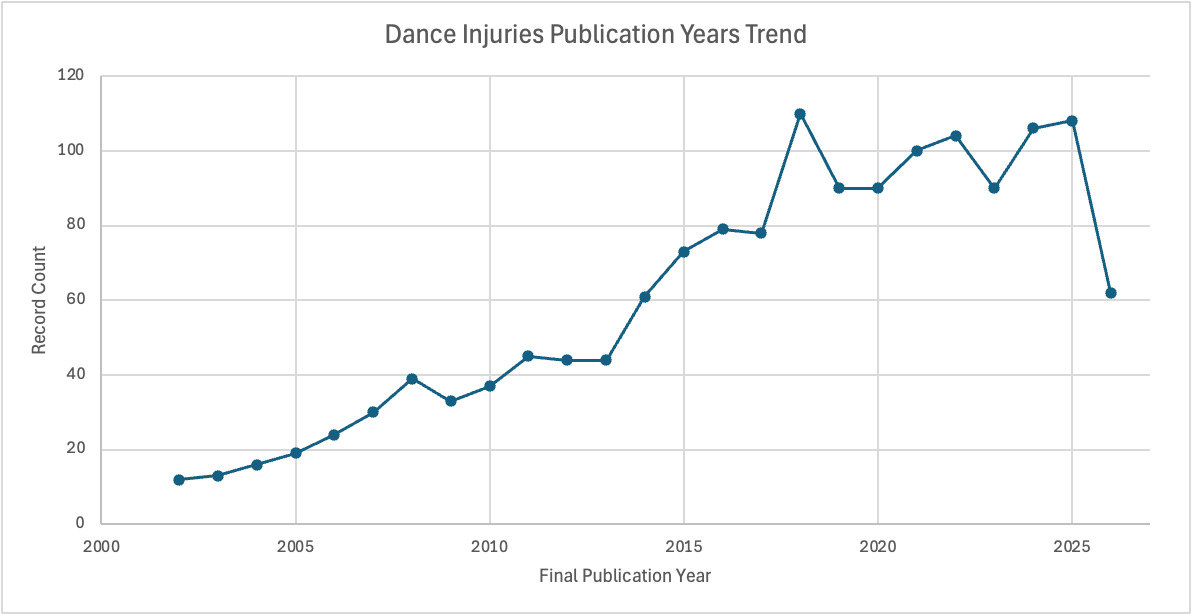
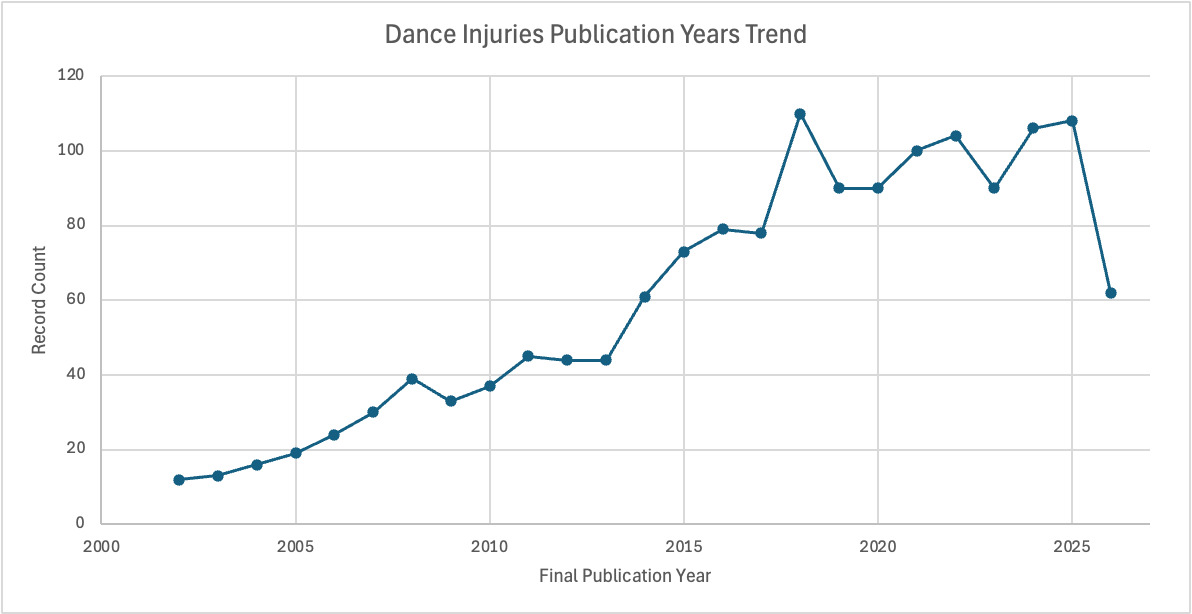
The number of publications per year was analyzed from a 24-year period from 2002-2026 and plotted on a line graph to better visualize (Figure 1).The graph demonstrates an overall upward trend, with the fewest publications occurring between 2002 and 2013. There is a rapid growth of yearly publications after 2013 with the highest number of publications done in 2018 (~110 publications). It can be noted that the value observed for 2026 is incomplete data.
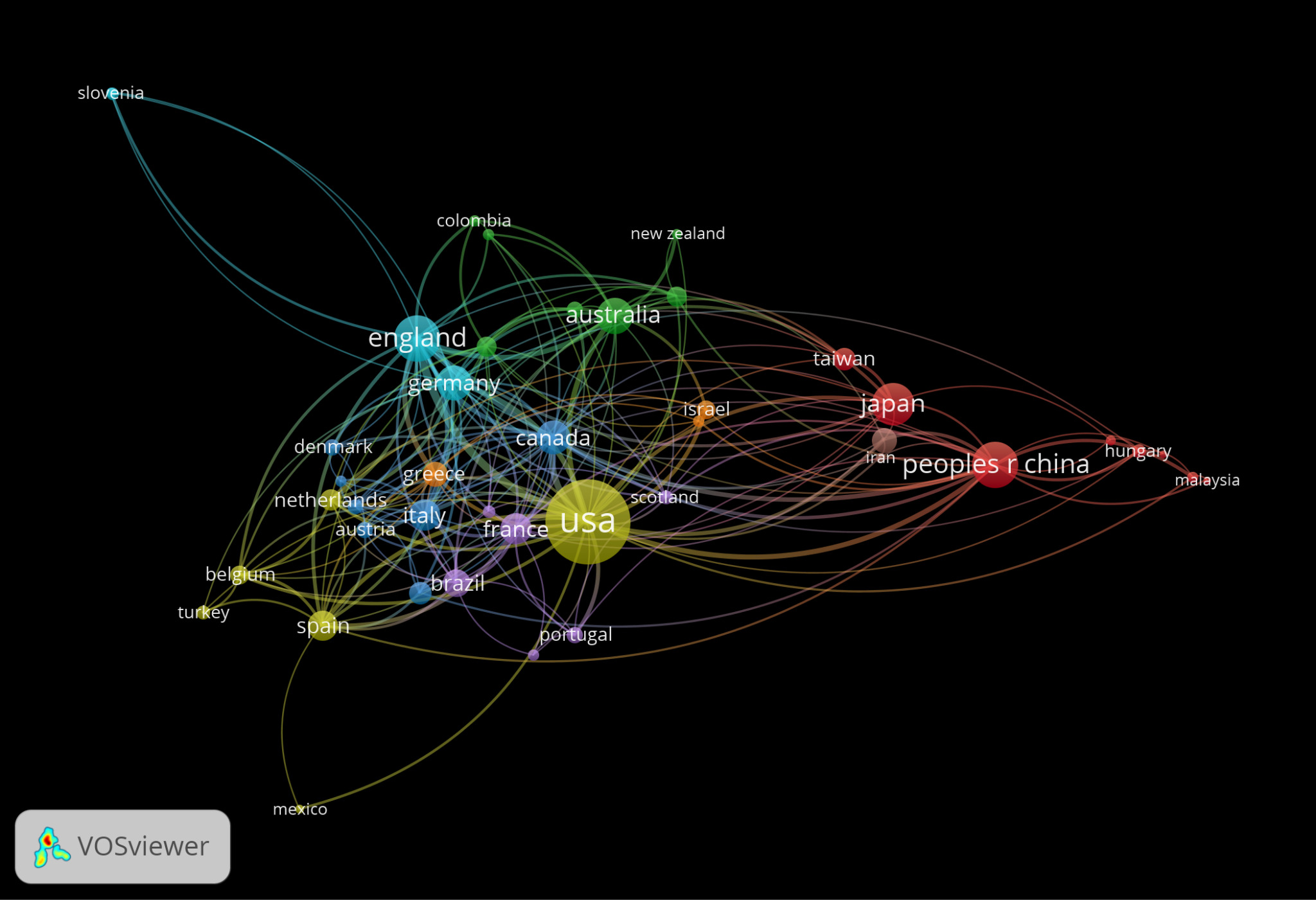
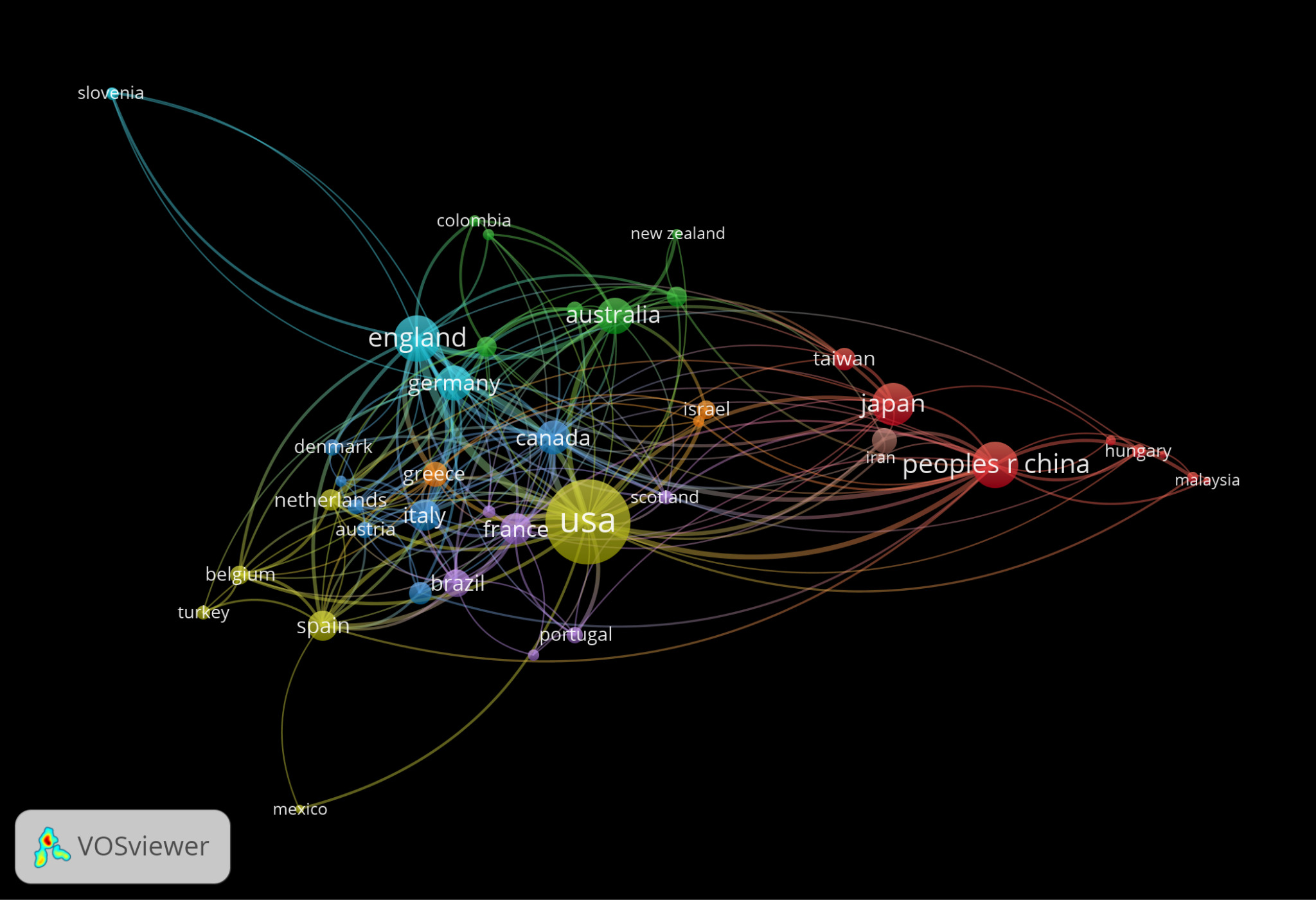
Figure 2 illustrates the amount of publications done on dance injury risk by country. The United States produced the highest number of publications with 507 publications. The People’s Republic of China and England had the next most publications, both producing 151 studies. There are 43 countries in total and 8 clusters in this visual, each representing countries that work together and cite each other’s work.
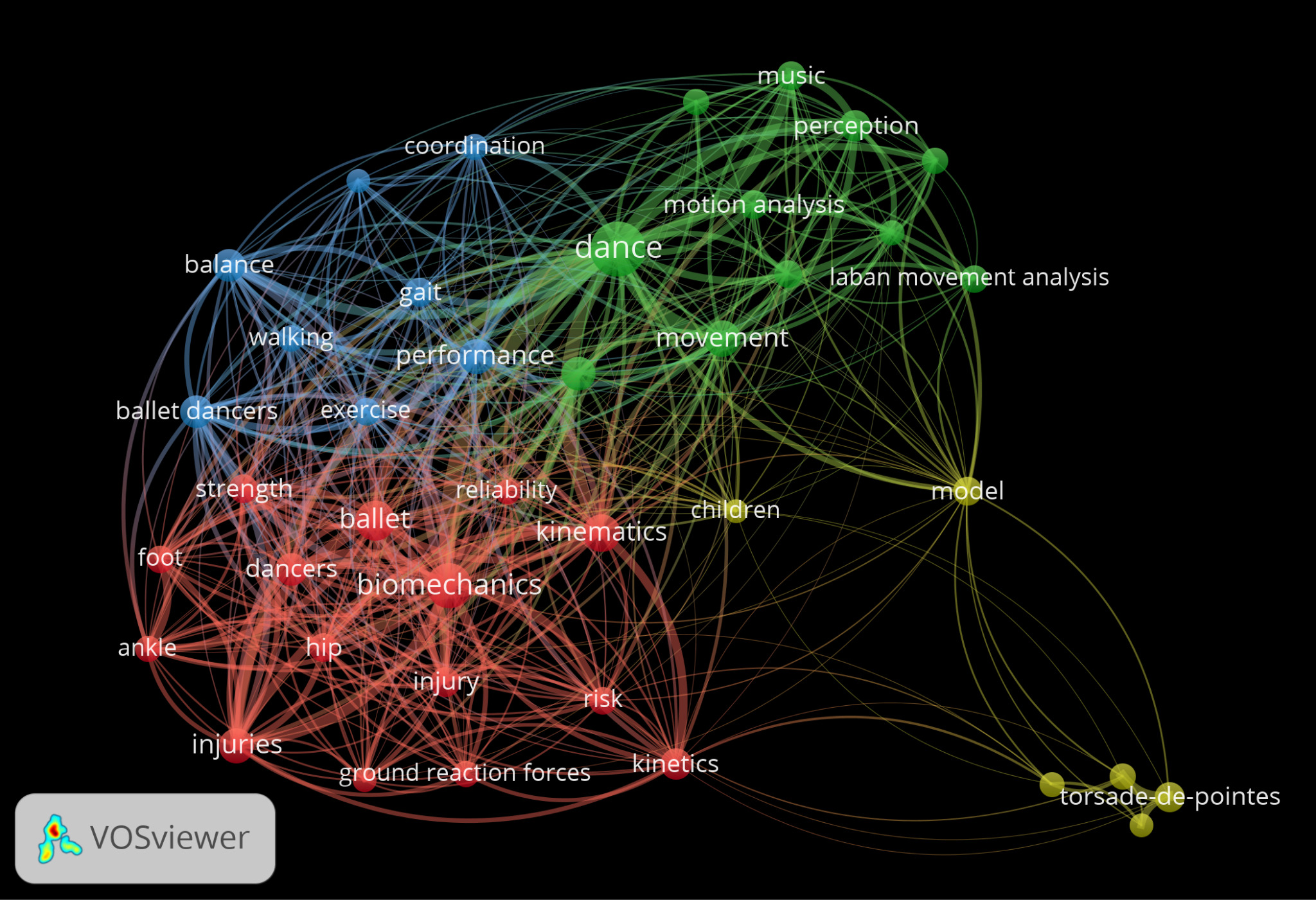
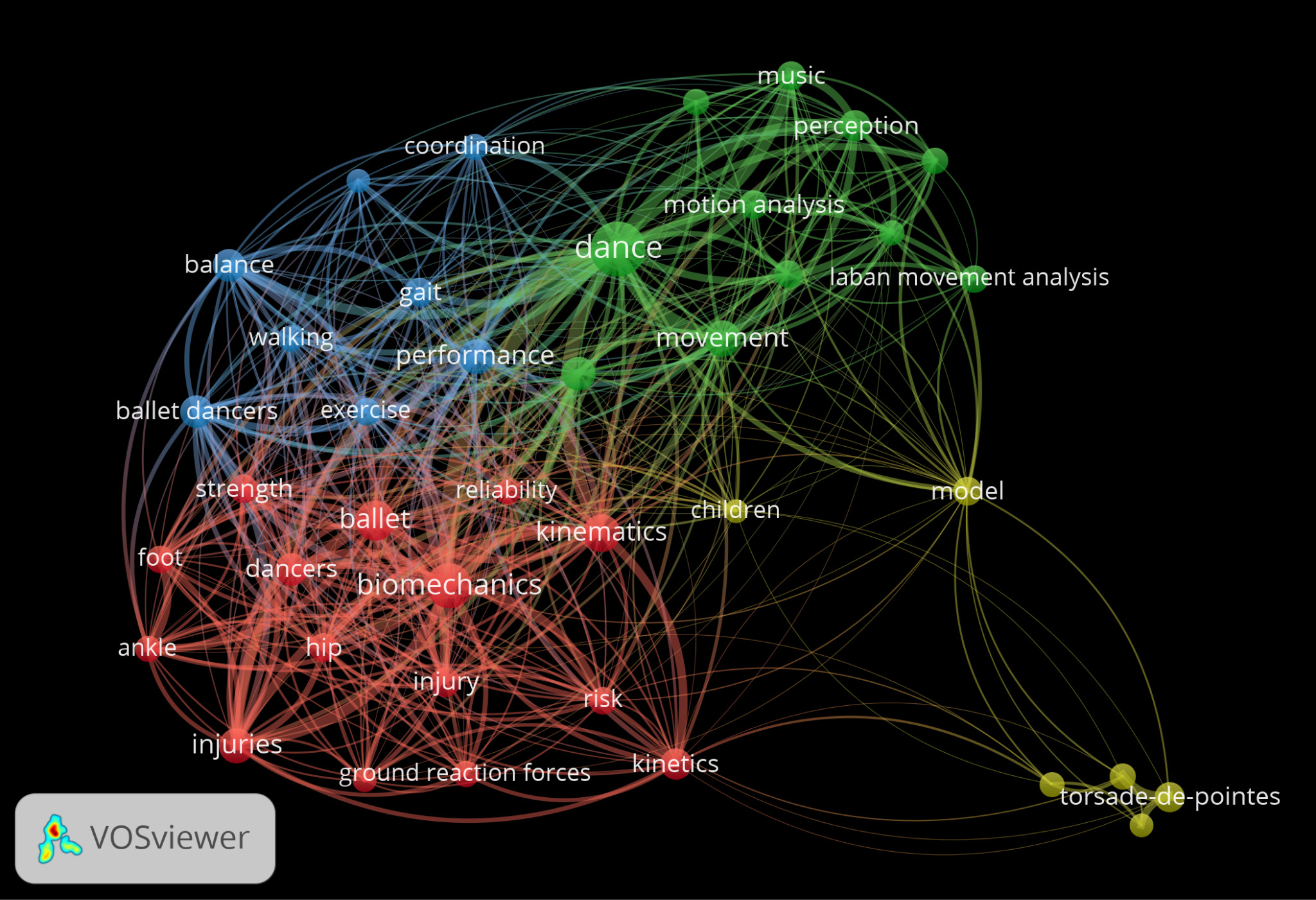
Figure 3 shows that the most common keywords associated with dance injury publications were “dance” and “biomechanics,” with other keywords occurring more evenly throughout the literature. In order for the keyword to be included in the figure, it had to be mentioned at least 30 times to meet the threshold. There are a total of 40 keywords shown with 4 clusters.
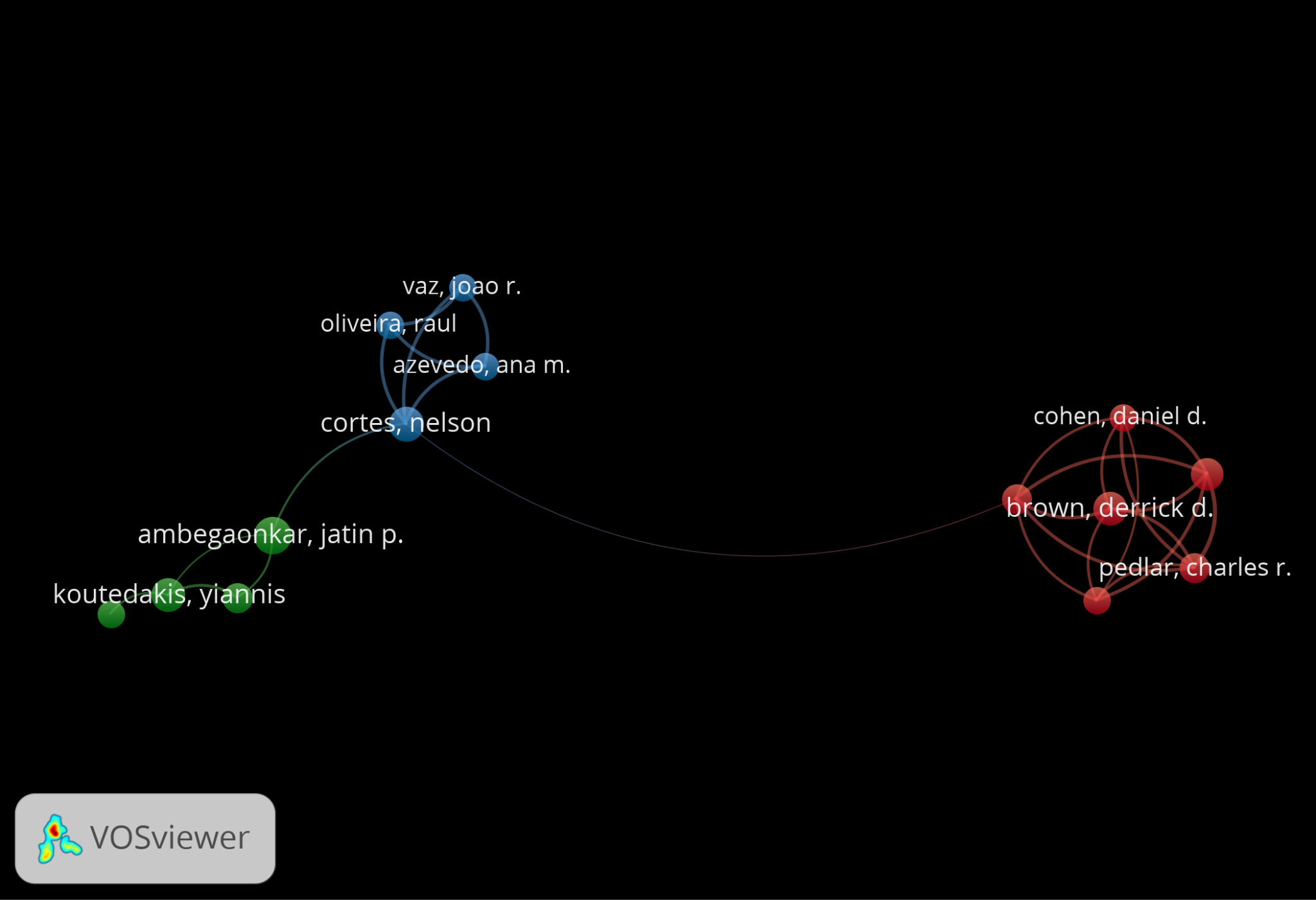
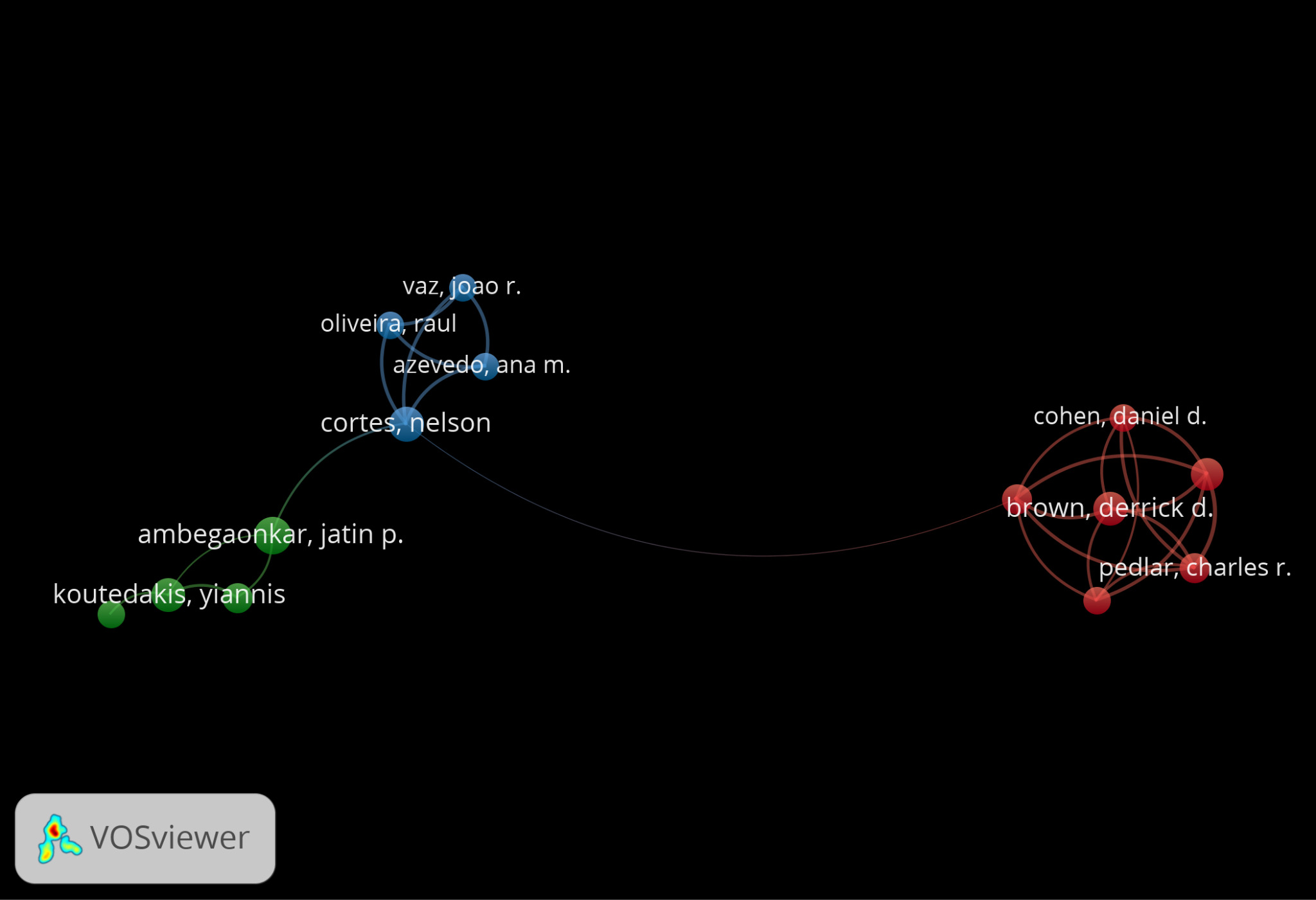
In this co-authorship network with a total of 14 authors, there are three distinct clusters of collaboration with a total link strength of 115 which illustrates a significant amount of cooperative output among the authors. The red cluster demonstrates dense internal collaboration while the blue and green clusters are their own separate collaborative clusters. Author “Cortes, Nelson” appears to be the primary connection between the three clusters.
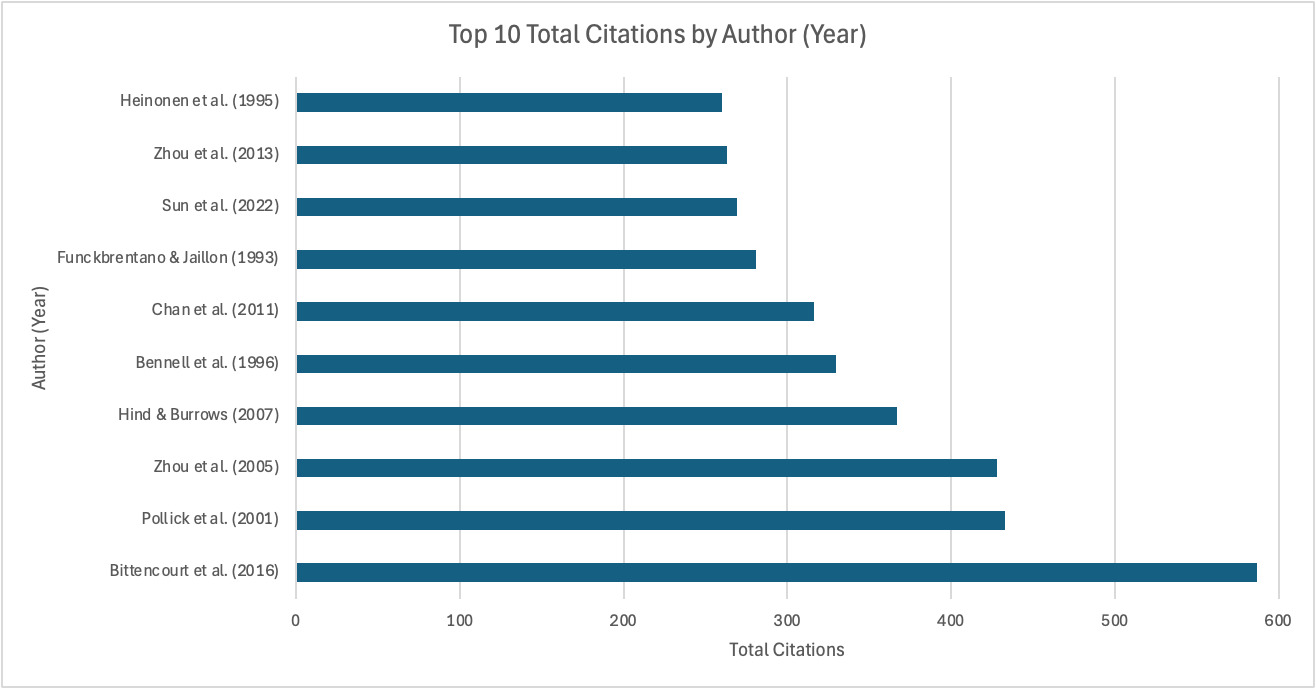
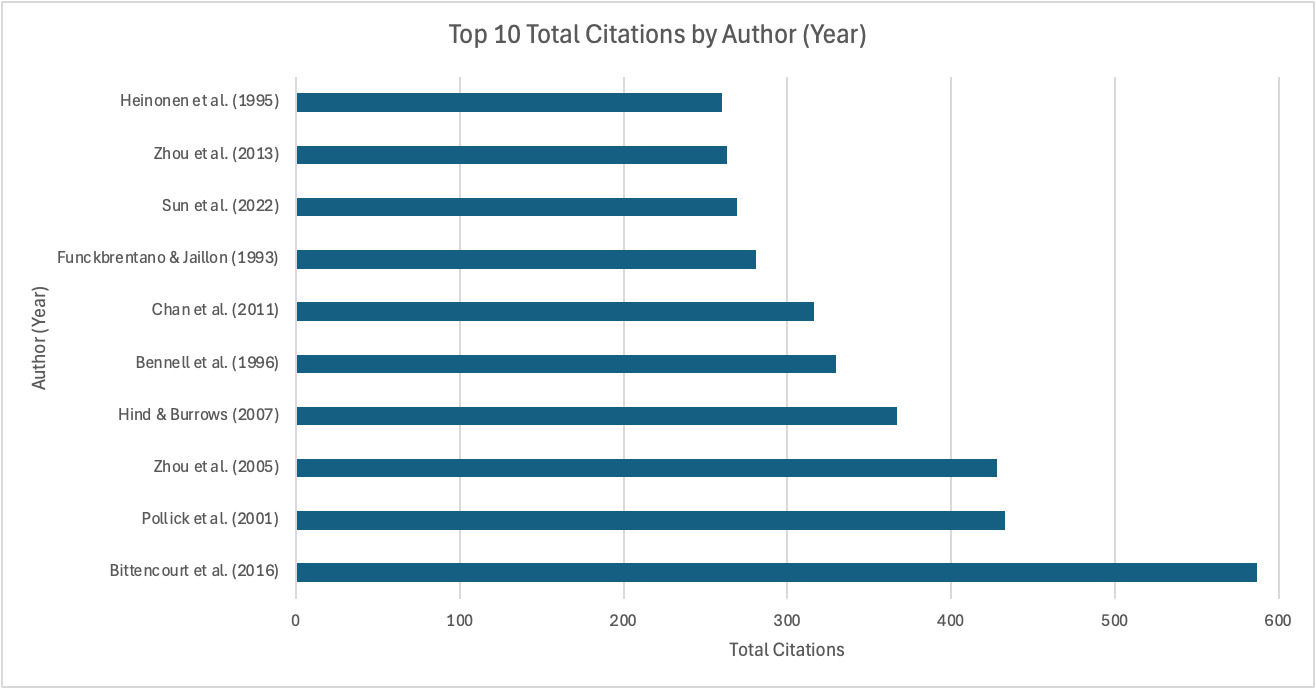
This bar chart illustrates the ten most-cited publications. Author Bittencourt et al. (2016) leads with 587 total citations, followed by authors Pollick et al. (2001) and Zhou et al. (2005) holding the next highest number of citations with 433 and 428 citations, respectively.
Discussion
This bibliometric analysis highlights a surge in research since 2013 on the biomechanical analysis of dance movements and subsequent injury risk, illustrating the growing academic interest in this topic (Figure 1). This finding is consistent with other bibliometric analyses of dance research, which have also reported a steady increase in annual publications.13 This growth in literature output within the field could be related to the increasing participation in dance, as well as advancements in technology that have highlighted the benefits of dance. Yet, despite an increase in studies, there has been comparatively limited research evaluating implementation of injury-prevention strategies in real-world dance settings. By analyzing the most common keywords found in publications, many current studies focus on injury mechanisms in dance (Figure 3). However, there is comparatively less research on injury prevention strategies for dancers and their real-world implementation to reduce injury risk. This translational gap is concerning because dancers often have limited awareness of their risk of injury, despite the fact that sustaining a long and healthy career remains a major challenge in professional dance.14 Therefore, in order for dancers to benefit from recent findings of dance injuries, future research should also strongly focus on ways to prevent injuries and how to clinically implement solutions.
While analyzing the commonly-occurred keywords, ballet is seen to be a frequent term in the study of dance injuries (Figure 3). This aligns with other studies that found ballet to be the most commonly studied dance style, likely due to the significant role of pointe shoes in contributing to foot injuries among dancers.15 However, with ballet dominating research on dance injuries, other common dance styles such as jazz, hip-hop, and contemporary are understudied.15 Different styles of dance have different movement patterns and physical demands. Therefore, the majority of published dance injury research may not provide findings that are applicable to preventing injuries and raising awareness of injury risks in other dance genres. With the growing trends of dance injury publications, future research should be conducted on other styles of dance as well.16
The visualization of the keyword occurrences also suggests that research on dance injuries is mainly focused on lower extremities (Figure 3). Some common terms include “ankle,” “foot,” and “hip,” highlighting that upper extremities such as the spine are comparatively understudied (Figure 3). This is likely because dancers primarily perform on their feet, and with ballet being the most commonly researched dance style, many studies focus on lower extremity injuries. Similarly, other studies have reported lower extremity injuries as the most commonly observed injury type.3 However, dancers have been observed to have weakness in the upper body and torso due to lack of strength training to keep an ideal body shape.17 Lower back pain and lower back injuries have also been identified as common health issues among dancers, but there is limited information on how these injuries are experienced by dancers.18 Future research should focus more on upper extremity injuries in dancers, as well as strategies to prevent these injuries.19
Findings based on publication output by country revealed that the United States contributed the most research on dance injuries, followed by England and the People’s Republic of China (Figure 2). This likely correlates to the amount of professional dance companies that these countries have. With one of the largest professional dance sectors in the world, the United States offers extensive opportunities for dance-related research, which likely contributes to its high publication output. England and China also have large professional dance sectors, which may explain why they produced the second- and third-highest numbers of publications. The prominence of these countries is also likely due to their strong research infrastructure and funding. These findings mirror broader bibliometric analyses in sports medicine, in which countries with well-established sports science research infrastructure, dedicated funding mechanisms, and professional performance medicine programs consistently dominate publication output.
Analysis regarding the most prominent authors in the field of dance injuries revealed three main interconnected research teams. The most interconnected cluster includes authors such as Daniel Cohen, Derrick Brown, and Charles Pedlar who have significantly contributed to the study of dance injuries (Figure 4). One publication they produced focused on investigating the kinematics of jumping specifically in ballet dancers using a systematic review method. By using data collected from their study, they provided an opportunity for ballet dancers to prevent injury risk.20 However, more collaboration between authors could reduce the inconsistency of injury surveillance procedures and injury definitions across research.3 This would streamline the comparison of findings and facilitate the development of solutions to these injury risks.
By analyzing the top 10 cited publications in dance injury research, the study by Bittencourt et al. on shifting the approach to sports injuries from risk factor identification to injury pattern recognition was found to be the most cited (Figure 5). Despite being published in 2016, it has been cited significantly more than other publications in the top 10. This is likely because it introduces a significant shift in the study of sports medicine as a whole by examining the broader determinants of injury risk rather than taking a more reductionist approach.21 By discussing the importance of identifying patterns and relationships among sports injuries, the high number of citations may also reflect the approach taken in modern research on dance-specific injuries.
Limitations
This bibliometric analysis does include limitations. The only database used was Web of Science. Although it provided many useful publications, any publications from elsewhere are not included in this paper. Additionally, keyword co-occurrence is dependent on how the author assigns terms to their research. With injury definitions being inconsistent across researchers, it can lead to a “scatter” across the network. Finally, citation-based bibliometric analyses inherently favor older publications, which have had more time to accumulate citations.
Conclusion
This bibliometric analysis highlights the development and current state of research on dance injuries and associated risks. This field has experienced sustained growth in publication output, ultimately increasing awareness of the physical demand dancers face and understanding injury risks. Despite the substantial progress, some gaps still remain. Future research should focus on expanding this work to other genres of dance while also investigating strategies to help prevent injuries in dancers. Ultimately, this research can improve dancers’ well-being and promote healthier, more sustainable careers.