
INTRODUCTION
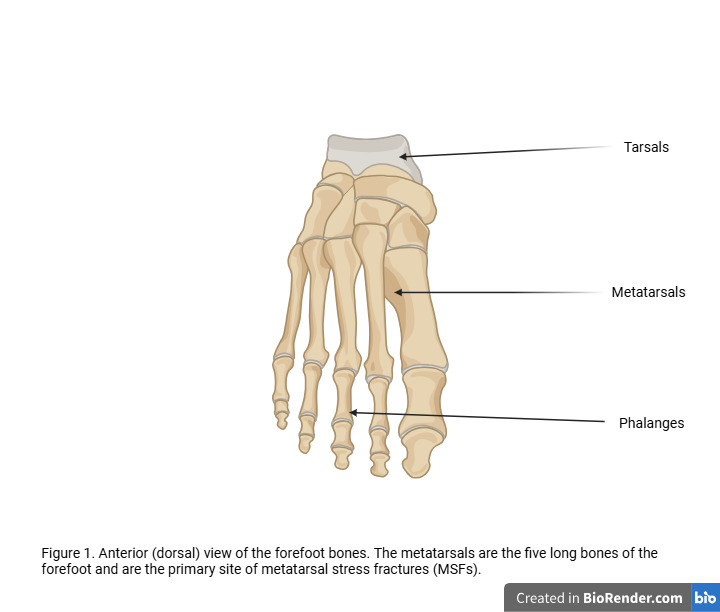
Metatarsal stress fractures (MSFs) are one of the most common bone stress injuries with roughly 225,000 to 250,000 cases in the United States alone, making up between 25% to 28% of all stress fractures.1,2 These injuries cause cracks in forefoot bones and the repetitive mechanical stress limits the body’s ability to heal itself. This injury occurs in the forefoot and it results from microstructural damage from submaximal loading.3 (Figure 1) This injury can range from inflammation to cracks and they typically occur in athletes and military members. MSFs account for around 10% to 20% of all stress fractures in both athletes and military recruits proving that they are a prevalent injury.1,2 Specifically, the fifth metatarsal (Jones fracture zone) carries a specific risk due to the fact that there is poor vascular blood supply in the region. This causes this region to have poor healing and have a higher risk of further injuries.4
Fifth metatarsal fractures are divided amongst distinct zones. These zones include dancer’s fractures (Zone 1 avulsion) which are at the base and Jones fractures (Zone 2-3) which are further up the bone.3 Metatarsalgia acts as a prodromal syndrome warning which then signals deep tissue stress before an actual bone break occurs.5,6 When these injuries further progress into MSFs of the second and third rays they have specific types of physical strain. Since the middle toes are absorbing most of the impact and weight during movements it causes each of these conditions to be both clinically and mechanically distinct.3,5
_view_of_the_forefoot_bones._the_metatarsals_are_the_five_long_bones_of_t.png)
Metatarsal stress injuries are found to be most common in sports such as soccer, basketball, dancing, running, and the military.2,7 However, in these groups, risk can vary based on both sex and position. For example, an offensive lineman in American football may be prone to more injuries due to what that specific position requires.8 The second and third metatarsals are the most affected by stress fractures due to the fact that the middle bones are the ones absorbing most of the pressure.1,7 In contrast, the fifth metatarsal is most affected by acute fractures such as twisting or spraining the foot.1,2
Metatarsal stress fractures often present as a gradual pain which is also better known as insidious forefoot pain. To be able to identify and locate the injury it is seen as a point tenderness over the metatarsal shaft.3 The imaging spectrum shifts over time from bone inflammation (periosteal reaction) into a visible complete fracture that can be seen on an X-ray.2,3 Additionally, there are several risks that can increase an individual’s vulnerability to the injury. Risk factors such as high arches (cavus foot) or a longer second toe (Morton’s toe) can cause weight to unevenly shift or distribute throughout the forefoot.1 Furthermore, factors such as the shoe type, training environment, training load spikes, low bone density, and a nutritional deficiency can all contribute to weakened bone strength.3,4
Choosing between conservative and surgical management, the treatment depends on which bone is injured. For example, Jones fractures in high-level athletes usually require surgical fixation due to the fact that there is poor blood supply and a low recovery rate, since surgery lowers the risk of refracture.1,4 On the other hand, second and third metatarsal stress fractures are normally treated conservatively with non-surgical options such as wearing an ankle brace or splint.2,3 Currently, there is a lack of consensus on the return-to-sport protocols and the fixation methods that vary across doctors. This is the fragmented evidence gap that has many medical experts without clear steps as to when an athlete can safely return back to practices and their sport.3
This bibliometric analysis covers literature retrieved from the Web of Science Core Collection, examining publications across the full scope of the indexed period.9 The goal is to create a broad view of how metatarsal stress fractures in athletes have been studied across different fields, regions, and over time.
METHODS
Bibliometric analysis is a method for quantifying the literature by identifying key authors and works, examining how publications are disseminated, and showing which countries or organizations contribute. We followed established bibliometric methods used in medical research to ensure our results could be replicated and were methodologically sound.9 The Web of Science Core Collection is one of the most comprehensive databases of peer-reviewed articles available, and it is compatible with many bibliometric visualization tools. Our search was restricted to articles and reviews published during the database’s coverage period; there was no restriction on the language in which these articles were written. To create and visualize the bibliometric networks created from the downloaded data, we used VOSviewer (Leiden University, Netherlands).9 Networks were generated using full counting and association-strength normalization in VOSviewer.
The database search took place on June 16, 2026, in order to identify publications which related to metatarsal stress fractures and other foot-related injuries that are prevalent between athletic and military groups.
The exact search strategy was:
TS = ( “metatarsal fracture” OR “fifth metatarsal” OR “Jones fracture” OR “metatarsalgia” OR “foot fracture” OR “metatarsal injury” OR “foot stress fracture” OR “metatarsal stress fracture” ) AND ( “athlete” OR “athletes” OR “sport” OR “sports” OR “military” OR “running” OR “physical activity” OR “exercise” OR “training” )
This search yielded 479 results over the indexed period of 1970 to 2026. This specific strategy uses multiple variations of terminology in order to obtain all related documents regarding metatarsal stress fractures.
RESULTS
A total of 479 articles were retrieved for analysis in VOSviewer and spanned the indexed period from 1970 to 2026.
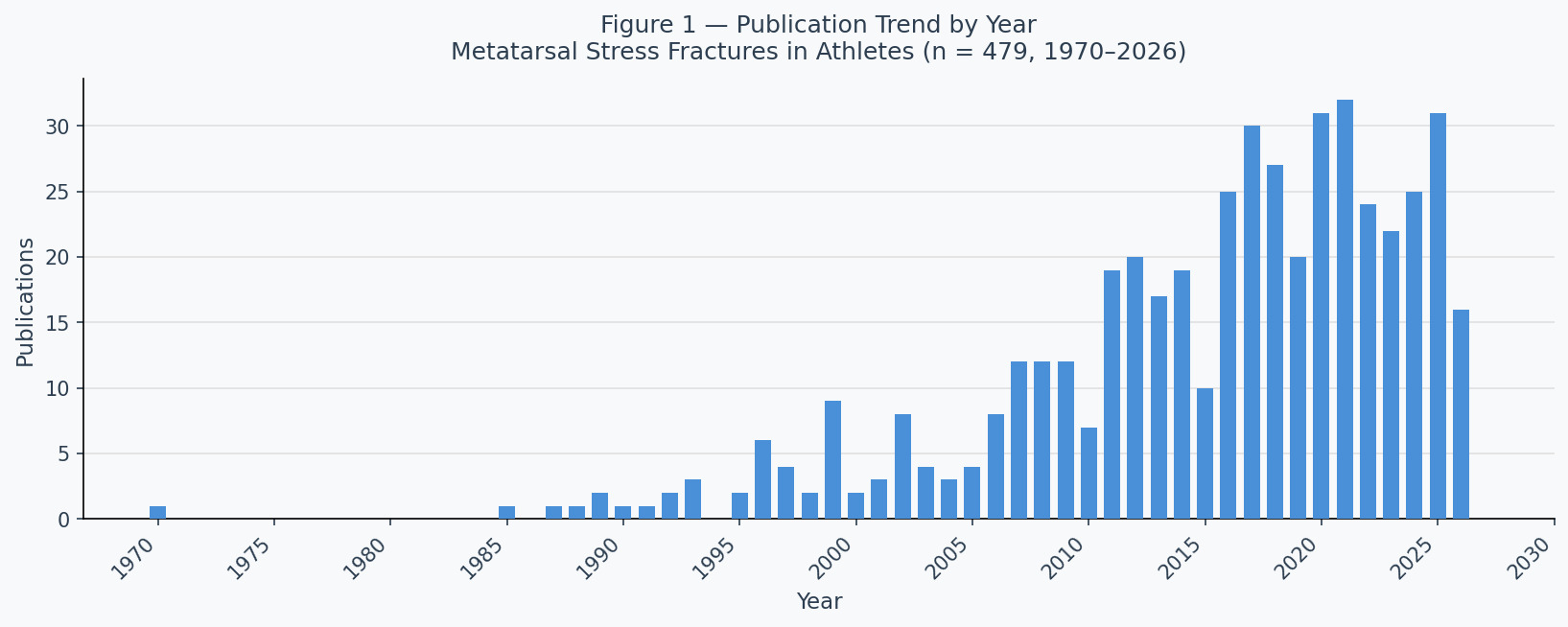
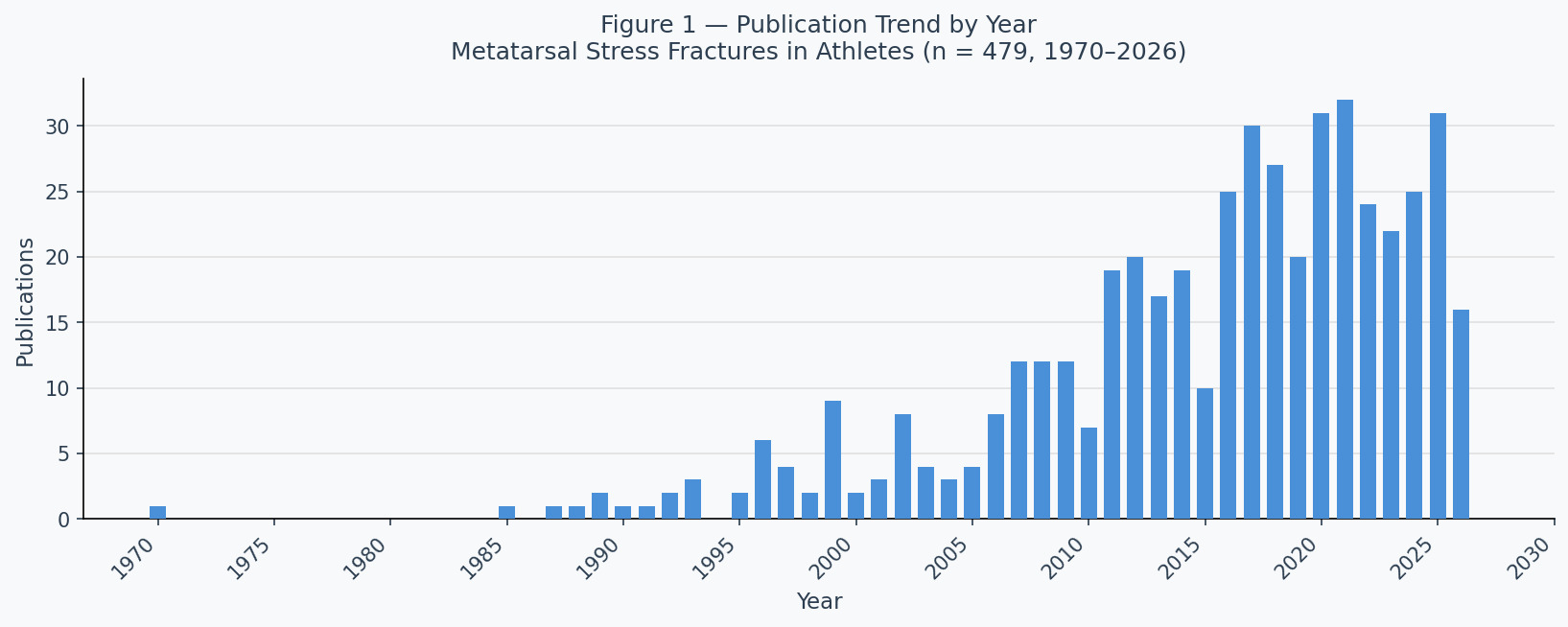
Figure 2 is a bar chart that demonstrates the annual publication counts from 1970 to 2026. The number of publications starts slowly but steadily increases over the span of several decades. The first indexed publication was in 1970 and was a singular paper. The output of papers remained sparse, and the field had little interest from the span of 1970-1990, with around 1-9 papers each year. However, there was a noticeable increase in the number of papers in 1999; this increase wasn’t sustainable. The output stayed relatively stable and small through the 2000s, with around 2-12 papers each year. There was a decrease in papers in the year of 2010 with only 7 papers being published. There was a significant inflection in the year of 2011 in which the number of publications rose to 19. Furthermore, this growth had continued until 2012 and had reached 25 by 2016. The number of publications had reached constant high output values from 2017 with 30 papers and had maintained this high output through 2021 with 32 papers which was the highest number of publications throughout the time period. This output remained stable with 24 publications in 2022, 22 publications in 2023, 25 publications in 2024, and 31 publications in 2025. The 16 papers that were published in 2026 are most likely due to publishing and indexing delays rather than a decline in the amount of research activity. The constant growth in the number of publications from 2011 likely reflects a growing global increase in sports participation and interest in sports science, which in turn has increased the number of injuries and the need for injury prevention.
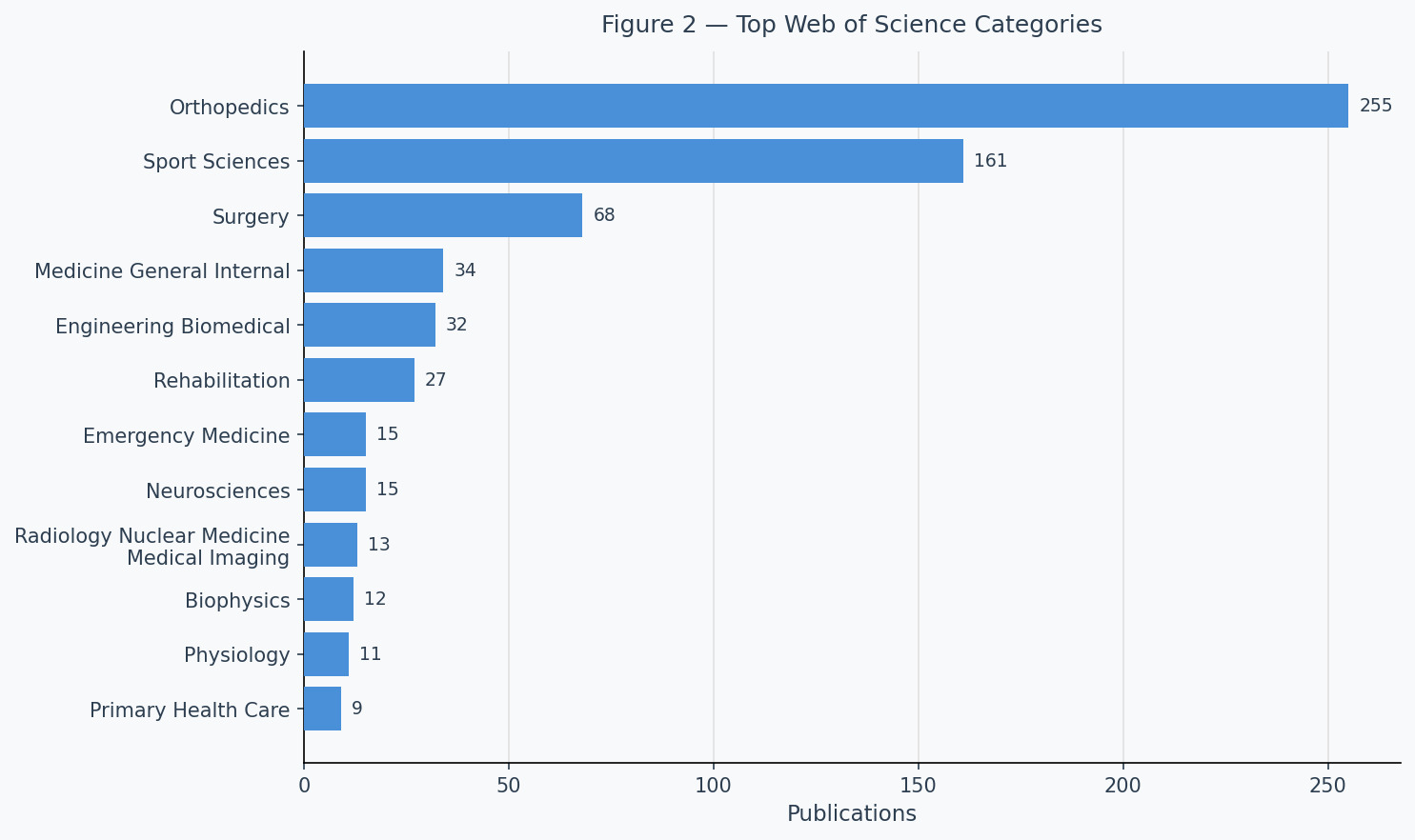
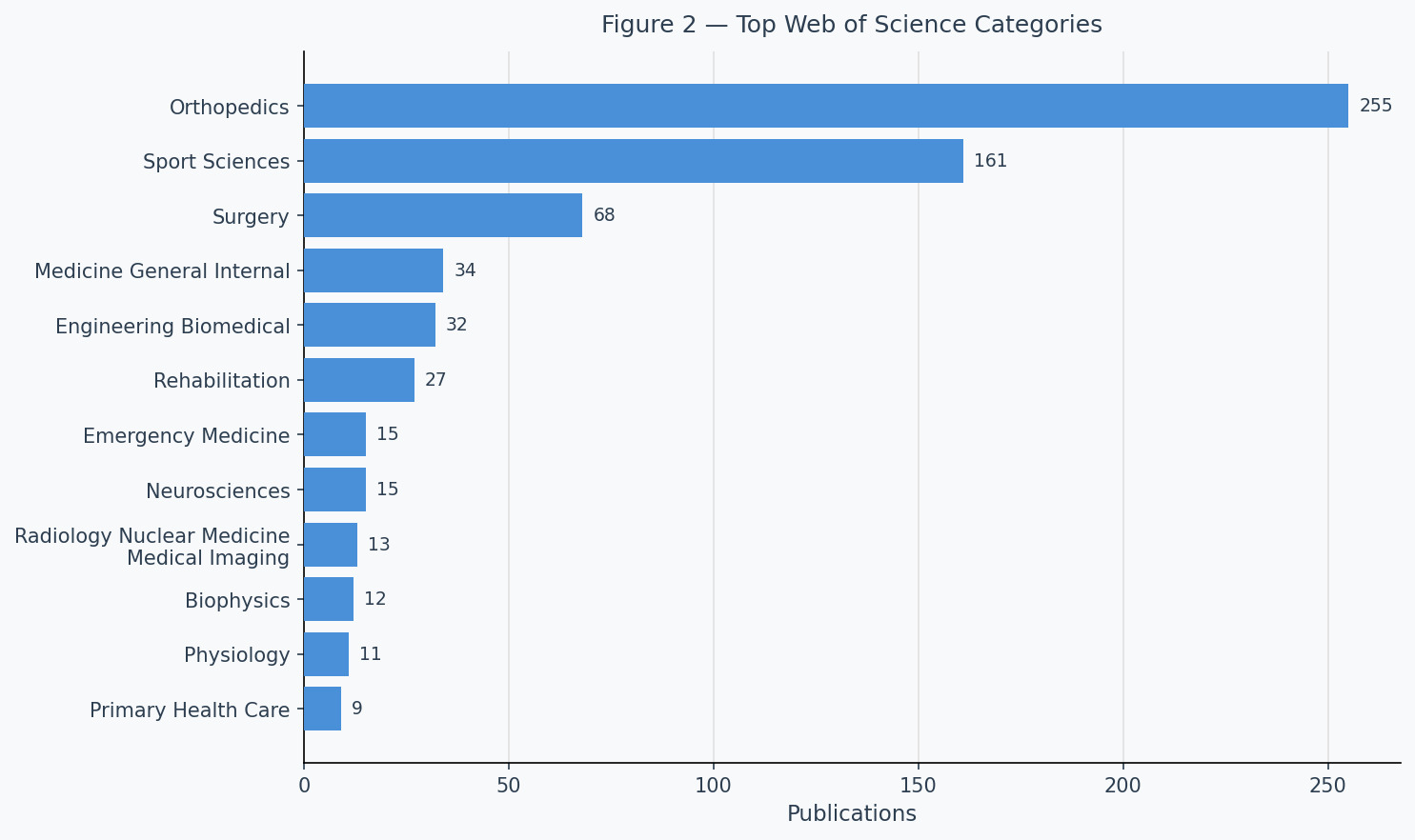
Figure 3 is a horizontal bar chart that illustrates the top WoS subject categories by publication count. Orthopedics and Sport Sciences make up the majority of outputs. This shows the significance of the relationship between these two fields of medicine that incorporate athletics. Surgery, with 68 publications, and Rehabilitation, with 27 publications, demonstrate that this research looks at both the injuries that come with surgery and the recovery that follows to help athletes. The presence of Engineering Biomedical with 32 publications, Biophysics with 12 publications, and Radiology with 13 publications highlights that there has been an increase in the use of both biomechanical and imaging-based research in order to understand metatarsal stress injuries. The wide range of categories demonstrates that this specific field spreads across many different categories and areas of study and isn’t limited to one specialty.
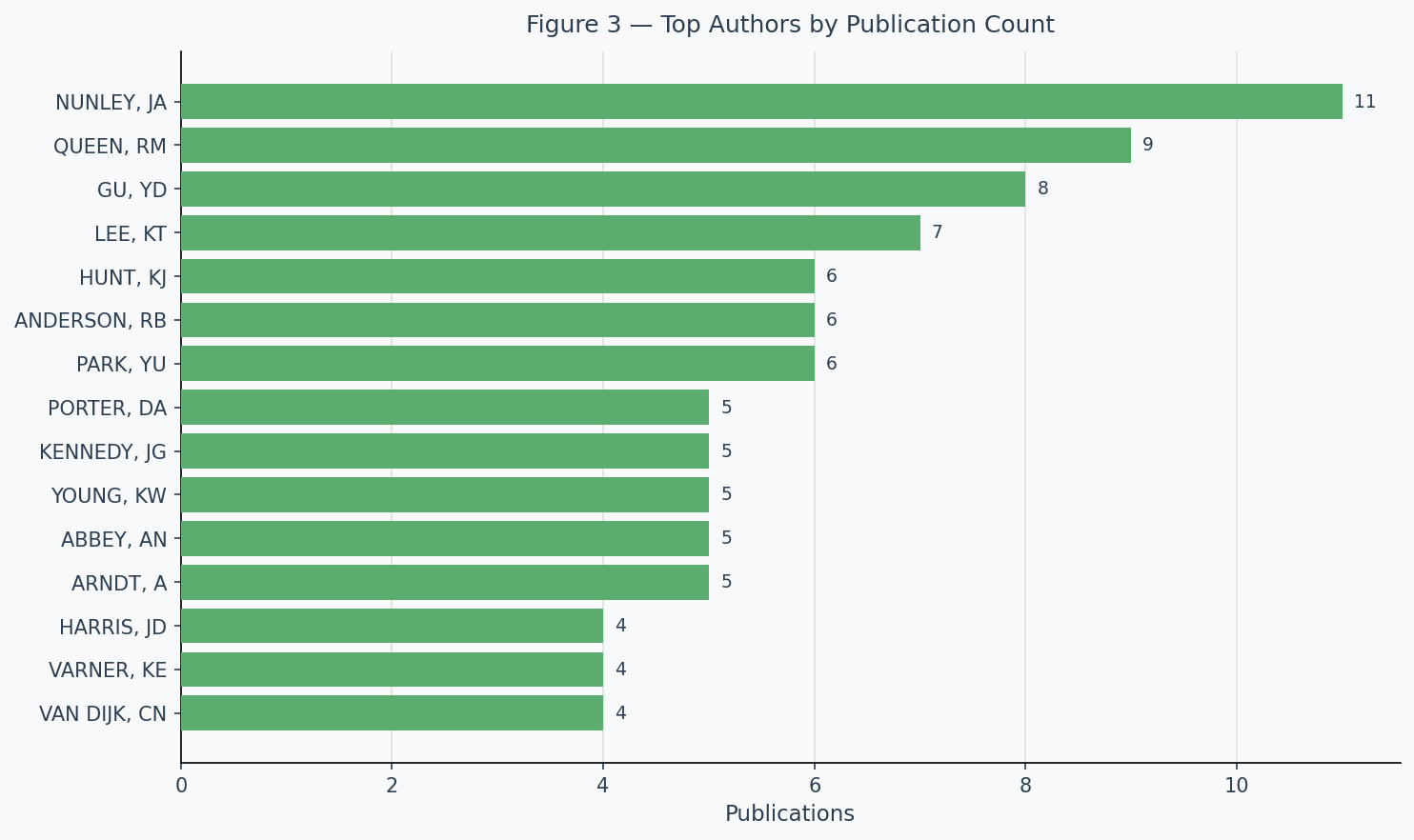
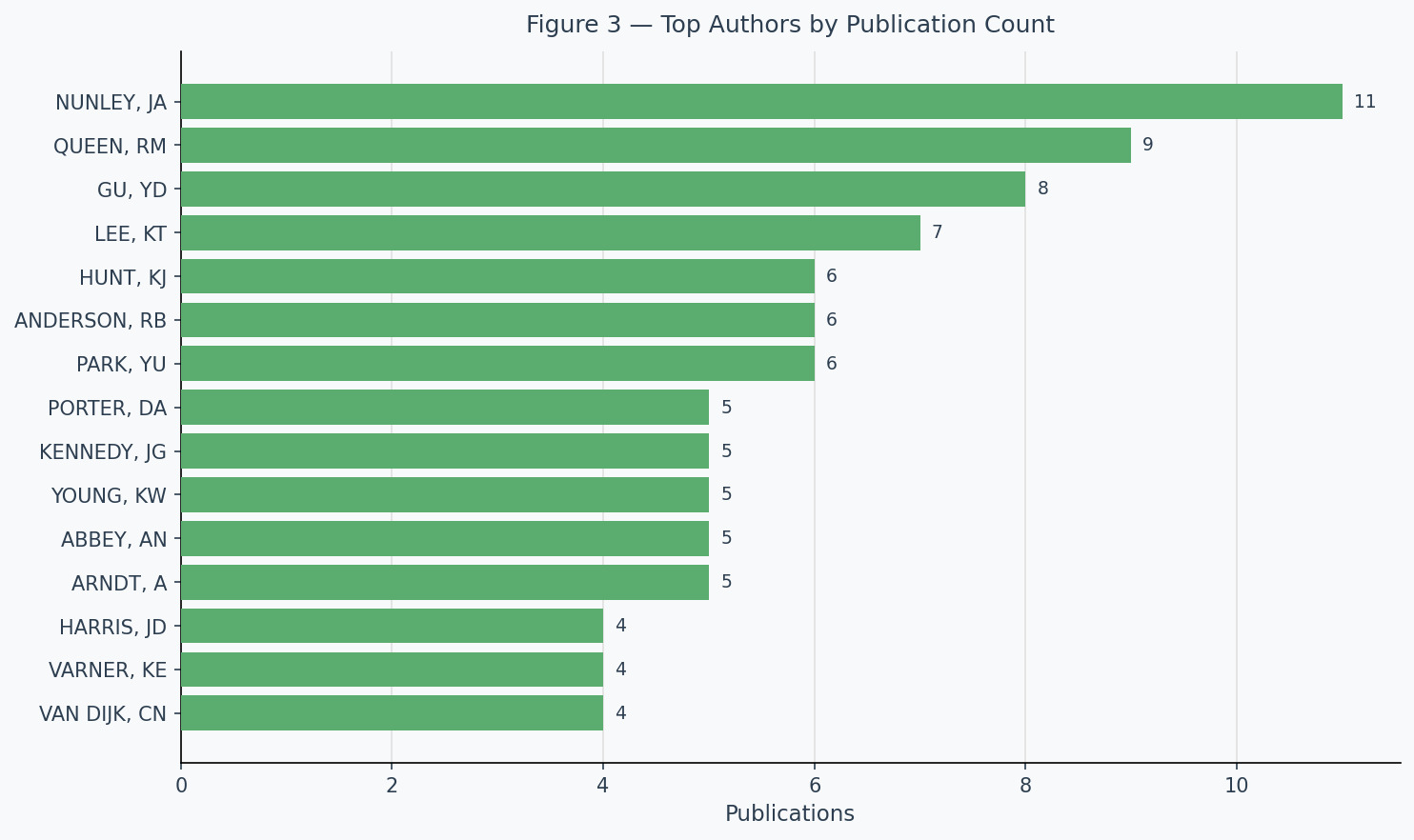
Figure 4 is a horizontal bar chart demonstrating the top authors by publication count. JA Nunley has the leading number of publications with 11 papers and is the most published author with the most contributions to the field. RM Queen with 9 publications and YD Gu with 8 publications are also in the top three. There is a somewhat equal spread among the top 10 authors, with the highest being 11, but the majority have around 5-7 publications. This highlights how different researchers contribute to the research and isn’t led by one specific group. In addition, the authors KT Lee, YU Park, and YD Gu show us how there is a high number of East Asian researchers, which correlates with the large national output values from South Korea with 28 publications, and China, with 31 publications.
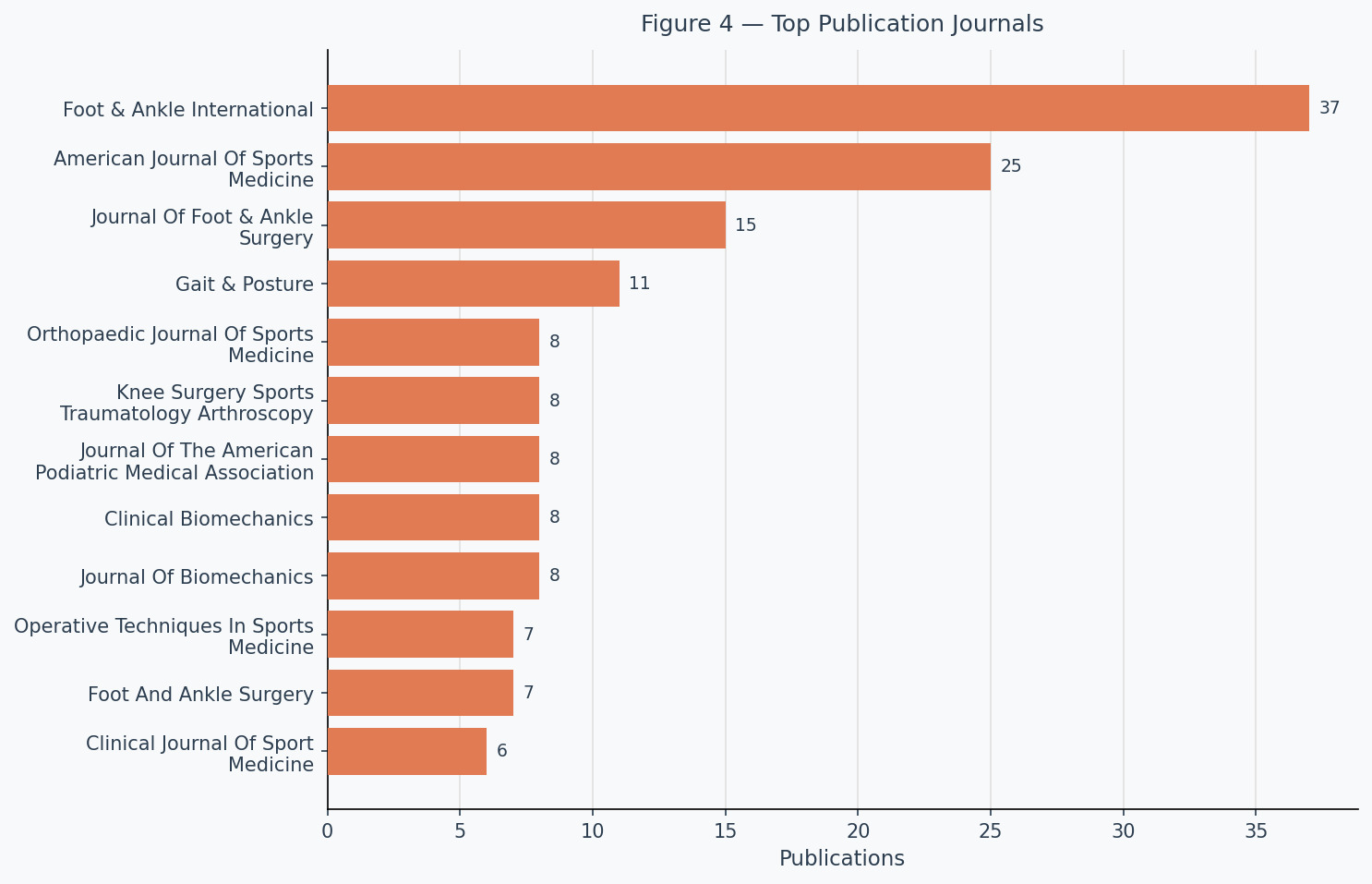
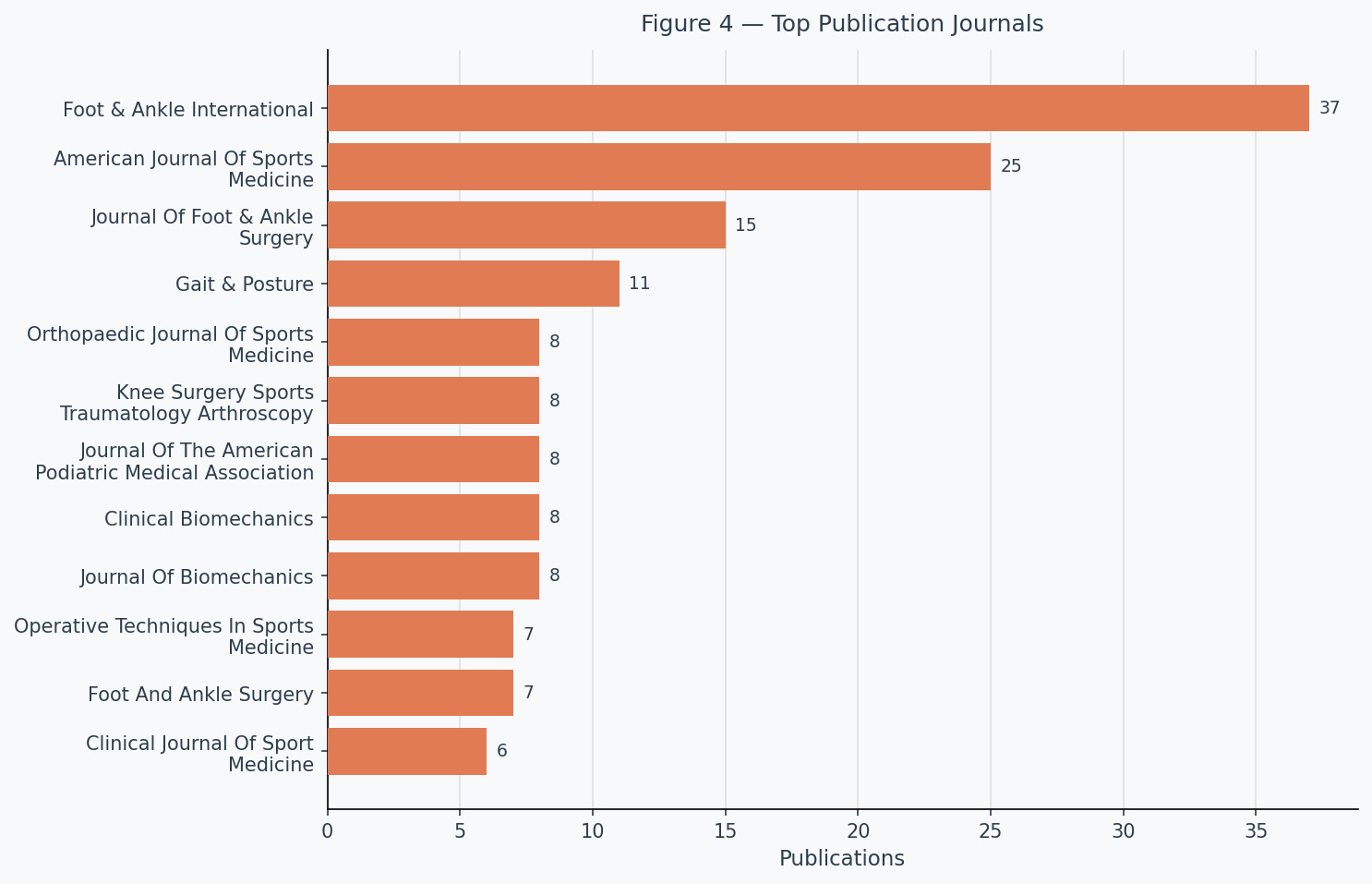
Figure 5 is a bar chart that highlights the journals that have the most publications related to metatarsal stress fractures in athletes. To start with, Foot & Ankle International is the most frequent and primary publisher with 37 articles, which is around 1.5 times the amount of publications of the American Journal of Sports Medicine, which is the second journal. The American Journal of Sports Medicine is second, showing us that sports medicine is a common perspective in this research. The third tier includes the Journal of Foot & Ankle Surgery with 15 publications and Gait & Posture with 11 publications. There is a cluster of journals that all have 8 publications, which are the Orthopaedic Journal of Sports Medicine, KSSTA, JAPMA, Clinical Biomechanics, and Journal of Biomechanics, demonstrating that although Foot & Ankle International serves as the leading publication venue, the research is still widely distributed across different fields and specialties such as orthopedics, sports medicine, and biomechanics.
.png)
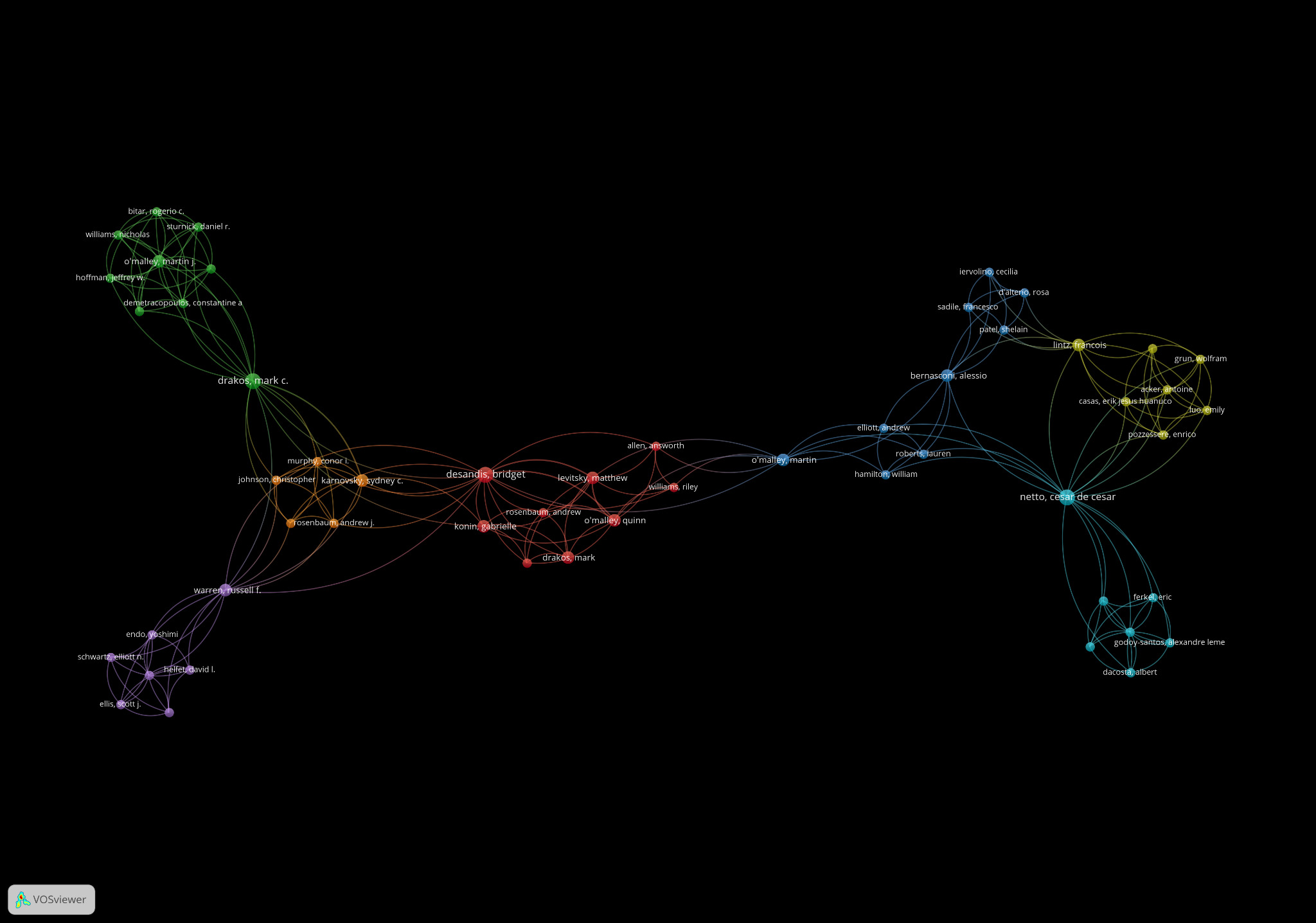
Figure 6 is a black-background VOSviewer network in which the nodes represent authors and the edges represent co-authored publications. The node size highlights the publication count, and the color demonstrates the cluster or community. The total link strength measures the number of co-authored papers that connect each author to the rest of the network shown. The co-authorship network illustrates that the researchers frequently work in regional groups rather than in a more connected global community. For instance, Lee KT and Park YU, who are both from South Korea, work in a closely connected cluster with a high connectivity, link strength 19-20. Similarly, Nunley JA and Queen RM hold the strongest collaboration group, which is mainly spread around both Duke University and North Carolina. Nagao, Saita, and Yoshimura are clustered together as a Japanese research group and have a numerous number of co-author connections, specifically 10 links each, even though many of these co-author connections have fewer publications individually. At the country level (based on author affiliation, full counting), the United States accounts for the largest share of publications (192 of 479, 40.1%), followed by England (38, 7.9%), Japan (30, 6.3%), China (30, 6.3%), Germany (25, 5.2%), and Canada (22, 4.6%). England has strong collaborative links with regions such as Canada, North Carolina (Research Triangle), and other parts of the USA which reflects active international participation. China’s low country-level link strength compared to its publication count suggests fewer international co-authorship connections even though there is high publication volume.
.png)
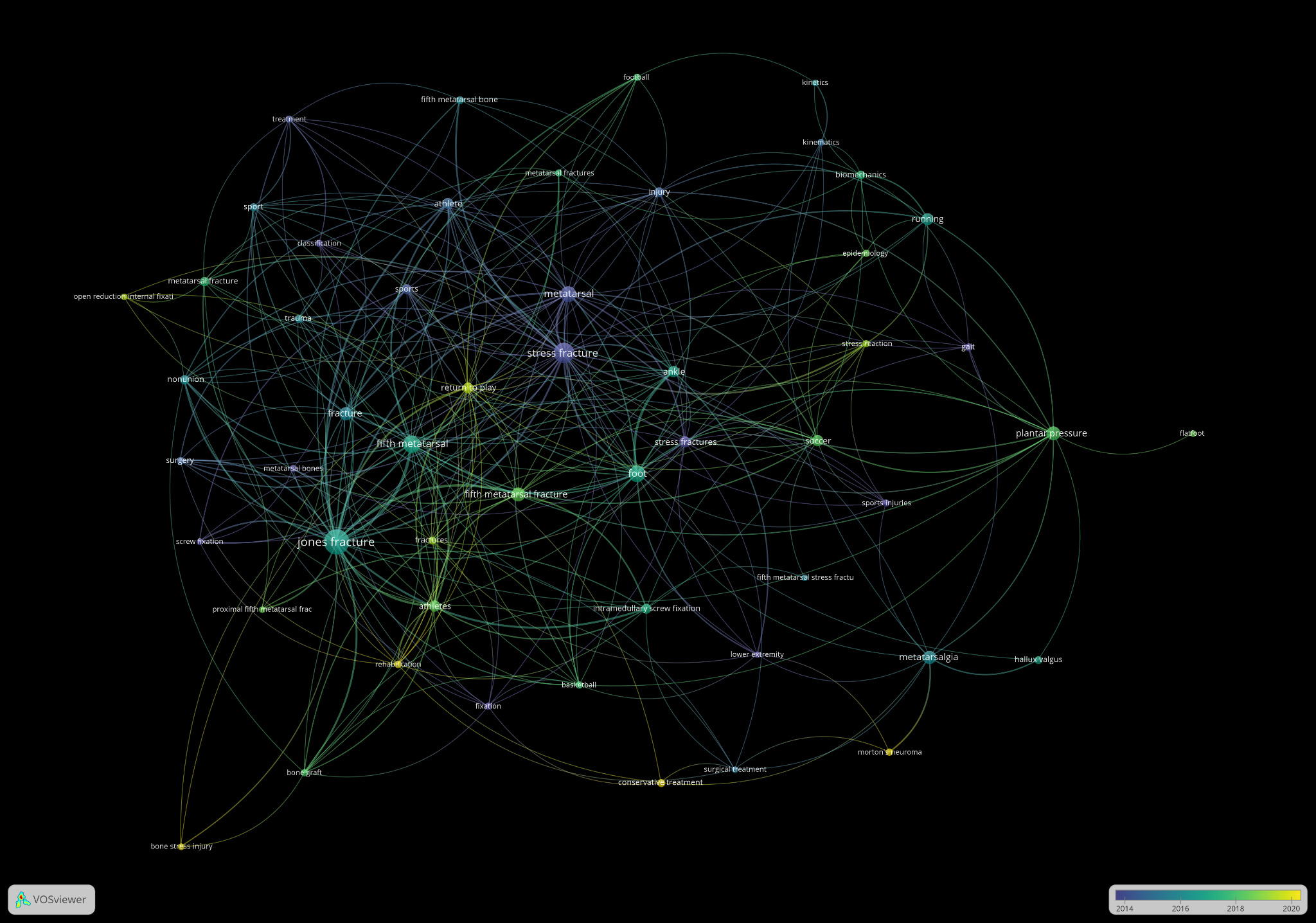
Figure 7 is a black-background VOSviewer network in which the nodes represent author-assigned keywords, edges represent keywords co-appearing in the same paper, node size represents total link strength, and the color represents thematic cluster. The keyword network is strongly clustered around “Jones Fracture”, which has the highest link strength with 166 and also connects to 46 other keywords, which is more than double that of any other term in this network. This verifies that the fifth metatarsal Jones fracture is the most studied injury in this literature. There is a clear clinical and surgical cluster that forms around “Jones Fracture,” “Fifth Metatarsal,” “Intramedullary Screw Fixation,” “Nonunion,” and “Return to Play,” which highlights that the studies were focused on treatment methods and the recovery outcomes. Furthermore, another cluster appears on topics such as biomechanics and sports science and has keywords such as “Foot,” “Plantar Pressure,” “Running,” “Lower Extremity,” and “Ankle.” These studies are more heavily focused on gait and stress distribution. Additionally, keywords such as “Athletes,” “Athlete,” and “Soccer” allow for connection between both research areas, demonstrating how this field focuses on combining both sports performance and injury prevention. The color gradient that is seen in the network map shifting from blue in 2014 to yellow green in 2020, highlights how research trends have gradually evolved over time. For instance, many early studies had focused on basic more foundational topics such as stress fractures, foot anatomy, and standard treatments but now this focus has recently shifted over to rehabilitation, return to play guidelines, and bone grafting. This progression demonstrates how this research has shifted from diagnosis towards a more specialized focus on clinical interventions and long-term recovery.
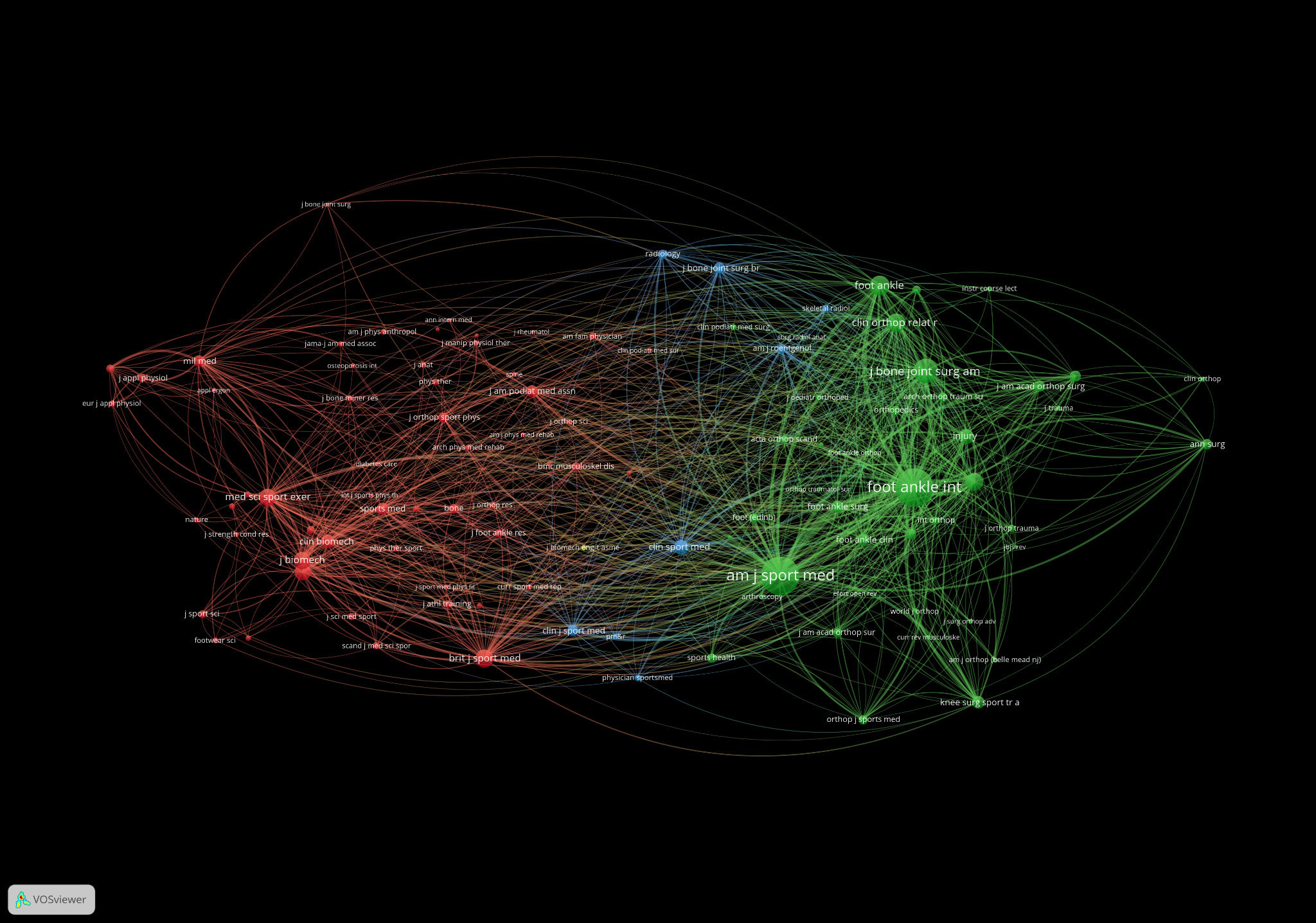
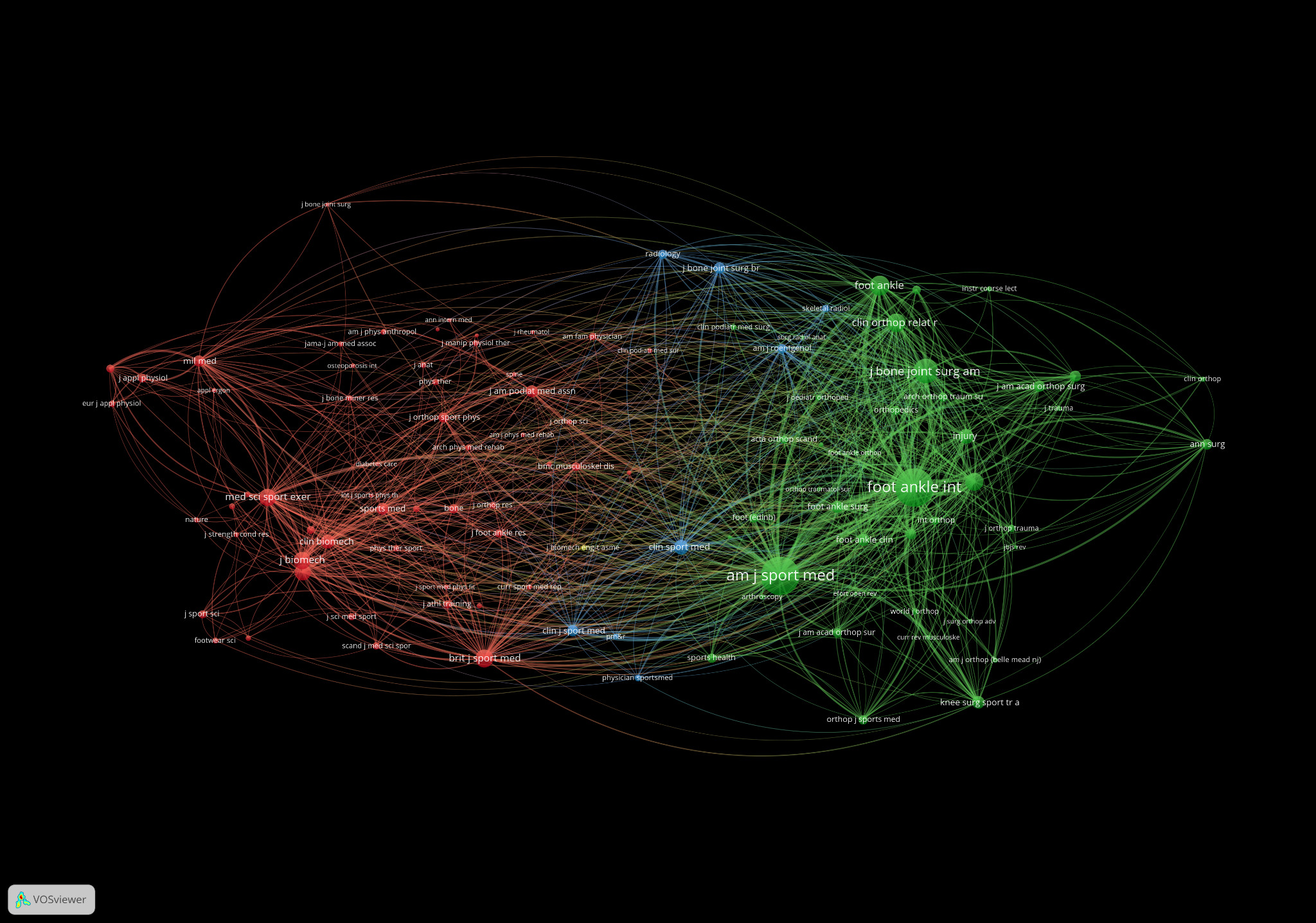
Figure 8 illustrates a black-background VOSviewer network in which nodes represent the journals being cited across all 479 papers, edges represent journals cited together in the same paper, node size represents total link strength, and larger nodes represent more foundational to the field’s citation ecosystem. The journal co-citation network demonstrates how the Foot & Ankle International and the American Journal of Sports Medicine serve as two of the foundational journals in this field. Additionally, they have almost the same citation counts, with 1,464 and 1,467, and they also have almost identical link strengths, with 5,123 compared to 5,122, which highlights how fields draw upon both journals equally in order to obtain important studies. The Journal of Bone & Joint Surgery (Am) with 4,273, is third overall, which demonstrates how orthopedic surgery acts as a foundation in this research. Furthermore, since both the Journal of Biomechanics (1,810) and Clinical Biomechanics (1,731) have a high ranking, it demonstrates how biomechanics also plays a significant role in this research, as it was identified in the keyword network. Among the authors present, Torg JS acts as the most influential individual due to the fact that his original classification of fifth metatarsal fractures plays a major role in this literature. Jones R is also frequently co-cited, which reflects the impact of the early work that caused the term “Jones fracture” to be established.
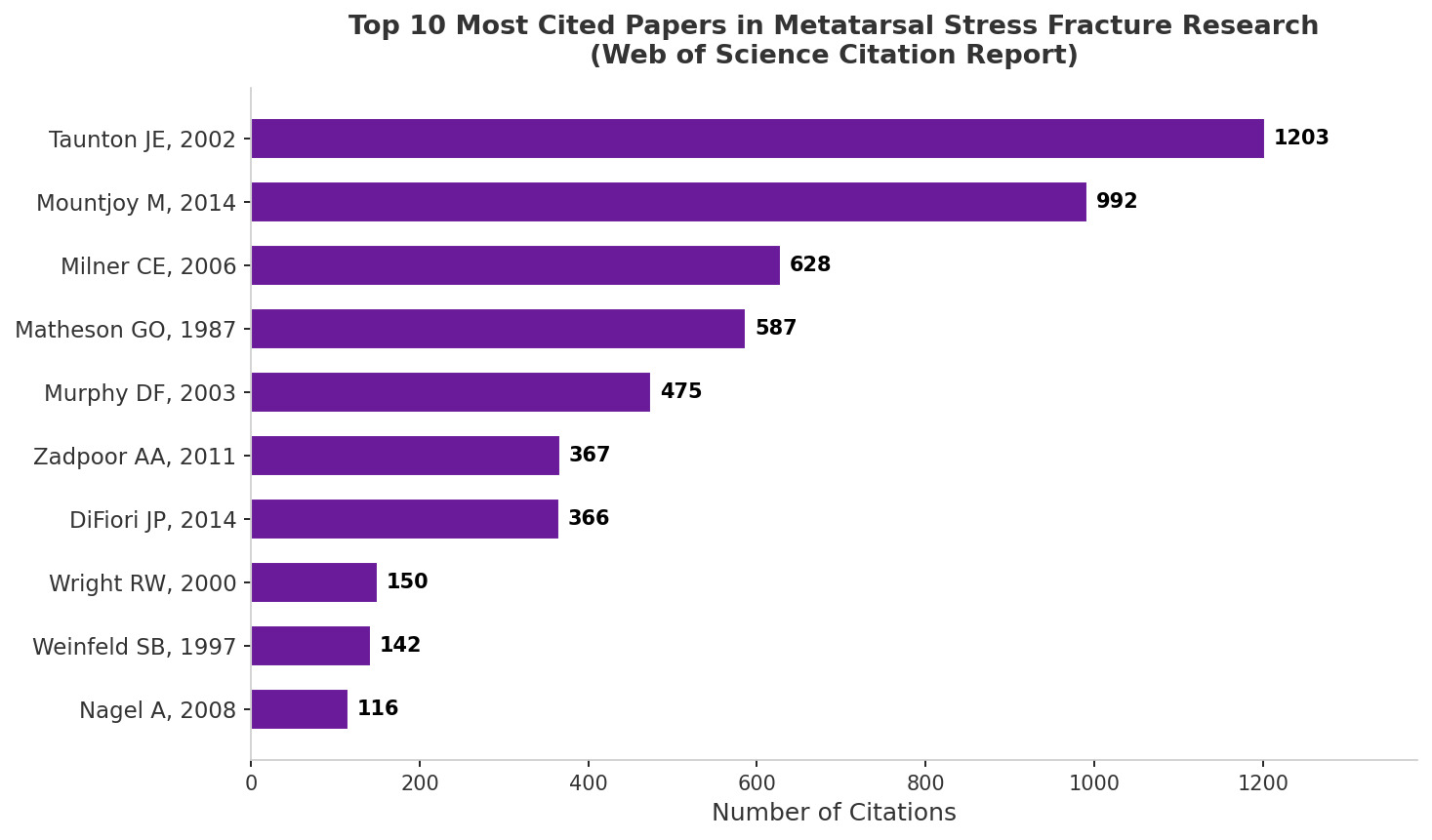
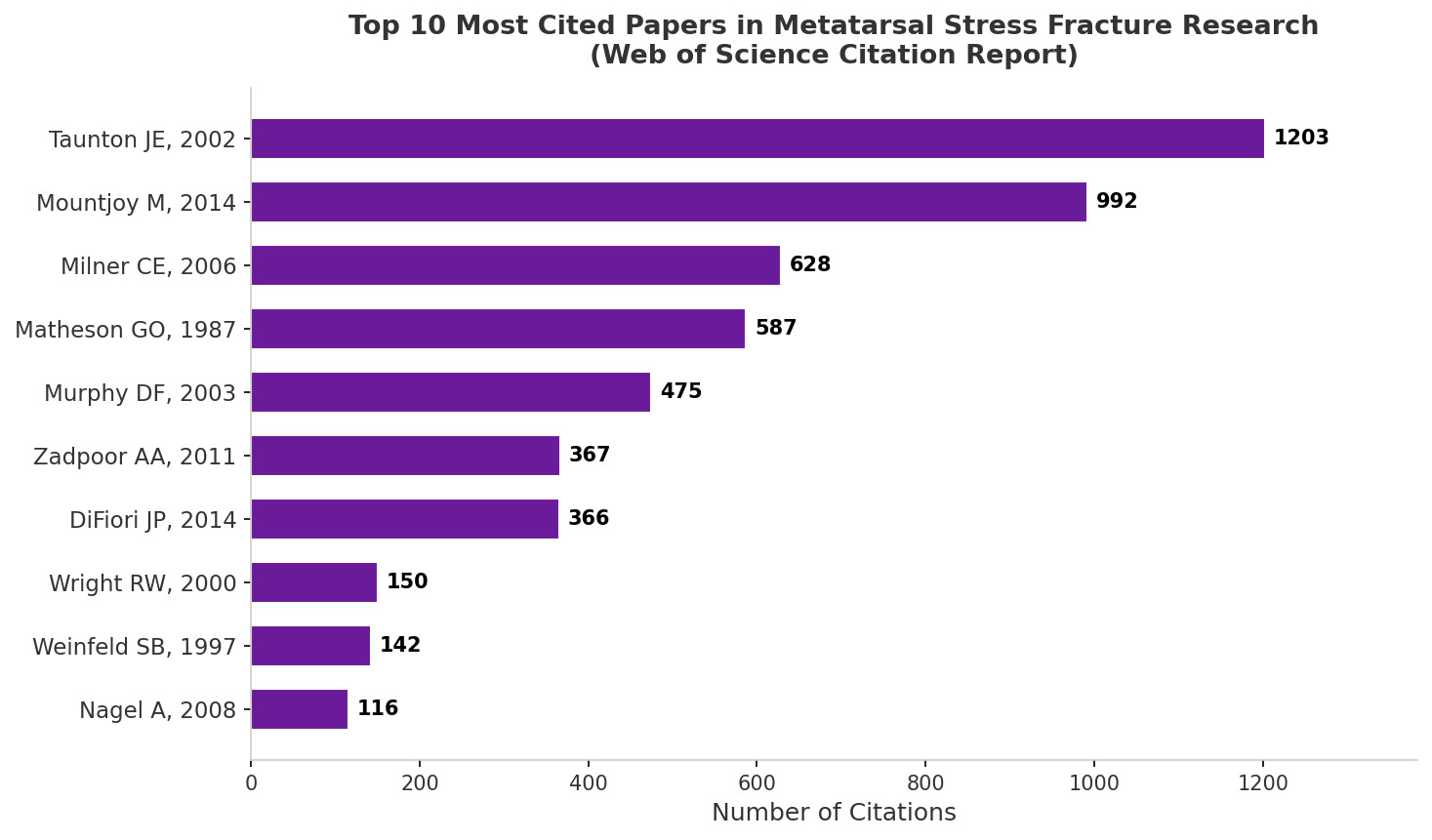
The ten most-cited publications seen in the Web of Science citation report covers fields such as biomechanics, epidemiology, and clinical research (Figure 9). Taunton et al. (2002, n=1,203 citations) ranks first out of all the publications. The large study confirms that metatarsal stress fractures are very common overuse injuries especially in runners. Additionally, Mountjoy et al. (2014, n=992) on International Olympic Committee Consensus statement showing that low energy availability is a risk factor for metatarsal stress factor injuries and Milner et al. (2006, n=628) on tibial biomechanics which ranks highly, this reflects that stress fractures can occur from both metabolic and mechanical causes. Matheson et al. (1987, n=587) and Murphy et al. (2003, n=475) are key studies that demonstrate the spread of these injuries. By including both Wright et al. (2000) which focuses on Jones fracture surgery and Nagel et al. (2008) which focuses on plantar pressure, highlights how there is a disproportionate focus on fifth metatarsal injuries.
DISCUSSION
Research on metatarsal stress fractures in athletes has shown a consistently expanding area of study since 1970, with publication activities significantly rising after 2011. This steady upward trend is likely because there has been an increase in participation in sports globally in both professional and recreational settings which increases the risk of overuse injuries for athletes and creates an increased demand for injury prevention strategies. Publication outputs had reached its highest points between the years of 2017 to 2021 which reflects that sports medicine has rapidly evolved and has become an established clinical field. Additionally, the decrease that was seen in 2026 is likely because papers have not yet been fully published and indexed within the database, instead of a lack of interest or a decline in research.10–12
These publication trends are also clearly seen in the diverse number of fields and subjects studies. For instance, Orthopedics is one of the main topics in WoS categories, which separates metatarsal stress fractures from broader stress fracture research that has a more generalized focus on sports sciences. This highlights a stronger focus on both treating and managing the injury rather than just focusing on how these athletes perform. The focus reflects broader research trends regarding sports medicine in which studies that focus on foot and ankle injuries are heavily driven by orthopedic surgery papers rather than broader sport science perspectives. The presence of fields such as Engineering Biomedical, Biophysics, and Radiology along with clinical categories demonstrates that both biomechanics and medical imaging are used in order to better understand these injuries. This is also supported since Gait & Posture and Journal of Biomechanics have many studies that are published. The wide array of fields that are present highlight that solving metatarsal injuries requires understanding and using both radiology imaging and structural movement data. Overall, this means that treating MSFs is transforming from basic steps such as how to treat these fractures towards more personalized care that incorporates technology into ensuring that athletes and military members can return to their activities as soon as possible. Future research should focus on using movement data and advanced imaging, rather than treating MSFs as simple bone breaks, to build more effective and personalized recovery plans.
Analyzing the authors demonstrates that metatarsal stress fracture research does not have strong leadership that is seen in similar fields. For instance, the most published author, JA Nunley, has only 11 publications, demonstrating that there isn’t one research leader who dominates the field. The co-authorship networks illustrate how collaboration is often constructed around regional groups. South Korean, Japanese, and North American researchers often work within their own networks. Chinese investigators demonstrated relatively fewer international collaborative links despite the high publication output. This suggests that research activity in this field is developing on a national level instead of through international collaboration. Greater international collaboration may facilitate development of more standardized treatment recommendations.
Looking at the keyword network further illustrates the division that is prevalent within the field. For example, the fifth metatarsal Jones fracture is the most prevalent topic with a link strength of 166, which is more than double that of any other keyword. This focus is most likely due to the fact that the fracture is located in an area with limited blood supply and a higher risk of delayed healing, which makes it a more significant concern. The keywords also form two other main research groups, in which one focuses on surgical treatment and the outcomes, while the other is more focused on biomechanics, which includes gait and plantar pressure. However, there is little evidence available that proves they are closely interconnected. Additionally, keywords that are related to hormone levels, energy availability, and bone mineral density are not present, which highlights how stress fracture research has a more narrow focus on the mechanical factors rather than metabolic risk.2,13,14 This imbalance shows a limitation on how we look at this injury, by only focusing on the physical stress of the foot many physicians can overlook prior issues and underlying causes such as internal biological factors or nutrition. This highlights that in order to successfully treat MSFs we need to focus on the body as a whole to prevent them and this can be done by screening athletes by tracking their nutrition and movement. This can allow for early diagnosis and prevention.
When looking at the network map there are many highly connected core themes. For instance, “Jones fractures,” “5th metatarsal fracture,” “surgical intervention,” and “return to play” have the highest level of node clustering. Since there is a strong connection between these nodes, studies within the field of metatarsal stress fractures will often intersect between these four core themes. Regardless of what area a researcher might choose to focus on, the above key concepts set a strong foundation for the entire existing literature. This highlights how future studies will rely on this main clinical foundation when studying other aspects in metatarsal stress fractures.
When looking at the overlay visualization there is a clear emphasis on what researchers have focused on from 2014 to 2020. Many early studies focused on broader, basic areas such as identifying the fracture, anatomy, and treatment plans. However, over the years this has transitioned into more specialized areas of focus such as the return to play guidelines, recovery, and bone graft procedures. This shift in perspective is likely due to the fact that the main focus of earlier papers were to establish clear guidelines and procedures for identifying and treating MSFs. Once these have been established, the increasing amount of sport and military participation has created a need for more specialized plans which has caused the papers to evolve and focus more on speeding up the recovery process and ensuring that there are less long-term complications for these groups.
Citation co-occurrence analysis supports that this field combines both orthopedic research and sports medicine. For instance, Foot & Ankle International and the American Journal of Sports Medicine have almost the same exact citation counts and link strengths. This proves that researchers have relied and referred to both journals, which reflects how this field connects both sports medicine and surgical perspectives. When looking at orthopedics, the American Journal of Sports Medicine is often the most prevalent and leading journal. The Journal of Biomechanics and Clinical Biomechanics rank among the highest when looking at co-cited journals which highlights how important biomechanical research is in this field. Torg JS and Jones R are the most influential authors, due to use of Torg’s classification system for fractures and Jones’s description of the injury which serve as key tools when looking at fifth metatarsal research. Since there is a heavy reliance on older classification systems in the two main journals, it means that the field can be narrowed into a more traditional viewpoint and classification system when looking at these injuries. Future research should focus on updating these classification systems using modern technology, and use biomechanical and imaging data to make treatment plans and other aspects of MSF care more accurate and current.
This analysis highlights several important areas for future research. The lack of consensus on when athletes can return-to-sport, strong focus on Jones fractures compared to second and third metatarsal fractures, and limited research on metabolic and hormonal risk factors create some of the biggest gaps in this field. As sports participation continues to grow and injury prevention research evolves, it will be more important than ever to address these gaps in order to improve the treatment outcomes and help athletes return to their sport safely.12–15 This demonstrates how the current research available is disproportionately focused on the injury itself rather than progressing the field as a whole. An important area for future investigation is shifting research funding and study designs away from the heavily studied topic of Jones fracture surgery toward metabolic tracking and clearer testing protocols for return-to-play, which could provide athletes with more robust evidence on recovery timelines.
The citation profile illustrates that out of the ten most-cited works five of them are not necessarily metatarsal-specific, however instead they focus on the broader aspect of both stress fractures and overuse injury topics.10–13,15 Across different subjects the citation pattern illustrates how there is a lack of metatarsal-specific literature. It also highlights that many researchers have to rely on other areas and aspects of sports medicine for evidence. The overwhelming significance of fifth metatarsal Jones fracture in papers, specifically Wright et al. (2000)14 and Weinfeld et al. (1997)2 confirms that this theme dominates the published research. Since the top ten studies are either large long-term projects or clinical trials it proves that present evidence is based on past data and observation. This illustrates how there is a gap in knowledge since using older clinical trials and data doesn’t give specific evidence on foot injuries. This means that the field is stuck working and recycling old evidence rather than gathering evidence on how metatarsals heal. Future research should transition from relying on general stress fracture literature toward longitudinal studies focused specifically on how individual metatarsal bones heal and recover.
Similar concentration around a limited number of high-impact journals has been observed in bibliometric analyses of ACL injuries,16 PRP therapy,17 and Growth plate injuries.18 This analysis has several limitations common to bibliometric research. The dataset was limited to publications indexed in the Web of Science Core Collection, which may exclude relevant literature indexed only in other databases. Citation-based metrics are subject to citation lag, which means that recently published articles have had less time to collect citations and may look less influential compared to older work. Citation counts and co-citation network prominence reflects the study’s influence and impact, rather than the quality or clinical validity. Bibliometric indicators describe patterns of publication and citation, but they do not demonstrate whether a study is generalizable or clinically relevant.
The predominance of Jones fracture research likely reflects its unique clinical importance. Compared with stress fractures involving the second and third metatarsals, proximal fifth metatarsal fractures have a relatively tenuous vascular supply, higher rates of delayed union and nonunion, and greater implications for competitive athletes because return-to-play decisions often influence management. These characteristics likely explain why operative fixation and return-to-sport outcomes have become central themes within the literature.
CONCLUSION
This bibliometric analysis highlights growing global research on metatarsal stress fractures in athletes from 1970 to 2026, with the United States, England, and Japan leading in publication volume. The top two WoS categories are Orthopedics and Sports Science, reflecting the field’s overrepresentation in publications that focus on treating and managing the injury rather than broader systemic risk factors. The keyword and co-citation networks reveal that Jones fracture research dominates the literature, while second and third metatarsal fractures and metabolic/hormonal risk factors remain underrepresented. Continued research is needed to standardize return-to-sport protocols given the division within the field and expand beyond mechanical and surgical perspectives in order to include nutritional and hormonal contributors more focused on prevention and awareness of injury.