
Introduction
Soccer is the world’s most popular sport, played by millions of people at both recreational and professional levels. Soccer is played in almost every country in the world, and more than 240 million people play globally.1 Soccer involves sudden movements such as twisting, kicking, sprinting, and cutting, placing many players at high risk for groin injuries.2 The high-intensity, constant movements create muscle tension on the musculoskeletal system, particularly the pelvic region.3 In consequence, injury prevention and management have become major priorities in the future of soccer sports medicine. Among the many injuries in soccer, groin injuries remain among the most common and challenging for athletes and sports medicine professionals.4
Groin injuries are responsible for a significant portion of time loss in professional and recreational soccer. Unlike smaller injuries such as fractures or ligament ruptures, groin pain, such as osteitis pubis, develops over time gradually and may grow into a chronic stage if not treated properly.5 The complex anatomy of the groin, involving the pubic symphysis, abdominal wall, adductor muscles, hip joint, and surrounding soft tissues, makes it difficult to identify severe symptoms and hotspots of injuries.6 As expected, athletes tend to experience extended periods of pain, reduced athletic performance, constant recurrent symptoms, and major delays for return to play or competitions. Among the numerous causes of chronic groin pain, osteitis pubis and athletic pubalgia have received increasing attention in sports medicine. Osteitis pubis is a condition caused by overuse, characterized by inflammation and stress-related changes around the pubic symphysis.4 Athletic pubalgia, often referred to as sports hernia, is a syndrome involving chronic pain in the lower abdominal wall and surrounding musculature.7 Although these conditions are very similar and share common symptoms, they are different, making diagnosis particularly challenging and hindering the identification of differences.8
Over the past two decades, research on osteitis pubis and athletic pubalgia in soccer players has expanded significantly, due to the advancements in imaging, technology, and sports medicine practices.9 Studies have led to increasingly examined topics such as MRI findings, biomechanical risk factors, treatment outcomes, return-to-play protocols, and injury prevention measures.10 However, despite this growing body of literature, no bibliometric analysis has systematically evaluated the global research landscape of osteitis pubis and athletic pubalgia in soccer. A comprehensive bibliometric assessment can identify influential authors, institutions, countries, and landmark publications while uncovering hot research areas and rapidly emerging trends. The aim of this study was to evaluate global publication trends, research hotspots, collaborative networks, and emerging themes related to osteitis pubis and athletic pubalgia in soccer players.
Methods
A bibliometric analysis was conducted to evaluate publication trends, research productivity, citation influence, and thematic development in the literature on osteitis pubis and athletic pubalgia in soccer. Bibliometric analysis is a quantitative approach used to identify patterns within scientific literature, including publication growth, author contributions, institutional output, country-level productivity, collaboration networks, citation impact, and keyword relationships.11,12
Bibliographic data were collected from the Web of Science Core Collection, selected for its wide coverage of peer-reviewed scientific literature and compatibility with high technology bibliometric software.11 The search strategy was designed to gather literature related to both the clinical conditions of interest and the soccer-specific athletic population. Condition-related terms included “osteitis pubis,” “pubalgia,” “athletic pubalgia,” “sports hernia,” “groin pain,” and “pubic symphysis.” Sport-related terms included “soccer,” “football,” “association football,” and “footballer.” These terms came together using Boolean operators to maximize the retrieval of relevant publications while maintaining focus on soccer-related literature. The final Web of Science topic search was as follows:
TS=((“osteitis pubis” OR pubalgia OR “athletic pubalgia” OR “sports hernia” OR “groin pain” OR “pubic symphysis”) AND (soccer OR football OR “association football” OR footballer*))
This search retrieved 577 articles published between 1984 and 2026. Records were identified from Web of Science and analyzed to evaluate annual publication trends, citation trends, country productivity, institutional productivity, author productivity, and highly cited publications. Microsoft Excel was used to organize publication data and generate high level illustrated figures, including annual publication trends and ranked bar graphs of leading countries, institutions, and authors.
VOSviewer was used to create and visualize bibliometric networks. Country collaboration analysis was performed to identify international research partnerships. Keyword co-occurrence analysis was used to identify major research themes and increasing areas of focus within the literature. Co-citation analysis was done to identify publications that were commonly cited together, showing the influential studies and clusters that have had high influence in the field of chronic groin pain.
To reduce visual clutter and improve interpretability, minimum inclusion thresholds were applied to each VOSviewer network. The country network was restricted to countries with a minimum of 5 publications, with 25 countries meeting this threshold. The institution network was restricted to institutions with a minimum of 7 publications, with 23 institutions meeting this threshold. The keyword co-occurrence network was restricted to terms with a minimum of 20 occurrences, with 52 keywords meeting this threshold. The co-citation network was limited to references with a minimum of 50 citations, with 29 references meeting this threshold.
Results
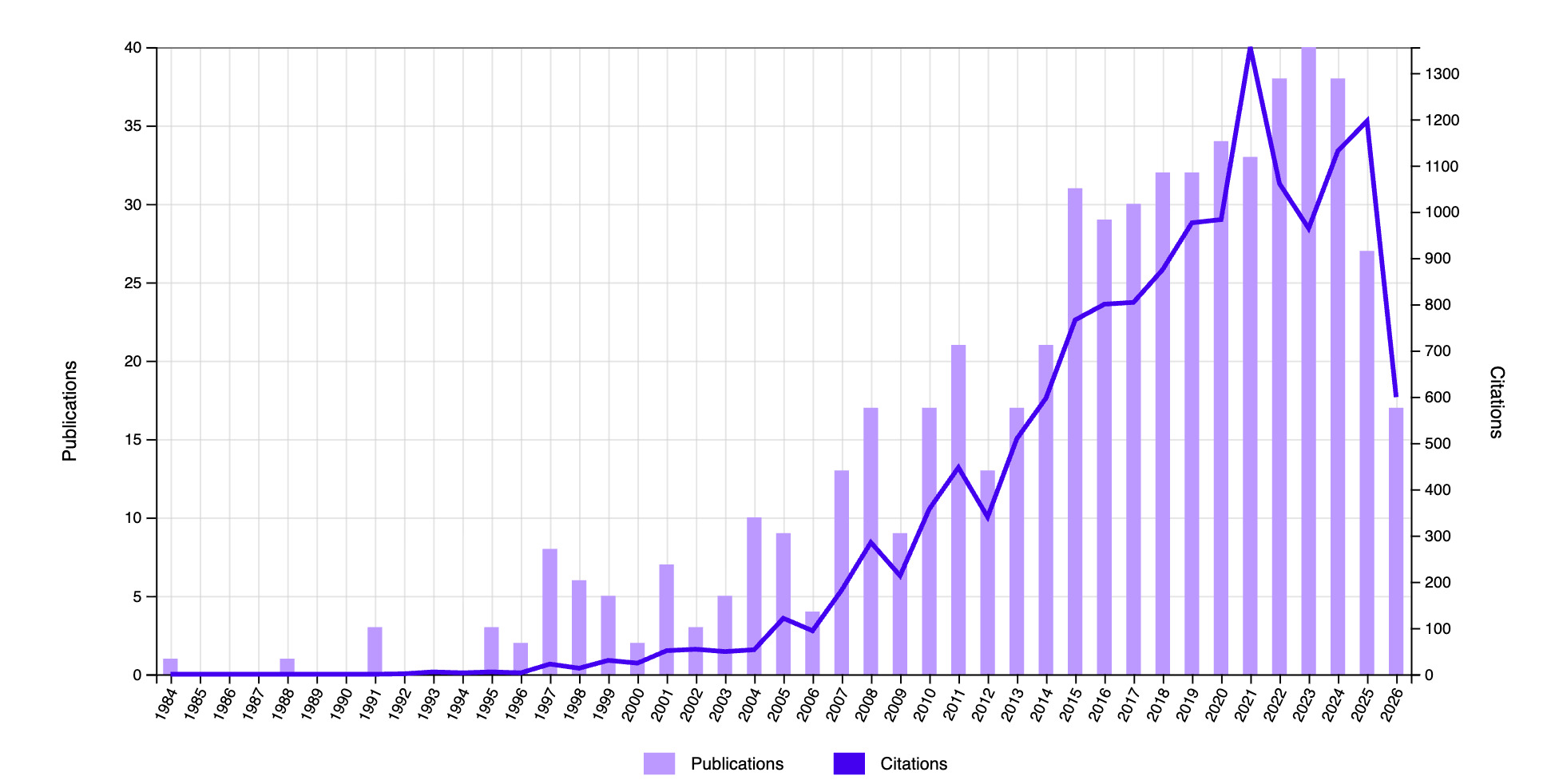
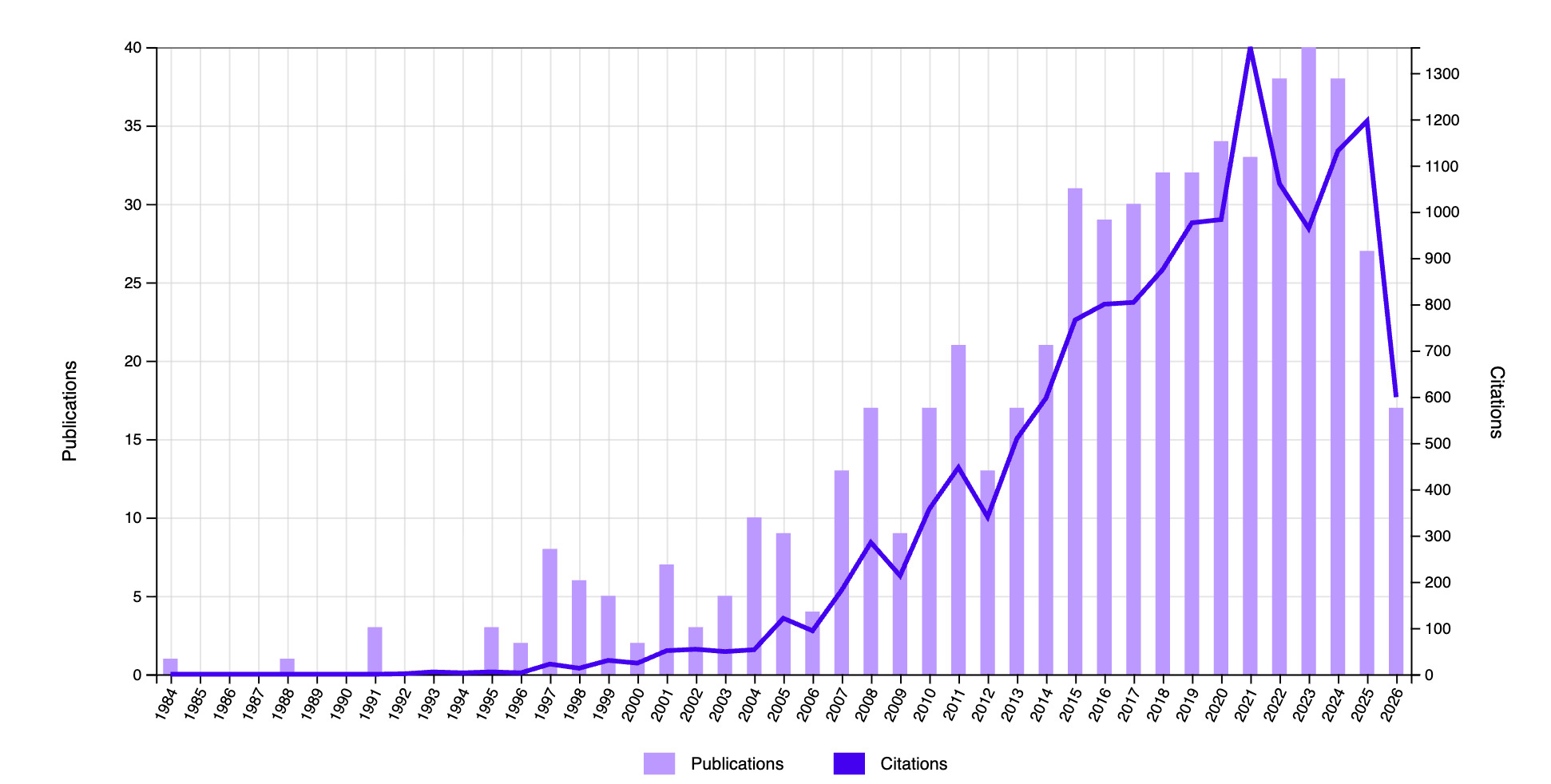
Figure 1 illustrates the annual publication and citation trends for osteitis pubis and athletic pubalgia research from 1984 to 2026. Publication output remained minimal through the 1980s and 1990s, rarely exceeding a handful of articles per year. A modest rise began in the early 2000s, followed by a sustained increase after 2007, with output climbing into the low-to-mid 20s annually by the early 2010s. The field reached its highest levels of productivity between 2020 and 2024, peaking near 38–40 publications per year, before tapering in 2025–2026 (a decline likely reflecting incomplete indexing for the most recent years). Citation accumulation followed a similar but lagged trajectory, rising sharply after 2015 and tracking closely with publication volume through the early 2020s, consistent with a maturing body of literature gaining sustained citation traction.
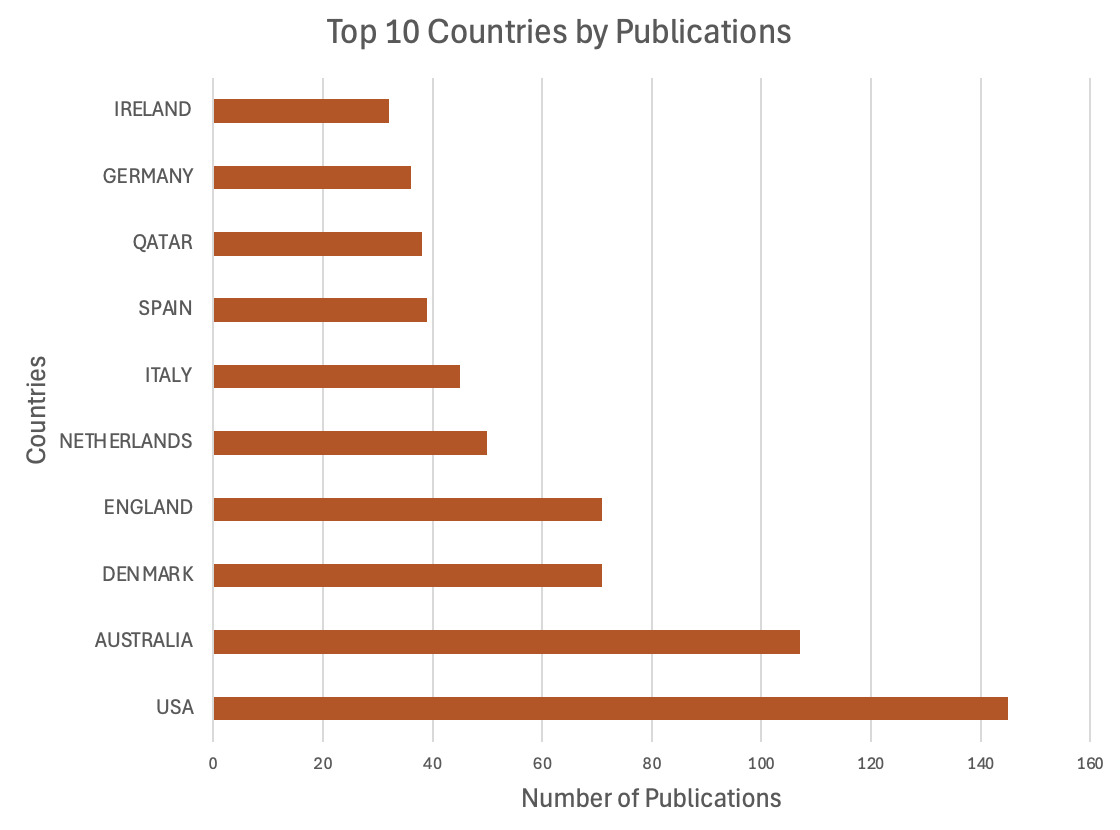
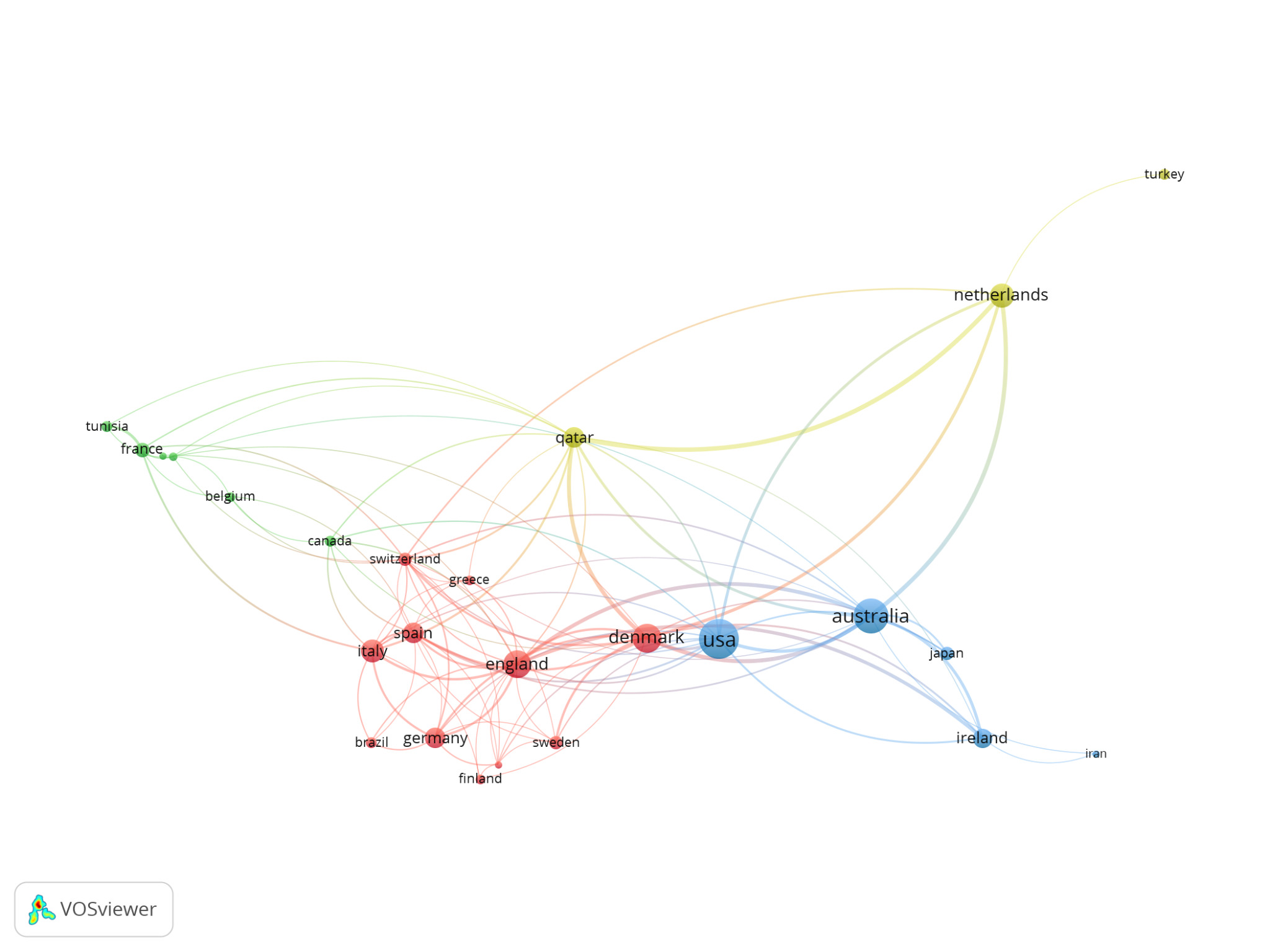
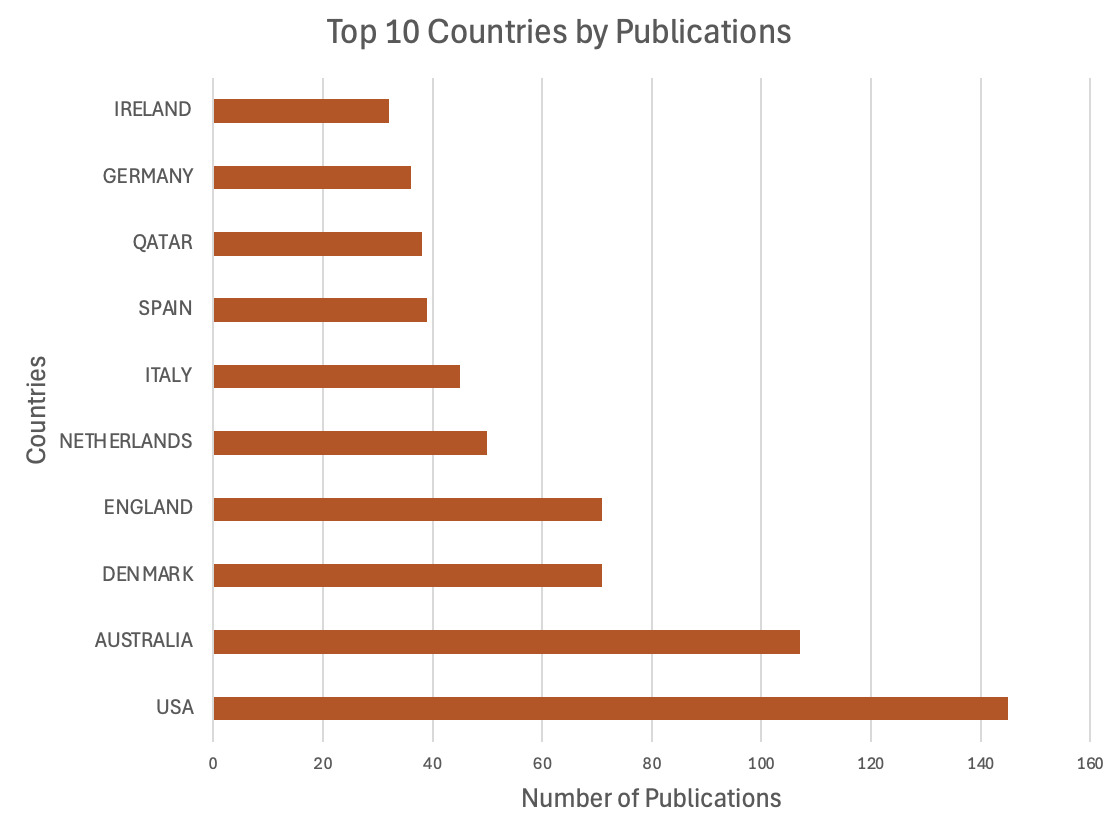
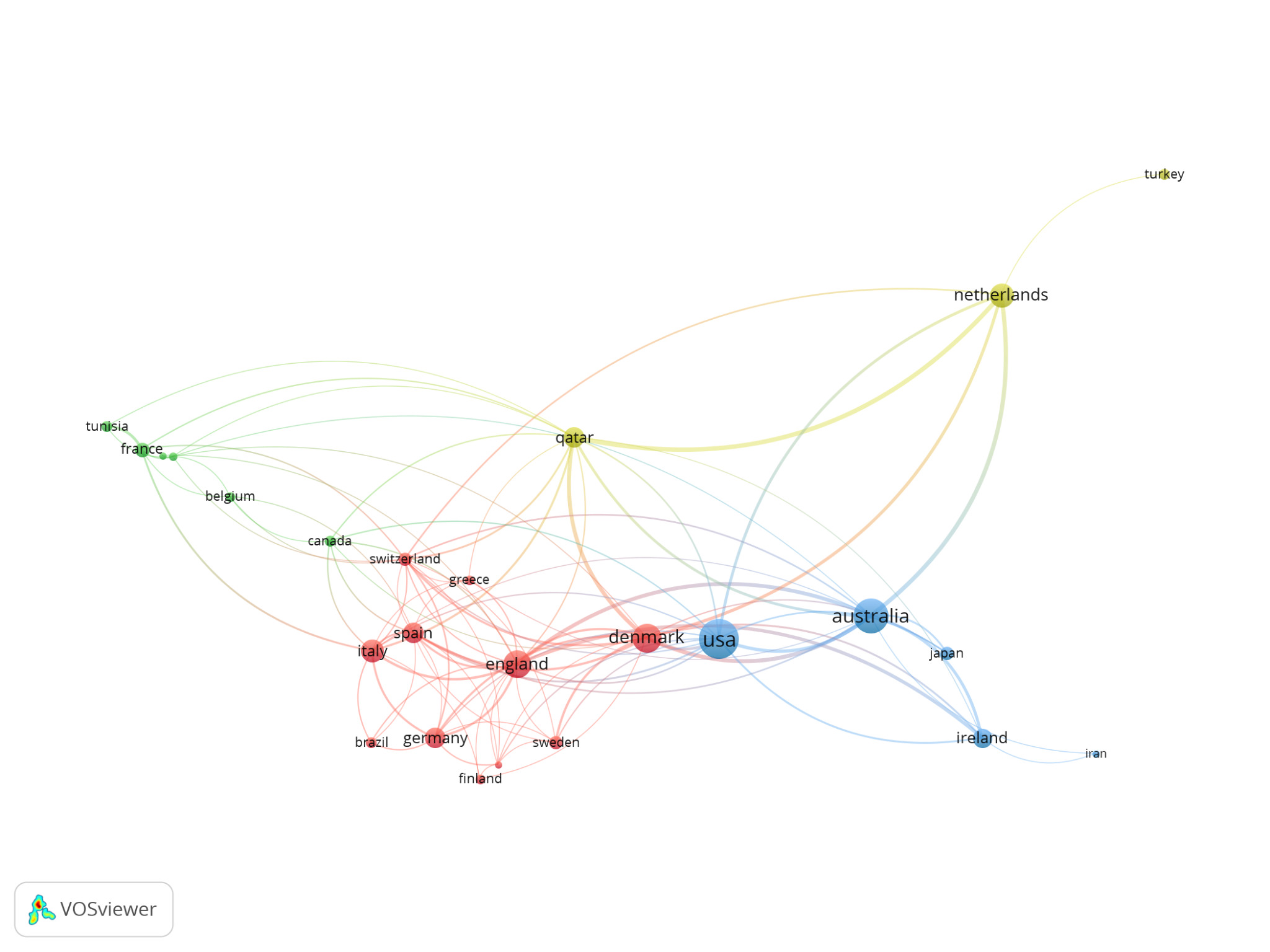
Figures 2 and 3 show that the United States led all countries with 142 publications, accumulating 4,210 total citations. Australia followed with 106 publications, despite a lower total citation count (3,689) but the highest total link strength (98) in the collaboration network, indicating it is the most internationally connected node. Denmark (71 publications, 3,384 citations, link strength 92) and England (70 publications, 1,833 citations, link strength 70) were also highly active and well-connected, followed by the Netherlands (50), Italy (45), Spain (39), Qatar (38), Germany (36), and Ireland (32) rounding out the top 10. Notably, Denmark’s citation total (3,384) far exceeds its publication count relative to most other countries, suggesting a smaller but disproportionately high-impact body of work, consistent with Denmark’s strong institutional presence in Figure 4.
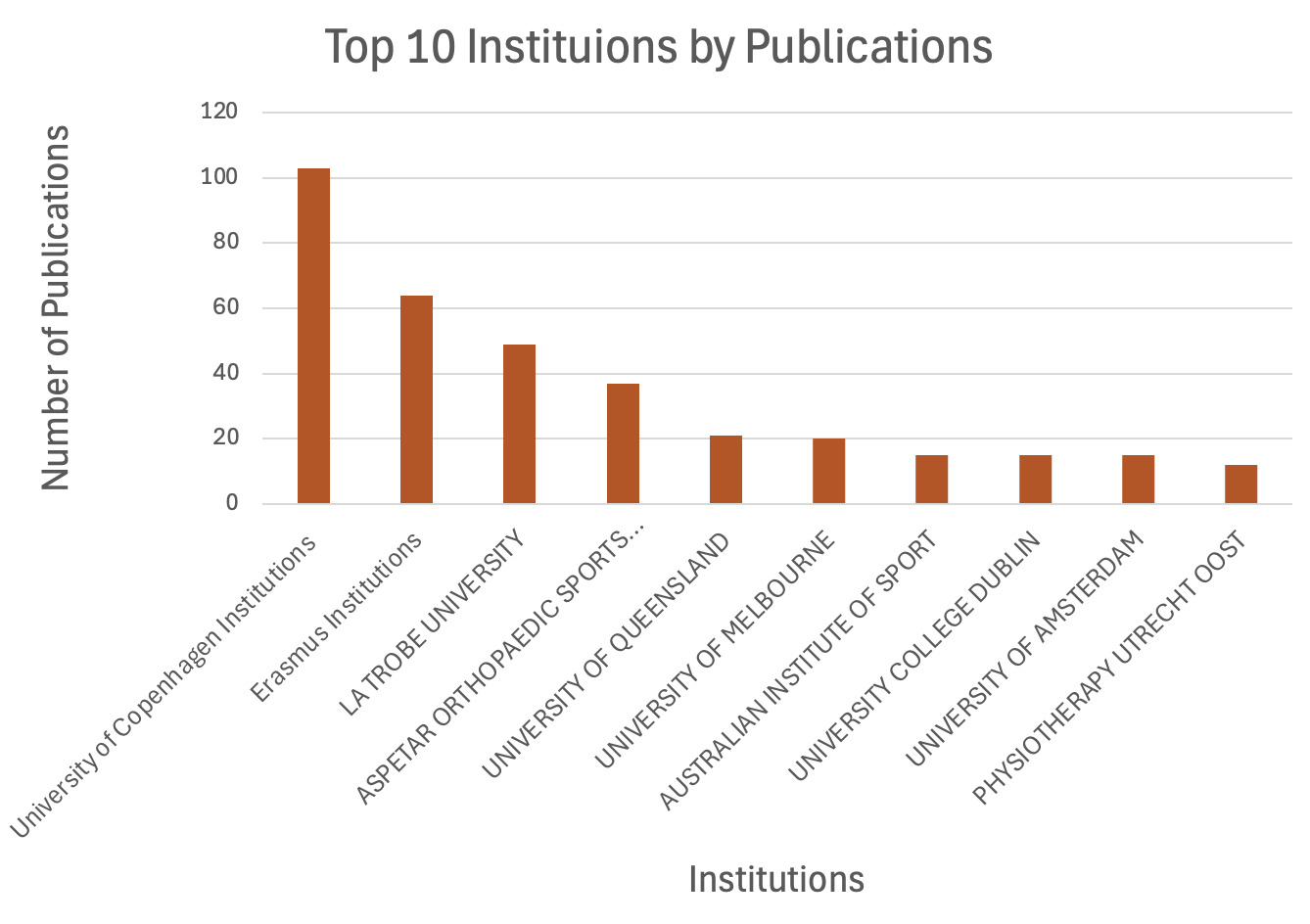
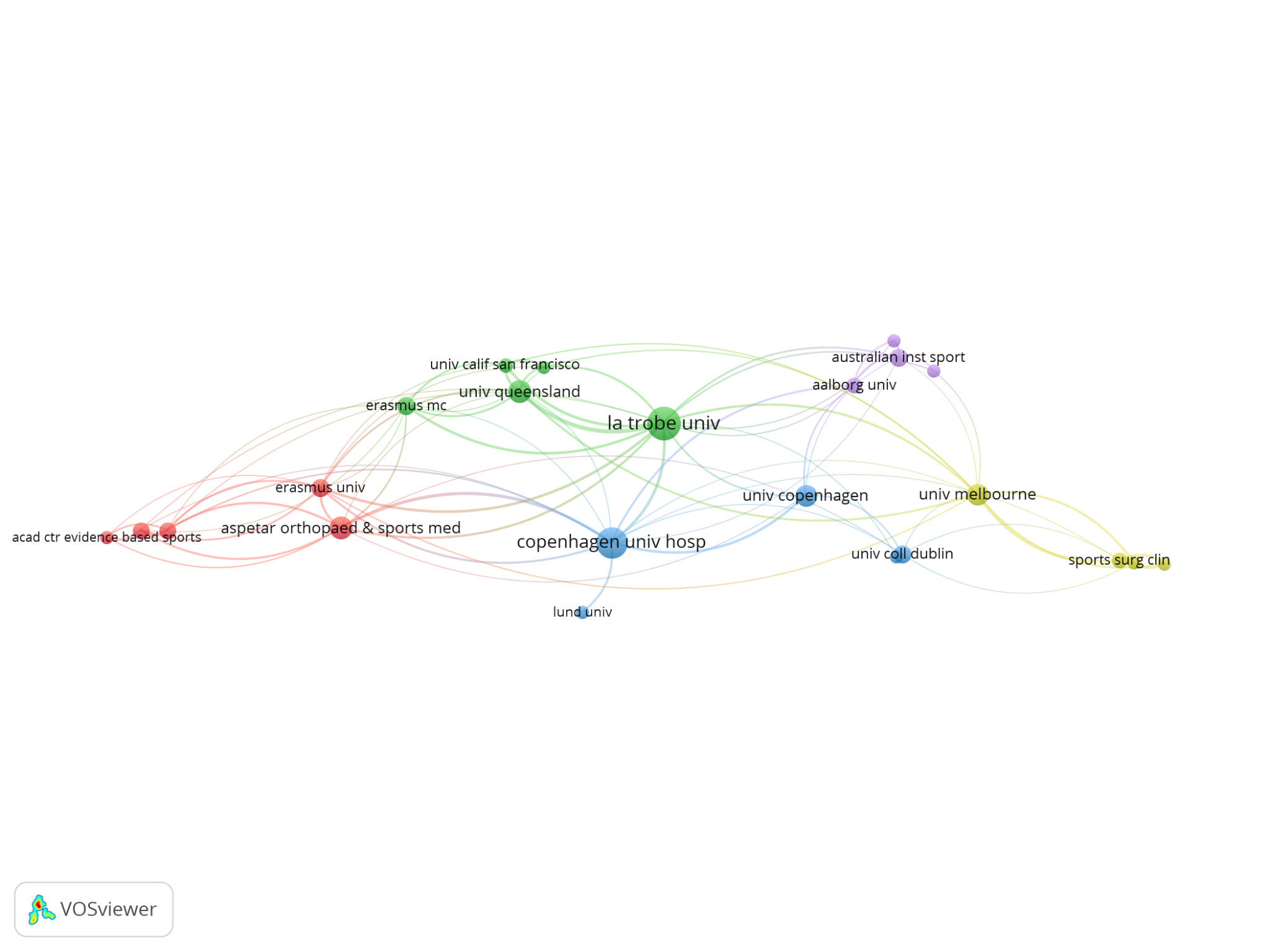
Figures 4 and 5 show institutional productivity. La Trobe University was the most productive institution with 48 publications and 1,057 citations. Copenhagen University Hospital followed closely with 41 publications but the highest citation count among all institutions (1,803), again reflecting a more citation-dense body of work. University of Queensland and Aspetar Orthopaedic and Sports Medicine Hospital were tied at 21 publications each, though Aspetar’s output drew substantially more citations (787 vs. 553). University of Melbourne (20 publications, 593 citations) and University of Copenhagen (19 publications, 1,386 citations) followed; University of Copenhagen’s high citation-to-publication ratio further reinforces Denmark’s outsized citation influence noted above. Erasmus MC and the Australian Institute of Sport were tied for seventh with 14 publications each, while Erasmus University (13) and University of Amsterdam (12) completed the top 10.
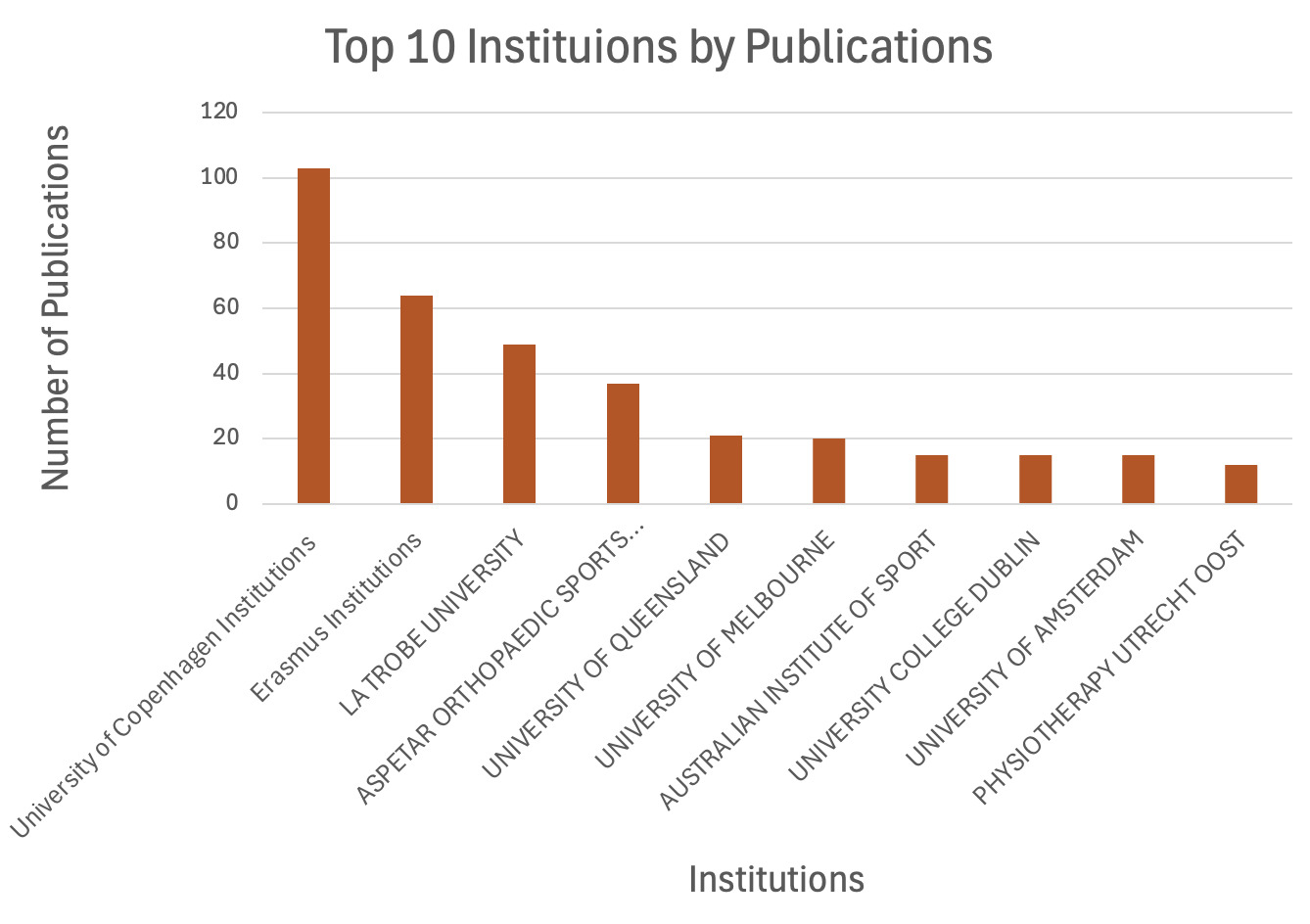
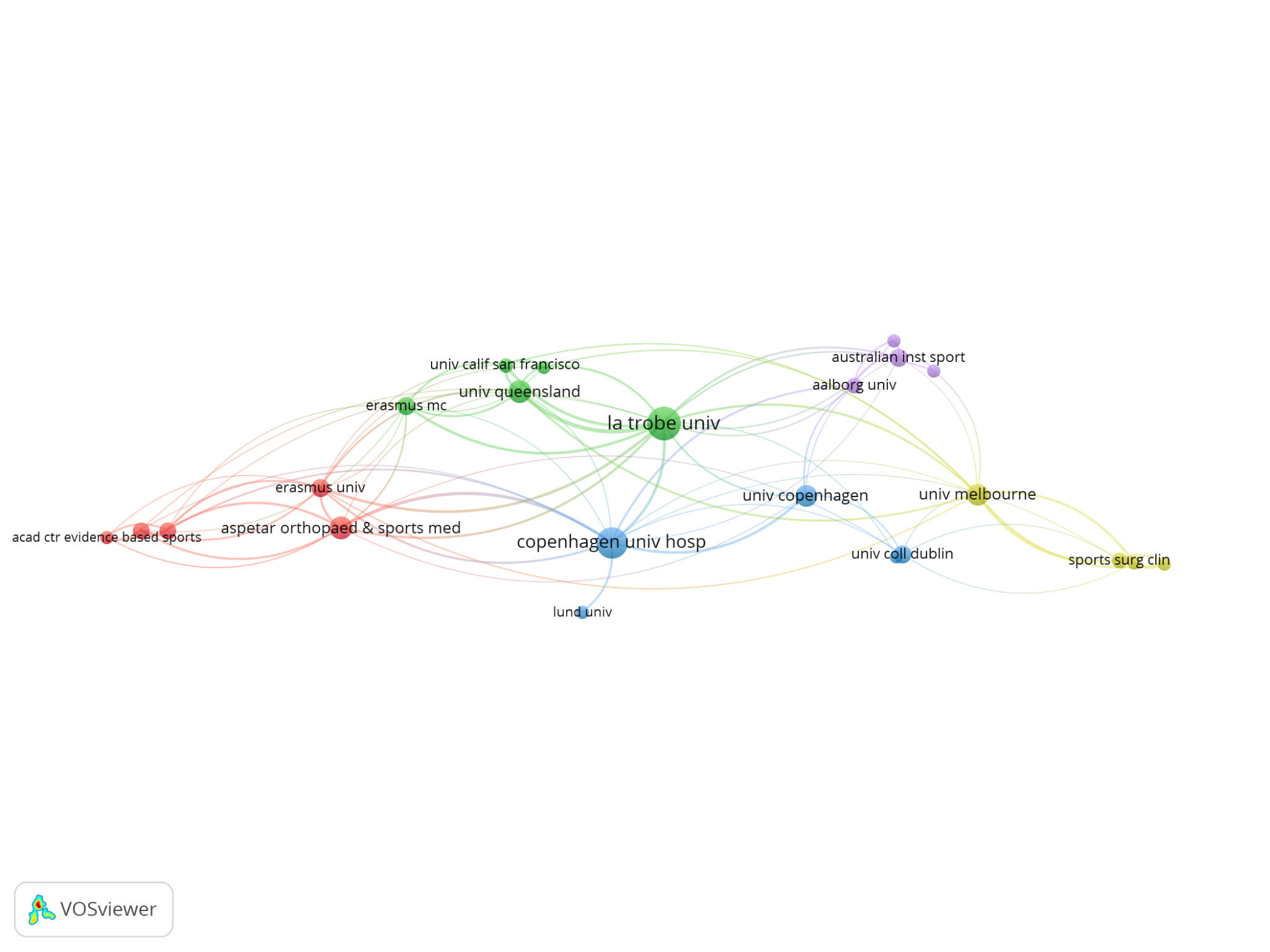
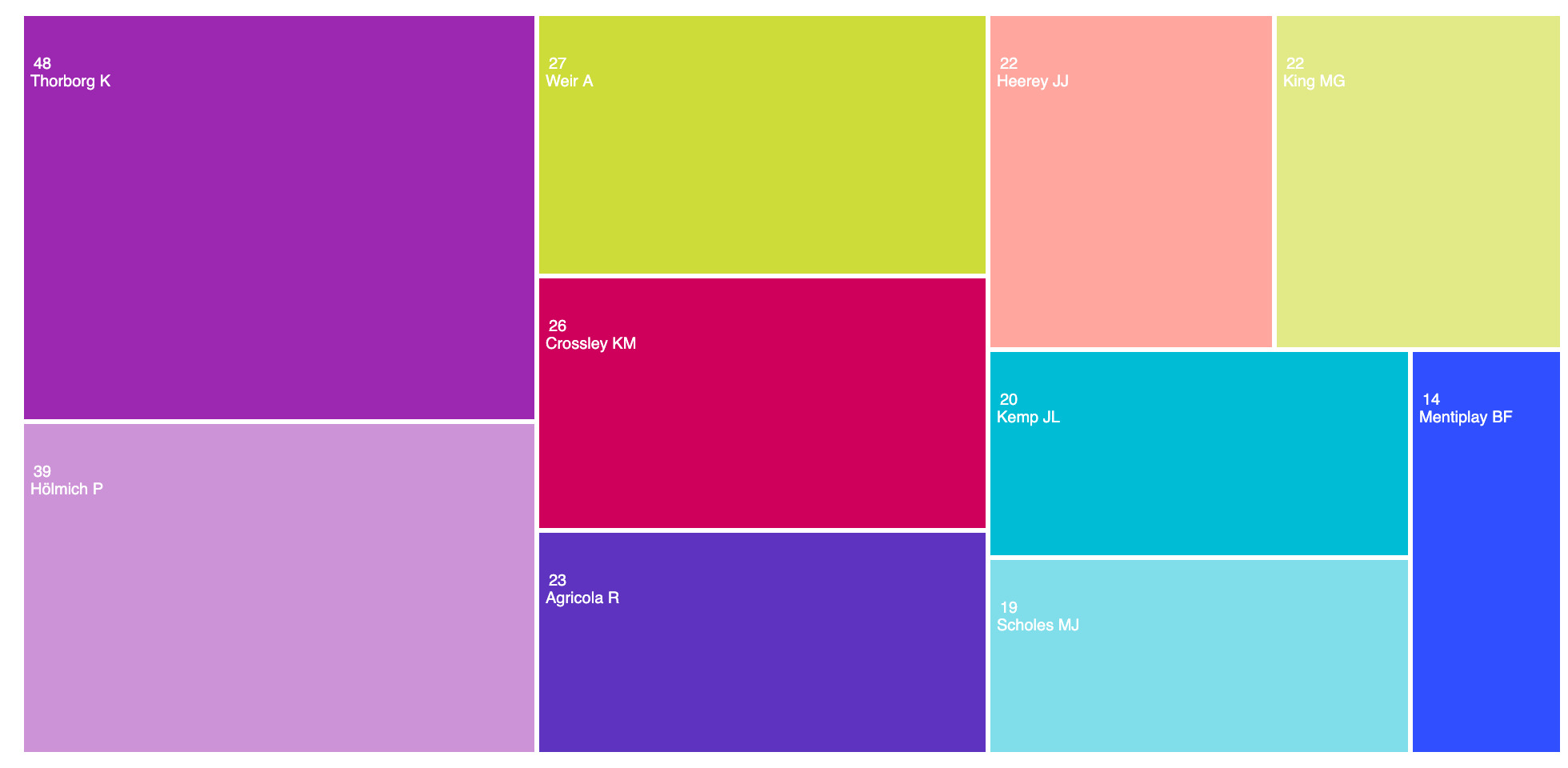
Figure 6 displays the top 10 authors by publication count. Thorborg K led with 48 publications, followed closely by Hölmich P (39), Weir A (27), and Crossley KM (26). Agricola R (23), Heerey JJ (22), and King MG (22) followed, with Kemp JL (20), Scholes MJ (19), and Mentiplay BF (14) rounding out the top 10. The concentration of output among a relatively small group of repeat collaborators, several of whom also appear among the most cited authors in Figure 8, suggests a tight-knit core of researchers shaping the field’s direction.
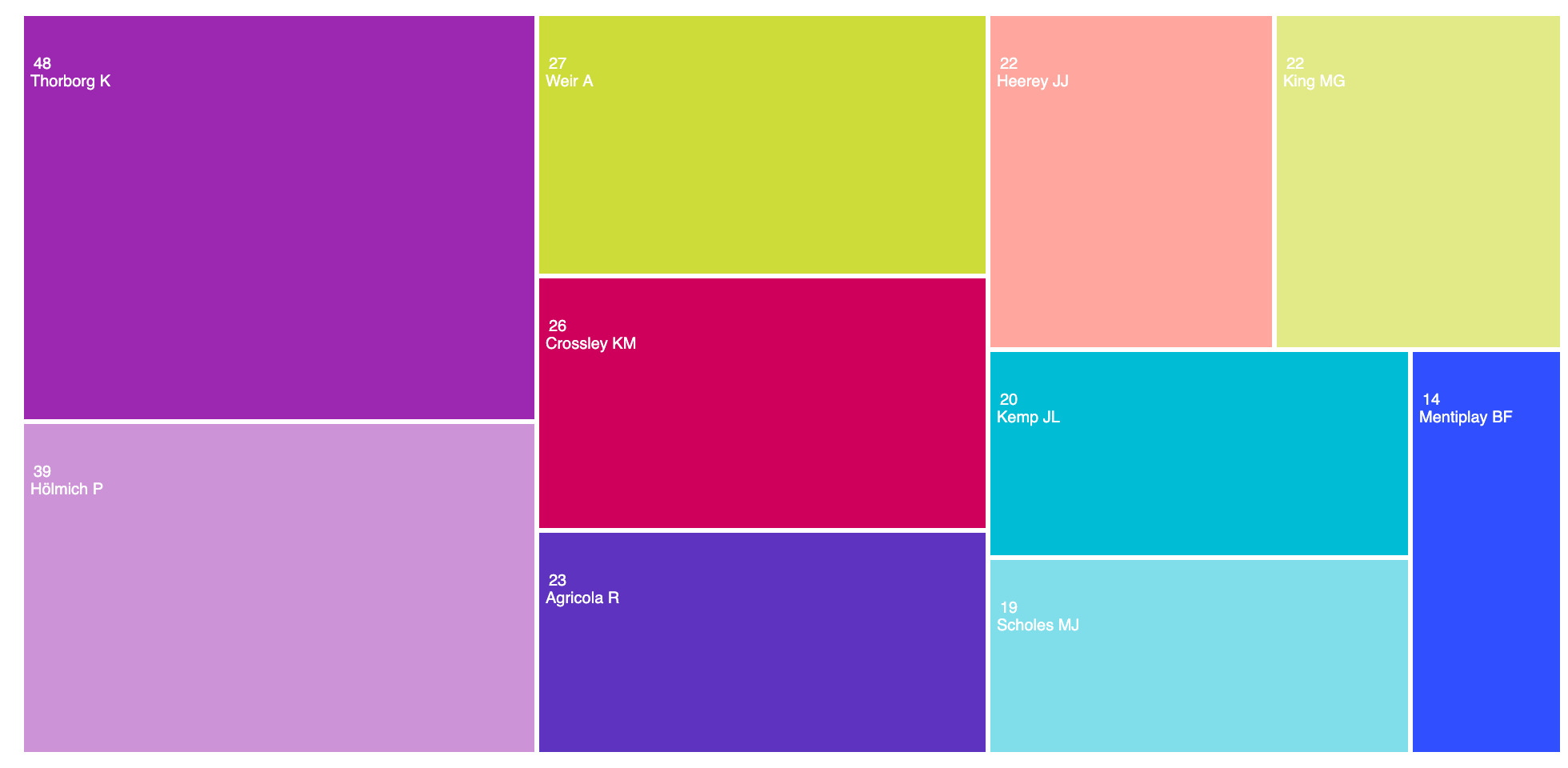
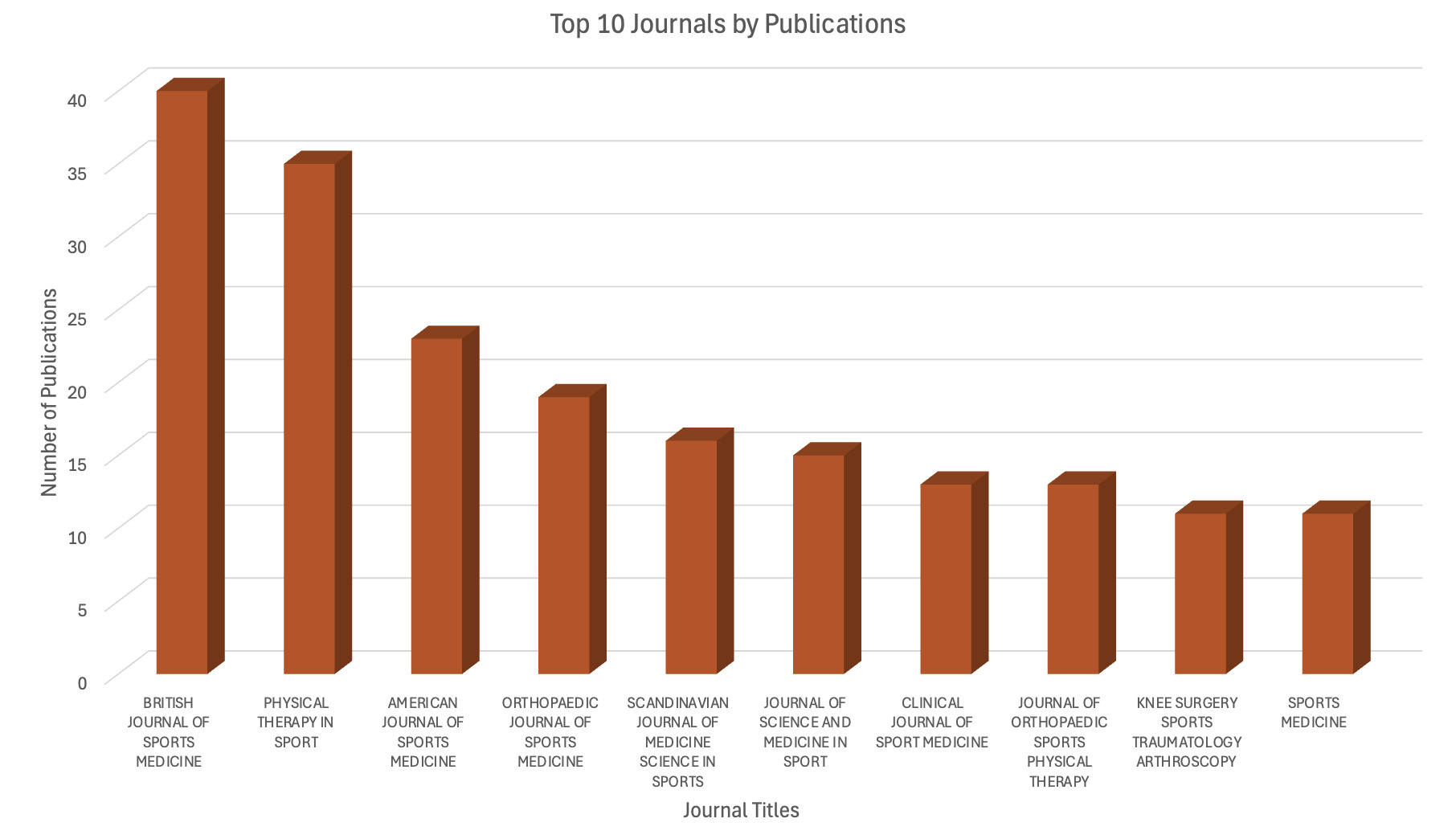
Figure 7 shows the leading journals publishing on this topic. The British Journal of Sports Medicine published the most articles (40), followed by Physical Therapy in Sport (35) and the American Journal of Sports Medicine (23). The Orthopaedic Journal of Sports Medicine (19), Scandinavian Journal of Medicine & Science in Sports (16), Journal of Science and Medicine in Sport (15), and Clinical Journal of Sport Medicine (13) followed, with the Journal of Orthopaedic & Sports Physical Therapy, Knee Surgery Sports Traumatology Arthroscopy, and Sports Medicine each contributing roughly 11–13 publications. This distribution indicates that the literature is concentrated within a small group of sports medicine-focused journals rather than dispersed broadly across general medical outlets.
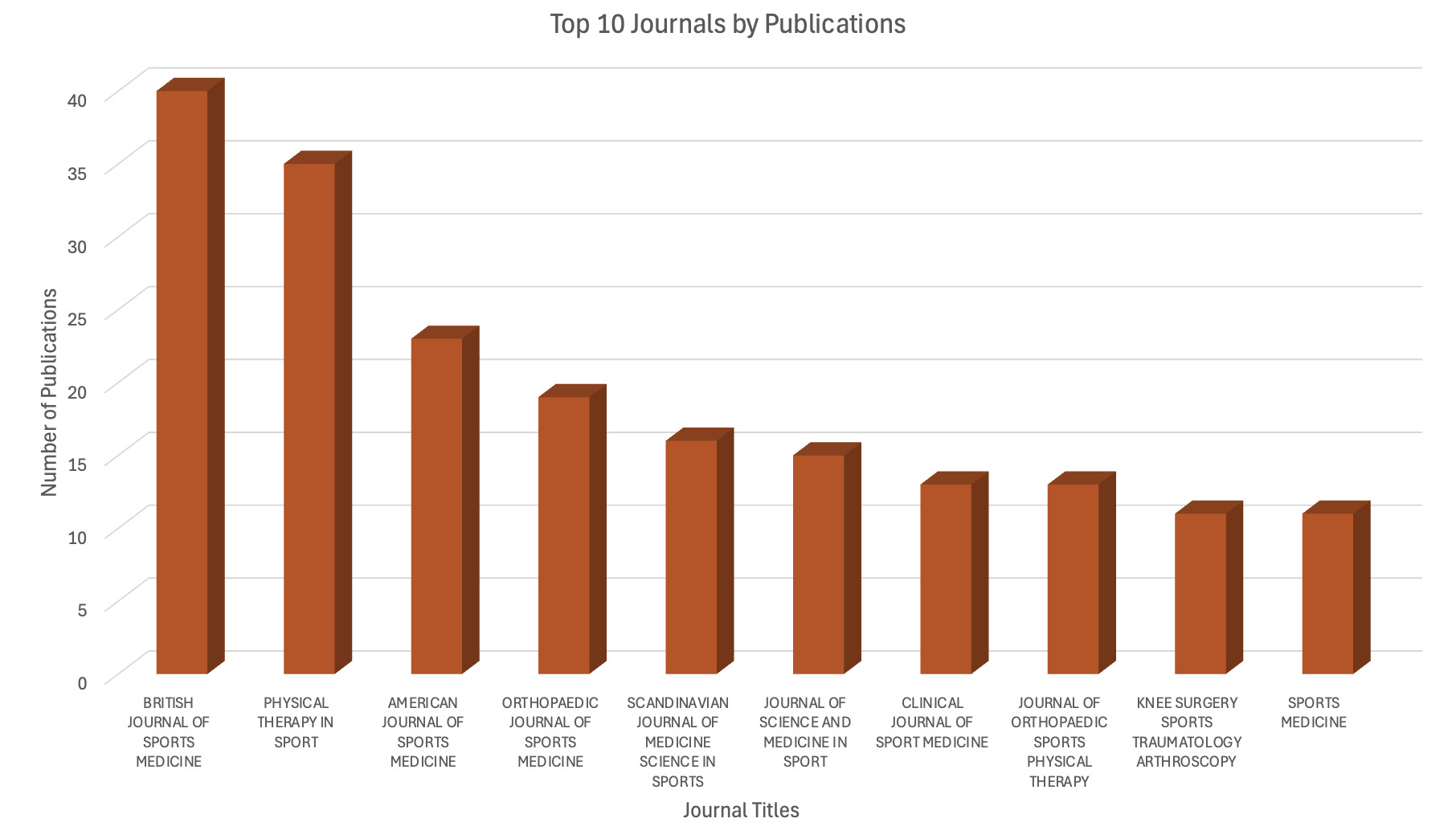
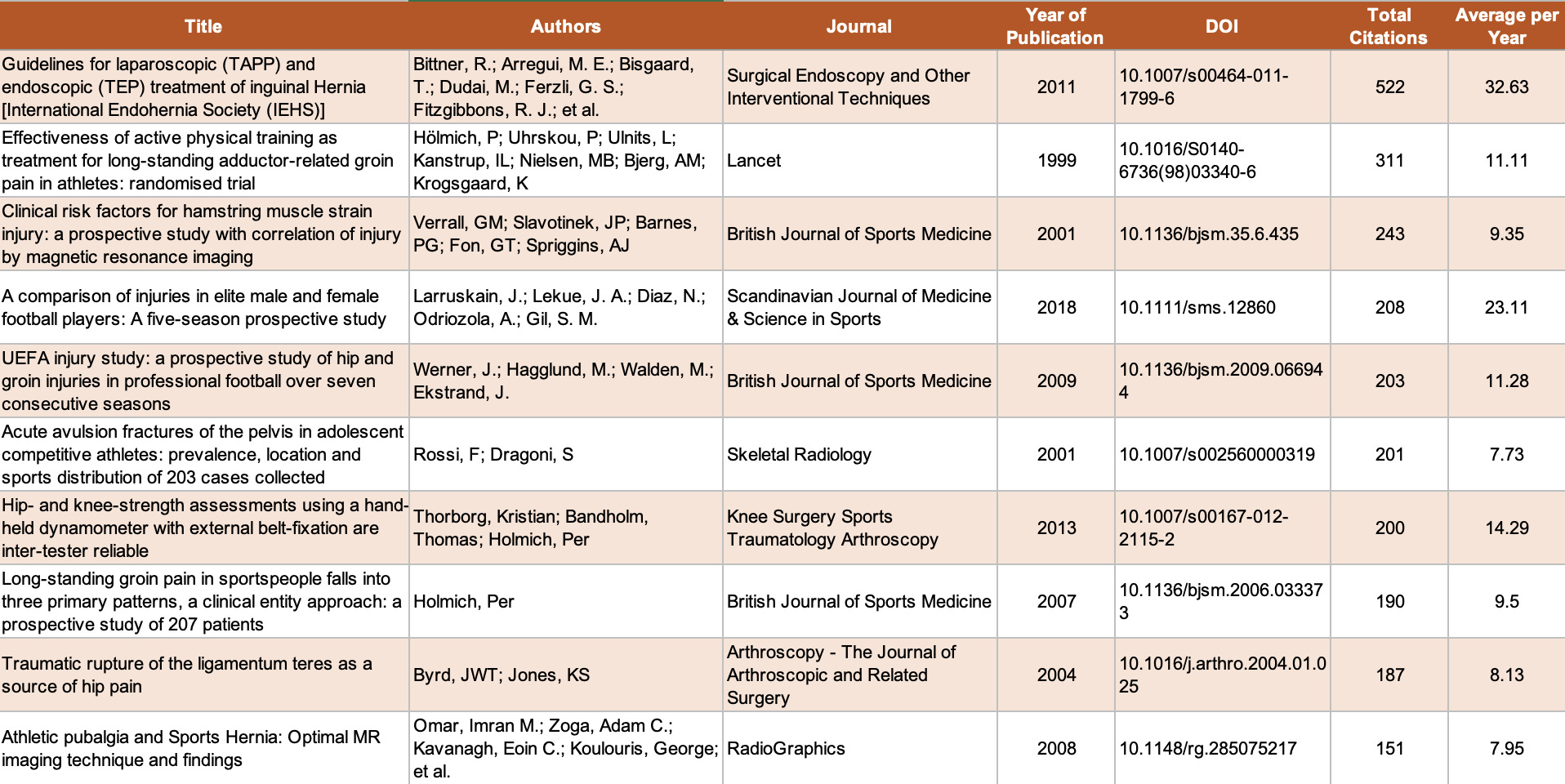
Table 1 summarizes the 10 most-cited publications in the field. The most-cited work was Bittner et al.'s 2011 guidelines on laparoscopic and endoscopic treatment of inguinal hernia, with 522 total citations (32.63 per year), followed by Hölmich et al.'s 1999 randomized trial on active physical training for adductor-related groin pain (311 citations) and Verrall et al.'s 2001 study on hamstring strain risk factors (243 citations). Notably, several of the most-cited papers, including those by Hölmich, Werner, and Verrall, were published between 1999 and 2009, predating much of the field’s recent publication surge, suggesting that foundational diagnostic and epidemiological work continues to anchor the literature’s citation structure even as annual output has shifted toward more recent contributions.
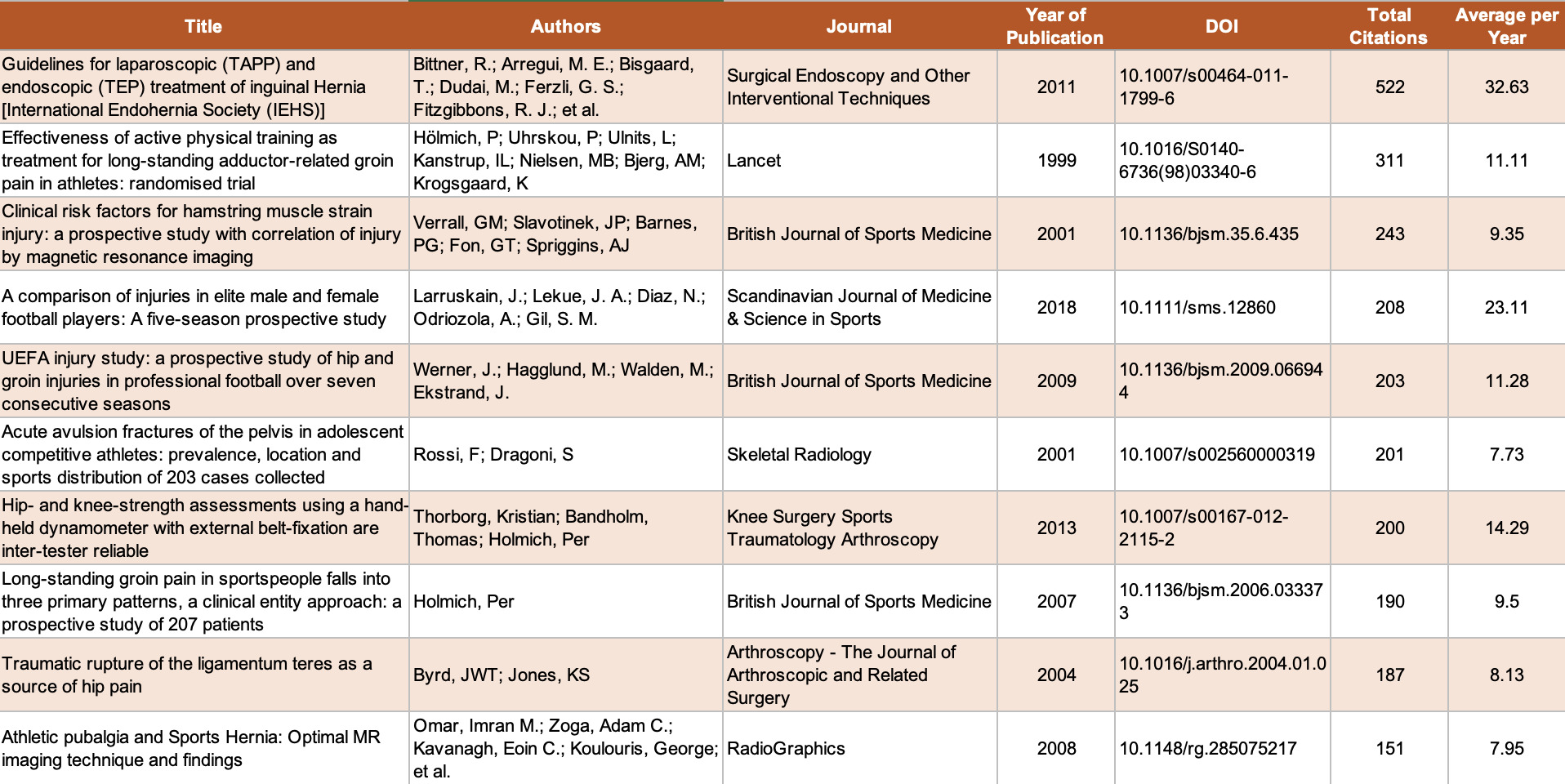
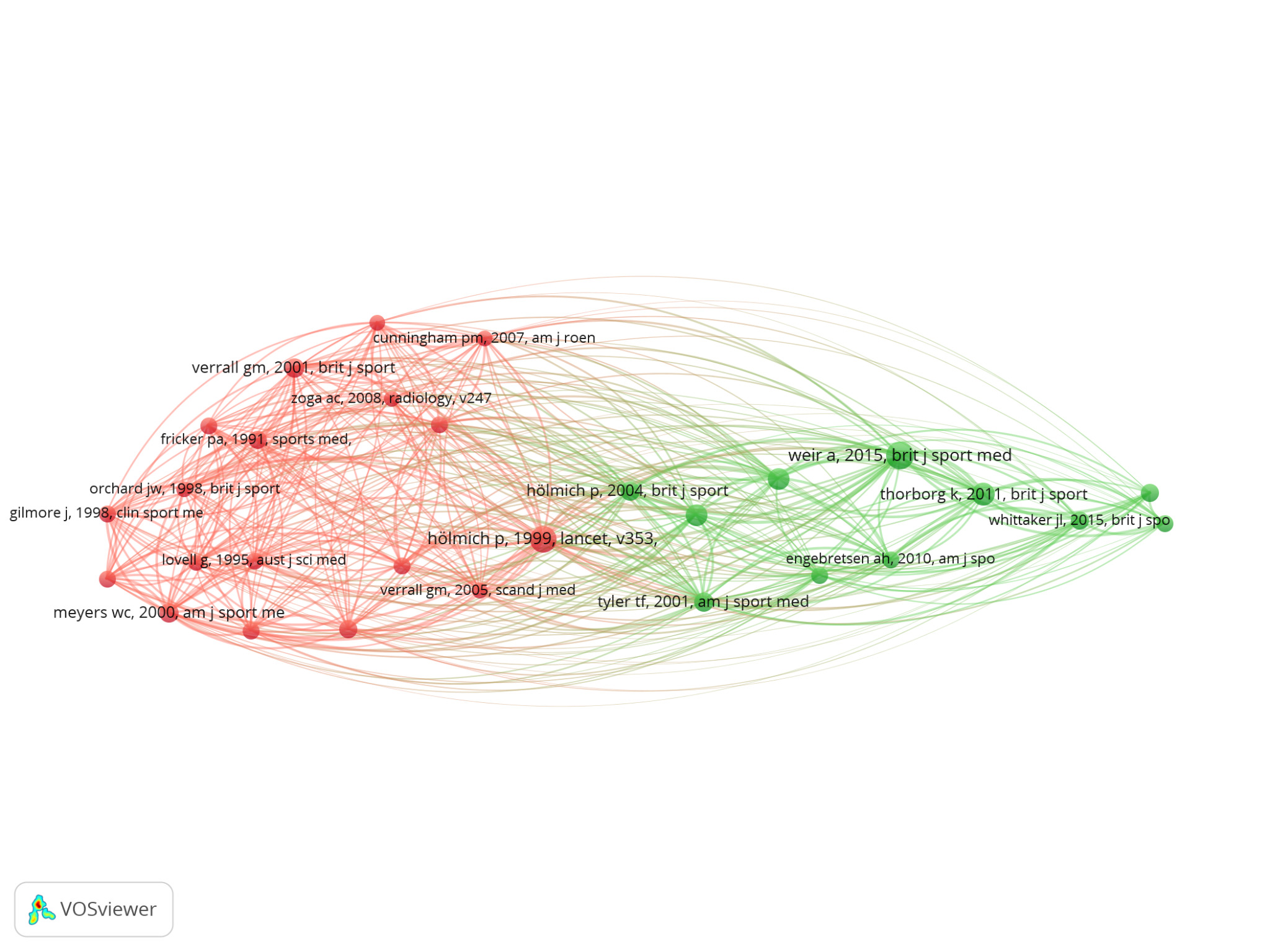
Figure 8 displays the co-citation network of the most influential references. Among references meeting the 50-citation threshold (29 total), Weir et al. (2015, British Journal of Sports Medicine) was the most-cited reference at 158 citations, followed by Hölmich et al. (1999, Lancet) at 146. Thorborg et al. (2011, British Journal of Sports Medicine) and Hölmich et al. (2007, British Journal of Sports Medicine) followed with 110 and 95 citations respectively, and Werner et al. (2009, British Journal of Sports Medicine) rounded out the top five with 90. The remainder of the top 10 (Meyers et al. (2000), Tyler et al. (2001), Verrall et al. (2001), Hölmich et al. (2004), and Fricker et al. (1991)) ranged from 66 to 77 citations. Notably, Hölmich appears three times among the top 10 most co-cited references, underscoring his outsized influence across both the earlier diagnostic literature and the more recent terminology/rehabilitation-focused work.
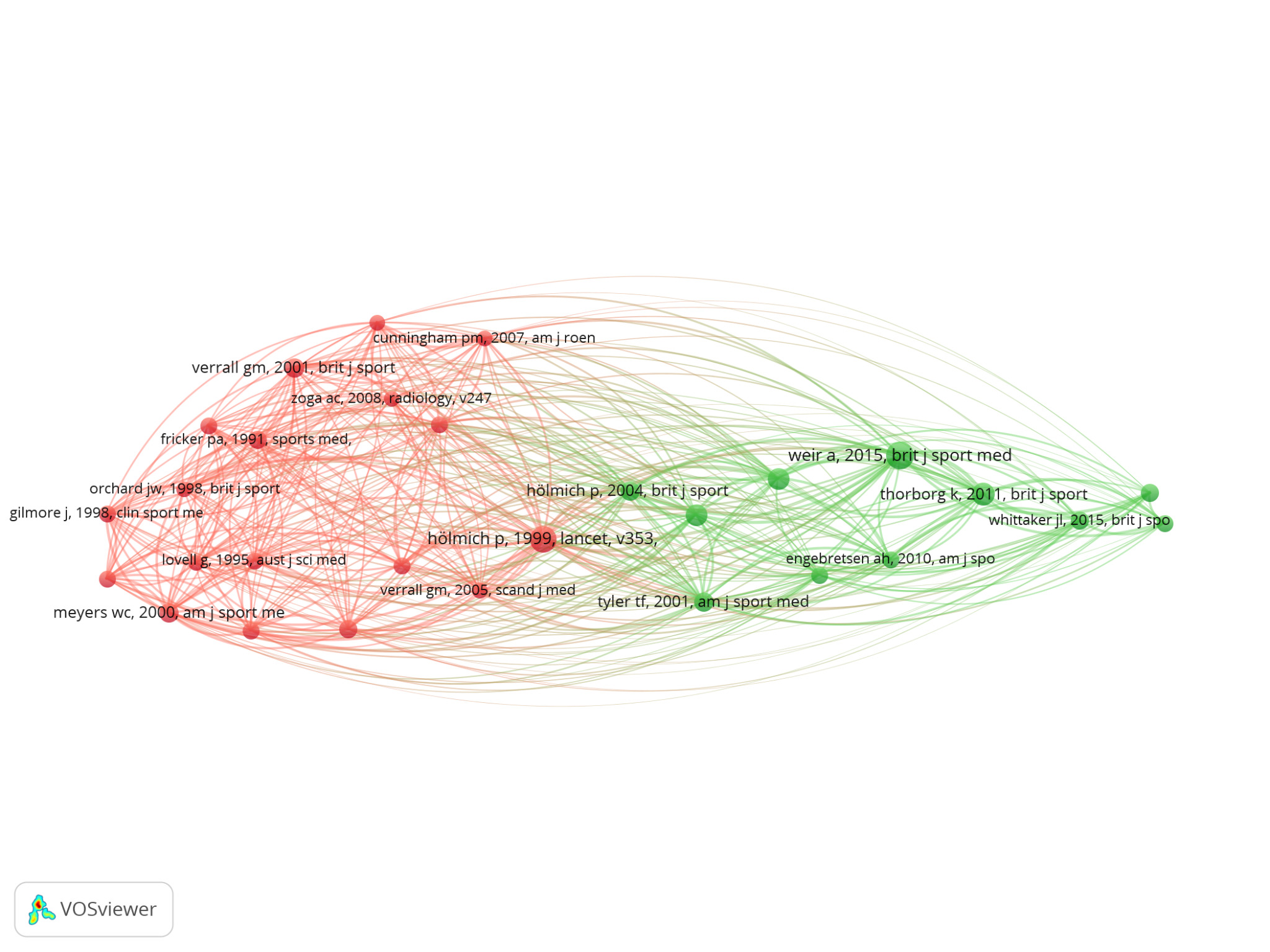
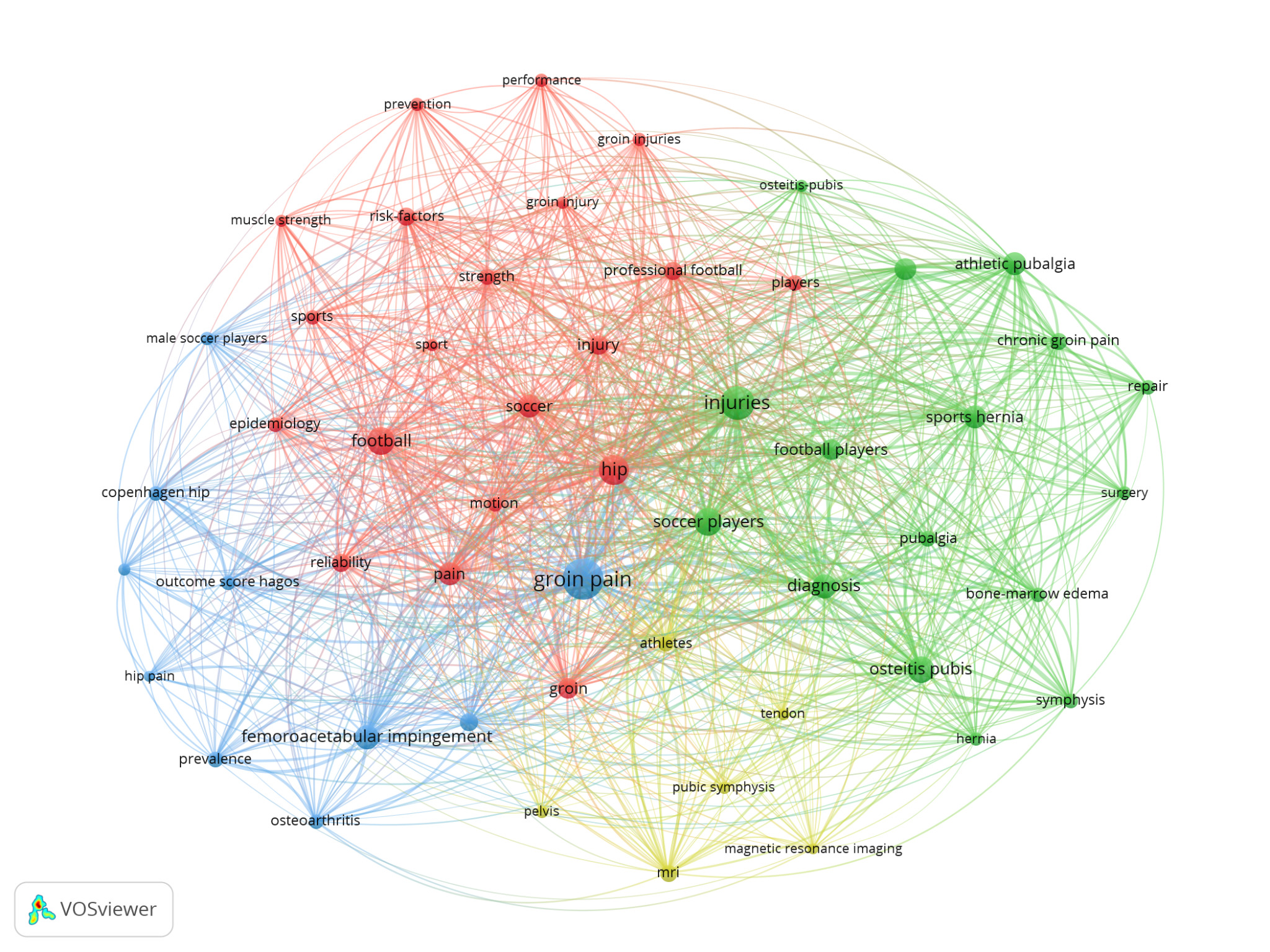
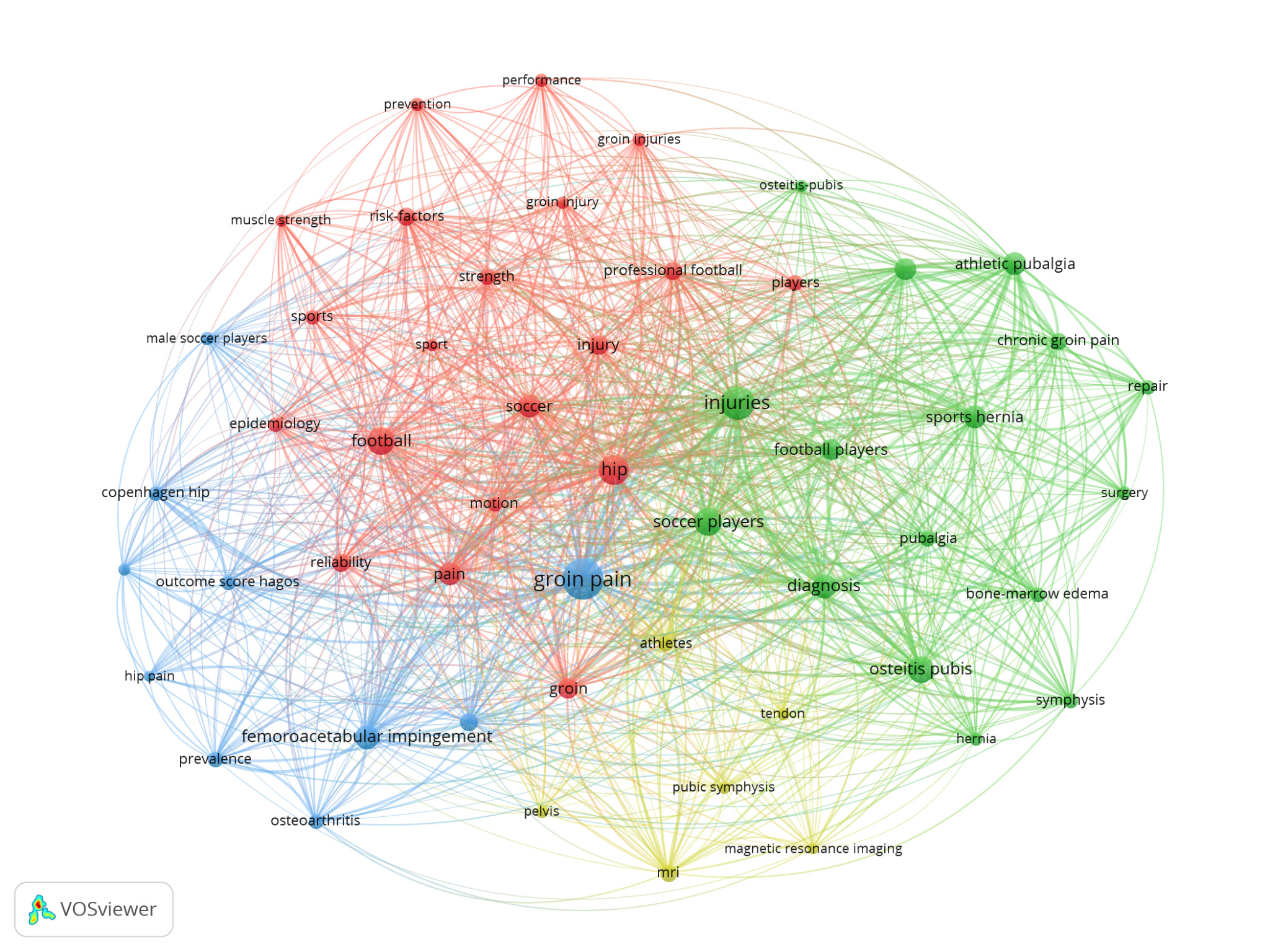
Figure 9 presents the keyword co-occurrence network. “Groin pain” (n = 236) was the most frequently occurring keyword, followed by “injuries” (161), “hip” (130), “football” (117), “soccer players” (110), “osteitis pubis” (99), and “diagnosis” (87). The network separates into distinct thematic clusters: a red cluster centered on risk factors, muscle strength, and professional football; a blue cluster linking hip pain, femoroacetabular impingement, and outcome scoring (HAGOS); a green cluster connecting athletic pubalgia, sports hernia, chronic groin pain, and surgical repair; and a yellow cluster focused on diagnostic imaging, including MRI and pubic symphysis. This thematic separation suggests the field has diversified beyond a single unified definition of groin pain into distinguishable diagnostic and management subdomains.
Discussion
This bibliometric analysis delivers an extensive overview of the scientific literature on osteitis pubis and athletic pubalgia in soccer players from 1984 to 2026. A total of 577 publications were identified, highlighting marked growth in research activity over the specific study period. Although publication output was low during the 1980s and 1990s, it increased at the beginning of the 2000s, with the highest level of publications occurring between 2020 and 2024. This marked growth most likely signifies increased awareness of groin injuries as a major source of play-time reduction among soccer players, as well as a wider expansion of sports medicine aimed at reducing injury burden.13 As soccer continues to grow internationally, the need for key evidence-based approaches to injury prevention, diagnosis, and treatment is increasing, eventually contributing to the expansion of the literature in this field.
The increase in research productivity is most likely hand in hand with advances in diagnostic imaging, specifically the widespread use of magnetic resonance imaging (MRI) in sports medicine. Several of the most highly cited studies identified in the analysis concentrated on MRI findings and imaging correlations (Table 1). The significantly refined imaging capabilities have opened the door for researchers to better differentiate osteitis pubis from athletic pubalgia and other causes of groin pain, thereby contributing to a more thorough analysis of these hotspot conditions.14 This influence is shown in the list of highly cited publications, including many studies examining MRI findings and treatment techniques for athletic pubalgia and osteitis pubis. In addition, influential co-cited references such as Weir, Hölmich, Thorborg, and Werner demonstrate the role that imaging, terminology standardization, and rehabilitation findings have played in understanding chronic groin pain (Figure 8).
The current analysis also showed that research productivity is highly concentrated within a relatively small number of countries and institutions, though citation impact does not always track publication volume in a straightforward way. The United States led all countries in publication output with 142 publications, followed by Australia (106), Denmark (71), and England (70). However, Denmark accumulated 3,384 total citations from substantially fewer publications than the United States (4,210 citations from 142 publications), and Australia recorded the highest total link strength (98) in the country collaboration network despite ranking second in raw output. This pattern suggests that influence in this field is not purely a function of publication volume; smaller, more tightly collaborative research communities, particularly those centered in Denmark and Australia, appear to be punching above their weight in both citation impact and international connectivity (Figures 2–3).
This same pattern recurs at the institutional level. La Trobe University led all institutions in publication count (48 publications, 1,057 citations), but Copenhagen University Hospital, despite seven fewer publications (41), drew substantially more citations overall (1,803), and the University of Copenhagen generated 1,386 citations from only 19 publications. Together with Aspetar Orthopaedic and Sports Medicine Hospital, which out-cited the more prolific University of Queensland despite an identical publication count (787 vs. 553 citations from 21 publications each). These findings indicate that a small cluster of Danish and Australian-affiliated institutions, rather than sheer publication volume, has disproportionately shaped the field’s citation landscape (Figures 4–5). This is most likely explained by these institutions’ specialized musculoskeletal and sports medicine research teams, several of whose affiliated authors (notably Hölmich, Thorborg, and Weir) also appear repeatedly among both the most prolific authors (Figure 6) and the most co-cited references (Figure 8), suggesting that a relatively concentrated group of researchers and their home institutions have exerted outsized influence over the field’s intellectual direction.
The keyword analysis provided more insight into how research on chronic groin pain has evolved over time. Earlier publications were focused primarily on defining and treating groin pain broadly, with frequently recurring terms such as “groin pain,” “osteitis pubis,” “diagnosis,” and “hip” reflecting the historical difficulty of distinguishing among the many causes of chronic groin pain in athletes (Figure 9). The clustering of keywords into distinguishable thematic groups, diagnostic imaging and pubic symphysis on one hand; and sports hernia, athletic pubalgia, and surgical repair on the other, indicates that the field has matured beyond a single unified definition of groin pain into more clinically distinct diagnostic and management subdomains. The continued prominence of terms such as “risk factors” and “professional football” further suggests a growing emphasis on prevention and population-specific application, rather than diagnosis alone.
The co-citation network offered a deeper insight into the development of the field. Two major groups of highly impactful publications were identified (Figure 8). The most heavily co-cited reference, Weir et al. (2015), together with Thorborg et al. (2011) and the repeated appearance of Hölmich across three separate publications (1999, 2004, 2007), point to a tightly interconnected core of work spanning terminology standardization, rehabilitation, and long-term clinical management. A second, slightly less central group, including Werner (2009), Meyers (2000), Tyler (2001), Verrall (2001), and Fricker (1991), reflects earlier foundational work on epidemiology, risk factors, and diagnostic classification. The continued high citation strength of these older references alongside more recent rehabilitation-focused work suggests that the field’s current direction builds incrementally on a relatively small set of landmark studies rather than representing a sharp thematic break from earlier literature.
The results illustrate that subsequent research will most likely place a greater emphasis on chronic groin pain prevention and better outcomes related to playtime and performance.15 Increasing attention to chronic groin pain is being directed toward biomechanical risk factors, rehabilitation, and return-to-play outcomes. With faster-emerging technologies, including wearable technology and advanced motion-analysis systems, new opportunities are created to identify risks and early-stage signs of chronic groin pain. As soccer becomes more global at both professional, elite, and recreational levels, future studies will most probably focus on more accessible and broadly generalizable treatment approaches for athletes facing groin pain.15 Given the institutional and national concentration observed in this analysis, expanding research participation beyond the current core of Danish, Australian, and American institutions may also help ensure that emerging findings and management strategies generalize more effectively across the broader, increasingly global population of soccer players.
Several limitations should be noted. First, this study primarily used a single database, which may not have included relevant publications indexed elsewhere. Second, bibliometric findings depend on the search strategy, and changes in terminology over time may have affected the results. Additionally, citation indicators do not always reflect study quality and may be influenced by publication age and citation habits; this is reflected in the present analysis, where institutions and countries with fewer publications (e.g., Denmark, Copenhagen University Hospital) nonetheless achieved disproportionately high citation totals, likely owing to the age and continued relevance of their foundational work. Recent studies may also be underrepresented in citation counts due to limited time to accumulate citations. The analysis is exclusively focused on soccer-related research, with limited generalizability to other sports. Also, the inclusion of broader terms such as “groin pain” may have captured literature addressing overlapping pathologies beyond osteitis pubis and athletic pubalgia. Finally, bibliometric methods assess publication and citation trends rather than the quality or effectiveness of individual studies; therefore, the findings describe the field’s overall evolution but do not necessarily assess the strength of evidence for specific diagnostic or treatment approaches to chronic groin pain.
Conclusion
This bibliometric analysis provides a comprehensive overview of the scientific literature on osteitis pubis and athletic pubalgia among soccer players, drawing on 577 publications indexed in the Web of Science from 1984 to 2026. Research activity has grown substantially over the study period, accelerating after the early 2000s and peaking between 2020 and 2024, a trajectory closely tied to advances in diagnostic imaging and a wider recognition of chronic groin pain as a major source of time lost from play. Although the United States produced the highest publication volume, citation impact was disproportionately concentrated in Denmark and Australia, whose institutions and authors, most notably Hölmich, Thorborg, and Weir, have shaped the field’s intellectual core despite contributing comparatively fewer publications. This divergence between publication volume and citation influence indicates that the field’s foundational knowledge base rests on a small, tightly connected group of research teams rather than on broad, evenly distributed productivity.
The evolution of keyword and co-citation patterns further reflects a field in transition: earlier work centered on disease definition and diagnostic classification has progressively given way to research on rehabilitation, risk factors, and return-to-play outcomes, signaling a shift from establishing what these conditions are toward determining how athletes recover from them most effectively. Yet this progress remains concentrated within a narrow set of countries and institutions, raising the same generalizability concern identified in comparable bibliometric work on emerging medical fields: findings and management strategies developed within a handful of specialized centers may not transfer cleanly to the broader, increasingly global population of soccer players at recreational and developing levels.
Future research should prioritize closing this gap, expanding institutional and geographic participation beyond the current core of Danish, Australian, and American research groups, while advancing biomechanical risk-factor identification and the integration of emerging technologies such as wearable sensors and motion-analysis systems into prevention strategies. As the field continues to mature, sustained cross-institutional collaboration will be essential not only to refine diagnosis and treatment, but to ensure that evidence-based management of osteitis pubis and athletic pubalgia is accessible to soccer players regardless of where they train or compete.