
1. Introduction
Knee osteoarthritis (KOA) is one of the leading causes of chronic musculoskeletal pain and disability worldwide, and its burden continues to increase with population ageing and the growing prevalence of obesity.1 Estimates from the Global Burden of Disease study indicate that hip and knee osteoarthritis rank among the fastest-growing causes of years lived with disability, reflecting both demographic shifts and the increasing contribution of metabolic risk factors.2 Obesity contributes to the development and progression of KOA through a combination of excessive mechanical loading and chronic low-grade inflammation, accelerating cartilage degeneration and functional decline.3 Beyond pain, KOA substantially limits mobility, impairs activities of daily living, reduces quality of life, and places a considerable burden on healthcare systems. Because disease-modifying pharmacological therapies remain unavailable and total knee arthroplasty is generally reserved for advanced disease, conservative management remains a cornerstone of first-line treatment and is consistently recommended by contemporary international clinical practice guidelines.4
Quadriceps muscle weakness is a characteristic feature of KOA and is strongly associated with pain severity, functional limitation, and structural disease progression.5 This weakness is not solely the result of muscle atrophy. Persistent nociceptive input arising from the affected joint produces arthrogenic muscle inhibition (AMI), a reflex-mediated reduction in voluntary quadriceps activation that limits force generation even when muscle mass is relatively preserved.6 Consequently, patients frequently develop impaired neuromuscular control, reduced physical performance, and a progressive cycle of pain, inactivity, and further muscle weakness. Because AMI can reduce the effectiveness of voluntary strengthening exercises, therapeutic strategies that improve muscle activation despite impaired voluntary drive are of clinical interest.
Neuromuscular electrical stimulation (NMES) produces involuntary muscle contraction through transcutaneous electrical activation of motor nerves and may partially overcome deficits in voluntary muscle activation associated with AMI.7 Unlike voluntary exercise, NMES activates motor units through externally applied electrical stimulation, providing an alternative mechanism for strengthening weakened musculature. Experimental and clinical evidence has demonstrated that NMES is capable of improving quadriceps muscle performance, particularly in individuals who cannot achieve sufficient voluntary muscle activation.8 In clinical practice, NMES is most commonly applied as an adjunct to therapeutic exercise rather than as a replacement for conventional rehabilitation, with the goal of enhancing muscle strength, improving neuromuscular function, reducing pain, and facilitating recovery of physical performance.9
Despite this physiological rationale, randomized controlled trials evaluating NMES in individuals with KOA have reported inconsistent findings. Considerable variation exists in stimulation parameters, including waveform characteristics, pulse frequency, pulse duration, stimulation intensity, treatment duration, and overall intervention dose. Comparator interventions have also differed substantially across studies, ranging from exercise therapy and usual care to sham stimulation and other physical modalities. In addition, outcomes have been assessed using diverse patient-reported and performance-based measures, including pain intensity, self-reported disability, quadriceps strength, walking capacity, and objective functional performance. These methodological differences have contributed to conflicting estimates regarding the magnitude of benefit across the outcomes that are most relevant to patients and clinicians.
Previous systematic reviews have synthesized portions of the available evidence; however, important limitations remain. Earlier reviews were conducted before the publication of several recent randomized controlled trials and therefore do not reflect the current evidence base.10 Reviews have also differed in their scope, with some focusing primarily on muscle strength while others combined heterogeneous electrotherapeutic interventions or provided only limited evaluation of functional performance outcomes.11 Furthermore, differences in comparator interventions and methodological quality have not been comprehensively explored, making it difficult to determine the overall clinical effectiveness of NMES across the principal outcomes of pain, disability, quadriceps strength, and functional performance.
An updated systematic review and meta-analysis is therefore warranted to incorporate recently published randomized controlled trials and provide a contemporary synthesis of the available evidence. The aim of this systematic review and meta-analysis was to evaluate the effectiveness of neuromuscular electrical stimulation, administered alone or in combination with therapeutic exercise, on pain, self-reported disability, quadriceps muscle strength, and functional performance in adults with knee osteoarthritis.
2. Methods
2.1. Study Design and Reporting Standards
This systematic review and meta-analysis evaluated the effectiveness of neuromuscular electrical stimulation (NMES), applied alone or in combination with exercise, for improving pain, self-reported disability, quadriceps muscle strength, and functional performance in adults with knee osteoarthritis. The review was conducted and reported in accordance with the Preferred Reporting Items for Systematic Reviews and Meta-Analyses (PRISMA 2020) statement.
2.2. Eligibility Criteria
Study eligibility was determined according to the PICOS framework. The population comprised adults with clinically and/or radiographically diagnosed knee osteoarthritis. Eligible interventions included NMES administered either as a stand-alone intervention or in combination with exercise or other conservative rehabilitation approaches. Comparators included exercise therapy, sham stimulation, usual care, or other conservative rehabilitation interventions.
The primary outcomes were pain intensity, self-reported disability, quadriceps muscle strength, and objective functional performance, assessed with validated outcome measures including the Visual Analogue Scale, the Western Ontario and McMaster Universities Osteoarthritis Index (WOMAC), quadriceps strength assessments, the Timed Up and Go (TUG) test, and the Six-Minute Walk Test (6MWT).
Only randomized controlled trials (RCTs) published as full-text articles in English were eligible. Observational and quasi-experimental studies, case reports, conference abstracts without extractable data, reviews, study protocols, animal studies, and duplicate publications were excluded. Where multiple publications originated from the same randomized trial, they were treated as a single study to avoid double-counting of participants. Trials enrolling participants at risk of, but without confirmed, knee osteoarthritis, and trials delivering sensory electrotherapy without an exercise co-intervention, were eligible but were incorporated only in prespecified sensitivity analyses.
2.3. Literature Search and Information Sources
A systematic electronic search was conducted in PubMed/MEDLINE, Embase, Scopus, Web of Science Core Collection, and the Cochrane Central Register of Controlled Trials (CENTRAL) from database inception to 20 April 2026. Search strategies combined controlled vocabulary and free-text terms related to knee osteoarthritis, neuromuscular electrical stimulation, electrical muscle stimulation, quadriceps, and randomized controlled trials, with database-specific adaptations where appropriate. The reference lists of eligible studies and relevant systematic reviews were manually screened to identify additional studies. Duplicate records were removed before screening.
2.4. Study Selection
Titles and abstracts were screened against the predefined eligibility criteria, followed by full-text assessment of potentially eligible studies. Reasons for exclusion at the full-text stage were documented, and the selection process was summarized using a PRISMA 2020 flow diagram. Publications reporting the same randomized trial were linked and considered a single study during evidence synthesis.
2.5. Data Extraction
Data were extracted using a standardized data extraction form. The extracted variables included publication year, country, study design, participant characteristics, intervention protocol, comparator intervention, stimulation parameters, outcome measures, sample size, and follow-up duration.
For studies reporting multiple assessment time points, the earliest post-intervention assessment consistently reported across studies was used for quantitative synthesis, whereas subsequent follow-up assessments were summarized narratively where appropriate. Where outcomes were reported as standard errors or 95% confidence intervals, these were converted to standard deviations using standard formulae before pooling. Multi-arm trials were handled according to the Cochrane Handbook recommendations to avoid unit-of-analysis errors.
2.6. Risk of Bias Assessment
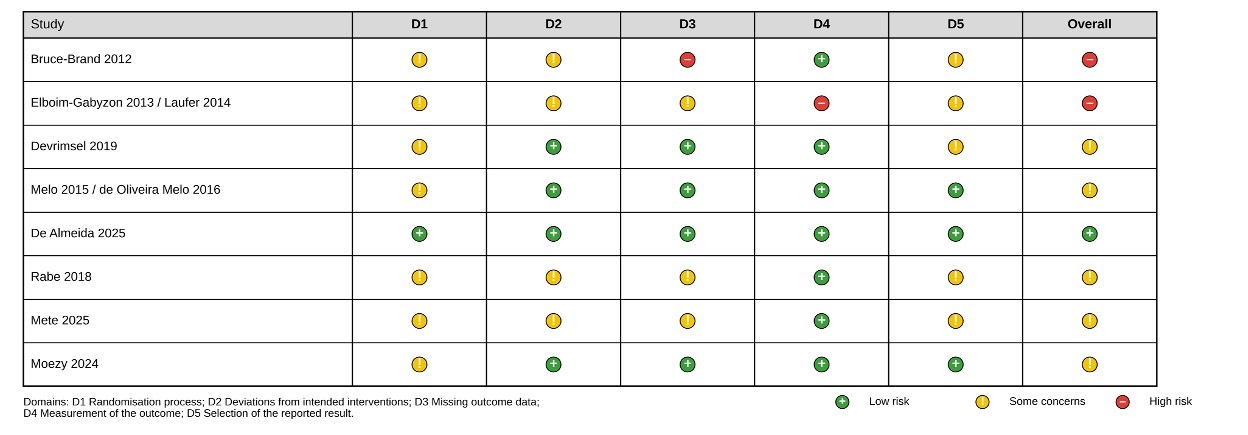
Methodological quality was assessed using the Cochrane Risk of Bias 2 (RoB 2) tool for randomized controlled trials. Five domains were evaluated: bias arising from the randomization process, bias due to deviations from intended interventions, bias due to missing outcome data, bias in measurement of the outcome, and bias in selection of the reported result. Each domain was judged as low risk, some concerns, or high risk, and an overall judgment was assigned according to the RoB 2 guidance. Risk of bias was assessed at the trial level; therefore, companion publications reporting the same randomized trial received a single overall assessment.
2.7. Statistical Analysis
Meta-analysis was performed when at least two randomized controlled trials reported sufficiently comparable outcome data. Continuous outcomes measured using different instruments were pooled as standardized mean differences (SMDs; Hedges’ g) with 95% confidence intervals (CIs), whereas outcomes measured on the same scale were pooled as mean differences (MDs) with 95% CIs. Effect directions were harmonized so that negative values favored NMES for pain, disability, and the TUG test, whereas positive values favored NMES for quadriceps muscle strength and the 6MWT.
A random-effects model was applied throughout, with the between-study variance (τ2) estimated by restricted maximum likelihood (REML) and the 95% confidence interval of each pooled estimate derived using the Hartung-Knapp adjustment; for analyses limited to two trials, normal-approximation confidence intervals were reported because this adjustment is not estimable. Between-study heterogeneity was evaluated using Cochran’s Q test, the I2 statistic, and τ2. Prespecified subgroup analyses were performed according to comparator type and outcome construct, and subgroup differences were tested using the between-subgroups Q statistic. Sensitivity analyses comprised leave-one-out re-estimation and the addition of the sensitivity-only trials. For outcomes informed by at least five trials, a 95% prediction interval was calculated.
Publication bias was not assessed because fewer than ten studies contributed to each meta-analysis, making funnel plots and statistical tests for small-study effects unreliable. Statistical analyses were performed using R (R Foundation for Statistical Computing, Vienna, Austria) with the meta and metafor packages.
RESULTS
3.1. Study Selection
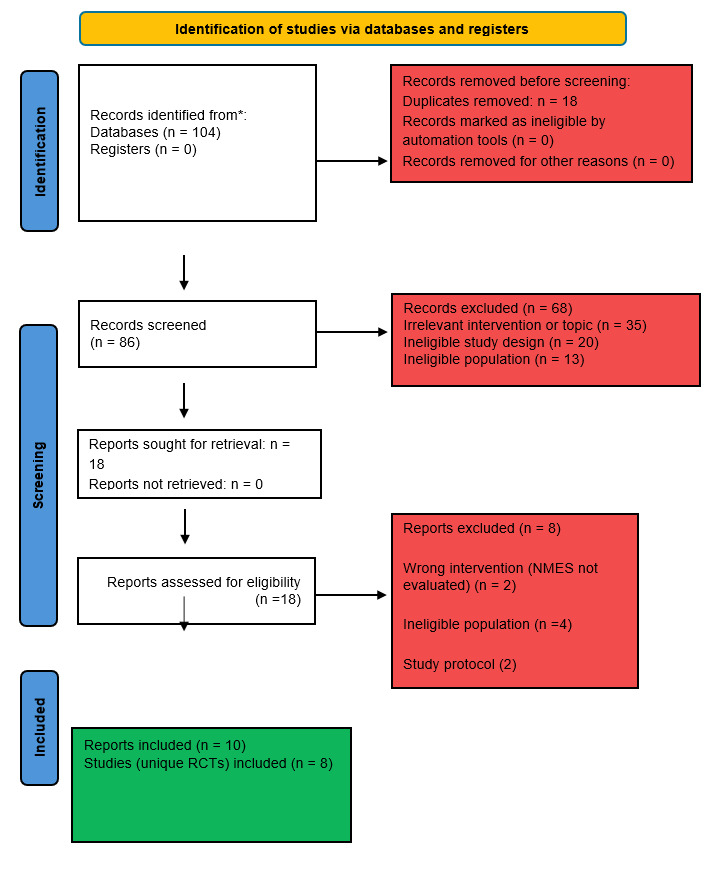
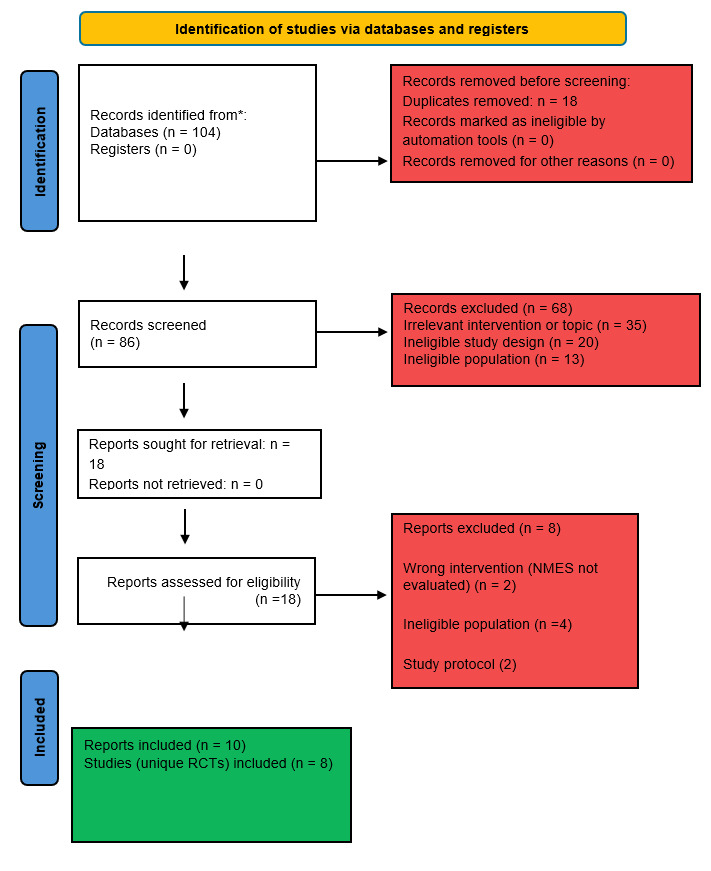
Figure 1 illustrates the study selection process. Database searching identified 104 records. After removal of 18 duplicate records, 86 records remained for title and abstract screening. Of these, 68 records were excluded because they investigated irrelevant interventions or topics (n = 35), employed ineligible study designs (n = 20), or enrolled populations that did not meet the predefined eligibility criteria (n = 13). The remaining 18 reports underwent full-text assessment. Eight reports were subsequently excluded because they evaluated interventions other than neuromuscular electrical stimulation (n = 2), included ineligible populations (n = 4), or represented study protocols (n = 2). Ultimately, 10 reports representing 8 unique randomized controlled trials satisfied the eligibility criteria and were included in the systematic review. Because two trials were reported in multiple publications, these reports corresponded to 8 unique RCTs included in the quantitative meta-analysis.
3.2. Study Characteristics
The characteristics of the included studies are presented in Table 1. Eight unique randomized controlled trials, reported across 10 publications, met the eligibility criteria. The studies were published between 2012 and 2025 and were conducted across six countries (Ireland, Israel, Turkey, Brazil, the United States, and Iran). Sample sizes ranged from 41 to 100 participants, with most studies enrolling predominantly female patients with symptomatic knee osteoarthritis. Intervention protocols varied with respect to stimulation parameters, treatment duration, and adjunctive therapies, including exercise, conventional physiotherapy, resistance training, and low-level laser therapy. Outcome assessment was generally consistent across studies and primarily included pain, self-reported disability, muscle strength, functional performance, and muscle morphology, providing sufficient clinical and methodological comparability for quantitative synthesis.
3.3. Effect of Neuromuscular Electrical Stimulation on Pain
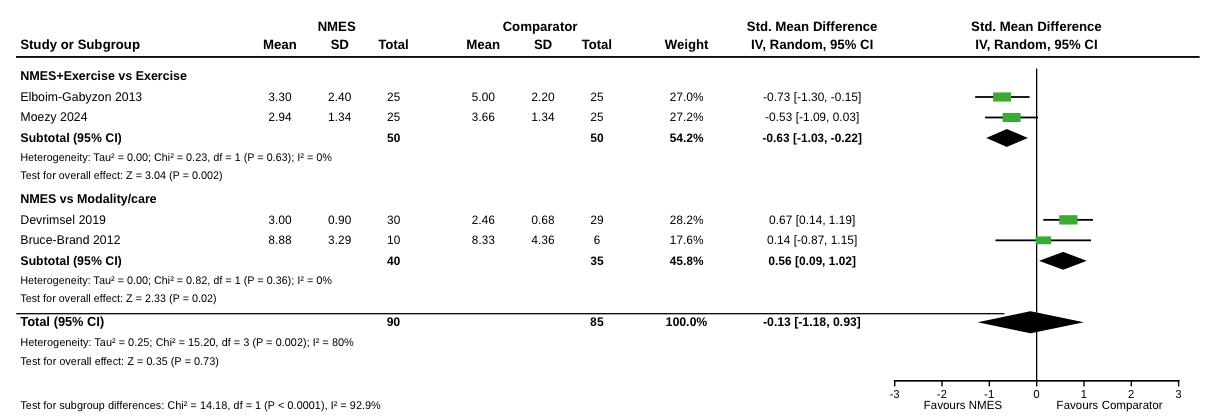
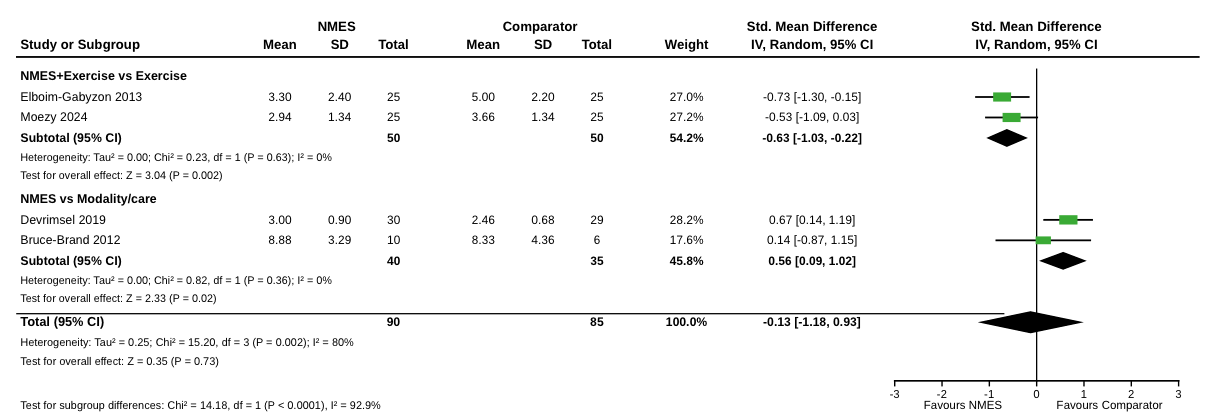
Four randomized controlled trials evaluated pain outcomes (Figure 2). Overall, NMES did not significantly reduce pain compared with the comparator interventions (Hedges’ g = −0.13, 95% CI −1.18 to 0.93). Substantial between-study heterogeneity was observed (I2 = 80%, τ2 = 0.25). Subgroup analysis according to comparator type demonstrated significant differences between treatment comparisons. Studies comparing NMES plus exercise with exercise alone favored NMES (Hedges’ g = −0.63, 95% CI −1.03 to −0.22; I2 = 0%), whereas studies comparing NMES with physical modalities or usual care favored the comparator (Hedges’ g = 0.56, 95% CI 0.09 to 1.02; I2 = 0%). The test for subgroup differences was statistically significant (χ2 = 14.18, P < 0.001).
3.4. Effect of Neuromuscular Electrical Stimulation on Self-reported Disability
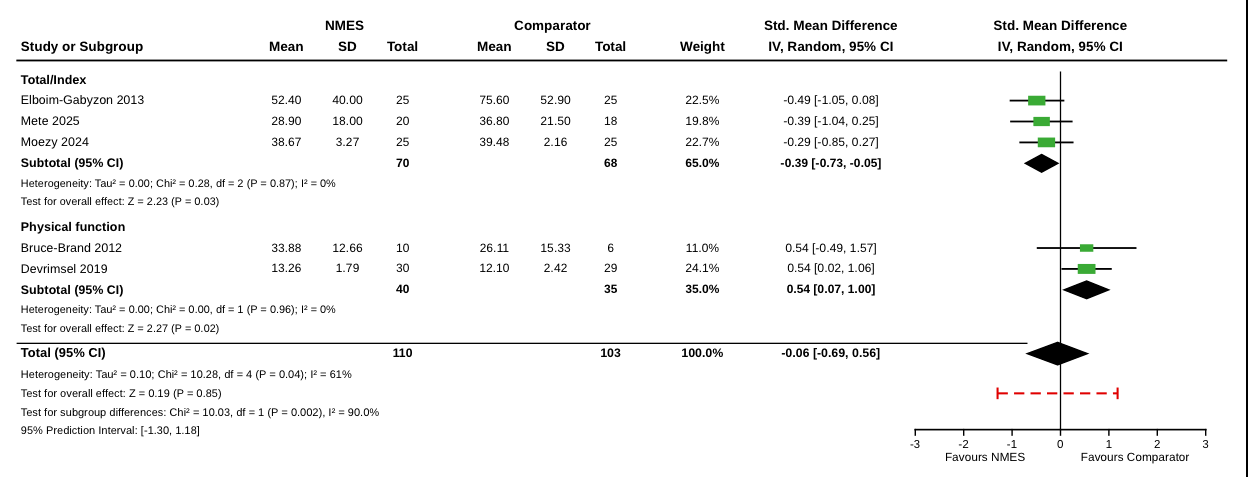
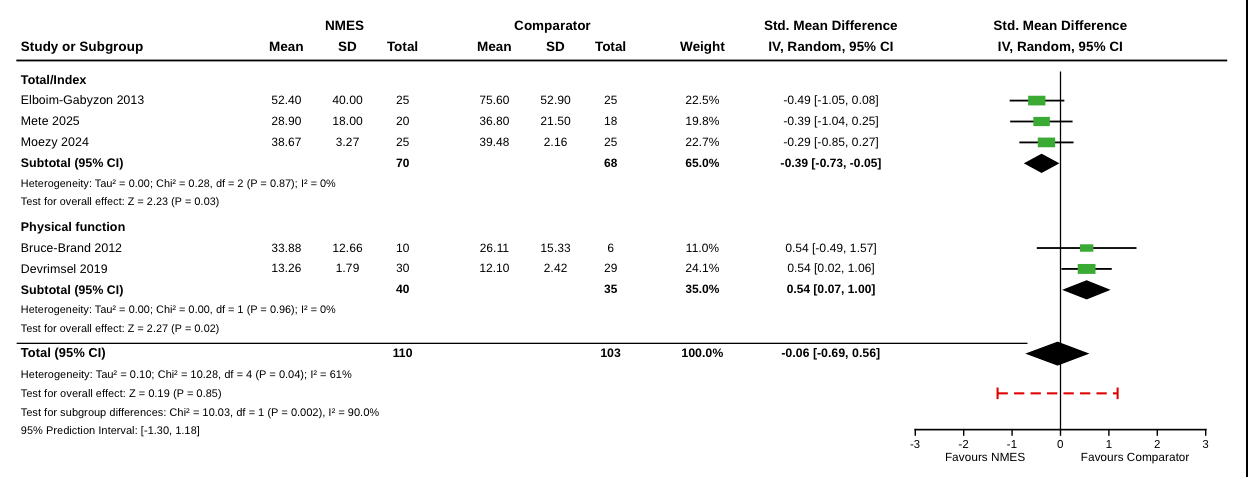
Five randomized controlled trials evaluated self-reported disability using WOMAC-based measures. Overall, NMES did not significantly improve self-reported disability compared with the comparator interventions (Hedges’ g = −0.06, 95% CI −0.69 to 0.56). Moderate between-study heterogeneity was observed (I2 = 61%, τ2 = 0.10). Subgroup analysis according to WOMAC construct identified significant differences between studies reporting the WOMAC Total/Index and the WOMAC Physical Function subscale. The WOMAC Total/Index subgroup demonstrated a significant benefit in favor of NMES (Hedges’ g = −0.39, 95% CI −0.73 to −0.05; I2 = 0%), whereas the WOMAC Physical Function subgroup favored the comparator interventions (Hedges’ g = 0.54, 95% CI 0.07 to 1.00; I2 = 0%). The test for subgroup differences was statistically significant (χ2 = 10.03, P = 0.002). The 95% prediction interval ranged from −1.30 to 1.18 (Figure 3).
3.5. Effect of Neuromuscular Electrical Stimulation on Quadriceps Muscle Strength
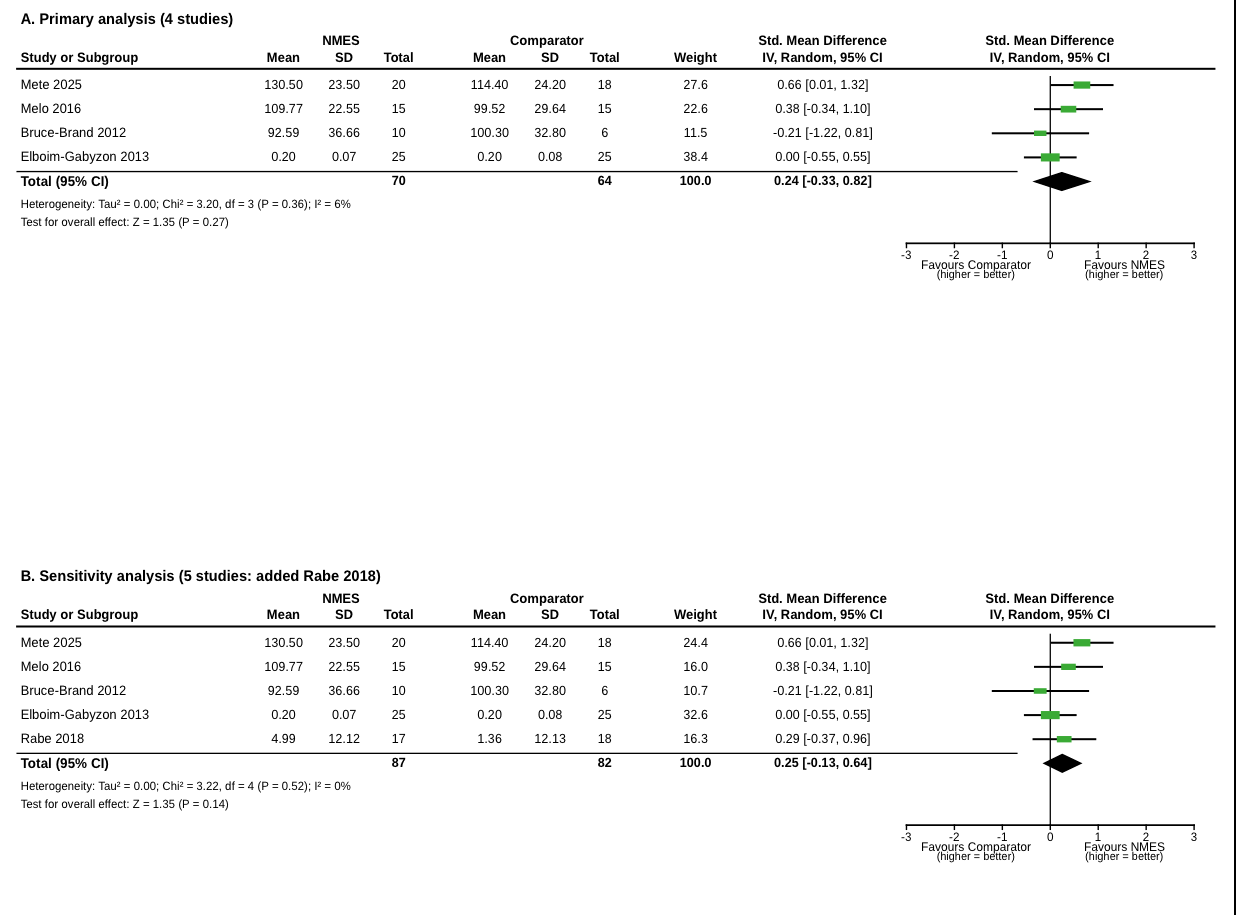
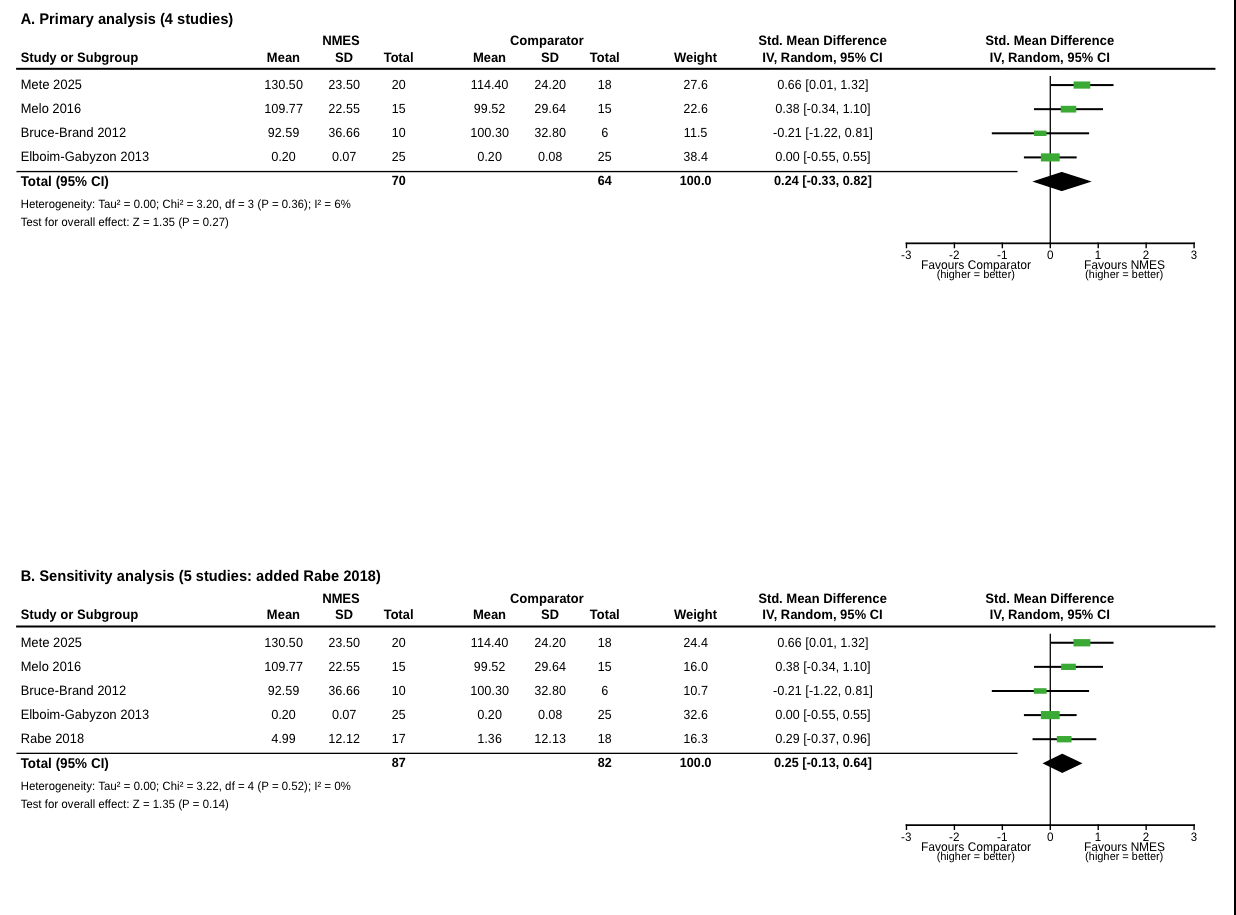
Four randomized controlled trials contributed to the primary meta-analysis of quadriceps muscle strength. Overall, NMES did not significantly improve quadriceps muscle strength compared with the comparator interventions (Hedges’ g = 0.24, 95% CI −0.33 to 0.82). Between-study heterogeneity was low (I2 = 6%, τ2 = 0.00). A prespecified sensitivity analysis including Rabe et al. (2018) produced consistent findings, with a pooled effect estimate of Hedges’ g = 0.25 (95% CI −0.13 to 0.64) and no evidence of statistical heterogeneity (I2 = 0%) (Figure 4).
3.6. Effect of Neuromuscular Electrical Stimulation on Functional Performance
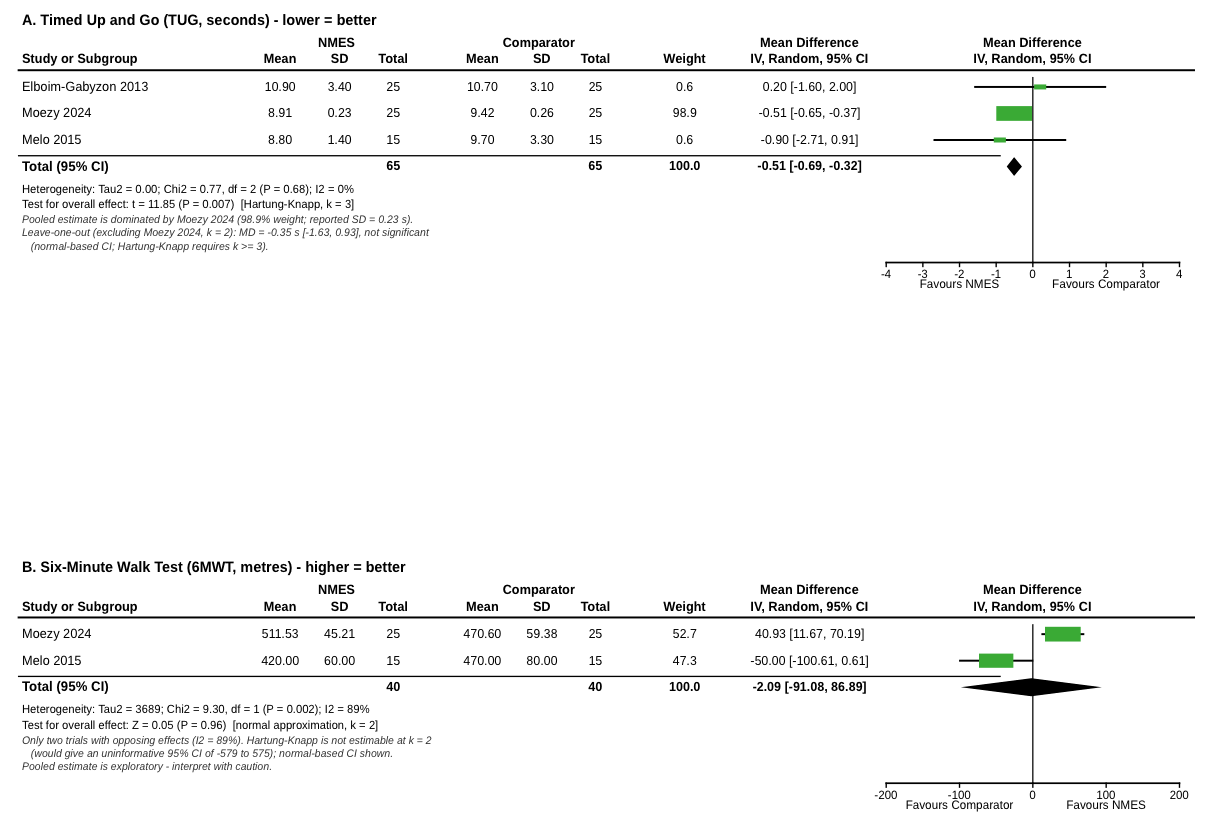
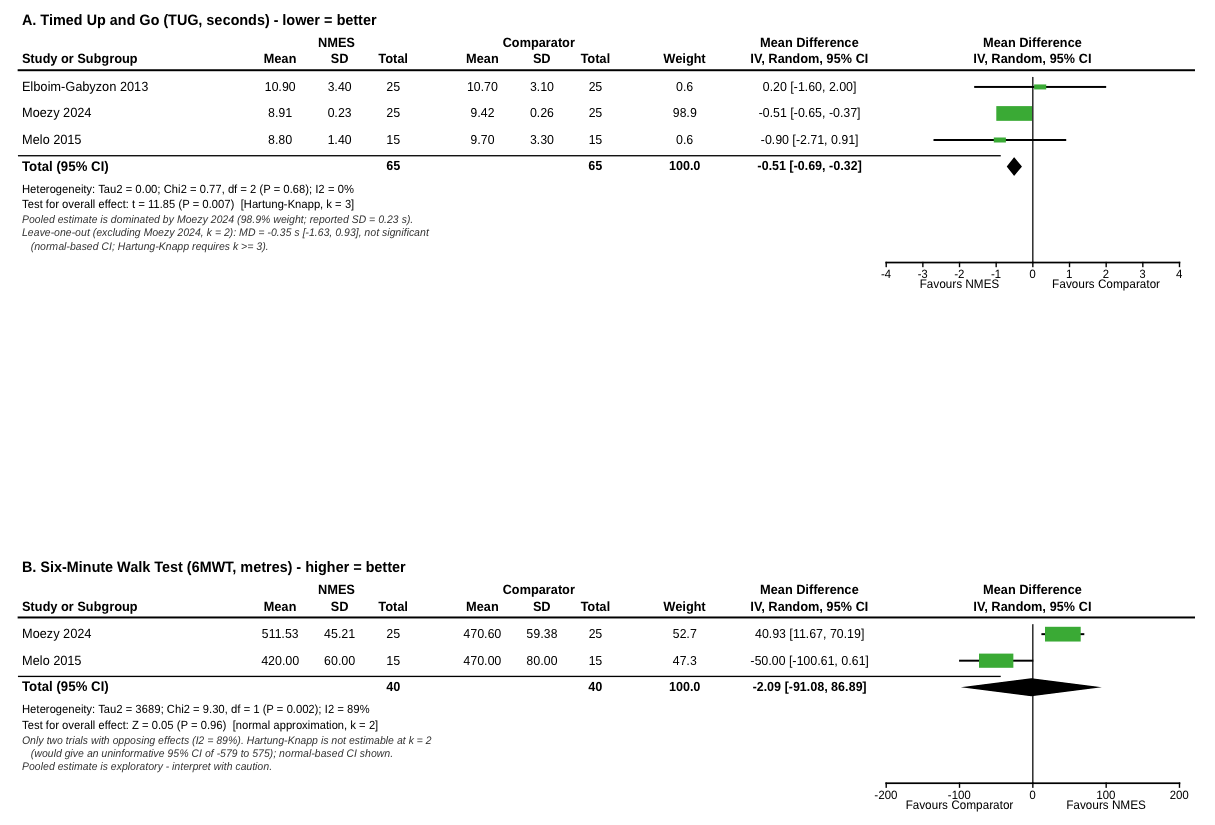
Objective functional performance was evaluated using the Timed Up and Go (TUG) test and the Six-Minute Walk Test (6MWT) (Figure 5). The pooled analysis demonstrated a statistically significant reduction in TUG time with NMES compared with the comparator interventions (MD = −0.51 seconds, 95% CI −0.69 to −0.32). Between-study heterogeneity was negligible (I2 = 0%, τ2 = 0.00). The pooled estimate was dominated by Moezy et al. (2024), which contributed 98.9% of the total study weight owing to its small reported standard deviation (0.23 s). A leave-one-out sensitivity analysis excluding this study yielded a non-significant pooled estimate (MD = −0.35 seconds, 95% CI −1.63 to 0.93). For the 6MWT, NMES did not significantly improve walking distance compared with the comparator interventions (MD = −2.09 m, 95% CI −91.08 to 86.89). Considerable between-study heterogeneity was observed (I2 = 89%, τ2= 3689), and the pooled estimate was based on only two studies; therefore, these findings should be interpreted as exploratory (Figure 5).
3.7. Risk of Bias Assessment
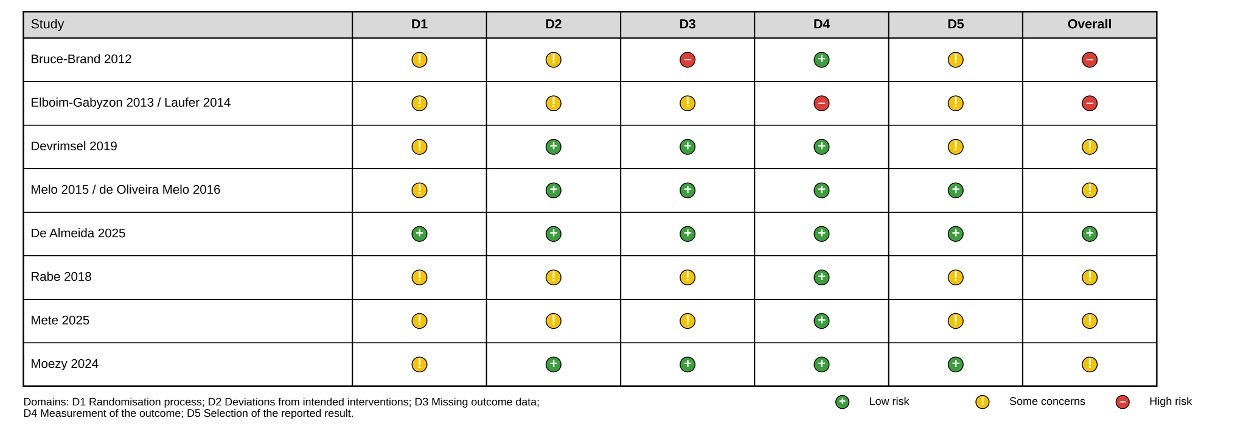
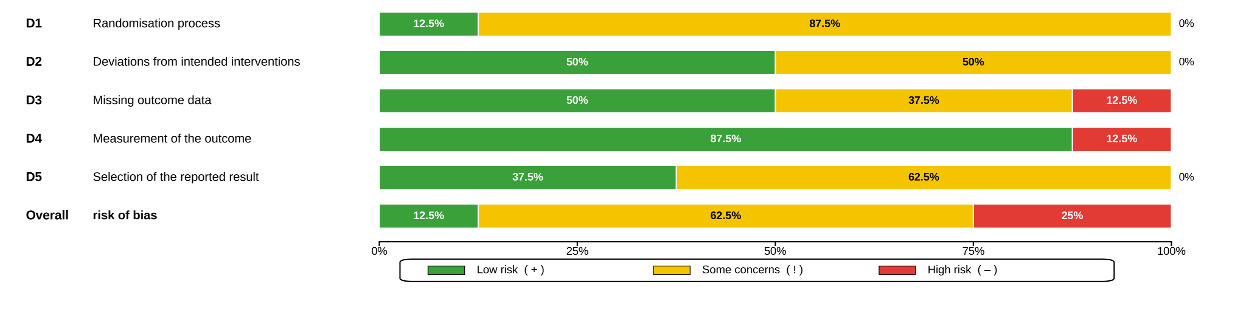
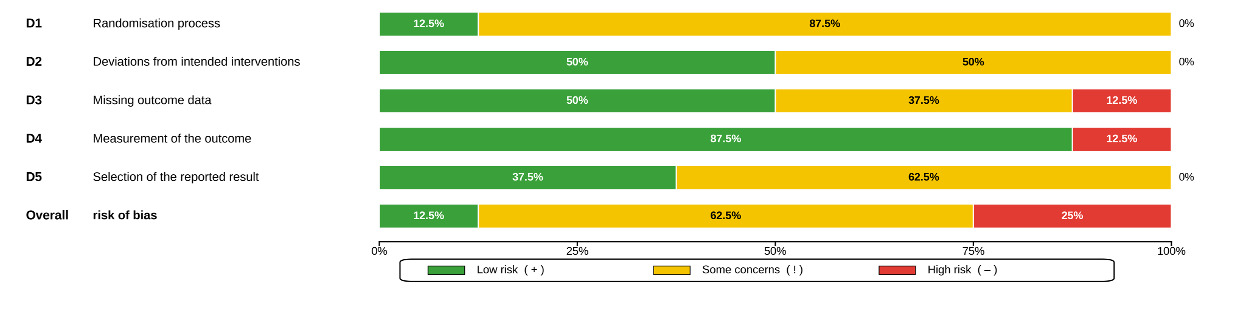
The risk-of-bias assessment of the included randomized controlled trials is presented in Figure 6A-B. Overall, one of the eight unique trials was judged to be at low risk of bias, five were judged to have some concerns, and two were judged to be at high risk of bias. Concerns were most frequently related to the randomization process (D1), whereas measurement of the outcome (D4) was judged to be at low risk in most trials. High overall risk of bias was identified in two trials because of high-risk judgments in individual RoB 2 domains, specifically missing outcome data in one trial and measurement of the outcome in another.
4. Discussion
This meta-analysis indicates that the value of neuromuscular electrical stimulation (NMES) in knee osteoarthritis is conditional rather than intrinsic. Benefit emerged only when NMES was added to an active exercise program; when it replaced exercise or was compared with other treatment modalities, no advantage was observed, and several comparisons favored the alternative intervention. Strength, the outcome most directly targeted by NMES, showed no consistent improvement, while the only favorable functional finding was derived from a single small trial. Collectively, these findings argue against considering NMES a stand-alone therapy and instead support a more focused role in which it serves as an adjunct within structured rehabilitation, with its effectiveness determined more by therapeutic context than by electrical stimulation alone.
A mechanistic interpretation helps reconcile these findings. Arthrogenic muscle inhibition constrains voluntary quadriceps activation, meaning that a substantial proportion of muscle weakness reflects impaired neural drive rather than true muscle loss.12 Electrically evoked contractions can recruit motor units that voluntary effort fails to activate, and the resulting adaptations including enhanced activation, altered recruitment patterns, and improved sensorimotor control are likely to occur early in the rehabilitation process. However, these physiological changes precede outcomes that patients perceive directly. Pain and disability are influenced by a complex interplay of nociceptive, structural, and psychological factors that improved muscle activation alone cannot adequately address. Translating enhanced neuromuscular activation into meaningful functional improvement still depends on progressive, task-specific loading provided by exercise. Improved activation may therefore be necessary for recovery but is not sufficient to ensure symptomatic improvement, explaining why NMES alone had little effect on pain or disability, whereas its use as an adjunct to exercise produced more favorable outcomes.
These findings both align with and extend previous evidence syntheses. Earlier reviews evaluating NMES combined with exercise reported favorable effects on patient-reported outcomes, and the present analysis supports those findings within that specific therapeutic context.13 The distinction lies in the greater analytical resolution of the current review. By incorporating more recent trials, stratifying comparisons according to the intervention against which NMES was evaluated and examining disability and objective functional performance in addition to strength, this review reveals an effect structure that becomes obscured when heterogeneous comparators are pooled together. Combining trials in which NMES supplements exercise with those in which it replaces exercise naturally shifts the overall estimate toward the null, not because NMES is universally ineffective, but because condition-dependent effects offset one another. The use of statistical methods appropriate for a small number of heterogeneous trials further reduces the risk of overstating precision. The principal contribution of this review is therefore one of clarification rather than contradiction: when the same body of evidence is disaggregated and analyzed conservatively, it supports a more nuanced interpretation than does a single pooled estimate.
The subgroup analyses further explain the observed heterogeneity. Once studies were stratified according to comparator, inconsistency within individual subgroups largely disappeared, suggesting that heterogeneity in the overall pooled estimates primarily reflected clinically distinct treatment comparisons rather than random variation. The presence of concurrent exercise emerged as the principal effect modifier: adding NMES to progressive loading produced relatively consistent benefits, whereas using NMES instead of, or in competition with, active rehabilitation generally favored the comparator intervention. Stimulation dose represents another important but insufficiently explored source of variation, as evoked contraction intensity, treatment frequency, session number, and overall treatment volume differed substantially across studies, and stimulation delivered below the threshold required to meaningfully load muscle is unlikely to produce clinically relevant adaptation.14 Differences in patient selection further contributed to heterogeneity, with study populations ranging from individuals at risk of knee osteoarthritis to those with established disease, and protocols emphasizing sensory stimulation analyzed alongside those designed to generate strong muscle contractions. Consequently, the attenuated pooled estimates likely reflect averaging across multiple clinically important dimensions rather than the true effectiveness of a clearly defined intervention delivered under optimal conditions.
From a clinical perspective, these findings support NMES as a targeted adjunct rather than a replacement for active rehabilitation. Exercise remains the cornerstone of non-surgical management for knee osteoarthritis, and nothing in the present analysis challenges that recommendation.15 Patients most likely to benefit are those with genuine deficits in voluntary quadriceps activation, particularly individuals limited by pain, joint effusion, or pronounced arthrogenic muscle inhibition that restricts effective muscle loading during exercise. In such cases, NMES may facilitate participation in rehabilitation by temporarily bridging the gap until adequate voluntary activation is restored. Optimal implementation therefore requires sufficient and progressively increased stimulation intensity, integration with a structured exercise program rather than substitution for one, and discontinuation once effective voluntary strengthening becomes achievable. The available evidence does not support the use of NMES as an isolated treatment modality, particularly when doing so replaces the progressive mechanical loading that underpins long-term functional improvement.
Several aspects strengthen confidence in these findings. Eligibility was restricted to randomized controlled trials, reporting adhered to PRISMA 2020 recommendations, risk of bias was assessed using RoB 2 at the trial level, and the literature search was comprehensive. Prespecified subgroup analyses, leave-one-out sensitivity analyses, and statistical estimators appropriate for sparse and heterogeneous evidence enabled the underlying effect structure to be explored rather than simply summarized. Several limitations should also be considered. The evidence base comprised relatively few studies, most with modest sample sizes, and several were judged to have some concerns or a high risk of bias, thereby limiting statistical power and the stability of pooled estimates. Intervention protocols, comparator treatments, and outcome measures varied considerably across studies, rendering certain analyses particularly walking capacity exploratory and highly influenced by individual trials. Follow-up durations were generally short, precluding conclusions regarding long-term effectiveness, and the limited number of studies available for each outcome prevented a meaningful assessment of publication bias. These limitations primarily reflect shortcomings in the available primary evidence rather than deficiencies of the review itself.
Future progress depends on studies specifically designed to address the uncertainties identified by the current evidence. Standardized NMES protocols with adequate stimulation intensity, accompanied by explicit dose response reporting, would help distinguish true treatment inefficacy from insufficient therapeutic dosing. Consistent measurement and reporting of treatment adherence would further clarify whether variability in outcomes reflects biological differences or inconsistent intervention delivery. Large, adequately powered multicenter randomized trials with longer follow-up are also required to determine whether early improvements in neuromuscular activation translate into sustained clinical benefit. Given the recognized heterogeneity of knee osteoarthritis, future investigations should also incorporate stratification according to activation deficits, disease stage, and functional impairment, together with responder analyses, to identify the patients most likely to benefit from NMES and advance a more individualized rehabilitation approach rather than relying on average treatment effects of uncertain clinical relevance.16
5. Conclusions
This systematic review and meta-analysis suggest that the clinical effectiveness of neuromuscular electrical stimulation (NMES) in knee osteoarthritis depends primarily on its role within rehabilitation rather than on electrical stimulation alone. Across the available evidence, NMES did not consistently improve pain, disability, quadriceps strength, or walking capacity when all comparator interventions were pooled. In contrast, adjunctive NMES combined with structured exercise demonstrated more favorable outcomes than exercise alone, supporting its use as an adjunct rather than a replacement for active rehabilitation. The apparent improvement in Timed Up and Go performance should be interpreted cautiously because it was largely driven by a single trial. Although these findings support a selective role for NMES, particularly in patients with impaired voluntary quadriceps activation, the certainty of evidence remains limited by the small number of heterogeneous randomized trials. Future adequately powered studies should standardize NMES protocols and identify the patient populations most likely to benefit.
Acknowledgments
None
Author Contributions
All authors contributed to the study conception, design, analysis, interpretation, and manuscript preparation. All authors reviewed and approved the final manuscript.
Ethics Approval
Not applicable. This study is a systematic review of previously published trials and did not involve new studies with human participants or animals.
Clinical Trial Number
Not applicable
Consent to Participate
Not applicable.
Funding
The authors declares that no funding was received for this study.
Conflicts of Interest
The authors declare no financial or non-financial interests that are directly or indirectly related to the work submitted for publication.
Consent for Publication
Not applicable.
Availability of Data and Materials
All data generated or analyzed during this study are included in this published article and its supplementary information files.
Code Availability
Not applicable.