
Background
Knee osteoarthritis (OA) is a common cause of pain and mobility limitation in older adults.1 In Japan, knee OA is closely related to locomotive dysfunction and the risk of reduced independence in an aging society.2 Nonoperative care commonly includes education, exercise therapy and rehabilitation, weight management, analgesic or anti-inflammatory medication, orthoses, and intra-articular injections.3 Total knee arthroplasty may be considered when symptoms remain severe, but surgery may not be feasible or acceptable for all older patients because of comorbidities, perioperative risk, or personal preference.4
Platelet-rich plasma (PRP) has been investigated as a nonoperative orthobiologic injection therapy for knee OA.5–7 Systematic reviews have suggested that PRP may improve pain and function in selected patients,8–10 whereas high-quality placebo-controlled trials such as RESTORE have reported no clinically important advantage over placebo for pain or cartilage volume.11 This conflicting literature emphasizes that uncontrolled studies should be interpreted cautiously and should avoid causal claims.12
GPS III is a leukocyte-rich PRP separation and extraction system. According to manufacturer information, the GPS III STD kit uses 52 mL of autologous blood with 8 mL of ACD-A solution and yields approximately 6 mL of L-PRP after centrifugation at 3200 rpm for 15 minutes.13 However, PRP is an autologous biologic product, and patient-specific cellular composition can vary. Manufacturer specifications do not substitute for measurement of the actual injected product.14,15
The purpose of this study was to describe 1-year patient-reported outcomes after a single GPS leukocyte-rich PRP injection in a small real-world cohort of patients with KL grade II or III knee OA. The study was designed as a preliminary descriptive case series, not as a controlled efficacy trial.
Methods
Study design, ethics, and reporting
This was a retrospective single-center observational case series. The study was approved by the Maeda Hospital Ethics Committee (approval No. P-1) and was conducted in accordance with the principles of the Declaration of Helsinki. The questionnaire and study-related assessments were explained orally to all participants, and oral informed consent was obtained according to the protocol approved by the ethics committee. The requirement for written informed consent was waived by the ethics committee. This report follows observational reporting principles and is intended to provide preliminary descriptive data.
Participants and eligibility
Patients with symptomatic knee OA were evaluated using plain radiography and MRI. Patients were eligible for the final paired analysis if they had KL grade II or III knee OA and paired baseline and 1-year NRS pain data after a single GPS leukocyte-rich PRP injection. MRI was used to support baseline diagnosis and to exclude other clinically relevant pathology when indicated; MRI was not used as a longitudinal structural outcome and no standardized MRI scoring system was applied.
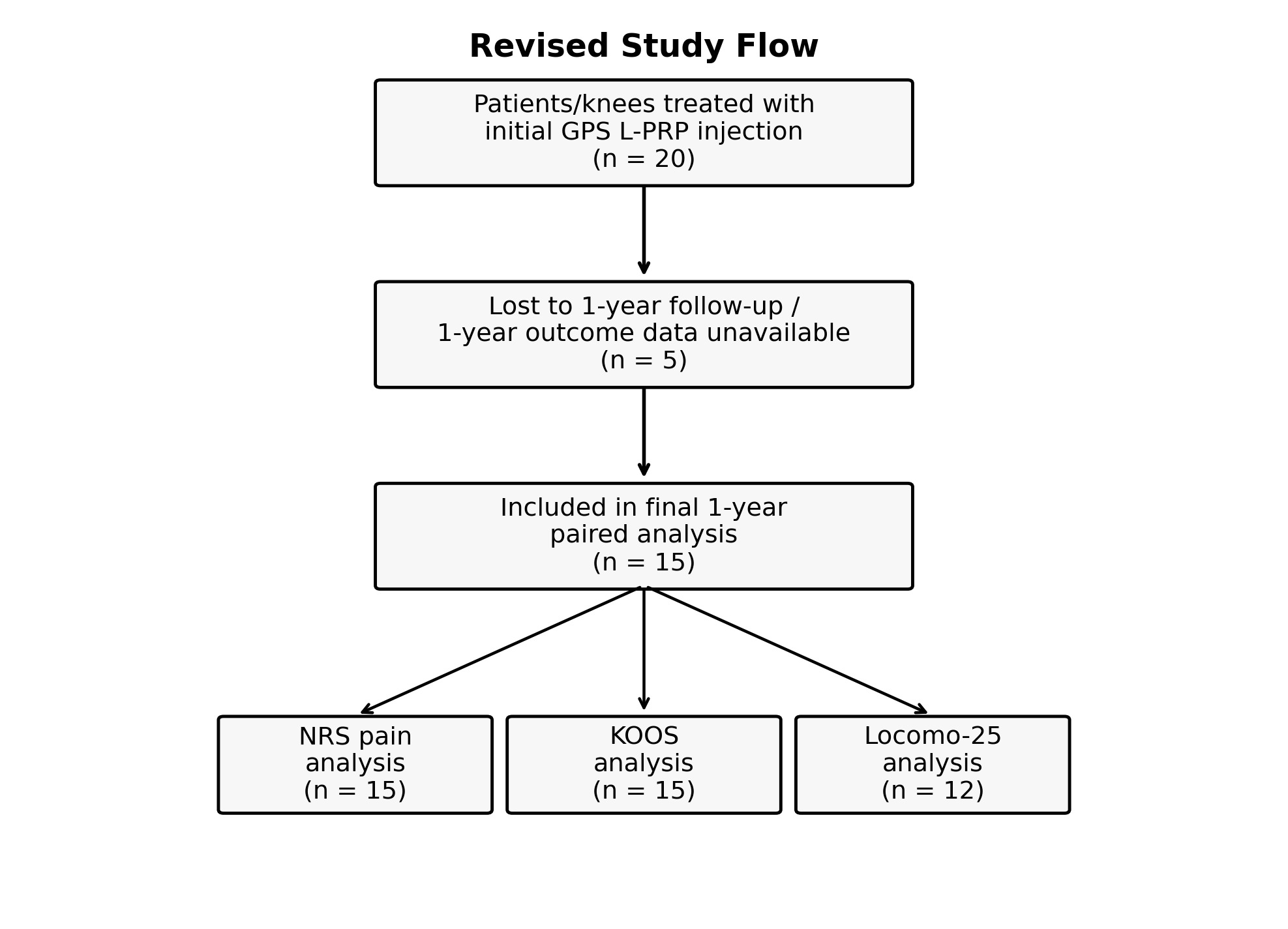
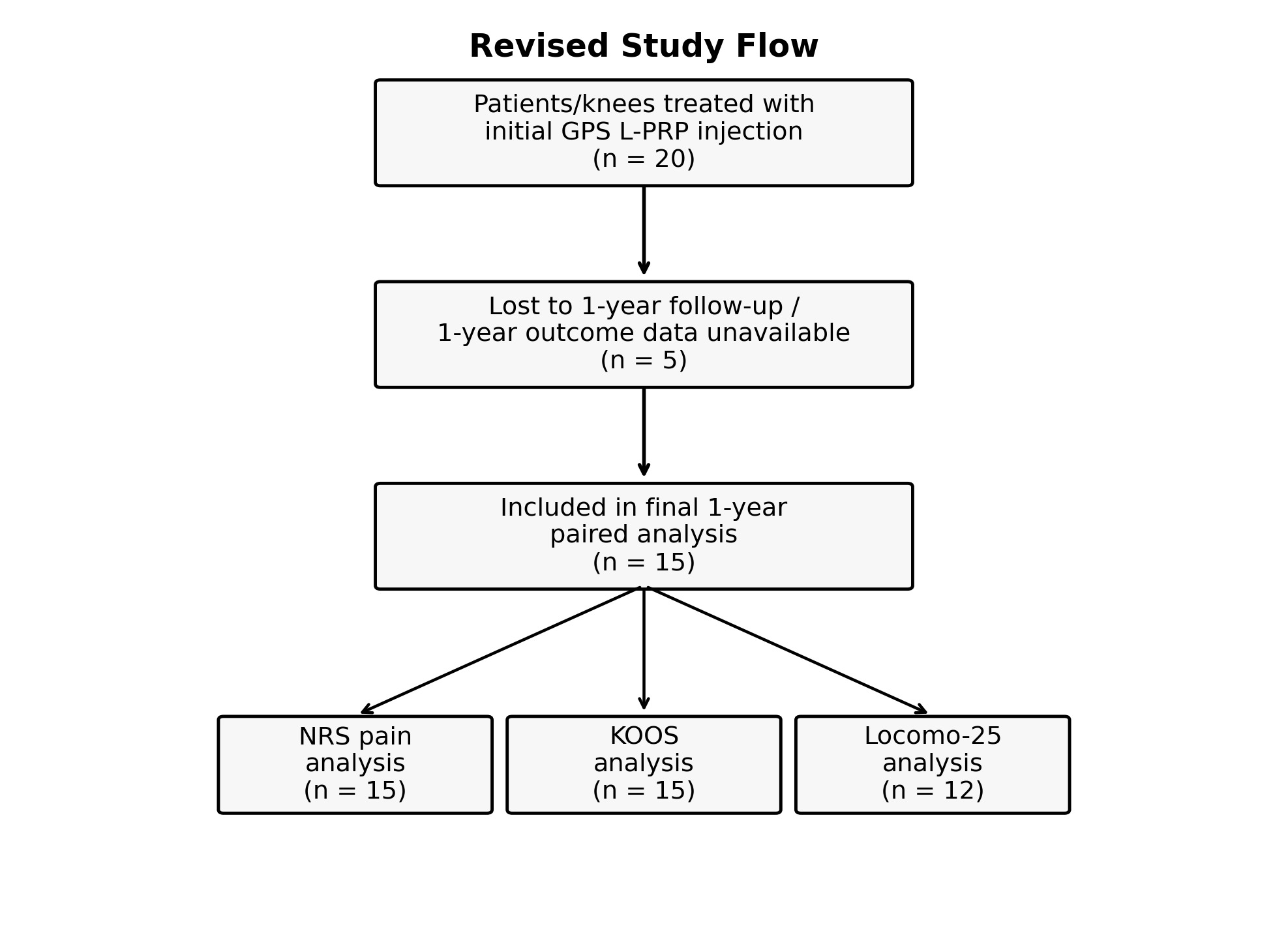
During the study period, 20 patients/knees underwent an initial GPS leukocyte-rich PRP injection for KL grade II or III knee OA. Five patients/knees could not be followed at 1 year or had unavailable 1-year outcome data and were excluded from the paired analysis. The final analytic cohort therefore included 15 knees with paired baseline and 1-year NRS pain data. Outcome-specific denominators are reported throughout the manuscript (Figure 1).
Intervention
GPS leukocyte-rich PRP was prepared in the hospital using the Zimmer Biomet GPS III system. The manufacturer’s GPS III STD protocol uses 52 mL of peripheral venous blood and 8 mL of ACD-A solution to obtain approximately 6 mL of L-PRP after centrifugation at 3200 rpm for 15 minutes.13 The final L-PRP was injected intra-articularly into the affected knee under sterile clinical conditions.
The treatment evaluated in this report was a single initial injection. This reflected routine institutional practice for the cases included in this retrospective dataset. Patient-specific platelet counts, leukocyte counts, erythrocyte contamination, platelet dose, and final cellular composition of the injected product were not measured. Use of image guidance, medication restrictions, rehabilitation protocol, and concomitant conservative treatments were not sufficiently standardized or consistently documented for formal analysis.
Outcome measures
The primary outcome was change in NRS pain score from baseline to 1 year. Secondary outcomes included KOOS subscales scored on a 0-100 scale, where higher scores indicate better knee-related status, and Locomo-25. Adverse events were extracted from clinical records and questionnaires. Patient satisfaction data were not used as a primary or efficacy-supporting endpoint in the revised analysis because the original available satisfaction summary was percentage-based and did not contain patient-level raw counts that could be reconciled with the analytic denominator.
Statistical analysis
Continuous variables are reported as mean ± standard deviation. Paired changes are reported with mean differences and 95% confidence intervals. Because of the small sample size, Wilcoxon signed-rank tests were used for paired comparisons. Standardized paired effect size (mean paired change divided by standard deviation of the paired change) was calculated descriptively. Responder analysis was exploratory and defined as ≥30% and ≥50% reduction in NRS pain. No formal power calculation was performed because this was a retrospective exploratory case series.
Results
Participants
During the study period, 20 patients/knees underwent an initial GPS leukocyte-rich PRP injection. Five patients/knees were lost to 1-year follow-up or had unavailable 1-year outcome data, leaving 15 knees for the final paired analysis. The analyzed cohort consisted of 5 male and 10 female patients. Among male patients, 2 had KL grade II and 3 had grade III disease; among female patients, 7 had KL grade II and 3 had grade III disease. Baseline demographic data available for analysis were limited to age, sex, and KL grade (Tables 1 and 2).
Clinical outcomes
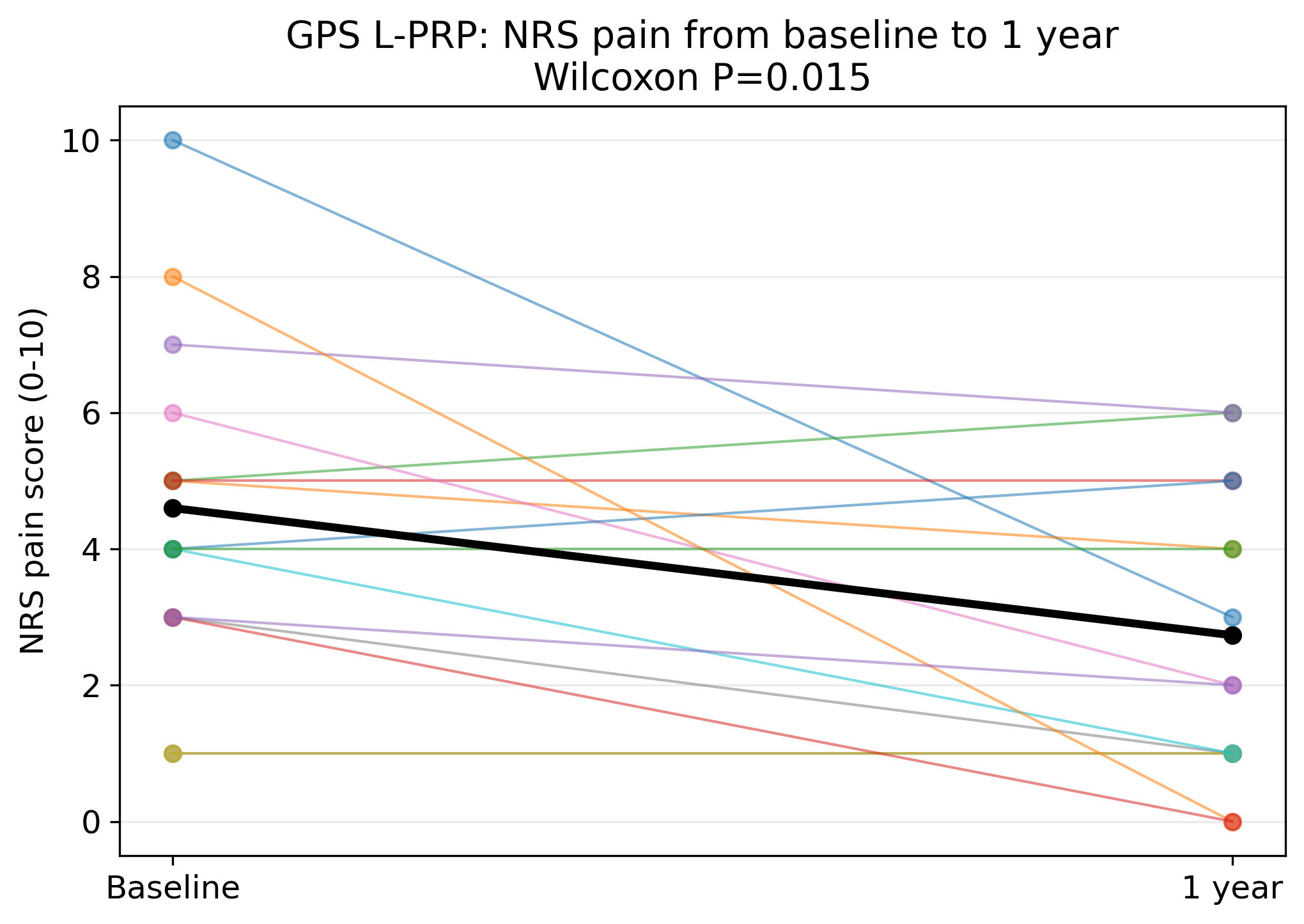
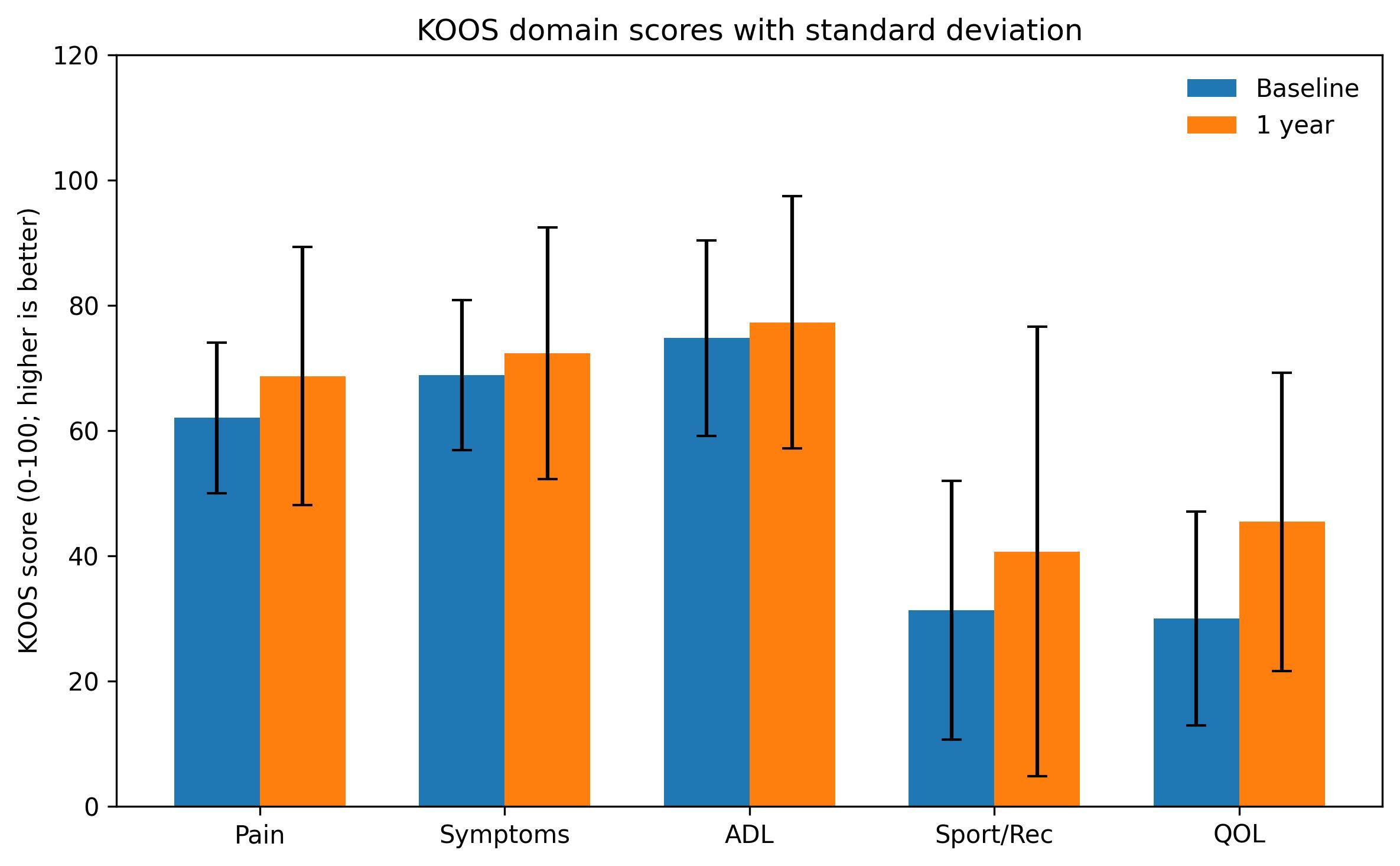
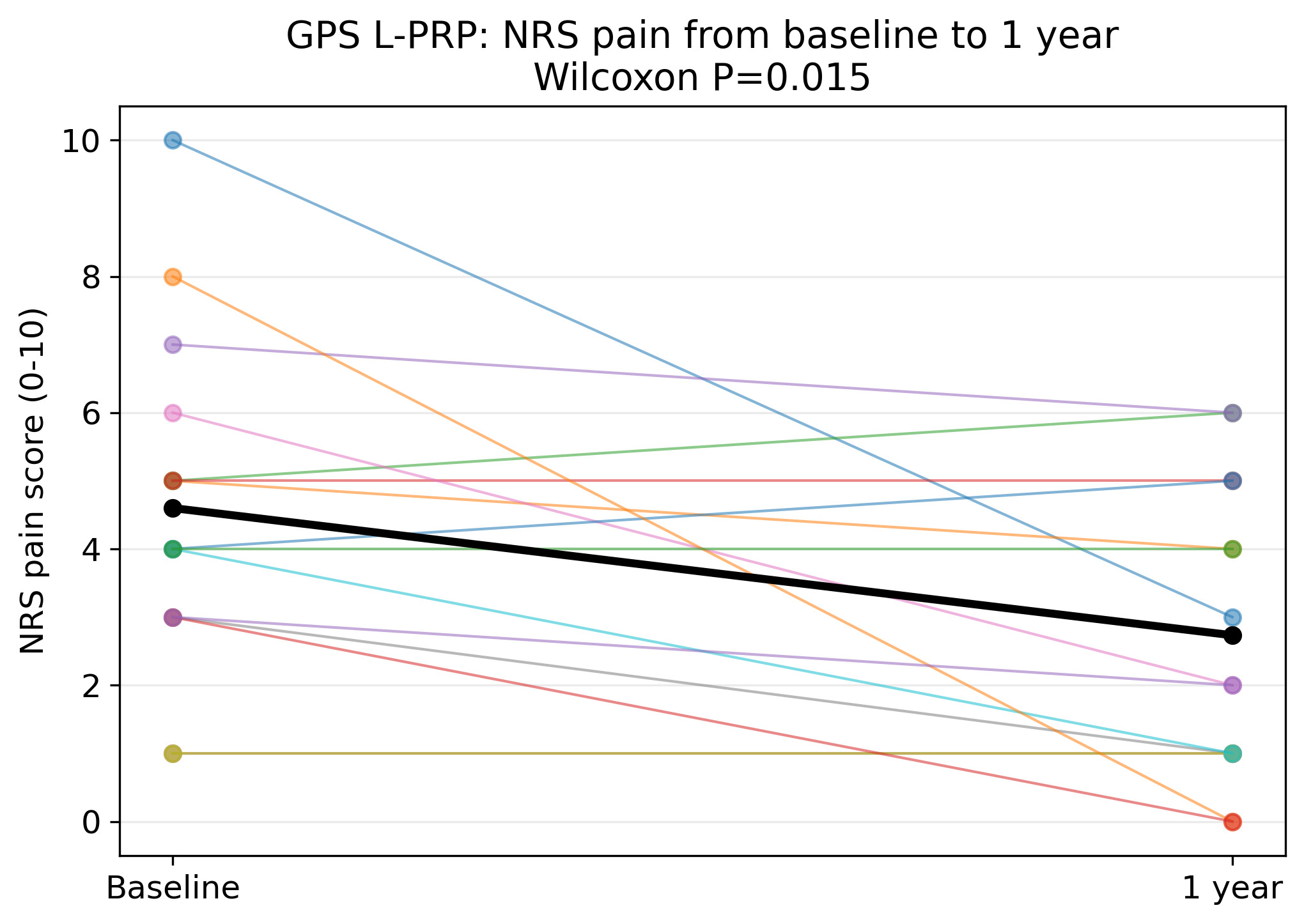
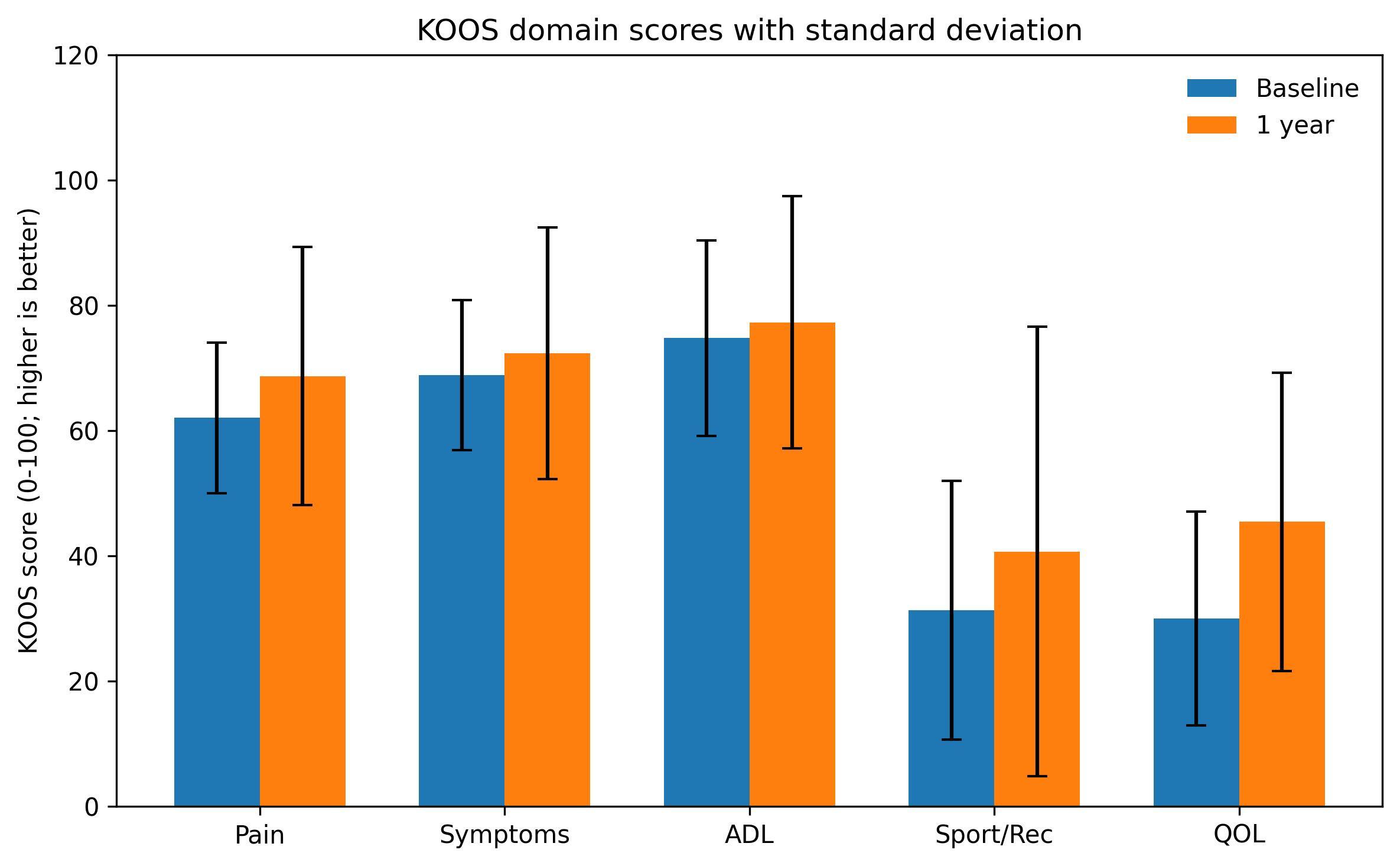
NRS pain improved from 4.6 ± 2.4 at baseline to 2.7 ± 2.1 at 1 year (mean change, -1.9 points; 95% CI, -3.4 to -0.4; P = 0.015). KOOS quality of life improved from 30.0 ± 17.1 to 45.4 ± 23.8 (mean change, 15.4 points; 95% CI, 4.8 to 26.0; P = 0.010). KOOS pain, symptoms, activities of daily living, Sport/Rec, and Locomo-25 showed numerical improvement but did not reach statistical significance. These findings should be interpreted descriptively because the study was uncontrolled and underpowered (Table 3; Figures 2 and 3).
Responder analysis and adverse events
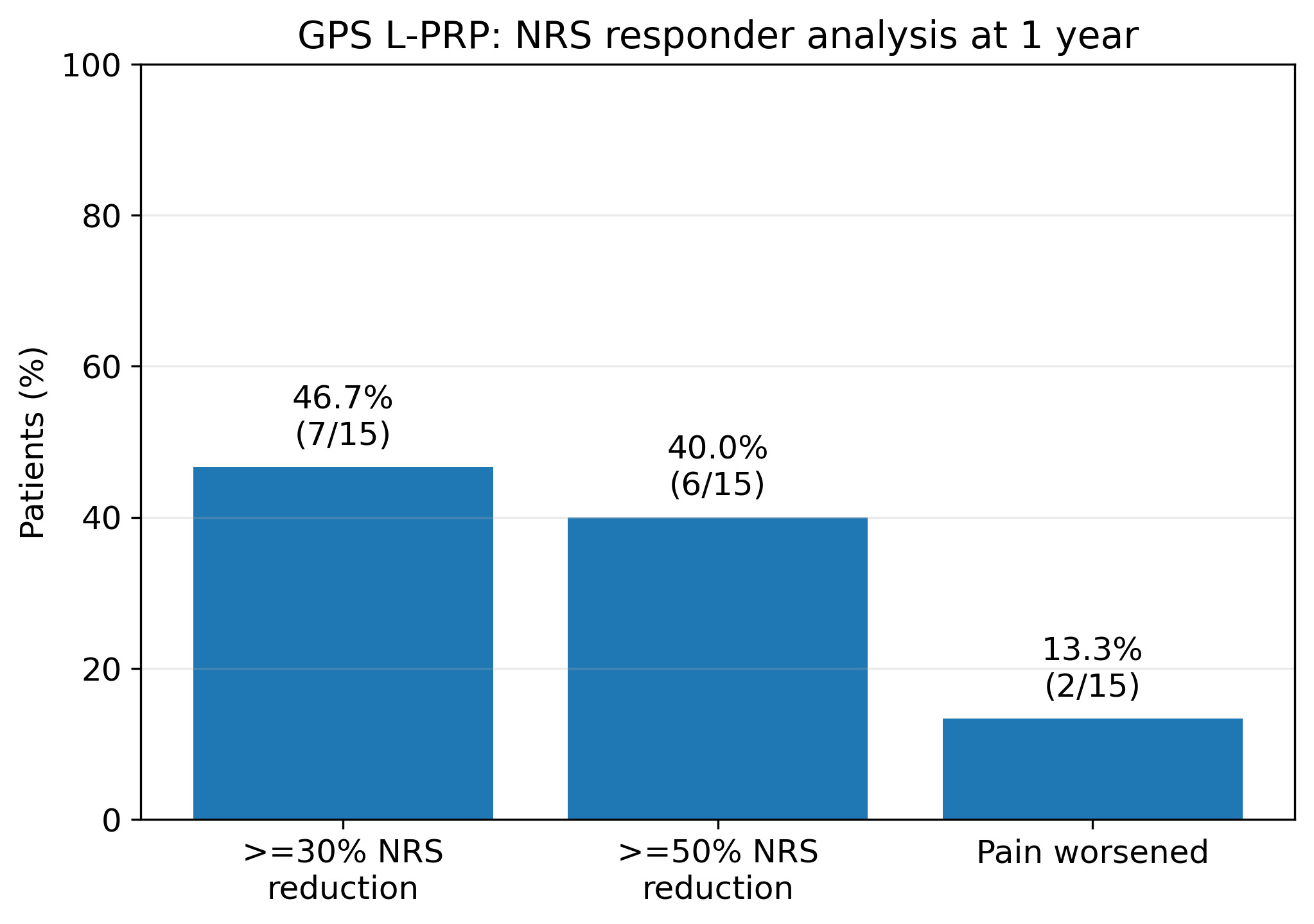
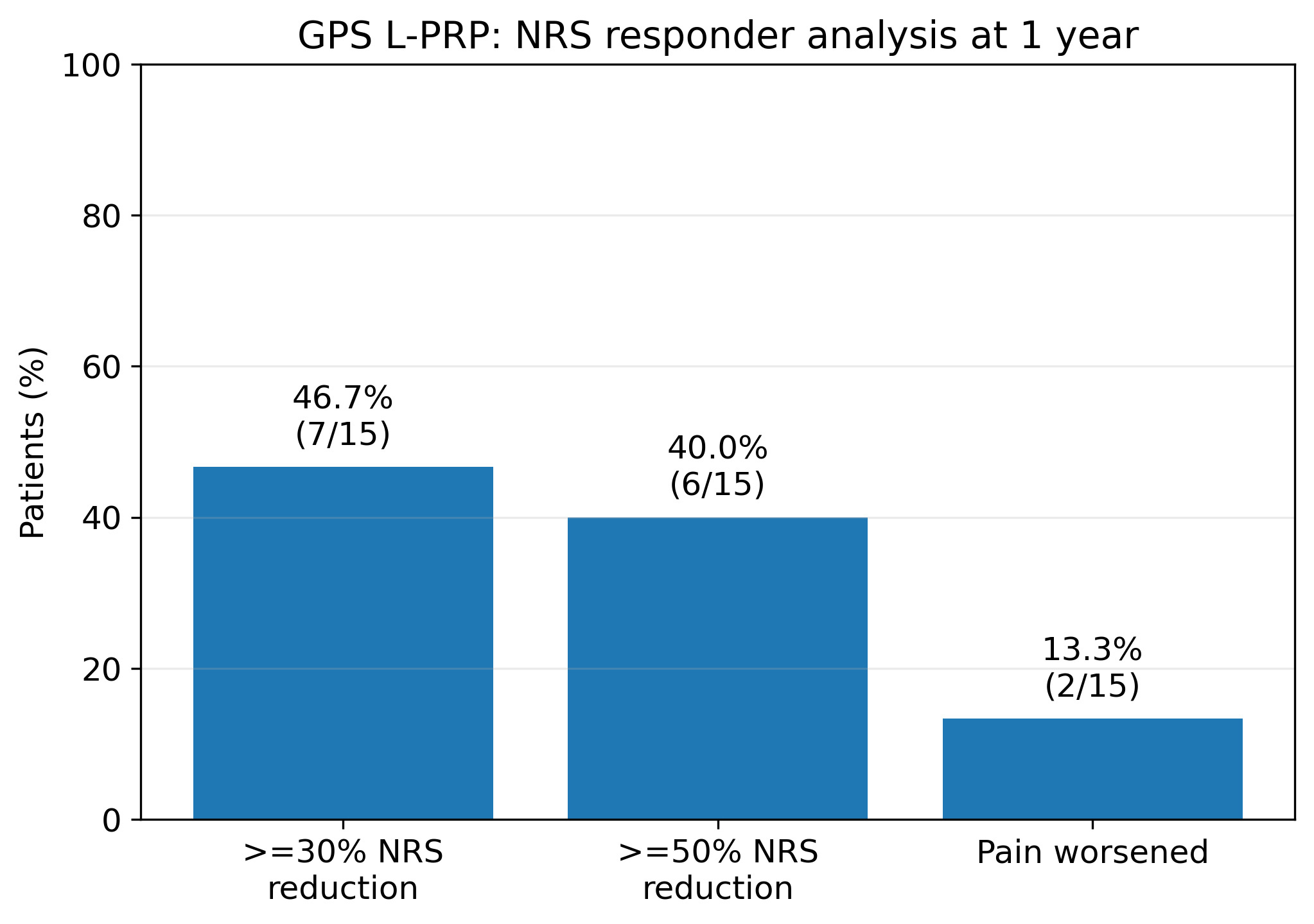
A ≥30% NRS pain reduction occurred in 7 of 15 knees (46.7%), and a ≥50% reduction occurred in 6 of 15 knees (40.0%). Pain worsened in 2 of 15 knees (13.3%). Injection-site pain was recorded in 3 knees. No serious adverse events were observed in this small cohort. These safety findings should not be interpreted as establishing the safety profile of GPS L-PRP (Table 4; Figure 4).
Discussion
The main finding of this revised analysis is that, in a small retrospective uncontrolled cohort, GPS leukocyte-rich PRP injection was associated with lower NRS pain scores and higher KOOS quality-of-life scores at 1 year. The findings should be interpreted as preliminary observational associations. The present design cannot determine whether the observed changes were caused by GPS L-PRP itself.
The most important limitation is the absence of a control group. Symptom fluctuation, regression to the mean, placebo response, patient expectations, activity changes, analgesic use, rehabilitation, and concomitant conservative treatments may all have contributed to the observed changes. This issue is particularly relevant for self-funded regenerative medicine, where patient expectations may influence subjective outcomes.
The observed NRS change of -1.9 points may be clinically relevant for some patients, but the 95% confidence interval was wide, reflecting substantial uncertainty. KOOS quality of life improved, whereas other KOOS domains and Locomo-25 did not show statistically significant changes. This pattern suggests heterogeneity in response and reinforces the need for cautious interpretation rather than broad efficacy claims.
PRP research is complicated by heterogeneity in product composition and treatment protocol. Although the GPS III manufacturer’s preparation protocol was described, patient-specific cellular characterization was not performed. Therefore, the actual platelet concentration, leukocyte concentration, erythrocyte contamination, platelet dose, and final biologic composition of the injected product remain unknown. This limits reproducibility and comparison with other PRP studies.14,15
The study focused on KL grade II and III OA because these grades represent early-to-moderate radiographic disease in which nonoperative biologic treatments are often considered before end-stage arthroplasty. However, the sample included only 9 KL grade II and 6 KL grade III knees, which does not permit meaningful analysis of response by radiographic severity. KL grade IV patients were not evaluated, and the results should not be generalized to end-stage OA.
MRI was used only as part of baseline clinical evaluation and eligibility assessment. No standardized MRI outcome scoring system, such as WORMS or MOAKS, was applied, and no longitudinal structural MRI outcomes were analyzed. Therefore, the present study cannot address structural disease modification.
Responder heterogeneity is important. While nearly half of the cohort achieved a ≥30% NRS pain reduction, 2 patients had worsening pain. This finding is clinically important and highlights that GPS L-PRP should not be presented as uniformly effective. Future studies should evaluate predictors of response, including baseline radiographic severity, alignment, symptom duration, BMI, compartment involvement, previous injections, and concomitant treatments.
Overall, this study should be viewed as a preliminary descriptive report of routine clinical practice rather than definitive evidence for efficacy. Its value lies in transparently reporting available Japanese real-world data for the GPS leukocyte-rich PRP system and identifying methodological issues that future controlled studies should address.
Limitations
This study has substantial limitations. First, it was retrospective and uncontrolled, so causality cannot be inferred. Second, the sample size was very small, and the study was underpowered for most outcomes. Third, 5 of 20 treated patients/knees (25%) were lost to 1-year follow-up or had unavailable 1-year outcome data, creating risk of attrition bias and possible overestimation of benefit. Baseline characteristics of the 5 patients not included in the paired analysis were not sufficiently available for comparison. Fourth, baseline variables such as BMI, symptom duration, alignment, compartment involvement, prior injections or surgery, analgesic use, comorbidities, and concomitant therapies were not systematically available. Fifth, patient-specific PRP composition was not measured. Sixth, MRI was not analyzed using standardized structural scoring. Seventh, satisfaction data were not used as a major outcome because the available percentage summary could not be reconciled with patient-level denominators.
Conclusions
In this small retrospective uncontrolled case series, a single GPS leukocyte-rich PRP injection was associated with improved NRS pain and KOOS quality of life at 1 year in patients with KL grade II or III knee OA. These findings are preliminary and should not be interpreted as evidence of treatment efficacy. Larger prospective controlled studies with transparent patient flow, standardized PRP characterization, and well-defined concomitant treatment protocols are required.
Abbreviations
ACD-A, acid citrate dextrose solution A; CI, confidence interval; KL, Kellgren-Lawrence; KOOS, Knee injury and Osteoarthritis Outcome Score; L-PRP, leukocyte-rich platelet-rich plasma; MRI, magnetic resonance imaging; NRS, numeric rating scale; OA, osteoarthritis; PRP, platelet-rich plasma; TKA, total knee arthroplasty.
Ethics approval and consent to participate
This study was approved by the Maeda Hospital Ethics Committee (approval No. P-1) and was conducted in accordance with the principles of the Declaration of Helsinki. The questionnaire and study-related assessments were explained orally to all participants. Oral informed consent was obtained from all participants according to the protocol approved by the Maeda Hospital Ethics Committee, and the requirement for written informed consent was waived by the ethics committee.
Consent for publication
Not applicable.
Availability of data and materials
The datasets analyzed during the current study are available from the corresponding author on reasonable request, subject to institutional ethics approval, patient privacy protection, and applicable regulations.
Competing interests
The authors declare that they have no competing interests related to this study.
Funding
The authors received no financial support for the research, authorship, and/or publication of this article.
Authors’ contributions
HM conceived and designed the study, performed the clinical treatments, collected clinical data, interpreted the results, and wrote the main manuscript text. TM contributed to data collection, clinical assessment, and manuscript review. MM contributed to clinical assessment, data interpretation, and manuscript review. HM prepared the tables and figures. All authors reviewed and approved the final manuscript.
Acknowledgements
The authors acknowledge the use of ChatGPT by OpenAI for English language editing, formatting assistance, and manuscript organization. The authors reviewed and approved all final content and take full responsibility for the accuracy and integrity of the work.