
Introduction
In recent years, dance medicine has emerged as a distinct and rapidly growing subspecialty within sports medicine. Given its emphasis on acute and overuse injuries, dance medicine research has been increasingly focused on expanding knowledge on various injury patterns within different dance disciplines such as modern dance, classical dance, jazz dance, and ballet.1 Notably, dancing is widely regarded as one of the most physically arduous activities on the musculoskeletal system.2 A retrospective study conducted with data from the National Electronic Injury Surveillance System (NEISS) database from 1999-2007 displayed that a majority of injuries (58.1%) occurred in the lower extremities, which includes structures such as the growth plate.2 Past research has additionally shown that young, non-professional dancers are high-risk populations for dance-related injuries, with overuse injuries being common in both younger (<12 yrs) and older (≥ 12 years) age groups.3,4 As a result, dance-related injuries remain a significant area of research interest, warranting further examination of the current body of literature.
Additionally, specific areas of concern for young dancers include growth plate injuries, including apophyseal injuries and physeal overuse conditions. Physeal injuries with young athletes are defined as a type of overuse injury exclusive to pediatric populations that originate from athletic practice or competition.5 These injuries are typically stress-related and primarily affect the lower extremities.6 This has been seen across studies, such as a target population of young elite female ballet dancers presenting with a high incidence of lower-extremity overuse injuries.7 Conversely, apophyseal injuries, which are commonly seen in adolescent athletes, occur when repetitive stress causes inflammation at the point where a tendon attaches to a developing bone.8 These injuries often manifest as pain around a joint and are closely linked to periods of rapid growth, incomplete skeletal development, repeated mechanical stress, and increased tension across the tendon-bone interface.8 Similar to physeal injuries, apophysitis typically presents as an overuse injury, and while it can occur in both the upper and lower extremities, it is most common in the lower extremities, particularly at the knee, heel, and hip.9
Adolescent skeletal maturity is another key factor influencing injury risk. Previous studies have found that dancers undergoing rapid growth and approaching skeletal maturity (85%-95% of adult height) are at greater risk for growth-related injuries.10 A case report documented premature growth arrest of the second metatarsal physis in a young ballet dancer following prolonged en pointe training, highlighting the impact of dance on skeletal development.11 Furthermore, lower bone mineral density in female pre-professional dancers may contribute to an increased risk of skeletal and growth plate injuries during critical periods of development.12 Thus, it is important to consider skeletal maturity and growth-related factors when evaluating injury risk in young dancers.
In contrast to the increase in bibliometric activity for the field of sports medicine (approximately 80% of top-cited articles are post-2000), little is being published on the skeletally immature dancers.13,14 The literature on athletic activity and children generally focuses on high-profile team-based sports such as soccer, where dramatic spurts of growth associated with Peak Height Velocity (PHV) are recognized as risks for injury.15 The specific biomechanical, aesthetic, and artistic nature of dance warrants a review to promote advancement from its current “nascent” stage.16 Thus, this bibliometric analysis aims to narrow the gap between the broader pediatric sports medicine literature and the evidence concerning young dancers through a quantitative analysis of literature focused on growth plate injuries and skeletal maturity.
Methods
Review, Methods, & Data Acquisition
In this study, a comprehensive bibliometric analysis was conducted using the WoSCore Collection database to evaluate research trends related to growth plate injuries and skeletal maturity in young dancers. A dataset was obtained through an advanced topic search of the WoSdatabase using the following terms, combined using Boolean operators: “dancer” or “dance” or “ballet” and “injury” or “growth plate” or “physeal” or “physis” or “epiphyseal” or “skeletal maturity” or “bone age.” The search yielded 2,100 publications published between 1973 and June 1, 2026. WoS(WoS) was selected due to its extensive coverage of peer-reviewed literature and compatibility with bibliometric analysis software. Standard bibliometric methods for the medical literature were followed.17
No restrictions were placed on publication year or document type to allow for a full analysis of the field’s research progression. The search was conducted on a single date to minimize variations from database updates. All records were exported in plain text format (.txt) and included information such as publication title, authors, year of publication, country, institution, journal, keywords, and citation count. Search results were downloaded in batches of up to 500 records containing full records and cited references. The final dataset was compiled and imported into Microsoft Excel for statistical analysis.
The WoSdata within specific categories were exported into Excel for graphical analysis, while the broader dataset was imported into specialized software for further analysis. Network analysis was performed using VOSviewer (version 1.6.20; Leiden University, Netherlands), which was selected for its ability to map bibliometric networks and visualize relationships among authors, institutions, and keywords. Co-authorship, co-citation, and keyword co-occurrence analyses were conducted to examine connections within the literature. In the resulting network maps, nodes represent individual items, while links represent relationships between them. Larger nodes indicate greater frequency or influence, and clusters represent groups of closely related items.
In this paper, funding agency figures were generated using WoSdata exported into Microsoft Excel. Affiliation figures were generated using data visualization tools available within the WoSdatabase. All remaining figures were generated using VOSviewer.
Results
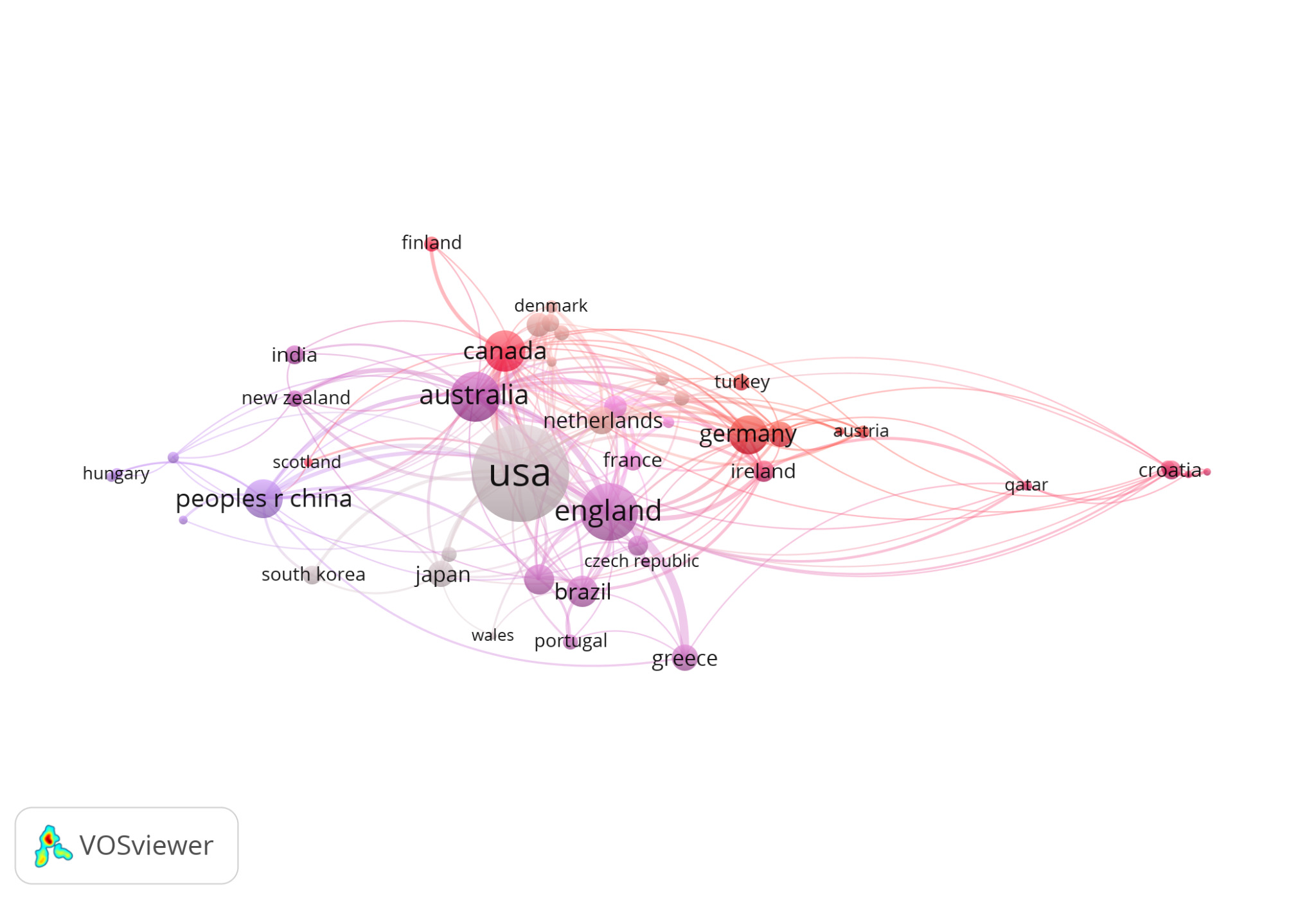
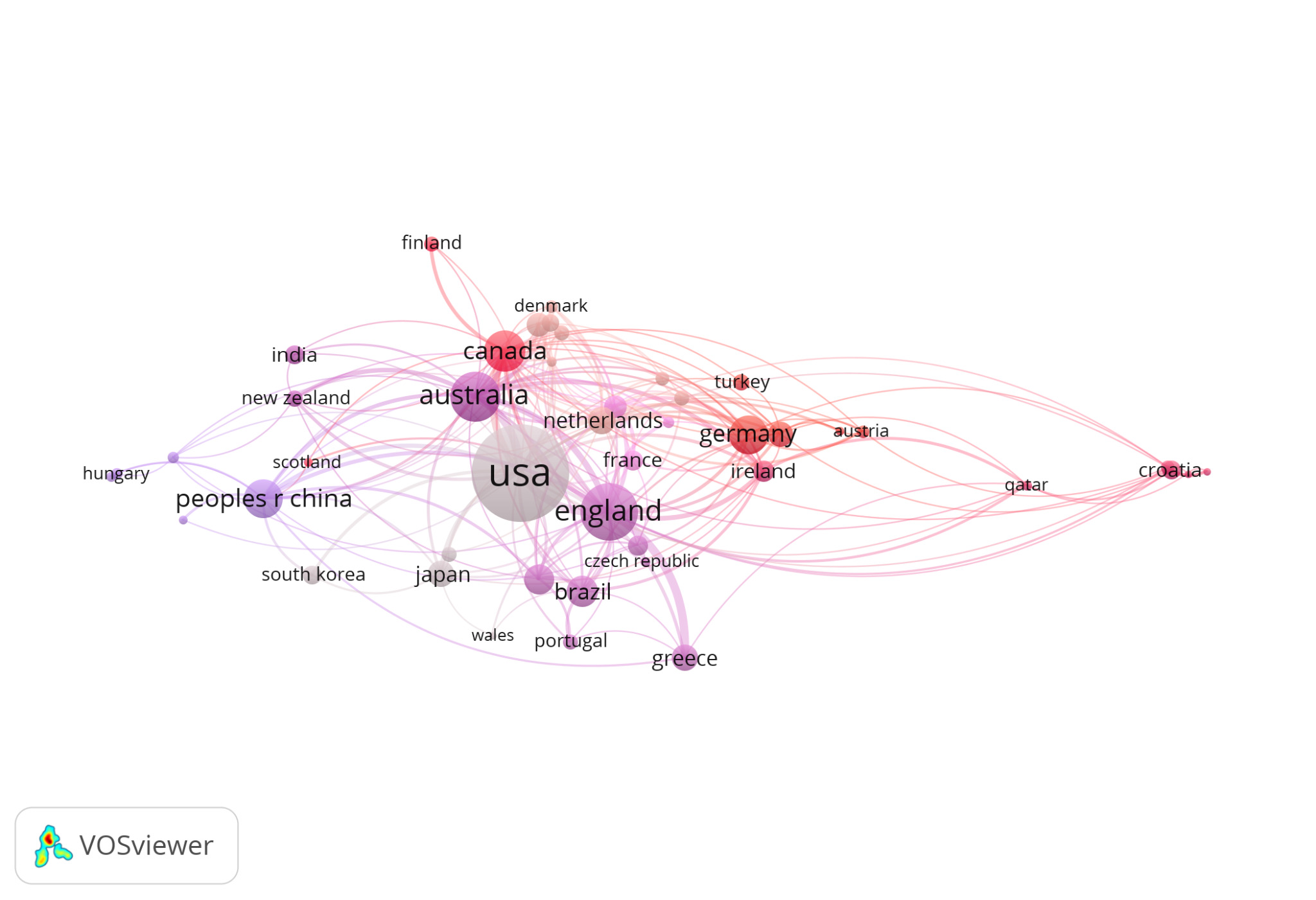
The United States contributed the largest share of publications, accounting for 734 articles or 34.952% of the total, which was consistent with its dominant role in both sports medicine and dance medicine research infrastructure. Additional productive countries included England, Australia, Canada, and the People’s Republic of China (PRC). The country collaboration network map (Figure 1) shows that the United States served as the central node, with the strongest co-authorship ties to Australia, Canada, England, and Japan. Several productive countries, including Israel, appeared as largely independent research nodes, suggesting parallel rather than collaborative research development across national groups.
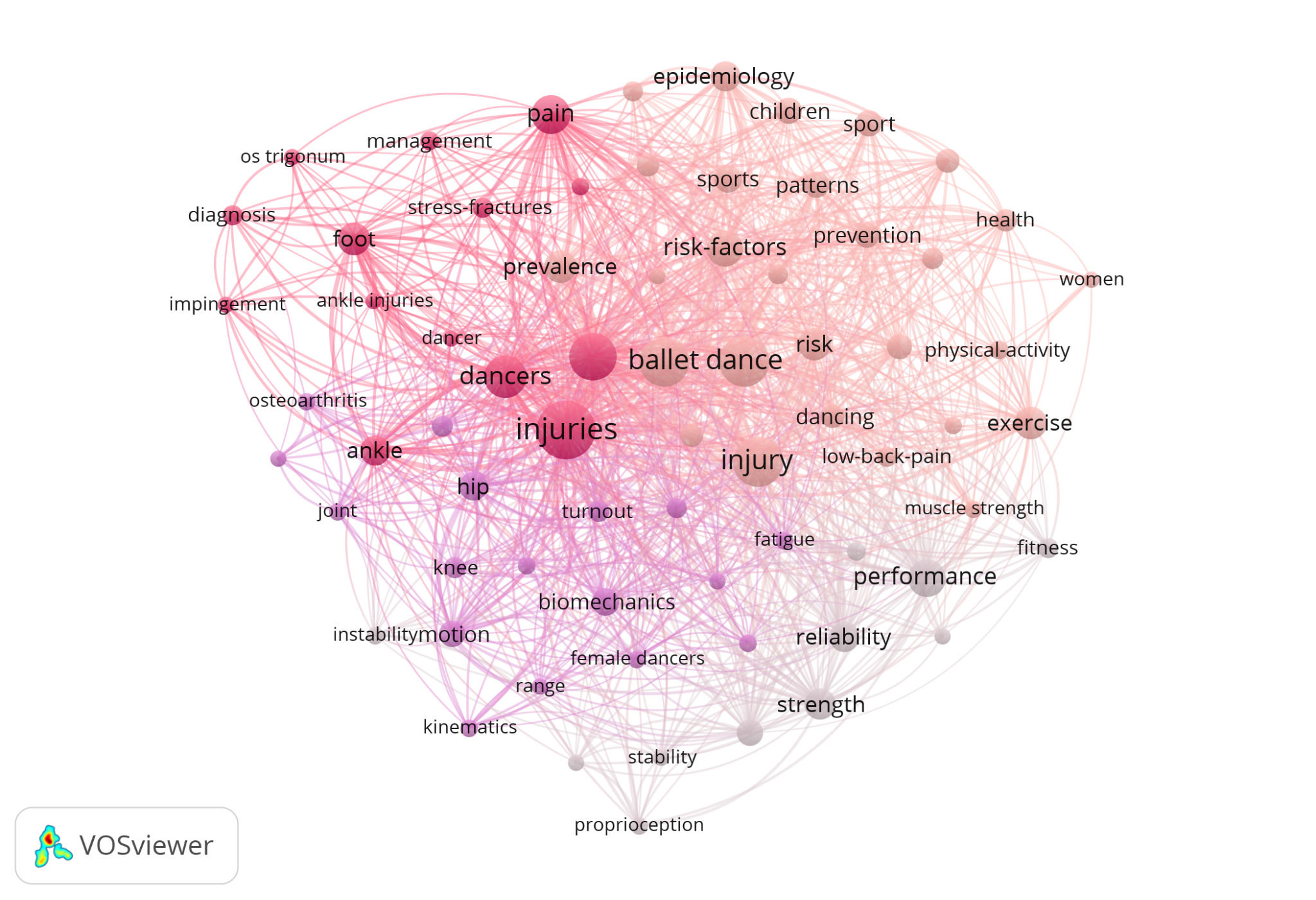
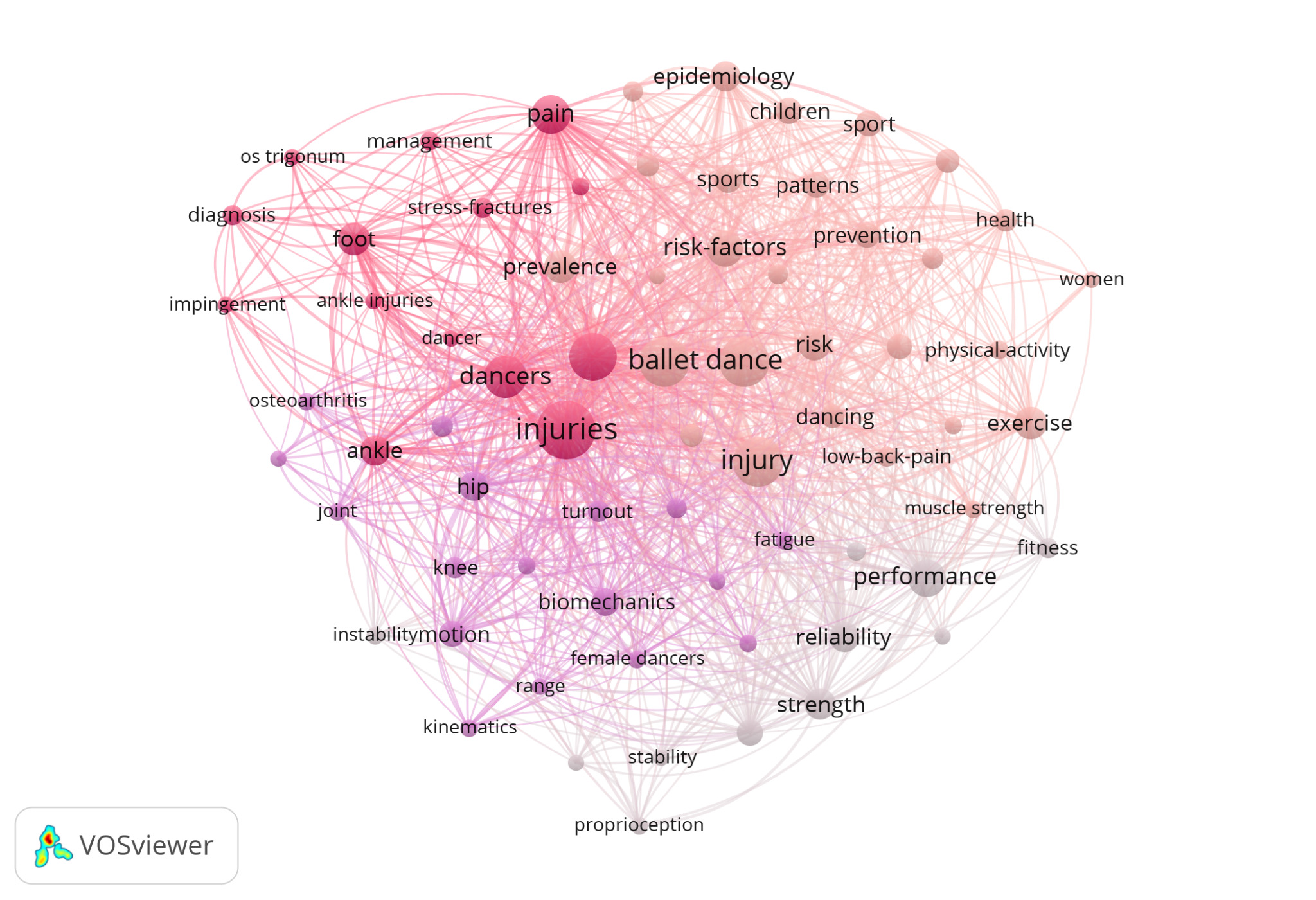
Keyword co-occurrence analysis identified 70 unique keywords meeting the minimum threshold of 30 appearances. The most frequently occurring terms included injuries, ballet dance, dancers, injury, and risk factors. Cluster analysis revealed four major thematic groupings: a cluster centered on physeal and bony injury mechanisms (including growth plate, physis, impingement, pain, os trigonum, and prevalence); a cluster centered on epidemiology and risk factors (ballet, overuse injury, adolescent, maturation, patterns, and epidemiology); a cluster centered on bone health and the female athlete triad (bone mineral density, stress fracture, menarche, and energy availability); and a smaller emerging cluster focused on prevention and screening (injury prevention, biomechanics, kinematics, and instability motion). These clusters are visualized in Figure 2.
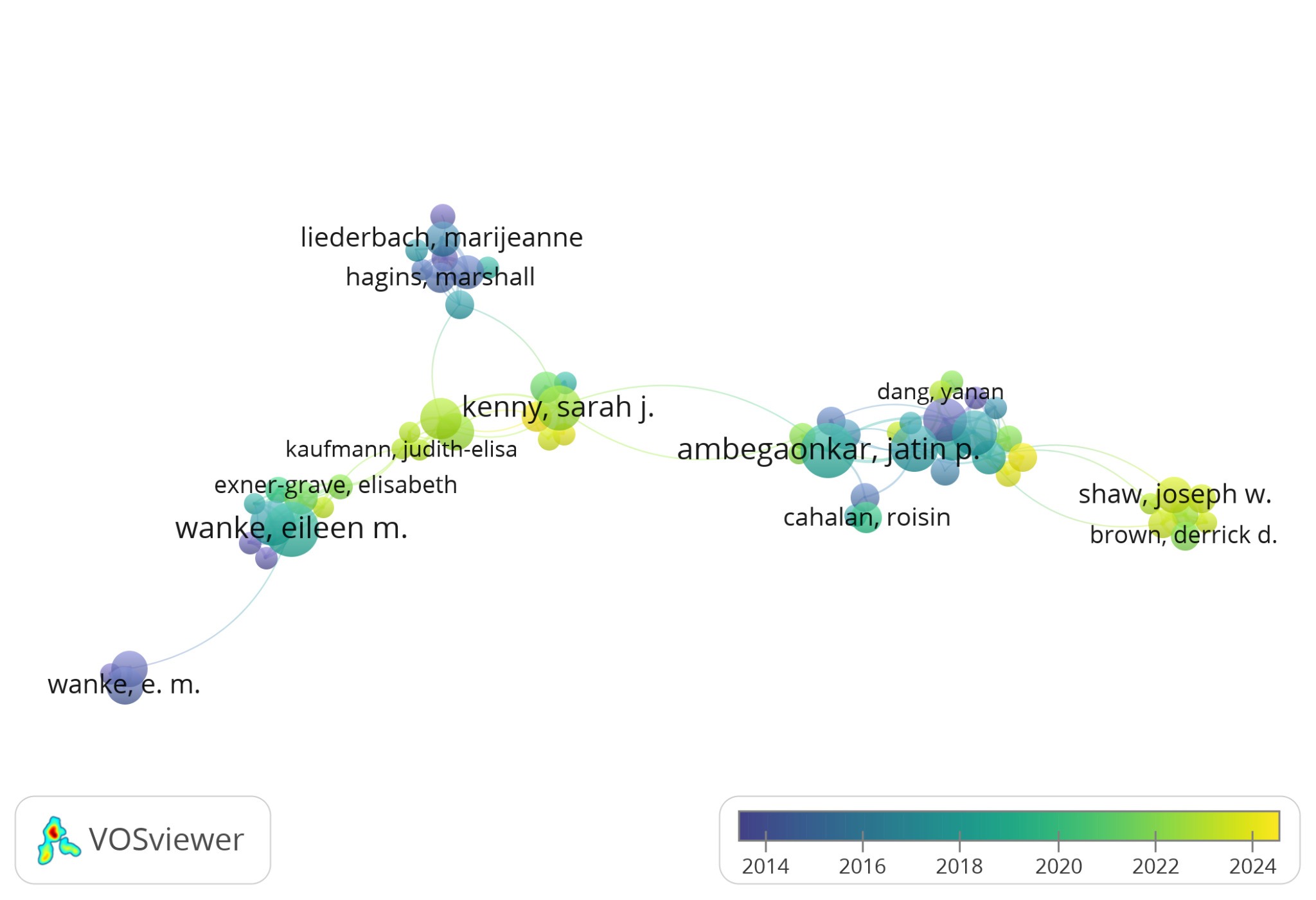
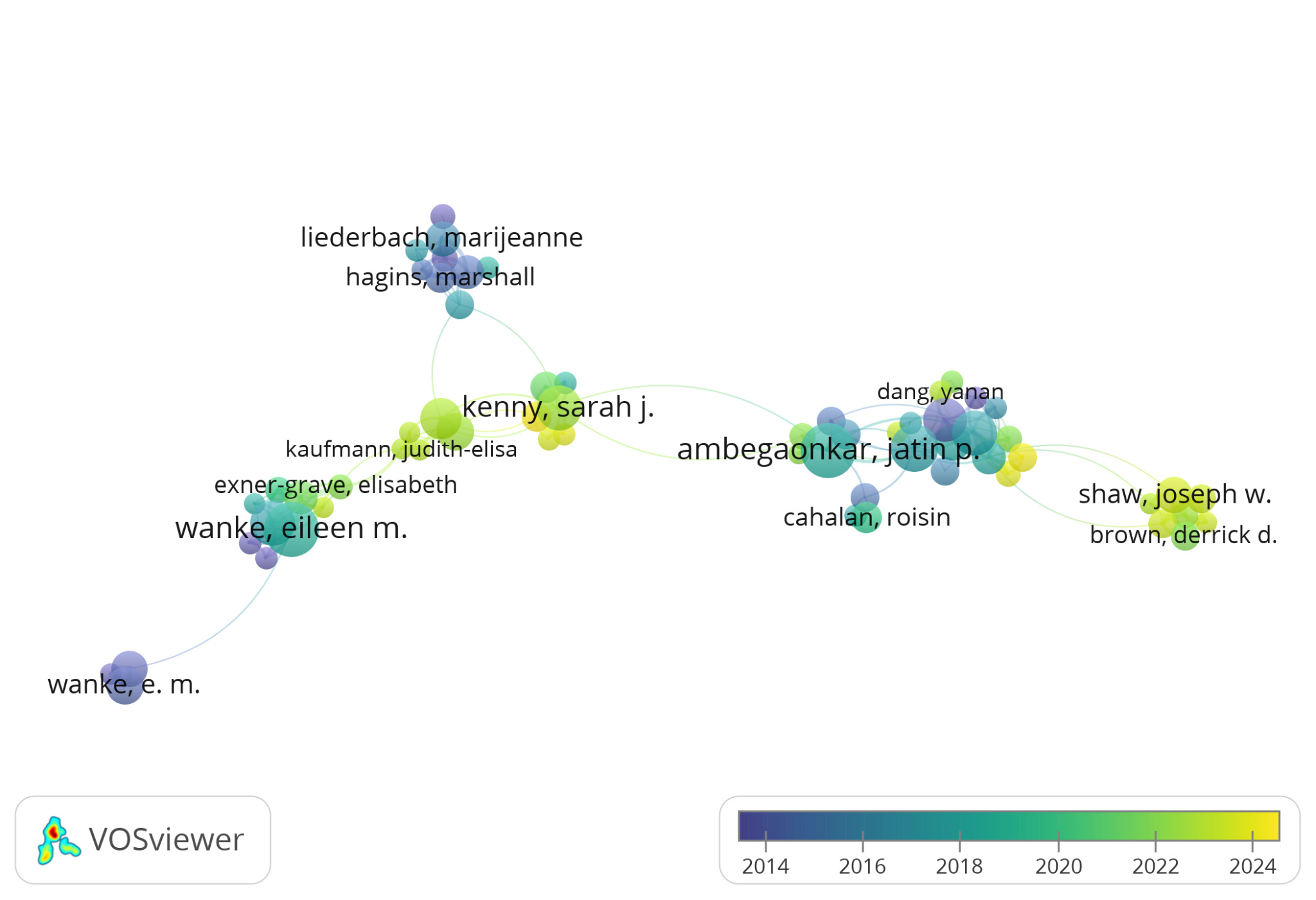
Author co-authorship analysis identified Wanke EM, Groneberg DA, Ambegaonkar JP, Wyon MA, and Steinberg N as the most prolific contributors. Wanke EM., and colleagues produced a series of large-cohort cross-sectional studies examining injury patterns, joint range of motion, and risk factors in recreational dancers, representing one of the most sustained and systematic single-team research programs in this field.18,19 Stracciolini and colleagues from Boston Children’s Hospital contributed epidemiological analyses comparing injury etiology by age and sex in young dancers presenting to a pediatric sports medicine clinic, providing some of the strongest clinical data on bony injury prevalence in this population.3,20
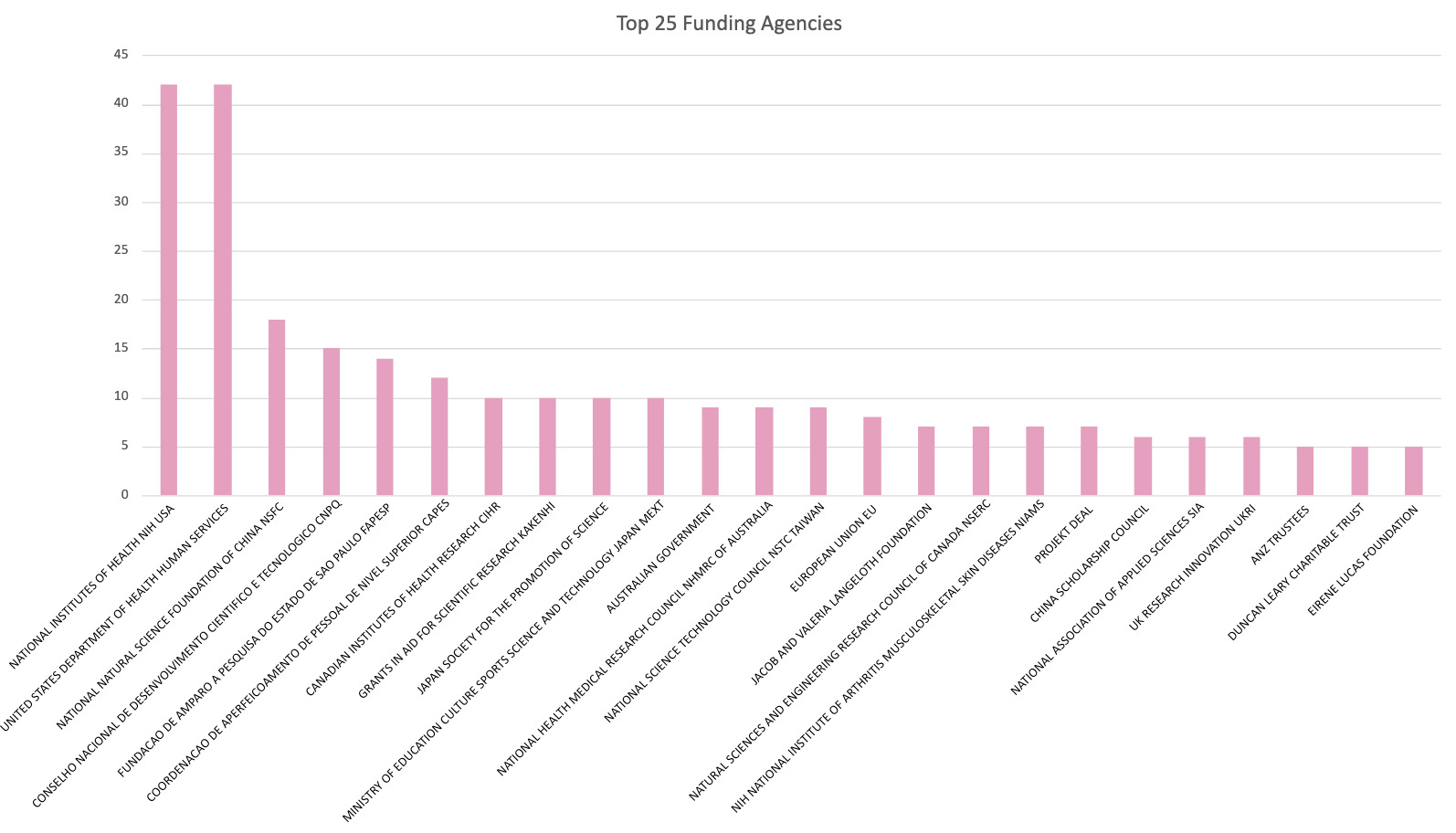
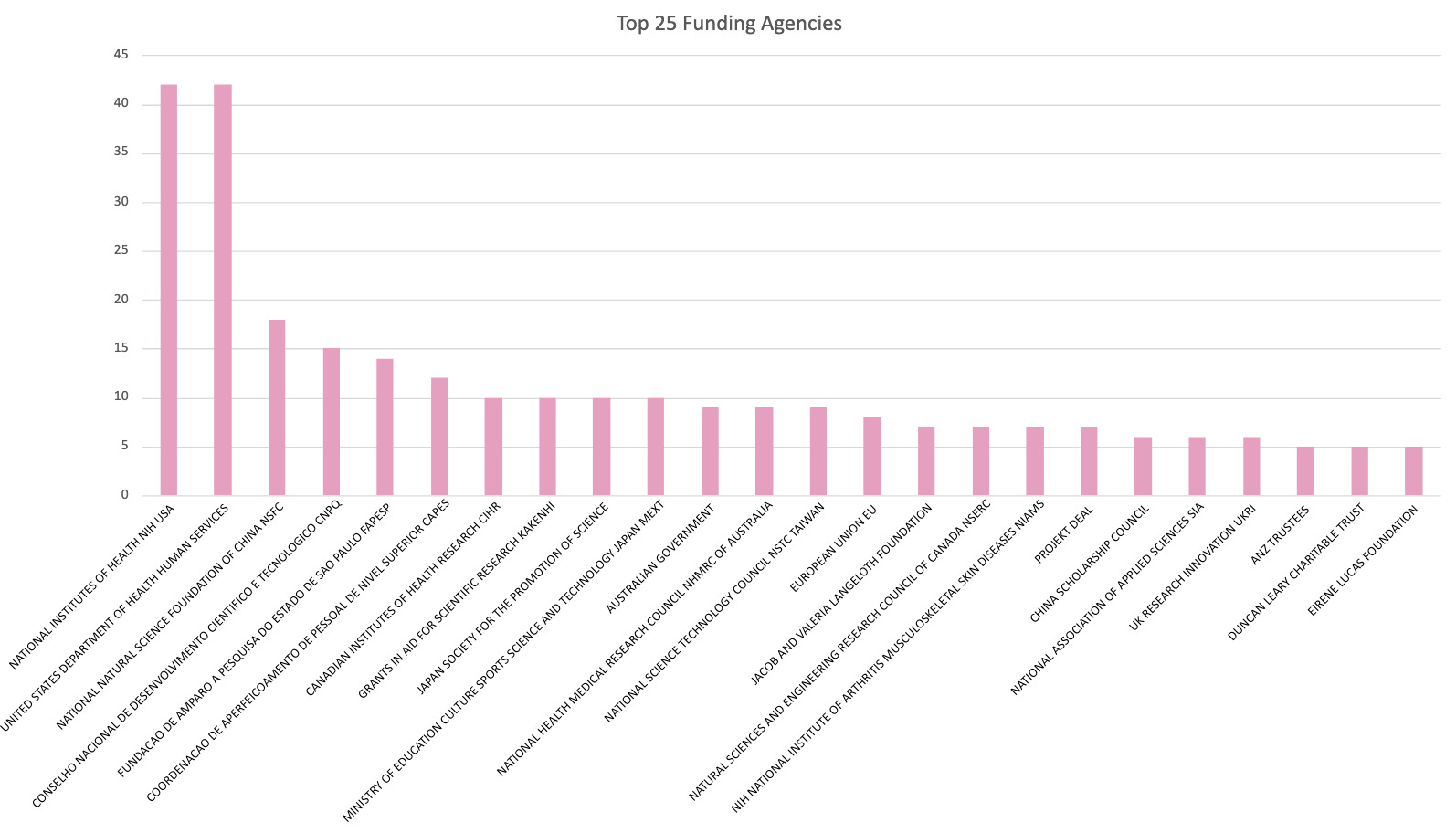
The National Institutes of Health and the United States Department of Health and Human Services provide the greatest amount of funding, with over 40 indexed publications supported by each organization. This is representative of a strong research system in the United States contributing to pediatric musculoskeletal health. Although not represented to a great degree, the international support of research is apparent in the National Natural Science Foundation of China, among other organizations located in Canada and Brazil. It appears that research support is heavily influenced by government entities, with the grant support coming largely from governments specifically dedicated to sports medicine and dance science.
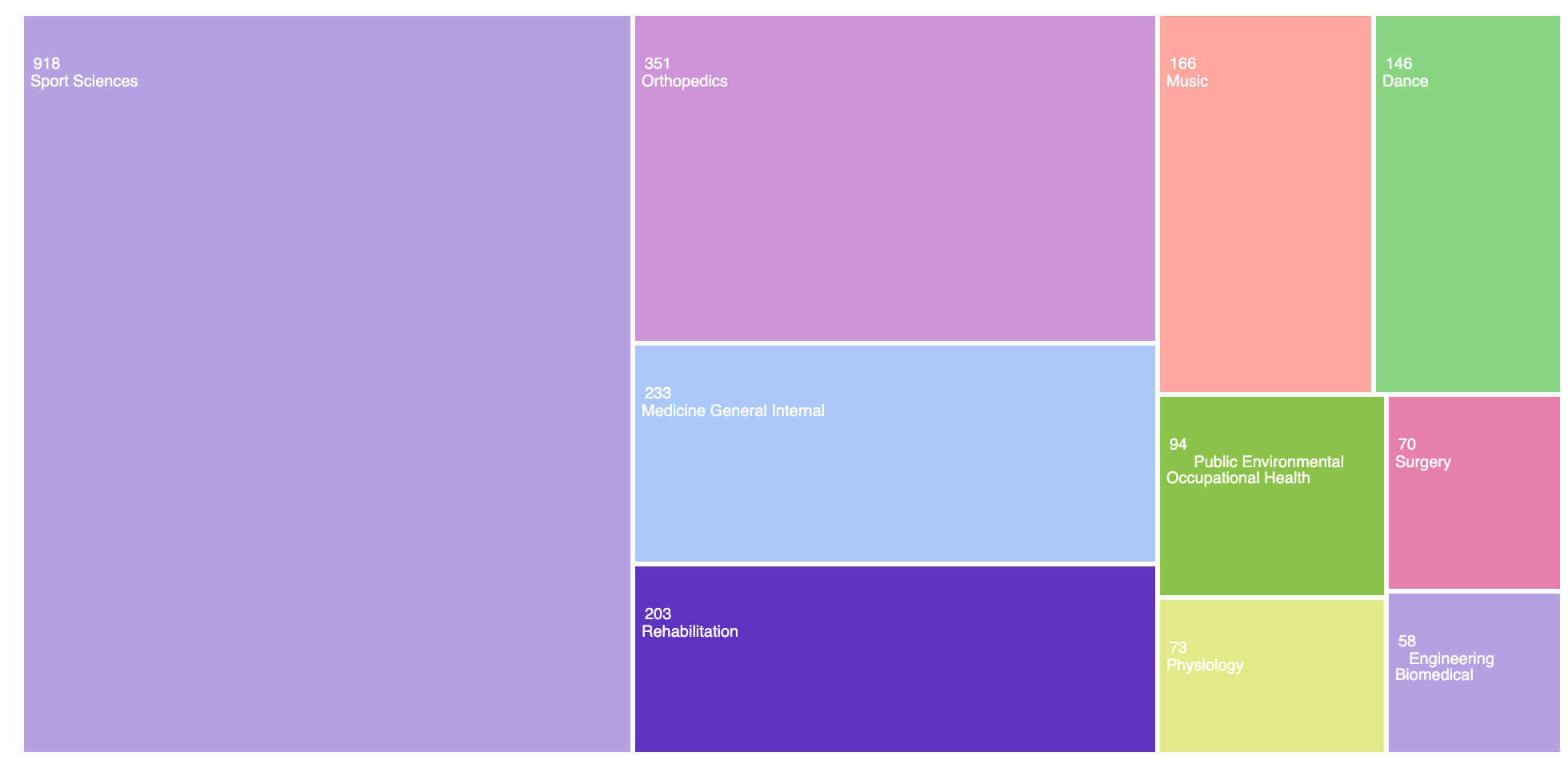
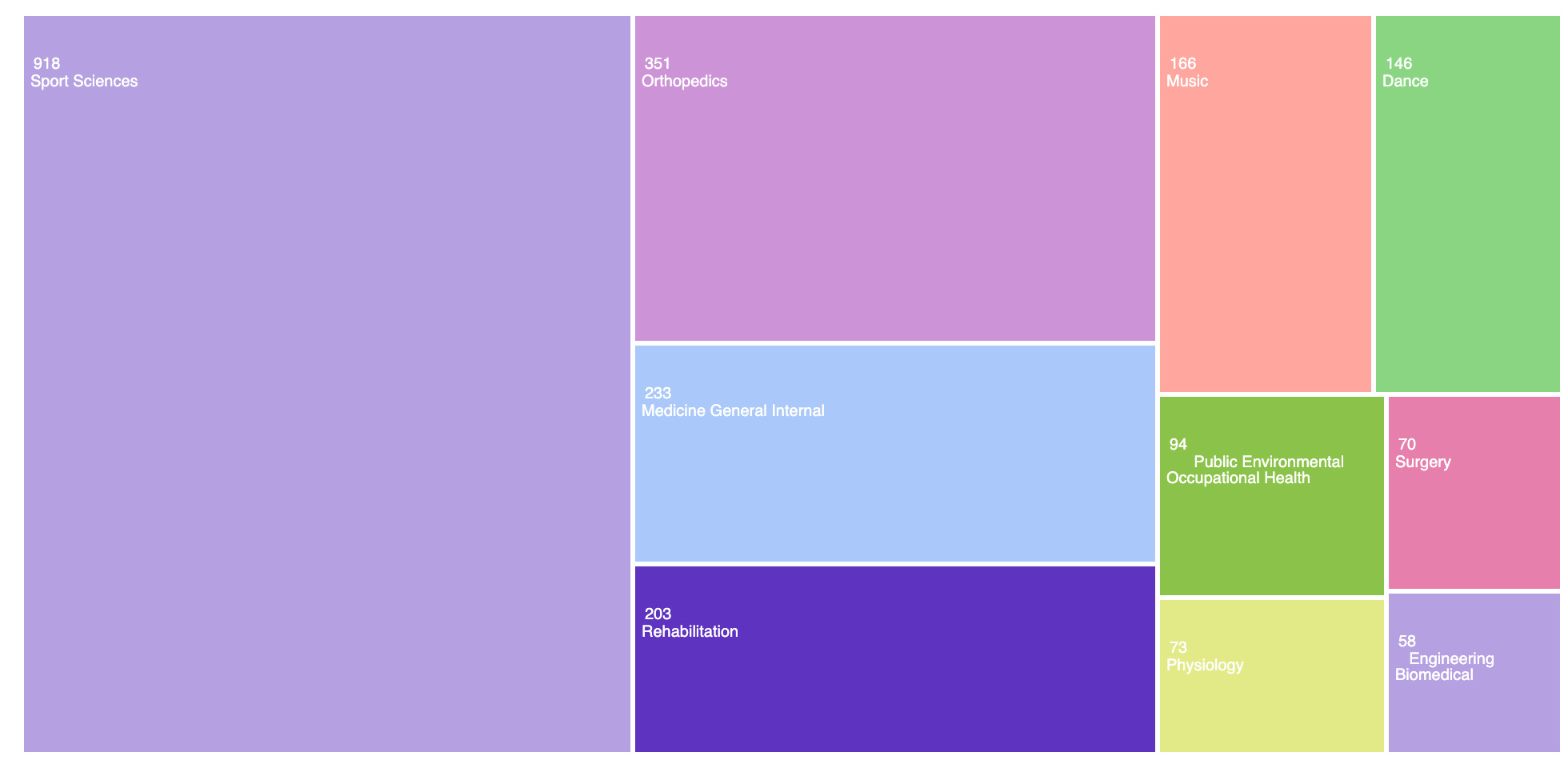
It is clear from the graph that Sport Sciences largely predominates the field of research (918 articles), followed by Orthopedics (351 articles). Therefore, even though Sport Sciences may have its core in surgical/clinical practices, most research is undertaken with regard to athletic function and sports medicine. In addition, other fields such as rehabilitation, music, and dance medicine are all relevant to young dancers’ study and further illustrate the multidisciplinary characteristic. The distribution of publications across psychology, physiology, pediatrics, rehabilitation, and orthopedic disciplines underscores the multidisciplinary nature of dance medicine research."
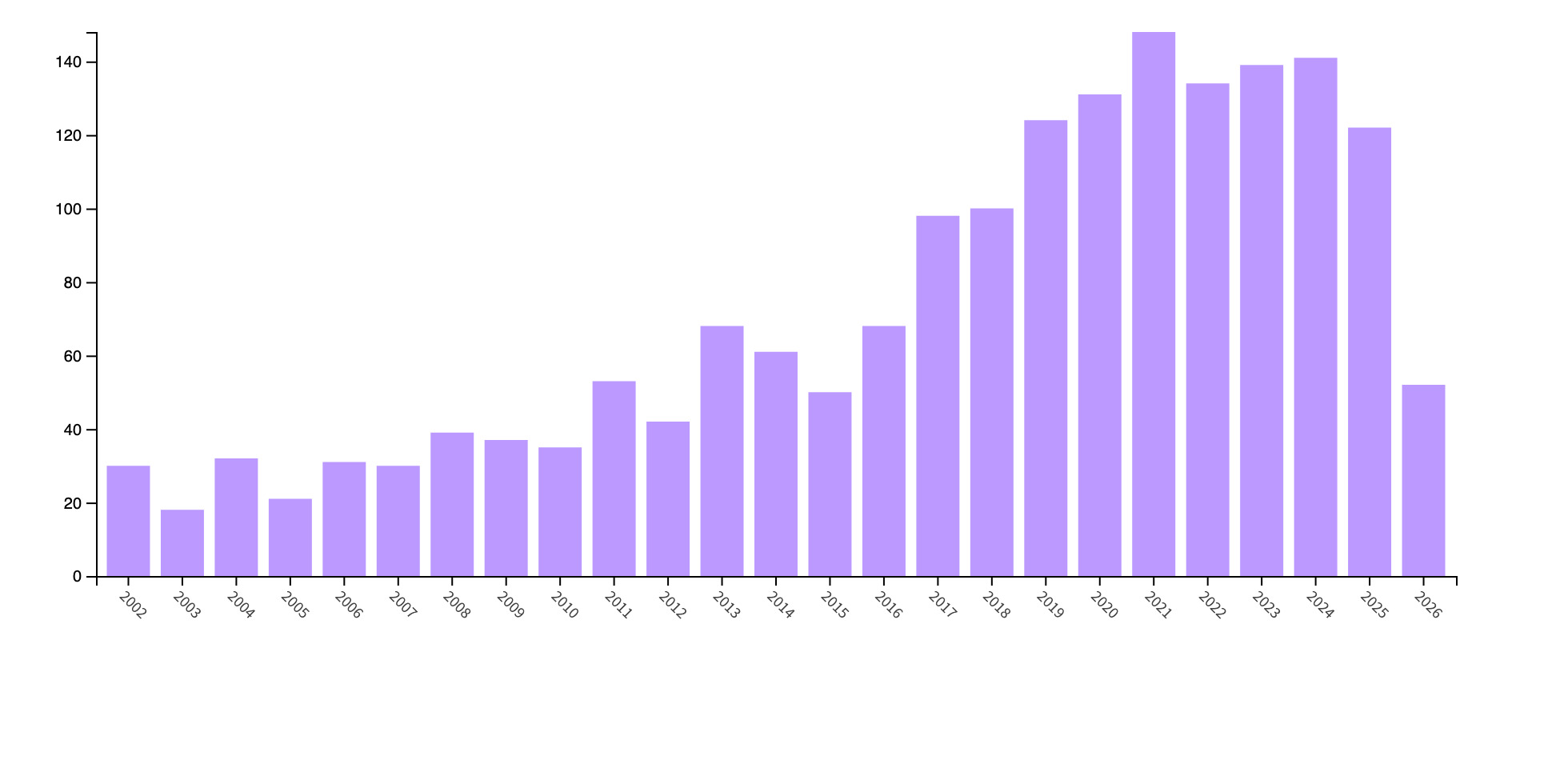
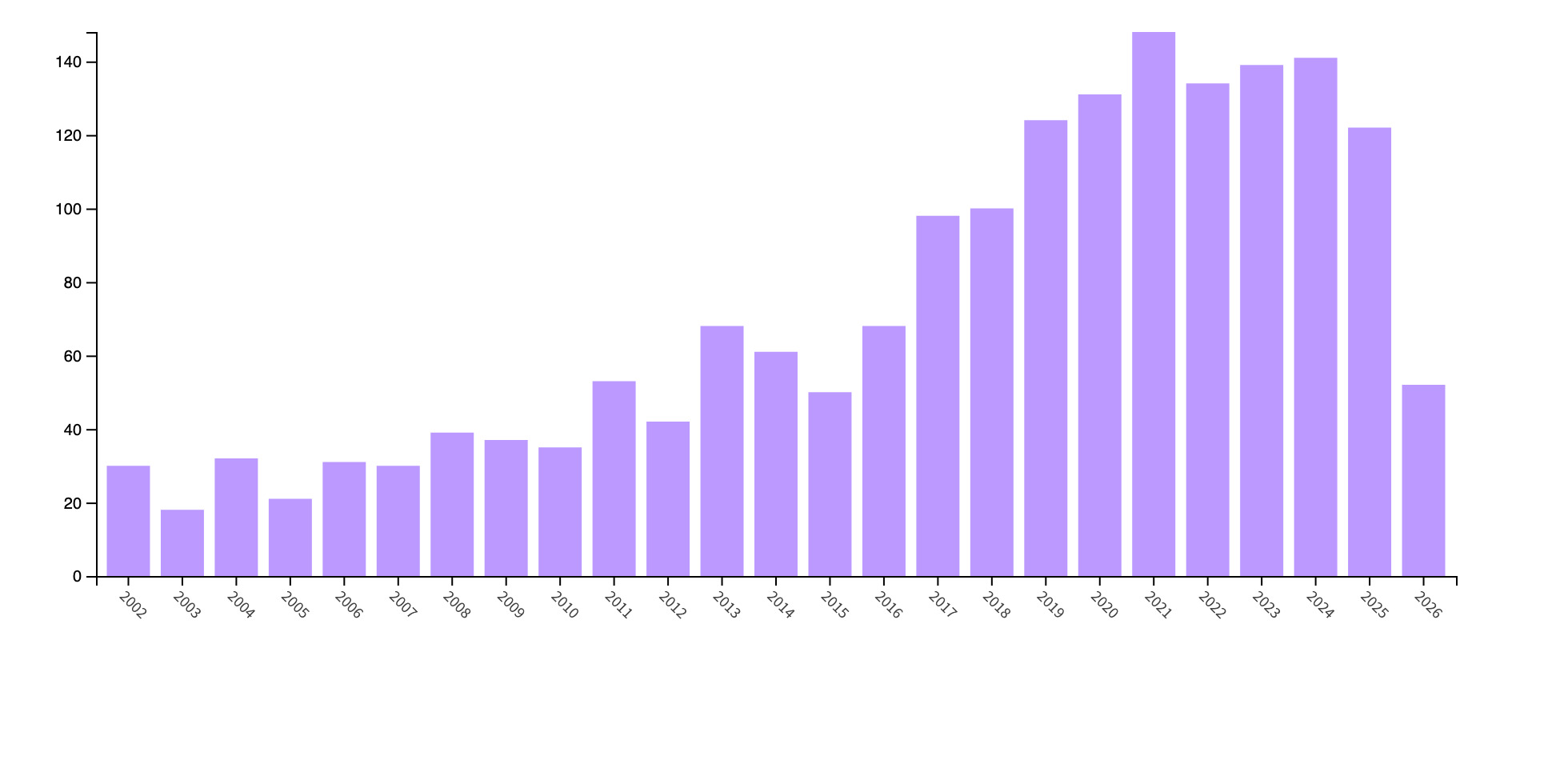
The data shows a steady increase in publication count concerning growth plate injuries and skeletal maturity over the years, and a significant rise in more recent years. This may show the academic and research community is now increasingly focused on this area of study. The growing number of scientific articles indicates an increased understanding and improved identification of this type of injury. The increasing number of publications over time shows that greater research investment can lead to a better understanding of growth plate injuries, while also displaying the increasing importance of longitudinal studies discussed in this paper. The decline observed in 2026 reflects incomplete indexing at the time of data collection rather than a true decrease in research productivity.
Discussion
This bibliometric analysis has systematically examined published work to provide a summary of the literature surrounding growth-related injuries and skeletal maturation in young dancers, providing both established patterns and prominent knowledge gaps. An increase in publication numbers in the time frame studied coincides with the progression of dance medicine, a discipline that is emerging but still developing. The same trend was seen with research on epiphyseal injuries across sports medicine, where yearly publications showed a consistent rise in publication rates over two decades.20 The rise in publication numbers after the early 2000s may be attributed to the growing recognition of dancers as high-performing athletes in institutional settings and the establishment of dance medicine clinics in academic medical centers [Figure 6].
The increase in publication numbers beyond the early 2000s is consistent with trends seen in the broad field of pediatric orthopedic sports medicine, where average citation density nearly triples between the 1990s and 2010s.16 Although general sports injury research in this decade is dominated by ACL reconstruction and epidemiology (83.5% of top citations), the literature on dance provides a distinctive niche to investigate the “female athlete triad” and physis vulnerability during strenuous training years.14,15 Despite the positive trend, this subspecialty of orthopedics has not yet attained the depth of evidence found within adult orthopedic journals, where high-level, randomized controlled trials are published more commonly, in contrast to “Level 4” case studies that represent the current knowledge in the field of pediatric dance.12,14 Improving the evidence base with multicenter, longitudinal studies will help shift the focus from describing the burden of dance-related injury toward the establishment of evidence-based prevention programs designed for the unique dancer.14,16
Although most of the current literature stems from sports sciences and orthopedic publications, as demonstrated in Figure 5, it is important that dance medicine literature expands to fill this void. An advantage of a dance medicine literature source would be the ability to discuss dance-related situations, training practices, and artistic requirements more comprehensively than is sometimes possible within broader sports medicine publications. The lack of longitudinal studies, as previously emphasized in the discussions of Figure 2, is also an important research area to address. Prospective longitudinal studies that demonstrate radiography confirmation of physeal closure in dancers (as opposed to isolated case reports) appear to be essentially non-existent.12
Thematic clustering from keyword analysis points to a field still concentrated on describing the problem rather than effectively solving it. While significant progress has been made in identifying injury prevalence, risk factors, and bone health concerns, the evidence base for prevention and clinical intervention remains underdeveloped. For instance, apophysitis-specific conditions like Sever’s disease and Osgood-Schlatter disease are prevalent in young athletic populations, including dancers, but lack comprehensive characterization in large cohort studies specific to dance genres.6,15 Similarly, bone health concerns, such as lower bone mineral density in pre-professional female dancers and reduced tibial ultrasound velocity in young dance students, reinforce the importance of integrating skeletal maturity monitoring with nutritional and endocrine screening in dance medicine programs.12,21–24
Perhaps the most important finding of this review is that significant gaps exist within the literature. The vast majority of information comes from the world of classical ballet, and almost none exists describing physeal or apophyseal injuries in genres such as hip hop, modern dance, acrobatic dance, Irish step dance, etc. This is problematic as the other literature describes particular injuries, such as the bilateral epiphyseal stress fractures found in Irish dancers, yet the literature is rather limited for these populations.25 Sex-specific examinations of larger populations are also needed to address specific risks, as well as to better understand injury patterns within different dance populations. This need was reflected in Figure 2, where the keyword “menarche” appeared within a larger cluster, supporting previous findings linking young elite female dancers to delayed growth, delayed menarche, and menstrual irregularities.
Despite the growing body of literature, dance medicine remains heavily centered on classical ballet, limiting the generalizability of current evidence to the rapidly expanding population of dancers participating in other genres.
Limitations
The constraints of this analysis were made to primarily discuss WoS-indexed articles; it is possible that research that meets the criteria could have been missed due to being in a different specialty database. Citation count will likely be affected by the article’s age and how visible a journal is within the field. Therefore, it is a poor measure of the scientific validity of the research being reviewed. Keyword co-occurrence will be dependent on the terms the authors themselves assigned to the research. These terms may not have been standardized. They may have led to “scatter” across the network. Nevertheless, the trends described in this analysis demonstrate that research in young dancers with regard to the prevention of injury and skeletal integrity is an expanding research topic that needs continued emphasis and focused, complete inquiry.
Conclusion
The increase in scientific research that looks at growth plate injuries and skeletal maturation in young dancers, as displayed through the consistent growth of articles over the years, shows a strong increase in scientific focus on this topic. The areas in which research has been successful lie in the accurate detection of training-related factors and injury incidence in young athletes and the identification of factors such as training volume and maturation as significant injury risk factors. The current field has been weakened by a primary focus on classical ballet training and an absence of radiographic confirmation in prospective longitudinal designs. As of now, the United States and Sport Sciences journals dominate the field, indicating the absence of studies conducted elsewhere in the world and the underuse of dance medicine journals, which account for genre-specific trends. For improved injury prevention programs and continued health and performance of young artistic athletes, research will need to become inclusive of other forms of dance and populations that have been underrepresented.