

INTRODUCTION
Competitive swimming is one of the most popular sports practiced worldwide, with millions of athletes participating at recreational, collegiate, and elite levels.1 Swimming is known to provide several health benefits, including increased cardiovascular endurance, muscle strength, flexibility, and fitness.2 Because swimming involves extensive repetitive movements, especially those performed overhead, swimmers are at significant risk of overuse injuries.3,4 One of the most prevalent musculoskeletal injuries associated with swimming is swimmer’s shoulder,2 which refers to various forms of shoulder injuries such as rotator cuff tendinopathy, shoulder impingement, labral injury, and scapular dyskinesis.4 All of these injuries occur from the repetitive overhead motion required during training and competition.3,5,6 In a single training session, competitive swimmers can make several thousand shoulder rotations, causing mechanical stress to the shoulder joint.5 The greater the training load is, the higher the risk of pain development and functional disorder.
The prevalence of shoulder pain among competitive swimmers has been substantially higher than that observed in other athletic populations. The early studies in the field have demonstrated that shoulder pain affected training and competition in a substantial number of swimmers, pointing out the need for developing measures aimed at preventing injuries and treating them.4,7 Furthermore, studies have established an association between shoulder pain and factors such as changed shoulder strength, range-of-motion impairments, and increased joint laxity, suggesting that both biomechanical and physiological factors contribute to the development of injury.6–8
Besides the physical problems, swimmer’s shoulder often leads to decreased athletic performance and training days, extended periods of rehabilitation, as well as possible disability in the long run.3 Chronic shoulder pain in athletes can pose some psychological problems caused by reduced participation and future performance concerns. Therefore, swimmer’s shoulder can be considered not only as a clinical problem, but also as a major one for coaches and sporting institutions.5 As awareness of swimming-related shoulder injuries has increased, so has the volume of scientific literature dedicated to understanding these conditions. Recent analyses indicate that research on swimmer’s shoulder and shoulder pain in competitive swimmers has expanded substantially, with increasing contributions from sports medicine, rehabilitation, biomechanics, and orthopedic disciplines.2,3,8 Despite this growth, several important research aspects such as publication trends, influential contributors, collaborative networks, and geographic distribution have not been comprehensively evaluated.
Therefore, the current study aims to conduct a bibliometric analysis of the global scientific literature concerning swimmer’s shoulder. Through a thorough examination of trends in publications, citations, authorship networks, and journals, a comprehensive insight into the development of literature related to swimmer’s shoulder can be achieved.
METHODS
Bibliometric analysis is a quantitative research method that examines scholarly publications to identify trends in research output, influential studies, leading authors, and contributions of countries and institutions within a given field. Bibliometric methods were used to ensure a systematic and reliable analytical approach.9
Search Strategy
The dataset for this bibliometric study was obtained from the Web of Science (WoS) Core Collection, selected for its extensive coverage of high-quality literature and integration with bibliographic mapping tools. The records found were exported and examined using VOSviewer, a software application for generating and visualizing bibliometric networks. The search was carried out on April 1, 2026.
The search strategy used was:
TS= ((“swimmer’s shoulder” OR “swimmers shoulder”) OR (swim* AND (shoulder injury* OR rotator cuff OR impingement"))
Literature was collected from the years 1965 to 2026. The search was performed without restrictions on document type or publication year.
Data Extraction
Standard bibliometric procedures were used for data extraction.10 Search results were exported in groups of 500 as tab-delimited files of full records and cited references from WoS. This format was used to ensure compatibility with our bibliometric analysis software, VOSviewer.Records exported in multiple batches were merged into a single dataset. Author names and institutional affiliations were standardized before bibliometric analysis. This allowed for the visualization of several key parameters such as co-authorship, co-citation, and keyword co-occurrence.
RESULTS
The final Web of Science dataset included 542 publications related to swimmer’s shoulder and shoulder conditions in competitive swimmers, published between 1965 and 2026.
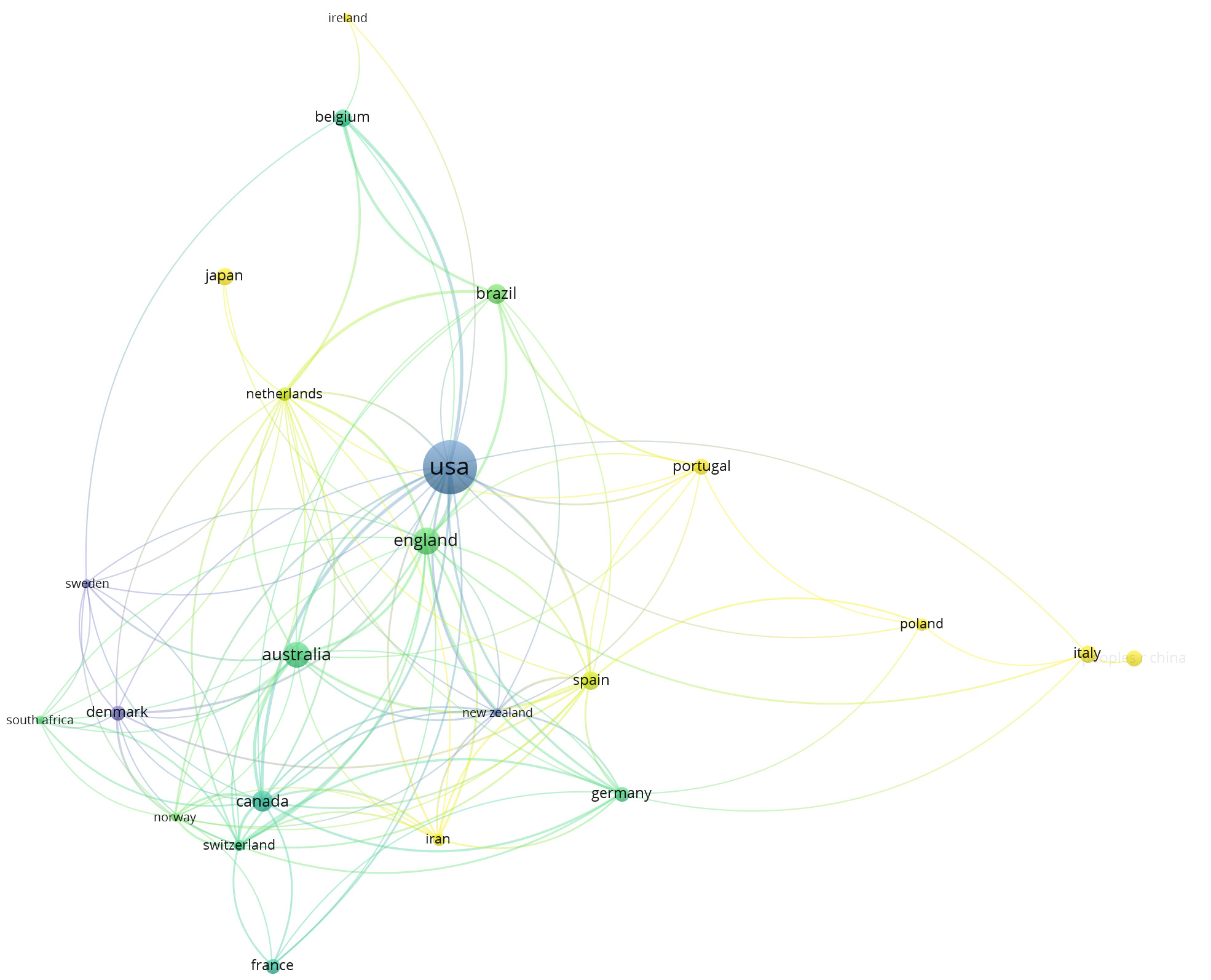
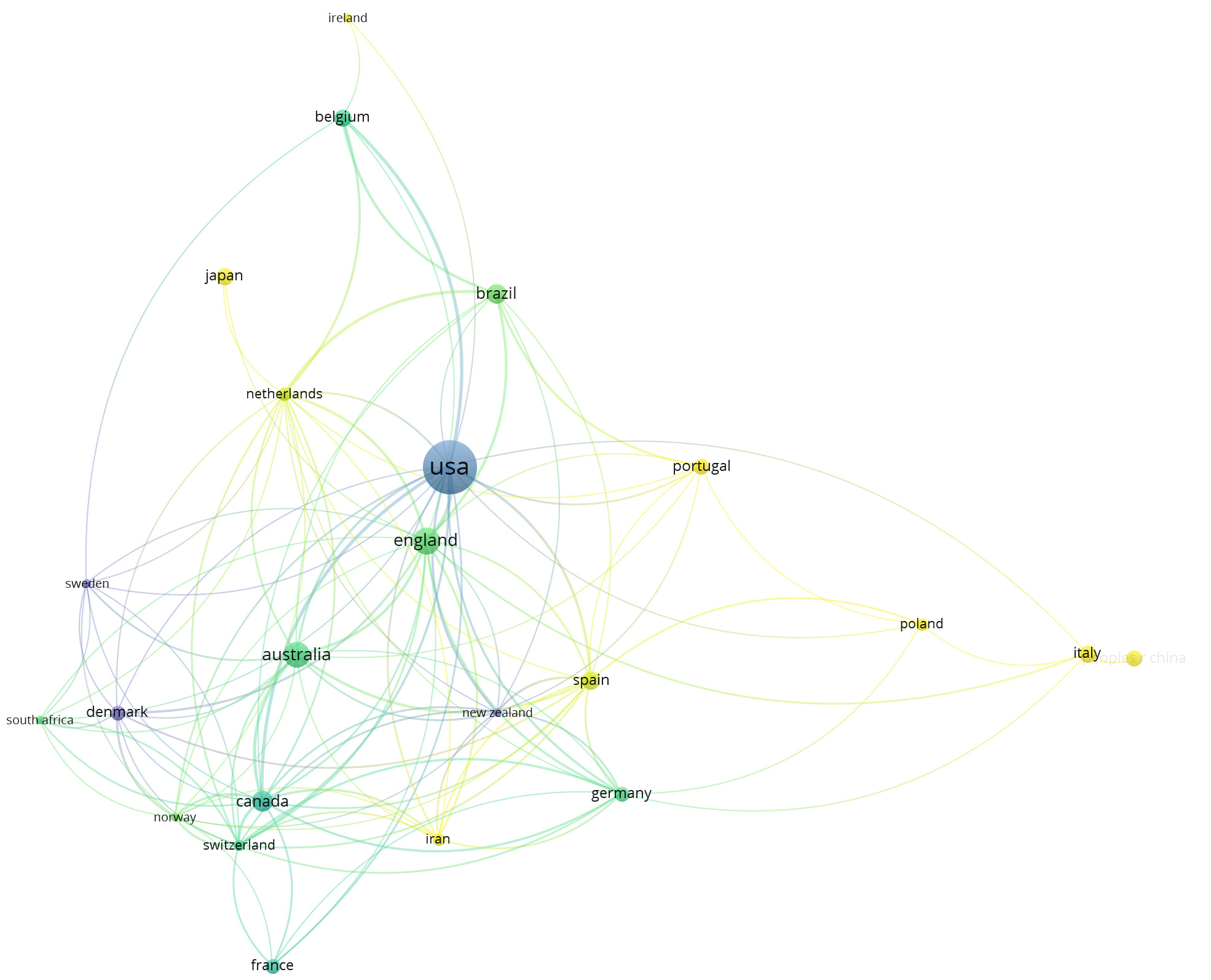
The geographic analysis revealed the leading contributors in research on shoulder disorders in swimmers. The United States was the leading contributor with 204 publications, followed by England (48), Australia (43), Canada (30), and Brazil (27). Other notable contributors included Spain, Belgium, Japan, Italy, China, Portugal, and Germany. Collaboration between countries on research in this field was also revealed. Specifically, the United States occupied the most central position, with collaborative links to England, Australia, Canada, Brazil, and multiple European countries. Furthermore, smaller but significant collaboration networks were also observed among countries such as the Netherlands, Belgium, Portugal, Spain, Germany, Italy, Japan, and Poland, indicating international participation but uneven global representation.

The affiliation density visualization showed several concentrated institutional hubs rather than a single dominant global research center. A large cluster was observed around the University of North Carolina, Hospital for Special Surgery, University of Colorado, Drexel University, and Arcadia University. Other institutions such as the University of British Columbia, Ghent University, and Stanford University were found to be significant contributors, although they were not part of any clusters.
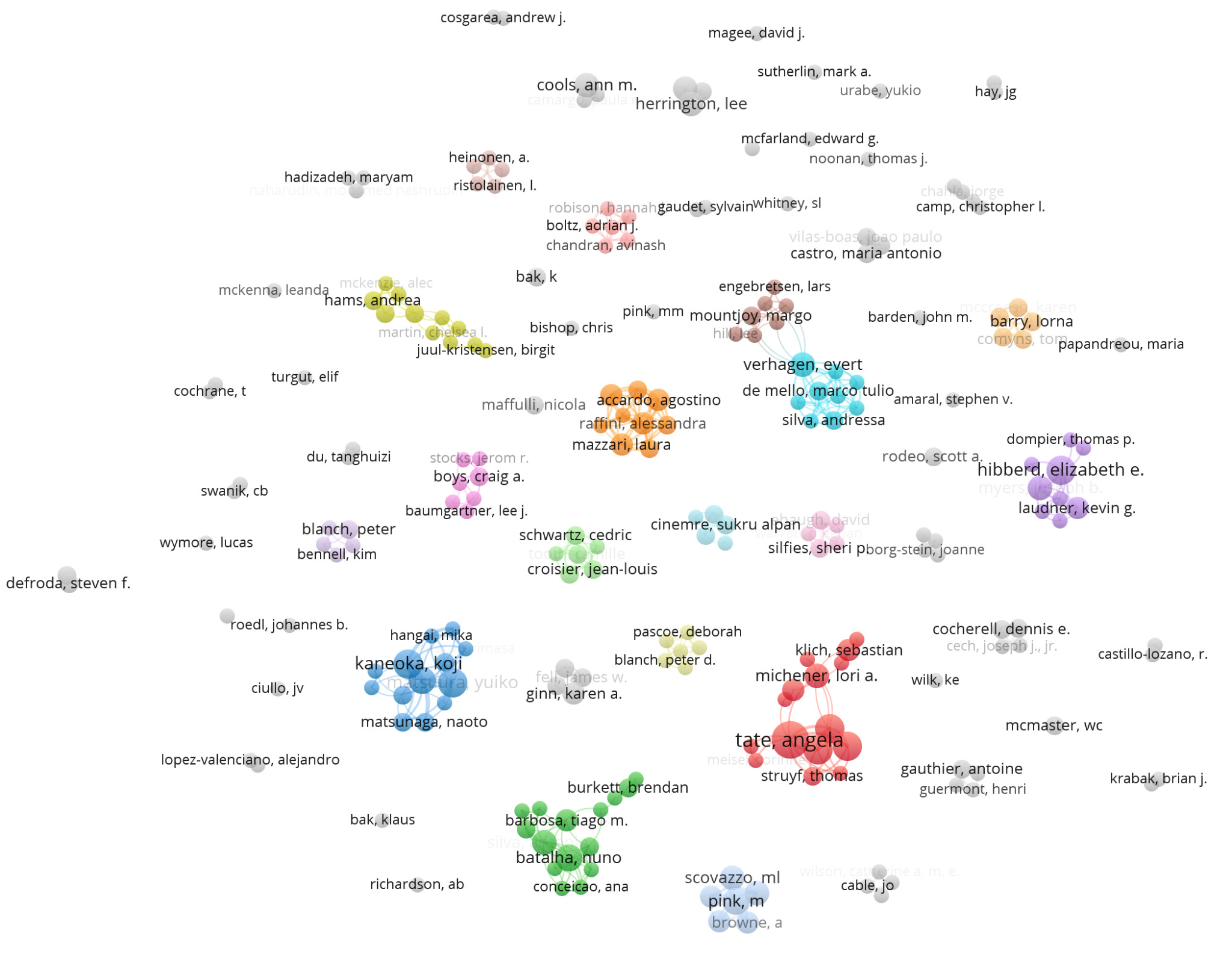
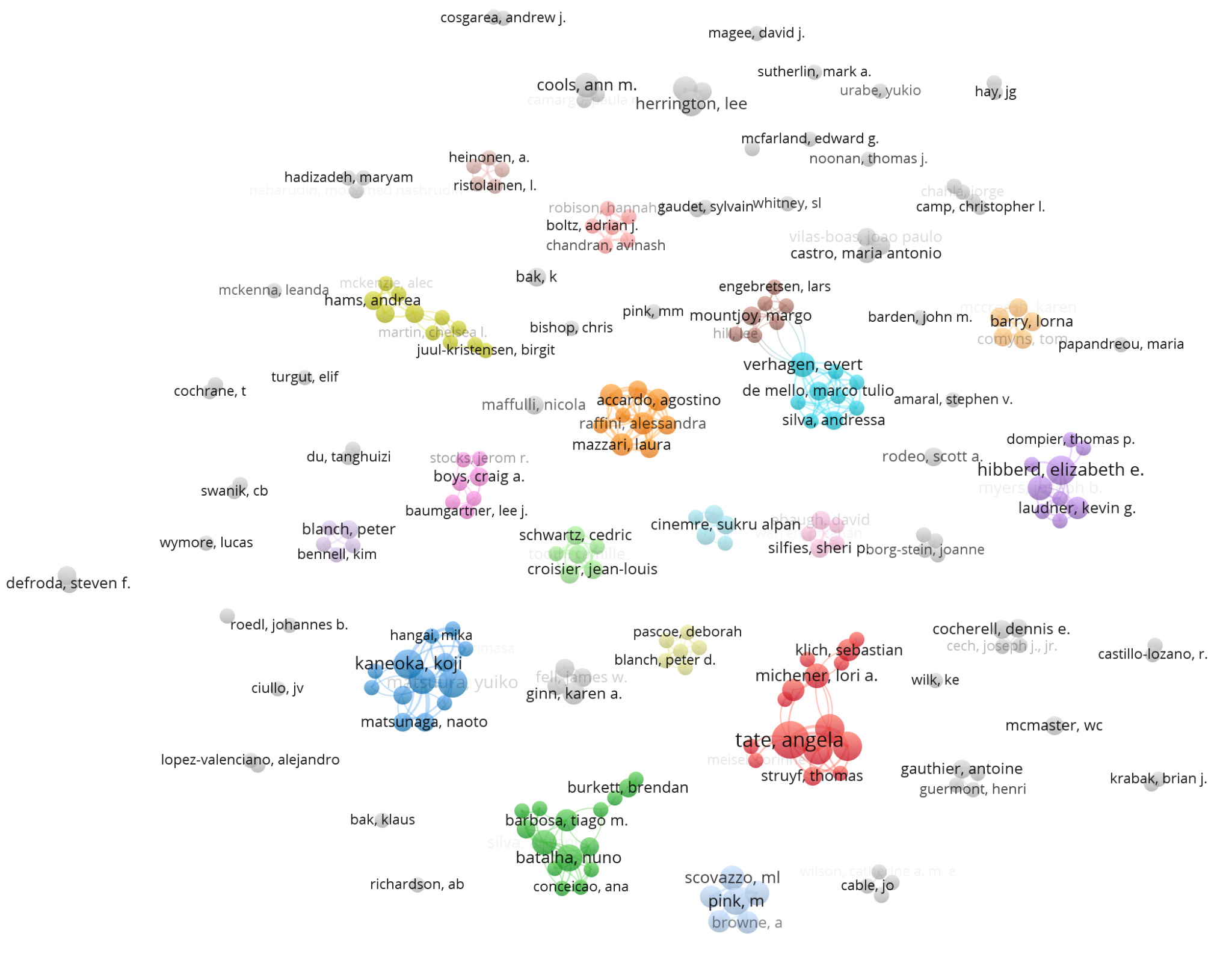
The author co-authorship network similarly demonstrated several distinct research clusters. In particular, the VOSviewer visualization revealed collaborative networks around authors such as Tate, Hibberd, Kaneoka, Cools, Accardo, Silva, Verhagen, Barbosa, and others. In terms of publication output, Angela Tate was the most frequent author in the dataset with 11 records. Several authors, including Ann M. Cools, Kevin Kuppens, Filip Struyf, Elizabeth E. Hibberd, Mika Kaneoka, Yuko Matsuura, and Saori Feijen, each appeared among the most productive contributors with 7 records.
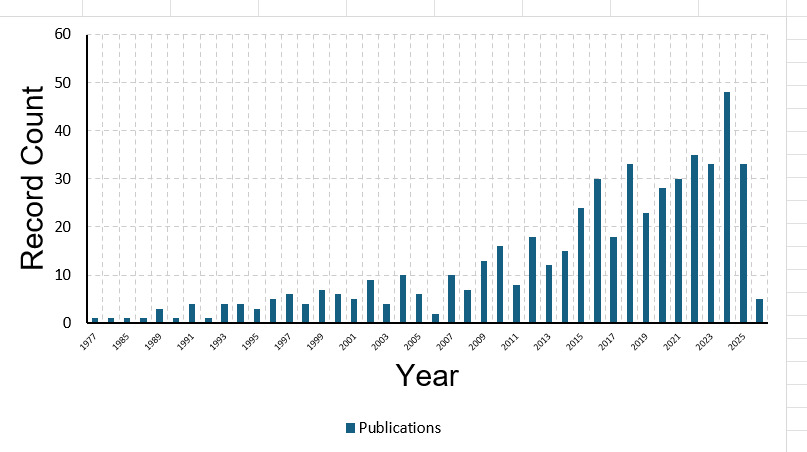
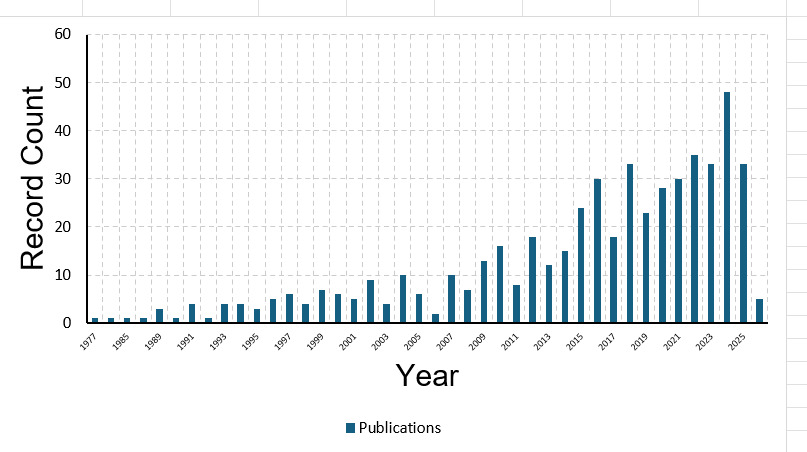
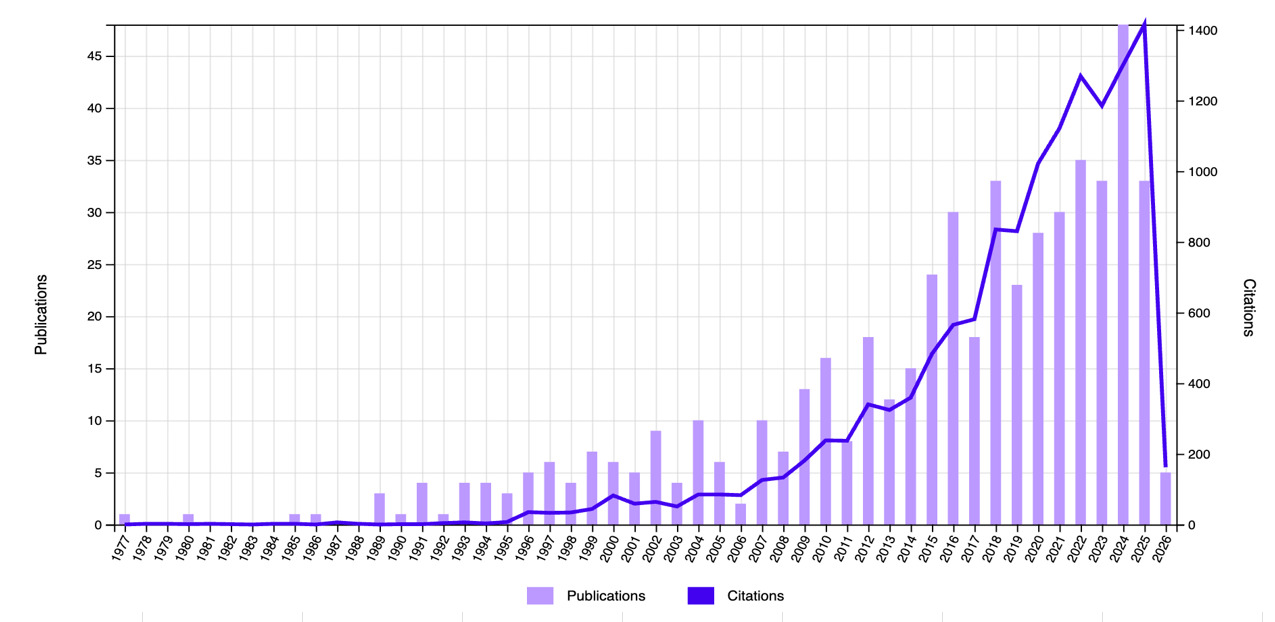
Publication output in research on swimmer’s shoulder became more consistent after 2000, following intermittent output in previous years. Publication volume then increased sharply in the mid-2010s and has continued to increase ever since. This is supported by the highest annual publication count, which occurred in 2024 with 48 records. Furthermore, the five most recent complete years (2021-2025) accounted for 179 publications, which is approximately 34% of the total publication count.
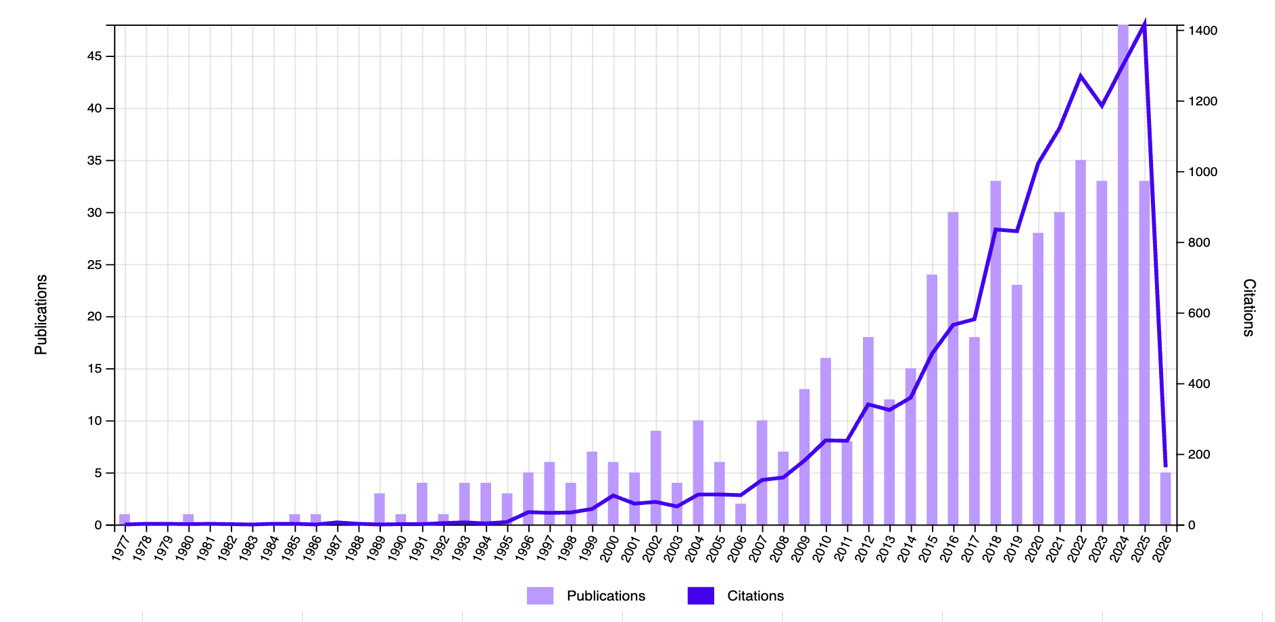
Figure 5 illustrates that citation activity followed a similar upward pattern, rising most rapidly after the mid-2010s and reaching its highest level near the end of the study period. The apparent decline in 2026 should be interpreted cautiously because the year was incomplete at the time of analysis.
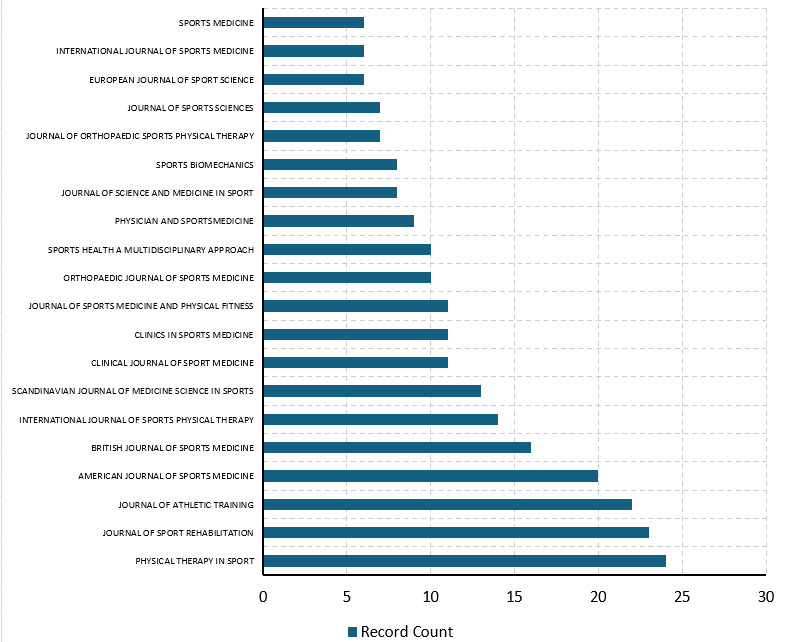
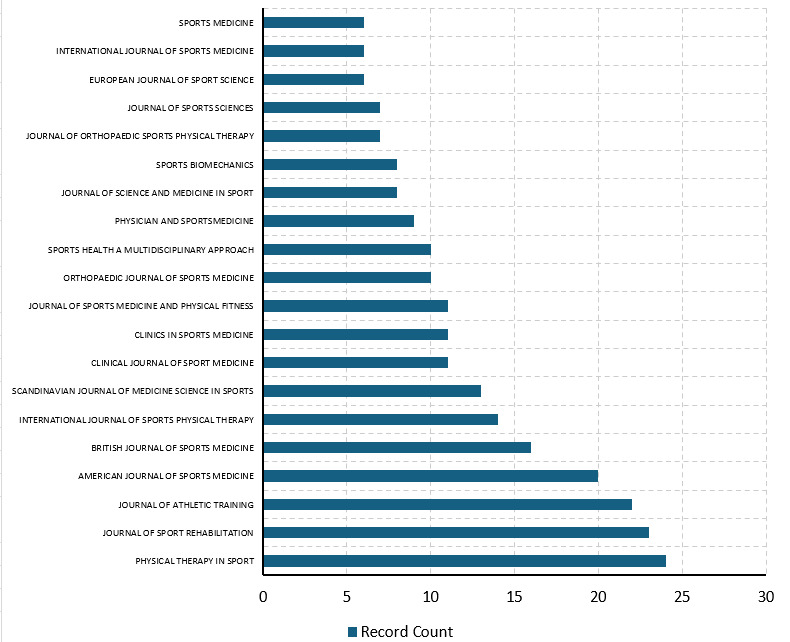
Figure 6 presents a chart of the top 20 journals and publication sources in research on shoulder disorders in swimmers. The most prominent journal was Physical Therapy in Sport with 24 records, followed by Journal of Sport Rehabilitation (23), Journal of Athletic Training (22), American Journal of Sports Medicine (20), and British Journal of Sports Medicine (16). Other notable journals include the International Journal of Sports Physical Therapy and Scandinavian Journal of Medicine & Science in Sports.
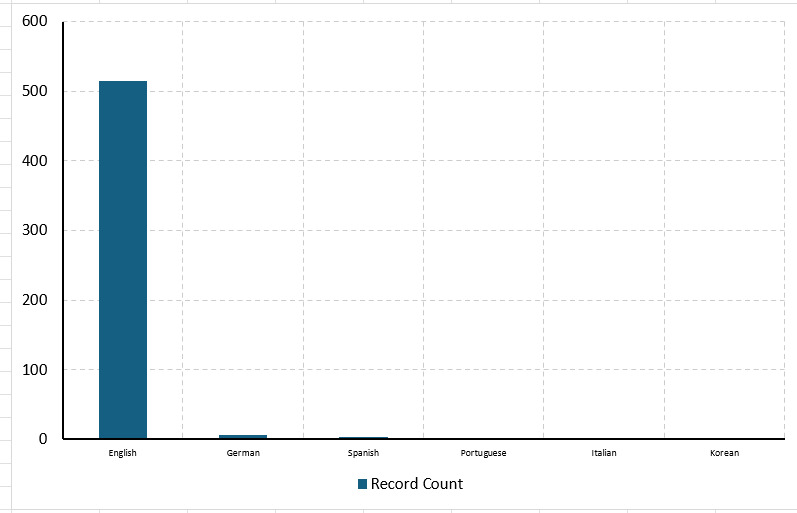
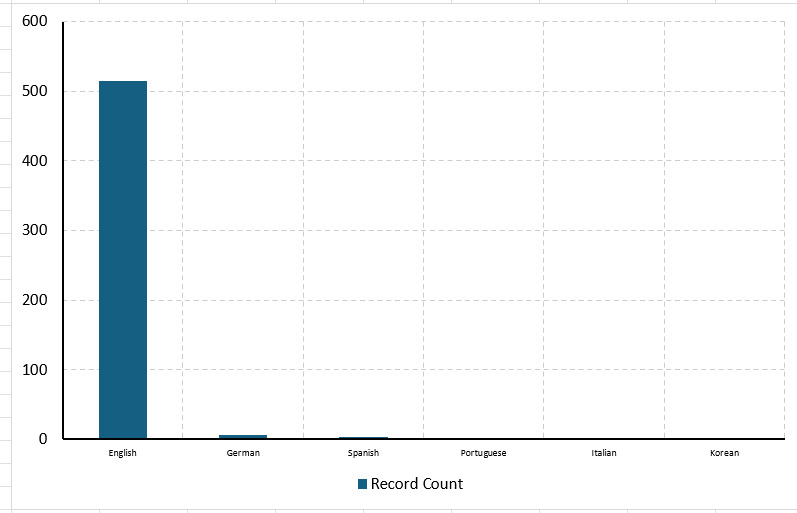
The language distribution of research on shoulder disorders in swimmers was highly concentrated, with 514 publications written in English. This represents 97.5% of the total dataset. German accounted for 6 publications, Spanish for 3, Portuguese for 2, and Italian and Korean for 1 publication each.
Table 1 indicates the top 10 cited articles found within the swimmer’s shoulder review. The top cited study was “The training-injury prevention paradox: Should athletes be training smarter and harder,” which was cited 1,189 times. The second highest cited article was “Mechanisms of Tendon Injury and Repair,” with 442 citations, followed by “The Relationship Between Training Load and Injury, Illness and Soreness: A Systematic and Literature Review,” with 400 citations. Most of these highly cited articles featured issues with training load, tendon injury, shoulder rehabilitation, impingement symptoms, muscle activation of the scapula, and shoulder pain among swimmers.
DISCUSSION
This bibliometric study shows that research on swimmer’s shoulders among competitive swimmers has increased drastically in recent years. This can be seen in Figures 4 and 5, which show that there were few publications in the late 1900s but that publications gradually increased after the 2000s, with the largest increase occurring in the recent decade. From this observation, swimmer’s shoulders are becoming a growing concern in sports medicine, specifically due to swimming’s repetitive nature.5,11,12 The rise in publications and citations also points to a growing awareness of overuse injuries and their impact on athlete performance, rehabilitation, and long-term shoulder health.
Figure 4 shows that citation activity has increased sharply in recent years. This indicates that research on swimmer’s shoulder has gained more academic attention. Improvements in sports medicine, diagnostic imaging, rehabilitation science, and biomechanics likely contributed to this growth by enhancing understanding of rotator cuff tendinopathy, impingement, labral injury, and scapular dyskinesis in swimmers. This increase in research is important, because a swimmer’s shoulder not only constitutes an injury that causes pain, but also affects training volume, competitive ability, and long-term continuation in the sport. Increased attention in the literature also signals the necessity of conducting research that will be devoted to the prevention and making return-to-sport decisions. This trend is further supported by Table 1, which shows that the most cited papers in the review contain extensive literature on training load, tendon injury, shoulder rehabilitation, impingement symptoms, and scapular muscular functions. Table 1 indicates that the most relevant literature on swimmers’ shoulder injuries is not only about injury description, but also about understanding the cause of repetitive stress injury and improving prevention and treatment approaches. This is especially true since recent studies identified an association between shoulder pain and training volume, supraspinatus tendinopathy, strength imbalances, and scapular kinematic abnormalities.5,13,14 It is evident that the issue is the result of several factors, rather than one injury. Future research must follow up with clinical, biomechanical, and rehabilitation approaches.
Analysis of geographic trends revealed a significant concentration of scientific production in developed countries. Figure 1 reveals that the United States contributed the most in the country collaboration network. Other countries that also contributed included England, Australia, Canada, Brazil, and various European countries. This is most likely the result of better funding for research, more developed sports medicine programs, and the availability of a competitive swimming population. Consequently, due to the limited participation of developing countries, swimmer’s shoulder research cannot fully cover the entire swimming population. Research productivity depends on the availability of financial support, academic resources, and publication possibilities, which vary substantially across countries and communities. As a result, athletes from less affluent areas are not sufficiently represented in the evidence base.15,16 Further research must include wider geographical distribution, which will enhance the applicability of current recommendations in different training and healthcare settings.
The figures related to authors and institutions show that the field is supported by several active collaborative groups rather than a single research center. For instance, Figure 2 highlights institutional clusters, including universities and medical centers that are more closely connected within the research network. Figure 3 shows multiple author collaboration clusters, indicating that swimmer’s shoulder research is conducted by several groups across sports medicine, rehabilitation, orthopedics, and biomechanics. However, the separation between some clusters suggests that stronger international and interdisciplinary collaboration may still be necessary. VOSviewer is based on collaboration patterns between authors, institutions, and publications. That is why separate clusters might indicate that scientific knowledge is developing in small scientific communities rather than a unified global one.17 More collaboration between these groups could help in improving study designs, creating diverse samples, and ensuring relevance of the future findings to competitive swimmers all over the world.
The findings from journal trends suggest that the swimmer’s shoulder literature is concentrated in the fields of sports medicine, sports rehabilitation, physical therapy, and orthopedics. As seen in Figure 6, the most frequent publication sources are Physical Therapy in Sport, Journal of Sport Rehabilitation, Journal of Athletic Training, American Journal of Sports Medicine, and British Journal of Sports Medicine. The fact that the literature on this topic is published mainly in these sources can be attributed to the practical and evidence-based aspect of the area. This is important since the above fields have direct involvement in the identification of the risk factors, treatment of shoulder pain, as well as development of rehabilitation and prevention programs for swimmers.11,18 Based on this identified journal pattern, it is likely that this field will develop further towards clinically applicable research that would benefit clinicians, athletic trainers, physical therapists, coaches, and athletes.
Language trends also reveal a significant limitation in the literature. As shown in Figure 7, 97.5% of publications were in English, suggesting that research in other languages may be underrepresented or less visible in the database. This creates potential language bias and may limit understanding of swimmer’s shoulder research from non-English-speaking regions.
Additional limitations include the use of Web of Science as the main database and the reliance on the search terms “swimmer’s shoulder” and “swimmers’ shoulder,” which may have left out related studies. Future research should broaden database coverage, use wider search terms, and promote greater international collaboration to enhance global representation and apply findings to practical prevention and rehabilitation programs. This is especially relevant since the bibliometric analysis results may differ depending on the database chosen for the purpose. Language limitations are also significant since they can decrease the availability of the information that is relevant to the subject of interest, but only available in other languages.16,17
The predominance of orthopedic and sports medicine journals demonstrates that swimmer’s shoulder is increasingly recognized as a clinically important musculoskeletal disorder requiring multidisciplinary management. Future investigations should prioritize prospective injury surveillance, standardized diagnostic criteria, imaging correlations, and high-quality rehabilitation trials to improve prevention and return-to-sport decision making.
CONCLUSION
This bibliometric analysis reveals a significant increase in scientific papers on swimming-related shoulder injuries over time, supported by substantial increases in publication and citation counts since 1977. Additionally, countries such as the United States, England, Australia, and Canada emerged as the countries contributing most to research in this field. In combination with the discovery that most of the research in this field concerns sports rehabilitation and orthopedics, these findings emphasize a new direction towards clinical applications concerning swimming-related shoulder injuries. While developing countries are poorly represented in this field, future research should target promoting international cooperation as well as developing preventive and rehabilitative approaches.