
Introduction
Patients with hip fractures are typically older adults. The population aged 65 years and older continues to grow, and this population is characterized by reduced physiologic reserve, high comorbidity burden, and elevated rates of complications and mortality after hip fracture and surgical repair.1–3
Hip fractures and their operative management frequently result in clinically meaningful blood loss, which may arise from active bleeding at the fracture site and from the surgical procedure itself.4
Distinguishing anemia caused by acute fracture-related bleeding from chronic anemia, hemodilution after fluid resuscitation, or a combination of these factors is often difficult in this population.5,6
Admission hemoglobin may be falsely reassuring because some patients with hip fracture experience a substantial postoperative decline in hemoglobin after hydration and surgical treatment.7
Conversely, higher perioperative hemoglobin has been associated with shorter hospitalization, lower mortality, fewer readmissions, and better early functional recovery in some studies.8,9
Patient blood management strategies, including identification and correction of anemia, careful perioperative planning, and meticulous intraoperative hemostasis, may reduce exposure to allogeneic blood transfusion in orthopedic surgery.10
Transfusion is not a benign intervention. It may be associated with infection, anaphylactic reactions, transfusion-related circulatory overload, and other adverse events. In elderly patients undergoing hip fracture surgery, transfusion has also been associated with increased postoperative infection in some studies.11
Previous trials have examined liberal versus restrictive transfusion strategies after hip fracture surgery. Carson and colleagues found that a liberal transfusion strategy did not improve mortality or functional outcomes compared with a restrictive strategy in high-risk patients after hip surgery. Parker similarly reported no significant advantage for a liberal transfusion policy and supported the clinical acceptability of a restrictive threshold near 8 g/dL in appropriate patients.12,13
Other studies have examined predictors of transfusion need and suggested that surgical fixation type is one potentially modifiable factor affecting transfusion rates.14
Bnei Zion Medical Center in Haifa is a 350-bed hospital serving Haifa, the Krayot area, and nearby villages. The Orthopedic Department treats all major types of hip fractures. Intertrochanteric fractures are commonly treated with percutaneous compression plating (PCCP), a minimally invasive technique that may reduce soft tissue dissection and bleeding compared with more extensive approaches.15
Unstable femoral neck fractures in elderly patients are generally treated with hemiarthroplasty or total hip arthroplasty, while stable femoral neck fractures may be treated with cannulated screw fixation. Total hip arthroplasty generally involves acetabular preparation and may result in greater blood loss than hemiarthroplasty. Transfusion rates have also been shown to vary across joint arthroplasty procedures and among surgeons.16
Upon admission, patients with hip fracture routinely undergo complete blood count, coagulation studies, and basic chemistry testing. Blood type is determined from two separate samples, and two units of packed red blood cells are crossmatched before surgery. During the study period, no formal departmental guideline defined transfusion indications. In practice, transfusion was usually considered when hemoglobin fell below 8 to 9 g/dL, or below 9 g/dL in patients with relevant cardiovascular comorbidities or symptomatic anemia.
Objectives
The objective of this study was to retrospectively evaluate the association between patient characteristics, fracture characteristics, operative variables, and the need for blood transfusion among patients hospitalized with hip fracture, and to identify independent predictors of transfusion using multivariable logistic regression. The main clinical considerations guiding transfusion decisions were hemoglobin below 9 g/dL or symptomatic anemia.
The predefined variables examined were age, sex, American Society of Anesthesiologists (ASA) score, fracture type, admission hemoglobin, use of antiplatelet or anticoagulant therapy, length of hospital stay, type of surgery, time from admission to surgery, duration of surgery, Charlson Comorbidity Index (CCI), and blood type.
Methods
Study design and setting: This was a retrospective case-control study conducted at the Orthopedic Department of Bnei Zion Medical Center. The primary study group included 100 patients with hip fracture who were hospitalized between April 2014 and June 2015 and received red blood cell transfusion, as identified through blood bank records.
Eligibility criteria: Patients were excluded if they had hemorrhagic complications unrelated to the hip fracture, such as gastrointestinal bleeding, if they sustained polytrauma, or if they underwent revision surgery for a previous hip fracture.
Control group: A control group of 50 patients was established for comparison. These patients were hospitalized during the same period with hip fracture, underwent surgical treatment, and did not require blood transfusion. Control patients were selected sequentially according to admission order to reduce selection bias.
Data sources and variables: Data were collected from computerized medical records, including admission notes, discharge summaries, laboratory results during hospitalization, operative reports, and blood bank documentation. Each patient was assessed for the predefined variables listed above. General health status was evaluated using the ASA physical status classification and the CCI.
Ethics
Retrospective collection of patient data from the medical record was approved by the Helsinki Committee of Bnei Zion Medical Center.
Statistical Analysis
The transfusion and non-transfusion groups were compared using descriptive statistics. Categorical variables were summarized as frequencies and percentages and were compared using chi-square or Fisher exact tests when applicable. Continuous variables were summarized as mean ± SD and compared using independent-samples t tests when normally distributed. Variables with clinical relevance or significant univariate association were entered into a multivariable logistic regression model to estimate odds ratios (ORs) and 95% confidence intervals (CIs) for blood transfusion. A P value of 0.05 or less was considered statistically significant. The analysis was performed with SPSS software. Findings were interpreted as associations rather than proof of causality, given the retrospective design and sample size.
Results
The study included 150 patients with hip fracture: 100 patients who received blood transfusion and 50 surgically treated controls who did not receive transfusion.
Table 2 presents the multivariable logistic regression model. Age above 90 years, subtrochanteric fracture, and surgery duration exceeding 90 minutes remained statistically significant predictors of transfusion. B+ blood type showed an increased odds ratio but did not reach statistical significance after adjustment.
Age Distribution
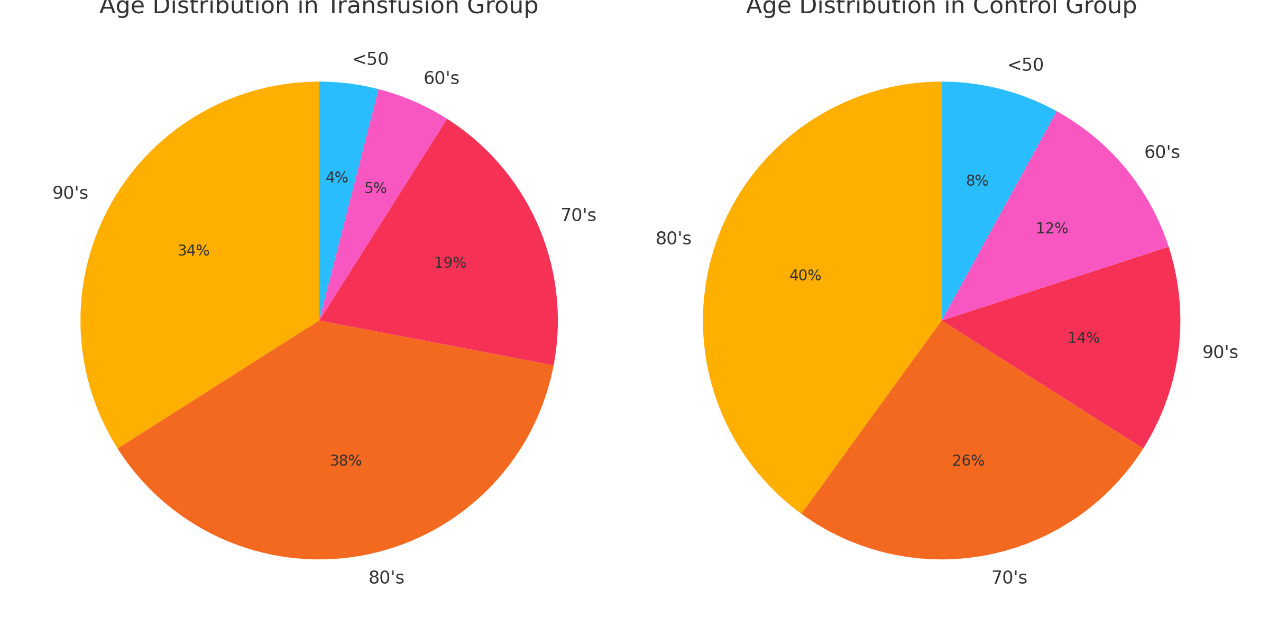
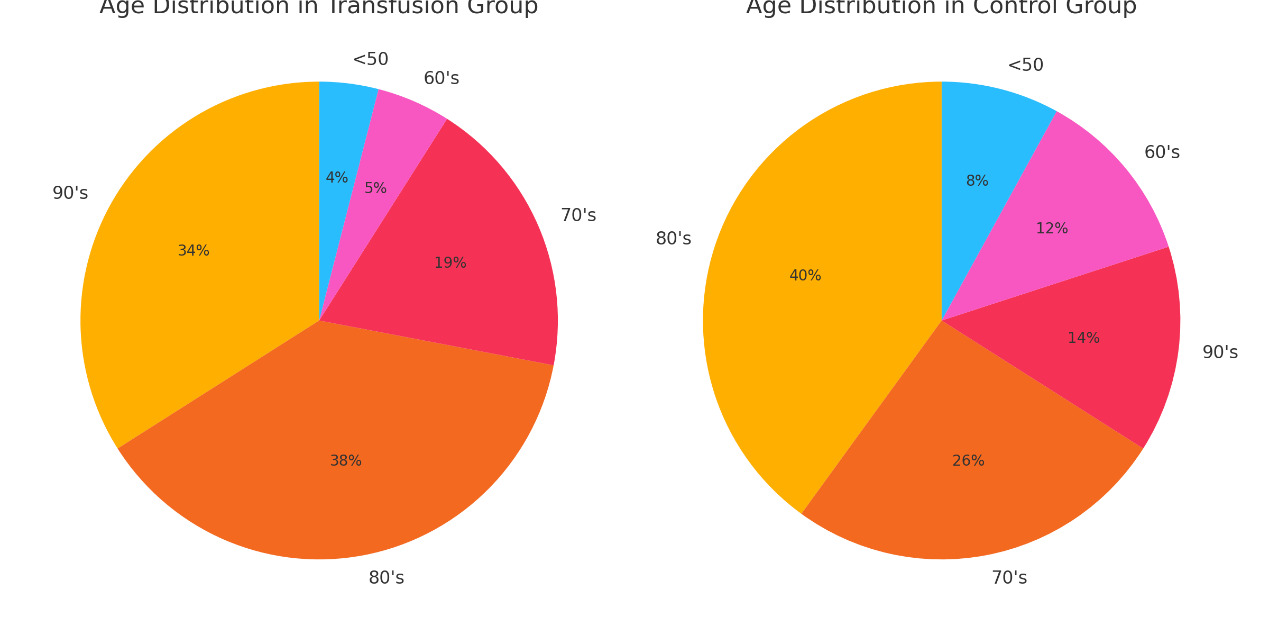
Age distribution differed between the transfusion and control groups. Mean age was significantly higher among transfused patients than among controls (84.5 ± 7.4 vs 80.2 ± 8.1 years; P = 0.002). Patients aged 90 years or older represented 34% of the transfusion group compared with 14% of the control group (P = 0.030), indicating that very advanced age was associated with increased transfusion likelihood.
Sex Distribution
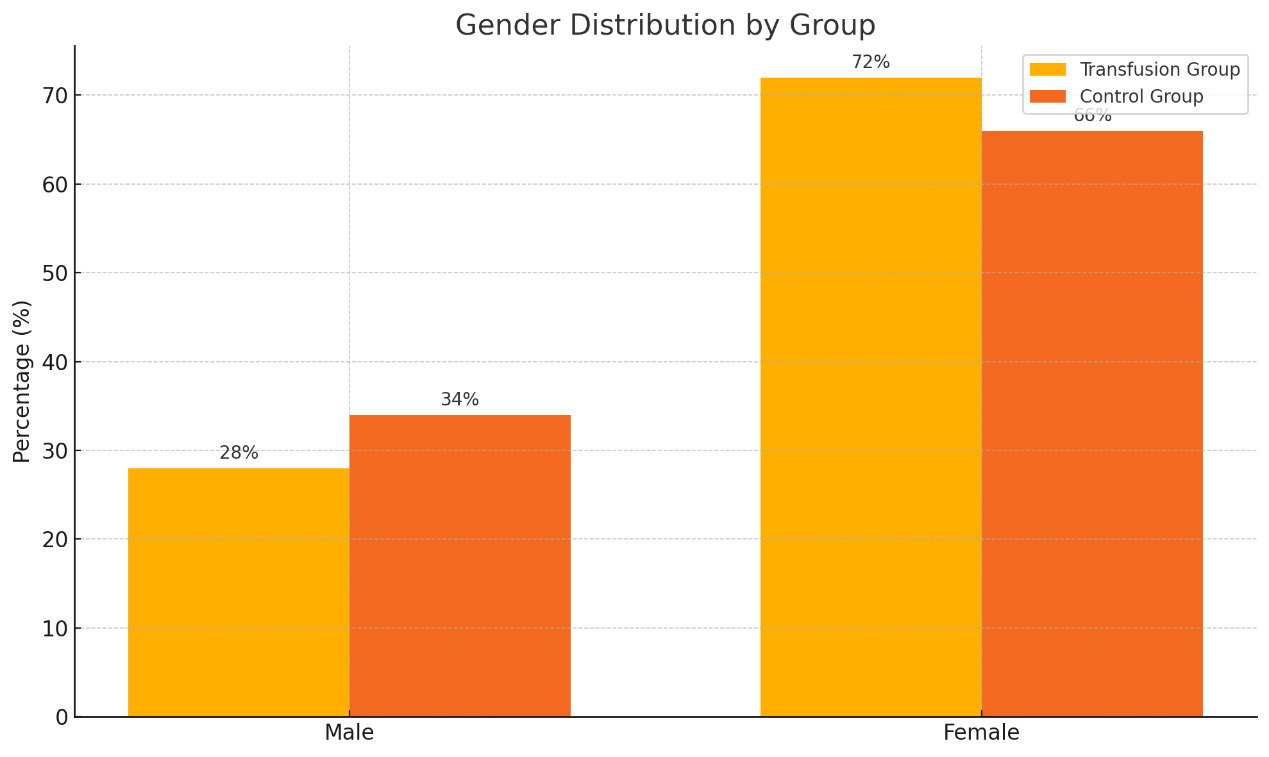
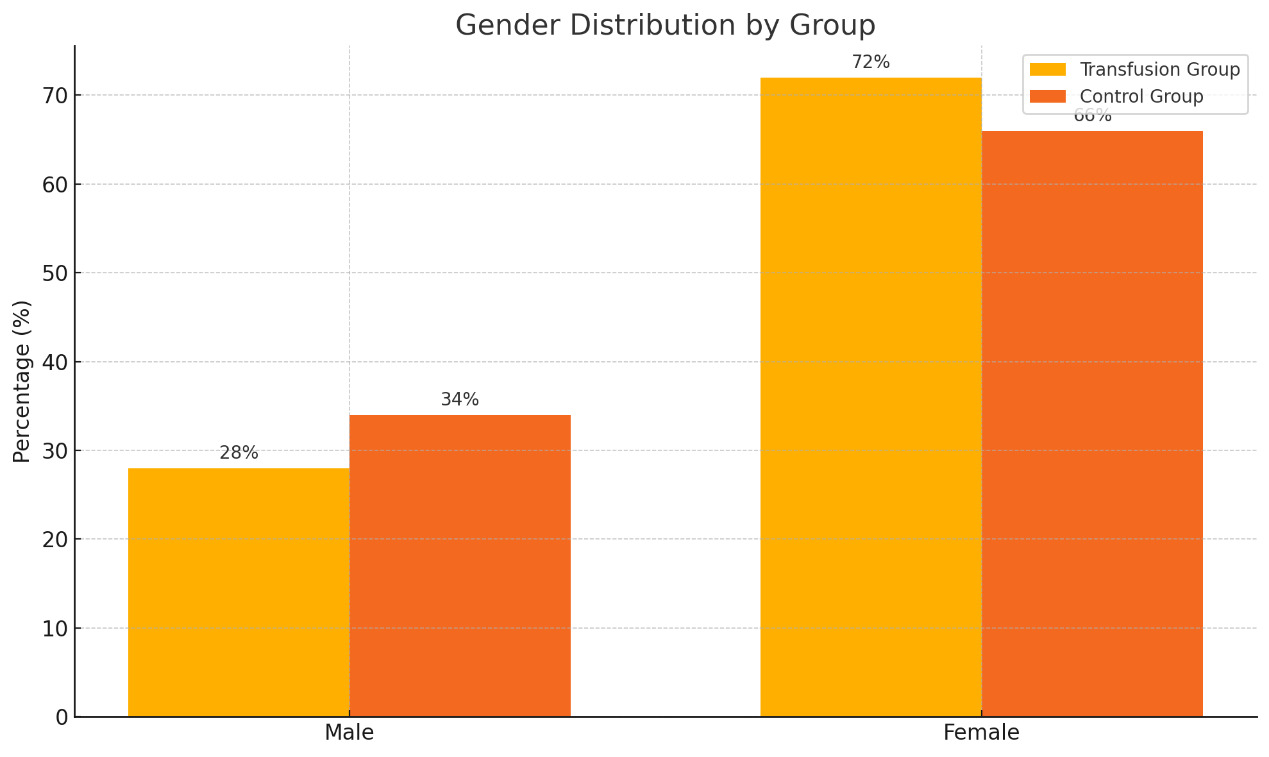
Women constituted the majority of patients in both groups. In the transfusion group, 72% of patients were women and 28% were men. In the control group, 66% were women and 34% were men.
Fracture Type
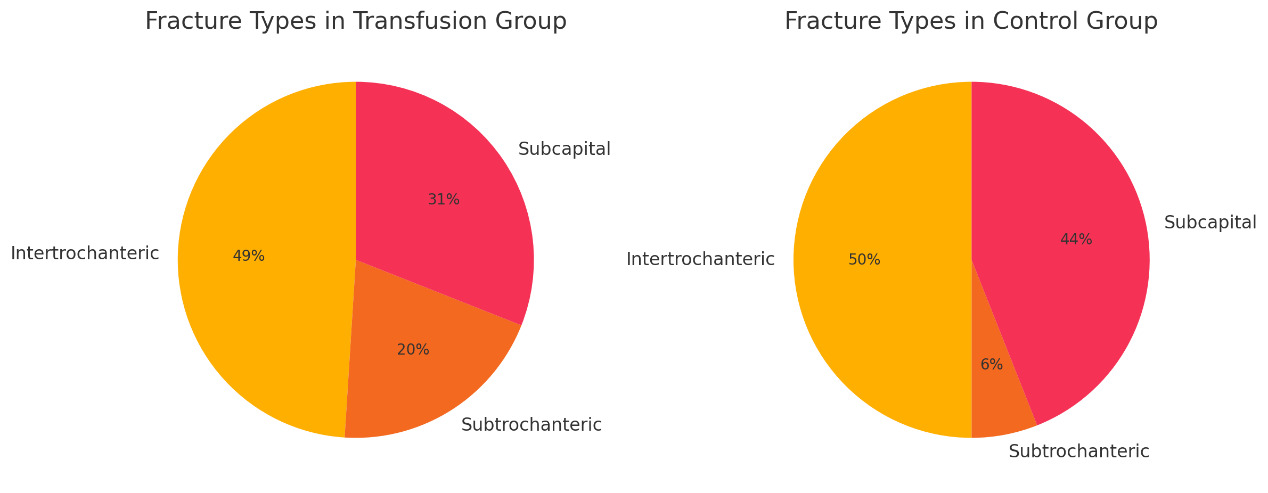
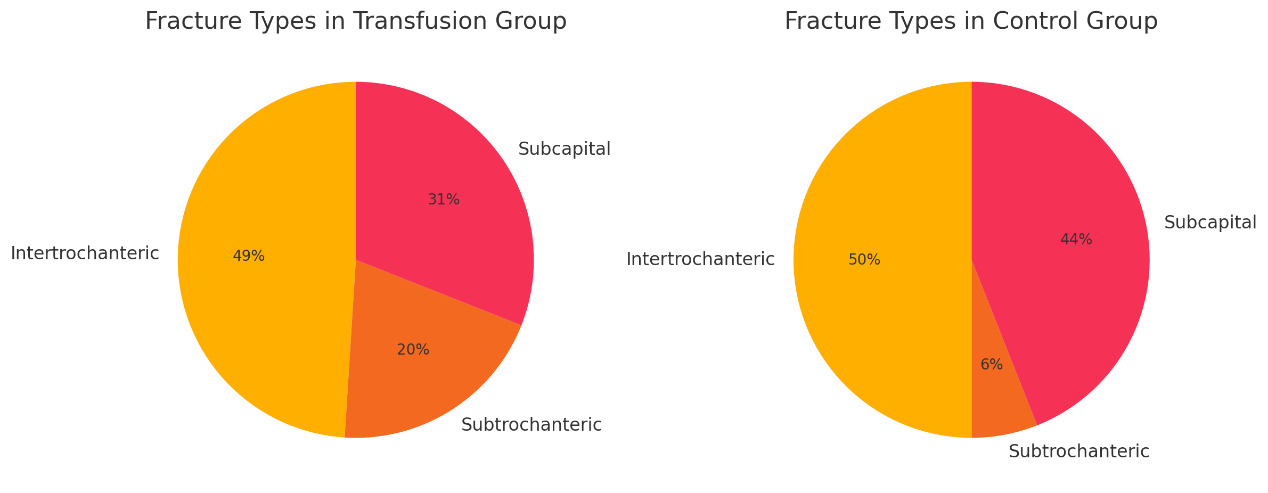
Fractures were categorized as subcapital, intertrochanteric, or subtrochanteric. Approximately half of the cases in both groups involved intertrochanteric fractures. Subtrochanteric fractures accounted for 20% of cases in the transfusion group compared with 6% in the control group, and this difference was statistically significant (Fisher exact test, P = 0.031). In the multivariable model, subtrochanteric fracture remained a significant predictor of transfusion (OR, 3.21; 95% CI, 1.01-10.18; P = 0.048).
Admission Hemoglobin
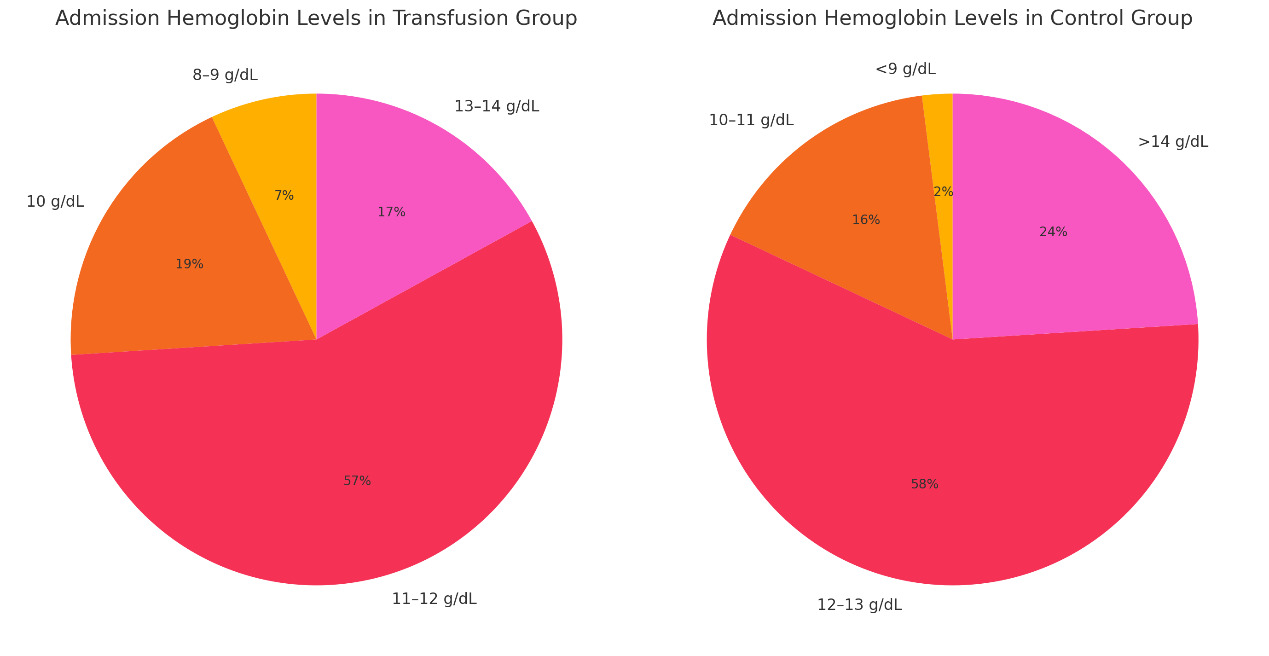
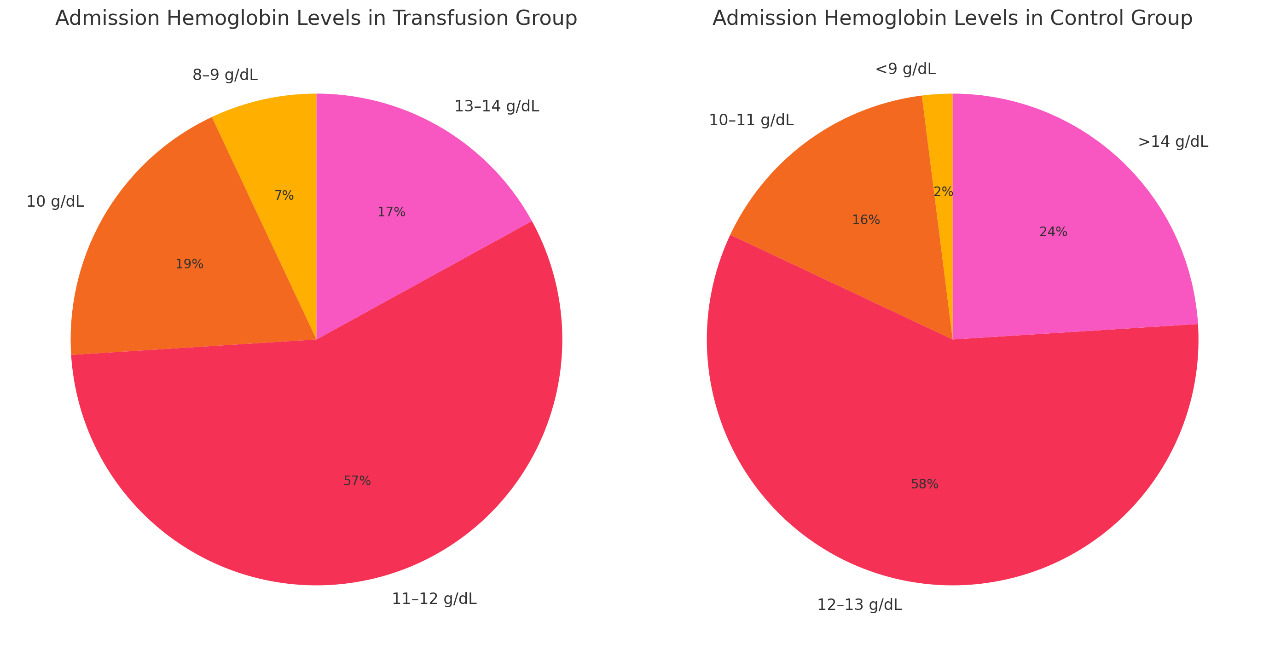
Admission hemoglobin did not reliably identify all patients who later required transfusion. In the transfusion group, 74% of patients had admission hemoglobin above 11 g/dL, compared with 81% of controls. The difference was not statistically significant (P = 0.336). This supports the clinical observation that patients with initially normal hemoglobin may still experience clinically important perioperative blood loss.
Blood Type
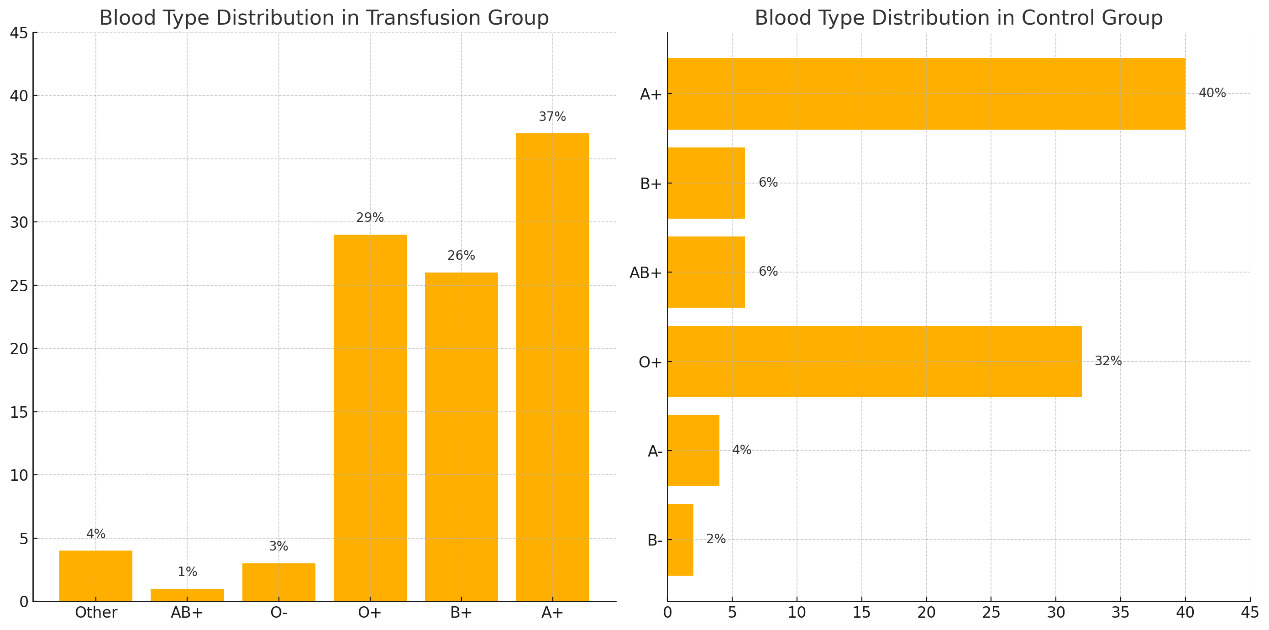
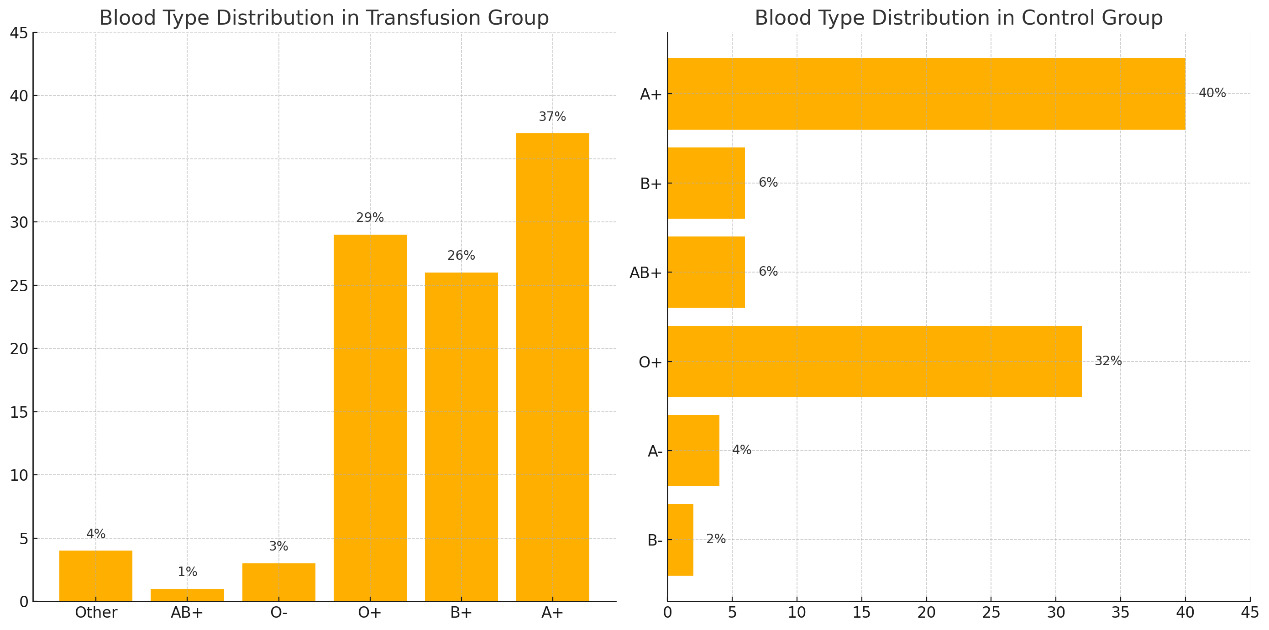
The most common blood types among transfused patients were A+ (37%) and O+ (29%), similar to the general distribution seen in the control group. However, B+ blood type was observed in 26% of transfused patients compared with 6% of non-transfused patients (Fisher exact test, P = 0.041). In logistic regression, B+ blood type had an increased odds ratio but did not reach statistical significance (OR, 2.72; 95% CI, 0.91-8.15; P = 0.073). Because the biologic explanation for this observation is unclear, this finding should be interpreted as exploratory and hypothesis-generating.
Use of Antithrombotic Agents
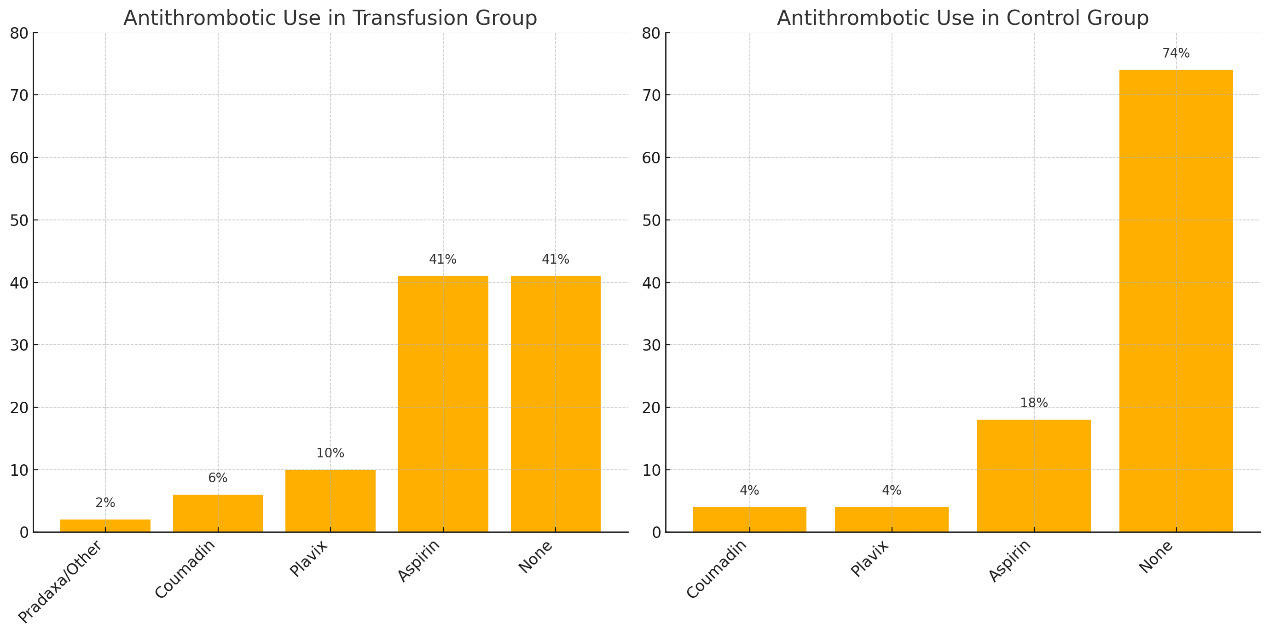
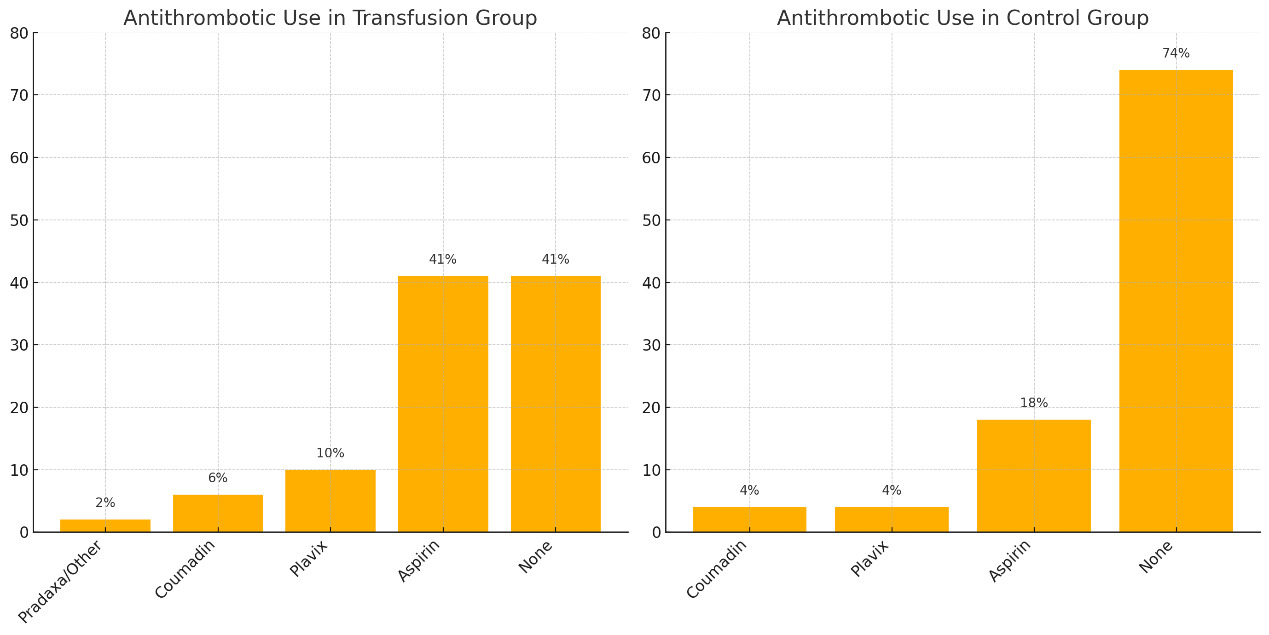
In the transfusion group, 41% of patients were not receiving antithrombotic therapy, 41% were taking aspirin, 10% were taking clopidogrel, 6% were taking warfarin, and 2% were receiving other anticoagulants. In the control group, 74% were not receiving antithrombotic therapy, 18% were taking aspirin, 4% were taking clopidogrel, and 4% were taking warfarin. Aspirin use was significantly more frequent among transfused patients (41% vs 18%; P = 0.006). Combined clopidogrel, warfarin, or other anticoagulant use was also more frequent among transfused patients (18% vs 8%), but this difference did not reach statistical significance (P = 0.108).
ASA Score
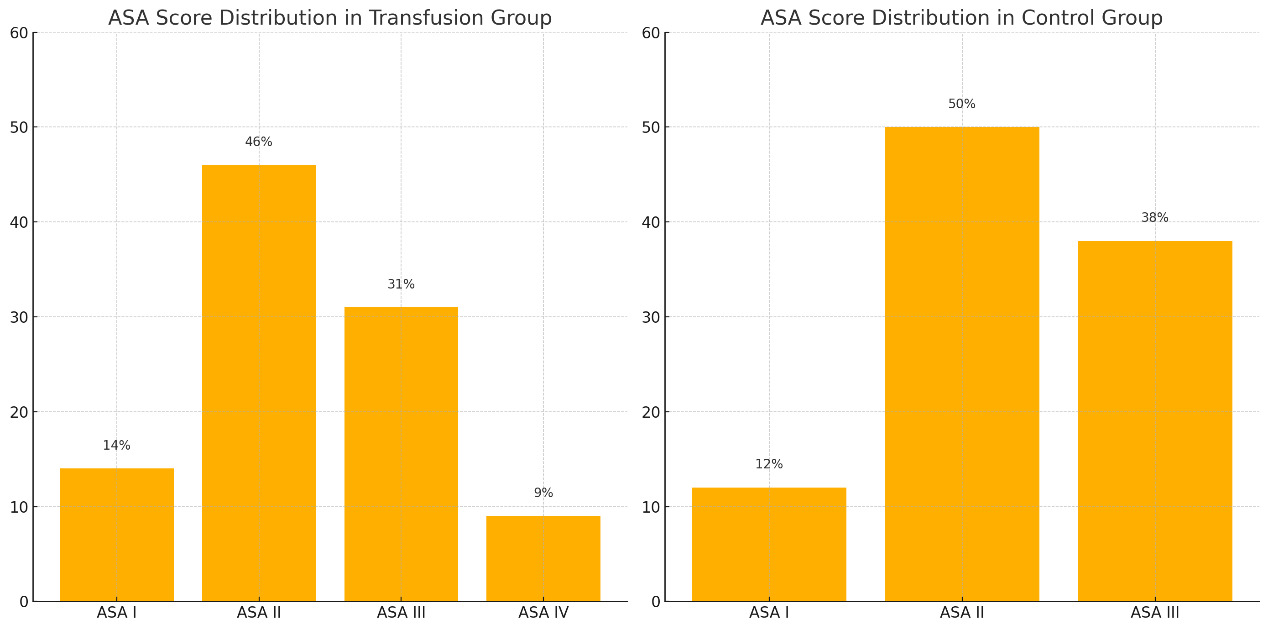
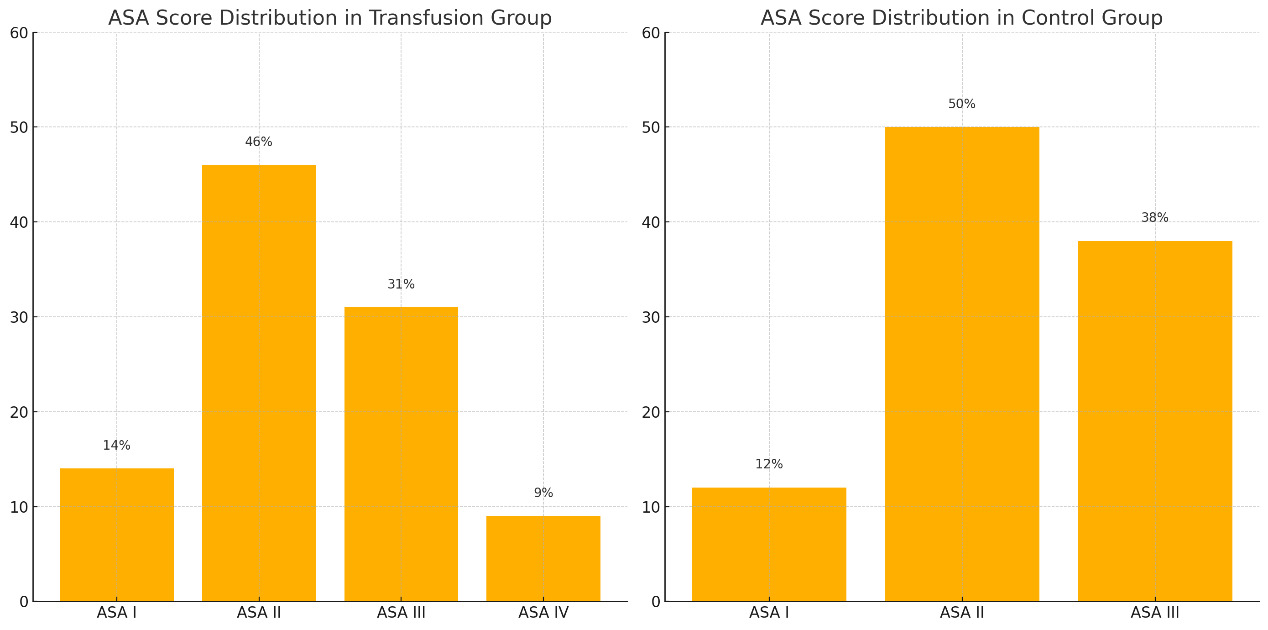
Most transfused patients were classified as ASA II or ASA III. The control group showed a similar distribution, with most patients also classified as ASA II or ASA III. The proportion of patients classified as ASA III-IV was similar between groups (40% vs 38%; P = 0.812). ASA score alone did not appear to be a decisive predictor of transfusion need in this cohort.
Charlson Comorbidity Index
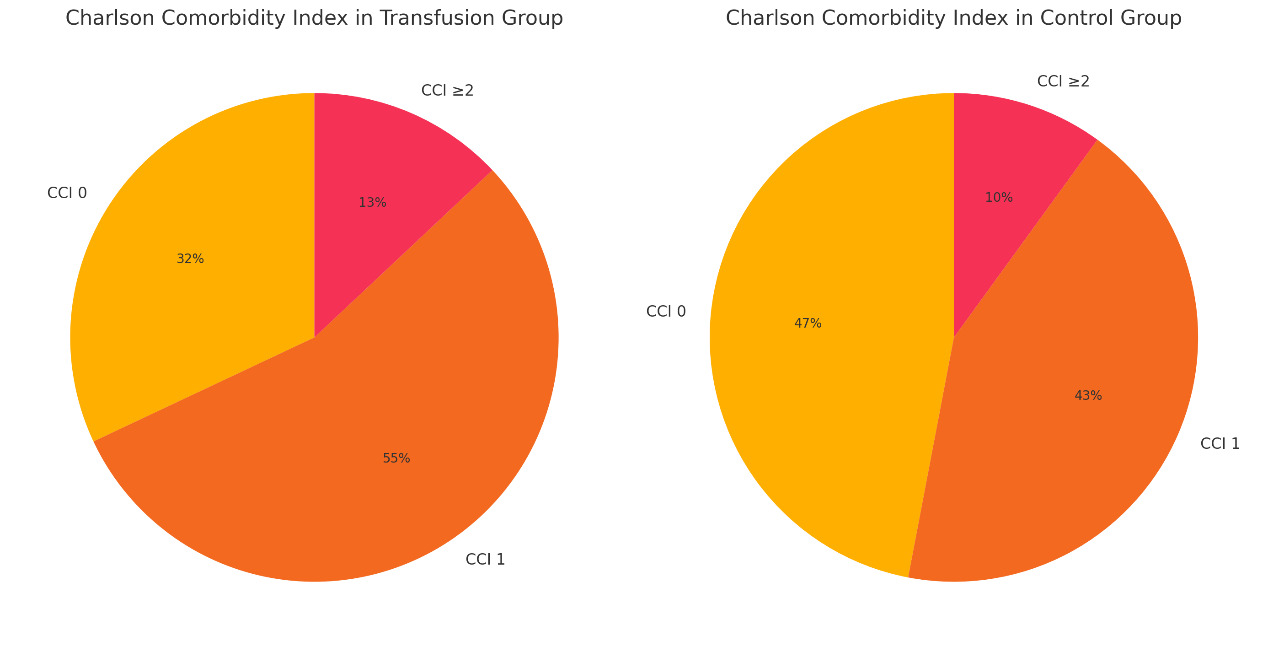
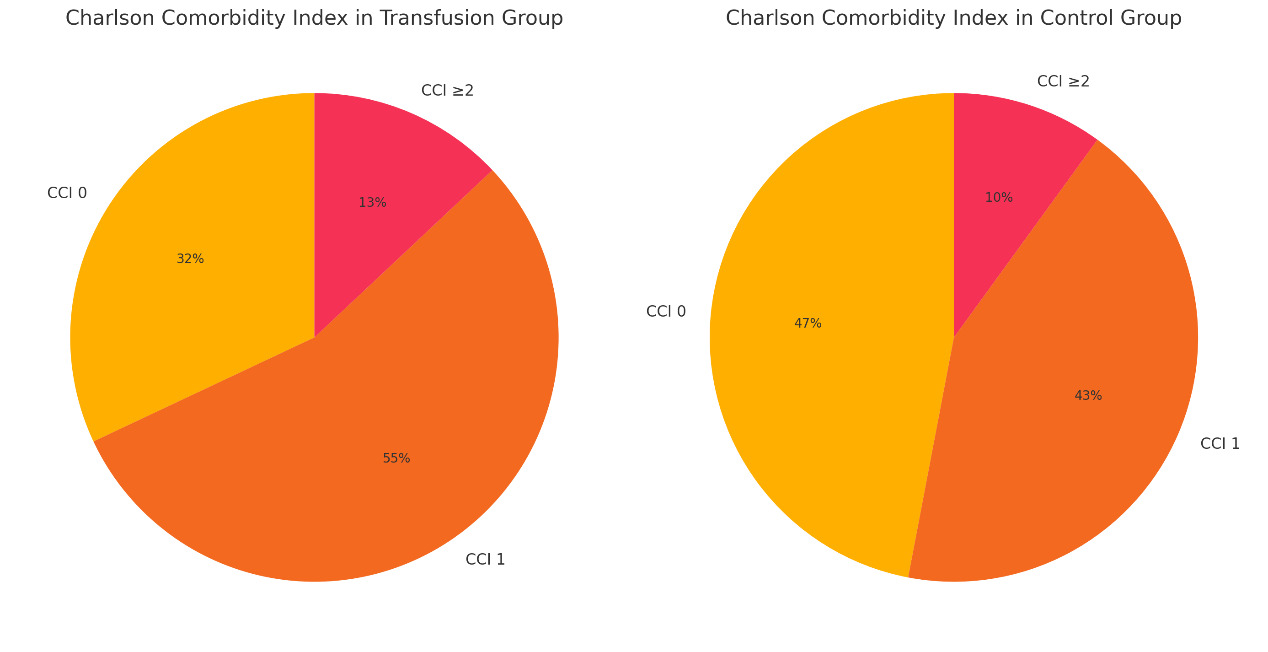
In the transfusion group, 68% of patients had a CCI score of 1 or higher, compared with 53% in the control group. This suggests a trend toward greater comorbidity burden among transfused patients. However, the difference did not reach statistical significance (P = 0.074), and CCI of 1 or higher was not statistically significant in the logistic regression model (OR, 1.63; 95% CI, 0.78-3.42; P = 0.194).
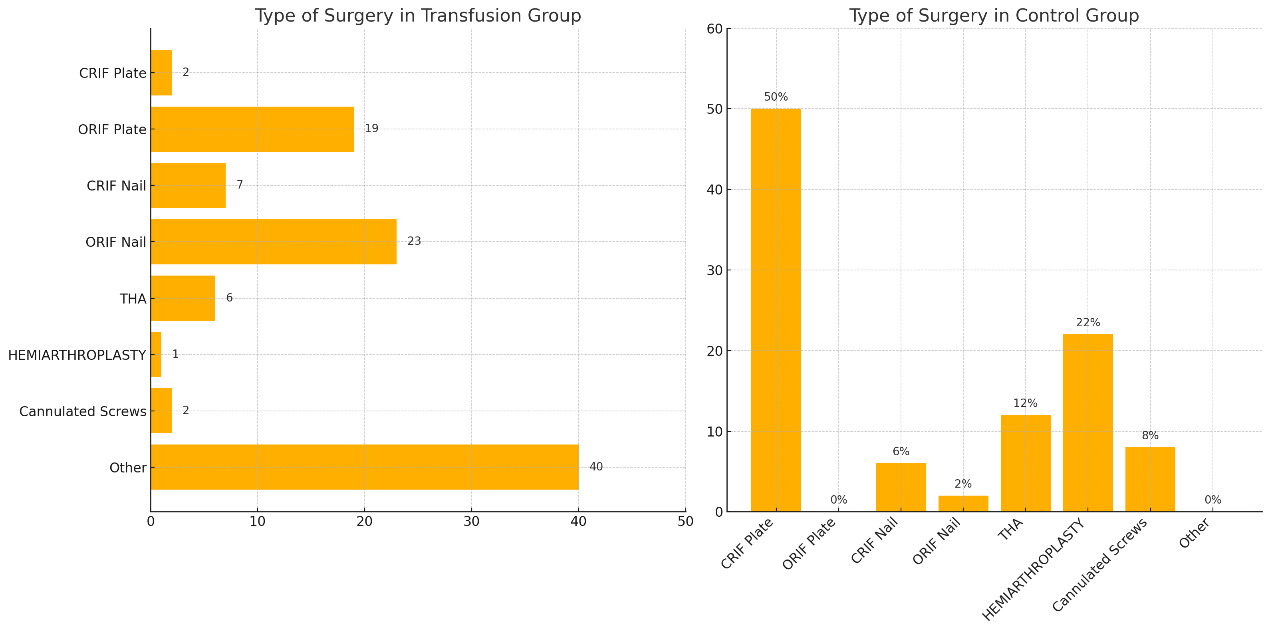
Type of Surgery
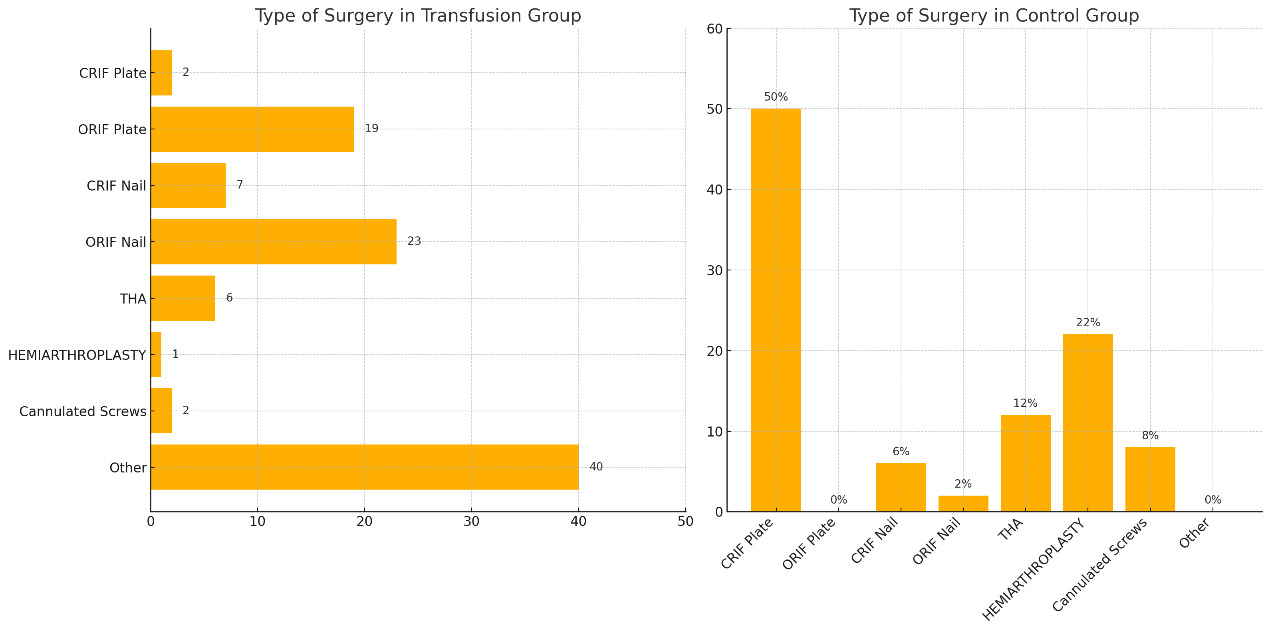
In the transfusion group, 40% of patients underwent closed reduction and internal fixation using PCCP, 23% underwent total hip arthroplasty, 6% underwent hemiarthroplasty, and 19% underwent closed reduction and intramedullary nailing. In the control group, 50% underwent PCCP fixation, 22% underwent hemiarthroplasty, and 12% underwent total hip arthroplasty. Total hip arthroplasty was more frequent among transfused patients (23% vs 12%), but the difference was not statistically significant (P = 0.112).
Duration of Surgery
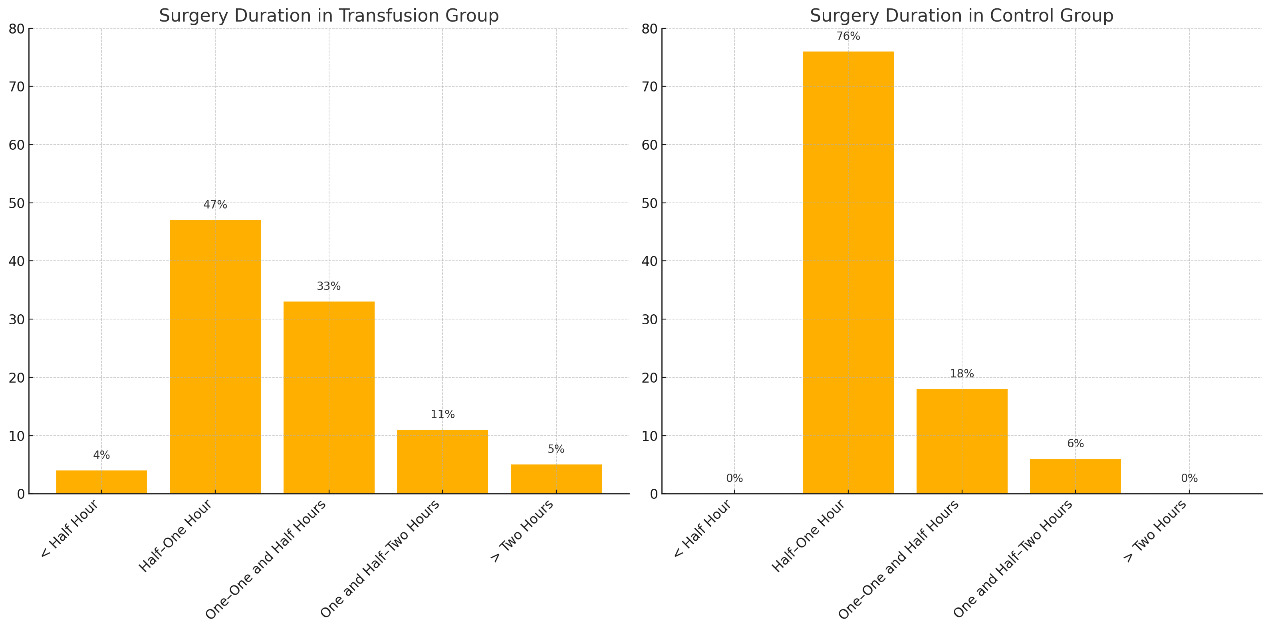
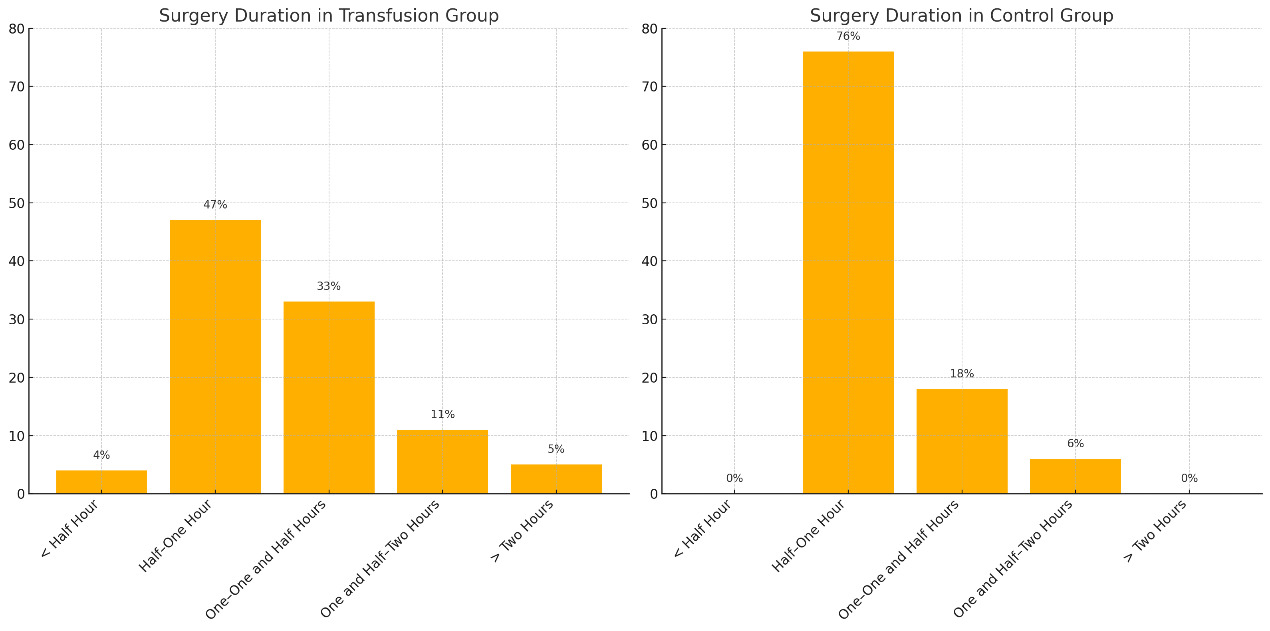
Surgery duration was significantly associated with transfusion. Surgery duration exceeding 90 minutes was observed in 33% of transfused patients compared with 8% of controls (P = 0.0079). In multivariable logistic regression, surgery duration exceeding 90 minutes was the strongest significant predictor of transfusion (OR, 4.87; 95% CI, 1.62-14.63; P = 0.005).
Length of Hospital Stay
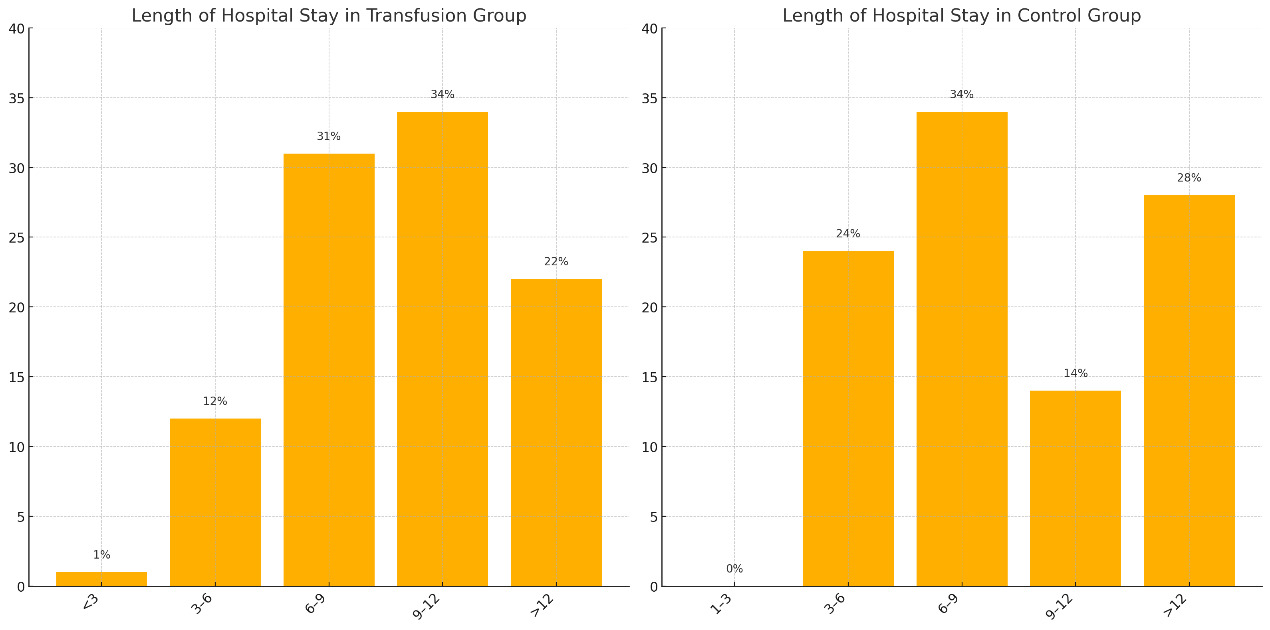
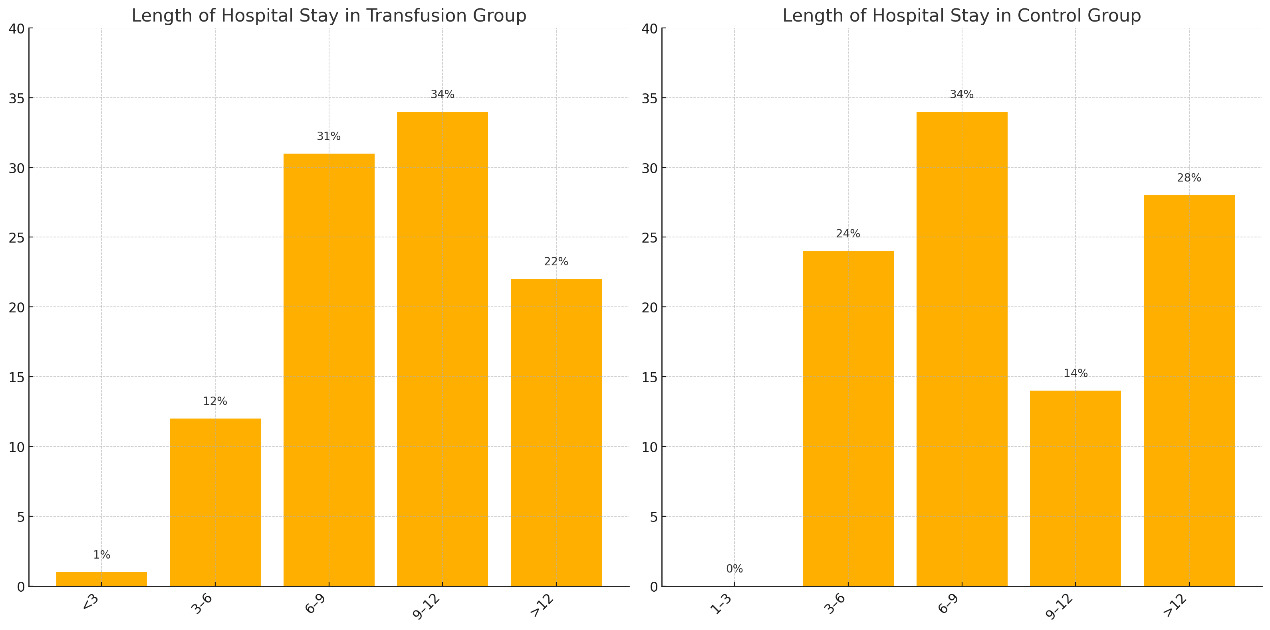
Most patients in both groups remained hospitalized for more than 6 days. In the transfusion group, 87% stayed longer than 6 days, compared with 70% in the control group. Although transfused patients tended to have longer hospitalizations, some prolonged stays were related to non-medical factors, such as waiting for rehabilitation placement. The difference was not statistically significant (P = 0.897).
Time From Admission to Surgery
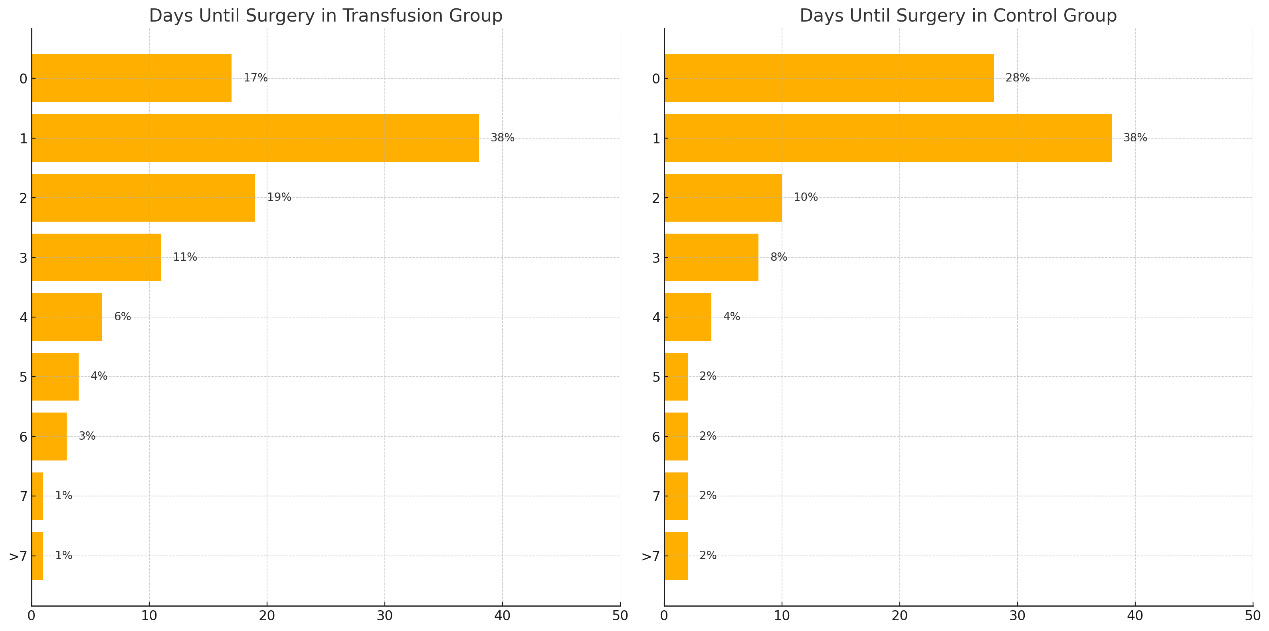
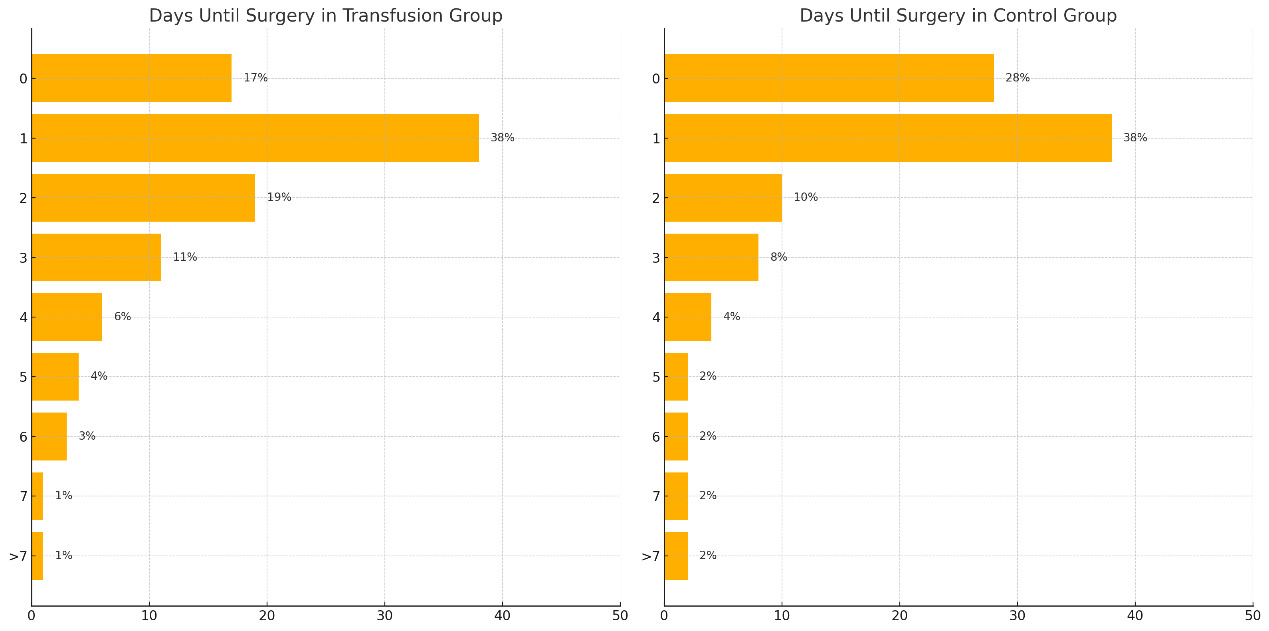
Time from admission to surgery was similar in the two groups. In the transfusion group, 34% underwent surgery more than 1 day after admission, compared with 30% of controls. The difference was not statistically significant (P = 0.736), suggesting that surgical delay, as measured in this analysis, did not distinguish patients who required transfusion from those who did not.
Discussion
Hip fracture patients are usually elderly and commonly have multiple chronic illnesses and extensive medication exposure. These characteristics increase perioperative vulnerability and complicate decisions regarding transfusion.1–3
In this retrospective case-control study , univariate analysis identified several factors associated with transfusion: older mean age, age above 90 years, subtrochanteric fracture, aspirin use, surgery duration exceeding 90 minutes, and B+ blood type. In multivariable logistic regression, age above 90 years, subtrochanteric fracture, and surgery duration exceeding 90 minutes remained statistically significant predictors. The strongest adjusted association was observed for surgery duration exceeding 90 minutes (OR, 4.87; 95% CI, 1.62-14.63; P = 0.005).
The association between age and transfusion is clinically plausible and consistent with previous literature showing that older age, lower physiologic reserve, and greater frailty are associated with higher perioperative morbidity and increased likelihood of transfusion after hip fracture.5,14,17
The association between surgical duration and transfusion may reflect several linked mechanisms: more complex fractures, more technically demanding procedures, more extensive tissue exposure, greater intraoperative bleeding, and prolonged physiologic stress. Previous studies have similarly emphasized that surgical and fixation-related factors may influence transfusion requirements.14,16
Subtrochanteric fractures were significantly more common in the transfusion group and remained independently associated with transfusion in the regression model. This is clinically reasonable because subtrochanteric fractures are extracapsular, often unstable, and located in a region with substantial vascularity. These fractures may therefore be associated with more occult and operative blood loss than some intracapsular fracture patterns. Previous work on hip fracture transfusion risk has similarly emphasized the importance of fracture pattern and fixation-related factors.5,14
Female sex was also more common among transfused patients. This finding should be interpreted carefully because women are generally overrepresented among elderly hip fracture patients. Nevertheless, lower baseline blood volume, osteoporosis-related fracture patterns, and frailty may contribute to the observed pattern.
Antithrombotic therapy was more frequent in the transfusion group. Aspirin use was significantly associated with transfusion in univariate analysis, while combined clopidogrel, warfarin, or other anticoagulant use showed a higher proportion among transfused patients but was not statistically significant after adjustment. This pattern is clinically plausible because antithrombotic therapy may increase perioperative bleeding risk, complicate surgical timing, and increase transfusion need. Similar observations have been reported in previous studies of hip fracture and orthopedic surgery.5,11,14
An important clinical finding was that many transfused patients had apparently acceptable admission hemoglobin values. In the transfusion group, 74% had admission hemoglobin above 11 g/dL. This supports the conclusion that admission hemoglobin alone should not be used as the sole predictor of transfusion need. Ongoing monitoring of postoperative hemoglobin, intraoperative blood loss, fracture type, surgical approach, and anticoagulant exposure remains essential.
The literature on transfusion thresholds in hip fracture patients does not support routine liberal transfusion for all patients. Randomized studies have shown that restrictive approaches may be safe in selected patients and do not necessarily worsen mortality or functional outcomes.12,13,18
The finding regarding blood type B+ was unexpected. B+ was significantly more frequent among transfused patients in univariate analysis, but it did not remain statistically significant in the multivariable model. Because no clear biologic mechanism was established and the adjusted confidence interval was wide, this result should not be considered an independent risk factor without further confirmation in a larger cohort.
ASA score, CCI, length of stay, and time from admission to surgery were not statistically significant predictors in the present analysis. These variables may still be clinically relevant, but in this cohort they did not independently distinguish patients who required transfusion from those who did not. Length of stay was also affected by non-medical issues, such as rehabilitation placement, limiting its value as a transfusion-related outcome.
Limitations
This study has several limitations. First, it was retrospective and depended on the completeness and accuracy of medical records. Second, it was conducted at a single medical center, which may limit generalizability. Third, the sample size was modest and the groups were not equal in size. Fourth, the control group was selected sequentially rather than by random sampling. Fifth, no standardized departmental transfusion protocol was in place during the study period, and transfusion decisions may have been influenced by clinical judgment. Sixth, although multivariable logistic regression was performed, the modest sample size limits the precision of adjusted estimates, especially for less common exposures such as B+ blood type and anticoagulant use. Finally, the data were collected from 2014 to 2015, and transfusion practices may have evolved since then.
Conclusion
Among elderly patients hospitalized with hip fracture, age above 90 years, subtrochanteric fracture, and surgical duration exceeding 90 minutes were independent predictors of the need for blood transfusion. Aspirin use and B+ blood type were significantly associated with transfusion in univariate analysis, while female sex, ASA score, CCI, total hip arthroplasty, length of stay, and time from admission to surgery did not independently predict transfusion in this cohort. Admission hemoglobin alone was not sufficient to predict transfusion need. These findings support careful perioperative assessment, repeated hemoglobin monitoring, early recognition of high-risk patients, and appropriate preparation of blood products for patients with hip fracture.