
1. INTRODUCTION
Perineal trauma resulting from spontaneous obstetric laceration or episiotomy remains one of the most common maternal morbidities following vaginal childbirth. Although international guidelines recommend restrictive rather than routine episiotomy, the procedure continues to be performed in a substantial proportion of vaginal deliveries worldwide, with marked variation across countries and healthcare systems.1
Regardless of the mechanism of injury, postpartum perineal trauma is frequently associated with pain, impaired mobility, delayed functional recovery, and reduced quality of life. Prospective evidence indicates that more than 90% of women experience perineal pain during the immediate postpartum period, while a considerable proportion continue to report persistent pain and dyspareunia several months after childbirth.2 A subsequent systematic review and meta-analysis further confirmed that postpartum perineal pain and dyspareunia remain highly prevalent after spontaneous vaginal birth, emphasizing the need for effective interventions that facilitate maternal recovery.3
Postpartum perineal morbidity extends beyond pain alone and encompasses delayed wound healing, oedema, bruising, infection, and impaired physical, sexual, and psychosocial function. These complications may adversely affect maternal mobility, infant care, breastfeeding, and overall postpartum well-being. Despite their clinical importance, a critical review of level I evidence concluded that recommendations for postpartum perineal management remain limited by small, randomized trials, heterogeneous interventions, inconsistent outcome measures, and variable follow-up durations, preventing the establishment of robust evidence-based rehabilitation strategies.4
To minimize reliance on pharmacological analgesia, several physical and electrophysical rehabilitation modalities have been investigated to improve postpartum perineal recovery. Cooling interventions, including ice packs and maternity gel pads, may provide short-term pain relief; however, a Cochrane systematic review concluded that the certainty of evidence supporting these interventions remains low because of methodological limitations and inconsistency among randomized trials.5 Therapeutic ultrasound has also been evaluated for persistent postpartum perineal pain, yet existing evidence has not demonstrated a clear clinical advantage over placebo.6 Transcutaneous electrical nerve stimulation (TENS) has attracted interest because of its established neurophysiological mechanisms of pain modulation and its demonstrated analgesic efficacy in acute pain conditions.7
Likewise, low-level laser therapy has emerged as a promising modality owing to its photobiomodulatory effects on inflammation, collagen synthesis, angiogenesis, and tissue repair, suggesting potential benefits for both wound healing and pain reduction.8
Nevertheless, evidence supporting these interventions following episiotomy or childbirth-related perineal trauma remains disparate, with individual modalities typically evaluated in isolation using heterogeneous protocols and outcome measures. Existing reviews have therefore focused on single interventions rather than integrating the full spectrum of physical and electrophysical rehabilitation options, and to date no comprehensive synthesis has compared randomized controlled trial evidence across therapeutic ultrasound, transcutaneous electrical nerve stimulation, low-level laser therapy, cryotherapy, cooling gel pads, and pulsed electromagnetic energy for clinically relevant postpartum outcomes, including perineal pain, wound healing, and oedema.
Therefore, this systematic review and meta-analysis aimed to synthesize the available randomized controlled trial evidence evaluating physical and electrophysical rehabilitation modalities for perineal pain, wound healing, and oedema following episiotomy or obstetric perineal trauma, thereby providing a comprehensive evidence base to support evidence-based postpartum rehabilitation and clinical decision-making.
2. Methods
2.1. Study Design and Reporting Standards
This systematic review and meta-analysis were conducted to evaluate the effectiveness of electrophysical and physical rehabilitation modalities for perineal pain, wound healing, and oedema following episiotomy or obstetric perineal trauma. The review was conducted and reported in accordance with the Preferred Reporting Items for Systematic Reviews and Meta-Analyses (PRISMA 2020) statement. Although the review protocol was not prospectively registered, the eligibility criteria, study selection process, outcome measures, and statistical analyses were predefined before study screening commenced.
2.2. Eligibility Criteria
Study eligibility was determined according to the PICOS framework. The study population comprised postpartum women who sustained perineal trauma following vaginal childbirth, including mediolateral or midline episiotomy and moderate-to-severe obstetric perineal trauma. Eligible interventions included electrophysical and physical rehabilitation modalities, namely therapeutic ultrasound, low-level laser therapy, transcutaneous electrical nerve stimulation (TENS), cryotherapy, cooling maternity gel pads, and pulsed electromagnetic energy therapy. Comparator groups included placebo or sham interventions, standard postpartum care, no treatment, or alternative cooling modalities.
The primary outcome was perineal pain intensity measured using validated pain assessment instruments, including the visual analogue scale, numeric rating scale, and verbal rating scale. Secondary outcomes included wound healing assessed using validated instruments such as the REEDA scale, perineal oedema, bruising, dyspareunia, perineal temperature, haemorrhoids, and treatment satisfaction.
Only randomized controlled trials were eligible for inclusion. Observational studies, quasi-experimental studies, case reports, conference abstracts without extractable outcome data, narrative reviews, systematic reviews, duplicate publications, overlapping datasets, study protocols, and studies involving non-obstetric or non-postpartum populations were excluded.
2.3. Literature Search and Information Sources
A systematic electronic search was conducted in PubMed/MEDLINE, Embase, the Cochrane Central Register of Controlled Trials (CENTRAL), and CINAHL from database inception to April 7, 2026. ClinicalTrials.gov and the World Health Organization International Clinical Trials Registry Platform (ICTRP) were additionally searched to identify ongoing or unpublished trials.
Representative search terms included combinations of keywords and controlled vocabulary related to episiotomy, obstetric perineal trauma, perineal pain, wound healing, oedema, dyspareunia, therapeutic ultrasound, photobiomodulation, low-level laser therapy, transcutaneous electrical nerve stimulation, cryotherapy, pulsed electromagnetic energy, and randomized controlled trials. Search strategies were adapted according to the indexing system of each database. Reference lists of eligible studies and relevant systematic reviews were screened manually to identify additional studies. Duplicate records were removed before study selection.
2.4. Study Selection
Two reviewers independently screened titles and abstracts according to the predefined eligibility criteria, followed by full-text assessment of potentially eligible studies. Disagreements were resolved through discussion, with consultation of a third reviewer when consensus could not be achieved. Reasons for exclusion during full-text assessment were documented, and the study selection process was summarized using a PRISMA 2020 flow diagram.
2.5. Data Extraction
Two reviewers independently extracted study data using a standardized data extraction form. Disagreements were resolved by consensus. Extracted variables included publication year, country, study design, participant characteristics, type of perineal trauma, intervention and comparator details, sample size, outcome measures, and follow-up duration.
For studies reporting multiple follow-up assessments, the earliest clinically comparable post-intervention time point consistently reported across studies was selected for quantitative synthesis to maximize comparability, whereas additional follow-up data were summarized narratively. Multi-arm trials were handled according to Cochrane recommendations to avoid unit-of-analysis errors and double-counting of participants.
2.6. Risk of Bias Assessment
Methodological quality was independently assessed by two reviewers using the Cochrane Risk of Bias 2 (RoB 2) tool for randomized controlled trials. Five methodological domains were evaluated: bias arising from the randomization process, deviations from intended interventions, missing outcome data, measurement of the outcome, and selection of the reported result. Overall risk of bias was classified as low risk, some concerns, or high risk in accordance with RoB 2 guidance.
2.7. Statistical Analysis
Meta-analysis was performed when at least two randomized controlled trials reported sufficiently comparable outcome data. Continuous outcomes measured using different assessment instruments were pooled as standardized mean differences (SMDs) with Hedges’ g and corresponding 95% confidence intervals (CIs). Dichotomous outcomes were pooled as risk ratios (RRs) with 95% CIs using the Mantel-Haenszel method. Negative SMD values and RR values below 1.0 favored the intervention.
Random-effects models were applied throughout because clinical and methodological heterogeneity among studies was anticipated. Statistical heterogeneity was assessed using Cochran’s Q test, the I2 statistic, and between-study variance (τ2). I2 values of approximately 25%, 50%, and 75% were interpreted as low, moderate, and substantial heterogeneity, respectively. When quantitative synthesis was not appropriate because of substantial heterogeneity in interventions, outcome measures, or follow-up duration, findings were synthesized narratively. Publication bias was not assessed because fewer than ten studies contributed to each meta-analysis, making funnel plot interpretation unreliable. Statistical analyses were performed using Review Manager (RevMan), version 5.4.
3. RESULTS
3.1 Study Selection
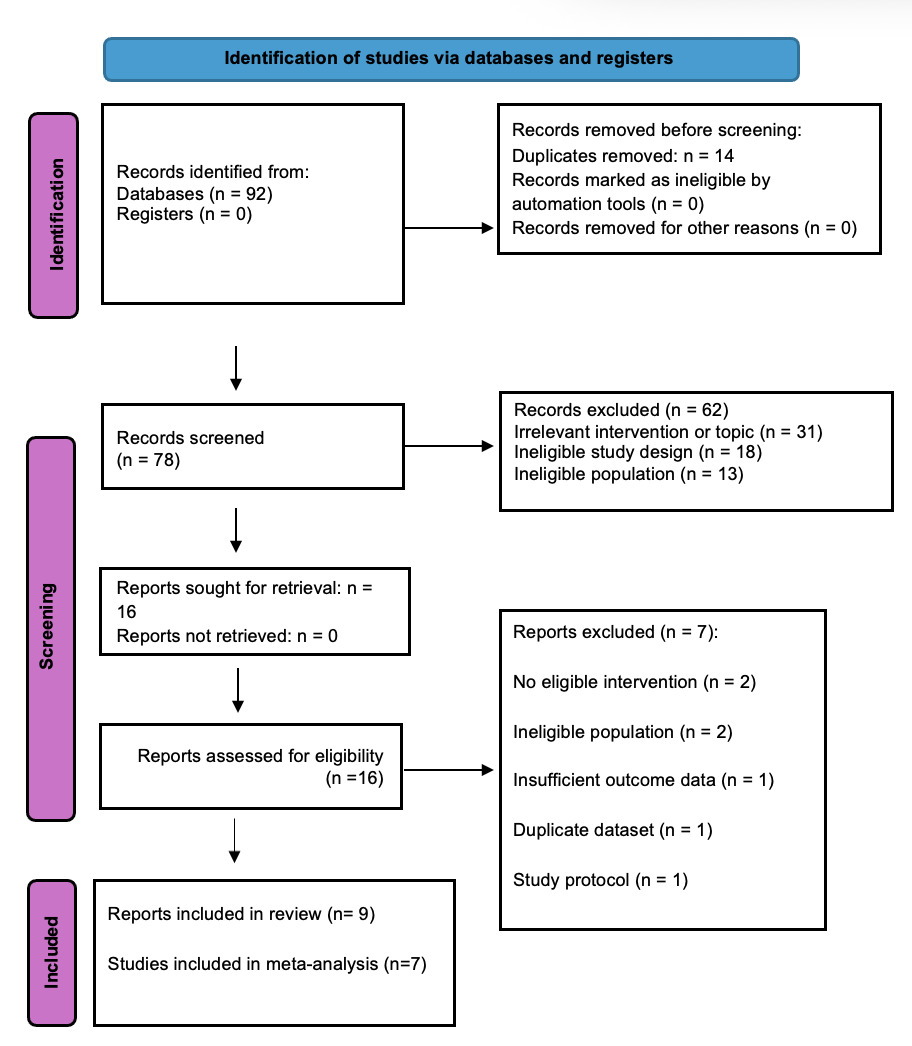
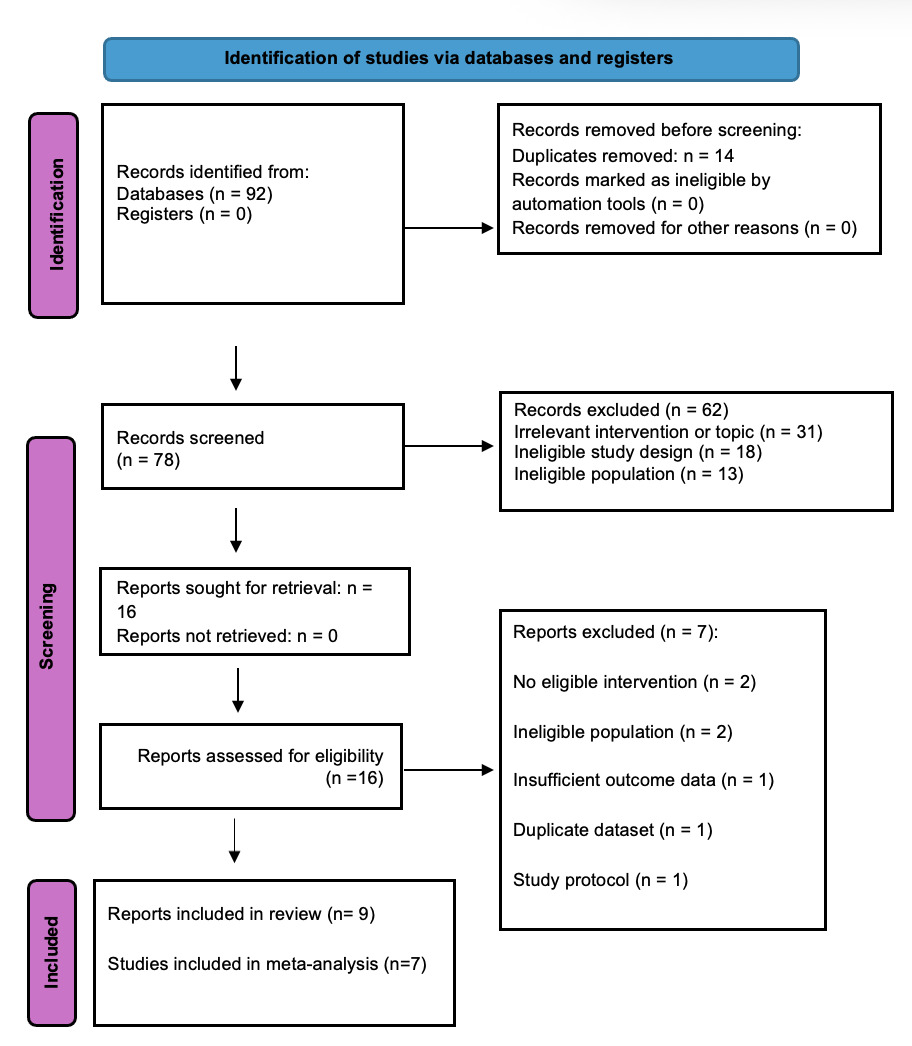
The study selection process is presented in Figure 1. A total of 92 records were identified through database searching, with no additional records identified from registers. After removal of 14 duplicate records, 78 records underwent title and abstract screening. Of these, 62 records were excluded because they were irrelevant to the review question, involved an ineligible study design, or enrolled an ineligible population. The remaining 16 full-text articles underwent eligibility assessment. Following full-text assessment, seven reports were excluded because of ineligible interventions, non-extractable outcome data, duplicate publication or overlapping datasets, study protocol design, or an ineligible comparator. Consequently, nine randomized controlled trials met the eligibility criteria and were included in the qualitative synthesis. Seven studies contributed data to at least one quantitative meta-analysis, whereas the remaining two studies were synthesized narratively because of substantial clinical and methodological heterogeneity in intervention protocols, outcome measures, and follow-up duration.
3.2. Study Characteristics
Nine randomized controlled trials were included in the qualitative synthesis (Table 1). The included studies were published between 1989 and 2019 and were conducted in the United Kingdom (n=3), Brazil (n=5), and Iran (n=1). The evaluated interventions comprised therapeutic ultrasound, low-level laser therapy, transcutaneous electrical nerve stimulation, cryotherapy, cooling maternity gel pads, and pulsed electromagnetic energy therapy. Comparators included placebo or sham interventions, standard care, no treatment, and alternative cooling modalities. Most trials enrolled women following mediolateral episiotomy, whereas two studies included women with moderate or severe obstetric perineal trauma. Follow-up ranged from immediate post-intervention assessment to three months postpartum. Perineal pain was the primary outcome across most trials, while wound healing, oedema, bruising, dyspareunia, perineal temperature, haemorrhoids, and treatment satisfaction were evaluated in selected studies.
3.3. Effect of Transcutaneous Electrical Nerve Stimulation on Short-term Postpartum Perineal Pain
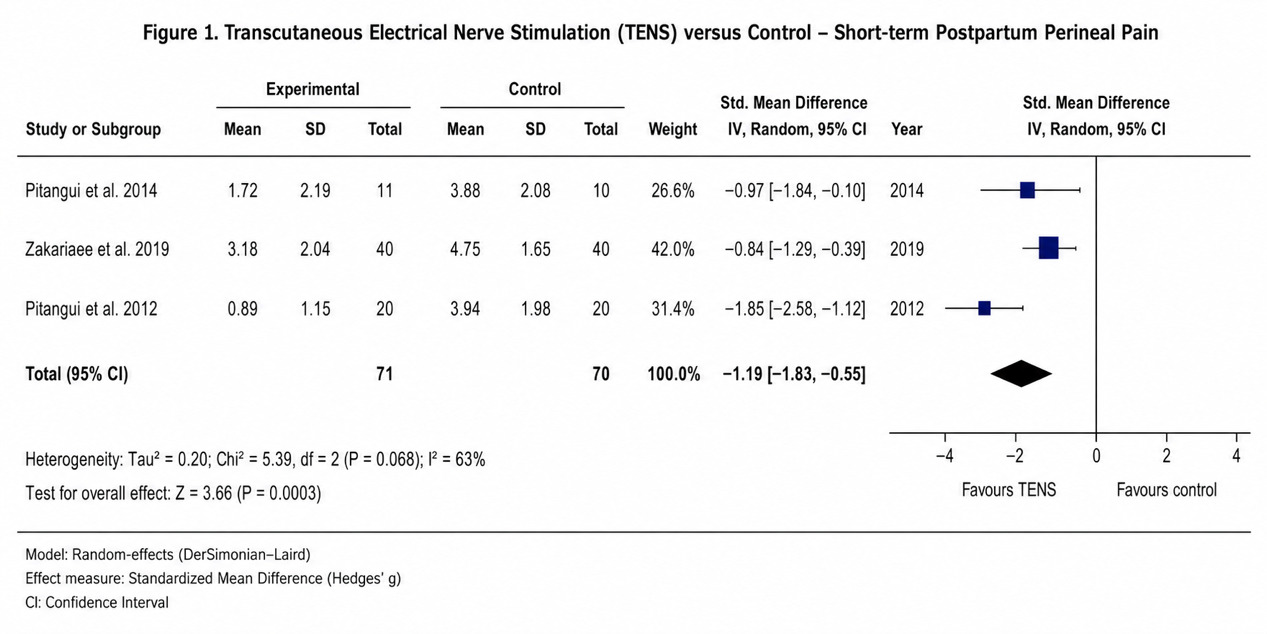
As shown in Figure 2, three randomized controlled trials involving 141 postpartum women (71 in the TENS group and 70 in the control group) were pooled to evaluate the effect of transcutaneous electrical nerve stimulation on short-term postpartum perineal pain. The meta-analysis demonstrated a statistically significant reduction in pain favouring TENS (SMD = −1.19, 95% CI −1.83 to −0.55; P = 0.0003). Moderate between-study heterogeneity was observed (τ2 = 0.20; χ2 = 5.39, ds = 2, P = 0.07; I2 = 63%), and therefore a random-effects model was applied. Despite the observed heterogeneity, all included studies showed treatment effects favouring TENS, indicating a consistent direction of benefit across studies.
_with_control_.png)
3.4. Effect of Low-Level Laser Therapy on Postpartum Perineal Pain
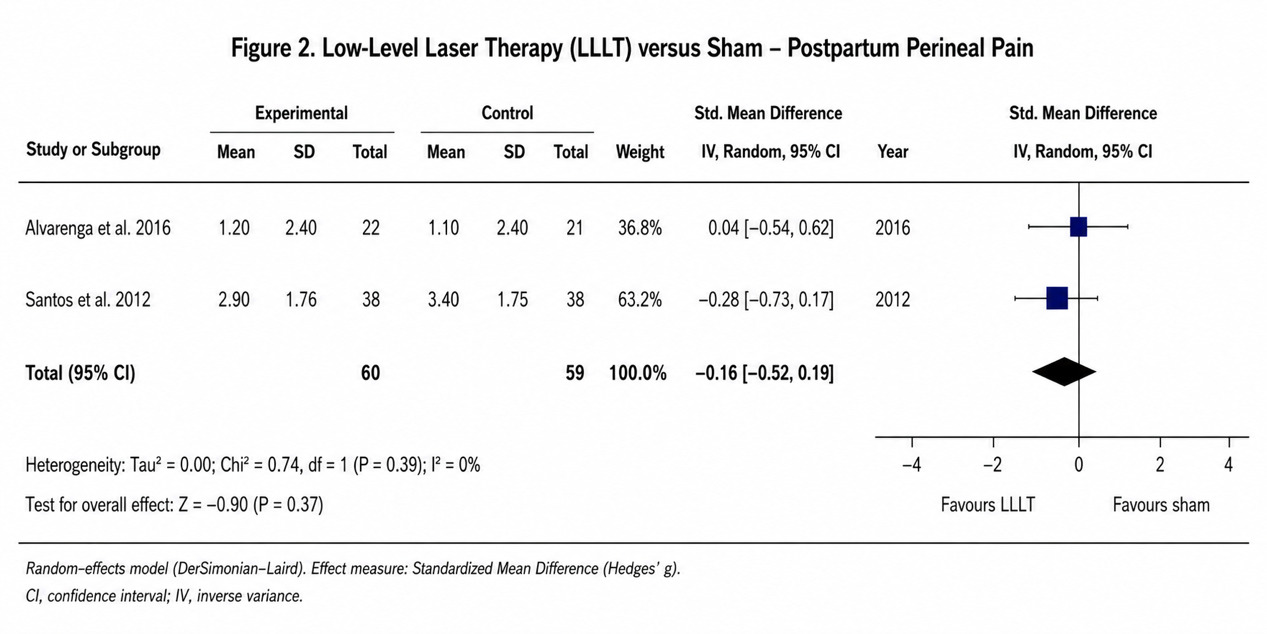
As shown in Figure 3, a random-effects meta-analysis of two randomized controlled trials including 119 postpartum women demonstrated no statistically significant difference between low-level laser therapy (LLLT) and sham treatment for postpartum perineal pain (SMD −0.16, 95% CI −0.52 to 0.19; P = 0.37). Statistical heterogeneity was not observed (τ2 = 0.00; χ2 = 0.74, df = 1, P = 0.39; I2 = 0%). Although the pooled effect slightly favored LLLT, the confidence interval crossed the line of no effect, indicating no statistically significant analgesic benefit compared with sham treatment.
_versus_sham_treatment_for_postpartum_per.png)
3.5. Effect of Therapeutic Ultrasound on Persistent Postpartum Perineal Pain
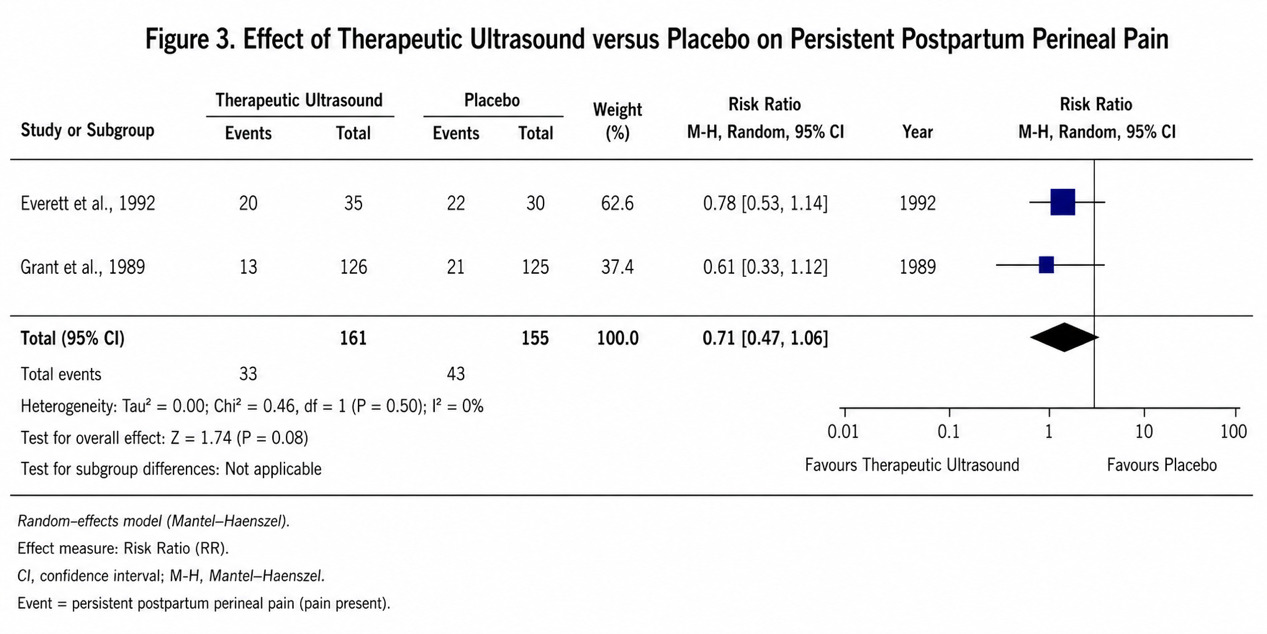
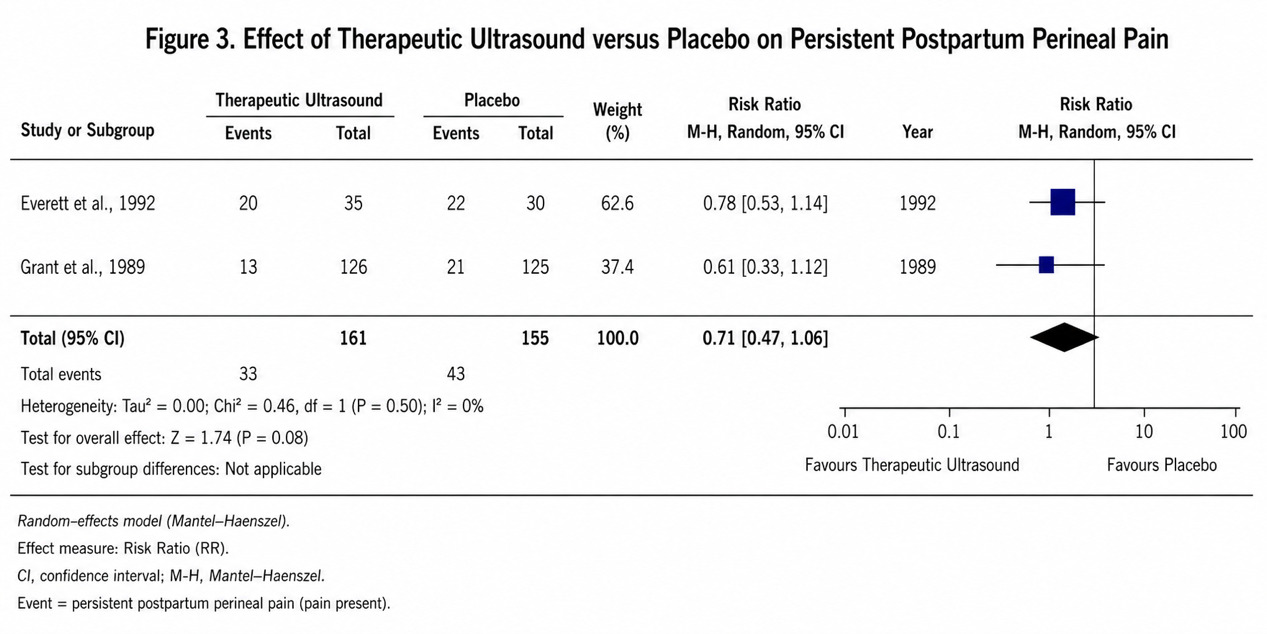
Figure 4 presents the pooled analysis of two randomized controlled trials evaluating therapeutic ultrasound for persistent postpartum perineal pain following episiotomy or obstetric perineal trauma. The pooled estimate showed a numerical reduction in the risk of persistent pain in favour of therapeutic ultrasound; however, the 95% confidence interval crossed the line of no effect, indicating that the difference was not statistically significant. Statistical heterogeneity was negligible (I2 = 0%), demonstrating good consistency between the included studies despite differences in follow-up duration. Overall, the available evidence does not demonstrate a statistically significant advantage of therapeutic ultrasound over placebo for reducing persistent postpartum perineal pain.
3.6. Additional Clinically Relevant Outcomes
Several clinically important outcomes could not be quantitatively synthesized because of differences in outcome definitions, measurement instruments, intervention protocols, and follow-up intervals across the included trials. Perineal wound healing was evaluated only by Alvarenga et al., who assessed healing using the REEDA scale. No significant differences were observed between low-level laser therapy and sham treatment at any assessment point, including the 7-10-day follow-up. Similarly, Santos et al. found no significant reduction in perineal pain following a single session of low-level laser therapy compared with sham treatment, providing no consistent evidence supporting laser therapy for postpartum perineal pain. Clinical indicators of local tissue recovery were reported inconsistently across studies. In the placebo-controlled trial by Grant et al., therapeutic ultrasound did not significantly reduce persistent perineal pain or clinically important bruising compared with placebo during follow-up.
Cooling interventions demonstrated more favourable local outcomes. Steen et al. reported significantly lower rates of perineal oedema at 48 hours among women treated with maternity gel pads compared with both ice packs and Epifoam. The gel-pad group also showed less bruising in selected subgroups and reported significantly higher treatment satisfaction. In the cryotherapy trial by Beleza et al., a 20-minute application of crushed ice produced immediate short-term pain relief and was associated with high maternal satisfaction, with 87.5% of participants reporting satisfaction following treatment.
Overall, while pooled analyses demonstrated consistent short-term analgesic benefits of TENS, the available evidence did not support clinically meaningful benefits of low-level laser therapy for pain relief or wound healing. In contrast, cooling modalities demonstrated more consistent improvements in local postpartum symptoms, particularly oedema and maternal satisfaction. These outcomes were not quantitatively synthesized because of substantial clinical and methodological heterogeneity across studies.
3.7. Risk of Bias Assessment
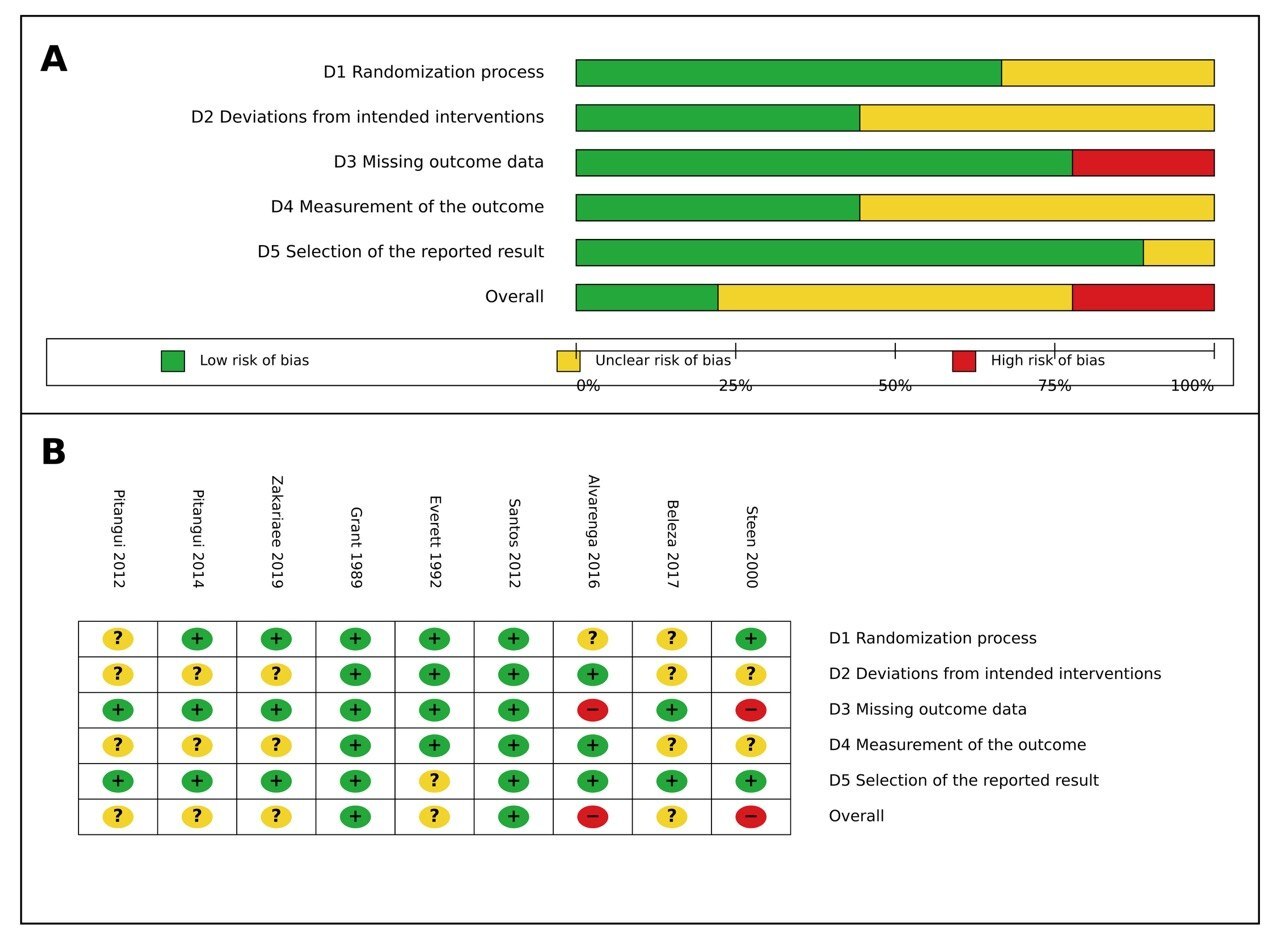
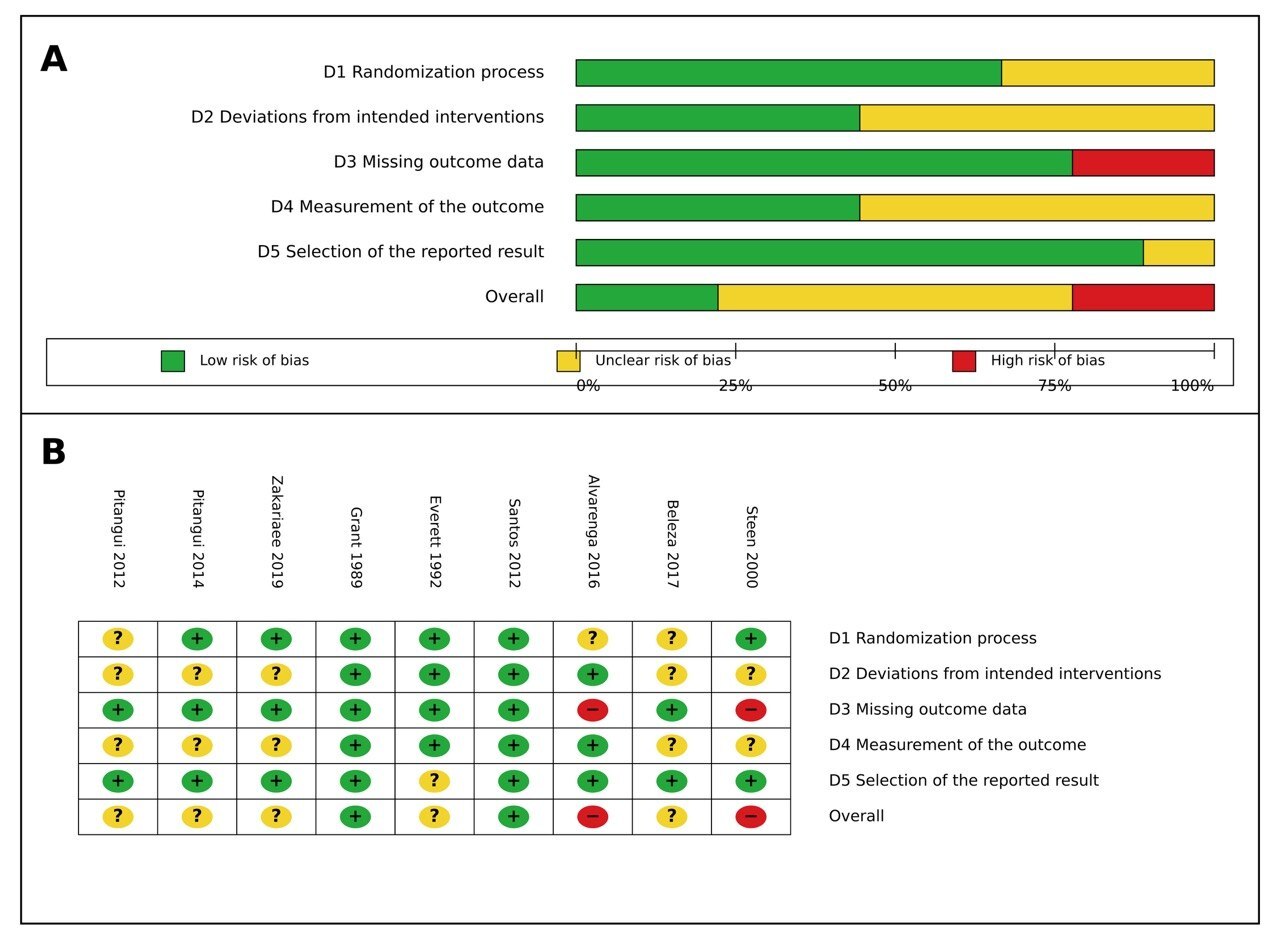
Risk of bias was assessed using the Cochrane Risk of Bias 2 (RoB 2) tool across five methodological domains. Overall, two of the nine included randomized controlled trials (22.2%) were judged to have a low risk of bias, five studies (55.6%) were rated as having some concerns, and two studies (22.2%) were classified as having a high risk of bias (Figure 5).
Regarding individual domains, the randomization process (D1) was judged as low risk in six studies (66.7%) and as having some concerns in three studies (33.3%). Deviations from intended interventions (D2) showed low risk in four studies (44.4%) and some concerns in five studies (55.6%). Missing outcome data (D3) was rated as low risk in seven studies (77.8%), whereas two studies (22.2%) were judged as high risk because of concerns related to incomplete outcome data. Measurement of the outcome (D4) was assessed as low risk in four studies (44.4%) and as having some concerns in five studies (55.6%). Selection of the reported result (D5) demonstrated the lowest overall risk, with eight studies (88.9%) judged as low risk and one study (11.1%) rated as having some concerns.
Overall, most included studies were judged as having some concerns, whereas only two studies were classified as low risk of bias and two studies were considered to have a high risk of bias. The most common methodological concerns were related to the randomization process, deviations from intended interventions, and outcome measurement, while selective reporting was generally judged to be at low risk.
4. Discussion
The strongest evidence identified in the present review supports transcutaneous electrical nerve stimulation (TENS) for the management of early postpartum perineal pain. Among the evaluated interventions, TENS demonstrated the most consistent and clinically relevant analgesic effect, with pooling of three randomized controlled trials showing a statistically significant moderate-to-large reduction in pain and all studies favoring active treatment. In contrast, low-level laser therapy (LLLT) and therapeutic ultrasound consistently failed to demonstrate clinically meaningful analgesic benefits, with pooled estimates close to the null effect and negligible statistical heterogeneity. Cooling interventions occupied an intermediate position. Although quantitative synthesis was not feasible because of substantial methodological heterogeneity, individual randomized trials consistently suggested favorable effects on local symptoms, particularly oedema, immediate pain relief, and maternal satisfaction. For postpartum rehabilitation, where women frequently seek effective non-pharmacological interventions that do not interfere with breastfeeding or infant care, these findings provide a practical evidence-based framework for prioritizing available rehabilitation modalities according to the current strength of evidence rather than considering them therapeutically equivalent.
The analgesic effect observed with TENS is biologically plausible. Electrical stimulation of large-diameter afferent fibers activates segmental inhibitory mechanisms within the dorsal horn while simultaneously engaging endogenous inhibitory pathways, thereby attenuating nociceptive transmission arising from injured perineal tissues.9 The consistency of benefit across the included randomized trials, including a placebo-controlled study in primiparous women, further strengthens the likelihood that the observed analgesia reflects a genuine physiological effect rather than expectation alone.10 Moreover, the pooled standardized mean difference of approximately one standard deviation represents a large statistical effect according to conventional interpretation of standardized effect sizes. However, this should not automatically be interpreted as a large clinical benefit because standardized effect estimates derived from relatively small trials frequently overestimate true treatment effects. The confidence interval surrounding the pooled estimate also reflects a degree of imprecision that limits confidence in the exact magnitude of benefit. Furthermore, the observed heterogeneity (I2 = 63%) most likely reflects differences in stimulation frequency, pulse width, treatment duration, electrode placement, postpartum timing of intervention, and pain assessment instruments rather than inconsistency in treatment direction, since all included studies favored TENS. Importantly, the available evidence evaluates pain relief measured within minutes to hours after treatment and therefore cannot be extrapolated to sustained recovery, improved maternal function, or longer-term postpartum outcomes.
The neutral findings for LLLT and therapeutic ultrasound are equally informative. The absence of a measurable analgesic benefit for LLLT is unlikely to be attributable to random error, given the near-null pooled estimate and complete absence of statistical heterogeneity.11 However, these findings should not necessarily be interpreted as evidence that photobiomodulation lacks therapeutic potential. Rather, they may primarily reflect suboptimal treatment protocols. Photobiomodulation follows a well-recognized biphasic dose-response relationship in which wavelength, energy density, irradiation time, treatment frequency, and cumulative dose determine biological effectiveness.12 Fibroblast proliferation, collagen synthesis, angiogenesis, and inflammatory modulation may require repeated therapeutic exposure before clinically meaningful improvements become apparent. Consequently, single-session interventions or insufficient cumulative energy delivery may fail to achieve the biological threshold required to influence pain or tissue repair. This interpretation is supported by the randomized trial evaluating repeated LLLT sessions using the REEDA wound-healing scale, which similarly demonstrated no significant improvements in redness, oedema, ecchymosis, discharge, or wound approximation compared with sham treatment.13
Therapeutic ultrasound demonstrated a comparable pattern. Although pooled analysis suggested a numerical reduction in persistent postpartum perineal pain, the confidence interval crossed the line of no effect while statistical heterogeneity remained negligible (14). Rather than weakening confidence in the findings, the consistency between studies strengthens the inference that any true treatment effect, if present, is probably small and unlikely to be clinically meaningful under the protocols evaluated. A plausible explanation for the differing effectiveness of TENS compared with LLLT and ultrasound is that TENS primarily produces immediate neuromodulation of pain pathways, whereas LLLT and ultrasound principally target biological tissue repair processes that generally require repeated applications and longer treatment durations before measurable clinical improvements become evident. Consequently, interventions designed to enhance tissue regeneration should not necessarily be expected to produce immediate analgesic effects despite their biological rationale.
Cooling interventions warrant separate consideration because, despite the absence of pooled quantitative analysis, individual randomized trials consistently suggested favorable local outcomes. Local hypothermia decreases tissue temperature, slows peripheral nerve conduction velocity, reduces local metabolic demand, and attenuates inflammatory vascular responses following tissue injury. These physiological effects correspond closely with the observed reductions in oedema, bruising, and maternal satisfaction reported with cooling maternity gel pads.14 Similarly, cryotherapy produced immediate short-term pain relief with high maternal satisfaction following episiotomy.15 Nevertheless, these findings should be interpreted cautiously because variation in comparator interventions, cooling techniques, treatment duration, outcome definitions, and assessment time points prevented quantitative synthesis and limited confidence in the magnitude of benefit. Accordingly, the available evidence should be considered suggestive rather than definitive, although it supports cooling as an inexpensive, safe, and well-tolerated adjunctive intervention for managing local postpartum symptoms.
Compared with previous literature, the present review extends rather than contradicts existing evidence. Earlier systematic reviews largely evaluated individual rehabilitation modalities in isolation. The Cochrane review of TENS concluded that electrical stimulation may provide clinically meaningful analgesia across acute pain conditions, although certainty varied according to clinical indication, a conclusion that broadly agrees with the present findings.7 Likewise, the absence of demonstrable benefit for therapeutic ultrasound is consistent with the earlier Cochrane review, which found insufficient evidence to recommend routine postpartum ultrasound therapy.6 In contrast, the lack of benefit observed for LLLT differs somewhat from broader photobiomodulation literature reporting improved healing in other soft-tissue conditions.8 This discrepancy is likely attributable to differences in treatment protocols, cumulative dosage, target tissues, and clinical populations rather than fundamental differences in biological efficacy. Unlike previous reviews, however, the present study simultaneously compared multiple physical and electrophysical rehabilitation modalities within a single analytical framework. This comparative approach allows clinicians to interpret the relative strength of evidence across interventions rather than relying on isolated modality-specific reviews. Consequently, the present review provides an evidence hierarchy that has not previously been available for postpartum perineal rehabilitation. Importantly, this comparative synthesis allows clinicians to prioritize rehabilitation modalities according to the relative strength of randomized evidence, an advantage that could not be achieved through previous modality-specific reviews. From a rehabilitation perspective, the findings also suggest that interventions providing immediate neuromodulation appear more effective for early postpartum pain than interventions primarily targeting tissue repair. Whether combining analgesic modalities such as TENS with regenerative approaches such as photobiomodulation produces additive clinical benefits remains unknown and represents an important question for future randomized trials.
The present findings also have practical implications for postpartum rehabilitation. Given their favorable safety profile, relatively low cost, ease of administration, and compatibility with breastfeeding, TENS and cooling interventions may reasonably be considered before escalation to pharmacological analgesia in appropriately selected women experiencing early postpartum perineal pain. Conversely, the current evidence does not justify routine clinical use of LLLT or therapeutic ultrasound solely for postpartum perineal pain relief or wound healing outside research settings.
This review possesses several methodological strengths. Study selection was restricted to randomized controlled trials, the review was conducted and reported according to PRISMA 2020 recommendations, methodological quality was evaluated using the Cochrane Risk of Bias 2 tool, and quantitative synthesis was undertaken whenever appropriate using clinically relevant outcomes. A comprehensive multi-database search further reduced the likelihood of incomplete evidence retrieval. Nevertheless, several limitations should be acknowledged. Each meta-analysis included only two or three relatively small, randomized trials, limiting statistical precision and increasing the possibility of imprecise effect estimates. Clinical heterogeneity was evident across intervention protocols, treatment intensity, treatment frequency, follow-up duration, and outcome measurement instruments. Only two of the nine included studies were judged to have low overall risk of bias, whereas most studies demonstrated either some concerns or high risk of bias, raising the possibility that treatment effects, particularly for TENS, may have been modestly overestimated. Furthermore, the review protocol was not prospectively registered, publication bias could not be formally evaluated because of the small number of available studies, certainty of evidence was not formally assessed using the GRADE framework, and the included trials originated from only three countries, potentially limiting the generalizability of the findings to broader obstetric populations and healthcare settings. Consequently, although the pooled findings provide valuable evidence, overall confidence in several treatment estimates remains moderate at best.
Taken together, the available evidence supports cautious use of TENS and cooling interventions for short-term postpartum perineal symptom management, whereas current evidence provides little justification for routine clinical use of LLLT or therapeutic ultrasound following episiotomy or childbirth-related perineal trauma. However, these conclusions remain provisional because they are derived from relatively small, randomized trials with methodological limitations and predominantly short-term follow-up. Future adequately powered multicenter randomized controlled trials should standardize TENS stimulation parameters and photobiomodulation dosing protocols, adopt harmonized outcome measures, extend follow-up beyond the immediate postpartum period, and evaluate outcomes that matter most to women, including functional recovery, breastfeeding, sexual function, quality of life, and cost-effectiveness. Such studies are needed to determine whether early improvements in pain translate into meaningful long-term benefits during postpartum recovery.
5. Conclusions
This systematic review and meta-analysis provide the first comparative synthesis of randomized evidence evaluating physical and electrophysical rehabilitation modalities for postpartum perineal morbidity following episiotomy and childbirth-related perineal trauma. Among the available interventions, the strongest evidence currently supports TENS for short-term pain relief, while cooling interventions appear to provide additional benefits for local symptom management despite the absence of pooled quantitative evidence. In contrast, LLLT and therapeutic ultrasound did not demonstrate clinically meaningful benefits under the treatment protocols evaluated. Given the limited number of small, randomized trials and methodological heterogeneity, these conclusions should be interpreted cautiously. Future adequately powered multicenter trials using standardized rehabilitation protocols and patient-centered long-term outcomes are needed to define the optimal evidence-based rehabilitation strategy for postpartum perineal recovery.
Acknowledgments
None
Author Contributions
All authors contributed to the study conception, design, analysis, interpretation, and manuscript preparation. All authors reviewed and approved the final manuscript.
Ethics Approval
Not applicable. This study is a systematic review of previously published trials and did not involve new studies with human participants or animals.
Clinical Trial Number
Not applicable
Consent to Participate
Not applicable.
Funding
The authors declares that no funding was received for this study.
Conflicts of Interest
The authors declare no financial or non-financial interests that are directly or indirectly related to the work submitted for publication.
Consent for Publication
Not applicable.
Availability of Data and Materials
All data generated or analyzed during this study are included in this published article and its supplementary information files.
Code Availability
Not applicable.