
Introduction
Playing-related musculoskeletal complaints are a recognized occupational and training concern among musicians. Repeated fine-motor actions, sustained joint positions, and performance demands place the hand, wrist, forearm, shoulder girdle, and spine under recurrent physical load. Systematic reviews document a substantial burden of complaints, although reported prevalence varies with case definitions, time frames, and the populations studied.1–3 Hand and wrist overuse symptoms are especially relevant to orthopedic and hand-surgery practice, where assessment must distinguish nonspecific activity-related pain from focal tendon, nerve, joint, or other structural disorders.4
Clinical management requires attention not only to the location of symptoms but also to functional interference, workload, recovery, and symptom-related modification of activity. Existing studies have identified possible associations between musculoskeletal complaints and practice factors, prior injury, and psychological stress; nevertheless, the predominantly observational evidence does not establish causal risk factors.5 Performance anxiety is independently recognized among musicians and may coexist with pain without necessarily causing it.6 Recent cross-sectional evidence further suggests an association between musculoskeletal pain and music performance anxiety, emphasizing the importance of examining both domains without conflating association with causation.7
For orthopedic clinicians, descriptions of symptom location, avoidance of practice, self-treatment, and readiness to seek care may be useful in designing performance-sensitive evaluation and rehabilitation pathways. We therefore conducted a cross-sectional survey of artists and arts students to describe the self-reported distribution and perceived functional impact of musculoskeletal pain, selected self-management behaviors, perceived relationships with performance anxiety, and willingness to use supportive services. The investigation was descriptive; it was not designed to diagnose specific orthopedic conditions or test a directional anxiety–pain model.
Materials and Methods
Study design and participant recruitment
This was a descriptive, cross-sectional online survey conducted in June 2026. A third-party platform recruited U.S. adults through a method described as Random Device Engagement. Participation was opt-in after respondents encountered an invitation, and participation implied consent.
A mandatory screening question (SQ1) allowed eligibility based on current participation in instrumental music, vocal music, theater, or ceramic arts, including students of those disciplines. The analyzed cohort included 100 respondents who selected one of those four categories.
Survey measures
The instrument comprised SQ1 and 13 numbered questions (Q1–Q13), including a final open-ended item. Figure 1 reproduces the survey in two panels; the full questionnaire is also supplied as Supplementary Appendix S1. The musculoskeletal domain included the presence of current activity-associated muscle, joint, or tendon pain (Q5: yes/no/unsure), anatomical sites (Q6: select all that apply), a five-point rating of effects on the ability to play (Q7), management approaches (Q9: multiple responses), and prior reduction in practice or withdrawal from a performance because of pain (Q10).
The psychosocial domain included a one-item five-point rating of pre-performance anxiety (Q3), associated symptoms (Q4: multiple responses), perceived direction of the anxiety–pain relationship (Q8), participation limitation attributed to anxiety (Q11), and stated likelihood of using counseling, performance coaching, or physical therapy (Q12). Frequency of performance and hours practiced were recorded with categorical responses (Q1–Q2). The questionnaire did not assess physician-confirmed musculoskeletal diagnoses, imaging findings, pain duration, validated functional outcomes, or clinically diagnosed anxiety.
Several items refer specifically to instrument playing or musical performance despite inclusion of actors and ceramic artists. Responses from these disciplines were retained as recruited, but this wording may have affected applicability and interpretation. The open-ended responses to Q13 were not analyzed in the present quantitative report.
Statistical analysis
Data were summarized descriptively using counts and percentages for single-choice items and the proportion selecting each option for multiple-response items. Multiple-response totals are not expected to sum to 100%. No inferential tests, adjusted associations, or causal models are reported. Item-specific denominators and skip logic should be verified against the survey export before final submission. Observational and electronic-survey reporting were guided by STROBE and CHERRIES.8,9
Ethical Considerations
As survey results were obtained in a de-identified manner without the ability of the study authors to ever identify the individuals, the study was granted a formal Non-Human Subjects research determination in accordance with U.S. Federal Regulations (45 CFR 46.102) by Brown University.
Results
Respondent characteristics and artistic activity
Among 100 respondents, 55% selected instrumental music, 16% vocal music, 15% acting/theater, and 14% ceramic art. Fifty-eight percent identified as male and 42% as female; the median age was 40 years (interquartile range, 31–47 years).
Reported performance frequency was a few times per year for 42%, monthly for 35%, weekly or more often for 15%, and never for 8%. For weekly practice hours, the available report lists 40% at 5–10 hours, 30% at 11–20 hours, and 12% at more than 20 hours.
Self-reported musculoskeletal pain and functional interference
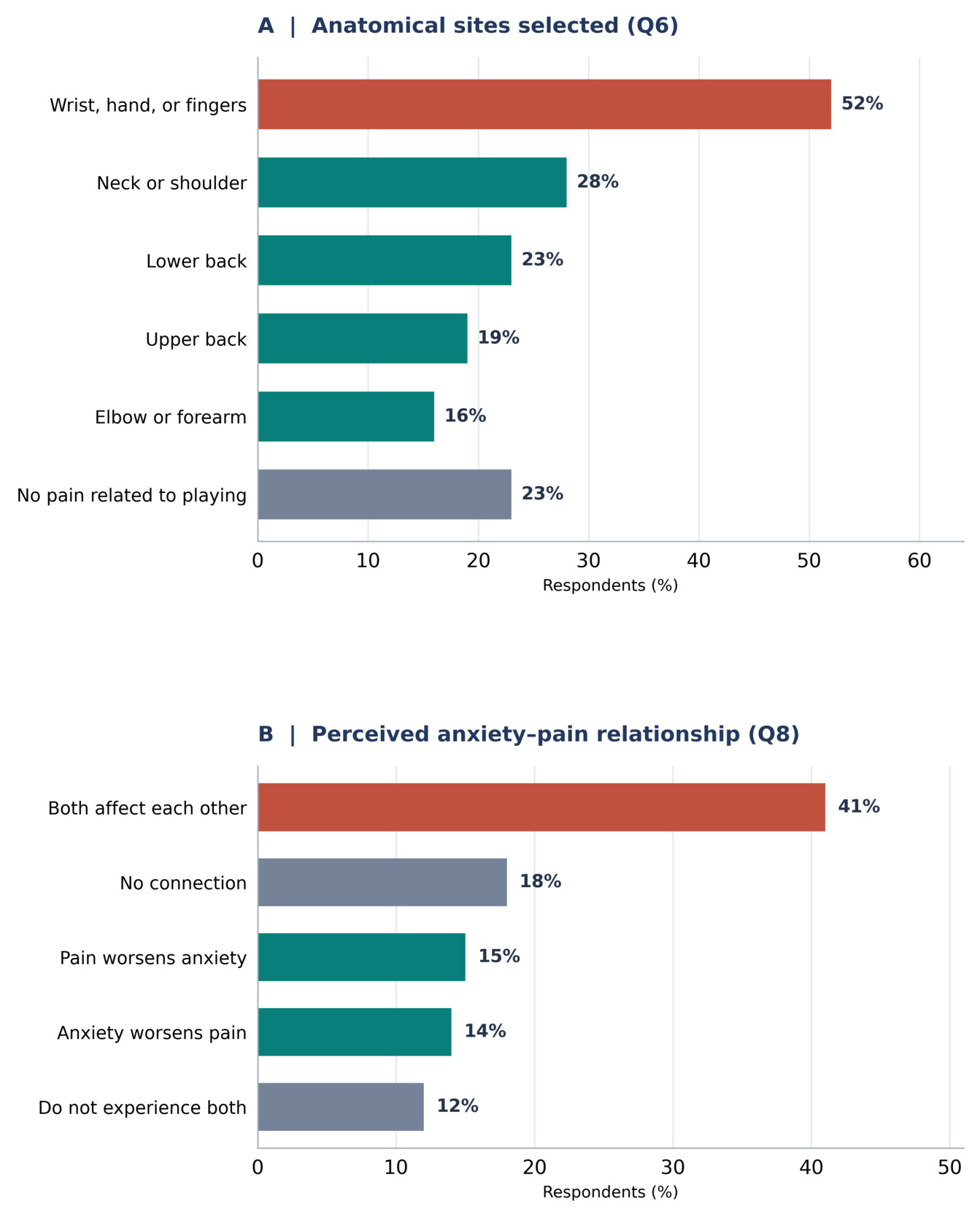
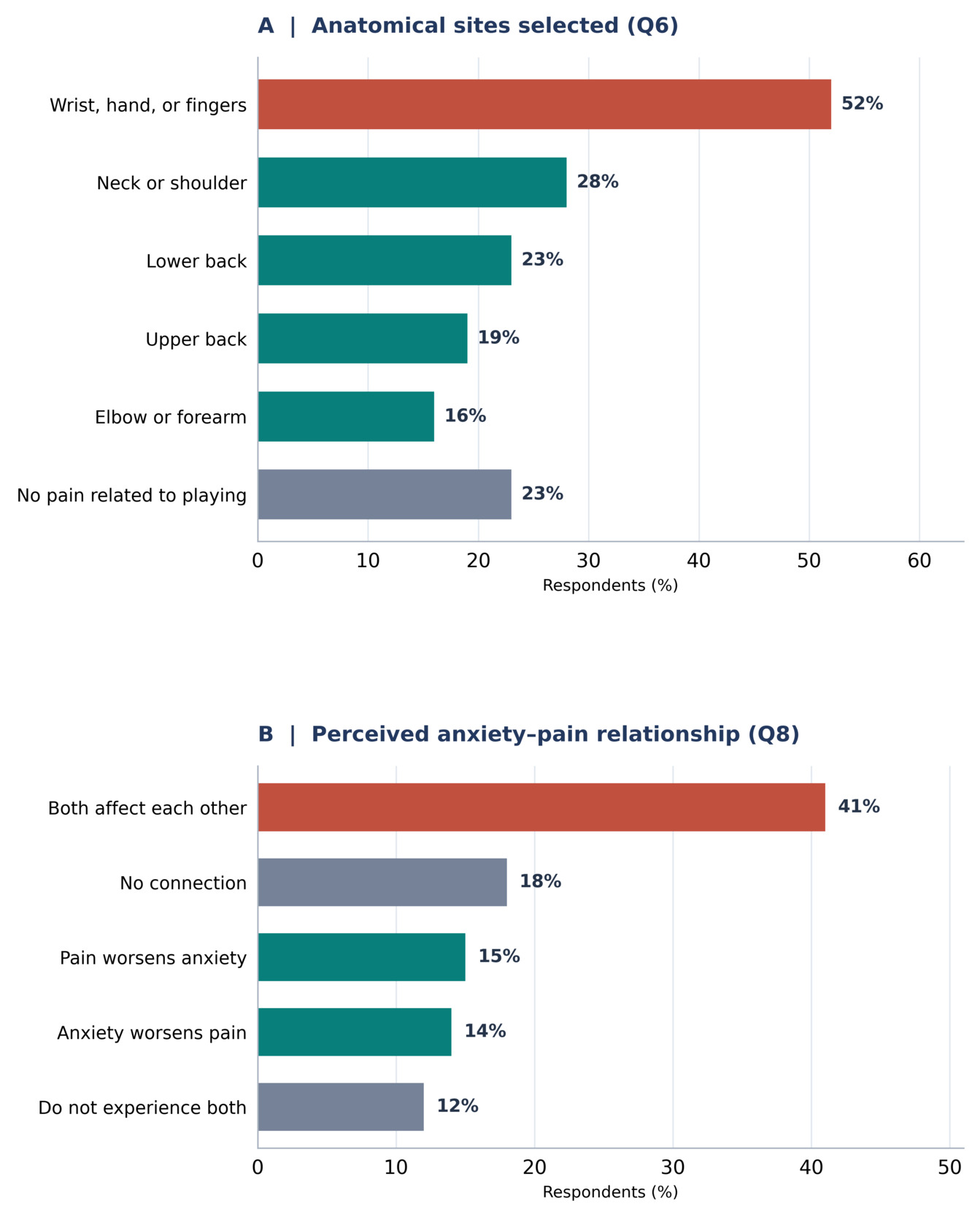
Forty-six respondents (46%) answered yes to current musculoskeletal pain associated with their artistic activity (Q5); 52% answered no and 2% were unsure. In the separate multiple-response anatomical-location item (Q6), selections included the wrist/hand/fingers (52%), neck/shoulder (28%), lower back (23%), upper back (19%), and elbow/forearm (16%); 23% selected no pain related to playing (Figure 2). Percentages could vary on questions 5 and 6 based on current vs. historical symptoms.
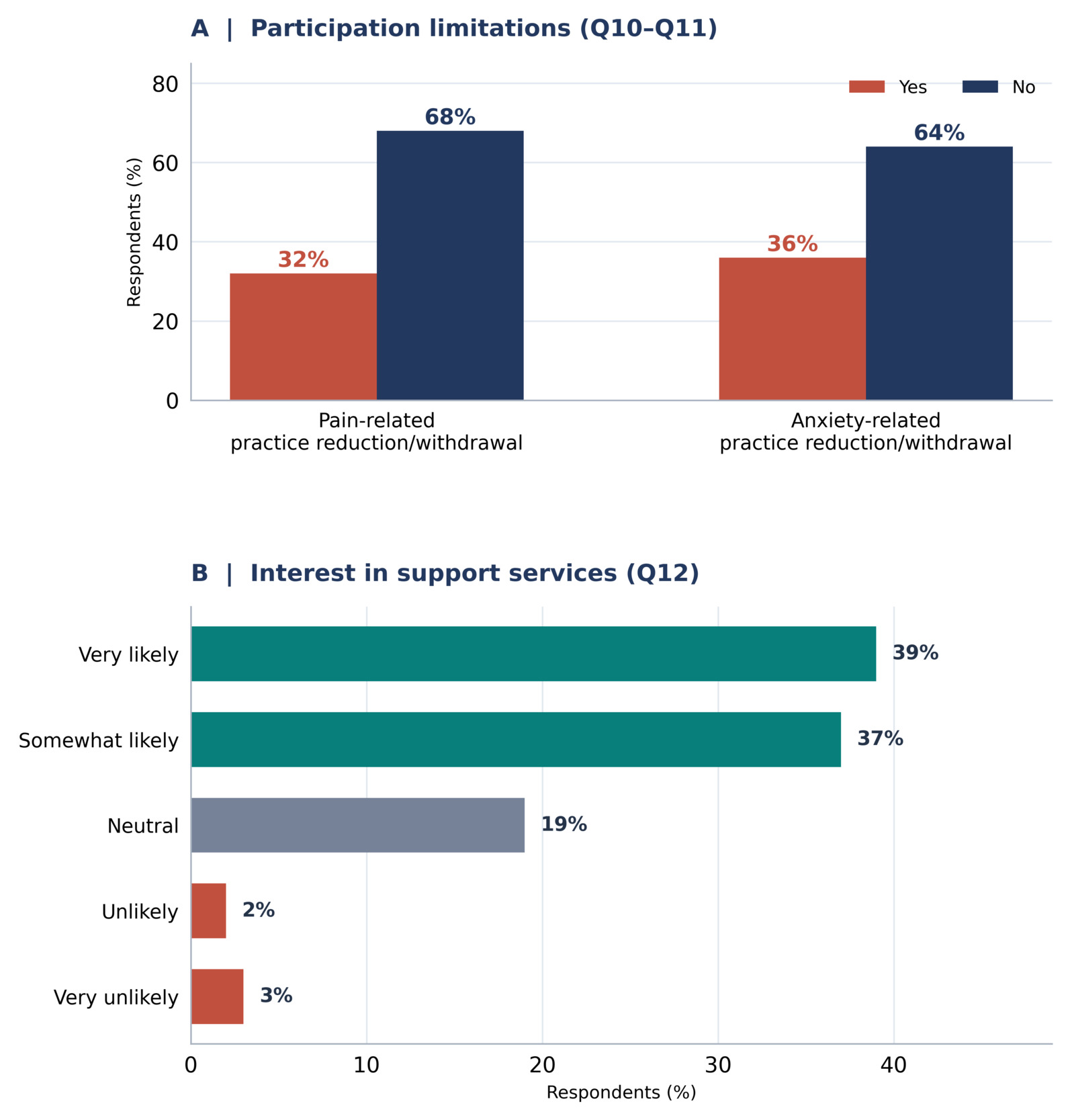
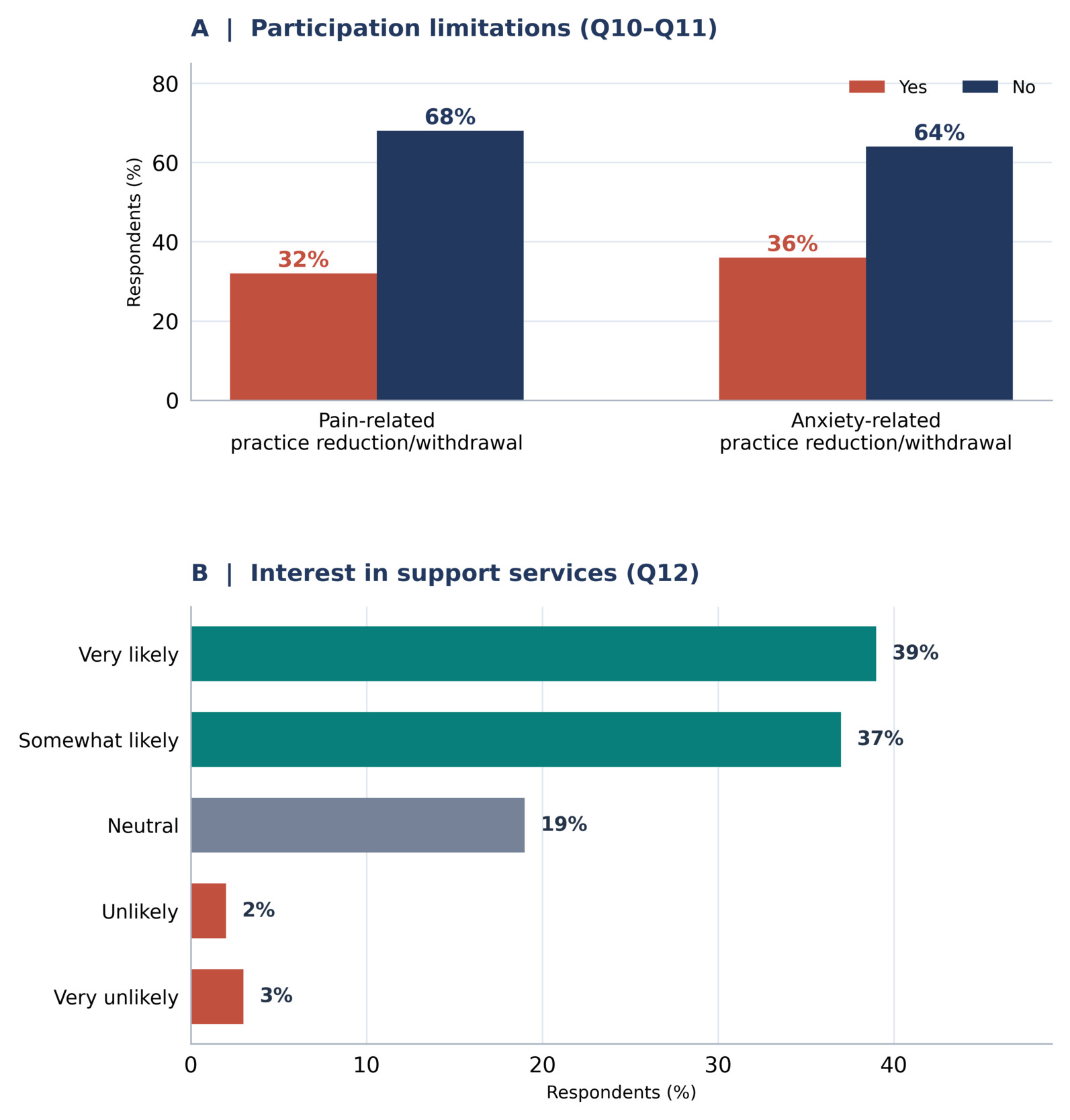
For the item rating how pain affected playing (Q7), the reported impact ratings were 1/5 in 22%, 2/5 in 27%, 3/5 in 27%, 4/5 in 15%, and 5/5 in 9%. Thus, 24% selected a rating of 4 or 5. In a distinct all-respondent item, 32% reported having reduced practice time or withdrawn from a performance because of musculoskeletal pain, compared with 68% who had not (Figure 3). These measures represent self-reported interference rather than objectively quantified disability.
Pain management and healthcare contact
The most frequently selected pain-management strategy was stretching or warm-up exercises (64%), followed by rest or a break from playing (43%), over-the-counter pain medication (40%), and continuing to play despite pain (39%). Consultation with a physical therapist or physician was selected by 22%. Fourteen percent selected the option indicating they had not experienced this type of pain. These were self-reported strategies selected on a multi-response item; physician or therapist contact should not be interpreted as active treatment or treatment receipt. The percentages on questions 5,6, and 9 vary based on the respondents’ recall of pain.
Performance anxiety and perceived relationship with pain
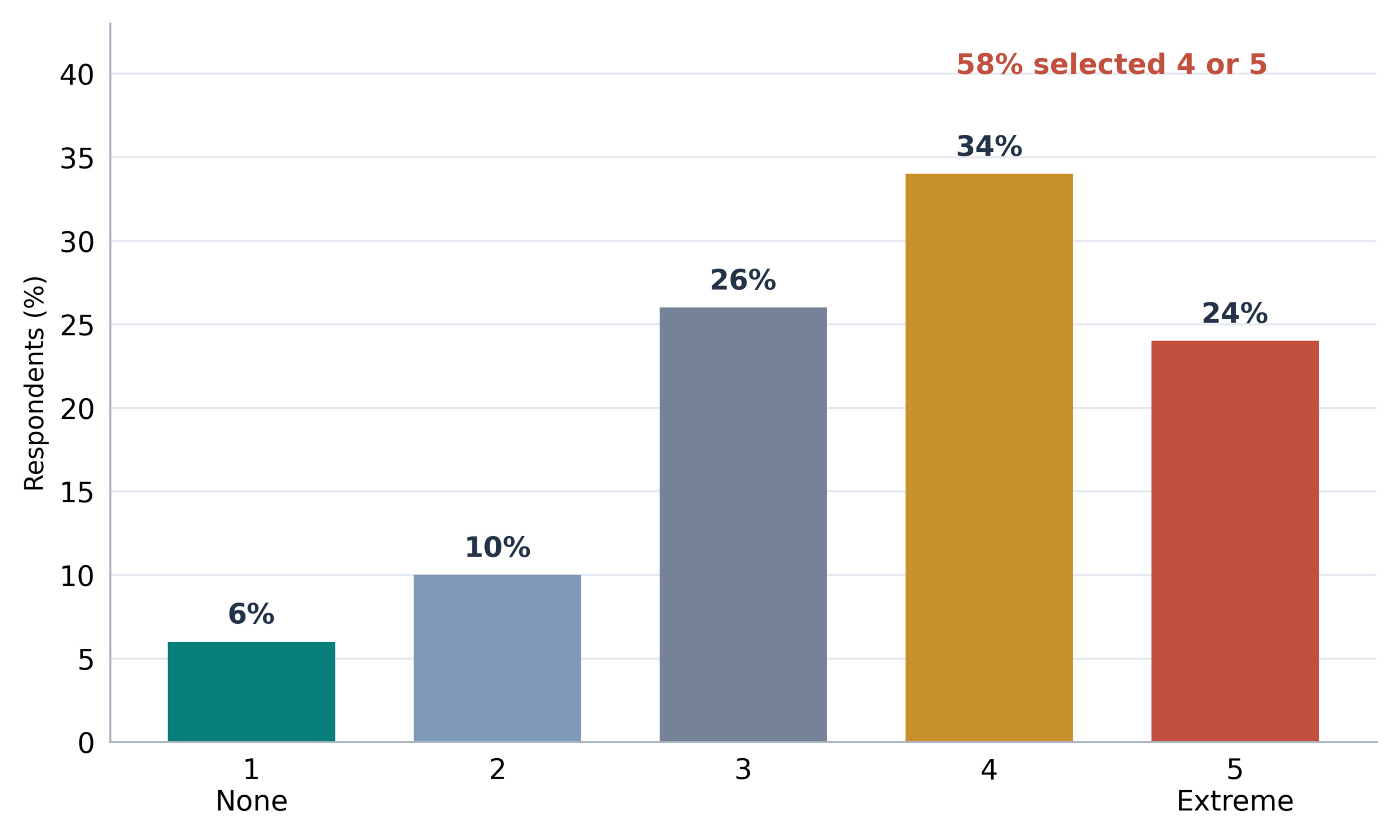
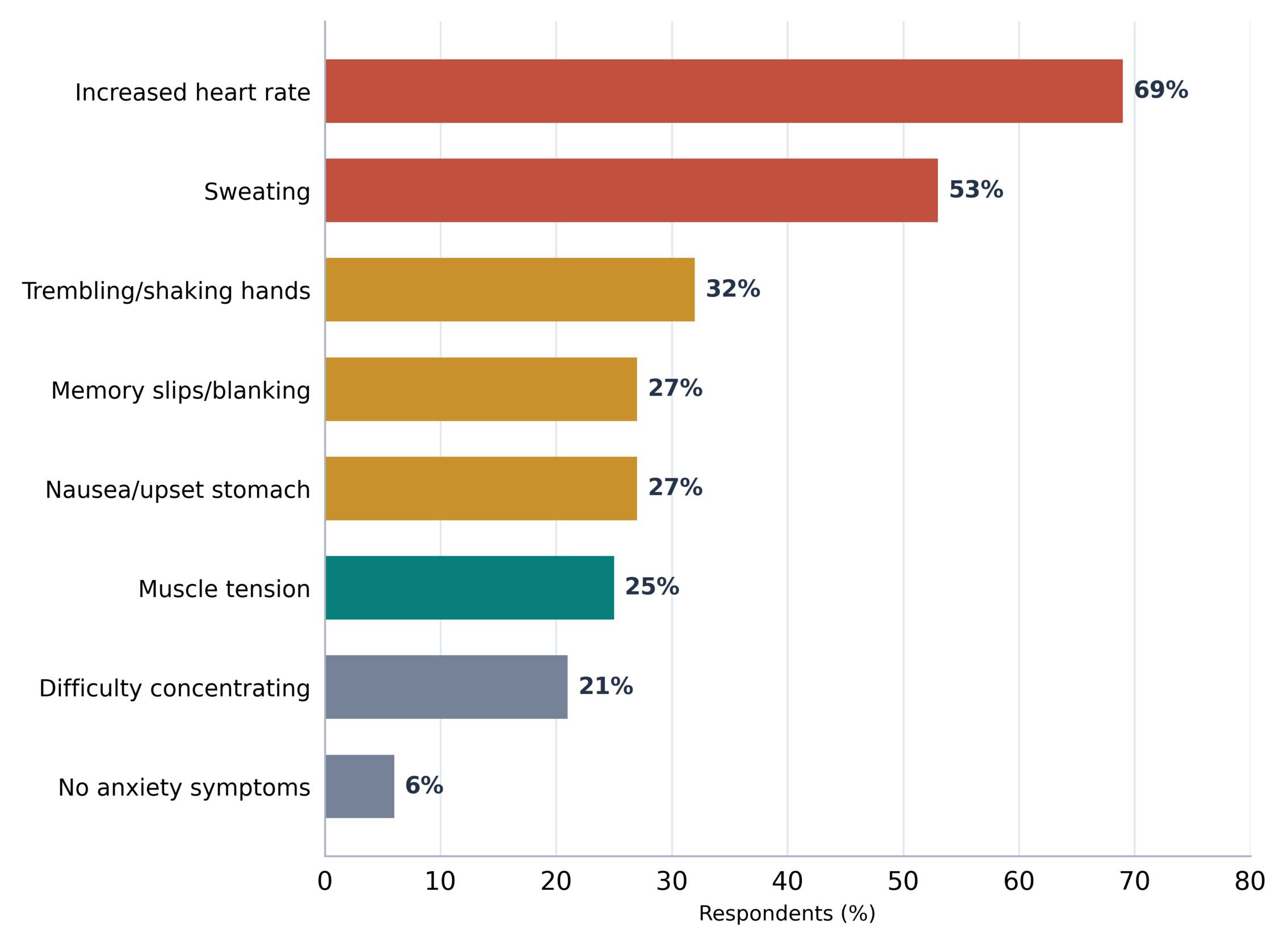
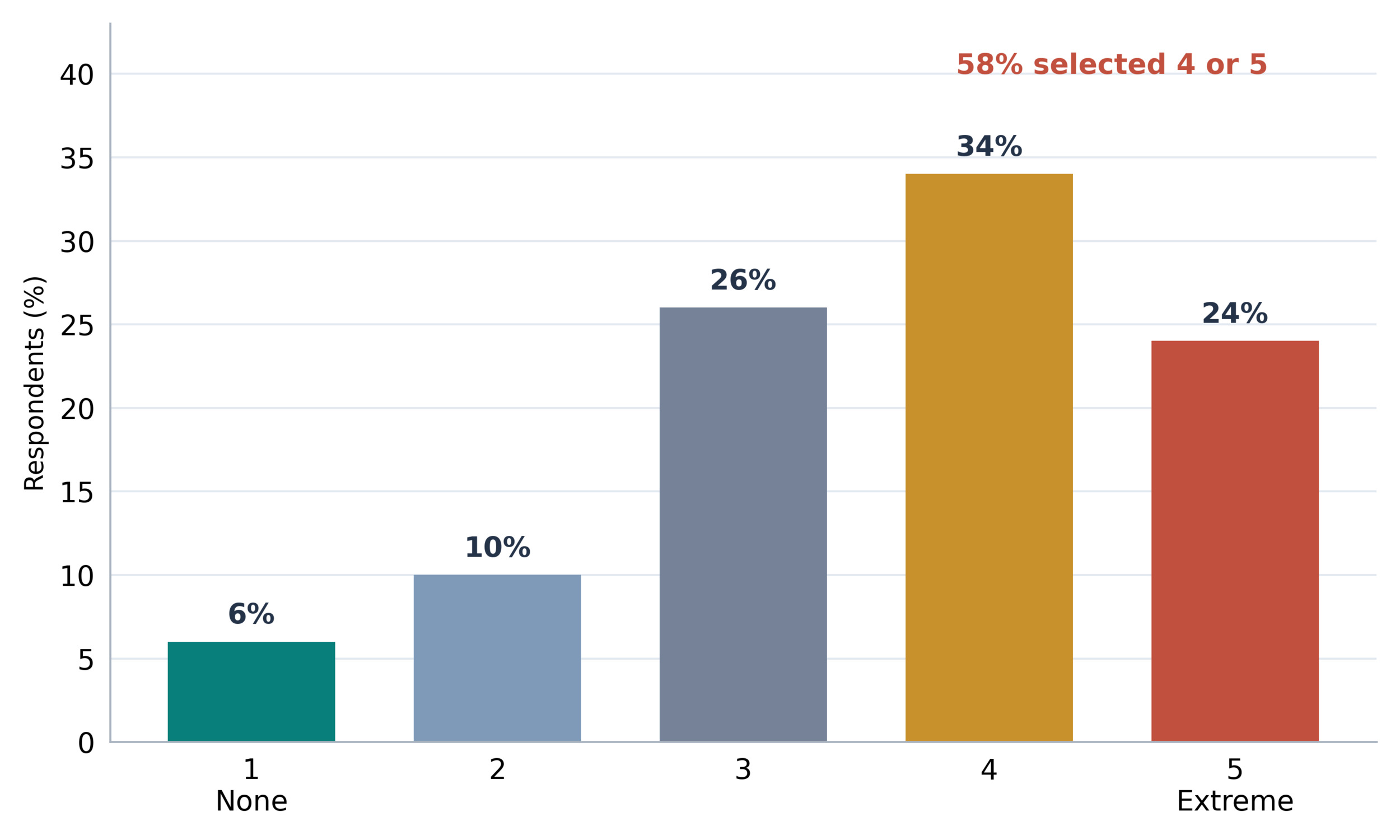
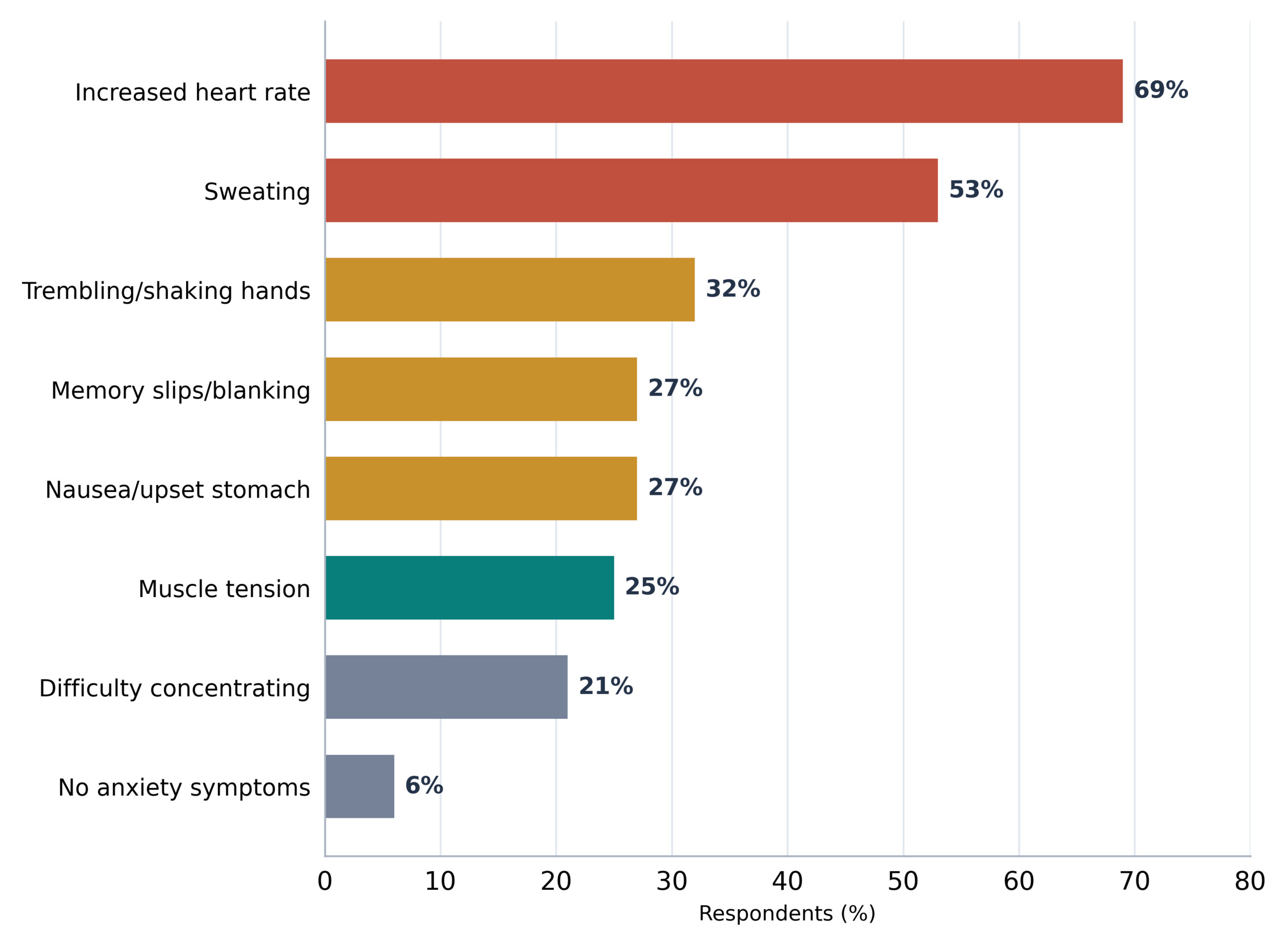
Pre-performance anxiety ratings (Q3) were 1/5 in 6%, 2/5 in 10%, 3/5 in 26%, 4/5 in 34%, and 5/5 in 24%, with 58% selecting 4 or 5 (Figure 4). At least one symptom was selected by respondents other than the 6% choosing “no anxiety symptoms.” Increased heart rate (69%) and sweating (53%) were most frequently reported, followed by trembling or shaking hands (32%), memory slips or blanking (27%), nausea or upset stomach (27%), muscle tension (25%), and difficulty concentrating (21%) (Figure 5). These single-item reports cannot be equated with a validated diagnosis of anxiety.
When asked whether anxiety and pain or muscle tension were related (Q8), 41% selected that both affect each other, 15% that pain worsens anxiety, 14% that anxiety worsens pain, 18% that they were not connected, and 12% that they did not experience both (Figure 2). These are respondents’ beliefs about possible relationships. The survey did not establish simultaneous occurrence, measure temporal changes, or test associations between individual anxiety and pain scores.
Participation and interest in support
Thirty-six percent reported having reduced practice or withdrawn from a performance because of anxiety (Q11), compared with 32% who reported this because of musculoskeletal pain (Q10; Figure 3). With respect to counseling, performance coaching, or physical therapy, 39% reported being very likely and 37% somewhat likely to use these services if available; 19% were neutral, 2% unlikely, and 3% very unlikely (Figure 3B). This hypothetical interest does not measure current service use, access barriers, or actual healthcare utilization.
Discussion
This exploratory study highlights clinically relevant musculoskeletal concerns in an artist sample: 46% reported current activity-associated pain, 32% had curtailed participation because of pain, and 39% selected continuing to play despite pain as a management strategy. For orthopedic practice, the combination of symptoms and participation restriction is more informative than symptom presence alone. Nonetheless, the survey measured self-attributed pain and did not establish a playing-related musculoskeletal disorder by examination, diagnostic criteria, or longitudinal follow-up. Distinguishing a mild transient complaint from a persistent, function-limiting condition remains central to orthopedic triage.10
The reported anatomical pattern, especially hand/wrist and cervical or shoulder complaints, aligns broadly with existing literature on musicians’ musculoskeletal symptoms. Reviews have identified upper-extremity and spinal complaints across instrumental groups, although body-region estimates and treatment recommendations vary considerably by study design.11,12 In clinical care, focused history of specific tasks, load changes, laterality, symptom timing, neurologic symptoms, and functional limitations should precede decisions about whether further examination, electrodiagnostic testing, or imaging is indicated. This survey cannot identify tendinopathy, nerve entrapment, dystonia, or structural pathology in any respondent.
Practice reduction or performance withdrawal is important because return-to-performance goals may differ from ordinary activities of daily living. Orthopedic clinicians and hand therapists may need to consider instrument-specific technique, ergonomics, activity modification, graduated conditioning, and realistic return-to-practice goals as part of individualized care. Evidence for any single prevention or treatment modality remains limited: systematic reviews find heterogeneous prevention interventions and only low-certainty or scarce evidence for some manual therapies.13,14 Consequently, the present data support studying tailored rehabilitation pathways, not prescribing a specific intervention on the basis of an observational survey.
Pain and anxiety may be clinically relevant to one another, but interpretation must be circumspect. Seventy percent selected one of the three perceived-connection responses and 41% described a reciprocal relationship. This describes beliefs—not verified co-occurrence, effect modification, or physiological causation. Prior research has identified associations between psychological stress and musculoskeletal complaints in musicians, and newer survey work reports an association between pain and music performance anxiety; both lines of evidence retain the limitations of observational data.5,7 Interdisciplinary care may be reasonable when a clinical evaluation identifies meaningful anxiety or functional avoidance, but the effectiveness of combined orthopedic and psychological treatment cannot be inferred here.
Two additional findings require careful interpretation. First, the 22% selecting a physician or physical therapist as a pain-management strategy describes an endorsed behavior, not the proportion “currently receiving care.” Second, the 76% willing to consider counseling, coaching, or physical therapy reflects a hypothetical and broader service category. Subtracting one percentage from the other would not estimate unmet clinical need. Future work should directly assess current and past services, perceived barriers, access, insurance, and referral preferences, and distinguish musculoskeletal care from counseling or coaching.
The questionnaire relied on brief, investigator-designed items rather than validated musician-specific outcome measures. A systematic review of such measures has identified candidate scales for musculoskeletal symptoms and psychosocial factors but also important evidence gaps in their validation.15 Prospective data using standardized pain intensity, interference, and function measures—combined with clinically defined musculoskeletal outcomes—would improve comparability and help determine which performers would benefit most from orthopedic evaluation.
Limitations
The sample size was modest (n=100) and arose from opt-in online recruitment, without a documented probability frame or verifiable response rate; it cannot support claims of national representativeness. The heterogeneous group included ceramic artists and actors, although several items refer specifically to instrumental music, creating potential measurement bias. The brief self-report instrument did not use validated pain or anxiety scales, clinical assessments, instrument-specific workload measures, or prospective follow-up. Cross-sectional perceptions cannot establish the direction or existence of a pain–anxiety effect. No statistical adjustment was performed and demographic or other subgroup comparisons were not available.
Question-specific recall periods and denominators were not clearly distinguished across all musculoskeletal items. These limitations constrain interpretation of site-specific and functional percentages. The absence of exact field dates and complete survey disposition information also limits transparent reporting of recruitment and selection. Reporting standards for online surveys emphasize the importance of these details.9
Conclusion
Activity-associated musculoskeletal pain and performance-related participation limitations were commonly reported in this exploratory cohort. The results emphasize a potential role for function-centered orthopedic assessment, task-specific rehabilitation, and attention to psychosocial concerns when clinically indicated. Larger, better-characterized prospective studies are needed to clarify anatomical symptom patterns, clinical diagnoses, service utilization, and the relationship between pain and performance anxiety.