
Introduction
Cryosurgery has been used for bone tumours since Marcove and Miller described it in 1969.1 Building on this principle, Tsuchiya et al. introduced liquid nitrogen-treated recycled bone graft (LN2-RBG) in 2005, and the technique has since become an established method of biological reconstruction following wide resection of malignant bone tumours.2 The resected tumour-bearing bone is treated extracorporeally at −196 °C for 20 minutes and then reimplanted to reconstruct the defect. The technique preserves the original bone morphology and bone-inducing proteins, requires no allograft bank, and permits direct reattachment of tendons and ligaments.2,3 Compared with other methods of devitalising the resected segment, such as autoclaving4 and extracorporeal irradiation,5,6 liquid nitrogen requires no specialised equipment and better preserves the mechanical and osteoinductive properties of the graft.
The foremost concern with reimplanting tumour-bearing bone is oncological safety. In experimental studies, Yamamoto et al. reported that a single freeze-thaw cycle at −196 °C for 20 minutes resulted in complete tumour cell death,7 and Tanzawa et al. found no viable tumour cells on histological examination of explanted grafts.8 Clinically, published series have consistently reported that recurrence arises in the surrounding soft tissues rather than within the treated graft.2,9–11 Nevertheless, local recurrence still occurs, with rates of 7.1% to 16.2% across series.2,9,10,12–16 A systematic review of 286 patients reported a pooled rate of 8.7%.17
Although these studies attribute recurrence to inadequate surgical margins rather than to failure of cryotherapy, the explanations remain general. Most series report the site of recurrence but not the surgical circumstances of each case. Surgeons at centres newly introducing the technique therefore have little guidance on the pitfalls that precede local recurrence.
The present study reports the oncological outcomes of 36 consecutive patients treated with LN2-RBG at our institution and reviews every case of local recurrence. The aim was to identify, for each recurrence, whether residual tumour may have been left behind during the initial management, the wide resection or the graft preparation.
Materials and Methods
Ethical Considerations
This study was conducted in accordance with the Declaration of Helsinki and was approved by the Biomedical Research Ethics Committee of the University of Medicine and Pharmacy at Ho Chi Minh City (approval number 624/HĐĐĐ-ĐHYD, dated 2 May 2024). Written informed consent was obtained from all participants or their legal guardians for participation and for publication of clinical data and accompanying images.
Study Design and Patients
This was a retrospective case series of consecutive patients who underwent limb-salvage surgery with LN2-RBG for malignant or intermediate-grade bone and soft tissue tumours at our institution between April 2020 and February 2025. The study is reported in accordance with the STROBE statement for observational studies. Inclusion criteria were a histologically confirmed malignant or intermediate-grade tumour, wide resection with LN2-RBG reconstruction, and consent to participate. Patients were excluded if the medical records or imaging were insufficient to evaluate at least one primary outcome, or if complete loss to follow-up occurred. Of 39 patients who met the inclusion criteria, three were excluded because of complete loss to follow-up, leaving 36 patients for analysis.
Preoperative Assessment and Treatment
All patients underwent clinical examination, plain radiography, magnetic resonance imaging and computed tomography of the affected limb, chest radiography and computed tomography, and whole-body bone scintigraphy. The histological diagnosis was established by biopsy. Tumours were staged according to the Enneking system.18 Neoadjuvant chemotherapy was administered to patients with high-grade malignant bone tumours. Low-grade and chemotherapy-resistant tumours proceeded directly to surgery.
Surgical Technique
The procedure followed the protocol described by Tsuchiya et al.2 Wide resection was performed with margins planned on preoperative magnetic resonance imaging. The resected bone segment was transferred to a separate instrument table, where all soft tissue and periosteum were stripped and the intramedullary canal was curetted and reamed to remove gross tumour. The prepared segment was immersed in liquid nitrogen at −196 °C for 20 minutes, thawed at room temperature for 15 minutes, and rinsed in normal saline for 15 minutes. The devitalised autograft was reimplanted and fixed with plates or an intramedullary nail. Surgical margins were not classified according to a standardised oncological margin system.
Follow-Up and Outcome Measures
Patients were reviewed monthly during the first year, every two months during the second and third years, and every six months thereafter. Local recurrence was defined as histologically or radiologically confirmed tumour recurrence at the operative site. Distant metastasis was defined as tumour detected on imaging at sites remote from the primary. Overall survival was calculated from the date of surgery to death from any cause or to last follow-up. Disease-free survival was calculated from the date of surgery to the first event (local recurrence, distant metastasis, or death) or to last follow-up. Final disease status was classified as no evidence of disease, alive with disease, dead of disease, or dead of other causes.
Descriptive Review of Recurrence Cases
Each local recurrence was reviewed against three surgical contexts: the initial management, the wide resection, and the graft preparation. Each case was assigned to the context in which the most plausible modifiable factor was identified. The contexts are descriptive rather than a risk-factor model or a validated classification.
Statistical Analysis
Descriptive statistics were used for demographic and clinical variables. Survival was estimated using the Kaplan–Meier method. No multivariable modelling was attempted. Analyses were performed using IBM SPSS Statistics version 25 (IBM Corp., Armonk, NY, USA).
Results
Patient Characteristics
Thirty-six patients were included (20 male, 16 female; mean age 27.5 ± 16.3 years; range 11–80). Conventional osteosarcoma was the most common diagnosis (26 of 36; 72.2%). Twenty-seven patients (75.0%) had Enneking stage IIB disease. The femur was involved in 19 patients (52.8%) and the tibia in 11 (30.6%). Four patients (11.1%) presented with a pathological fracture, and 24 (66.7%) received chemotherapy. The median follow-up was 31.8 months. Demographic and tumour characteristics are summarised in Table 1.
Local Recurrence
Local recurrence occurred in six of 36 patients (16.7%). Three recurrences were detected within 12 months of surgery. Five arose in the soft tissues surrounding the graft, and one arose within the recycled autograft. All six recurrences were confirmed histologically at surgery. Table 2 presents the clinical details of all six cases and the surgical context assigned to each. Two involved the initial management, three the wide resection, and one the graft preparation.
Distant Metastasis and Survival
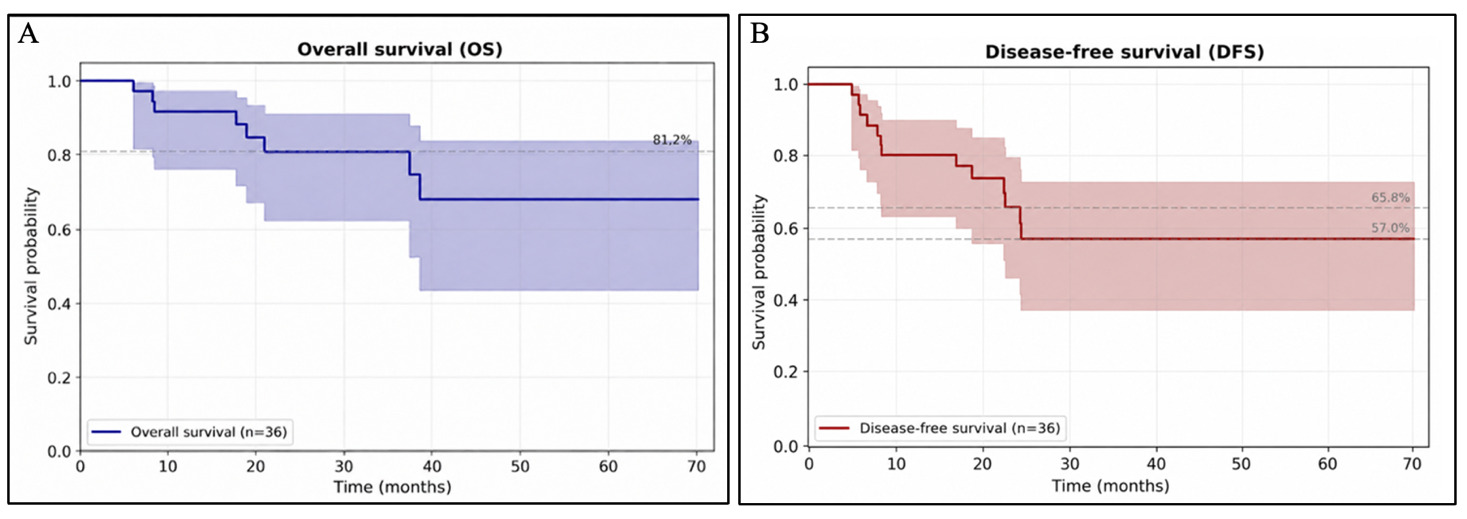
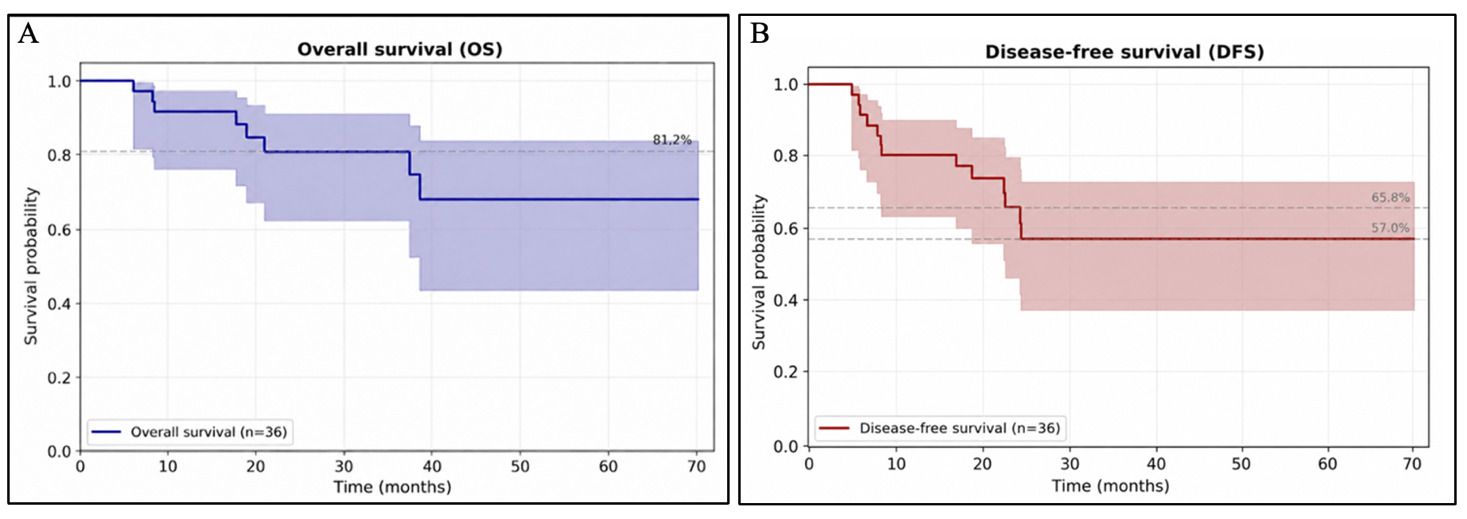
Distant metastasis was detected in 11 of 36 patients (30.6%), all of whom had stage IIB disease; the lung was the predominant site (10 of 11; 90.9%). Among the six patients with local recurrence, five developed distant metastasis; among the 30 without local recurrence, six developed distant metastasis. Overall survival at one, two and three years was 91.7%, 81.2% and 81.2%, respectively (Figure 1A). Disease-free survival at one, two and three years was 80.6%, 65.8% and 57.0%, respectively (Figure 1B). All disease-related deaths occurred in patients with stage IIB conventional osteosarcoma. At last follow-up, 24 patients (66.7%) had no evidence of disease, four (11.1%) were alive with disease, seven (19.4%) had died of disease, and one (2.8%) had died of an unrelated cause.
Discussion
The local recurrence rate of 16.7% in the present series is slightly above the published range of 7.1% to 16.2% and higher than the pooled rate of 8.7%.17 The six recurrences occurred throughout the study period without a clear temporal trend. Published series locate recurrence in the surrounding soft tissues rather than within the graft,2,9,10,14 but we are not aware of a series that has reviewed the individual cases to identify the surgical context in which tumour was left behind.
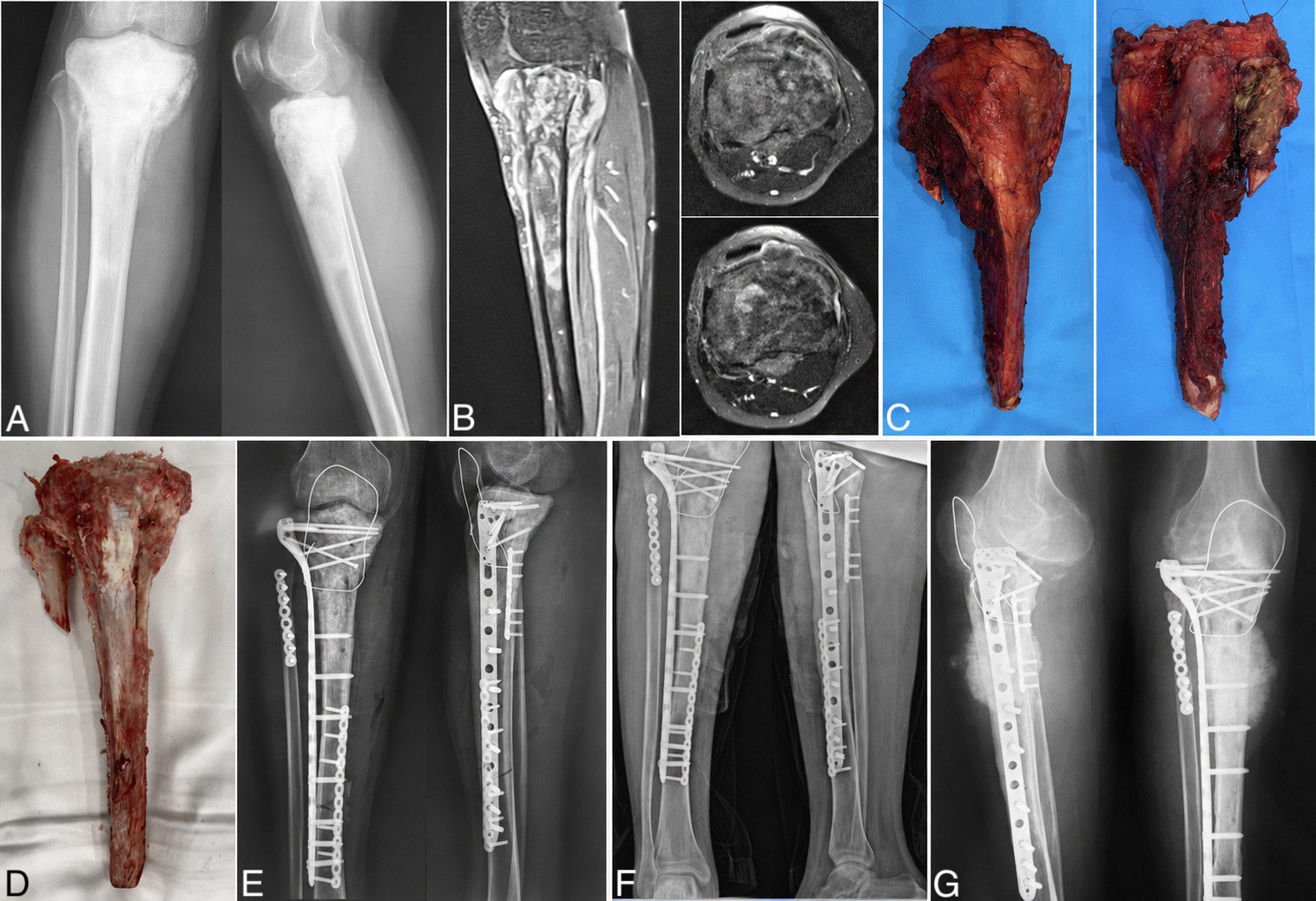
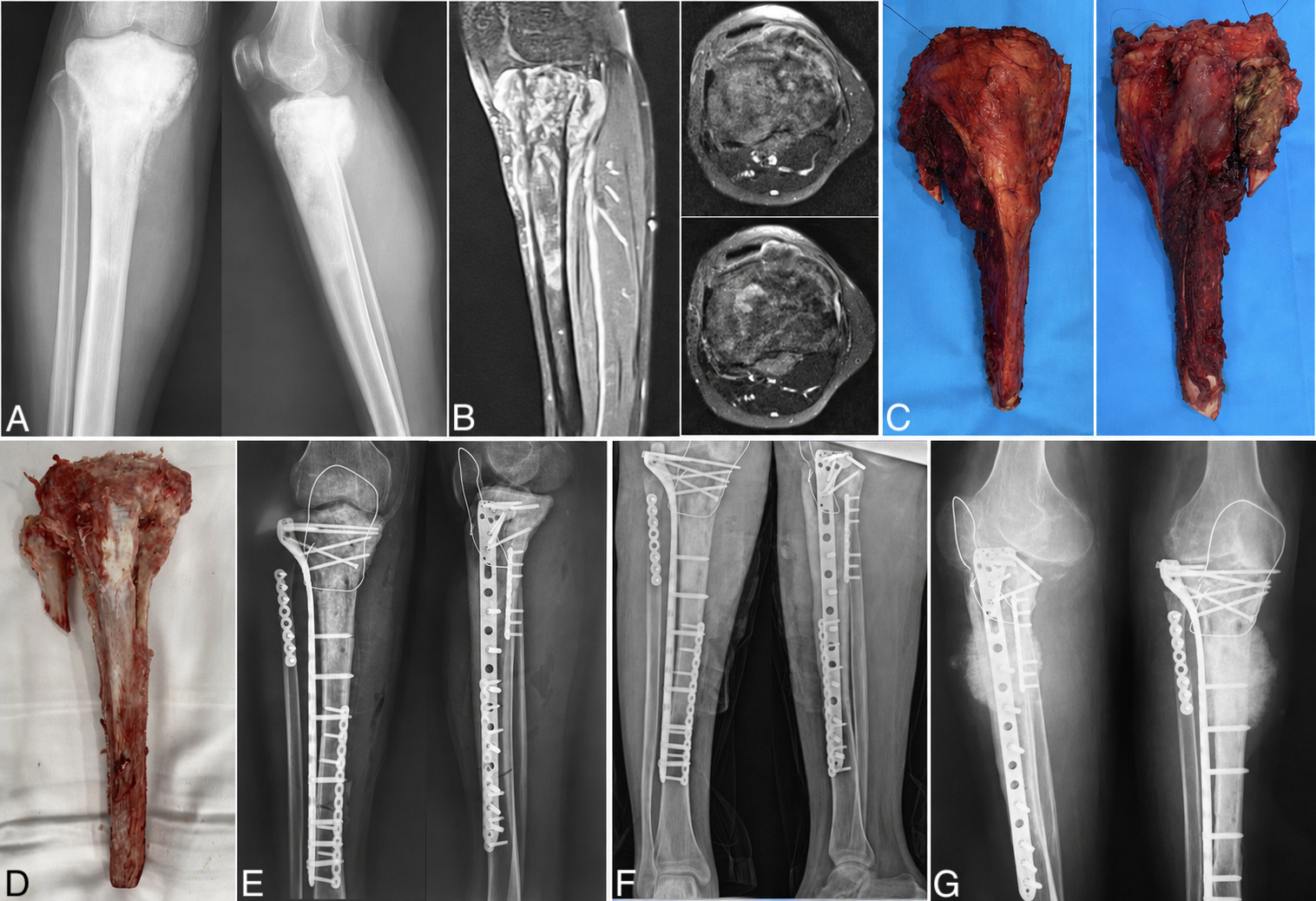
Five of the six recurrences arose in the surrounding soft tissues, and the one recurrence within the autograft occurred in a patient in whom gross tumour removal before cryotherapy had been incomplete (Figure 2). The analysis therefore focused on the surgical factors that may allow residual tumour to persist in the surrounding tissues or within an inadequately prepared graft.
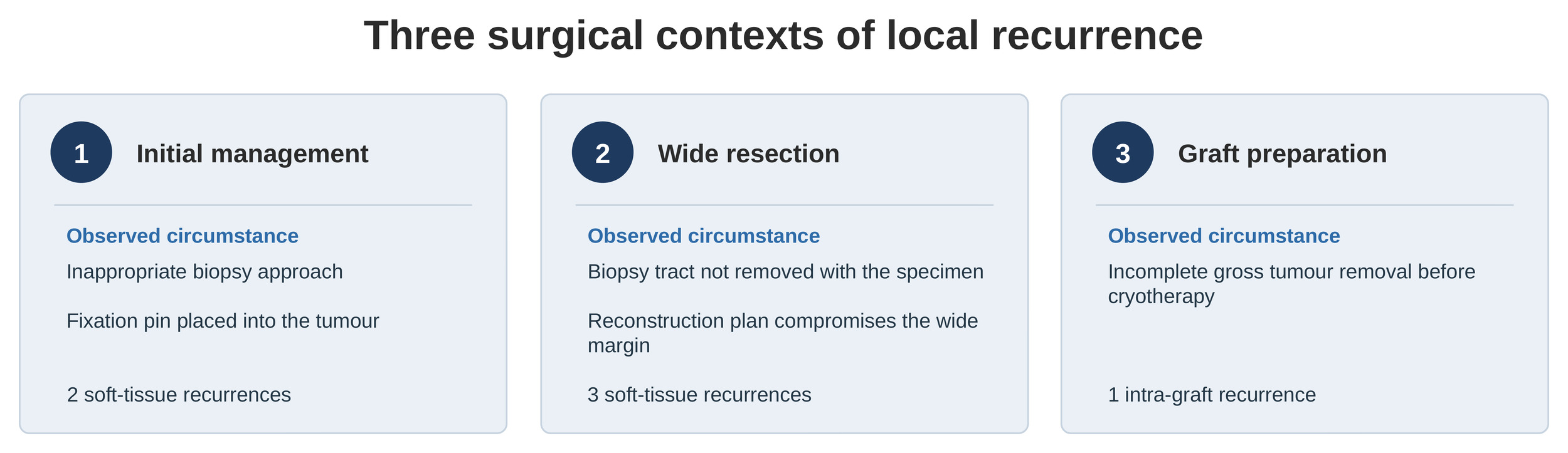
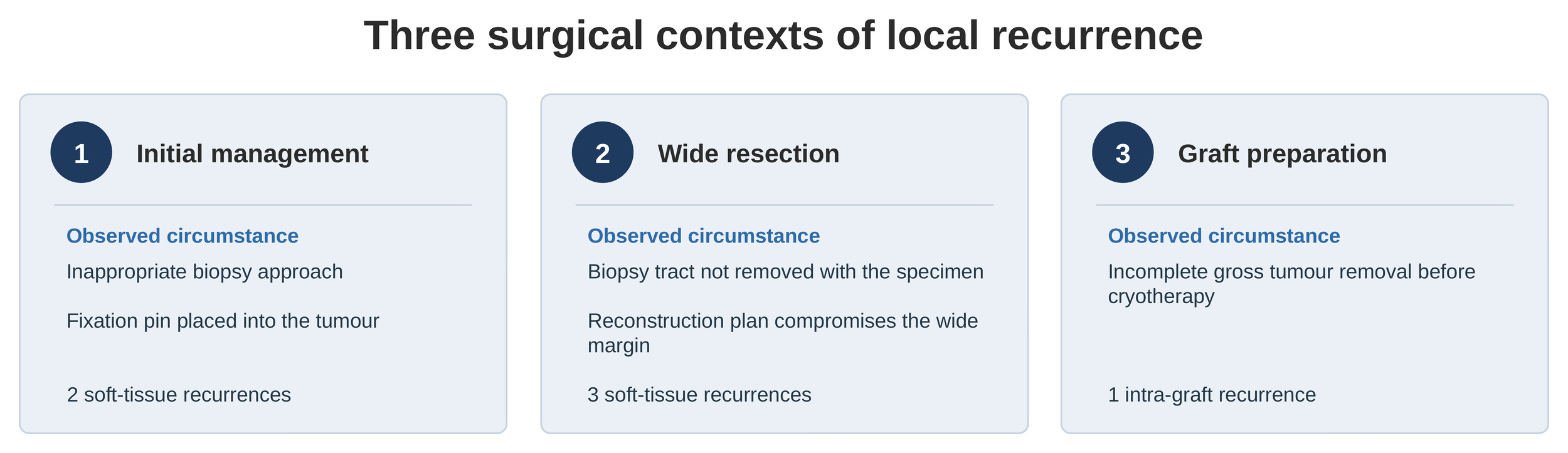
In five of the six cases the recurrence was associated with a step that departed from principles applying to all limb-salvage surgery rather than to frozen autograft reconstruction specifically. The sixth case involved the graft preparation, a step particular to recycled bone graft techniques, and is considered separately below. The three contexts are summarised in Figure 3.
Context 1: Initial Management (Patients 19 and 20)
Patient 19 (conventional osteosarcoma, mid-femoral shaft) presented with a pathological fracture. An external fixator was applied with a Schanz pin placed directly into the tumour, creating a contaminated tract that was not included in the subsequent wide resection. Recurrence appeared at seven months at the pin tract site. Patient 20 (grade 1 chondrosarcoma, proximal humerus) underwent open biopsy through a deltopectoral approach, which contaminated two muscle compartments. Despite adequate bony margins at the definitive procedure, recurrence appeared at 22.8 months in the pectoralis major. The influence of biopsy planning on subsequent tissue contamination has long been recognised.19 Both cases illustrate that decisions taken during initial management, often before referral, may constrain the oncological outcome regardless of the subsequent resection and reconstruction.
Context 2: Wide Resection (Patients 25, 33 and 36)
In three cases the biopsy tract was not removed with the specimen, or the reconstruction plan compromised the wide margin. Patient 25 (conventional osteosarcoma, distal femur) underwent biopsy through a lateral approach, but limb salvage was performed anteriorly without including the tract; recurrence appeared at the biopsy scar at 5.8 months. Patient 33 (conventional osteosarcoma, mid-femoral shaft) underwent joint-preserving resection using a three-dimensional printed cutting guide, and the biopsy tract was not included in the resection; recurrence appeared at the tract site at 13 months. Patient 36 (conventional osteosarcoma, proximal tibia) had the posterior cruciate ligament divided mid-substance rather than at its femoral attachment in order to facilitate reconstruction; recurrence appeared at five months. These cases are consistent with the principle that the surgical margin should be determined by oncological requirements alone, and that reconstruction should be planned only once the resection has been defined.
Context 3: Graft Preparation (Patient 35)
Patient 35 (conventional osteosarcoma, proximal tibia) had tumour extending through the posterior cortex. Intramedullary debridement was performed through an anteromedial cortical window, which did not allow adequate access to the posterior tumour component. Recurrence within the autograft appeared at 34 months and was the only intra-graft recurrence in this series (Figure 2). This case suggests that the completeness of debridement before cryotherapy is relevant to control at the graft site, although a single case cannot establish this.
Retrospective attribution of recurrence to specific surgical pitfalls cannot exclude the contribution of tumour biology, microscopic residual disease, or variability in the response to chemotherapy. Five of the six recurrence cases were high-grade osteosarcoma, and because margin status was not confirmed histologically, the surgical and biological explanations cannot be separated on the available data.
In this series, each recurrence could be grouped with the initial management, the wide resection or the graft preparation, and these groupings are descriptive. Centres introducing LN2-RBG should give these steps the same attention as the freezing protocol itself.
Limitations
This study is limited by its retrospective design, small sample size and relatively short follow-up. The heterogeneity of tumour types and reconstruction methods limits generalisability. No margin data are available, because the tumour-bearing bone was reused and the soft tissue stripped from it was not examined histologically. The assignment of cases to contexts involves a degree of subjectivity, and multivariable analysis was not feasible given the number of events.
Conclusion
In this series, most local recurrences occurred in the surrounding soft tissues rather than within the recycled graft. The single intra-graft recurrence followed incomplete gross tumour removal before cryotherapy. These observations are descriptive, limited by the small number of events, and cannot exclude a contribution from tumour biology, but they suggest that the initial management, the wide resection and the graft preparation all deserve attention at centres introducing this technique.
Funding
This research received no external funding.
Conflicts of interest
The authors declare no conflicts of interest.
Data availability
The datasets used and analysed during the current study are available from the corresponding author upon reasonable request. The data are not publicly available because they contain clinical information that could compromise patient privacy and are subject to institutional ethical restrictions.
Author contributions
V.N.N.: conceptualisation, surgical assistance, data collection, analysis, and drafting of the manuscript. P.H.D.: conceptualisation, surgical management, and critical revision. V.T.L.: surgical management and critical revision. T.N.P., H.P.N. and B.V.D.P.: surgical assistance, data collection and patient follow-up. All authors have read and approved the final manuscript.