
INTRODUCTION
Anterior cruciate ligament (ACL) injuries are among the most prevalent ligamentous injuries of the knee, representing approximately half of all knee ligament injuries.1 Despite approximately 200,000 anterior cruciate ligament (ACL) reconstruction procedures being performed worldwide annually, graft failure rates remain as high as 10%. Incomplete graft ligamentization and suboptimal biological integration may contribute to graft re-rupture, persistent knee instability, and ongoing postoperative symptoms.2,3 Successful anterior cruciate ligament (ACL) reconstruction depends on two interrelated biological processes: tendon–bone integration and intra-articular graft ligamentization. Tendon–bone integration involves the progressive establishment of a stable biological interface between the tendon graft and the surrounding bone within the osseous tunnel, including the formation and maturation of interface tissue and collagen remodeling. Intra-articular ligamentization refers to the gradual transformation of the tendon graft toward a ligament-like structure through revascularization, cellular repopulation, extracellular matrix remodeling, and changes in collagen organization and composition. These processes contribute to graft incorporation and structural adaptation following ACL reconstruction.4 The peroneus longus tendon (PLT) has gained increasing recognition as an alternative autograft for anterior cruciate ligament (ACL) reconstruction because of its favorable biomechanical properties and adequate graft diameter. Compared with conventional autograft options, particularly hamstring tendon (HT) and bone–patellar tendon–bone (BPTB) autografts, PLT harvesting has been associated with relatively low donor-site morbidity, although outcomes may vary depending on the assessment methods and follow-up duration.5,6 Nevertheless, regardless of graft selection, successful graft incorporation and maturation remain critical determinants of postoperative recovery and long-term clinical outcomes. These biological limitations have consequently stimulated interest in adjunctive strategies aimed at enhancing graft healing and improving functional recovery following ACL reconstruction.
Increasing attention has been directed toward orthobiologic approaches intended to support graft maturation following anterior cruciate ligament (ACL) reconstruction. In this context, graft maturation refers to the biological and structural remodeling of the tendon graft, characterized by cellular repopulation, revascularization, extracellular matrix turnover, and changes in collagen composition and organization as the graft gradually adapts to its intra-articular environment. Among the proposed orthobiologic approaches, mesenchymal stem cell (MSC)-derived secretome, also known as conditioned medium (CM), has attracted interest because it contains bioactive molecules that may modulate cellular activity, tissue remodeling, and regenerative processes.7 Mesenchymal stem cell (MSC)-derived secretome has emerged as a promising cell-free biological approach because of its diverse composition of bioactive molecules involved in intercellular communication and tissue remodeling. It comprises soluble proteins, cytokines, growth factors, and extracellular vesicles that mediate paracrine signaling. Among its bioactive constituents are transforming growth factor-beta 1 (TGF-β1), vascular endothelial growth factor (VEGF), insulin-like growth factor 1 (IGF-1), and platelet-derived growth factor (PDGF), which have been implicated in various processes related to cellular proliferation, angiogenesis, extracellular matrix regulation, and tissue repair. Collectively, these biological properties provide a rationale for investigating MSC-derived secretome as a potential adjunct to support tissue remodeling following anterior cruciate ligament reconstruction.8 Preclinical studies suggest that MSC-derived secretome may promote tendon–bone interface healing, modulate graft remodeling, enhance type I collagen deposition, and improve the biomechanical characteristics of reconstructed grafts. As a cell-free therapeutic approach, secretome may also reduce concerns related to the tumorigenic potential of direct cell transplantation, although its overall safety profile requires further investigation.9–11
In the present study, knee function and postoperative recovery were evaluated using two validated patient-reported outcome measures (PROMs): the International Knee Documentation Committee (IKDC) Subjective Knee Evaluation Form and the Tegner–Lysholm Knee Scoring Scale. Pain intensity was assessed separately using the Visual Analog Scale (VAS). These instruments were administered preoperatively and at the 6-month postoperative follow-up to compare clinical outcomes between patients receiving adjunctive mesenchymal stem cell (MSC)-derived secretome and those receiving saline placebo during anterior cruciate ligament (ACL) reconstruction.12,13 Pain intensity was assessed using the Visual Analog Scale (VAS) preoperatively and at the 6-month postoperative follow-up. The VAS is a unidimensional measure of subjective pain intensity, typically represented by a 10-cm line anchored by “no pain” (0) and “worst pain imaginable” (10). Scores were compared between the secretome and control groups to evaluate differences in pain intensity over the study period.13,14 Although preclinical findings are encouraging, no clinical trial has examined the effect of secretome injection on both functional outcomes and pain after ACL reconstruction using a PLT autograft in humans.
This study aimed to compare functional outcomes and pain intensity in patients undergoing anterior cruciate ligament (ACL) reconstruction with a peroneus longus tendon (PLT) autograft, with or without intralesional mesenchymal stem cell (MSC)-derived secretome augmentation, using preoperative and six-month postoperative assessments. In addition to comparing changes in patient-reported outcomes, this study placed particular emphasis on postoperative pain intensity, measured using the Visual Analog Scale (VAS), and its comparison between treatment groups after adjustment for baseline VAS scores using analysis of covariance (ANCOVA). We hypothesized that patients receiving secretome augmentation would demonstrate higher six-month International Knee Documentation Committee (IKDC) and Tegner–Lysholm scores and lower VAS scores than patients undergoing ACL reconstruction without secretome augmentation. For the VAS outcome, we further examined whether the between-group difference at six months remained statistically significant after adjustment for baseline pain intensity.
METHODS
Study Design
This prospective, randomized, double-blind, placebo-controlled trial was conducted from July 2025 to July 2026 at the Department of Orthopaedics and Traumatology, Prof. Ngoerah General Hospital, a tertiary academic referral center affiliated with Udayana University in Denpasar, Indonesia. Random sequence generation and treatment allocation were handled by medical personnel who were not otherwise involved in the study, thereby minimizing potential bias in the allocation process. Ethical approval was obtained from the Institutional Review Board of the Faculty of Medicine, Udayana University (2612/UN14.2.2.VII.14/LT/2026). Written informed consent was obtained from all participants before enrollment.
Twenty-four patients with confirmed complete ACL rupture who were scheduled for arthroscopic single-bundle ACL reconstruction with PLT autograft were enrolled consecutively. The diagnosis was established through clinical examination (positive Lachman test, anterior drawer test, and pivot shift test) and confirmed by magnetic resonance imaging (MRI). Patient criteria were based on previous clinical trial by Rhatomy et al, 2019.14 Inclusion criteria such as; (1) age 18–40 years; (2) unilateral, complete ACL rupture confirmed by MRI; (3) no prior ipsilateral knee ligament surgery; and (4) willingness to comply with the postoperative rehabilitation protocol and follow-up schedule. Meanwhile, exclusion criteria such as (1) concomitant multi-ligament knee injury; (2) ipsilateral or contralateral lower-extremity fracture; (3) systemic inflammatory or autoimmune disease; (4) active infection; (5) previous corticosteroid injection in the affected knee within three months; and (6) known allergy to biologic products.
Participants were randomized in a 1:1 allocation ratio to receive either MSC-derived secretome (Group A, n = 12) or saline placebo (Group B, n = 12), according to a computer-generated randomization sequence implemented using sealed, opaque envelopes. The secretome and placebo solutions were prepared in visually indistinguishable syringes by a designated nurse who had no involvement in surgery, outcome assessment, or data analysis. Blinding was maintained for the operating surgeon, participants, and outcome assessors throughout the study.
Preparation of secretome
The secretome administered in this study was obtained from human umbilical cord-derived mesenchymal stem cells (UC-MSCs). Conditioned medium was harvested from cultures containing 10 × 106 MSCs following a culture period of 48–72 hours. Each syringe contained 1.5 mL of concentrated secretome, representing the secretome yield associated with 10 × 106 cells. The placebo consisted of 1.5 mL of sterile normal saline dispensed into an identical syringe to maintain visual similarity between the study interventions.
Surgical Technique
All procedures were performed by a single sports orthopaedic surgeon (IGNWA) under regional anesthesia with tourniquet application. Patients were positioned supine with the knee flexed to 90° using a leg support that permitted flexion up to 120°. Standard anterolateral and anteromedial arthroscopic portals were established, and diagnostic arthroscopy was performed to confirm ACL rupture. The PLT autograft was harvested through a 2–3 cm longitudinal incision posterior to the lateral malleolus. The peroneus longus tendon was identified, followed by distal tenodesis to the peroneus brevis using non-absorbable sutures. The tendon was then harvested proximally using a closed tendon stripper and prepared as a double- or triple-strand graft to achieve a minimum diameter of 8 mm. Both ends of the graft were secured with Ethibond whipstitches. Femoral and tibial tunnels were created using a standard anatomical single-bundle technique. The graft was secured on the femoral side using an Endobutton device and on the tibial side using a biodegradable interference screw. In the secretome group, 0.5 mL of the study solution was injected into each end of the graft (proximal and distal) before tunnel insertion. Following graft fixation, residual arthroscopic fluid was evacuated, and the remaining 0.5 mL of the study solution was injected intra-articularly onto the graft under direct arthroscopic visualization. The control group underwent an identical injection protocol using sterile normal saline.
Outcome Measures
The primary clinical outcomes comprised the International Knee Documentation Committee (IKDC) Subjective Knee Evaluation Form, the Tegner–Lysholm Knee Scoring Scale, and the Visual Analog Scale (VAS) for pain intensity. All measures were obtained preoperatively and at the 6-month postoperative follow-up. The IKDC score ranges from 0 to 100, with higher scores indicating better knee function and fewer symptoms. The Tegner–Lysholm score also ranges from 0 to 100 and was classified as poor (<65), fair (65–83), good (84–90), or excellent (>90).12˒13 Pain intensity was measured using a 10-cm horizontal or vertical VAS, scored from 0 (no pain) to 10 (worst pain imaginable). Pain severity was categorized as none (0), mild (1–3), moderate (4–6), or severe (7–10).13˒14 IKDC and Tegner–Lysholm scores were calculated using the validated online scoring platform, OrthopaedicScores (www.orthopaedicscore.com).
Statistical Analysis
Statistical analyses were performed using SPSS software, version 29.0 (IBM Corp., Armonk, NY, USA). Continuous variables were summarized as means and standard deviations (SDs), whereas categorical variables were reported as frequencies and percentages. Data normality was evaluated using the Shapiro–Wilk test. Baseline demographic and clinical characteristics were compared between groups using the chi-square test for categorical variables and either the independent-samples t-test or the Mann–Whitney U test for continuous variables, depending on data distribution. Between-group differences in IKDC, Tegner–Lysholm, and VAS scores were assessed using the independent-samples t-test or Mann–Whitney U test, as appropriate. Within-group changes from baseline to the 6-month follow-up were analyzed using the paired-samples t-test or Wilcoxon signed-rank test, depending on the distribution of the paired differences. Additional analyses of covariance (ANCOVA) were performed using jamovi software to compare 6-month IKDC, Tegner–Lysholm, and VAS scores between groups while adjusting for the corresponding baseline scores. Post hoc power analyses were performed for the functional outcome measures. All statistical tests were two-sided, with p < 0.05 considered statistically significant.
RESULTS
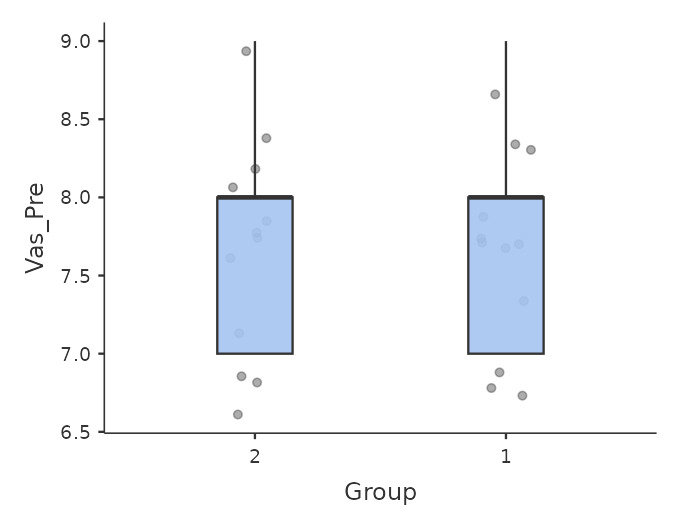
All 24 participants completed the study, with no losses to follow-up or reported protocol deviations. Baseline demographic and clinical characteristics, including age, sex, body mass index (BMI), injury mechanism, and interval from injury to surgery, were comparable between the secretome and control groups (Table 1). No significant between-group differences were observed in the baseline IKDC, Tegner–Lysholm, or VAS scores. In particular, preoperative pain intensity was identical in both groups, with a mean VAS score of 7.75 ± 0.62 (p = 1.000). Overall, the baseline characteristics indicated no statistically significant differences in the measured demographic or clinical variables between the two groups.
IKDC Scores
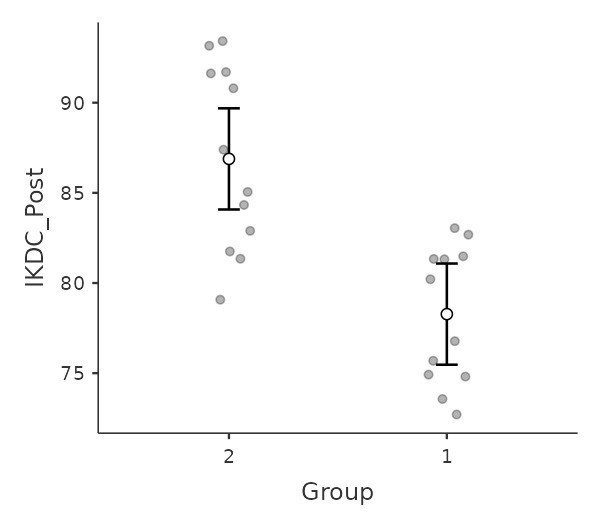
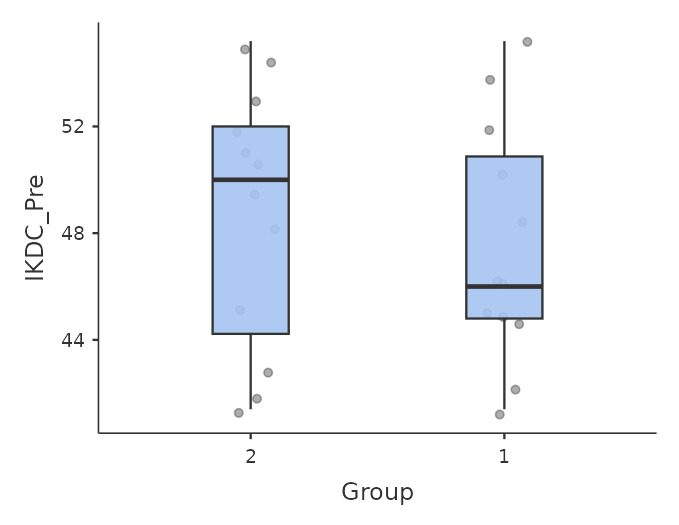
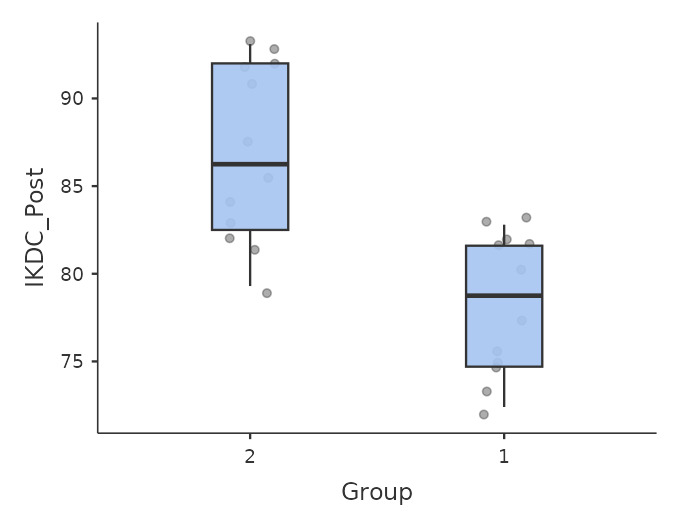
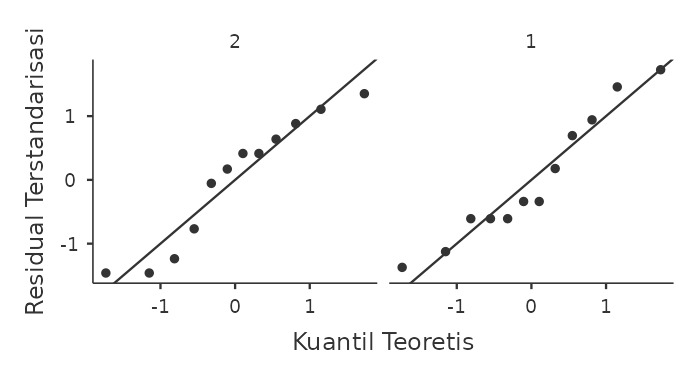
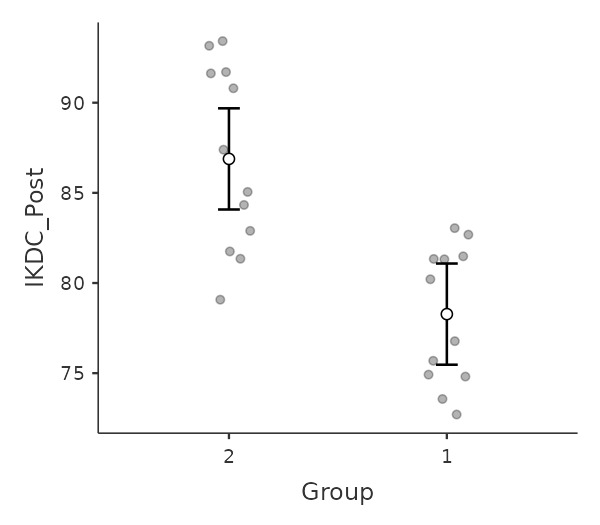
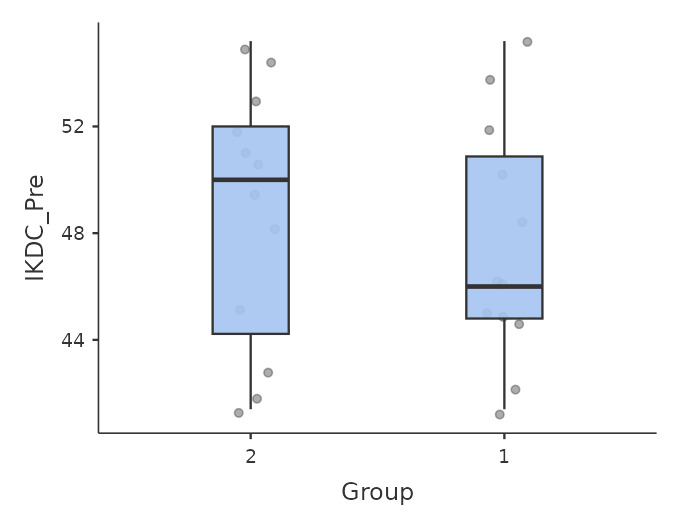
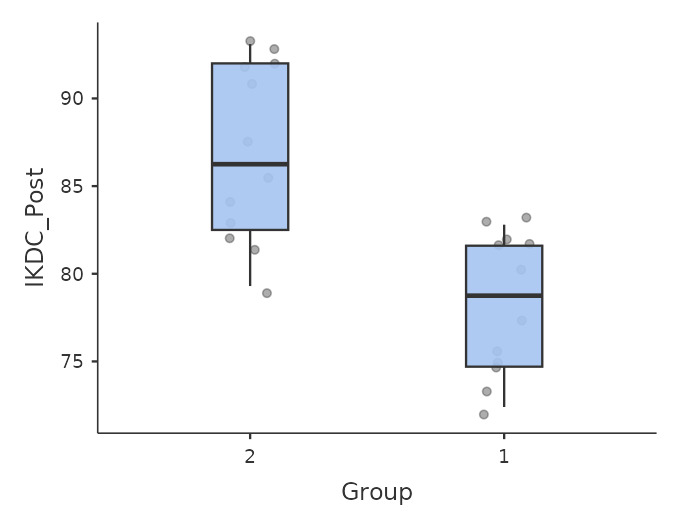
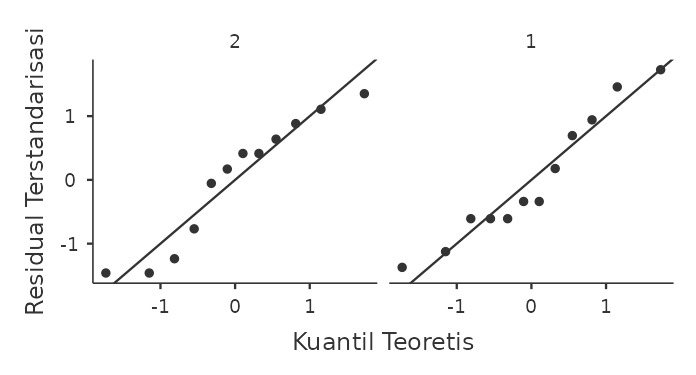
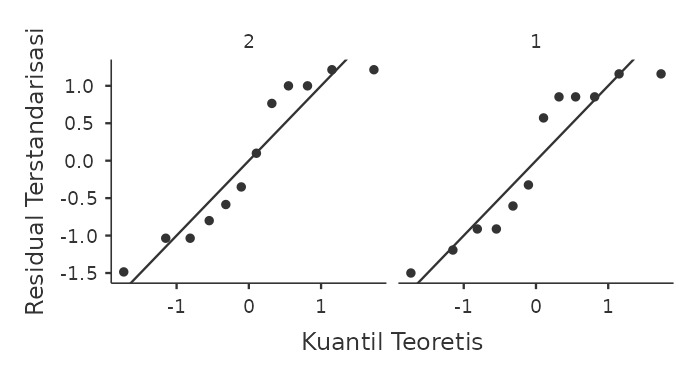
Baseline IKDC scores did not differ significantly between the secretome and control groups (48.57 ± 4.91 vs. 47.51 ± 4.45, respectively; p > 0.05). At 6 months postoperatively, the secretome group had a significantly higher mean IKDC score than the control group (86.89 ± 5.11 vs. 78.27 ± 3.91, p < 0.01). Both groups exhibited improvements in IKDC scores relative to baseline, with mean increases of 38.32 points in the secretome group and 30.76 points in the control group (Table 2). The boxplot and Q–Q plot used to assess the data distribution and identify potential outliers are presented in Figure 2-5. After adjustment for baseline IKDC scores using analysis of covariance (ANCOVA), a statistically significant between-group difference in postoperative IKDC scores was observed ((F_{1,21}=20.21), (p<0.001); Table 3). The estimated marginal mean postoperative IKDC score was 86.9 (95% CI, 84.1–89.7) in Group 2(secretome) and 78.3 (95% CI, 75.5–81.1) in Group 1(control group) (Table 4; Figure 1). In contrast, baseline IKDC scores were not significantly associated with postoperative scores in the adjusted model ((F_{1,21}=0.006), (p=0.939)). These findings indicate that the between-group difference in postoperative IKDC scores remained statistically significant after adjustment for baseline scores.
Tegner- Lysholm Scores
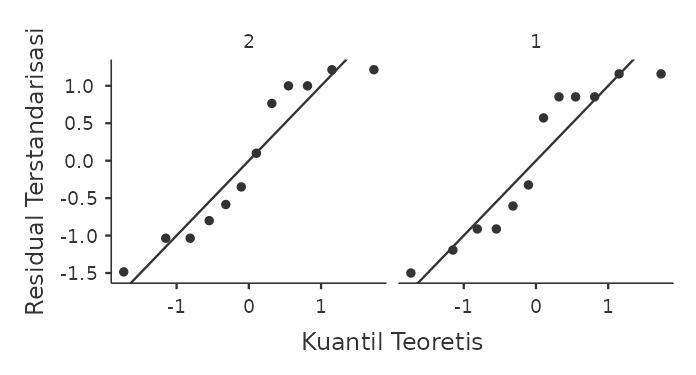
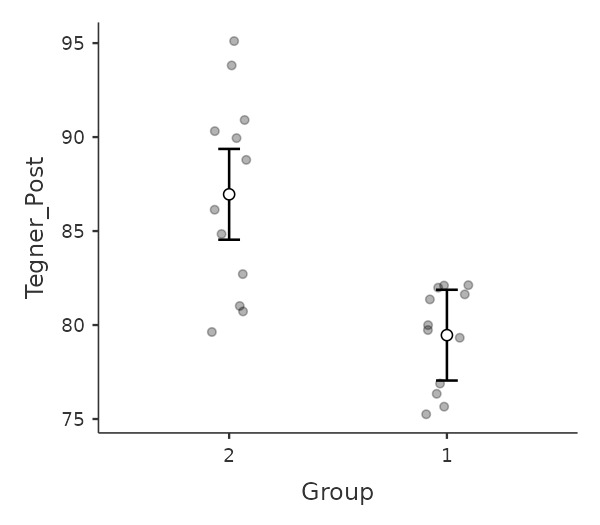
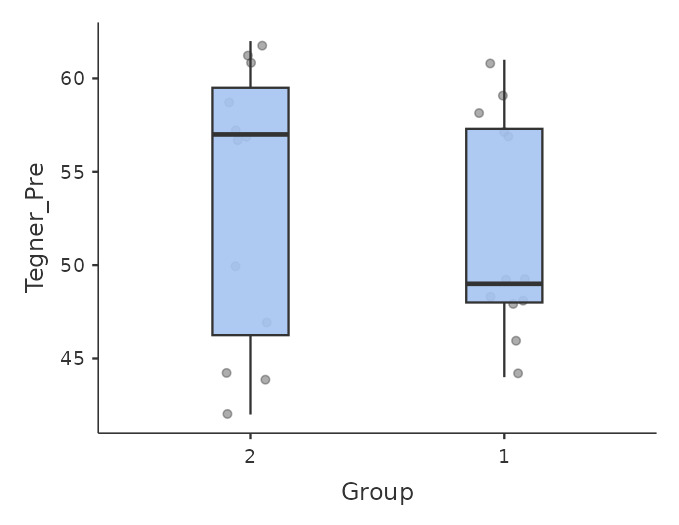
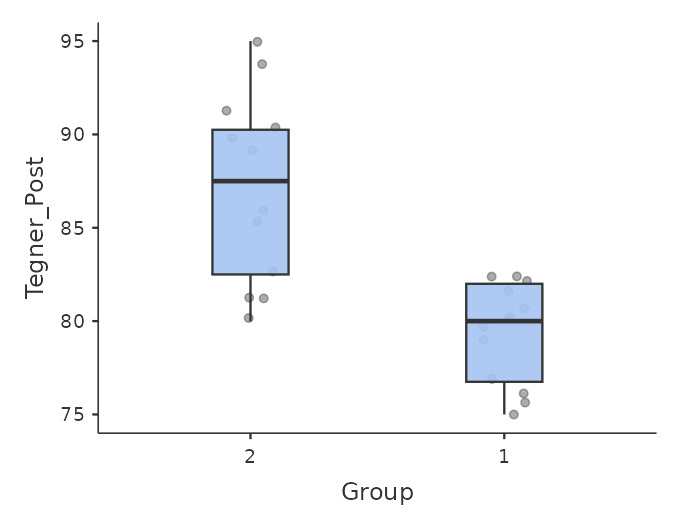
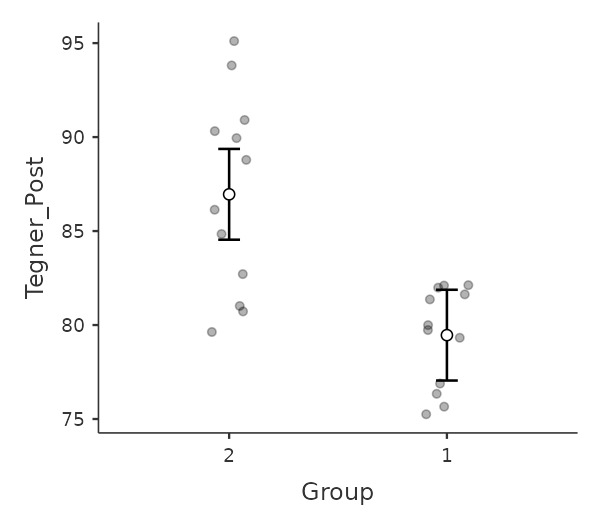
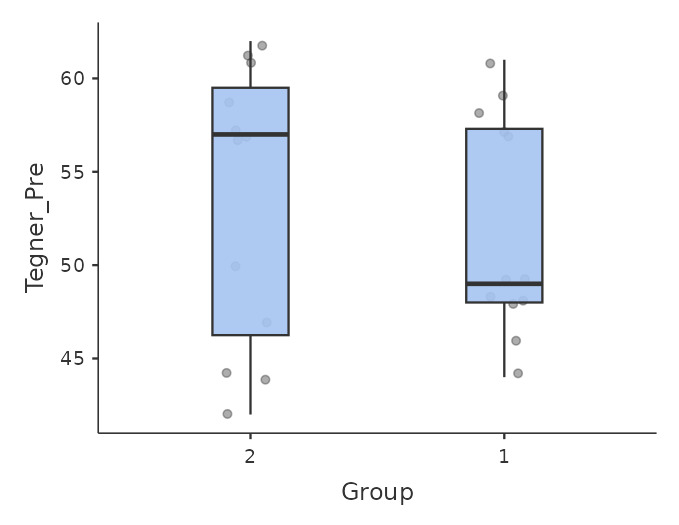
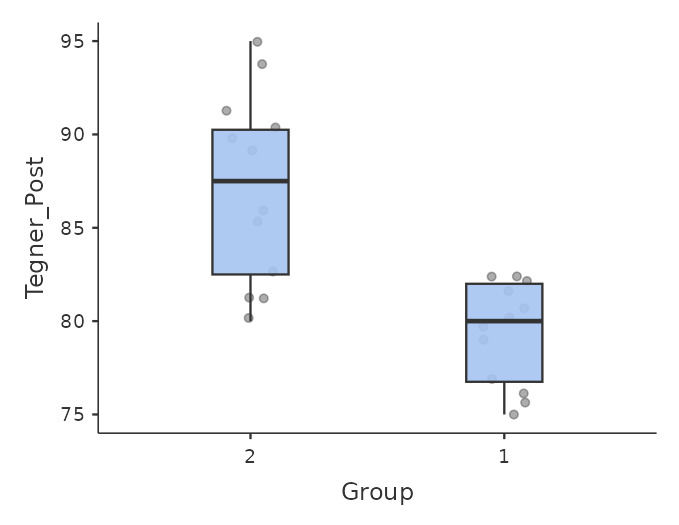
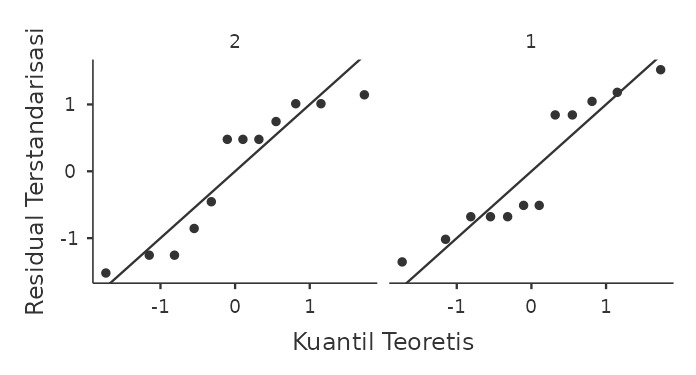
Preoperative Tegner–Lysholm scores were similar between the secretome and control groups (53.42 ± 7.50 vs. 52.02 ± 5.91, respectively; p > 0.05). At the 6-month postoperative assessment, the secretome group achieved a significantly higher mean score than the control group (87.08 ± 5.16 vs. 79.33 ± 2.67, p < 0.01). Based on the predefined Tegner–Lysholm grading criteria, the mean postoperative score in the secretome group corresponded to the “good” category (84–90), whereas the control group’s mean score fell within the “fair” category (65–83) (Table 5). The boxplot and Q–Q plot used to assess the data distribution and identify potential outliers are presented in Figure 7-10. After adjustment for preoperative Tegner–Lysholm scores using analysis of covariance (ANCOVA), a statistically significant between-group difference in postoperative scores was observed ((F_{1,21}=20.70), (p<0.001); Table 6). The estimated marginal mean postoperative Tegner–Lysholm score was 87.0 (95% CI, 84.5–89.4) in Group 2 (secretome) and 79.5 (95% CI, 77.0–81.9; Table 7; Figure 6) in Group 1 (control group). Preoperative Tegner–Lysholm scores were not significantly associated with postoperative scores in the adjusted model ((F_{1,21}=2.10), (p=0.163)). These findings indicate that the between-group difference in postoperative Tegner–Lysholm scores remained statistically significant after adjustment for baseline scores.
Visual Analog Scale Scores
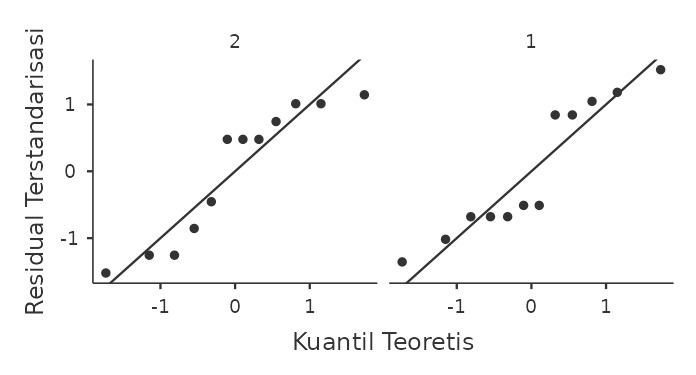
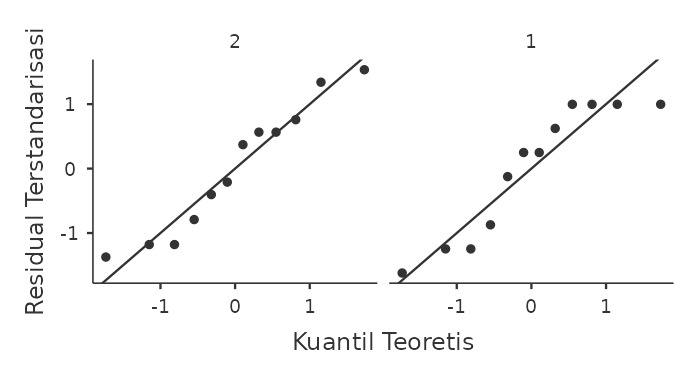
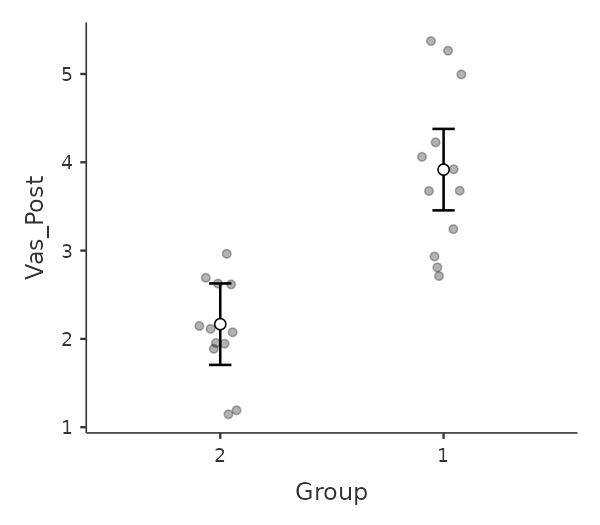
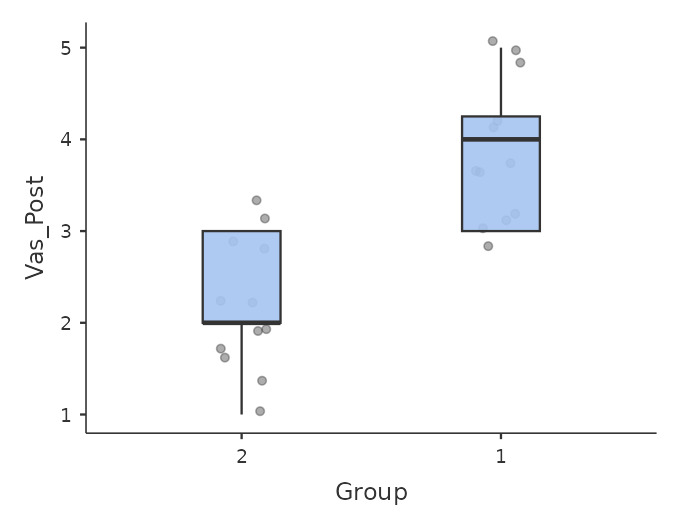
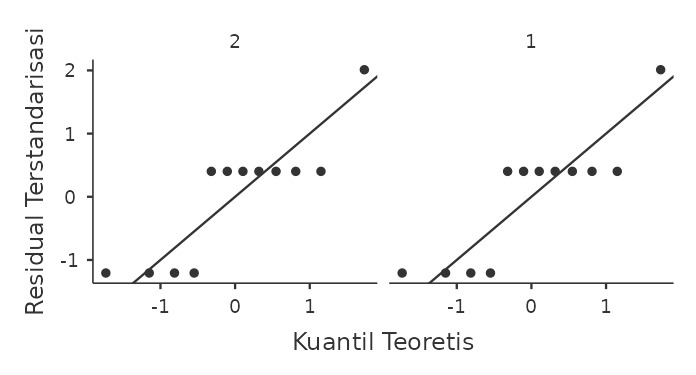
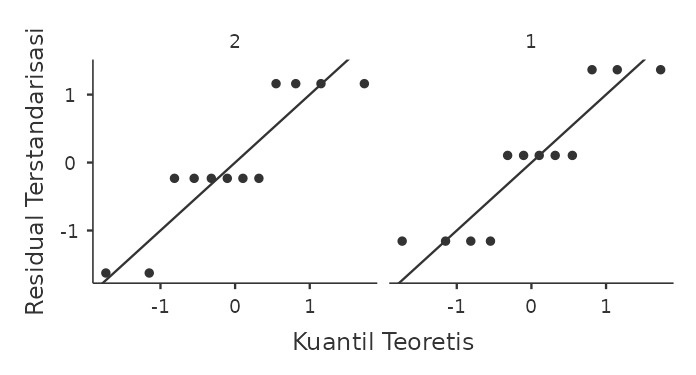
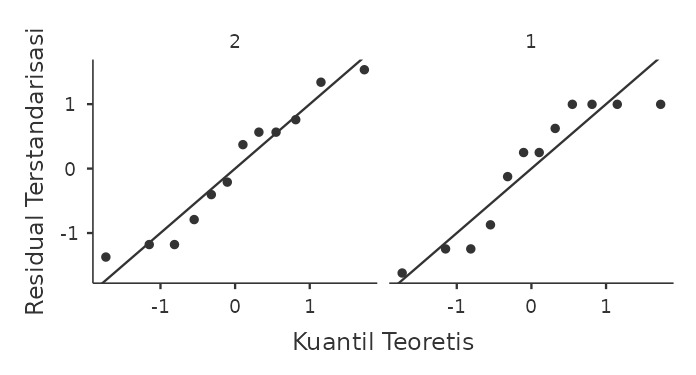
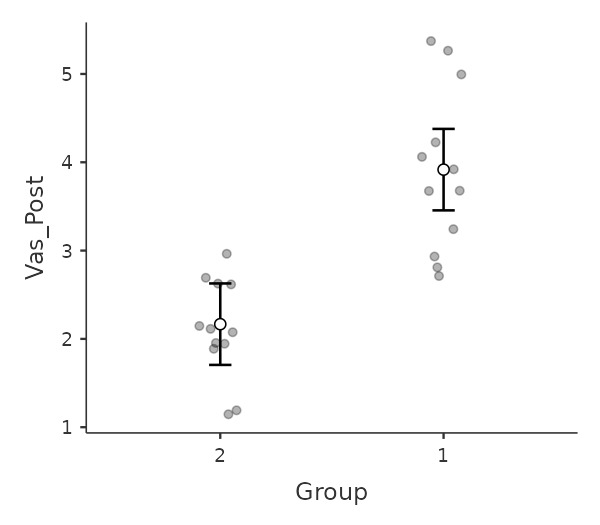
Preoperative VAS scores were identical in the secretome and control groups (7.75 ± 0.62 in both groups; p = 1.000). At the 6-month follow-up, the secretome group had a significantly lower mean VAS score than the control group (2.17 ± 0.72 vs. 3.92 ± 0.79). The Shapiro–Wilk test indicated no significant departure from normality for the 6-month VAS scores (p = 0.071). Independent-samples t-test analysis demonstrated a mean between-group difference of −1.75 points (95% CI, −2.39 to −1.11; t = −5.668; df = 22; p < 0.001), favoring the secretome group (Table 8). The boxplot and Q–Q plot used to assess the data distribution and identify potential outliers are presented in Figure 12-15. Across the entire cohort, VAS scores decreased by a mean of 4.71 ± 1.27 points from baseline to the 6-month assessment, indicating a significant reduction in pain intensity (t = 18.196; df = 23; p < 0.001). Across the entire cohort, VAS scores decreased by a mean of 4.71 ± 1.27 points from baseline to the 6-month assessment, indicating a significant reduction in pain intensity (t = 18.196; df = 23; p < 0.001). After adjustment for preoperative VAS scores using analysis of covariance (ANCOVA), a statistically significant between-group difference in postoperative VAS scores was observed ((F_{1,21}=31.12), (p<0.001); Table 9). The estimated marginal mean postoperative VAS score was 2.17 (95% CI, 1.71–2.63) in Group 2 (secretome) and 3.92 (95% CI, 3.46–4.38) in Group 1 (control group) (Table 10; Figure 11). In contrast, preoperative VAS scores were not significantly associated with postoperative VAS scores in the adjusted model ((F_{1,21}=0.311), (p=0.583)). These findings indicate that the secretome group had significantly lower postoperative pain scores than the control group, even after adjustment for baseline VAS scores.
_preoperative_scores_(_*group_1__control__group_2_.png)
_postoperative_scores_(_*group_1__control__group_2.png)
_preoperative_scores_(_*group_1__control__group_2___.png)
_postoperative_scores_(_*group_1__control__group_2__.png)
During the 6-month follow-up, no major adverse events, infections, systemic reactions, or graft failures were reported in either group. In the secretome group, transient localized swelling was observed in three participants, while two participants reported mild injection-site pain. These minor complaints resolved spontaneously within 3–5 days without additional intervention. The secretome group had a lower mean VAS score than the saline control group (2.17 ± 0.72 versus 3.92 ± 0.79, respectively). The reported between-group mean difference was −1.75 points (95% CI, −2.39 to −1.11; p < 0.001), indicating lower postoperative pain scores in the secretome group. To account for potential baseline differences in pain intensity, an ANCOVA model was used to compare six-month VAS scores between groups while adjusting for baseline VAS scores. The adjusted group means and baseline-adjusted treatment effect are reported separately from the unadjusted comparison.
DISCUSSION
The principal finding of this randomized controlled trial was that the addition of secretome to ACL reconstruction using a peroneus longus tendon (PLT) autograft was associated with significantly improved functional outcomes at six months postoperatively. This was demonstrated by higher IKDC and Tegner–Lysholm scores and significantly lower pain intensity on the VAS compared with ACL reconstruction without secretome augmentation. To our knowledge, this study represents the first human randomized controlled trial investigating MSC-derived secretome as an adjunct to PLT autograft ACL reconstruction while concurrently evaluating functional outcomes and postoperative pain. The field of orthobiologics has increasingly evolved from conventional cell-based therapies toward cell-free approaches. MSC-derived secretome represents a potential alternative to direct MSC transplantation because it contains a range of bioactive factors while avoiding the need for viable cell implantation. This cell-free approach may offer several practical and biological advantages, including reduced concerns regarding potential tumorigenicity, greater potential for manufacturing standardization, improved storage and handling characteristics, and a potentially lower risk of immune-related complications. Collectively, these characteristics support further investigation of secretome as a biologic adjunct for enhancing recovery following ACL reconstruction.7,8 Its paracrine bioactive components—including TGF-β1, VEGF, IGF-1, and PDGF—may influence the local tissue environment by favoring anti-inflammatory macrophage polarization (M1-to-M2 transition), promoting angiogenesis, stimulating fibroblast activity and collagen synthesis, and supporting tendon-to-bone integration.9,11,15
The pain findings were consistent with the observed functional improvement. Mean preoperative VAS was identical in both groups (7.75 ± 0.62), indicating equivalent baseline pain intensity. Although VAS decreased in both groups by six months, the score remained significantly lower in the secretome group than in the control group (2.17 ± 0.72 vs. 3.92 ± 0.79; mean difference, −1.75 points; 95% CI, −2.39 to −1.11; p < 0.001). For the cohort as a whole, the mean reduction in VAS from baseline to six months was 4.71 ± 1.27 points (p < 0.001). Thus, ACL reconstruction was associated with marked pain reduction overall, while the lower six-month VAS observed after secretome administration suggests an additional potential benefit from biologic augmentation. One possible biological explanation for the lower VAS score is the ability of MSC-derived secretome to modify the local healing environment. Secretome contains cytokines, growth factors, extracellular vesicles, and other paracrine signals that may regulate inflammation, angiogenesis, cellular proliferation, extracellular-matrix remodeling, and tissue regeneration.8–10 Persistent or excessive inflammation may contribute to sustained nociceptive signaling and postoperative pain. Modulation of the inflammatory response may therefore contribute indirectly to pain reduction while simultaneously supporting graft maturation and tendon-to-bone healing. However, inflammatory mediators and specific nociceptive pathways were not directly evaluated in the present study. Therefore, the observed between-group difference in VAS scores should be interpreted cautiously and should not be considered evidence of a direct analgesic effect of secretome.
Reduced postoperative pain may facilitate functional recovery by enabling patients to participate more effectively in rehabilitation exercises aimed at restoring range of motion, muscle strength, knee stability, and activity levels. In the present study, patients in the secretome group, who reported lower VAS scores, also demonstrated higher IKDC and Tegner–Lysholm scores at six months postoperatively. However, functional recovery following ACL reconstruction is multifactorial and may be influenced by graft maturation, tendon-to-bone integration, knee stability, muscle strength, adherence to rehabilitation, neuromuscular recovery, and psychological factors. Accordingly, postoperative pain should be considered a complementary factor rather than the sole determinant of the functional differences observed between groups. The improvement in IKDC score was greater in the secretome group, with a mean increase of 38.32 points compared with 30.76 points in the control group. This difference exceeded the established minimal clinically important difference (MCID) of 11.5 points for the IKDC, suggesting that the observed improvement may be clinically meaningful in addition to being statistically significant. The IKDC Subjective Knee Evaluation Form is a validated and responsive patient-reported outcome measure for assessing subjective knee function following ligament reconstruction.12,16 Although both groups exceeded this threshold, the larger gain in the secretome group may indicate an additional biological contribution of secretome to graft healing and functional recovery. A significant difference between groups was also observed for the Tegner–Lysholm score at six months. The secretome group reached a mean score within the “good” category (87.08), whereas the control group remained within the “fair” range (79.33). From a clinical perspective, this difference may correspond to better joint stability, less pain, and improved ability to return to higher-level functional activities, all of which are important objectives of ACL reconstruction.13,17
These findings are consistent with previously reported preclinical evidence. In a rat model of ACL reconstruction, Sun et al.9 demonstrated that intra-articular administration of hBMSC-derived conditioned medium significantly improved ultimate failure load and graft stiffness, while also promoting bone tunnel closure and Sharpey-like fiber formation at the tendon–bone interface at four and eight weeks. Similarly, a systematic review by Wang et al.10 reported that stem cell-derived therapies were associated with improved biomechanical and histological outcomes of ACL grafts across preclinical animal studies. Aryana et al.11 further demonstrated that secretome-treated grafts exhibited a narrower tendon–bone interface, greater chondrocyte density, and enhanced fibrocartilage formation under preclinical conditions. Taken together, these findings provide a biological rationale for the potential role of secretome in promoting graft incorporation and tendon–bone healing. The present randomized controlled trial extends this preclinical evidence by providing clinical data on the use of MSC-derived secretome as an adjunct to ACL reconstruction in humans, with functional and pain-related outcomes assessed at six months postoperatively.
The safety profile was favorable, with no major adverse events, infections, or allergic reactions observed in either group. Minor injection-site reactions were transient and self-limited. These findings are consistent with previous reports describing the safety profile of intra-articular biologic therapies.14,18 These findings are broadly consistent with preclinical safety data, which reported no evidence of local or systemic toxicity or tumor formation following secretome administration during follow-up of up to 1 year.10,11,18–22
The present analysis emphasizes postoperative pain as a distinct dimension of recovery following ACL reconstruction. The lower six-month VAS score observed in the secretome group suggests a between-group difference in patient-reported pain compared with the saline control group. In addition to the unadjusted comparison, ANCOVA was used to account for baseline VAS scores, providing an estimate of the between-group difference at follow-up that considers initial pain intensity. This distinction is important because postoperative pain and functional recovery represent related but non-identical clinical outcomes.
The findings should nevertheless be interpreted cautiously. The study included only 24 participants, with 12 patients in each group, which limits the precision and generalizability of the estimates. Moreover, patient-reported pain scores alone cannot establish the biological mechanisms underlying the observed differences. Further studies with larger samples and longer follow-up are warranted to determine whether the observed differences in postoperative pain are reproducible and clinically meaningful.
CONCLUSION
Adjunctive mesenchymal stem cell (MSC)-derived secretome administration during anterior cruciate ligament (ACL) reconstruction using a peroneus longus tendon autograft was associated with significantly better patient-reported knee function and lower pain intensity at 6 months postoperatively. Compared with the saline placebo group, the secretome group demonstrated a higher mean International Knee Documentation Committee (IKDC) score (86.89 ± 5.11 vs. 78.27 ± 3.91; mean difference, 8.62 points; p < 0.01) and a higher mean Tegner–Lysholm score (87.08 ± 5.16 vs. 79.33 ± 2.67; mean difference, 7.75 points; p < 0.01). Pain intensity was also significantly lower in the secretome group, with a mean Visual Analog Scale (VAS) score difference of −1.75 points (2.17 ± 0.72 vs. 3.92 ± 0.79; 95% CI, −2.39 to −1.11; p < 0.001). These findings indicate favorable between-group differences in functional scores and pain intensity at 6 months, although their clinical importance requires further evaluation.
MSC-derived secretome may represent a promising cell-free biological adjunct to ACL reconstruction. Nevertheless, these findings should be interpreted cautiously given the limited sample size (n = 24) and follow-up duration. Larger, multicenter randomized controlled trials are warranted to confirm the observed effects, establish their clinical relevance and durability, and determine the optimal dose and administration protocol.
FUNDING
This research was supported by a specific grant from the Hibah Penelitian Fundamental (HPF), Faculty of Medicine, Udayana University.
AUTHOR CONTRIBUTION
IGNWA, IKS, IWS, AAGYA contributed to the conceptualization and study design. Supervision was provided by IGNWA. Data collection was performed by FBN, NMPDA, while statistical analysis was conducted by IKS, FF. Manuscript drafting was undertaken by IGNWA, FBN, NMPDA
CONFLICT OF INTEREST
The author clarifies that there is no conflict of interest
DATA AVAILABILITY
All data relevant to the study are included in the article.
ETHICS APPROVAL
The randomized controlled trial was conducted under the approval of the relevant institutional ethics committee. This study was approved by the Health Research Ethics Committee of the Faculty of Medicine, Udayana University, under approval number 2612/UN14.2.2.VII.14/LT/2026. All study procedures were conducted in accordance with the applicable ethical standards and institutional regulations.